
2014 Drop Deck Trailers For Sale
Shop 2014 drop deck trailers for sale. Compare deck lengths, loaded height, axle setup, frame construction, ramps, and securement options.
Selling a 2014 drop deck trailer? List your 2014 drop deck trailer for sale and reach thousands of commercial buyers.
2014 Drop Deck Trailers
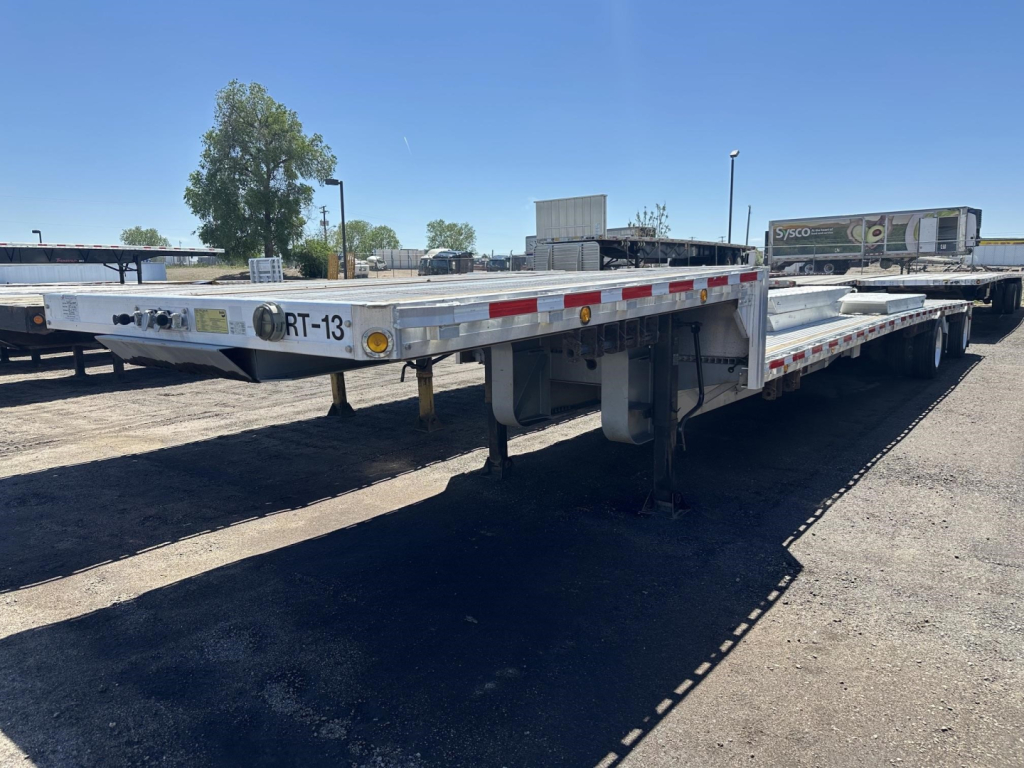
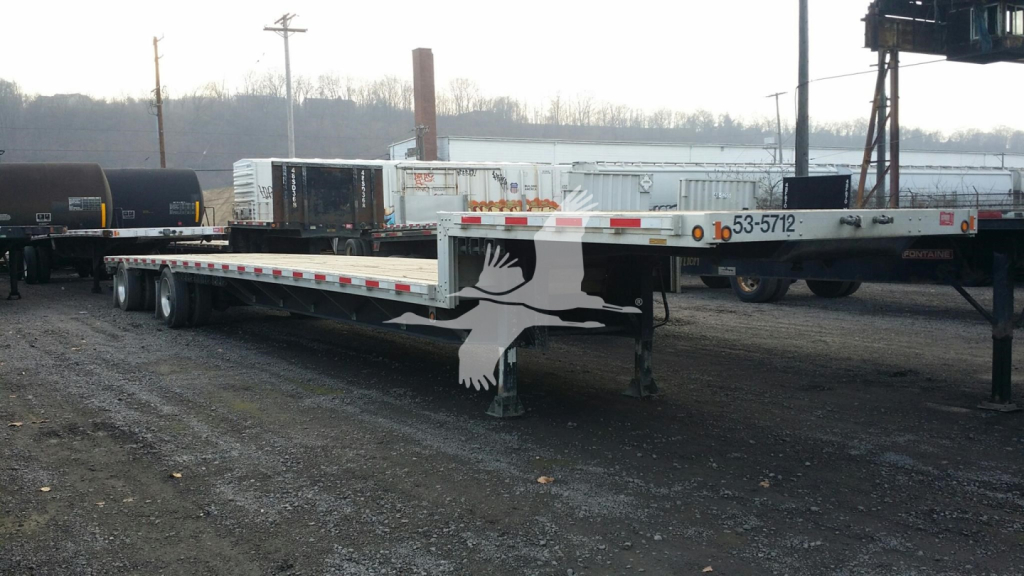
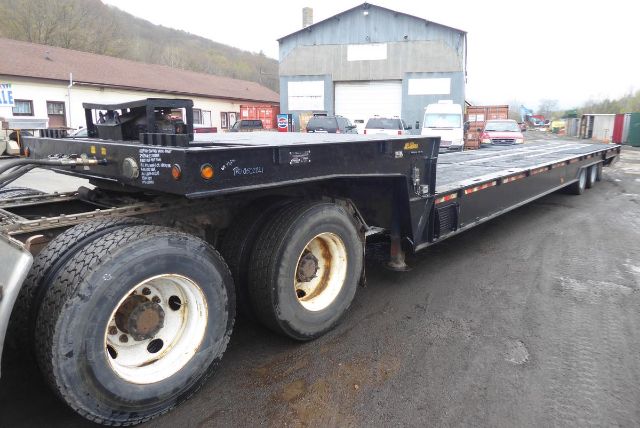
Construction matters on a 2014 model because tare weight and long-term durability can vary a lot by brand and build style. Aluminum drop decks typically save payload and resist corrosion, while steel or combo trailers can offer a stiffer platform for tougher service and concentrated loads. Floor material is another major decision point. Aluminum flooring reduces weight, while Apitong wood remains popular for traction, forklift resistance, and easier deck repair. Look closely at crossmember spacing, coil package reinforcement, side rail condition, and any signs of concentrated load damage around the main deck, transition area, and rear frame. If the trailer has winch tracks, sliding winches, pipe spools, nailing strips, or scuff protection, those features can make a real difference in how many load types it can handle without extra setup time.
Suspension and brake spec are just as important as deck layout. Most drop deck trailers from this era are tandem axle units with air ride suspension, often on Hendrickson or comparable setups, and many are configured with 22.5-inch rubber. Buyers should inspect suspension bushings, ride height, axle alignment, tire wear patterns, and the condition of air lines and dump valves. Brake type matters too. Drum brakes are common, but some trailers in this category may have disc brakes or added systems such as tire inflation systems. Landing gear condition, lighting, wiring, ABS function, and overall underframe integrity deserve a careful review on a 2014 trailer because age-related electrical and corrosion issues can add repair cost quickly.
Application should drive the final decision. A standard fixed-tail drop deck is a good general freight platform, while a beavertail with ramps is better suited for self-loading equipment such as skid steers, lifts, and compact machinery. Beam ratings, concentrated load ratings, and main deck height are especially important if the trailer will haul dense freight like steel, construction equipment, or palletized machinery. Buyers comparing 2014 drop deck trailers should balance empty weight, deck strength, securement layout, and maintenance history. A lighter trailer may improve payload, but a heavier-spec trailer with tighter crossmember spacing, a coil package, and stronger rear framework can be the better long-term choice for demanding freight.
Frequently Asked Questions about 2014 Drop Deck Trailers
What is the difference between a drop deck trailer and a flatbed trailer?
A drop deck trailer has two deck levels, with the main deck sitting lower than the front deck. That lower deck height allows taller cargo to move legally without exceeding height limits that would be a problem on a standard flatbed. Flatbeds are simpler and often lighter, but drop decks are preferred when freight needs more vertical clearance.
What should I inspect first on a 2014 drop deck trailer?
Start with frame condition, deck condition, suspension, brakes, tires, and the transition area between the upper and lower deck. On a 2014 trailer, fatigue cracks, floor wear, corrosion, axle misalignment, and neglected air or electrical systems are the most common cost drivers. Also verify ABS operation, landing gear function, and the condition of securement gear such as winch tracks and sliding winches.
Are aluminum drop deck trailers better than steel drop deck trailers?
Neither is automatically better. Aluminum drop decks usually weigh less and help maximize payload, which is valuable in general freight service. Steel trailers can offer more rigidity and may hold up better in harsher applications with heavy equipment, concentrated loads, or rough loading conditions. The right choice depends on freight mix, operating environment, and maintenance standards.
What freight is a 2014 drop deck trailer commonly used for?
This trailer class is commonly used for machinery, construction materials, palletized industrial freight, pipe, oversized crates, and equipment that is too tall for a flatbed. Units equipped with ramps or a beavertail are also well suited for hauling forklifts, skid steers, scissor lifts, and other wheeled or tracked equipment. The lower deck makes the trailer more versatile for over-height cargo while keeping loading and securement familiar to most flatbed operations.
Do deck height and kingpin setting really matter on a drop deck trailer?
Yes. Deck height determines how much legal cargo height you can carry, so even an inch or two can affect what loads fit without permits. Kingpin setting influences tractor-to-trailer clearance, weight distribution, and maneuverability. Those specs matter most when matching the trailer to a specific tractor wheelbase, state bridge laws, and the type of freight being hauled.