
2017 Drop Deck Trailers For Sale
Shop 2017 drop deck trailers with specs buyers want most, including deck length, weight, suspension, axle setup, flooring, and tie-down options.
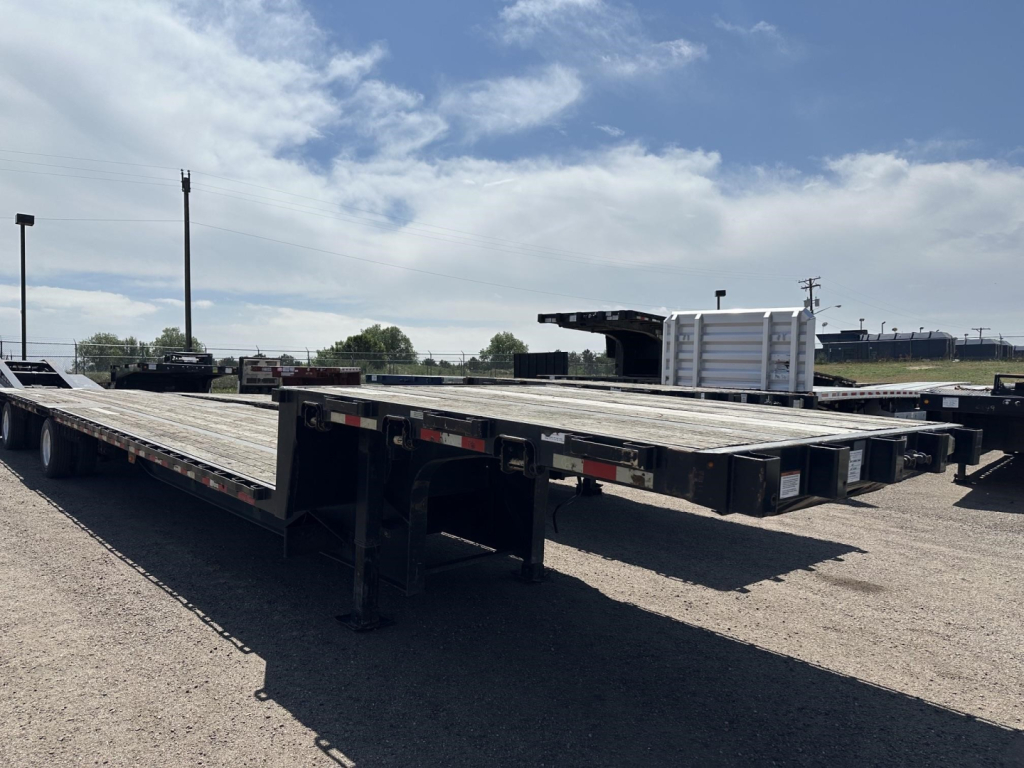
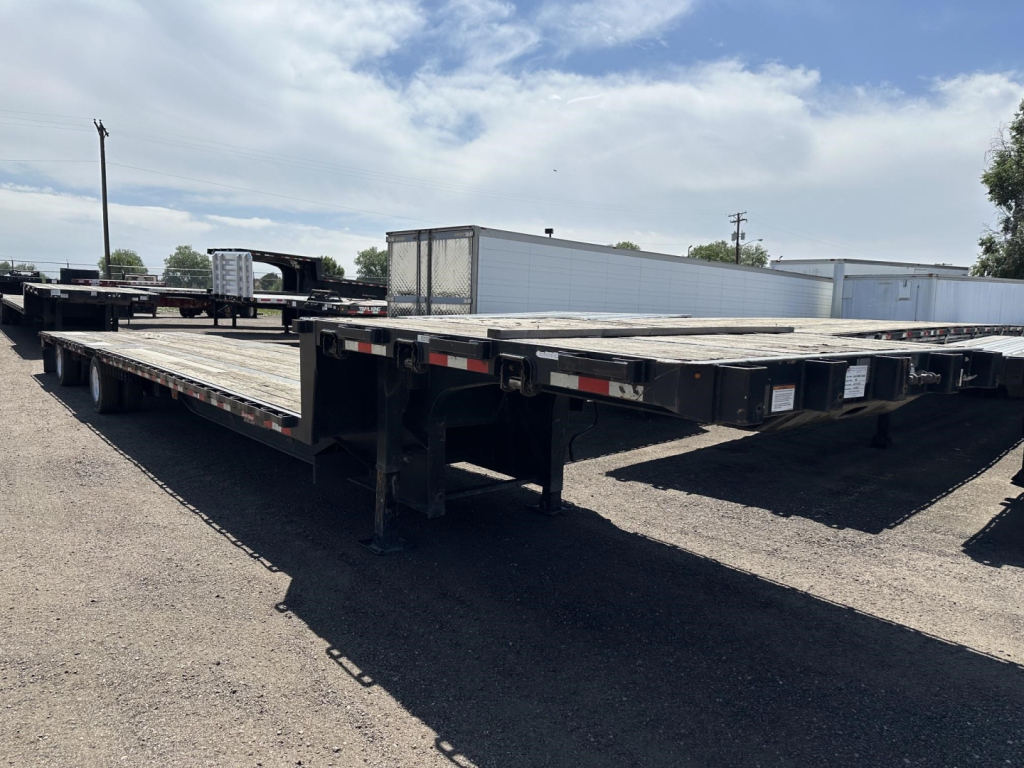
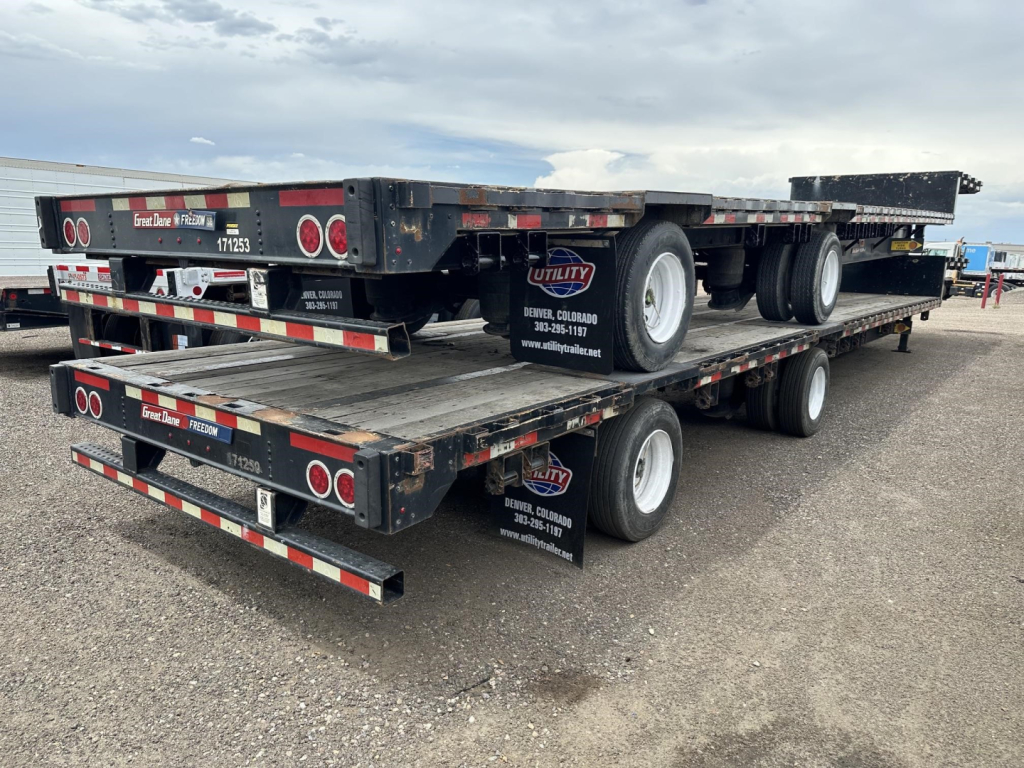
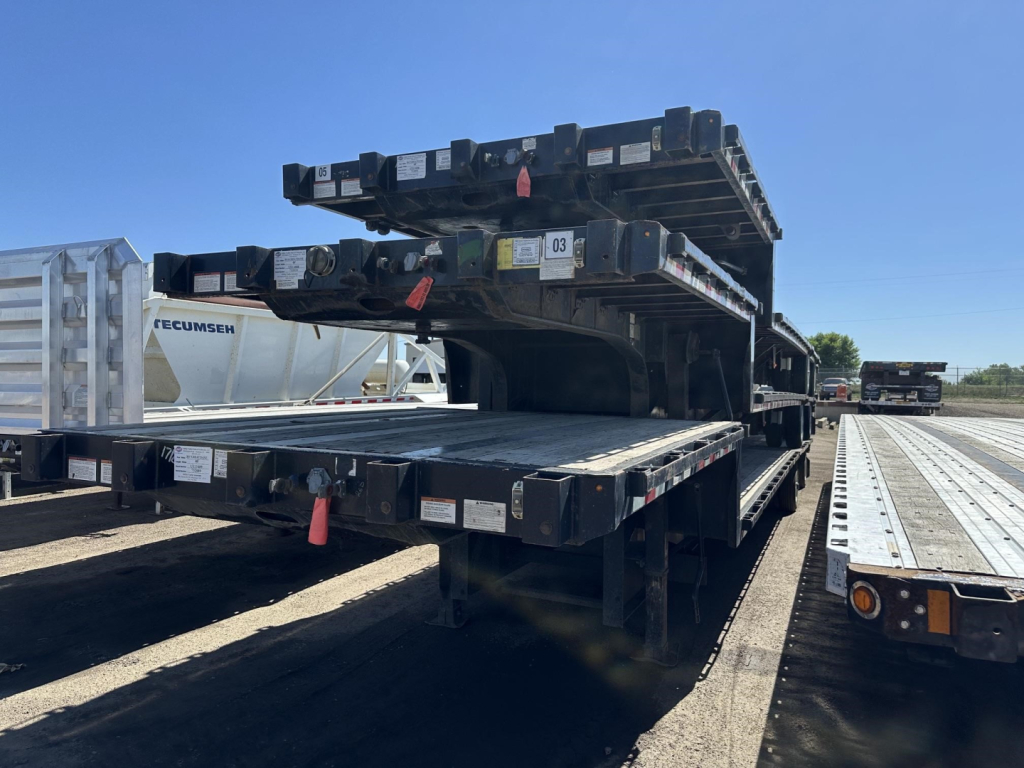
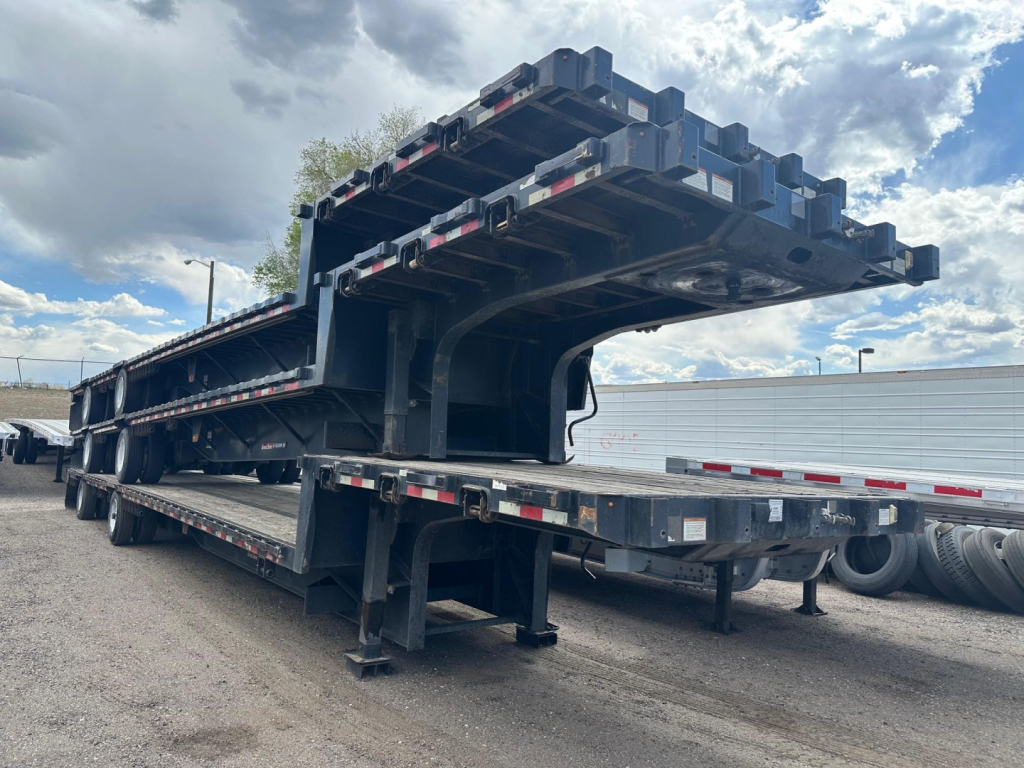
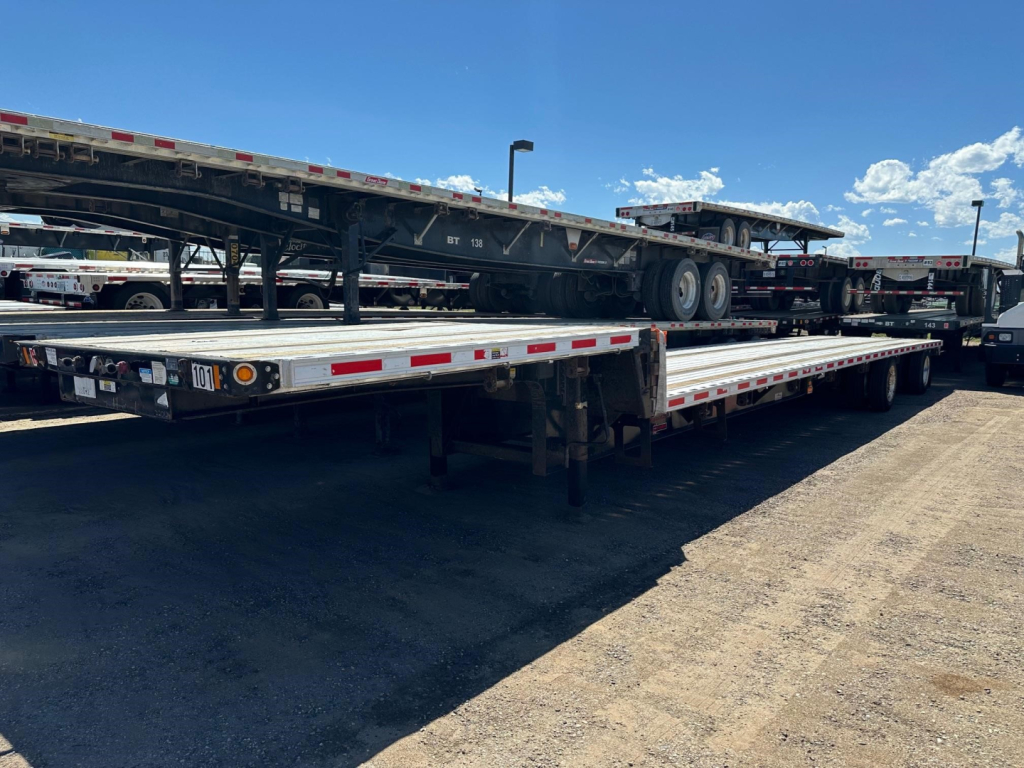

Selling a 2017 drop deck trailer? List your 2017 drop deck trailer for sale and reach thousands of commercial buyers.
2017 Drop Deck Trailers
Construction matters on a used 2017 drop deck because material choice directly affects payload and long-term durability. Aluminum models typically offer lighter tare weight and more payload capacity, while steel drop decks are often favored for rugged duty cycles, concentrated loads, and heavy jobsite use. Common flooring includes aluminum with nailer strips or full Apitong wood decking, and buyers should pay close attention to floor condition, crossmember spacing, and any added coil package or extra crossmembers if steel coils or dense freight are part of the work. Side rails, stake pockets, pipe spools, winch tracks, and sliding winches are more than convenience items. They determine how efficiently the trailer can handle mixed freight and how adaptable it is from one load to the next.
Suspension and axle configuration are just as important as deck specs. Many 2017 drop deck trailers are tandem axle units with air ride suspension, and some are equipped with spread or sliding rear axle setups to help with bridge law compliance or state-specific requirements such as California axle settings. Buyers should also look at kingpin setting, landing gear brand and condition, tire size, brake type, and wheel material. Disc brakes, tire inflation systems, dump valves, and anti-roll systems can add value if the trailer is running hard miles or carrying sensitive freight. A careful inspection should include frame rails, upper coupler area, suspension components, tire wear patterns, light wiring, deck repairs, and signs of overloading or concentrated stress around the transition area between upper and lower deck.
The best 2017 step deck trailer is the one that matches the freight mix and operating region. A lighter aluminum trailer may make more sense for maximizing legal payload on longer hauls, while a steel unit with wood decking and robust tie-down equipment can be a better fit for construction materials, equipment support, and crane counterweights. If forklift loading is common, deck height, rear access, and floor condition become critical. If the freight is machinery or oversized cargo, securement points, ramp compatibility, and lower deck length matter more than cosmetic condition. Buyers comparing 2017 models should weigh tare weight, structural condition, axle spread, and tie-down package before focusing on appearance, because those factors have the biggest impact on revenue, compliance, and resale value.
Frequently Asked Questions about 2017 Drop Deck Trailers
What is the main advantage of a 2017 drop deck trailer compared with a flatbed?
A 2017 drop deck trailer gives you a lower main deck height than a standard flatbed, which allows taller freight to stay within legal overall height limits. That extra height clearance is the main reason carriers use step decks for machinery, crated equipment, building materials, and freight that would sit too tall on a conventional flatbed. It also gives more loading flexibility for freight with uneven dimensions.
What lengths and deck dimensions are common on 2017 drop deck trailers?
Common 2017 drop deck trailers are 48 feet or 53 feet long and 102 inches wide. Many have an upper deck around 10 feet long and a lower deck ranging from roughly 37 feet to 43 feet depending on total trailer length. Main deck height varies by suspension, tire size, and frame design, but that lower deck measurement is one of the key specs buyers check when matching a trailer to freight requirements.
Is aluminum or steel better on a 2017 step deck trailer?
Aluminum is usually preferred when payload matters most because it keeps trailer weight down and can improve earning capacity on legal loads. Steel is often chosen for harsher applications where impact resistance, ruggedness, and heavy concentrated loading are more important than tare weight. The better choice depends on lane type, commodity mix, and how often the trailer sees rough loading environments or jobsite use.
What should I inspect first on a used 2017 drop deck trailer?
Start with the structural areas that affect safety and service life. Check the main beams, crossmembers, upper coupler plate, neck transition, suspension mounts, axle alignment, and landing gear. Then inspect the floor, winch track, side rails, stake pockets, pipe spools, lighting, brakes, and tire wear. Uneven tire wear, patched decking, cracked welds, or visible repairs around the transition from top deck to lower deck can point to hard use or prior overload conditions.
Which features add the most value on a 2017 drop deck trailer?
The most valuable features are usually the ones that improve payload flexibility, securement, and compliance. Buyers often look for air ride suspension, a useful axle setting, good flooring, dual-sided tie-down options, sliding winches, pipe spools, and a strong maintenance history. Disc brakes, tire inflation systems, extra crossmembers, coil packages, and quality landing gear can also raise value when the trailer is intended for demanding freight or high annual mileage.