
BWS Drop Deck Trailers For Sale
Shop BWS drop deck trailers with steel construction, air ride suspension, Apitong flooring, and heavy-duty securement for taller freight.
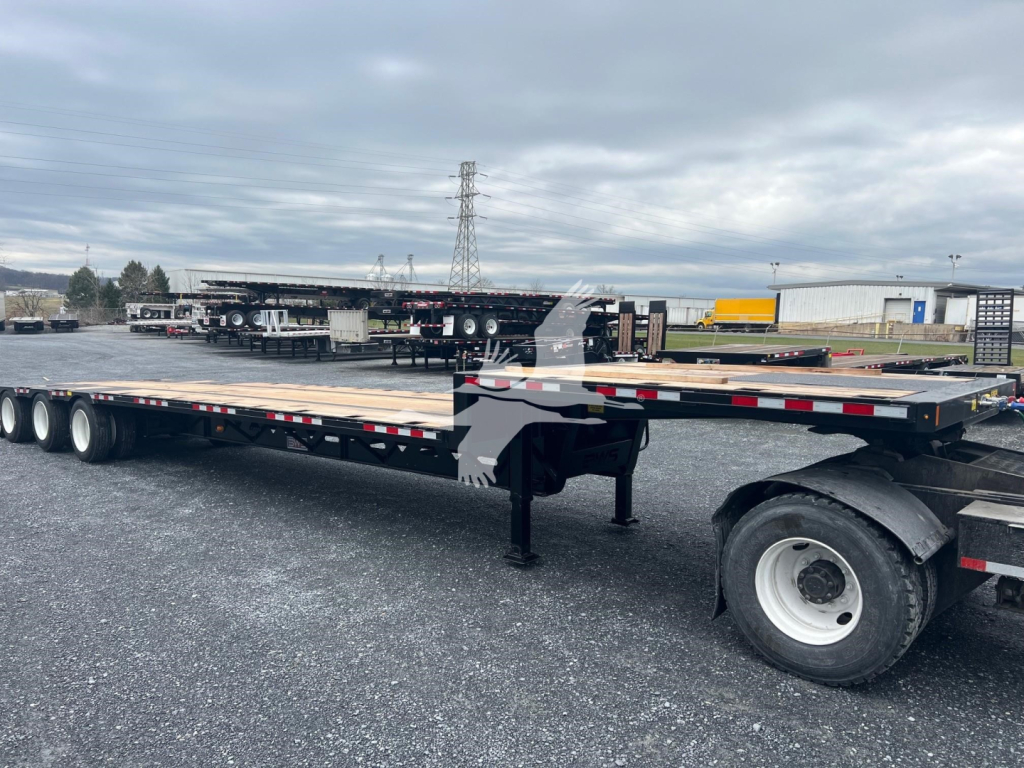
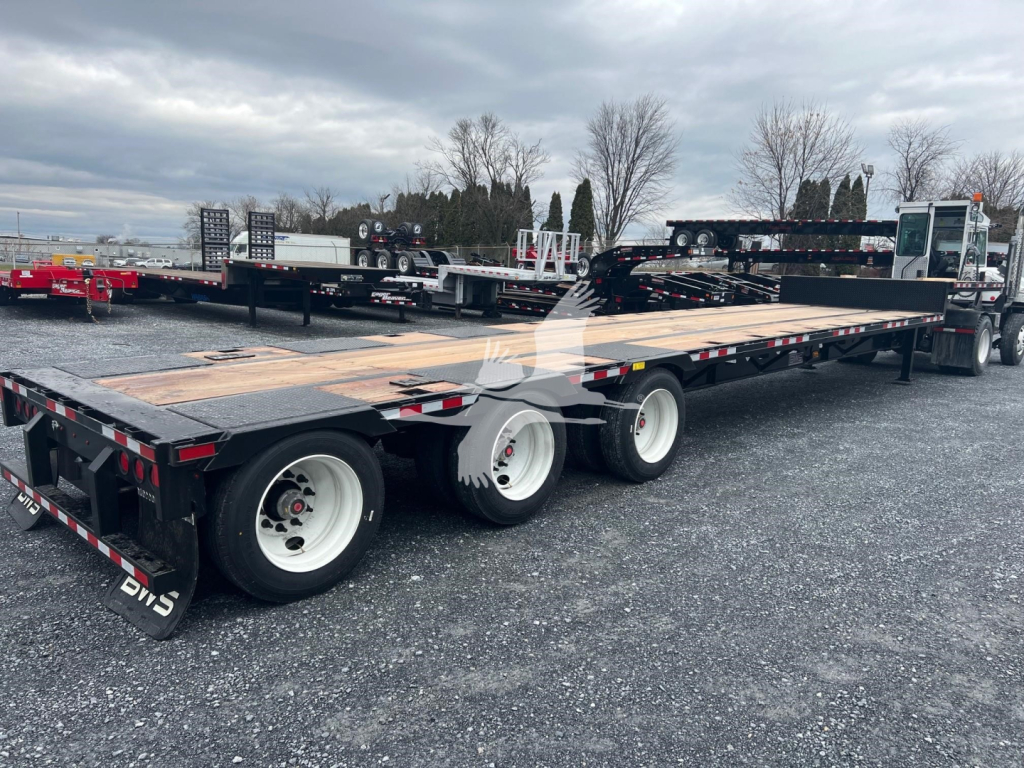
Selling a bws drop deck trailer? List your bws drop deck trailer for sale and reach thousands of commercial buyers.
BWS Drop Deck Trailers
One of the first things buyers look at in a BWS drop deck is structure. These trailers are commonly spec'd with a steel frame, 1 1/8-inch Apitong flooring, steel channel side rails, and 4-inch I-beam crossmembers on 16-inch centers. That combination matters if the work includes concentrated point loads, forklifts, or coil hauling. Listings in this category also show coil package configurations, 4-foot beam ratings around 80,000 pounds, and GVWR figures reaching 115,000 pounds on tri-axle models. If your freight mix includes steel, equipment, or dense palletized cargo, those frame and deck details are more important than headline length alone.
Axle and suspension setup is another major buying point. Many BWS drop deck trailers are tri-axle units with air ride suspension, often using a center lift axle and dump valve setup for better tire wear and improved maneuverability when empty or lightly loaded. Common specs include 61-inch axle spacing, an 18-inch kingpin setting, and rear axle placement that supports stable weight distribution across the lower deck. Buyers running regional heavy-haul support, construction lanes, or Canadian and northern routes often prioritize these specs because they affect bridge compliance, turning behavior, and how easily the trailer scales with different tractors and cargo profiles.
Securement and day-to-day usability are where a good drop deck earns its keep. Common BWS specs include 15 pairs of 4-way chain slots, stake pockets, pipe spools, roadside winch tracks, and a dozen sliding winches. Features like aluminum air tanks, two-speed landing gear, brake dust covers, and clear rear lighting packages also matter for uptime and service life. When comparing BWS drop deck trailers for sale, focus on lower deck height, axle configuration, beam rating, crossmember spacing, securement layout, and floor condition before anything cosmetic. Those are the details that determine how well a trailer handles real freight and how much versatility you get from it over the long term.
Frequently Asked Questions about BWS Drop Deck Trailers
What is a BWS drop deck trailer used for?
A BWS drop deck trailer is used for hauling freight that is too tall for a standard flatbed but does not require a detachable lowboy. Common applications include construction equipment, palletized machinery, steel products, lumber, pipe, and oversized crated freight. The lower main deck provides extra height clearance while still allowing loading from the rear or side with forklifts and cranes.
What specs matter most when comparing BWS drop deck trailers?
The most important specs are overall length, upper deck length, lower deck length, loaded deck height, axle count, suspension type, beam rating, and securement package. Buyers should also check kingpin setting, crossmember spacing, side rail design, and floor material such as Apitong. These details affect legal loading height, weight distribution, durability under concentrated loads, and how easily the trailer fits your freight lanes.
Why choose a tri-axle BWS drop deck trailer?
A tri-axle BWS drop deck trailer is often chosen for higher gross weight capacity and better support for dense or heavy freight. Many are spec'd with a center lift axle, which can help reduce tire scrub and improve maneuverability when running empty or with lighter loads. For operators hauling machinery, steel, or heavier building materials, the extra axle can provide better flexibility for scaling and load placement than a tandem setup.
Is steel or aluminum better on a drop deck trailer?
Steel is usually preferred when durability, frame strength, and resistance to concentrated heavy loads matter most. BWS steel drop deck trailers are commonly selected for equipment, steel, and jobsite freight because they handle hard use well and are often paired with heavy-duty crossmember and beam ratings. Aluminum can save tare weight, but steel is typically the better fit for buyers who prioritize rugged service and structural confidence over maximum payload reduction.
What securement features should a buyer expect on a BWS drop deck trailer?
A well-spec'd BWS drop deck trailer often includes multiple pairs of chain slots, stake pockets, pipe spools, winch tracks, and sliding winches. These features allow the trailer to handle a wider variety of cargo without constant reworking of the securement plan. If the trailer will haul steel, machinery, or mixed open-deck freight, the spacing and quantity of tie-down points are just as important as axle rating or deck length.