
2027 Commercial Trucks For Sale
Browse 2027 trucks for sale including day cabs, sleepers, tow trucks, and vocational models with modern safety, powertrain, and GVWR options.
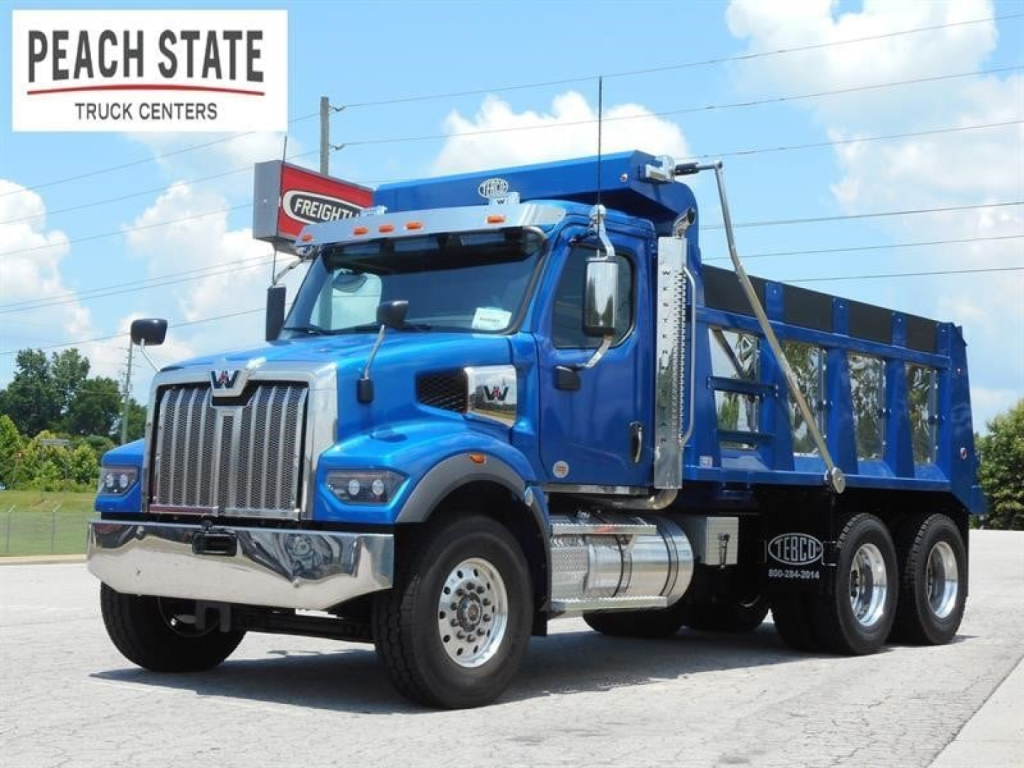
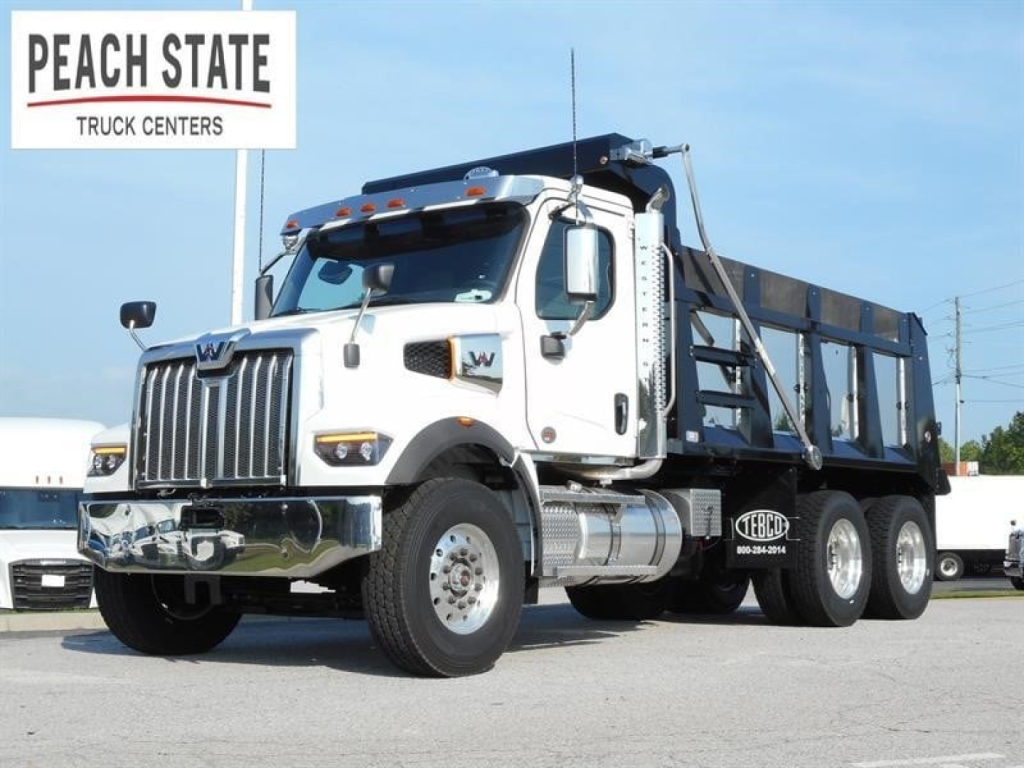
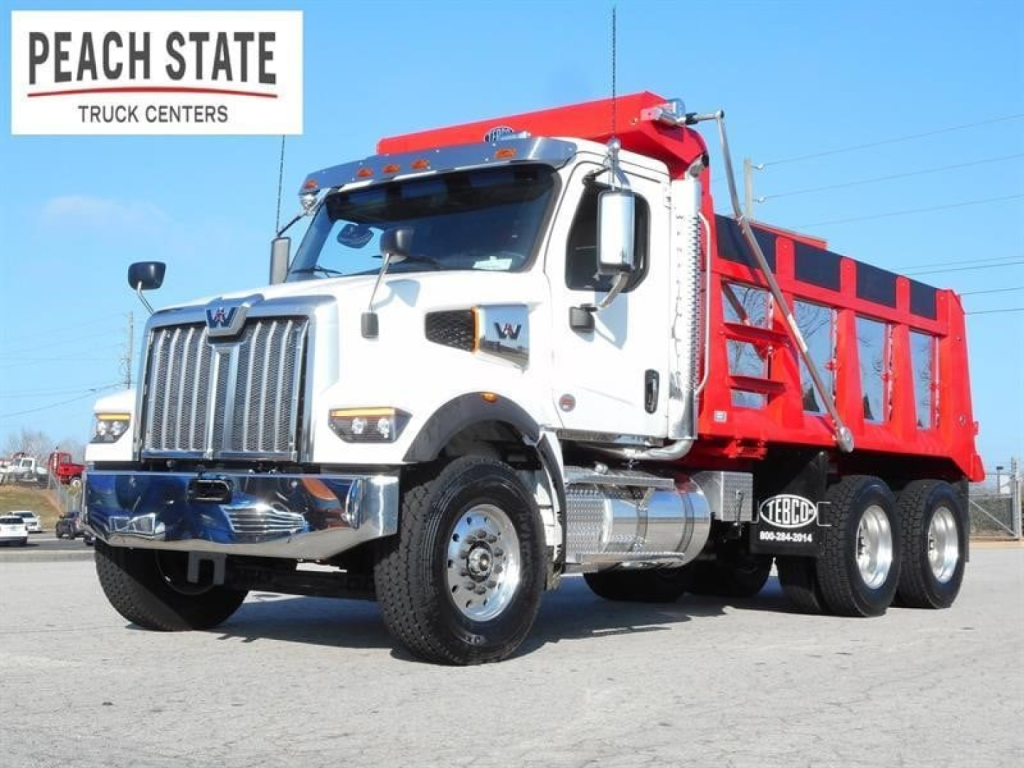
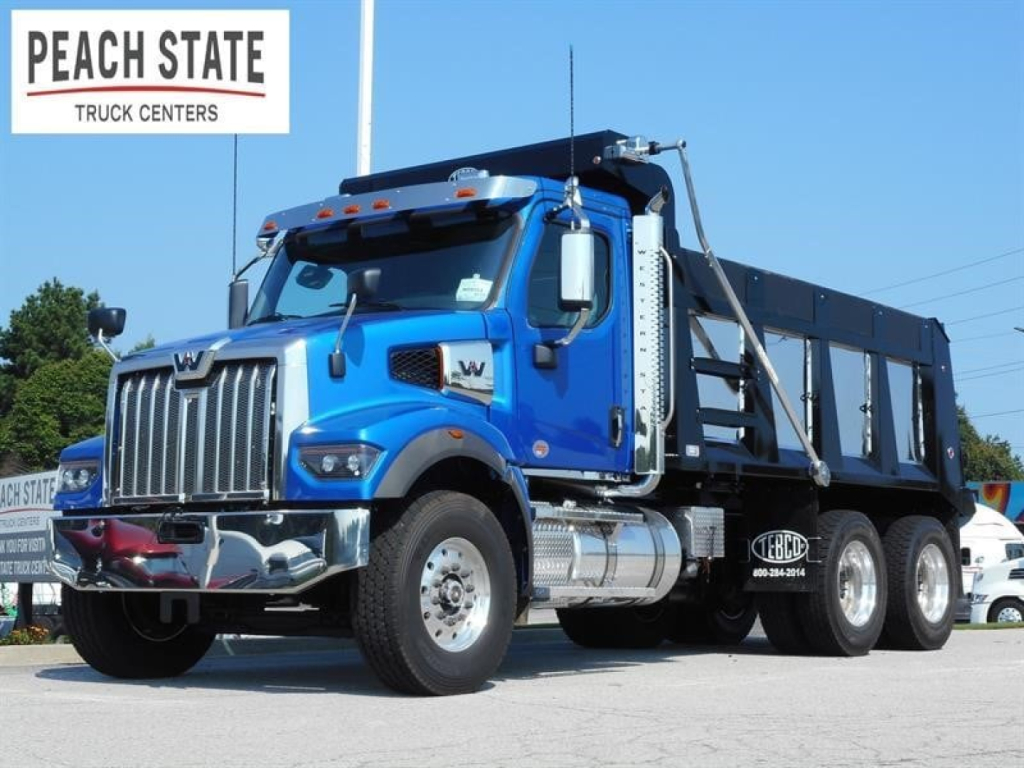
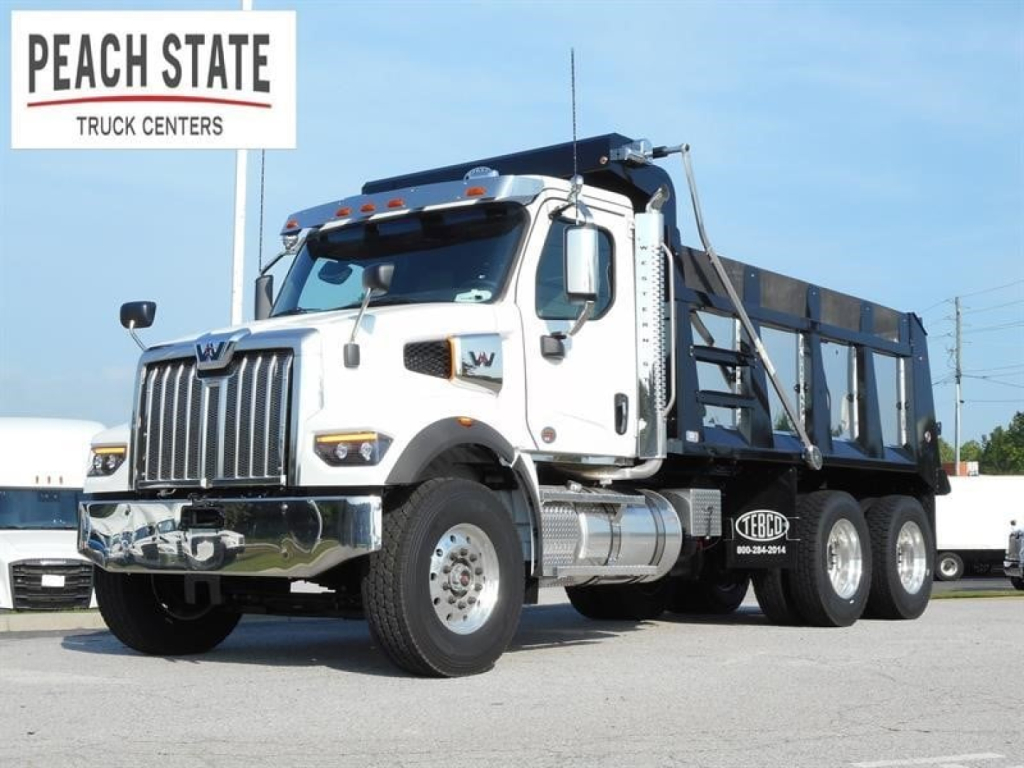
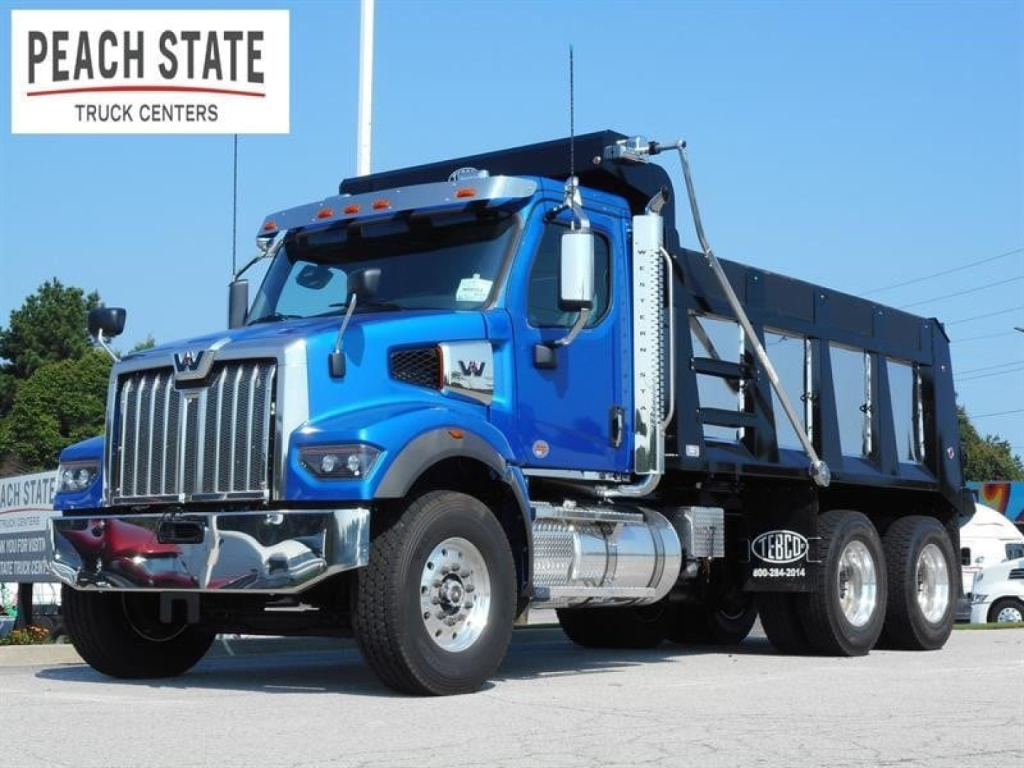
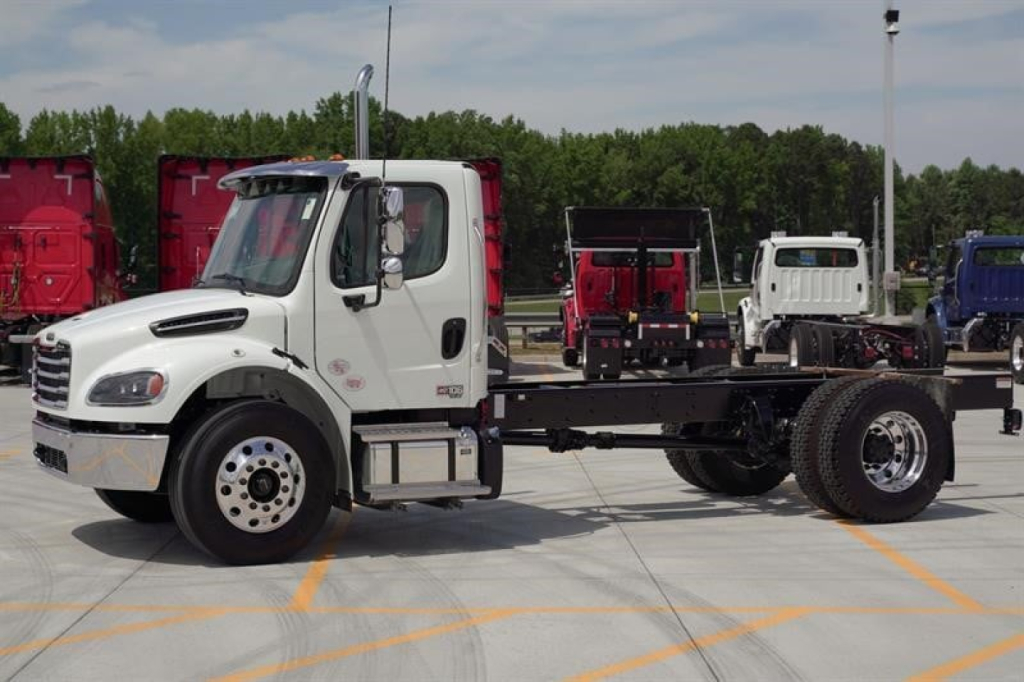
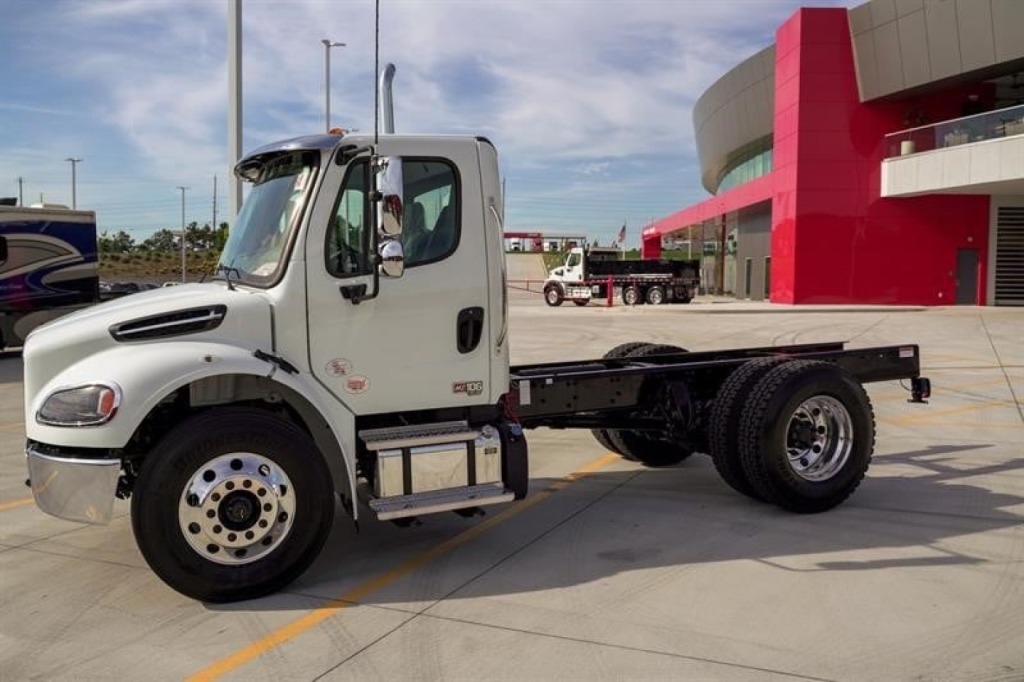
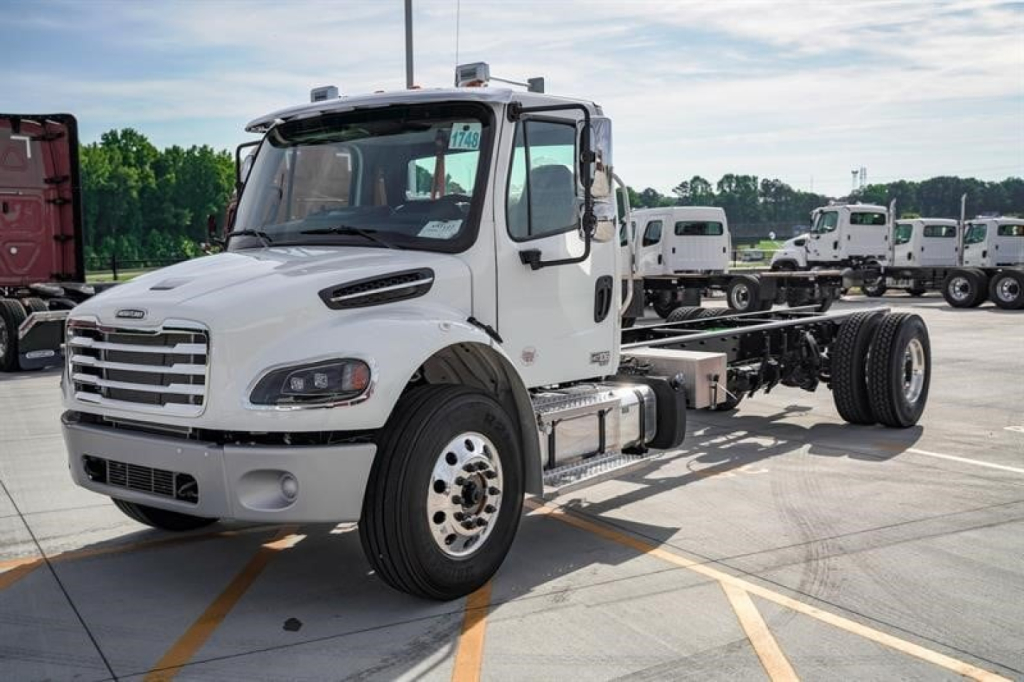
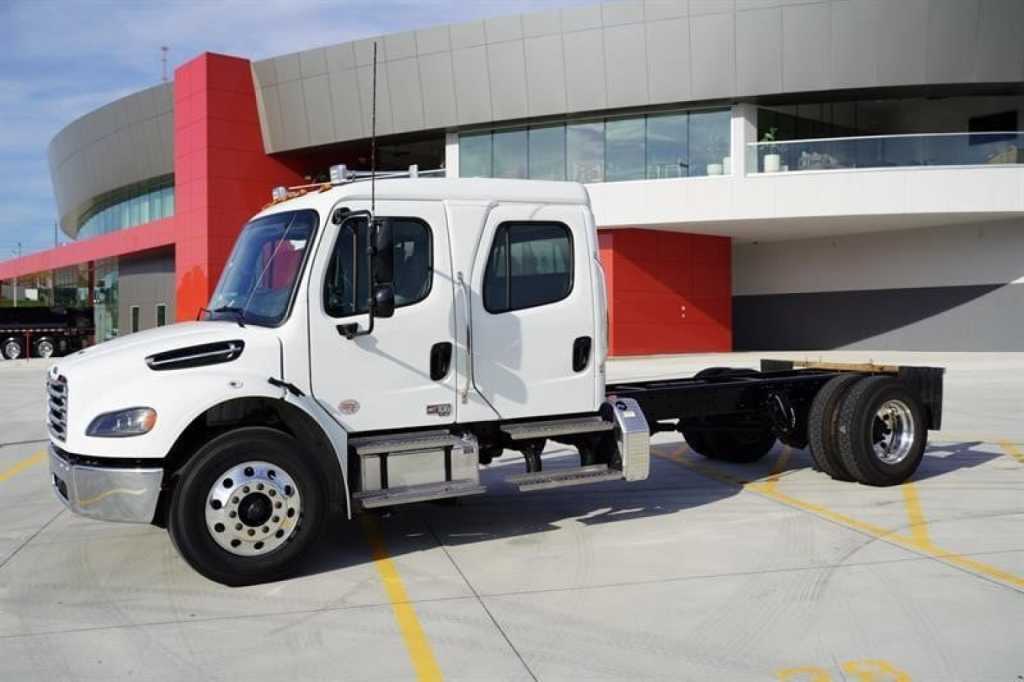
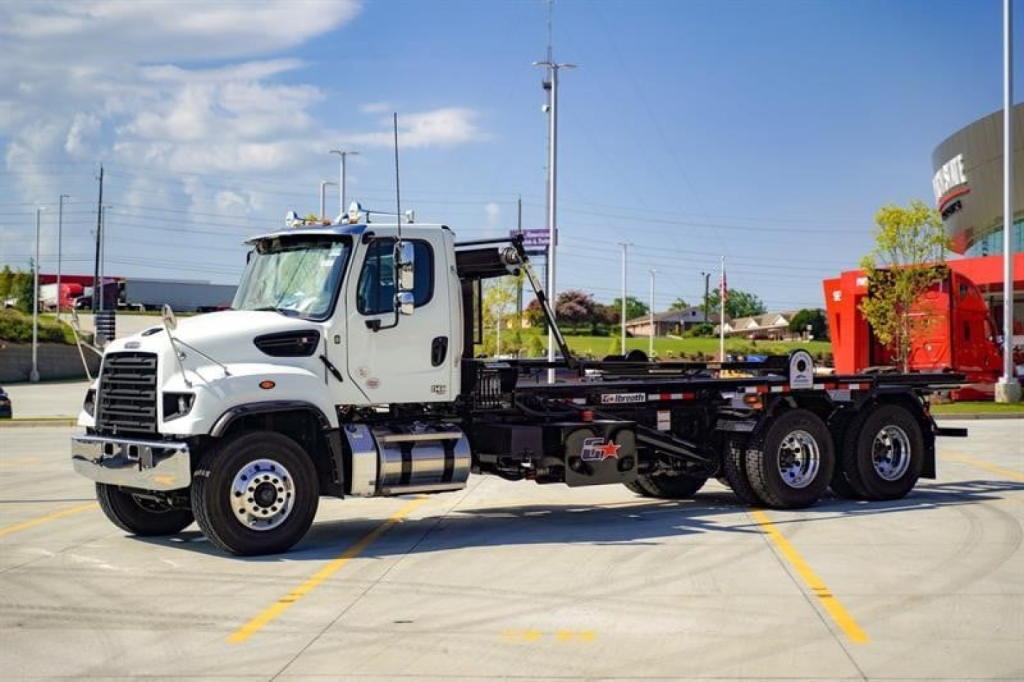
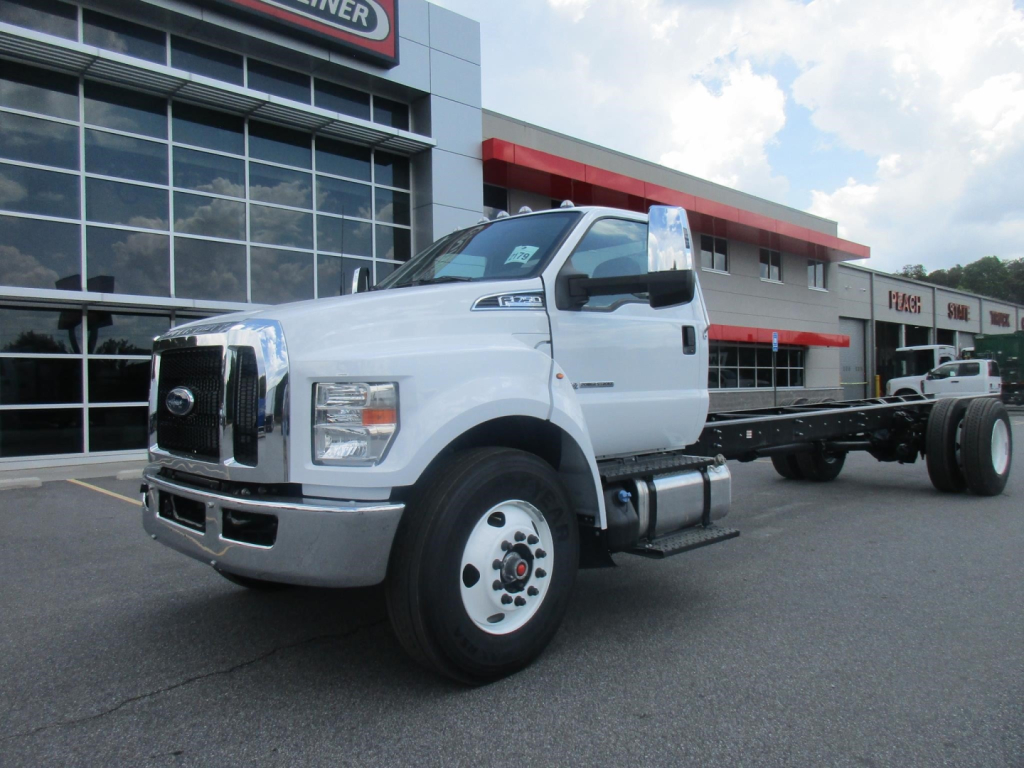
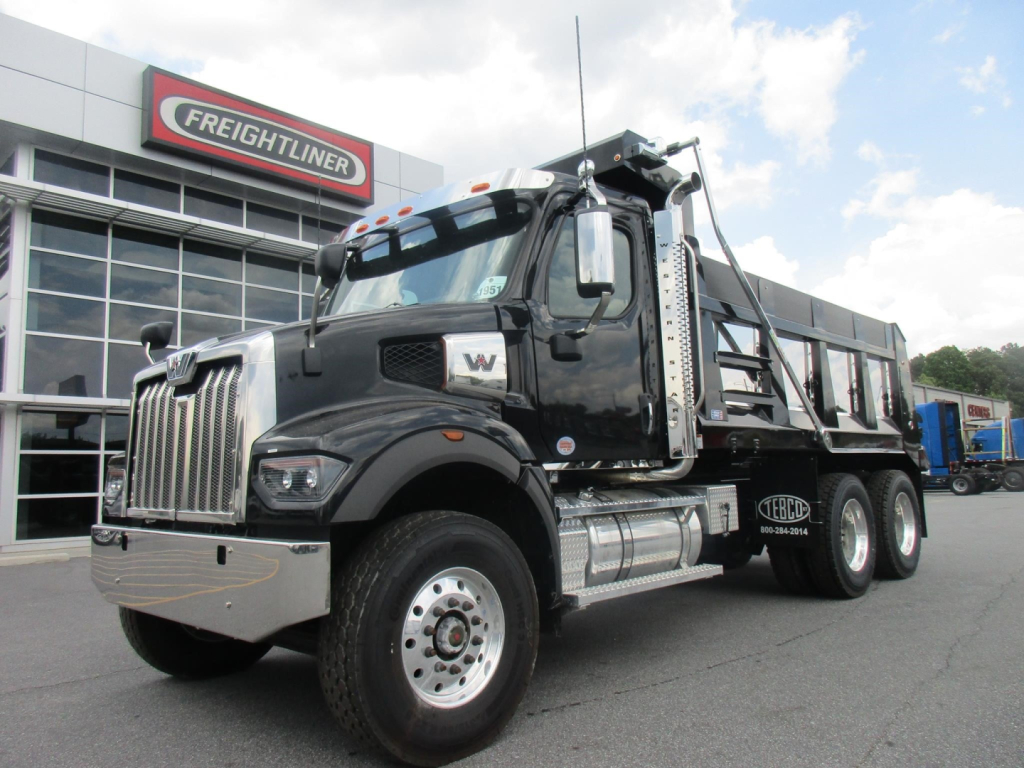
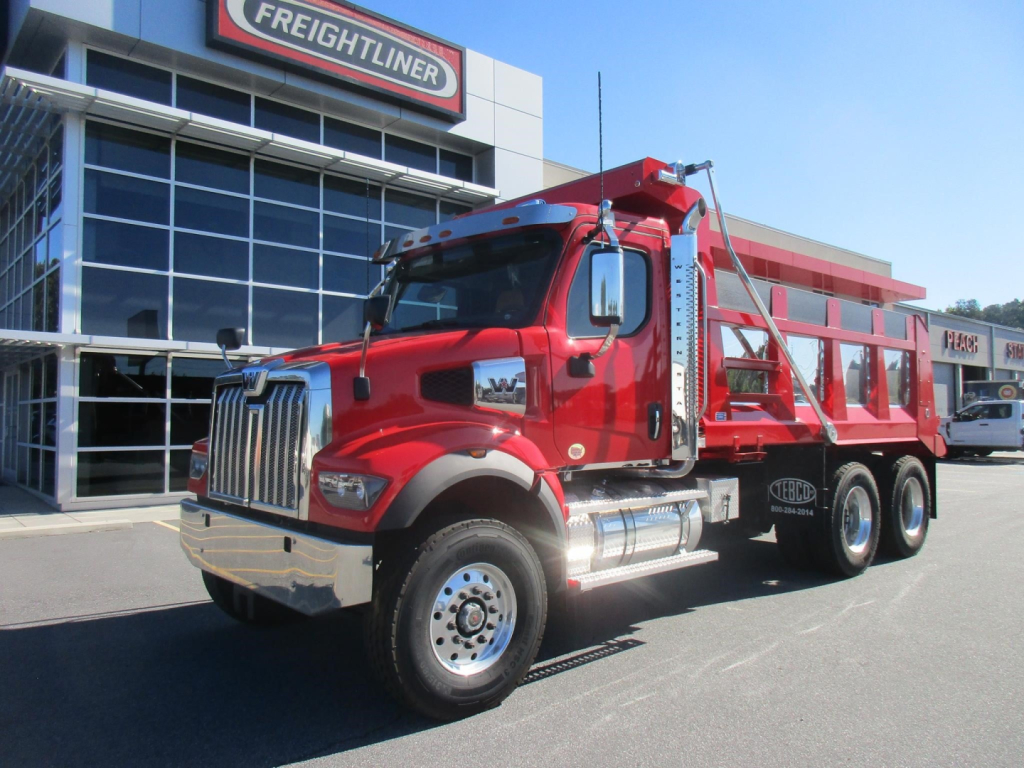
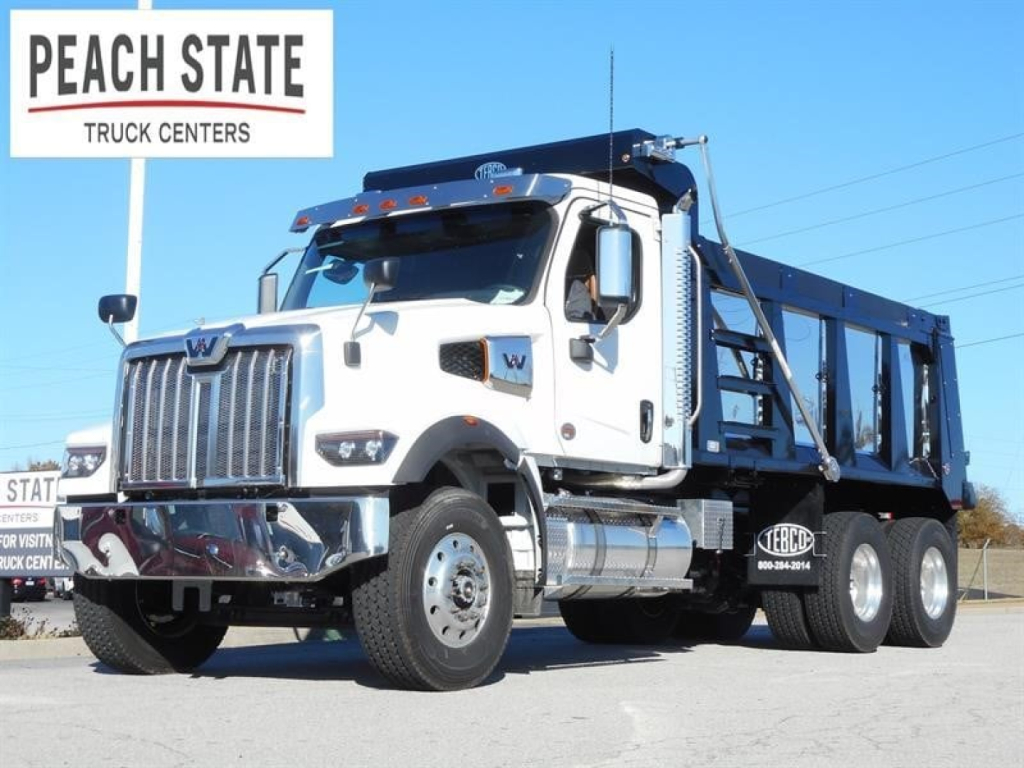
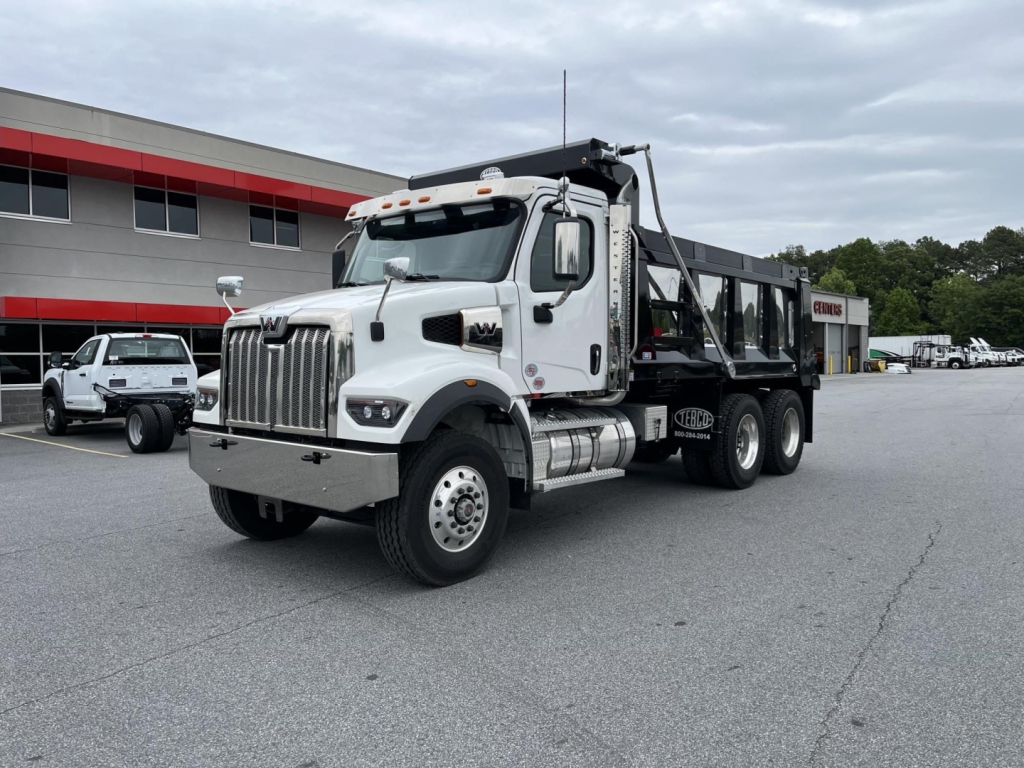
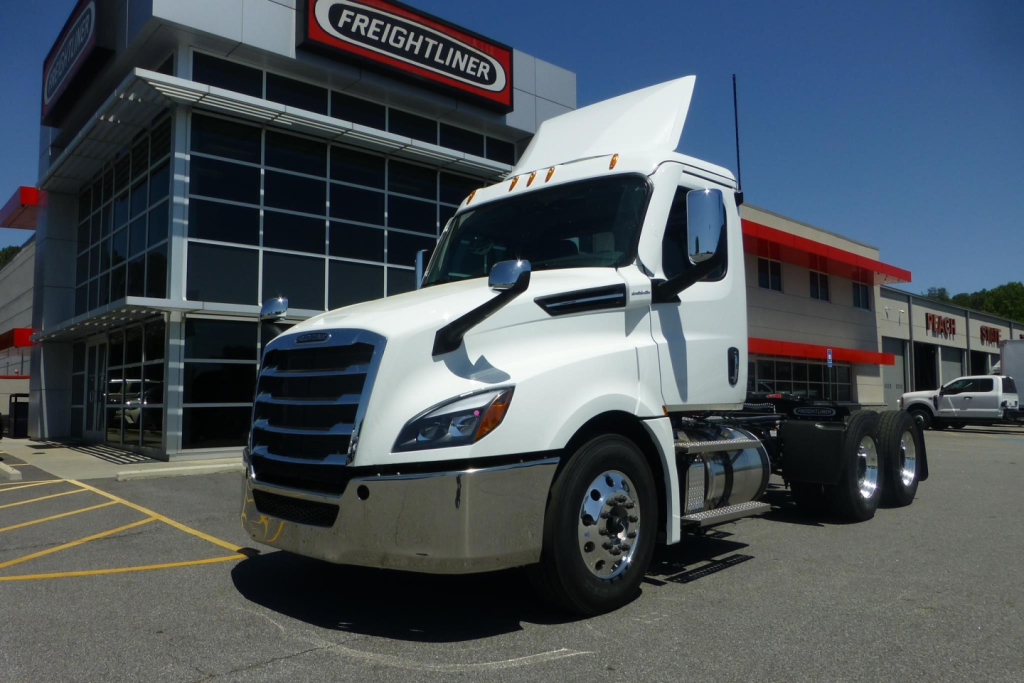
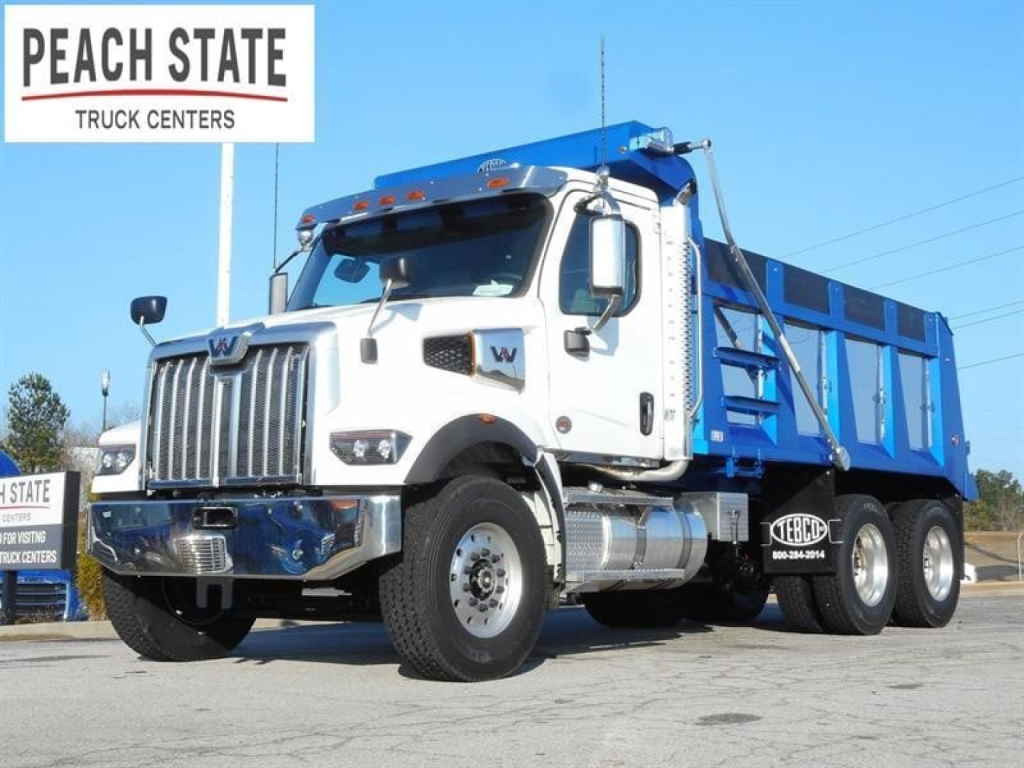
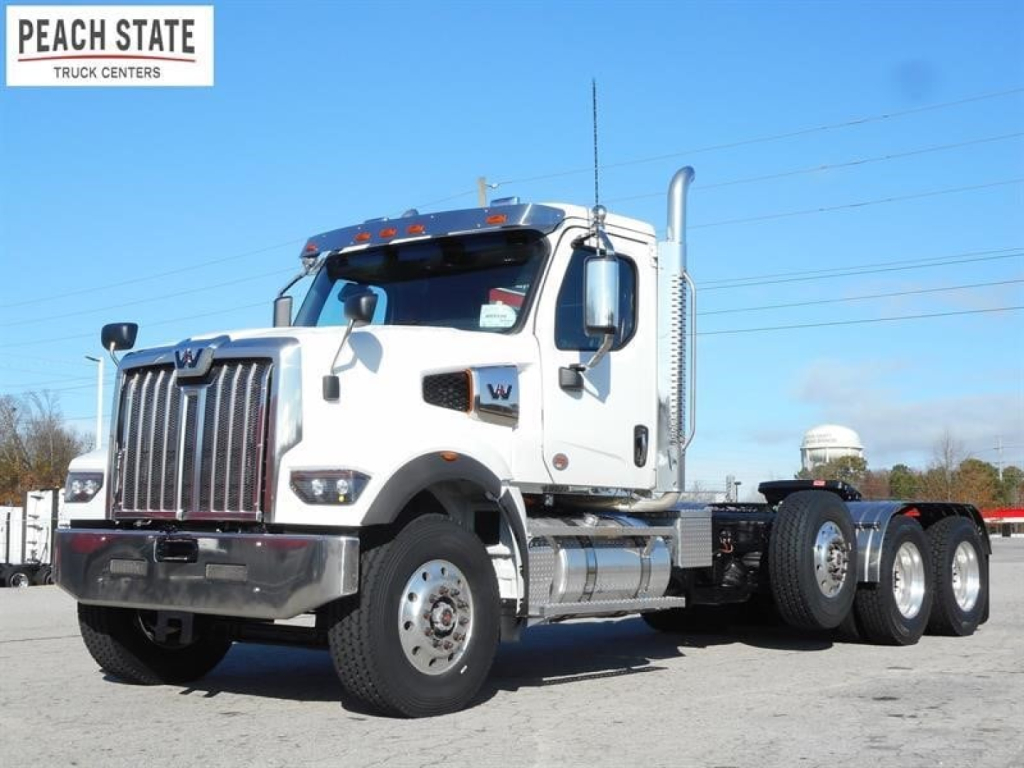
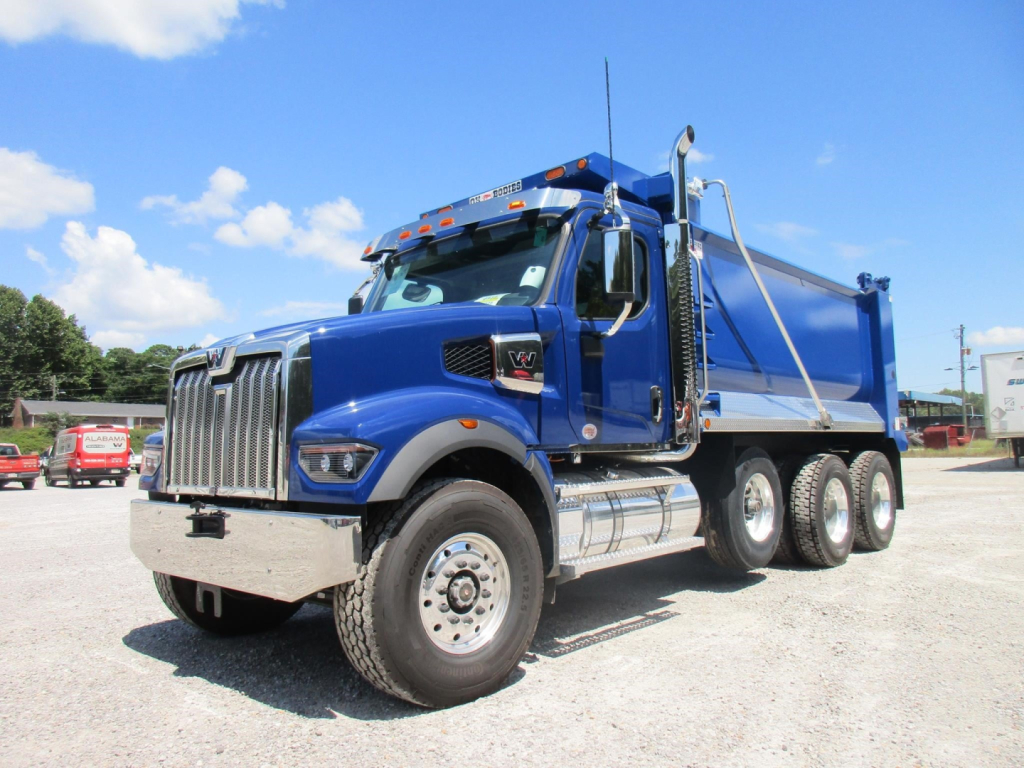
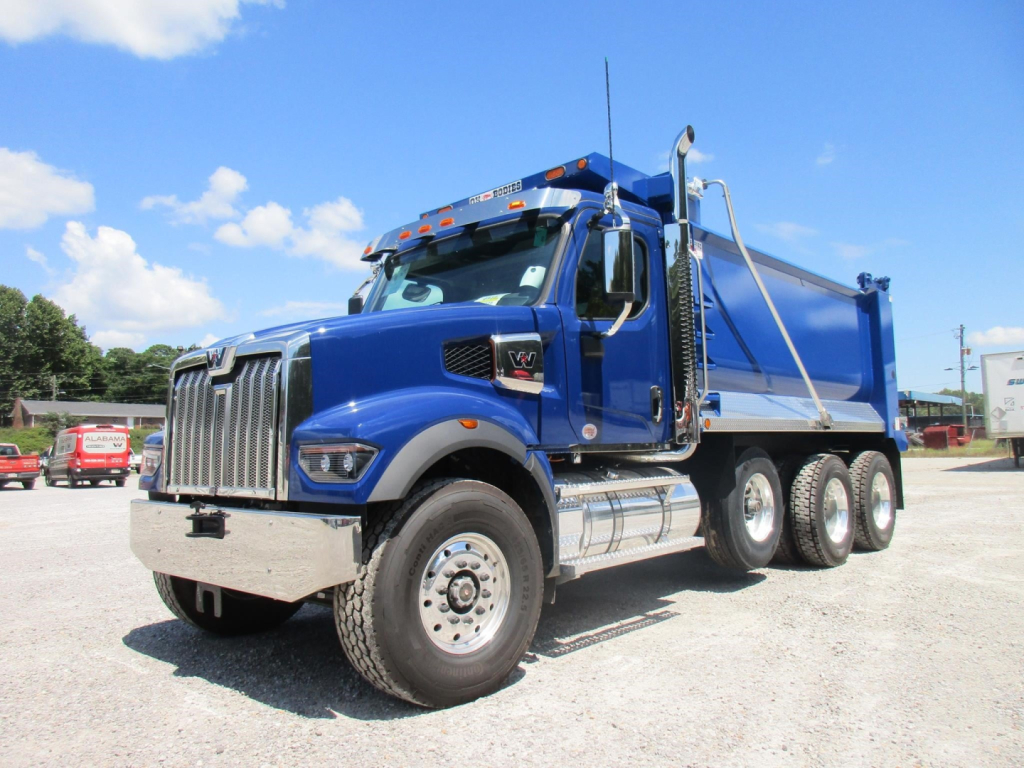
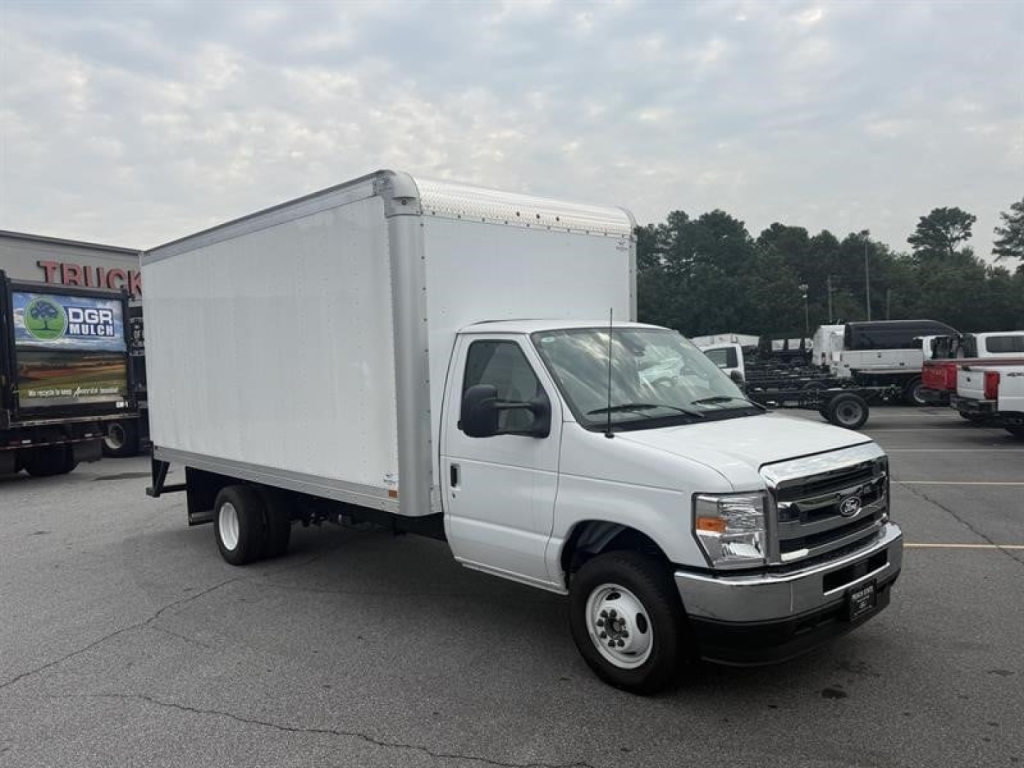
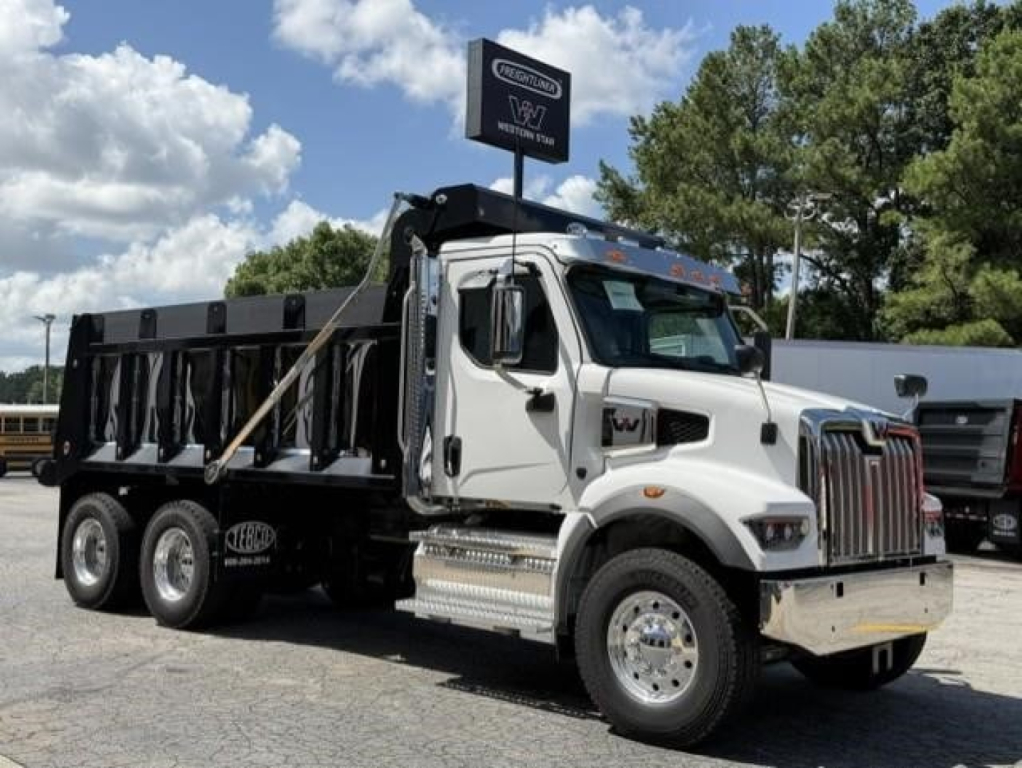
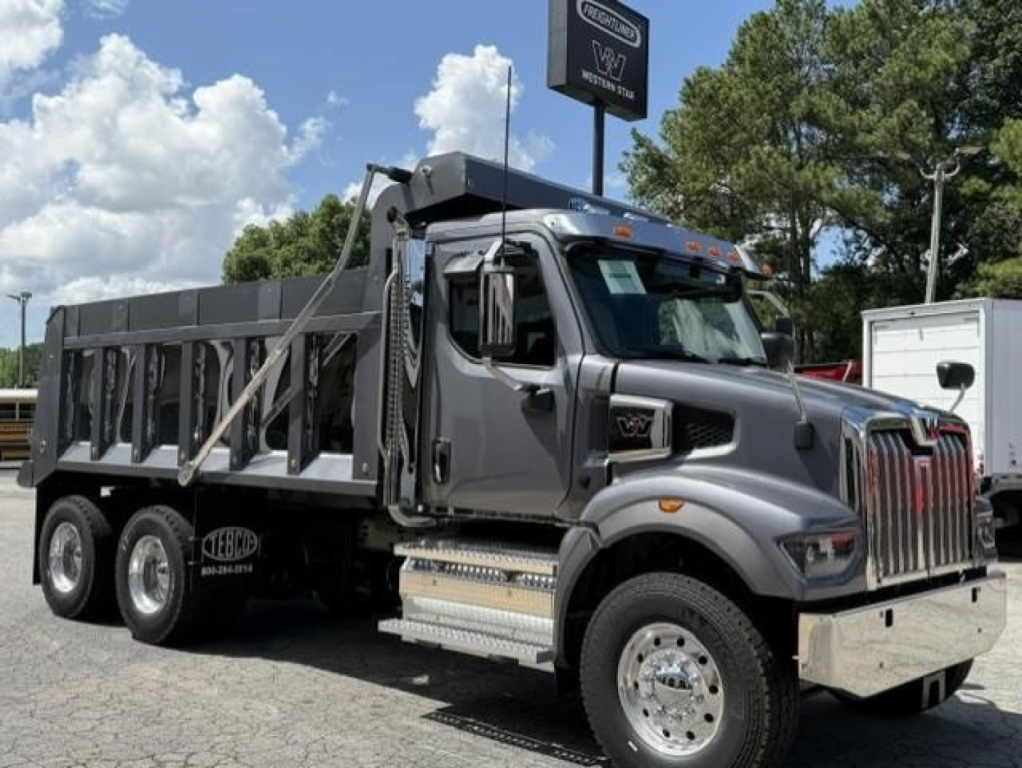
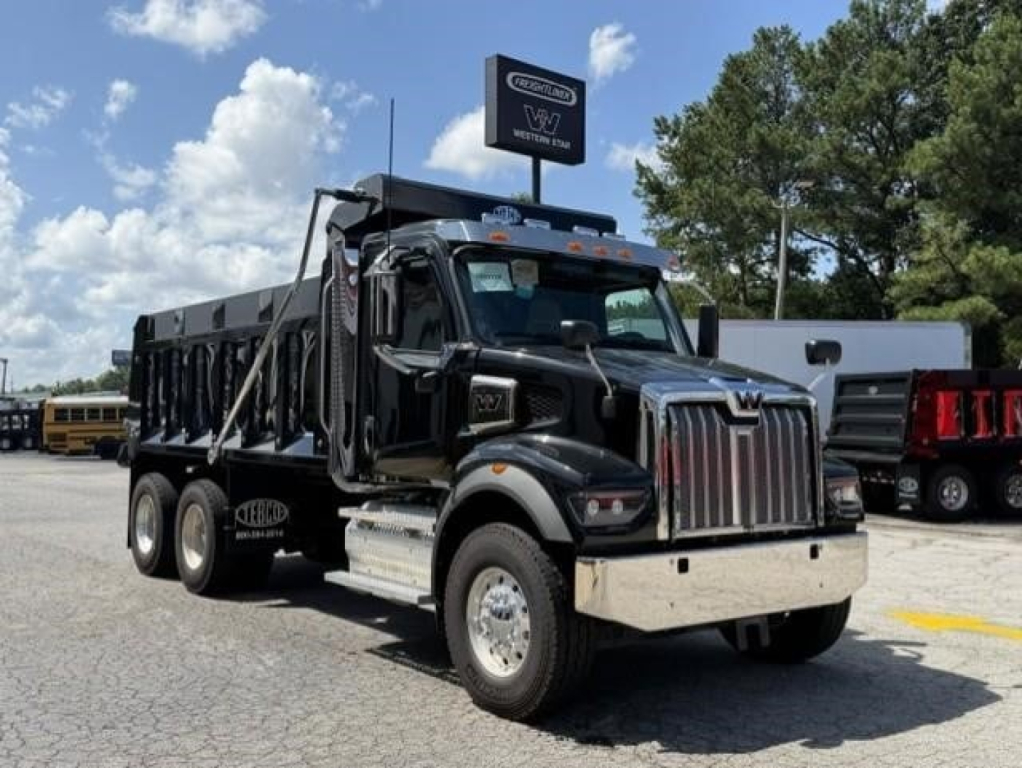
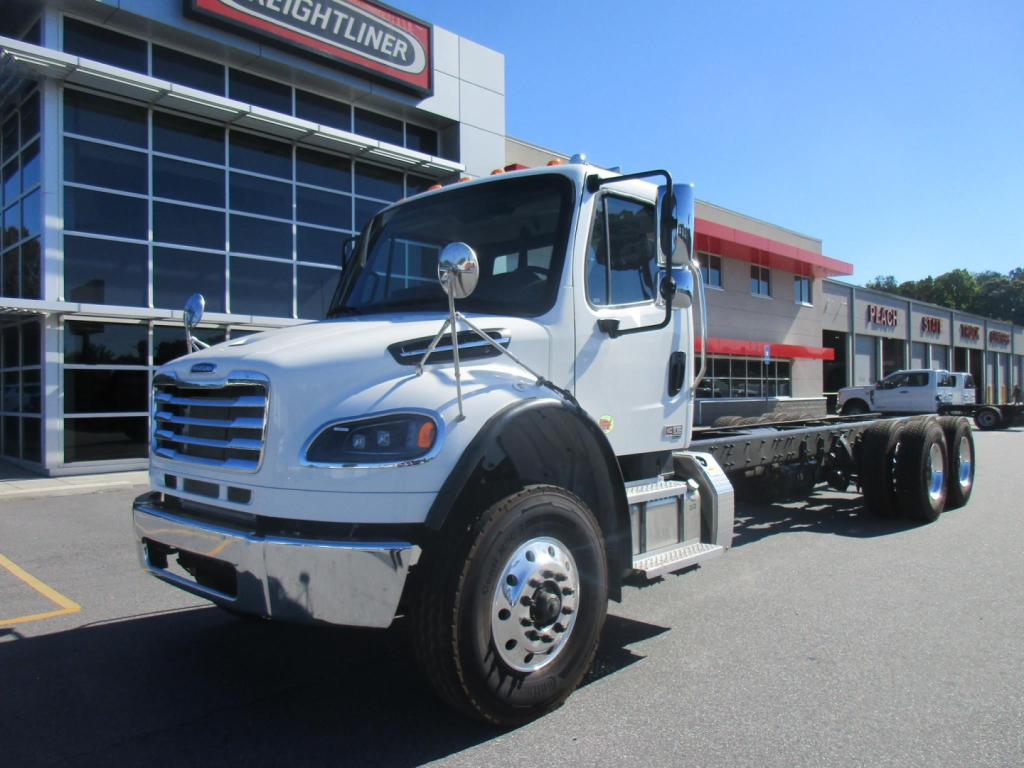
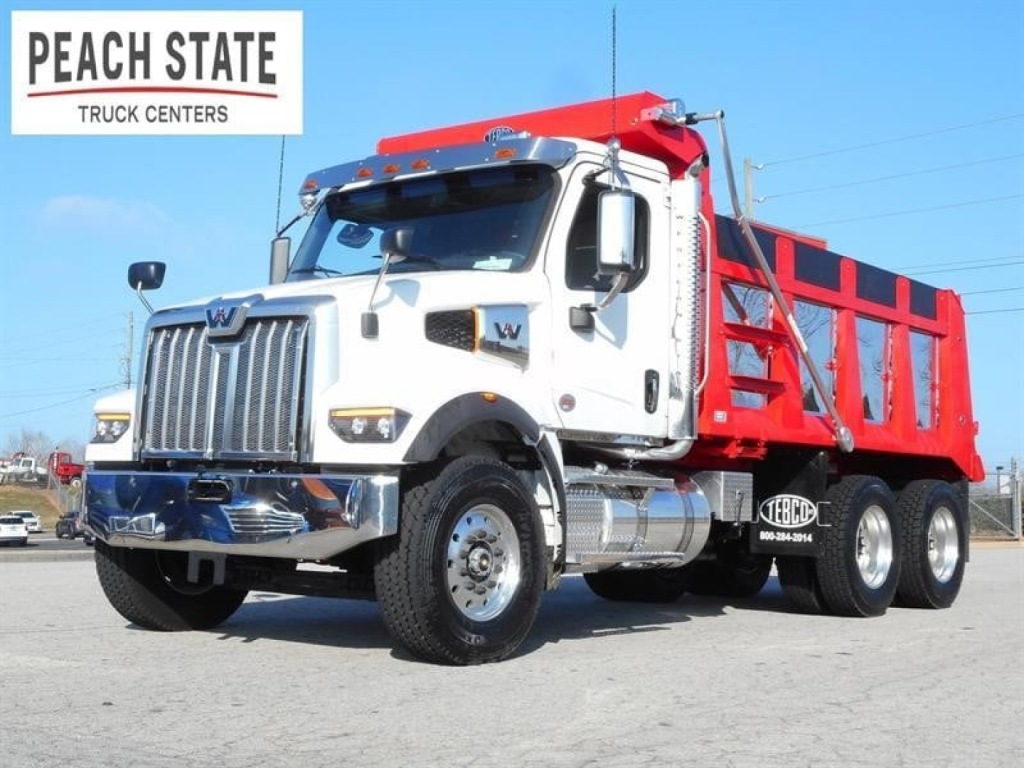
Showing 85 to 112 of 534 results
Selling a 2027 commercial truck? List your 2027 commercial truck for sale and reach thousands of commercial buyers.
2027 Commercial Trucks
In the Class 8 market, 2027 conventional trucks are likely to center on automated manual transmissions, aerodynamic packages, and integrated safety systems. Common specs include 13-liter to 15-liter diesel engines, horsepower ratings from the low 400s into the 500 hp range, 12-speed automated transmissions, and tandem rears rated around 40,000 pounds. Buyers comparing sleeper tractors should look closely at roof height, bunk layout, fairings, fuel tank capacity, and 5th wheel setup. Day cabs, also known as non-sleeper conventionals, are often spec'd for port work, regional haul, and dedicated freight with shorter wheelbases, lighter curb weight, and easier access in tight yards.
Medium-duty and vocational 2027 trucks need a different checklist. GVWR, front axle capacity, frame rail dimensions, cab-to-axle length, suspension type, and brake system determine what body can be installed and how the truck will perform once loaded. Tow trucks and rollback carriers, for example, are often judged by bed length, deck width, winch rating, wheel-lift capacity, and chassis stability under load. A buyer looking at a straight truck, carrier, or service body application should also confirm PTO provisions, electrical architecture, body-builder support, and whether the truck uses hydraulic or air-brake equipment appropriate for the job.
A newer truck year like 2027 also puts more focus on emissions system strategy, telematics, collision mitigation, and total operating cost. Disc brakes, adaptive cruise control, lane-departure warning, tire pressure monitoring, and factory-installed camera systems are increasingly common on both highway and vocational platforms. The smartest comparison is not just purchase price. It is uptime, service network, software support, warranty coverage, fuel economy, and how well the spec matches the lane, payload, and body requirement. A properly spec'd 2027 truck can lower maintenance surprises, improve driver acceptance, and produce better revenue per mile or per hour on the job.
Frequently Asked Questions about 2027 Commercial Trucks
What types of 2027 trucks are typically included in this category?
This category can include a wide range of equipment, from medium-duty straight trucks and tow trucks to Class 8 conventional day cabs and sleeper tractors. The most common groupings are highway tractors for regional or long-haul freight, vocational chassis for body upfits, and specialized units such as rollback carriers or wreckers. The right choice depends on GVWR, axle ratings, intended body, and the operating environment.
What specs matter most when comparing 2027 highway trucks?
For highway tractors, the key specs are engine displacement, horsepower, torque, transmission type, rear axle ratio, wheelbase, suspension, and sleeper configuration. Buyers should also check fuel tank capacity, aerodynamic package, 5th wheel type, and safety technology. These details affect fuel economy, payload, maneuverability, driver comfort, and how well the truck fits a specific lane or trailer set.
How do I choose between a 2027 day cab and a 2027 sleeper truck?
A day cab is typically the better fit for local, drayage, and regional work where drivers return regularly and shorter wheelbase improves maneuverability. A sleeper truck is better suited for long-haul operations, teams, and routes that require overnight rest in the tractor. The decision should be based on route length, driver scheduling, idle reduction strategy, and the amount of onboard storage and living space needed.
What should I check on a 2027 vocational or tow truck chassis?
On vocational and towing applications, focus on cab-to-axle measurement, frame strength, PTO readiness, front and rear axle capacity, suspension, brake type, and electrical integration for the body. For rollback and wrecker setups, verify bed dimensions, winch rating, wheel-lift capacity, tie-down configuration, and overall stability. These specifications determine legal payload, body compatibility, and safe performance in real working conditions.
Are newer 2027 trucks likely to have more safety and technology features?
Yes. Newer trucks commonly include integrated driver-assistance and fleet-management systems that were less common on older equipment. Features such as collision mitigation, adaptive cruise control, lane-departure warning, disc brakes, telematics, and camera systems can improve safety, help with driver retention, and support maintenance planning. Buyers should still verify which features are factory-installed versus optional, because equipment levels can vary significantly by application and original spec.