
2027 Crane Trucks For Sale
Shop 2027 crane trucks for lifting, loading, and field service work. Compare boom capacity, chassis specs, PTO setup, and body options.
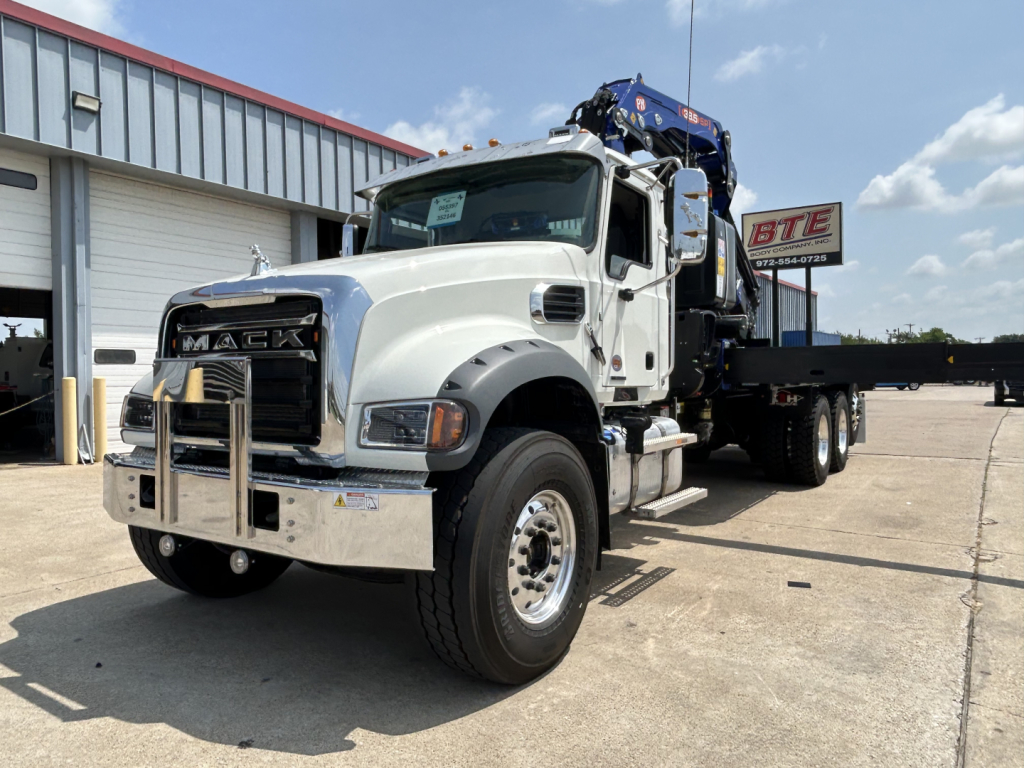
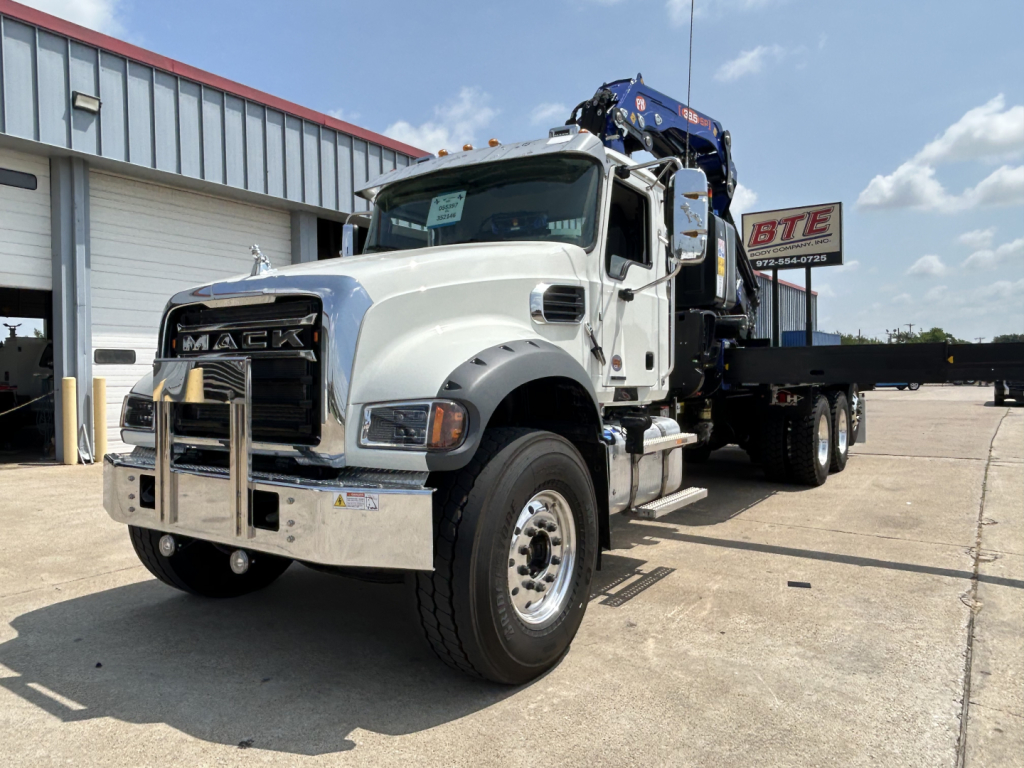
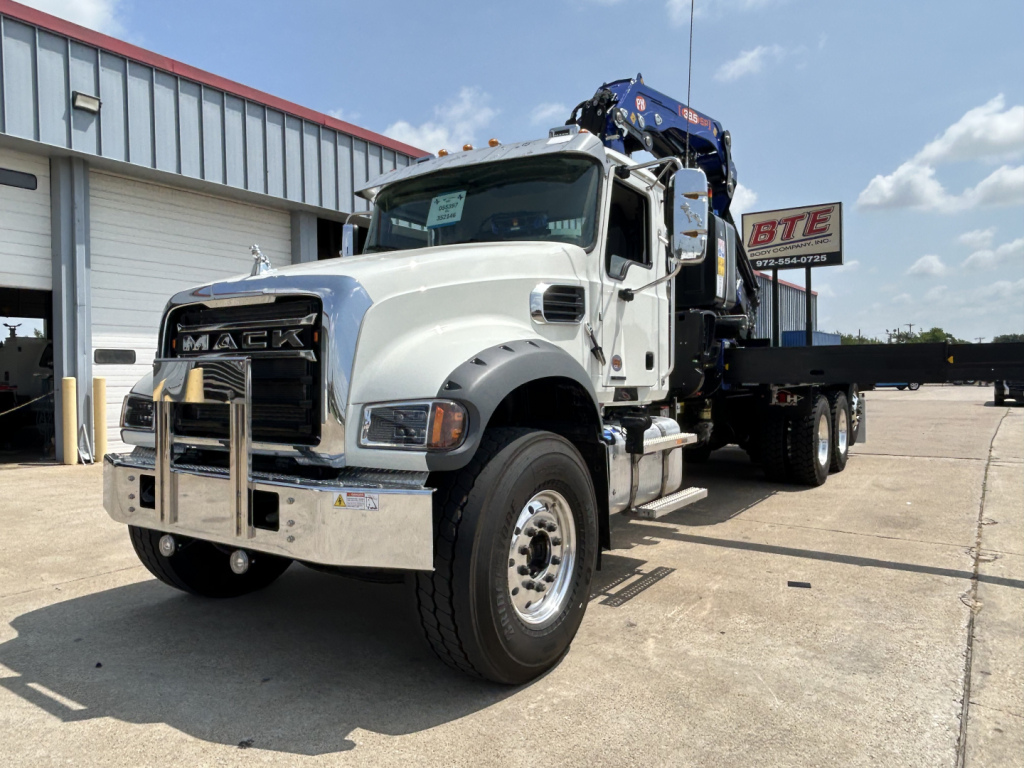
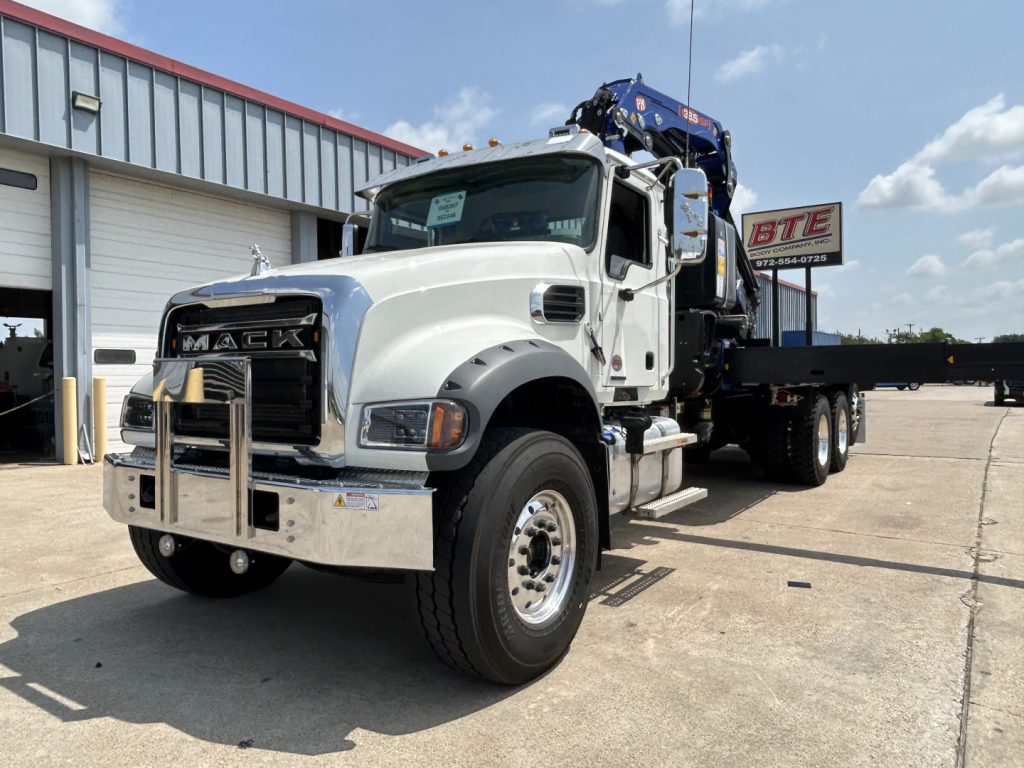
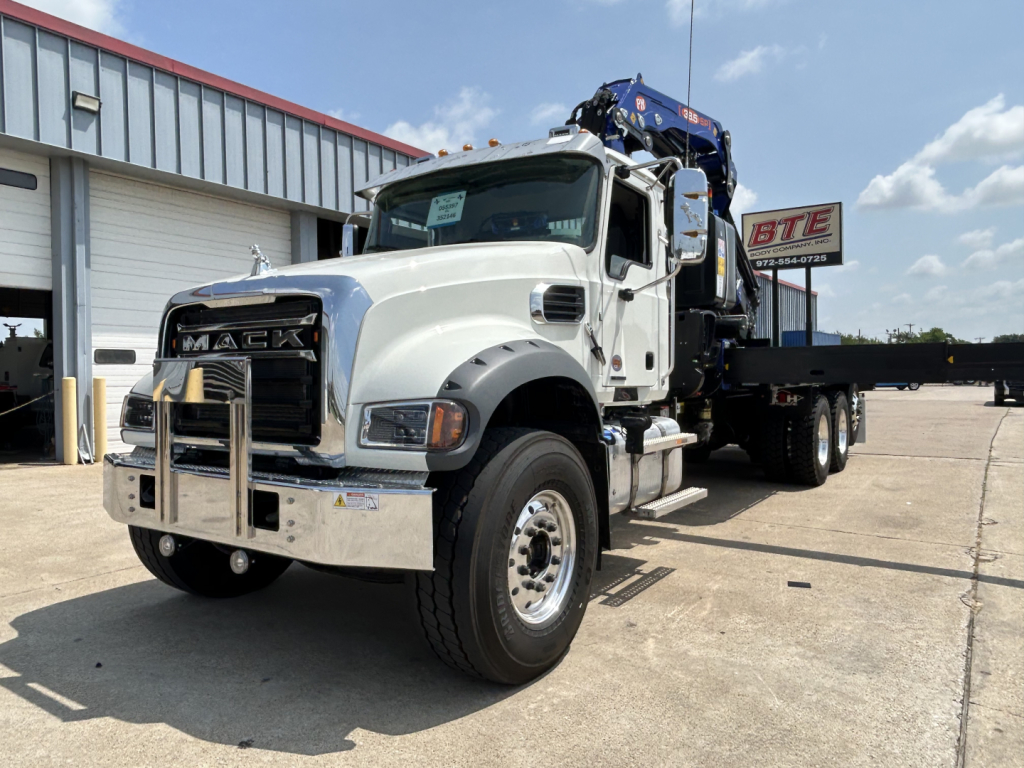
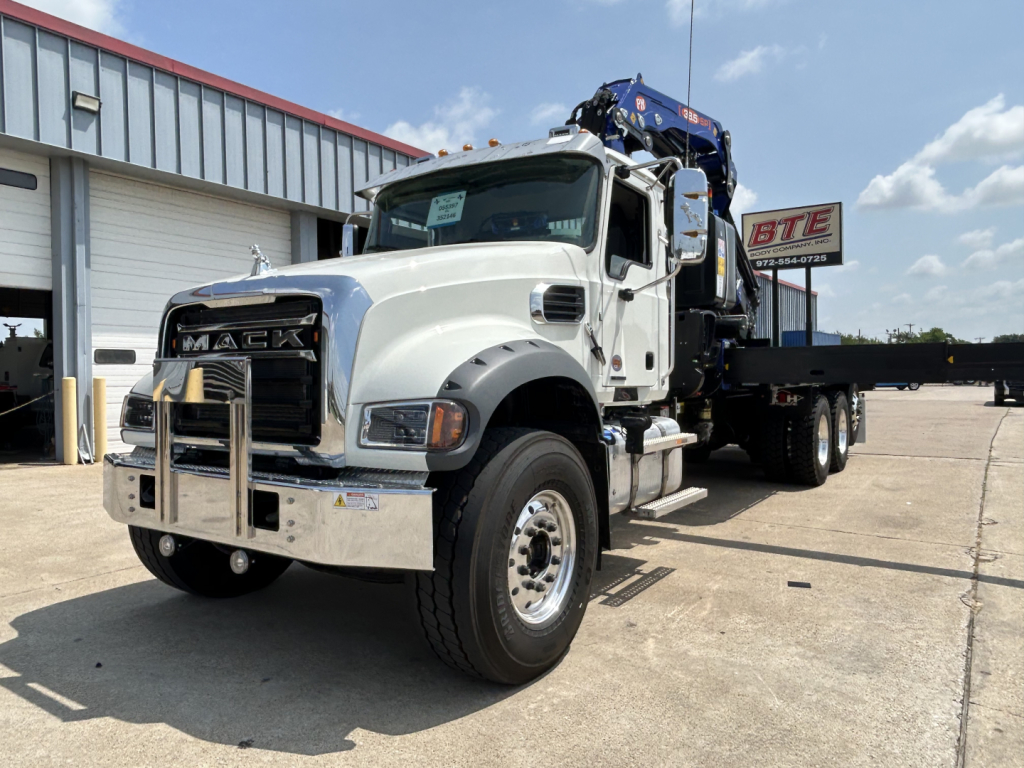
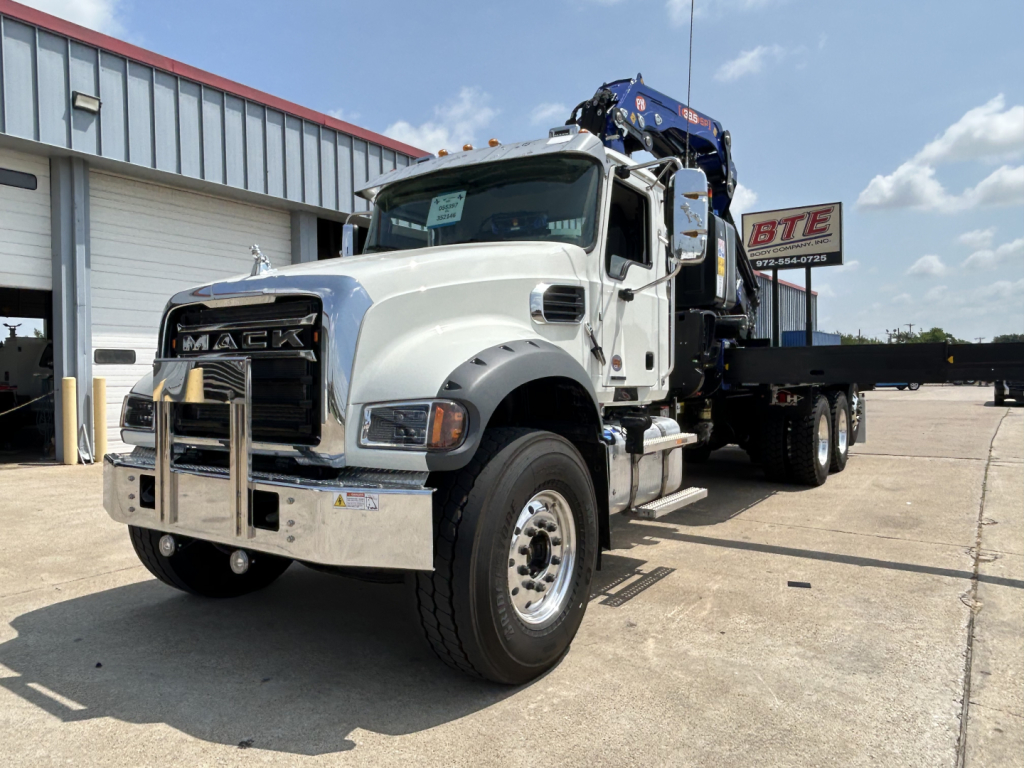
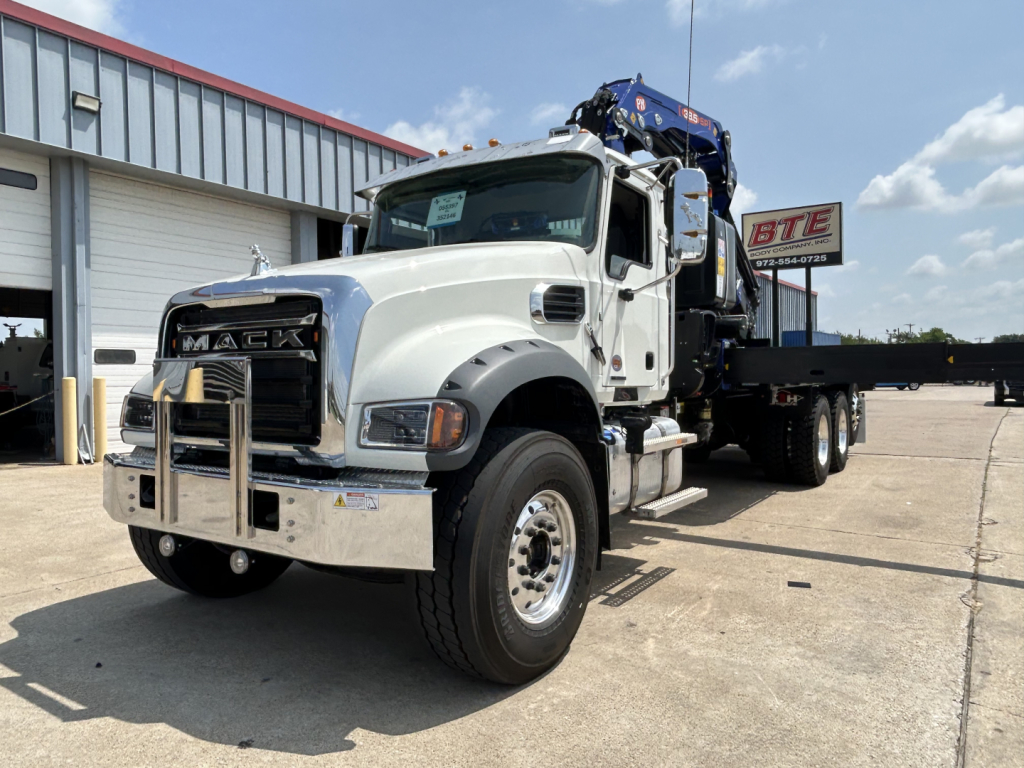

Selling a 2027 crane truck? List your 2027 crane truck for sale and reach thousands of commercial buyers.
2027 Crane Trucks
Chassis selection matters as much as boom capacity. A crane truck may be built on a Class 7 or Class 8 platform depending on payload, body type, and legal bridge considerations. Common configurations include tandem rear axles for heavier crane and body combinations, but some applications still fit a single-axle setup when maneuverability and lower operating cost matter more than maximum lift. Buyers should compare GVWR, front axle capacity, frame section modulus, wheelbase, and cab-to-axle dimensions to make sure the truck can carry the crane, body, tools, rigging, and actual working load without compromising balance. PTO compatibility, engine torque curve, transmission gearing, and idle management also matter because crane performance depends on steady hydraulic output in real jobsite conditions.
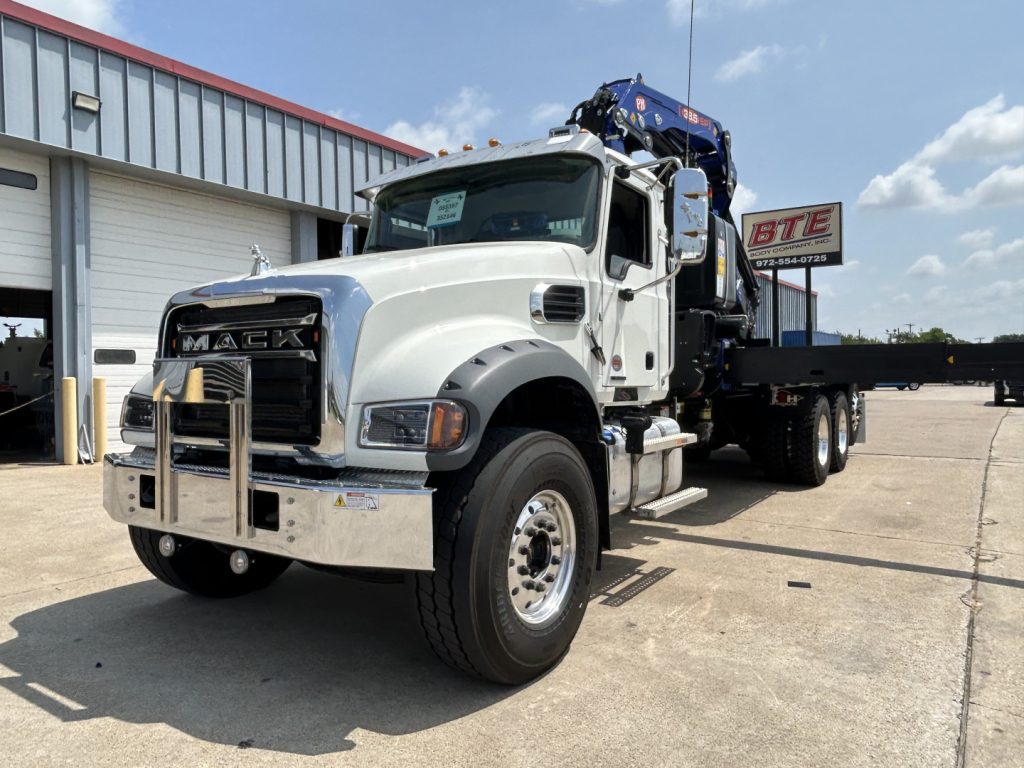
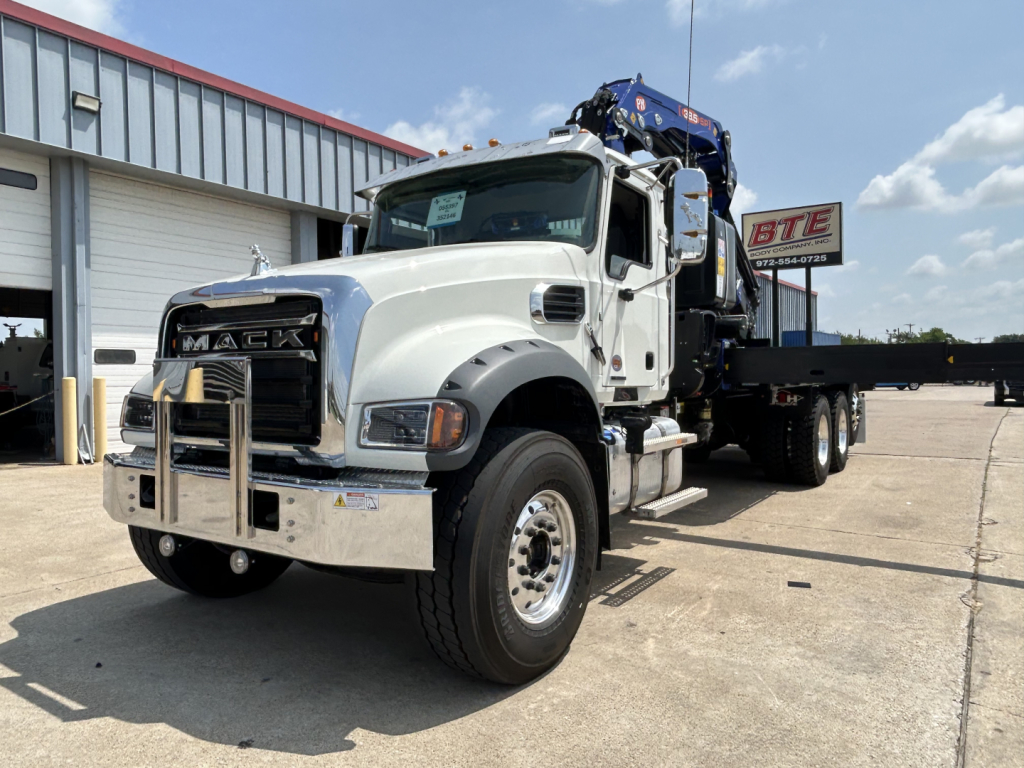
Body style changes how a crane truck earns its keep. Mechanics trucks and service trucks often use a telescopic crane over a service body with compartments for tools, welders, compressors, and parts. Flatbed crane trucks, also known as boom trucks in some markets, are common for loading and delivering building materials, equipment, pipe, trusses, and jobsite supplies. Some units are set up for utility and municipal work with specialized storage, lighting, and safety equipment. Outrigger design, deck space, tie-down points, bed length, and rear overhang all affect how practical the truck is in tight yards, on roadside calls, or on uneven jobsites.
For a 2027 model year crane truck, buyers should pay attention to current emissions equipment, electronic controls, visibility and camera systems, and any integrated safety technology tied to crane operation or chassis stability. The best specification is not simply the biggest boom. It is the combination of lift chart, payload, axle distribution, body storage, and legal operating weight that matches the work you do every week. A well-matched crane truck reduces setup time, improves jobsite safety, and handles both transport and lifting tasks without forcing compromises in either role.
Frequently Asked Questions about 2027 Crane Trucks
What is the difference between a crane truck and a boom truck?
The terms are often used interchangeably, but buyers should verify how the seller is using them. In many markets, a boom truck refers to a flatbed truck with a mounted crane used to deliver and place materials, while crane truck is the broader category that also includes mechanics trucks, service body cranes, and other chassis-mounted lifting setups. The important distinction is the crane type, lift chart, body configuration, and intended application rather than the label alone.
What specs matter most when comparing 2027 crane trucks for sale?
The key specs are crane rated capacity, boom length, horizontal reach, outrigger spread, body type, GVWR, axle ratings, wheelbase, and hydraulic system design. Buyers should also confirm front axle loading because crane weight and load transfer can push a truck out of balance faster than many expect. PTO setup, engine horsepower and torque, frame reinforcement, and storage layout are also critical because they determine how well the truck performs in real service, not just on paper.
How do I choose the right crane capacity on a truck?
Start with the actual lift requirements, not the maximum number in the brochure. Crane ratings change significantly based on boom angle, extension, and radius, so the lift chart matters more than the headline capacity. A truck that handles a load close to the body may not handle the same load at full reach. Buyers should account for the heaviest routine lift, the farthest working radius, the weight of rigging, and the surface conditions where outriggers will be deployed.
Are tandem-axle crane trucks better than single-axle models?
Not always. Tandem-axle crane trucks typically provide higher GVWR, better support for larger cranes and heavier bodies, and more capacity for tools or payload. Single-axle trucks can be easier to maneuver, lighter on operating costs, and better suited to urban service work or jobs with tighter access. The better choice depends on axle loading, bridge law compliance, turning radius needs, and how often the truck will be asked to transport material in addition to performing lifts.
What body style is best for a crane truck?
That depends on the work cycle. A service body is common for mechanics, utility contractors, and field repair operations that need enclosed storage and a moderate-capacity crane for component handling. A flatbed or platform body is better for hauling and placing material such as pipe, steel, pallets, trusses, or equipment. Buyers should look at deck length, compartment space, tie-down options, rear access, and how the crane mount affects usable payload and cargo area.