
2027 Mack Crane Trucks For Sale
Shop 2027 Mack crane trucks built for delivery, roofing, and material handling with strong chassis specs, PTO capability, and jobsite-ready upfits.
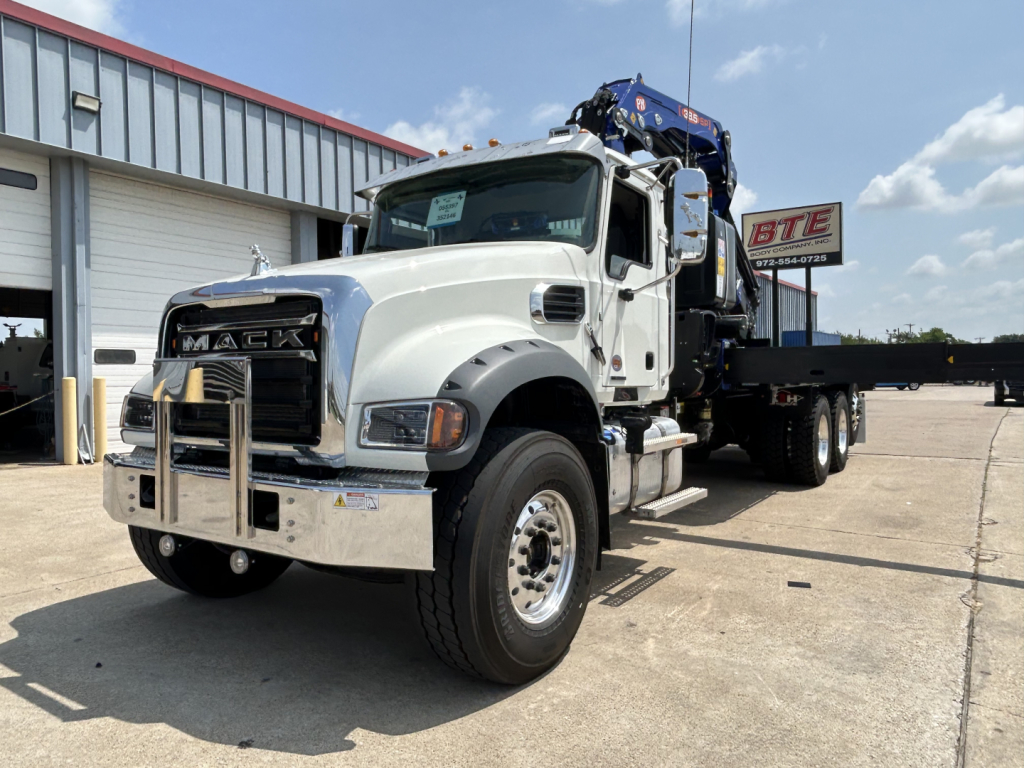
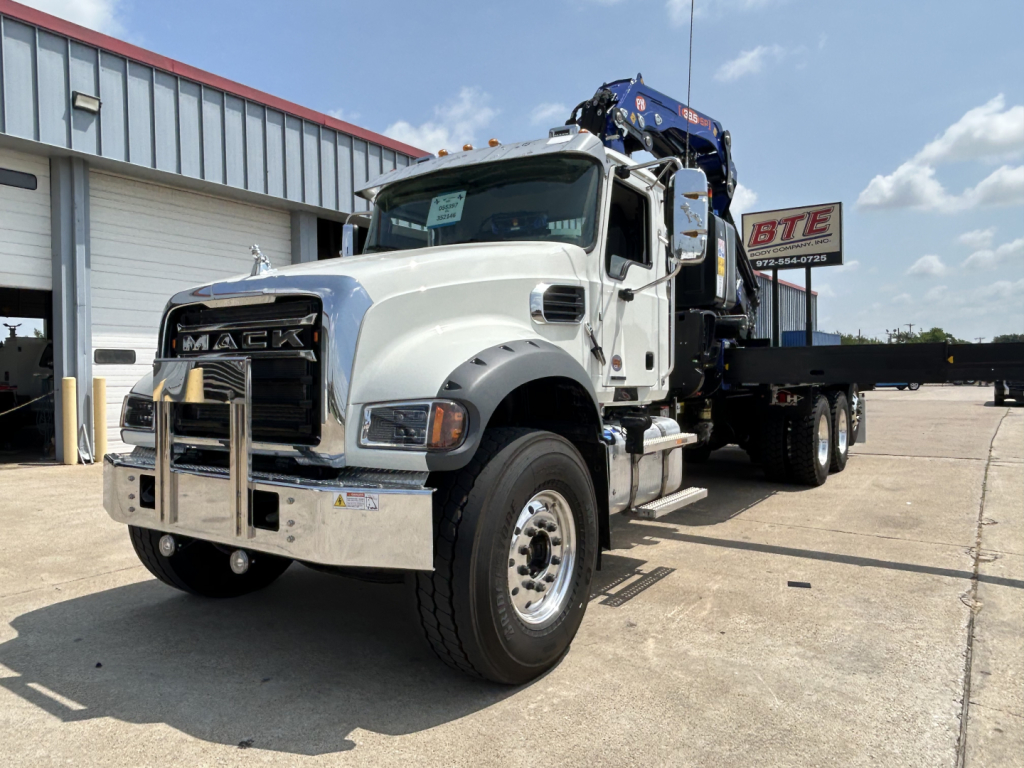
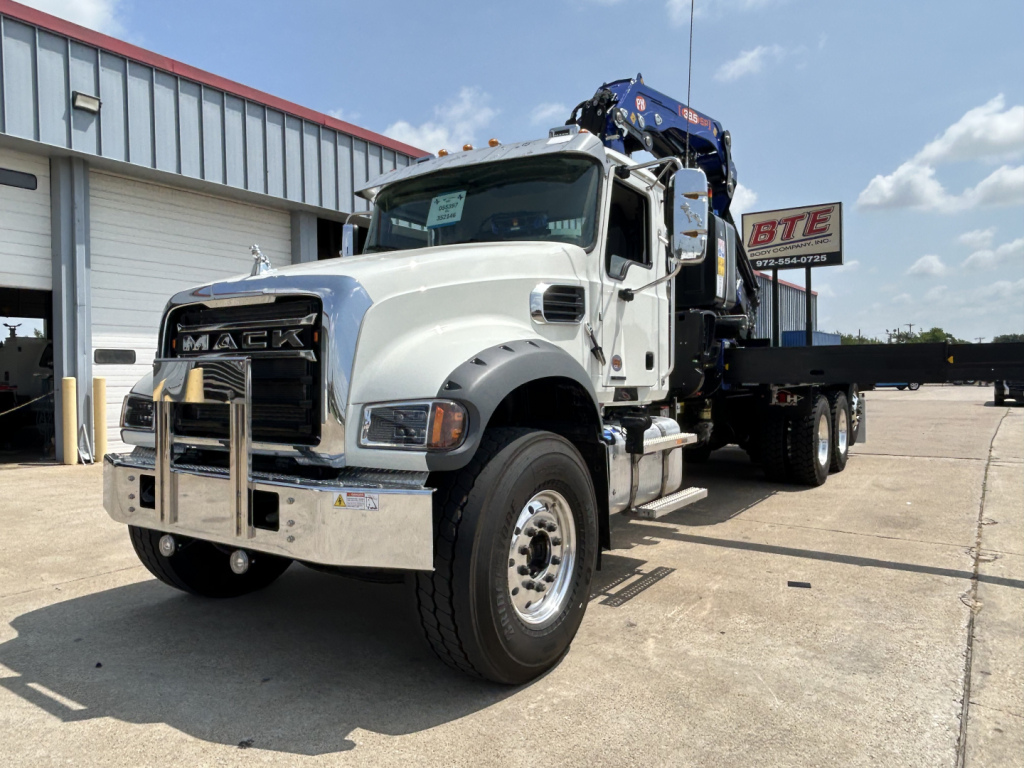
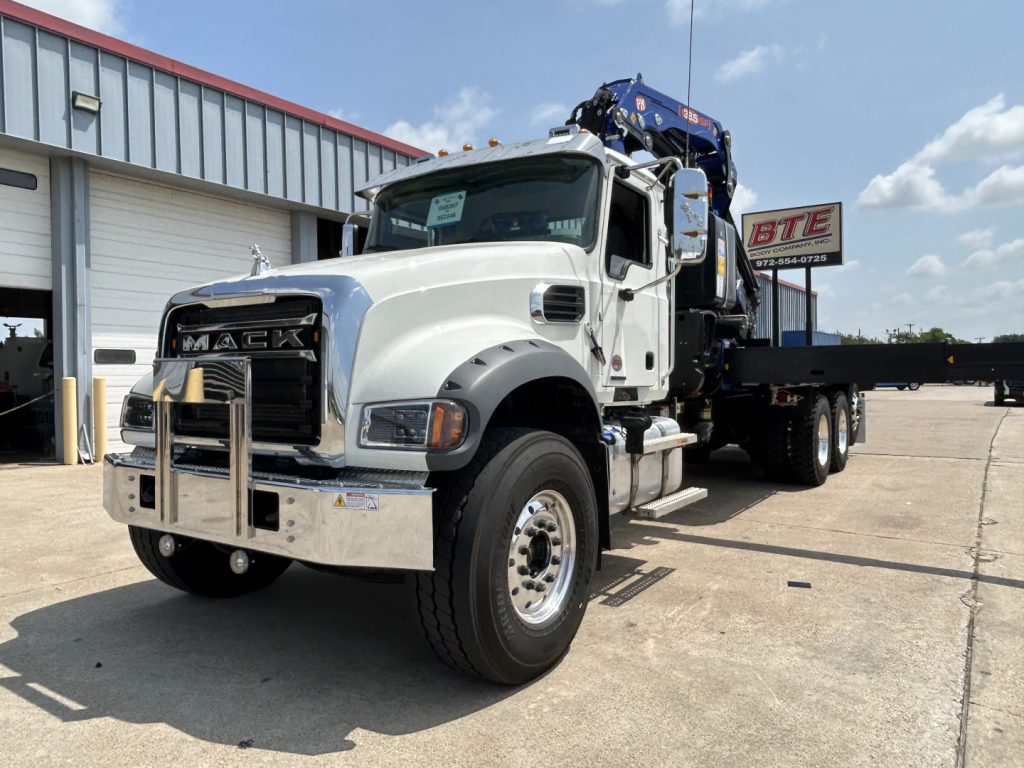
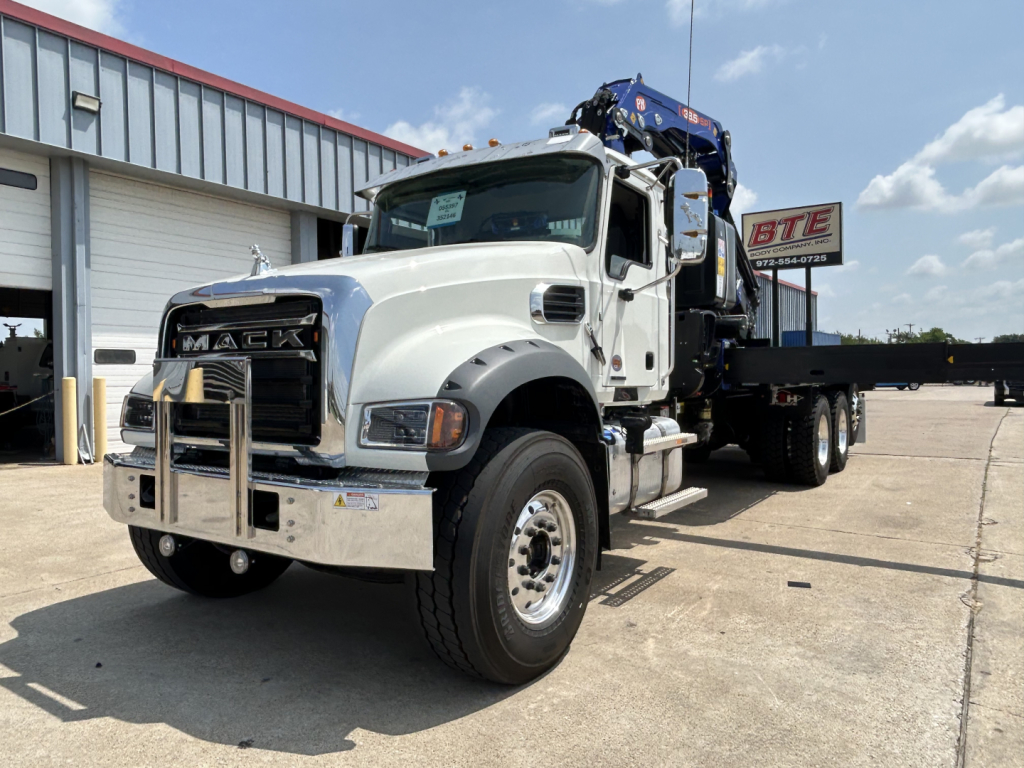
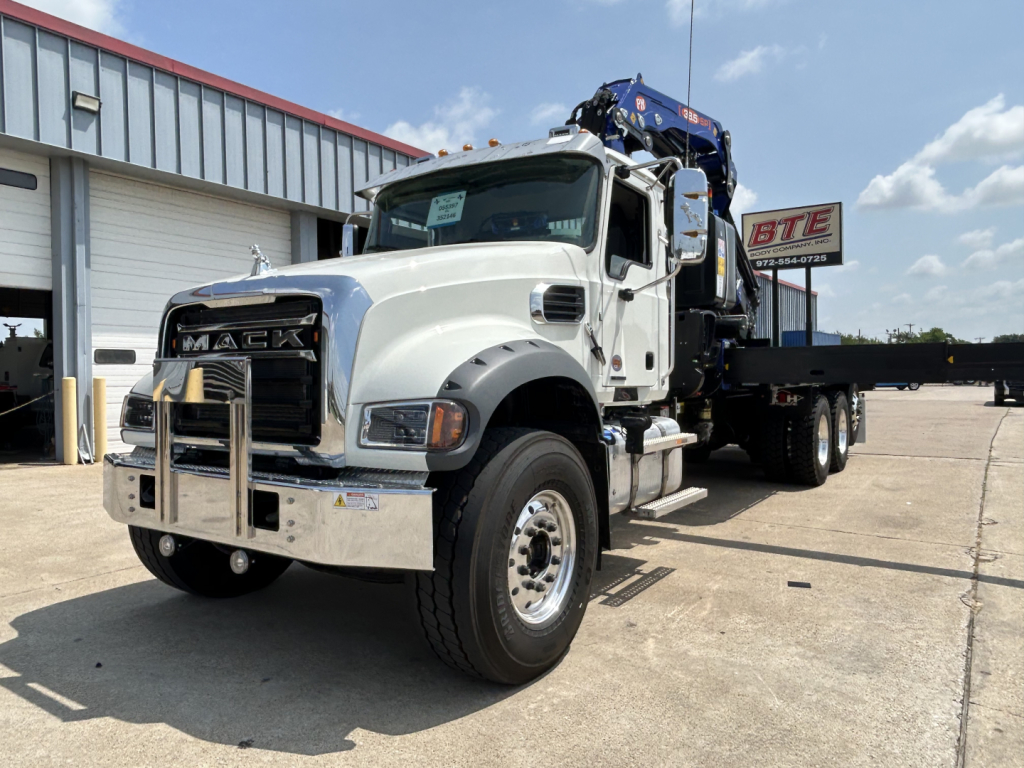
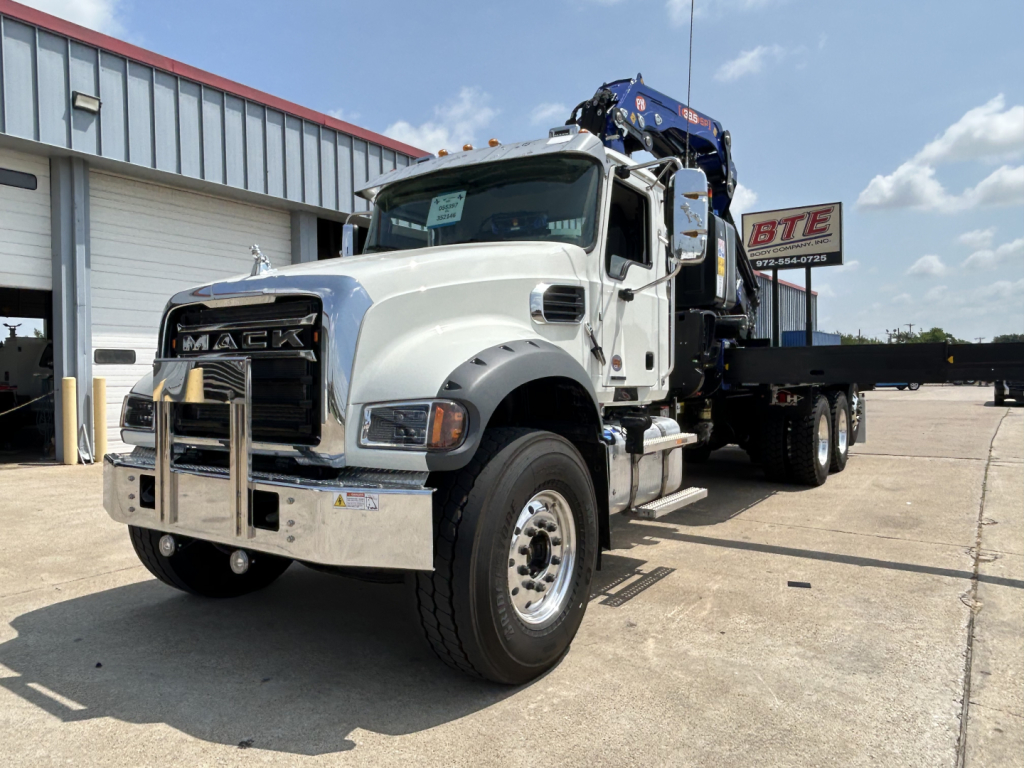
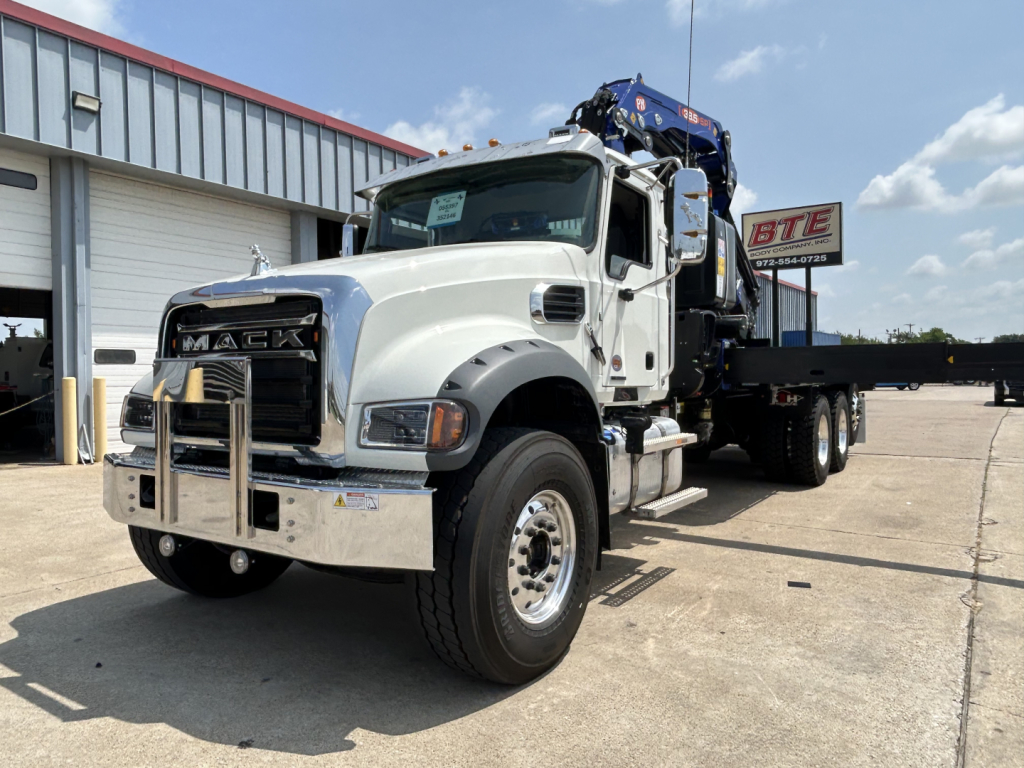
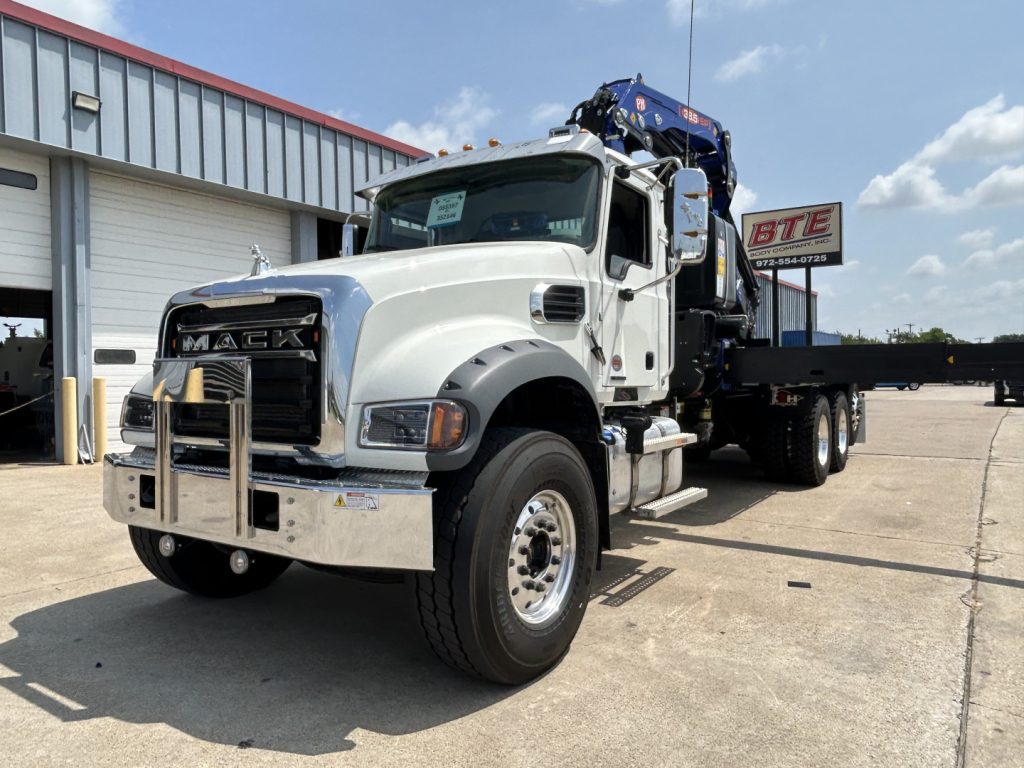
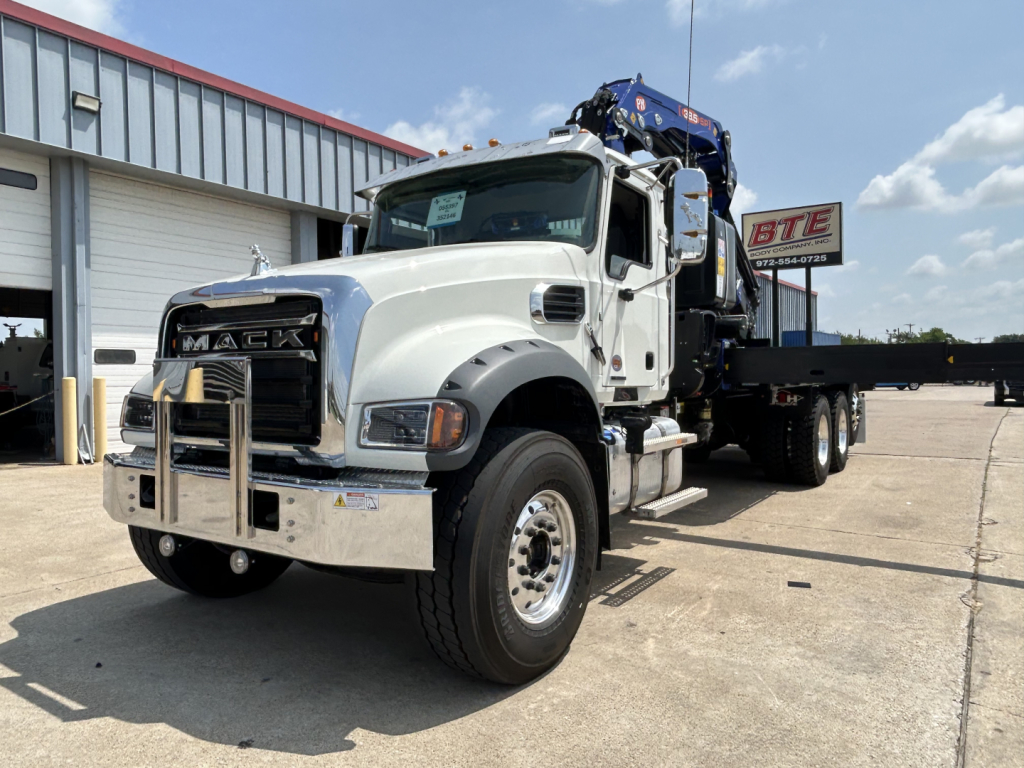

Selling a 2027 mack crane truck? List your 2027 mack crane truck for sale and reach thousands of commercial buyers.
2027 Mack Crane Trucks
The most important buying decision is how the chassis matches the crane application. A wallboard or boom crane truck may be spec'd with a tandem rear axle, lift or tag axle, and a steel flatbed or purpose-built material handling body. Key details include wheelbase, axle ratings, frame reinforcement, PTO and hydraulic setup, suspension, and cab-to-axle dimensions. Buyers should also pay close attention to front axle capacity because crane trucks often carry a lot of weight forward once the crane, stabilizers, and body are installed. On many Mack Granite-based crane truck builds, engines in the MP7 or MP8 range and automated manual transmissions such as the mDRIVE are selected to balance torque, startability, and driver-friendly operation in stop-and-go vocational service.
Crane truck buyers should think beyond lift chart numbers and look at the full work cycle. Outrigger spread, bed length, deck space, tie-down points, toolbox placement, and payload after the crane installation all affect daily productivity. Common upfit features in this segment include wallboard conveyors or boom systems, steel or aluminum beds, stake racks, cargo strap storage, cribbing storage, pintle or trailer towing equipment, and operator controls positioned for clear sightlines. If the truck will handle drywall, trusses, roofing material, or bundled construction products, it is worth comparing reach, lifting capacity at working radius, and how easily the body can be loaded and unloaded around the crane pedestal.
For buyers comparing 2027 Mack crane trucks, durability and serviceability are major advantages. Mack vocational chassis are known for stout frames, predictable handling under load, and driveline components suited to demanding regional work. The right spec depends on where the truck spends its time. Tight urban routes may favor a shorter wheelbase and more compact crane arrangement, while longer material deliveries may justify larger fuel capacity, additional axle capacity, and a body designed for mixed cargo. A well-matched Mack crane truck should do more than lift material. It should carry the right payload, remain legal on axle weights, and support safe, efficient operation through a full delivery day.
Frequently Asked Questions about 2027 Mack Crane Trucks
What are 2027 Mack crane trucks commonly used for?
2027 Mack crane trucks are commonly used for building material delivery, wallboard and roofing supply work, mechanical contractor deliveries, and other applications that require both cargo transport and on-site lifting. Many are set up to carry bundled materials, jobsite equipment, or long building products while using a mounted boom or wallboard crane to place loads where a forklift cannot easily reach.
What chassis factors matter most when buying a Mack crane truck?
The most important chassis factors are front axle capacity, rear axle configuration, wheelbase, frame strength, PTO compatibility, and cab-to-axle measurement. Crane bodies place unique loads on the truck, especially near the front and center of the chassis, so buyers need to confirm that the axle ratings and frame layout match the crane, body, outriggers, and expected payload. A good crane spec starts with the chassis, not just the crane model.
Is a Mack Granite a common platform for crane truck applications?
Yes. The Mack Granite is a common vocational platform for crane truck applications because it is designed for severe-duty and construction-oriented service. It is often chosen for its heavy-duty frame options, axle capacity, PTO support, and drivability in mixed on-road and jobsite conditions. That makes it a strong fit for material handling bodies and mounted crane packages.
What should buyers look for in the crane body and upfit package?
Buyers should look at bed length, usable deck space, outrigger design, toolbox and cribbing storage, tie-down systems, and how the crane pedestal affects loading space. The body and crane need to work together for the actual freight being delivered. A truck used for drywall, trusses, or roofing products may need a very different deck layout and boom configuration than one used for general contractor material delivery.
How do axle configuration and tag axles affect a crane truck?
Axle configuration directly affects legal payload, stability, and weight distribution. Tandem rear axles are common on heavier crane truck builds, and a tag axle can help carry additional load and improve compliance with bridge and axle weight limits. For crane applications, proper axle distribution is critical because the body, crane, and payload can quickly overload the front or rear of the truck if the spec is not balanced correctly.