
2027 Day Cab Trucks For Sale
Compare 2027 day cab trucks for sale by engine certification, axle ratings, PTO readiness, and warranty coverage for regional or vocational hauling.
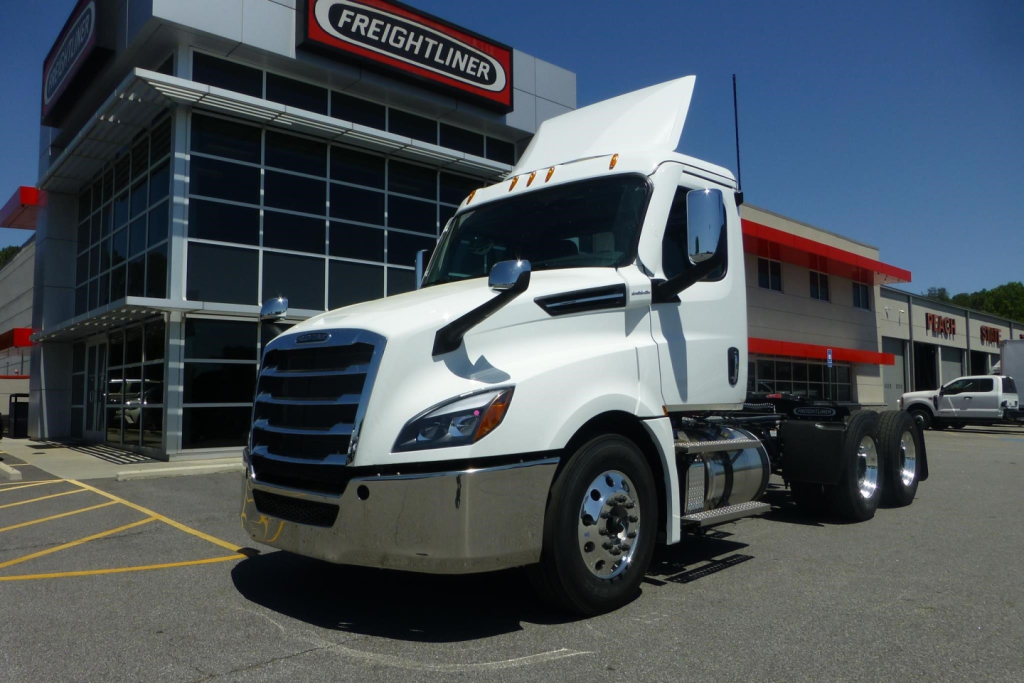
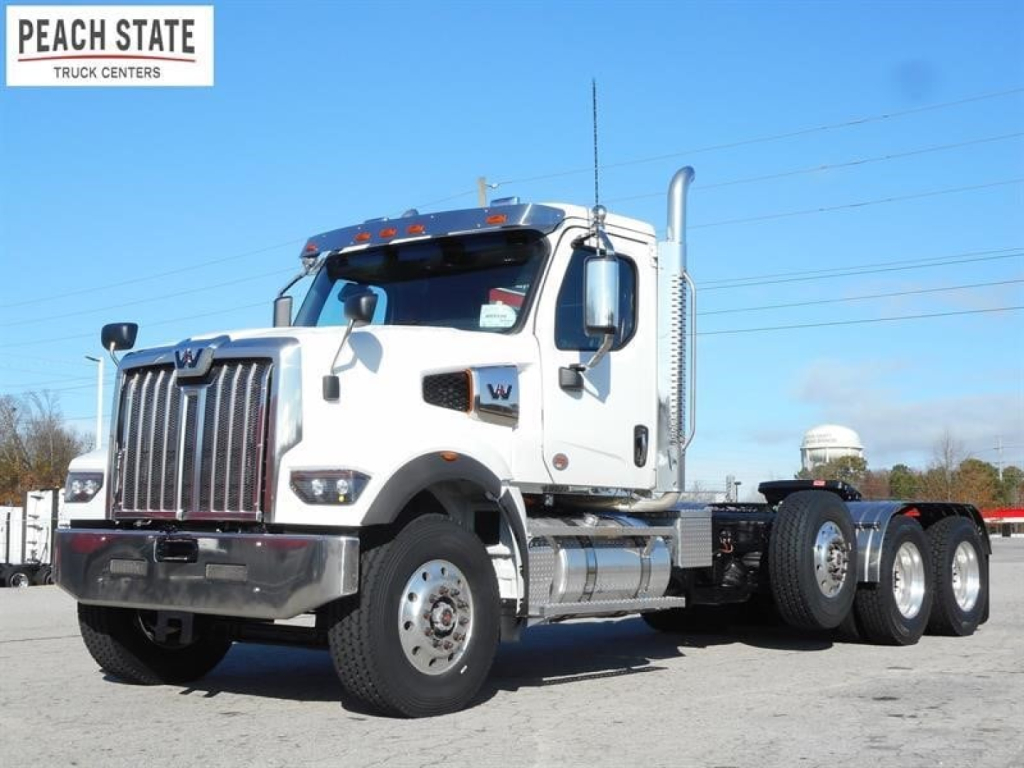
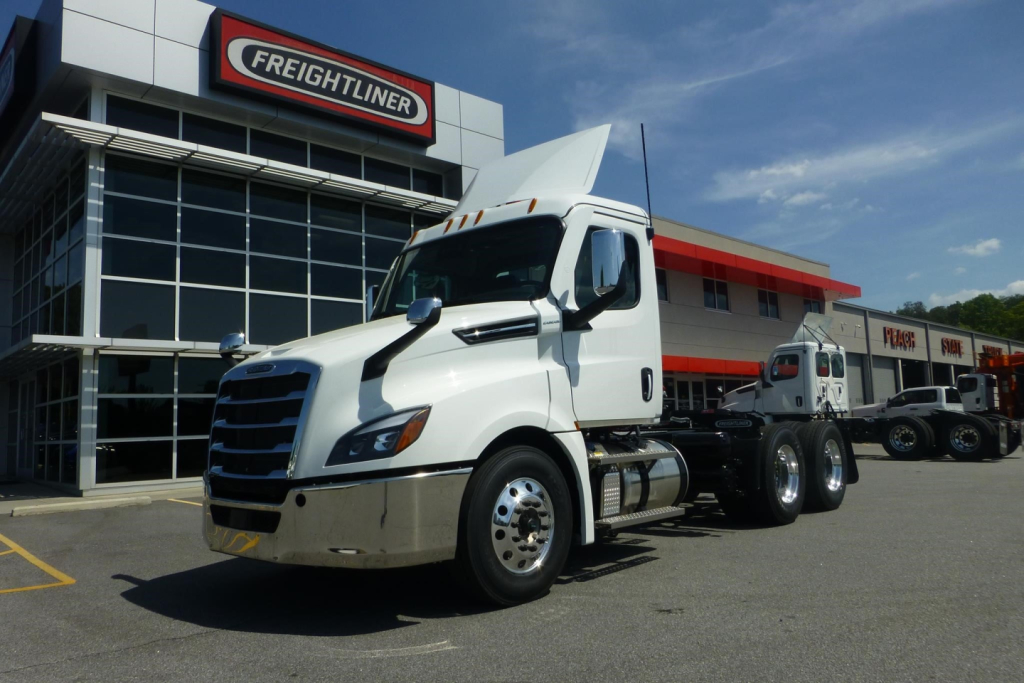
Selling a 2027 day cab truck? List your 2027 day cab truck for sale and reach thousands of commercial buyers.
2027 Day Cab Trucks
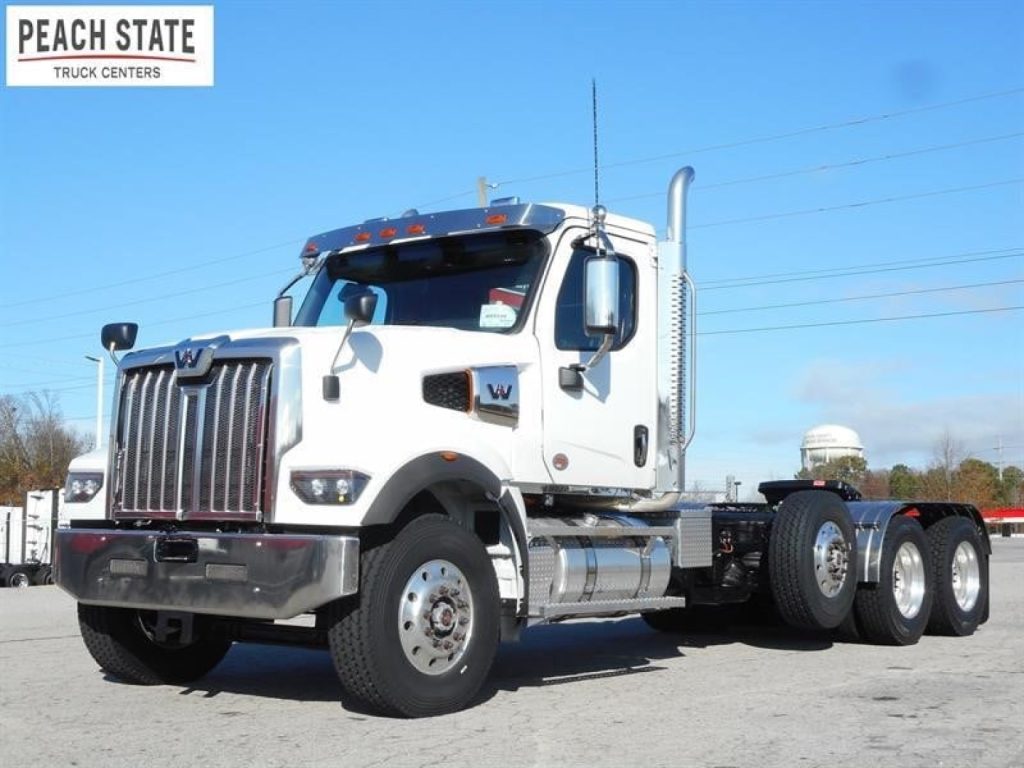
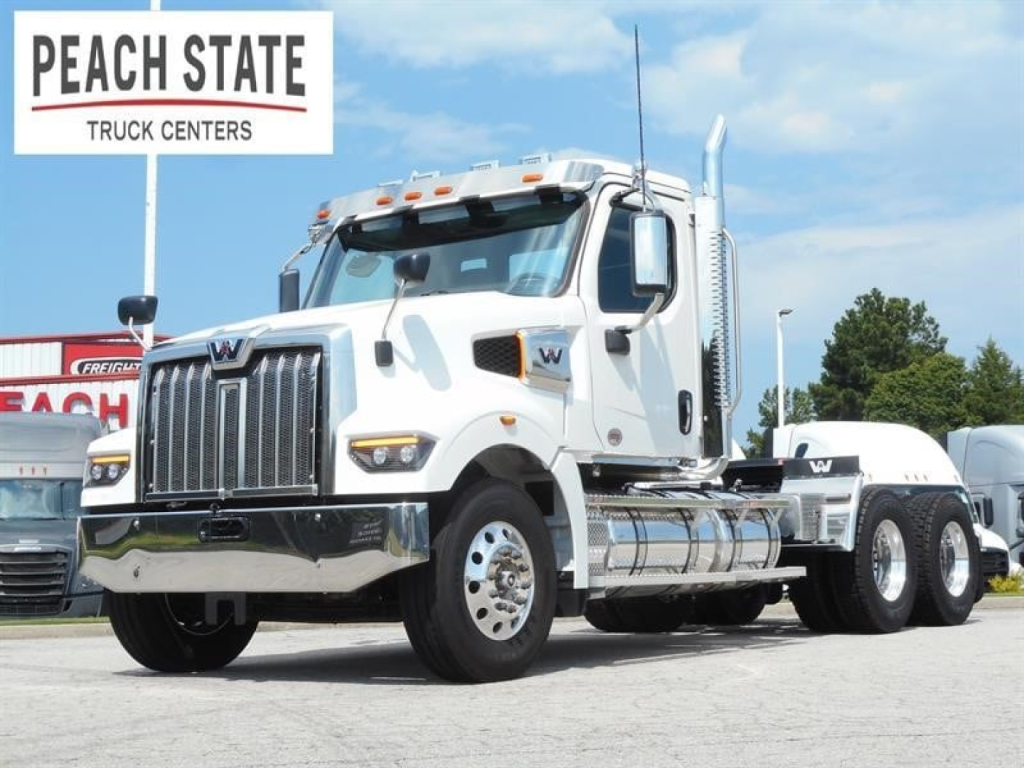
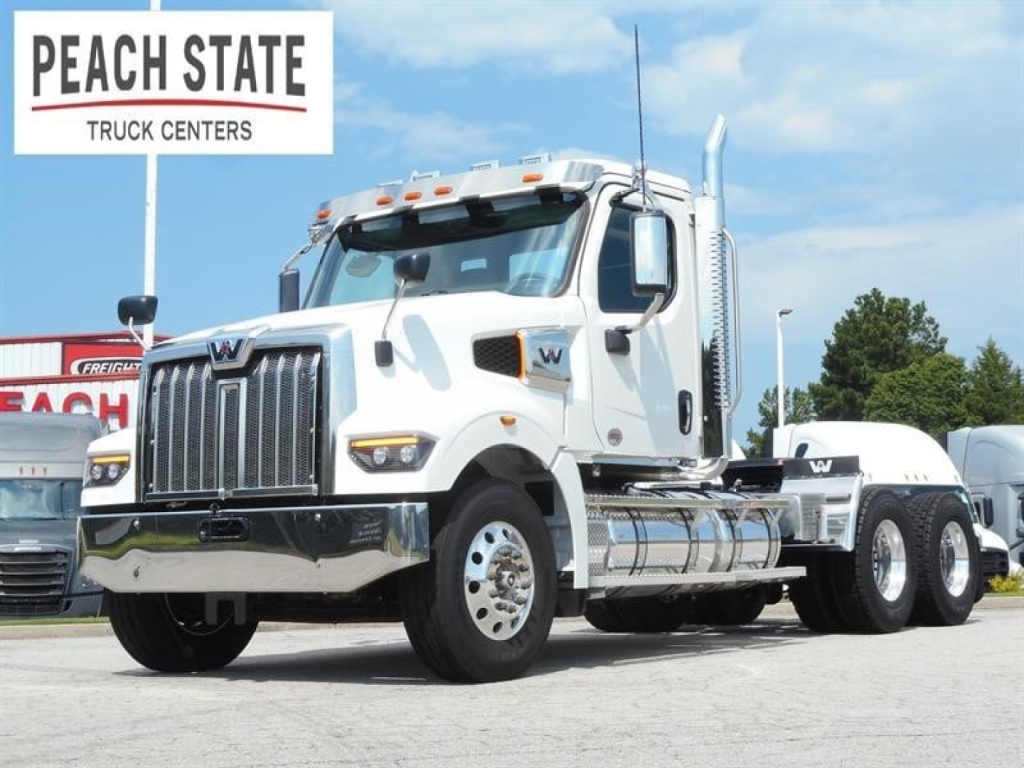
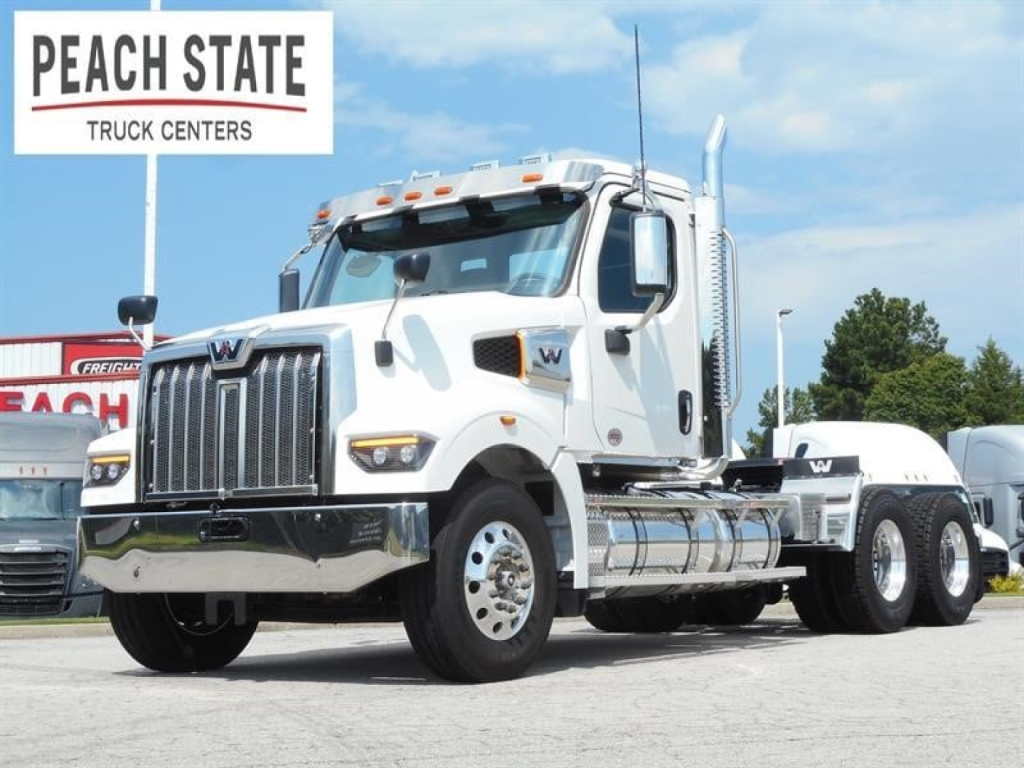
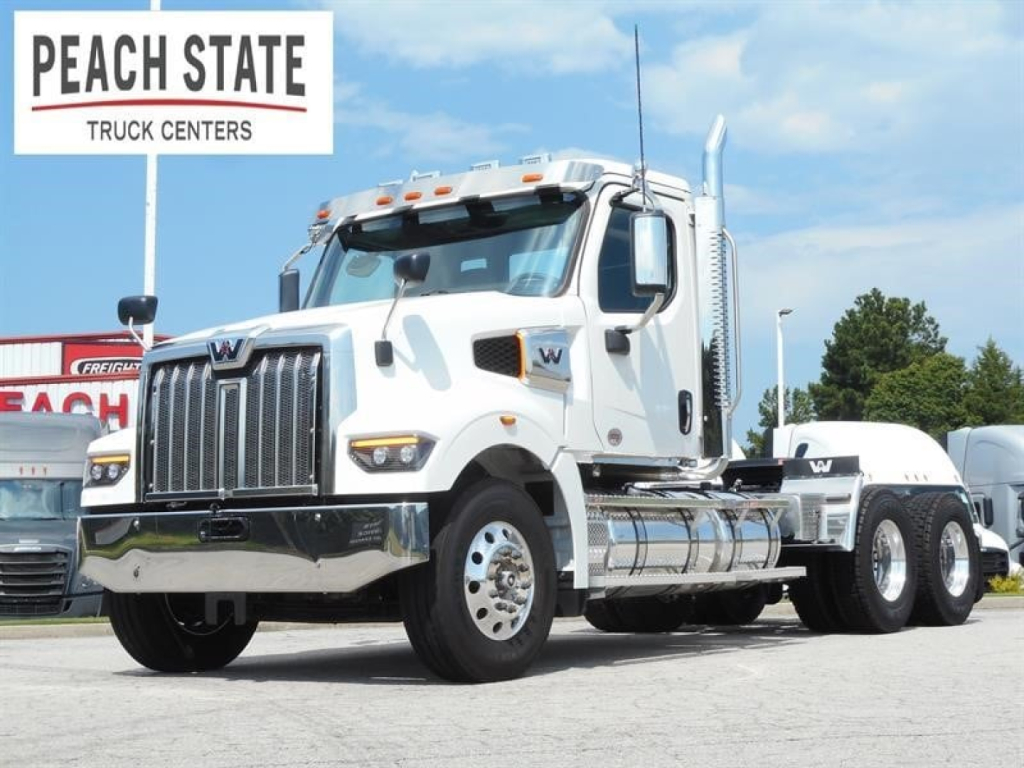
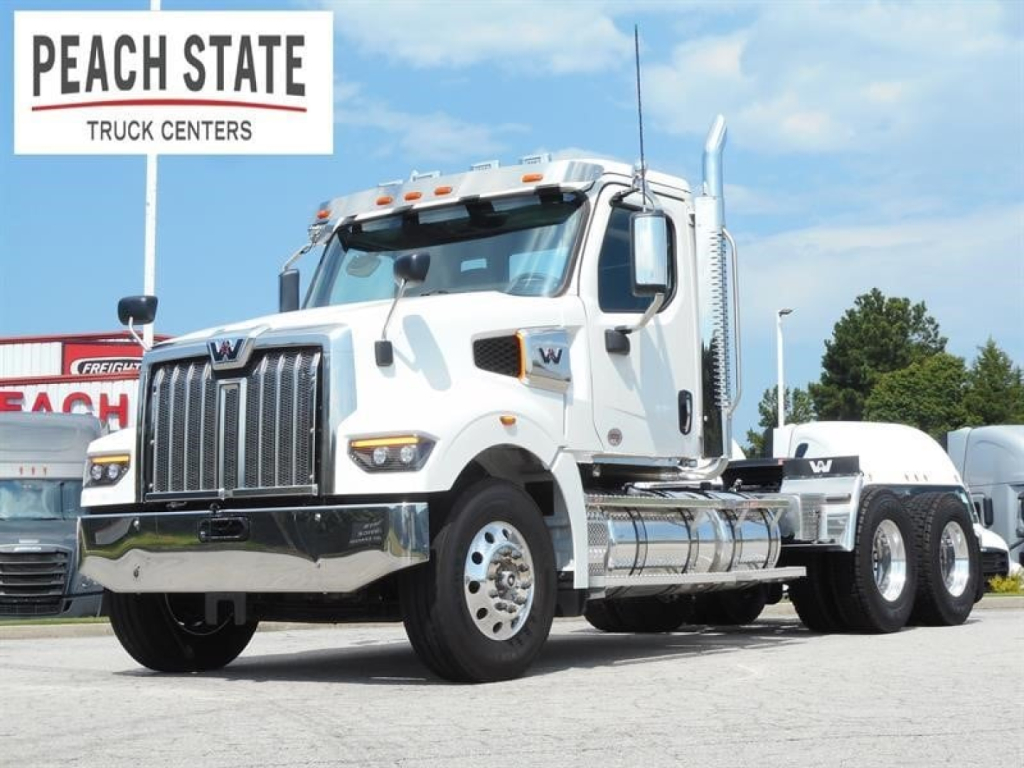
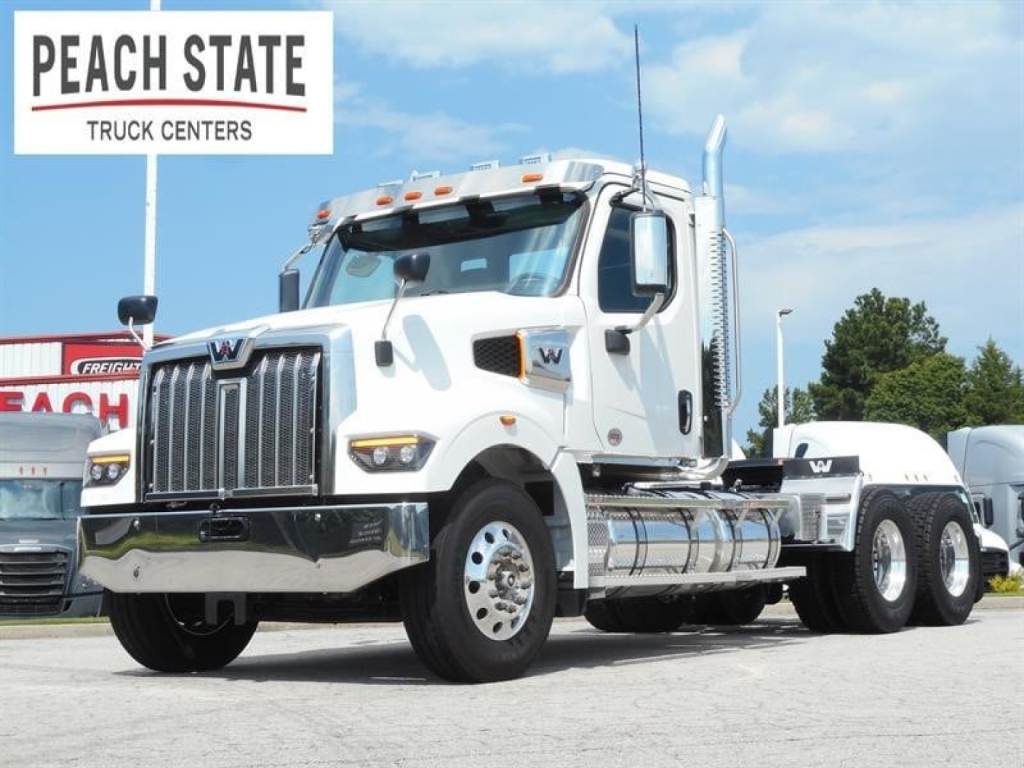
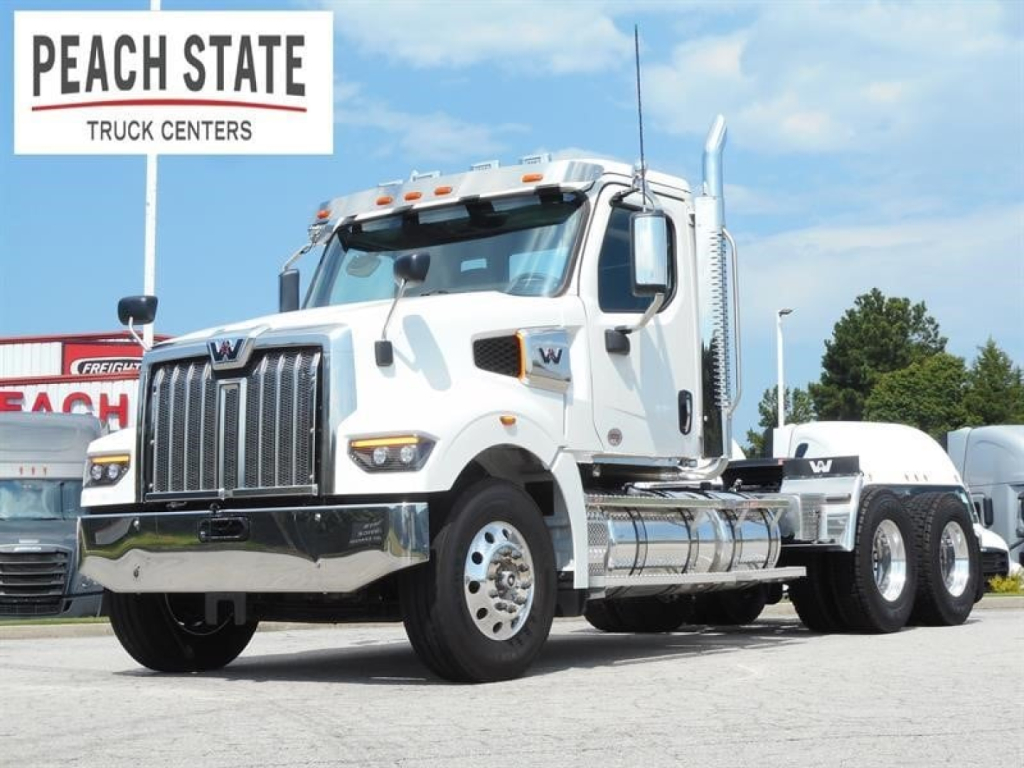
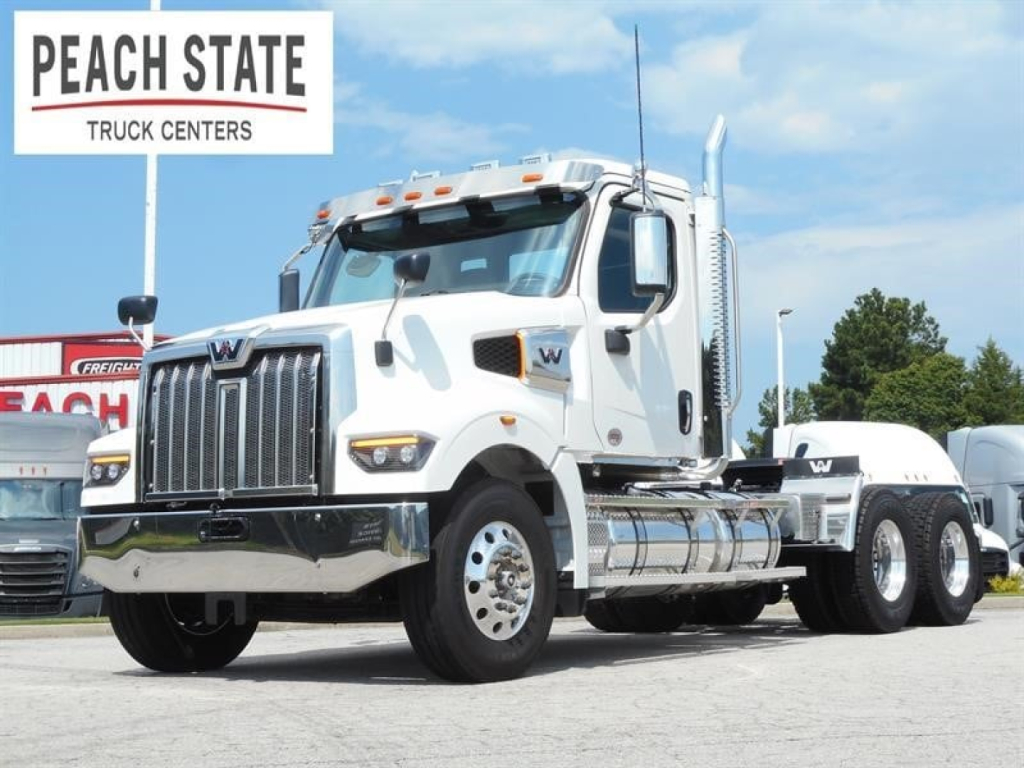
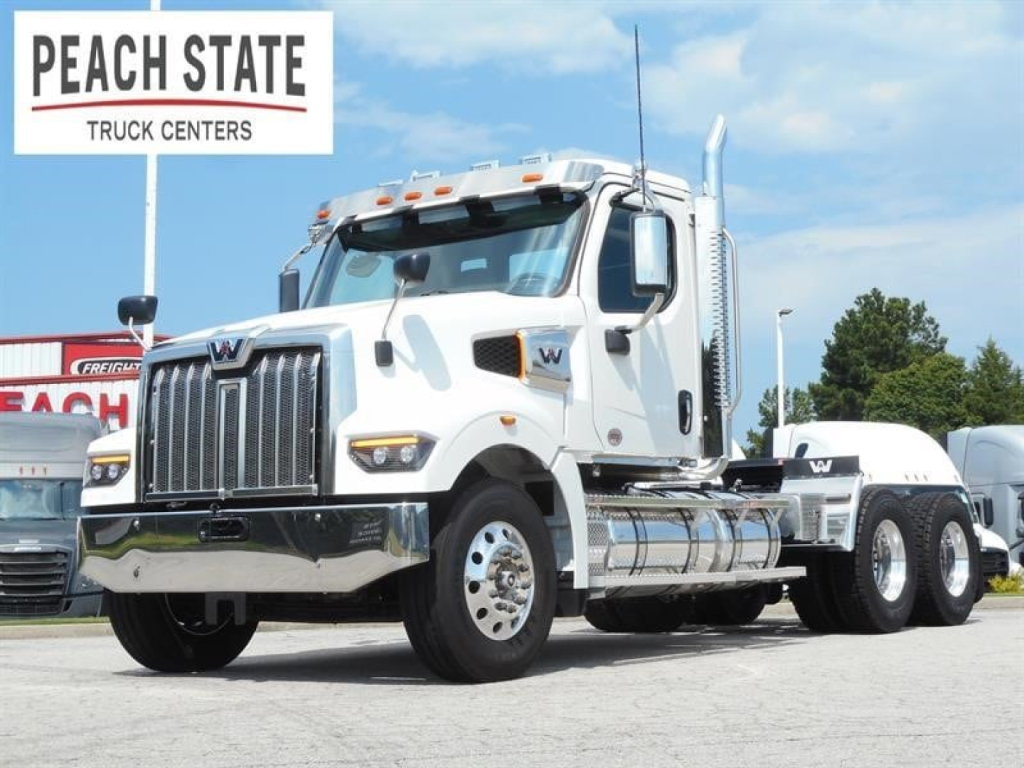
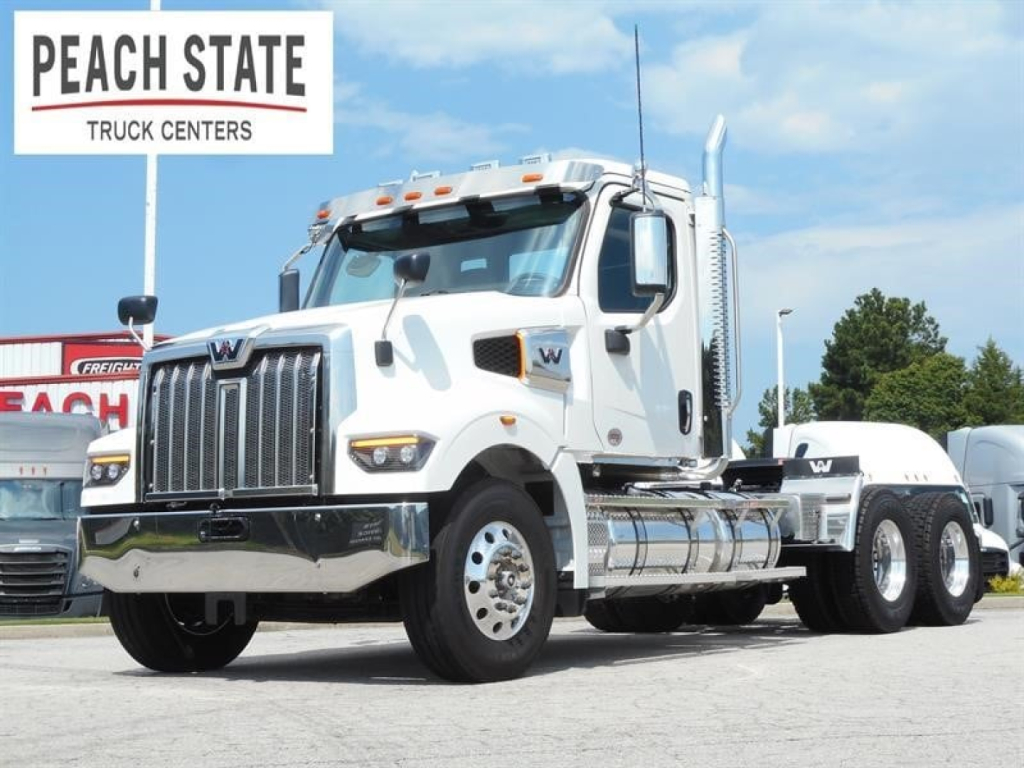
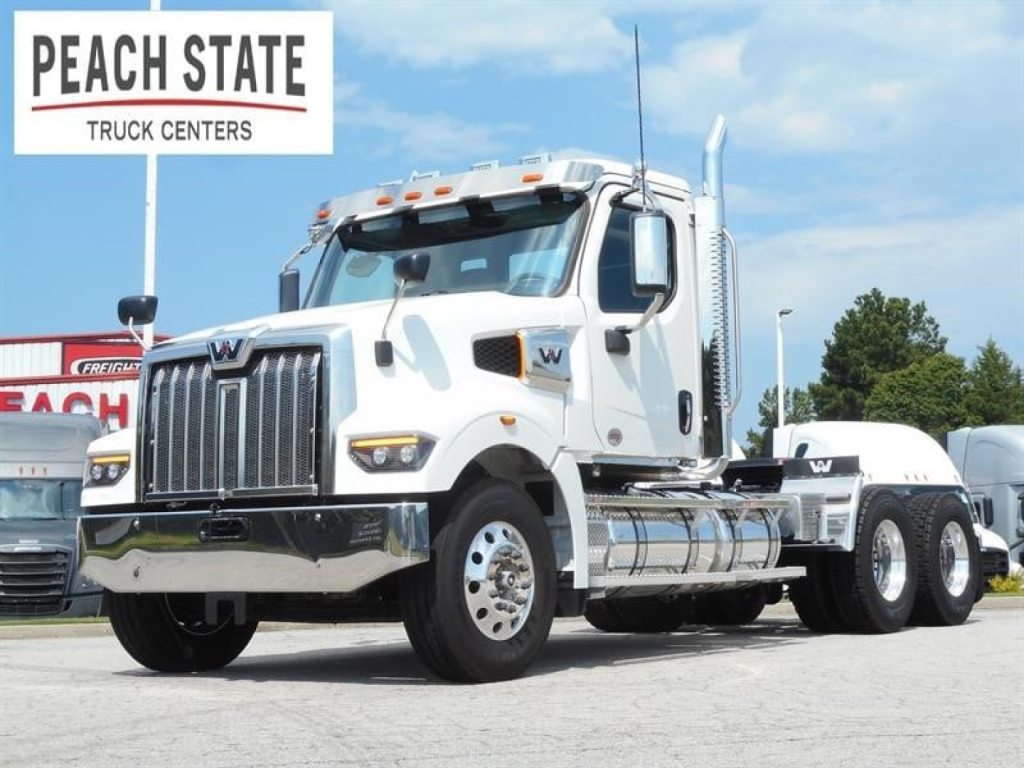
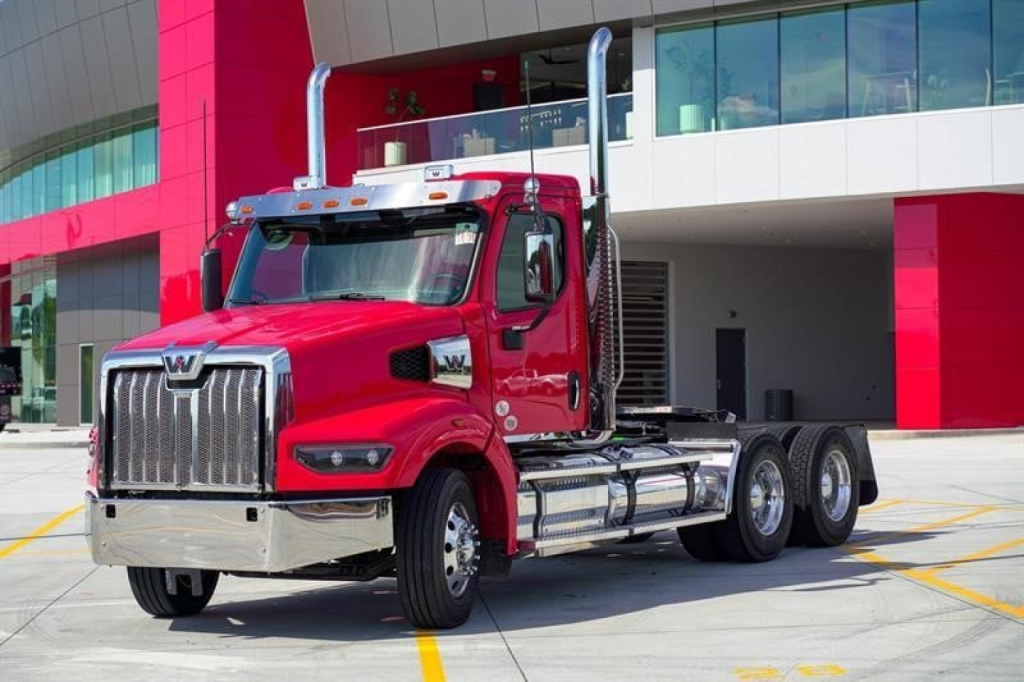
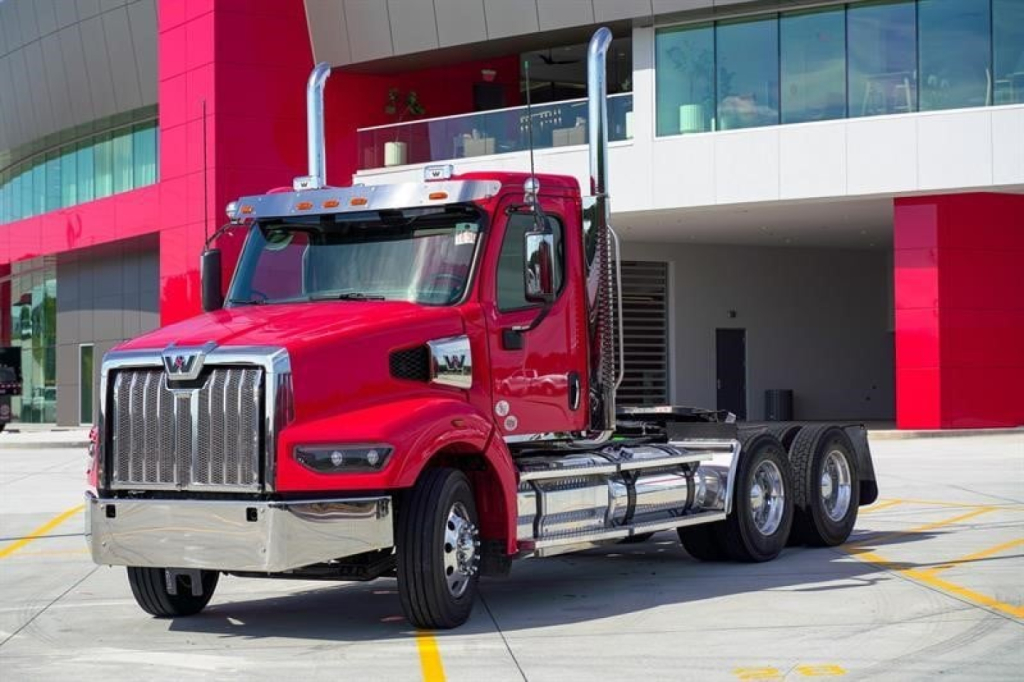
Choose the chassis around the trailer and route. Road-oriented models such as the Freightliner Cascadia commonly pair Detroit engines with DT12 automated transmissions; the Western Star 49X offers a vocational platform where frame strength, ground clearance, and PTO requirements deserve closer attention. Across makes, compare GCWR, torque rating, rear axle ratio, cooling capacity, and transmission programming rather than horsepower alone. A shorter wheelbase helps in tight yards, while additional length may be needed for a wet kit or trailer swing clearance. Check fifth-wheel travel, loaded steer-axle weight, and electrical capacity for trailer liftgates.
Specify new 2027 tractors with the required PTO provisions, fuel capacity, cold-weather equipment, and safety-system options before delivery. Compare engine, transmission, chassis, and aftertreatment warranty terms separately, including vocational-duty exclusions. Qualifying new heavy trucks sold in the United States are subject to the 12% federal excise tax, so confirm its treatment in the transaction rather than assuming Canadian purchases follow the same tax rules.
A used or previously operated 2027 day cab still needs an ECM report, engine-hour comparison against mileage, fault history, and maintenance records. Inspect fifth-wheel jaws, brakes, tires, driveline joints, and frame-mounted equipment for early damage or poor installation. Salt exposure in northern U.S. states and Canadian provinces warrants checking wiring connectors, air tanks, and chassis corrosion. Mountain routes require suitable gearing and engine braking, while urban stop-and-go duty makes idle hours and regeneration history significant. Verify state or provincial axle limits and California emissions eligibility where applicable; axle ratings alone do not establish legal payload.
Frequently Asked Questions about 2027 Day Cab Trucks
Does PTO-ready mean a 2027 day cab already has a working wet kit?
PTO-ready does not mean a 2027 day cab has a complete working wet kit. The designation may describe transmission provisions, wiring, or controls without an installed PTO, pump, reservoir, or hydraulic plumbing. Confirm the trailer's required pressure, flow, fluid capacity, and coupling arrangement, then verify transmission compatibility and whether the hydraulic system can operate in the required stationary or mobile mode.
Can a 2027 day cab with 46,000-pound rear axles legally carry that much on the tandem?
A 46,000-pound tandem rating does not authorize 46,000 pounds on that tandem on public roads. For typical U.S. Interstate operation, the standard tandem limit is 34,000 pounds, subject to applicable exceptions and permits. A 2027 day cab's legal loading also depends on axle spacing, tire ratings, bridge-formula limits, and route restrictions. Canadian provincial limits must be checked separately.
When does the factory warranty start on a new 2027 day cab?
The factory warranty on a new 2027 day cab normally starts at the manufacturer's recorded in-service date, not at a mileage reading of zero. Delivery mileage alone does not establish how much coverage remains. Request written confirmation of the warranty start date, time and mileage limits, engine-hour limits where applicable, and whether demonstration use or prior operation has already activated coverage.
Can I import a U.S. 2027 day cab into Canada?
A U.S. 2027 day cab must meet Canadian import and compliance requirements before Canadian registration; U.S. registration alone is not proof of eligibility. Confirm Transport Canada admissibility and any applicable Registrar of Imported Vehicles requirements before purchase. Obtain the manufacturer's compliance information and required recall-clearance documentation. Provincial safety inspections, registration requirements, and taxes remain separate from federal import acceptance.