
2027 Hino Trucks For Sale
Browse 2027 Hino trucks for sale, including L Series and XL Series medium-duty chassis for box, flatbed, rollback, towing, and delivery work.
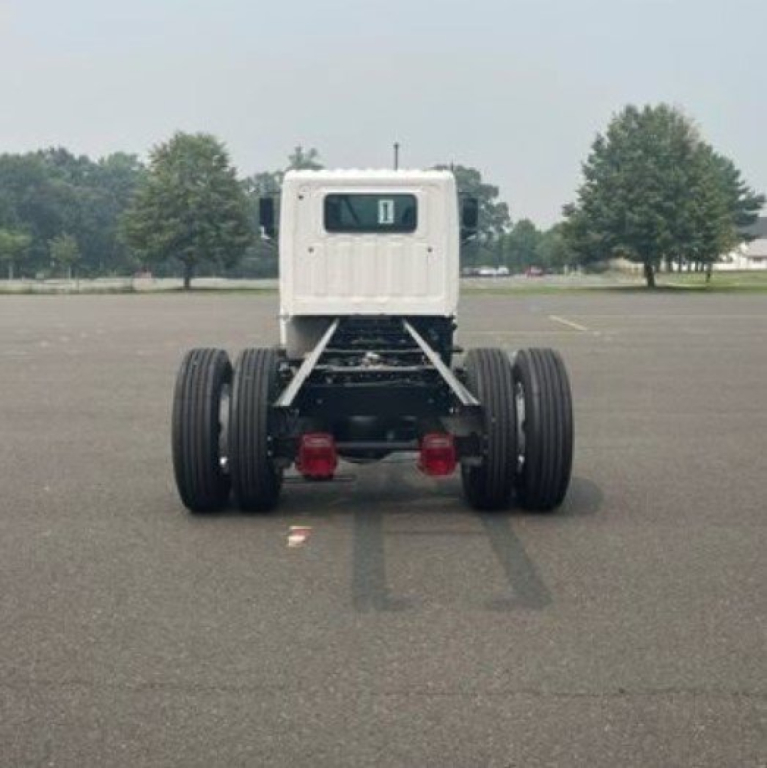
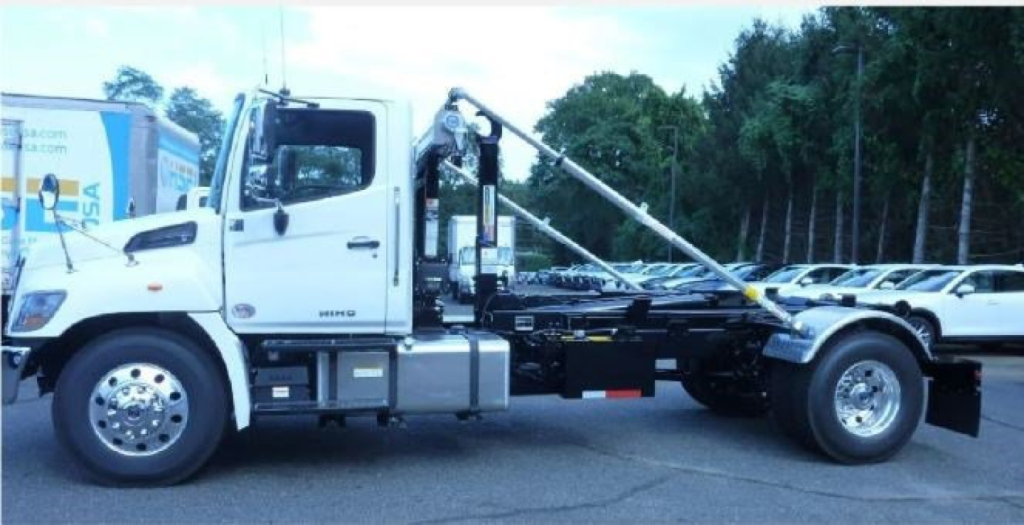
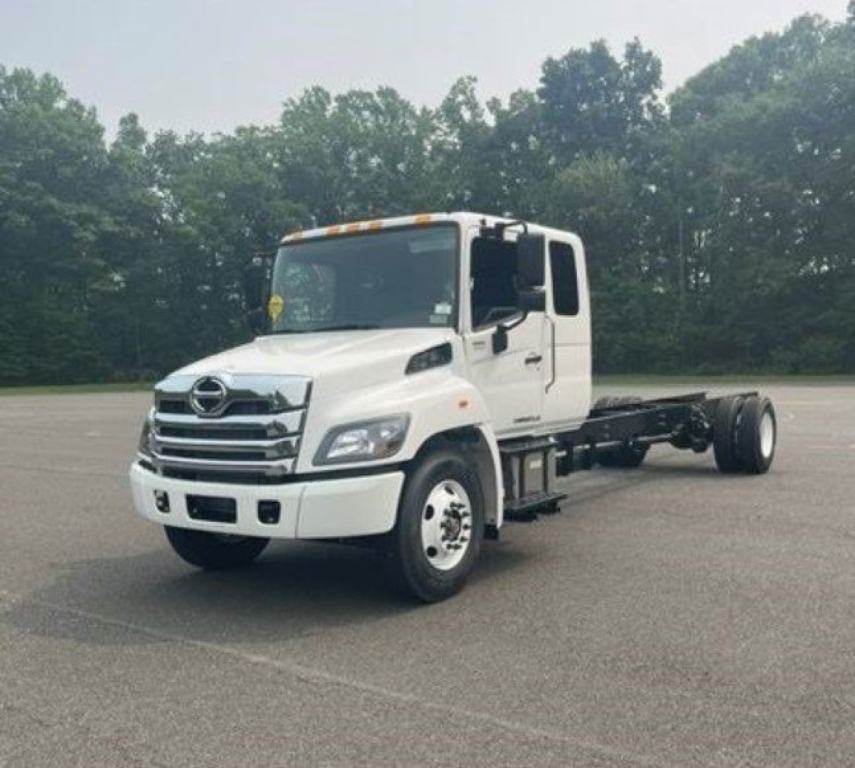
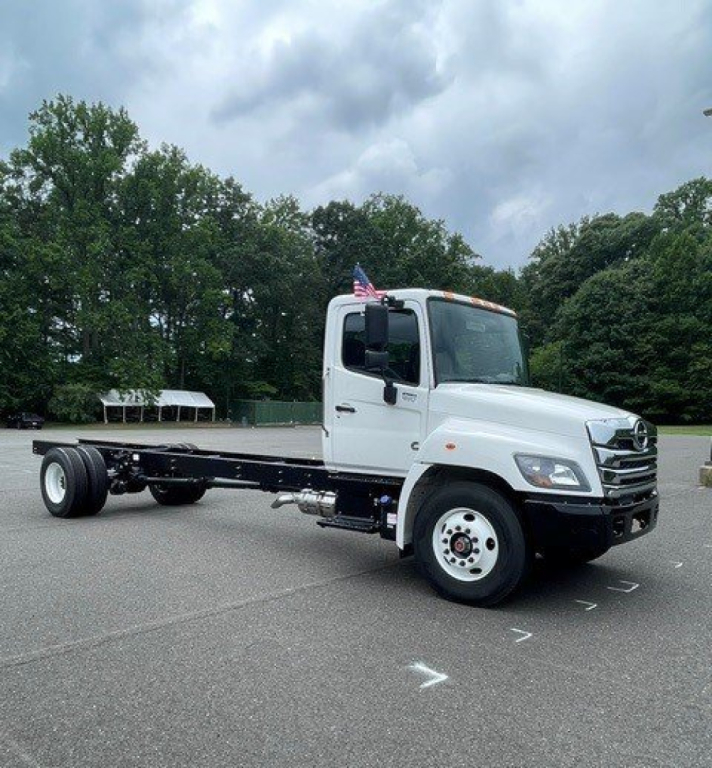
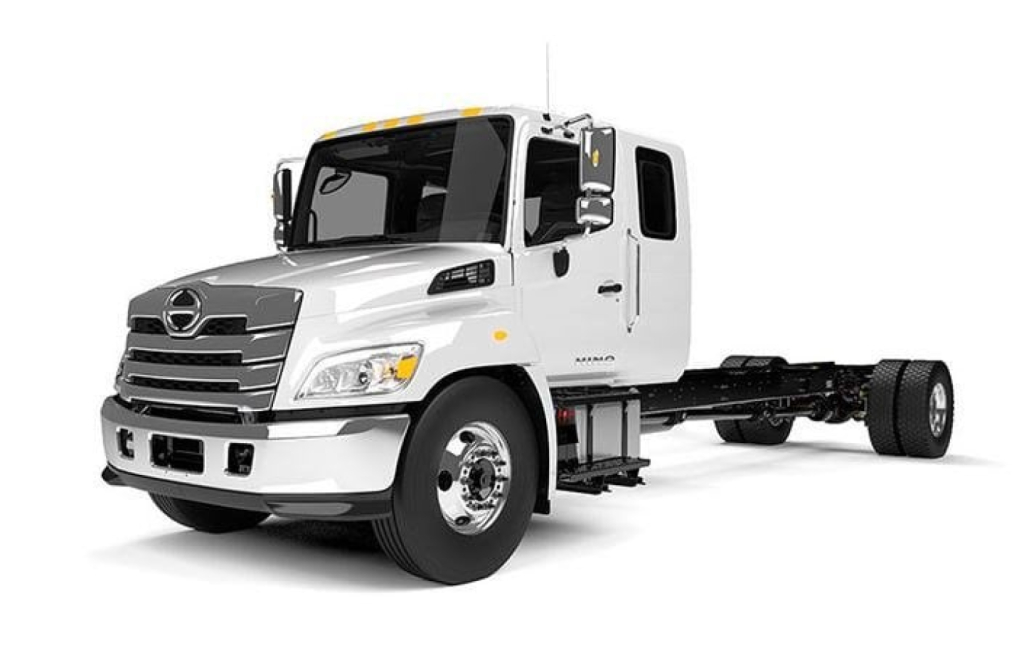
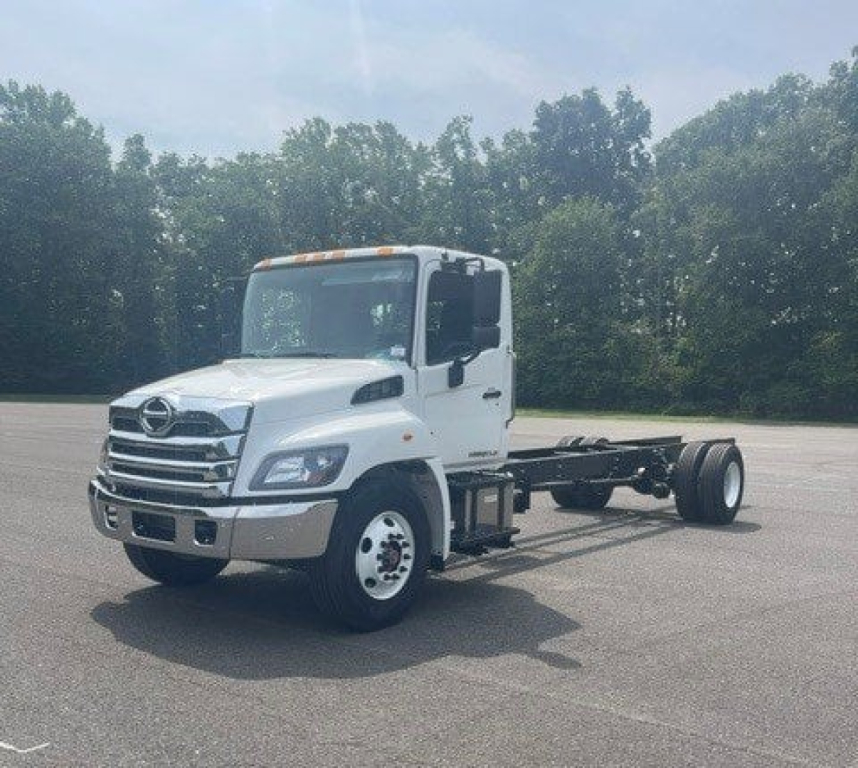
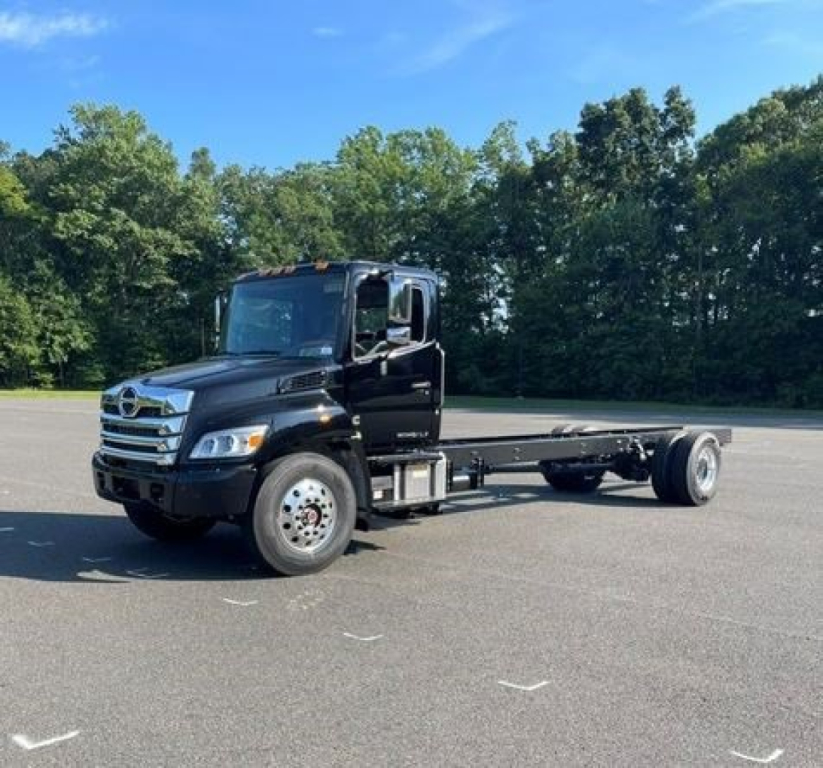
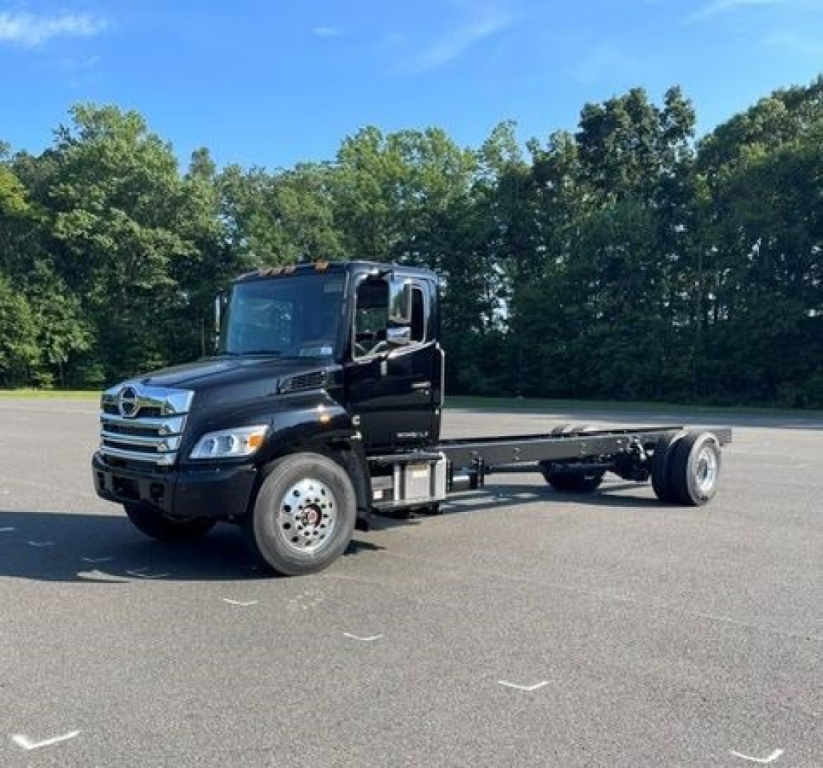
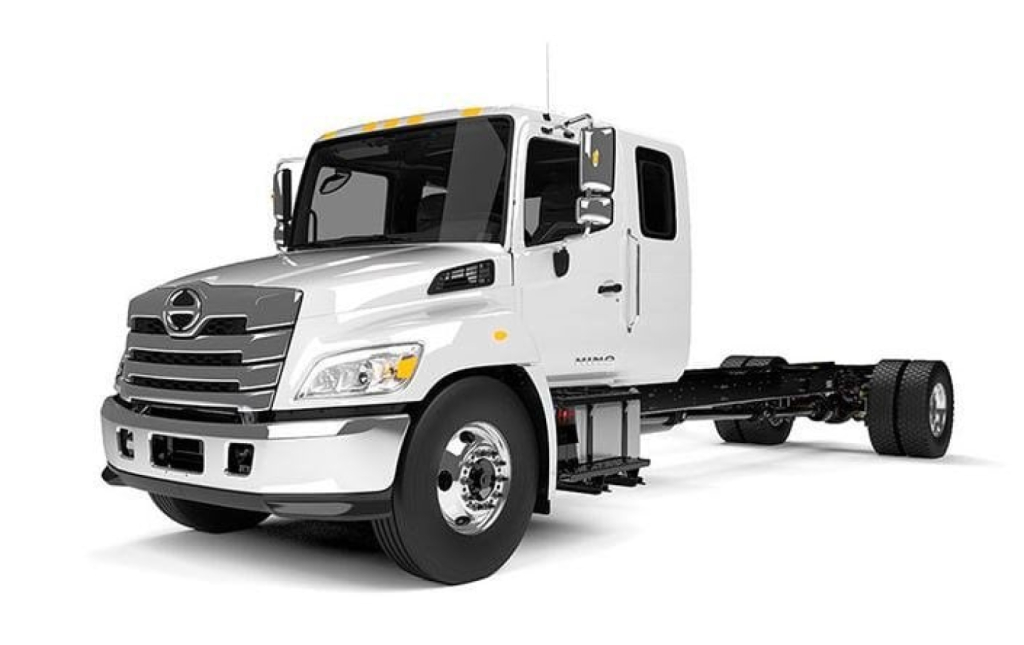
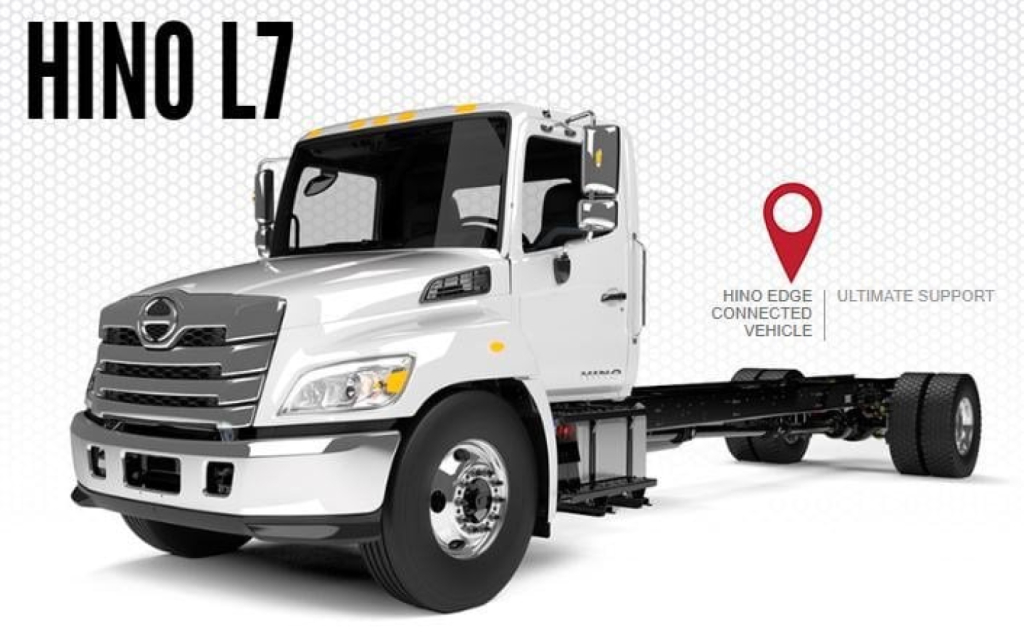
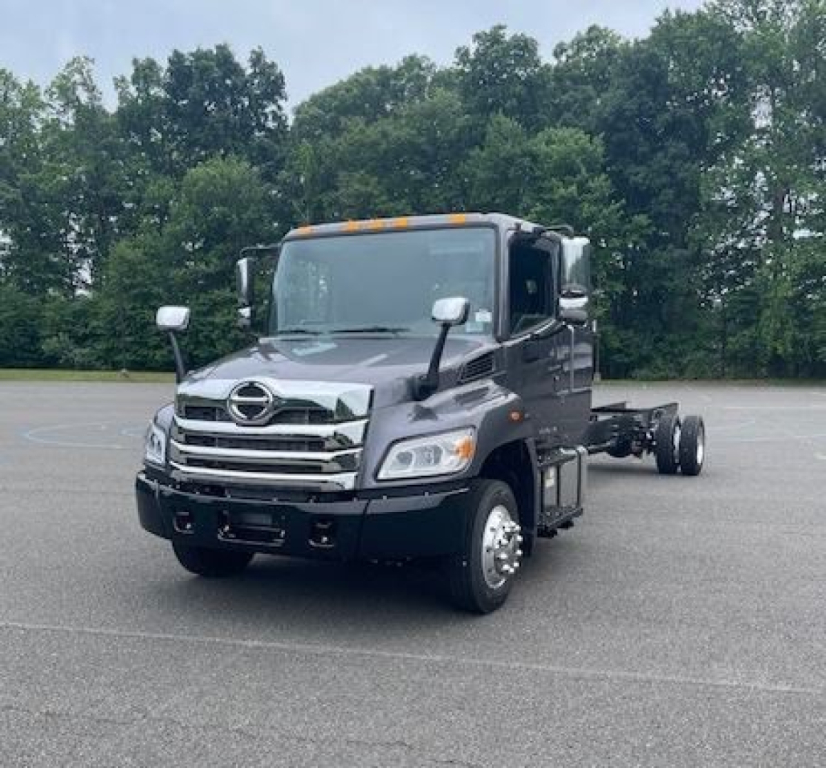
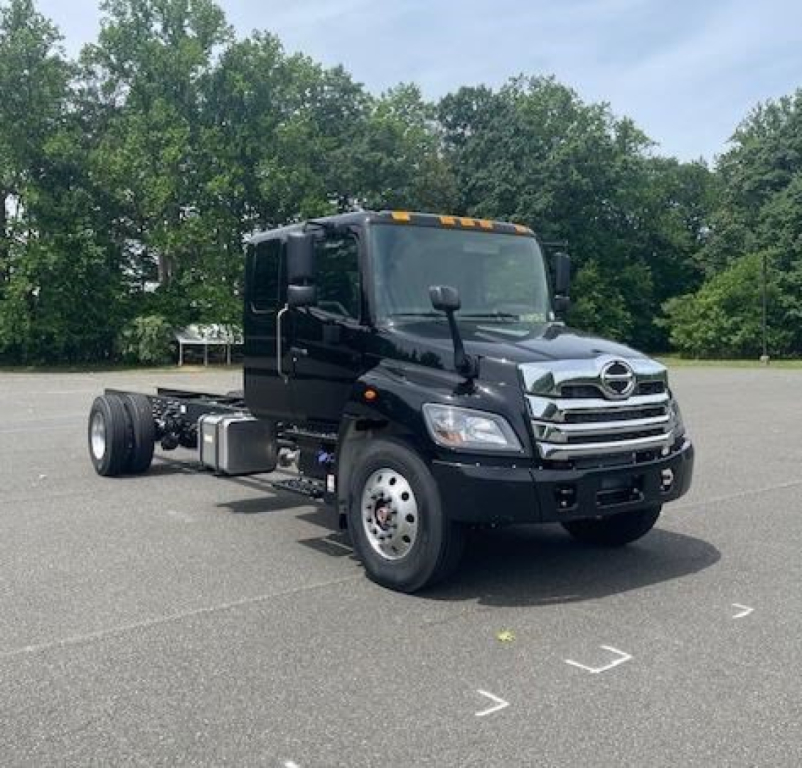
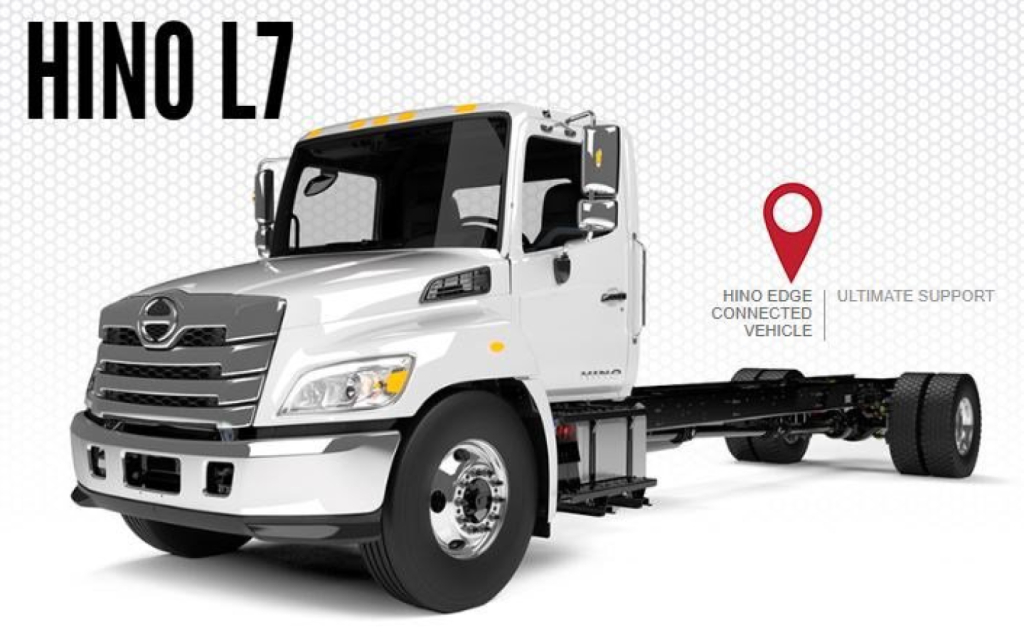
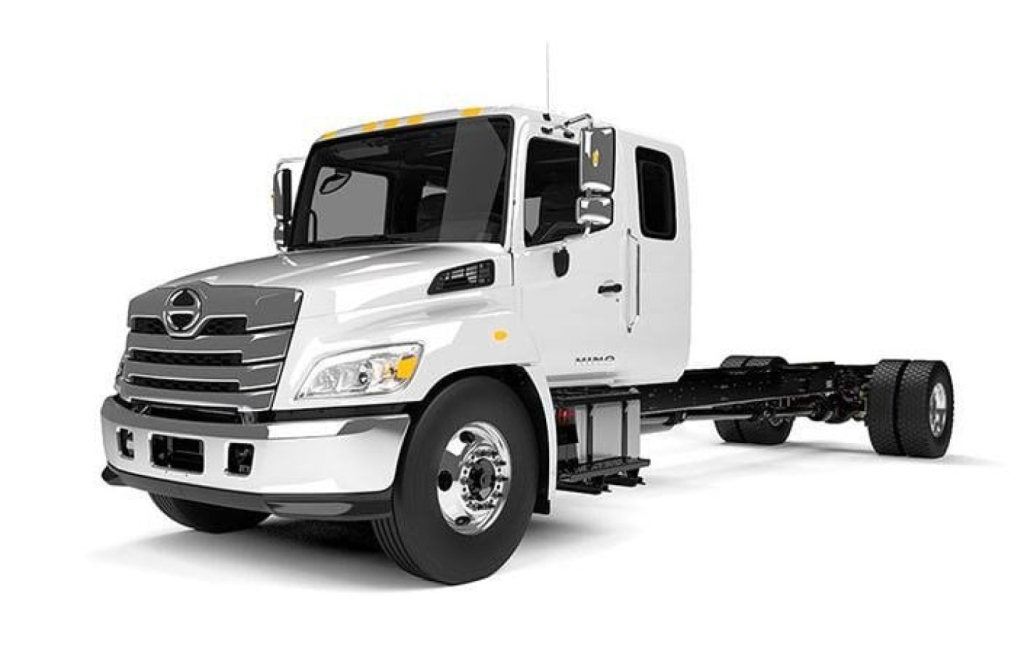
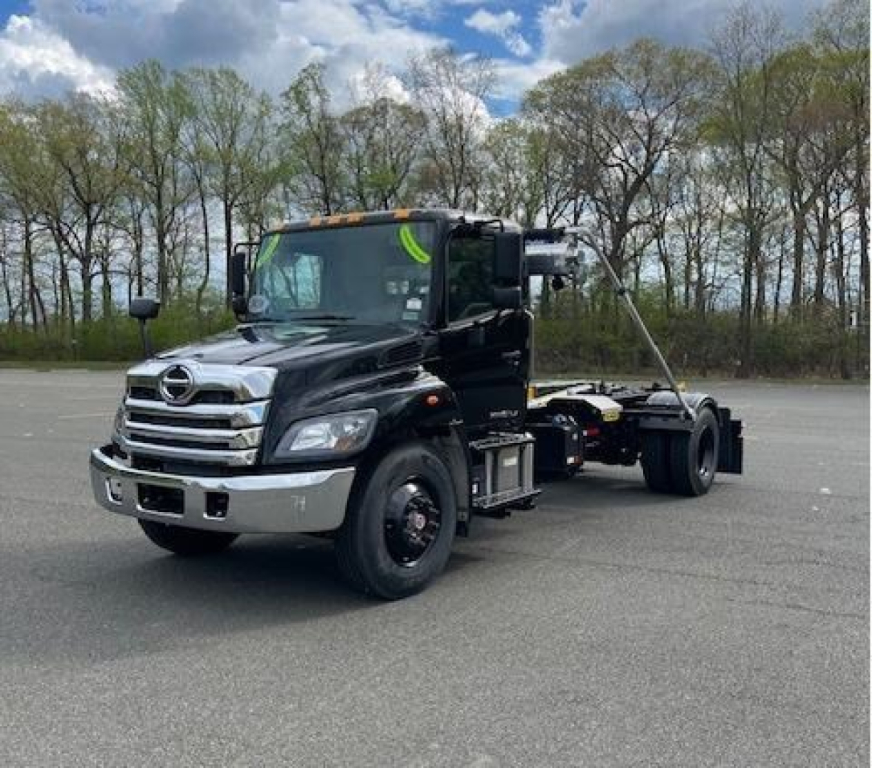
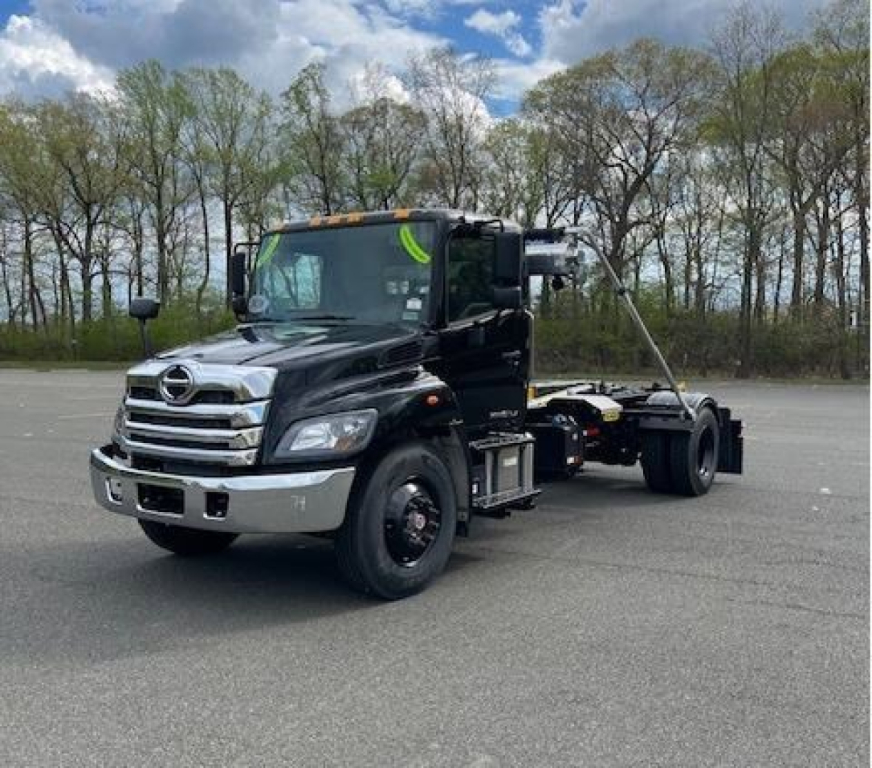
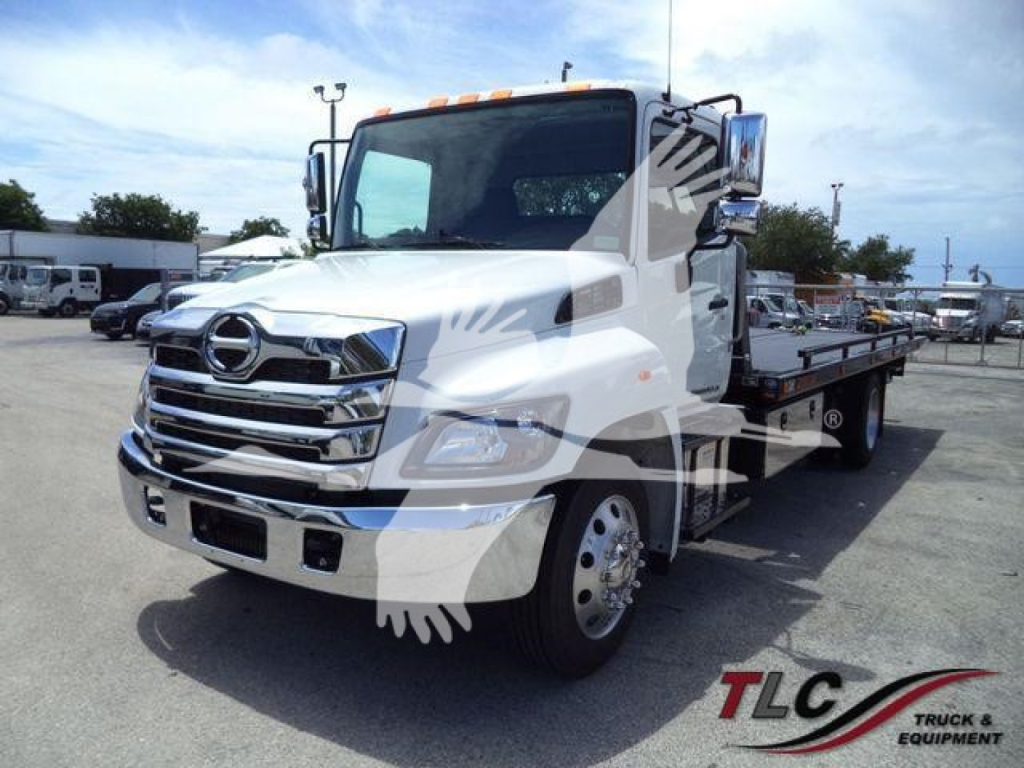
Selling a 2027 hino truck? List your 2027 hino truck for sale and reach thousands of commercial buyers.
2027 Hino Trucks
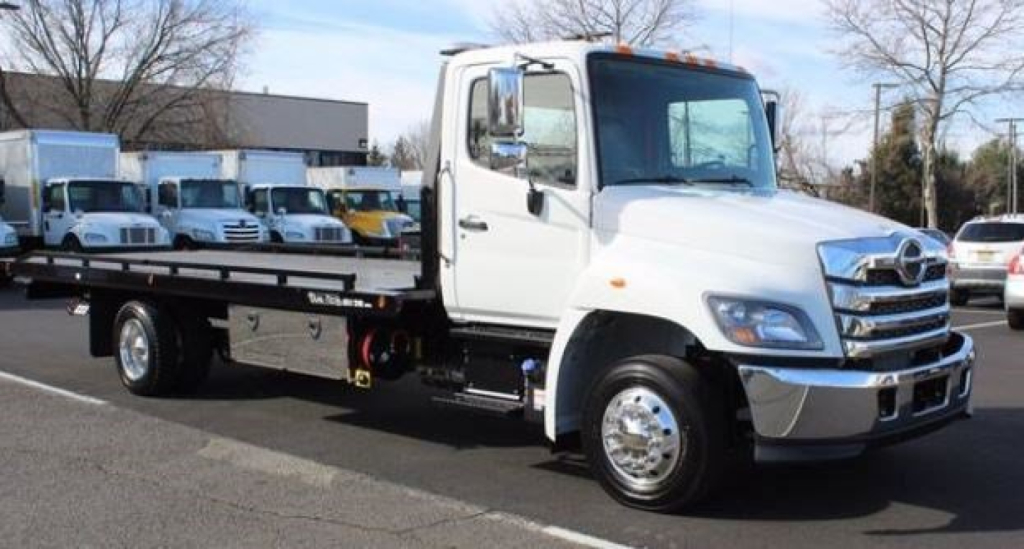
The first decision is usually application and GVWR. A 2027 Hino configured for a 26-foot box truck has very different wheelbase, rear axle, suspension, and liftgate requirements than a rollback or equipment-hauling flatbed. Buyers should look closely at wheelbase, cab-to-axle, frame RBM, front and rear axle ratings, and suspension type before comparing body length. On delivery builds, details like scuff liners, E-track, logistic posts, walk ramps, and liftgate capacity matter. On flatbed and towing configurations, deck length, winch rating, wheel-lift capacity, tie-down layout, and PTO or hydraulic setup matter just as much as the base chassis.
Powertrain selection is another major factor. Late-model Hino medium-duty trucks commonly appear with diesel engines matched to Allison automatic transmissions, a combination many operators prefer for stop-and-go service, vocational work, and easier driver onboarding. Air brakes and air ride suspension are common on heavier builds, while hydraulic brake configurations may still appear in certain applications. Fuel tank capacity, rear gear ratio, and tire size can make a noticeable difference in route range, launch feel, and highway RPM, especially if the truck will spend time at max payload or run mixed city-highway duty cycles.
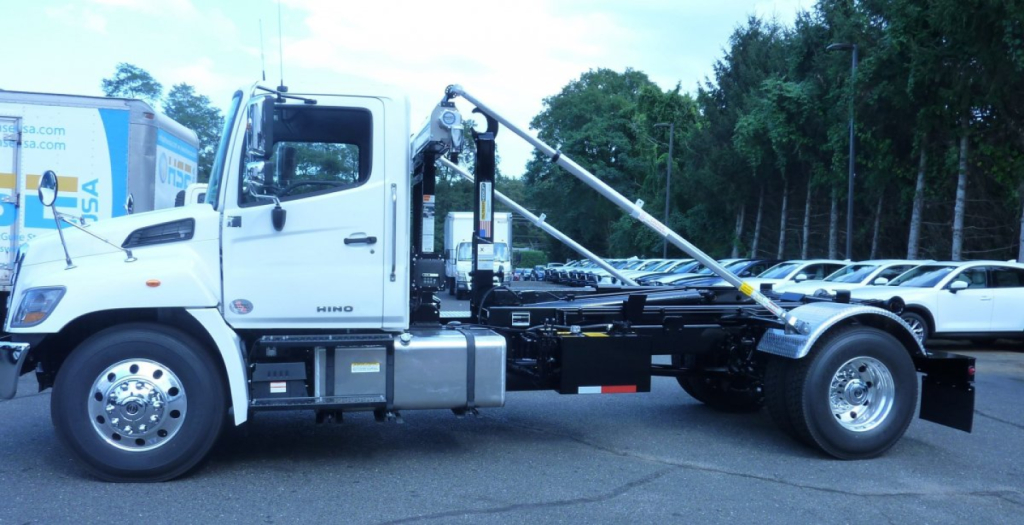
A good 2027 Hino truck comparison should go beyond the badge and focus on how the chassis was spec'd for the job. Check body manufacturer quality, crossmember spacing, electrical integration, corrosion protection, and how cleanly the upfit was completed. For delivery buyers, cab ergonomics, visibility, turning radius, and step-in height affect daily productivity. For vocational buyers, frame strength, PTO compatibility, and service access are usually higher priorities. Hino trucks remain a practical choice for buyers who need a medium-duty platform that can be tailored to demanding local and regional operations.
Frequently Asked Questions about 2027 Hino Trucks
What types of jobs are 2027 Hino trucks commonly used for?
2027 Hino trucks are commonly used for dry freight delivery, beverage routes, refrigerated distribution, flatbed hauling, towing and recovery, landscape work, equipment transport, and municipal service. The chassis can be upfitted for box van, reefer, rollback, stake bed, dump, utility, and specialized vocational bodies. The right application depends on GVWR, wheelbase, cab-to-axle measurement, suspension, and axle ratings, not just the model name.
What should I compare first when shopping for a 2027 Hino truck?
Start with the truck's intended body and payload requirement. From there, compare GVWR, front and rear axle ratings, wheelbase, cab-to-axle, engine and transmission pairing, brake type, and suspension. A truck can look similar on paper but be poorly matched to a 26-foot van body, a rollback carrier, or a flatbed with forklift package if the wheelbase and axle capacity are wrong. Body specs and upfit quality are just as important as chassis specs.
Are 2027 Hino trucks good for box truck and delivery applications?
Yes. Hino trucks are widely used in box truck applications because they are available in medium-duty configurations that suit local and regional delivery work. Buyers often look for specs such as liftgate capacity, interior logistics equipment like E-track, scuff protection, body height and width, and suspension setup for ride quality. Driver comfort, visibility, and automatic transmission availability also make them a strong fit for multi-stop routes and fleet operations.
What powertrain features are common on newer Hino trucks?
Newer Hino trucks in the medium-duty market are commonly spec'd with diesel engines and Allison automatic transmissions. Depending on model and GVWR, buyers may also see air brake systems, air ride rear suspension, varying rear axle ratios, and different fuel tank capacities. These choices affect drivability, maintenance planning, route efficiency, and how well the truck performs under load in city, regional, or vocational service.
Why does wheelbase matter so much on a Hino truck?
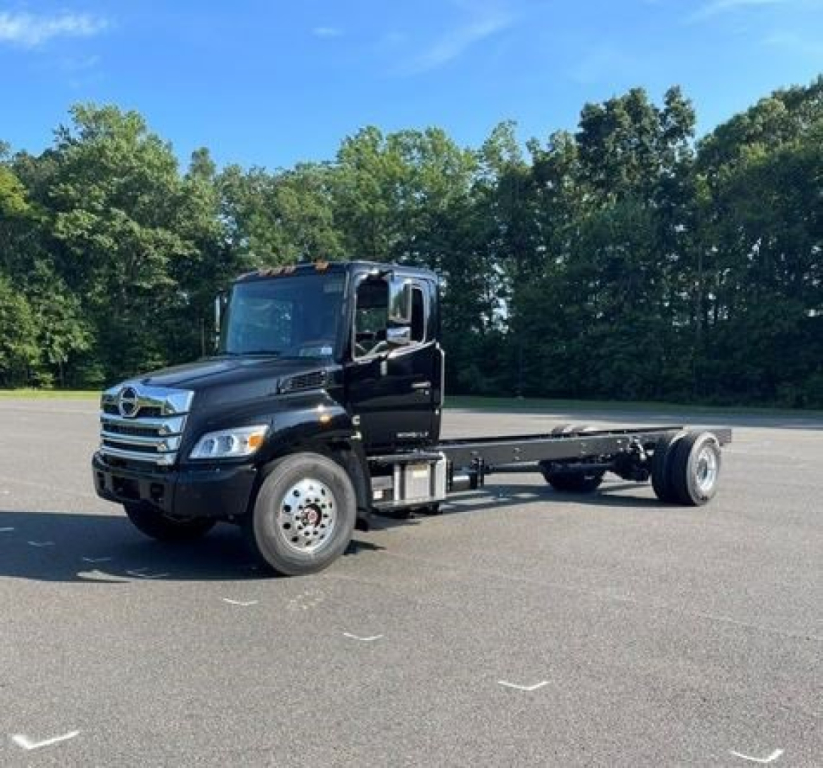
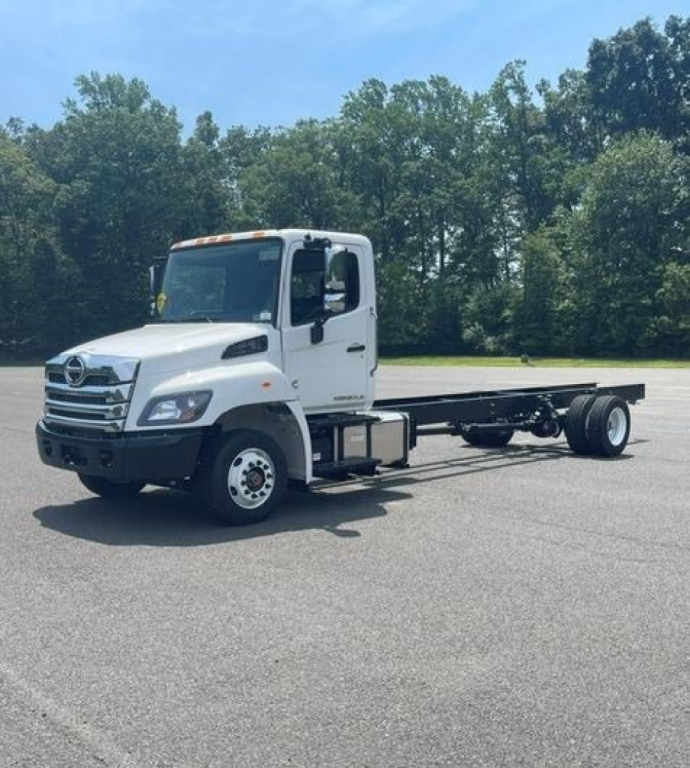
Wheelbase directly affects what body can be installed and how the finished truck handles. A box truck, flatbed, or rollback requires specific cab-to-axle and overall frame dimensions to fit properly and maintain legal axle loading. If the wheelbase is too short or too long for the intended body, it can create poor weight distribution, reduced maneuverability, and body installation limitations. It is one of the most important specs to verify before purchase.