
2027 Commercial Trucks For Sale in Colorado
Shop 2027 trucks for sale in Colorado, including vocational and on-highway models with modern powertrains, body options, and fleet-ready specs.
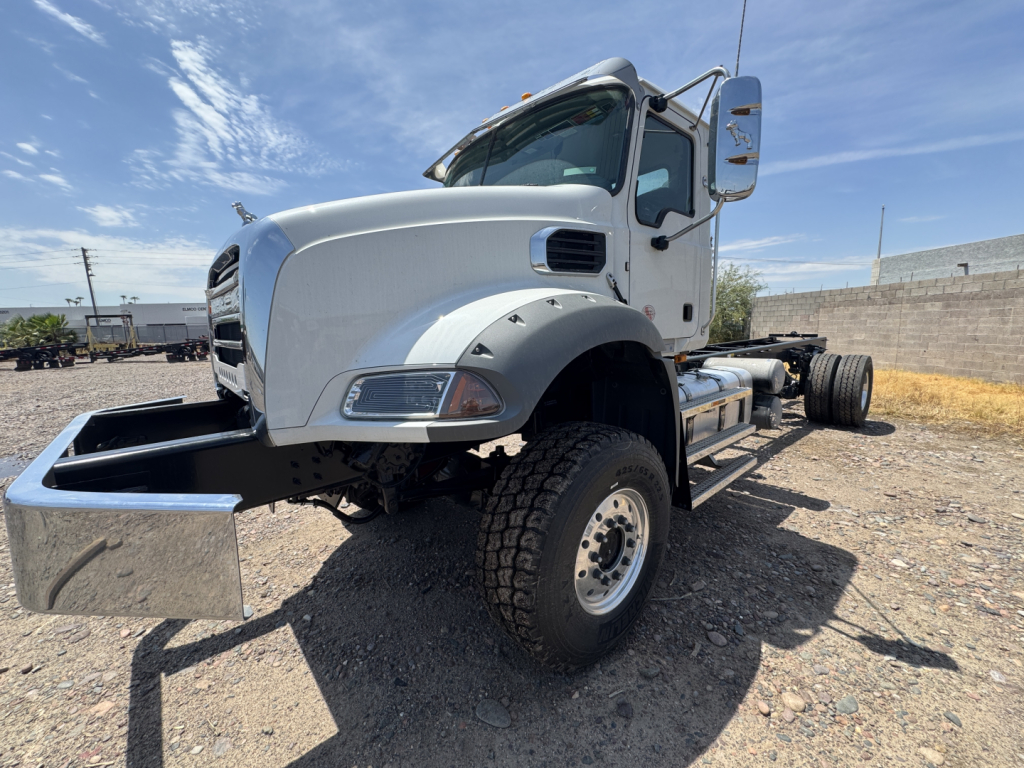
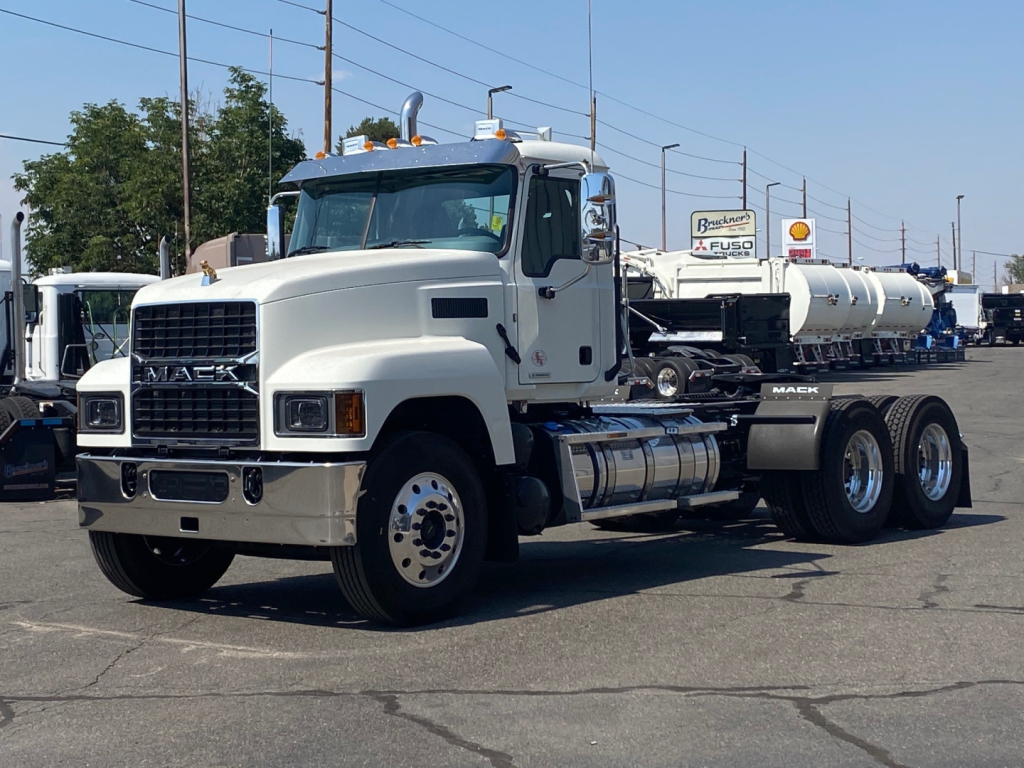
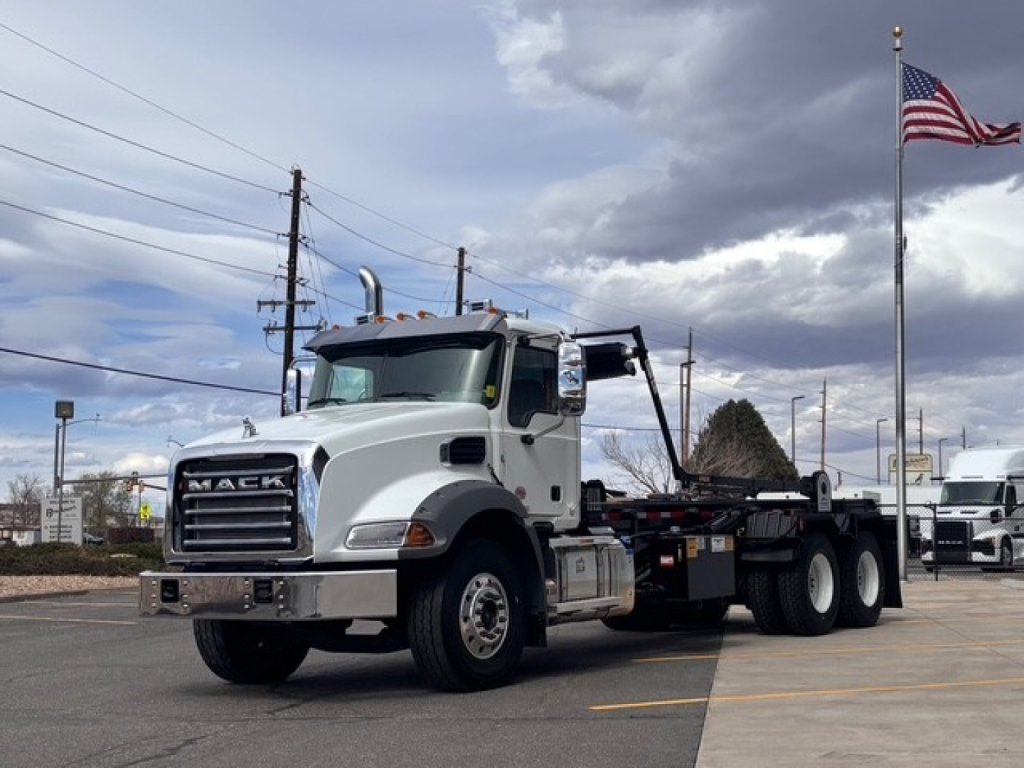
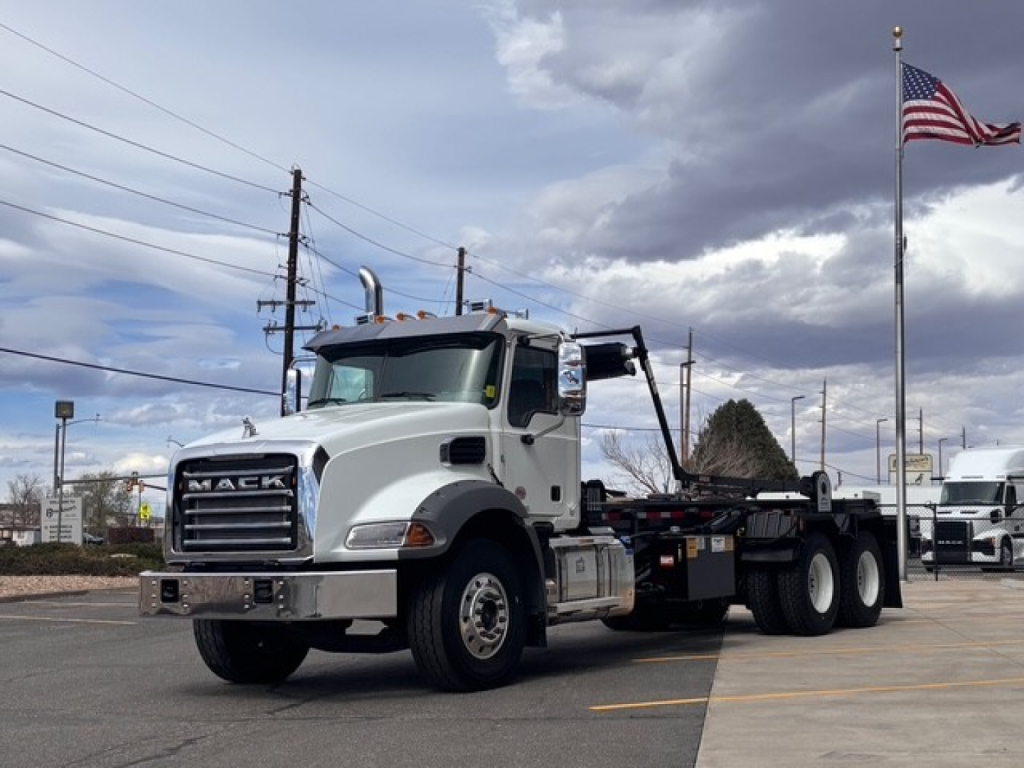
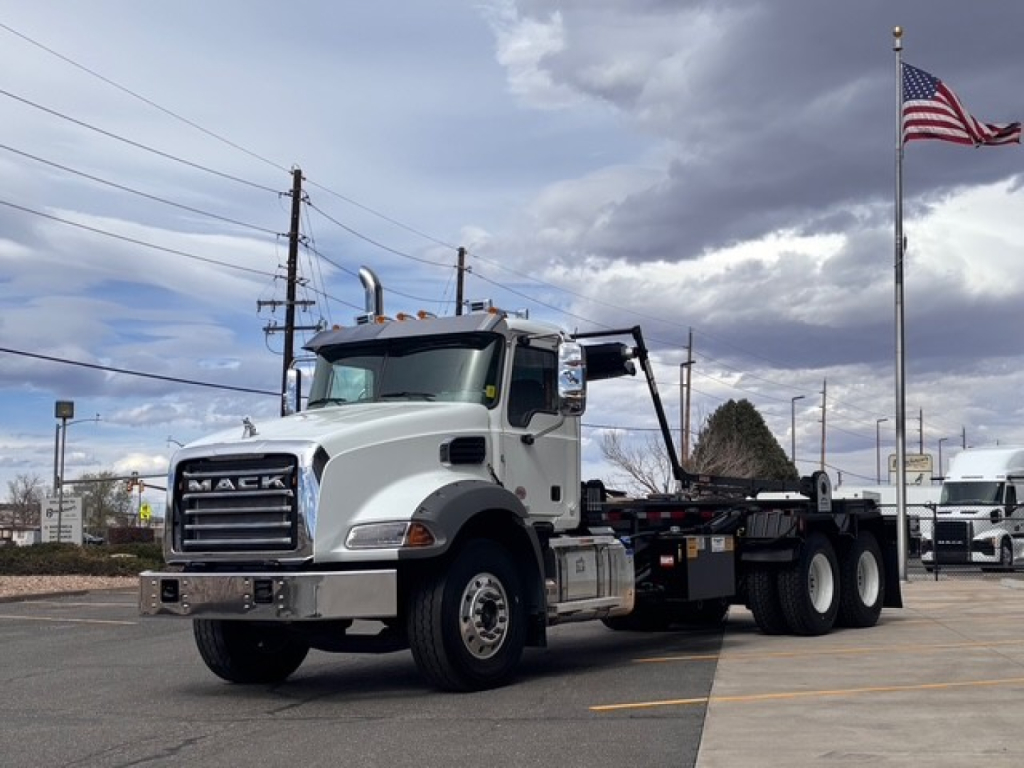
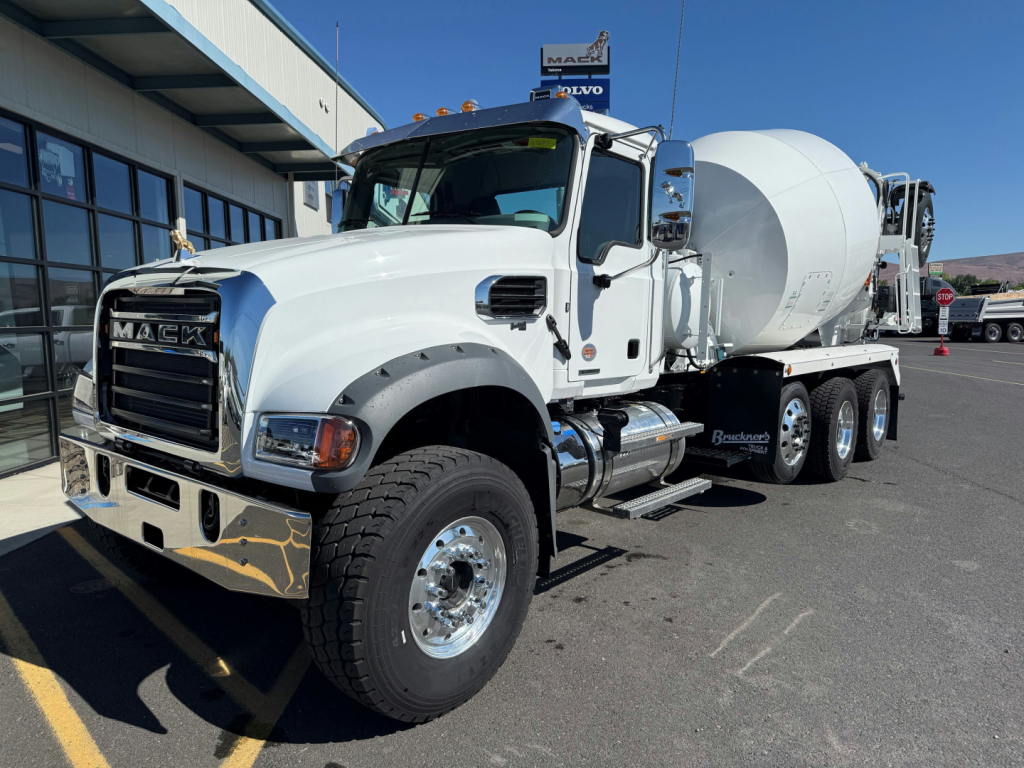
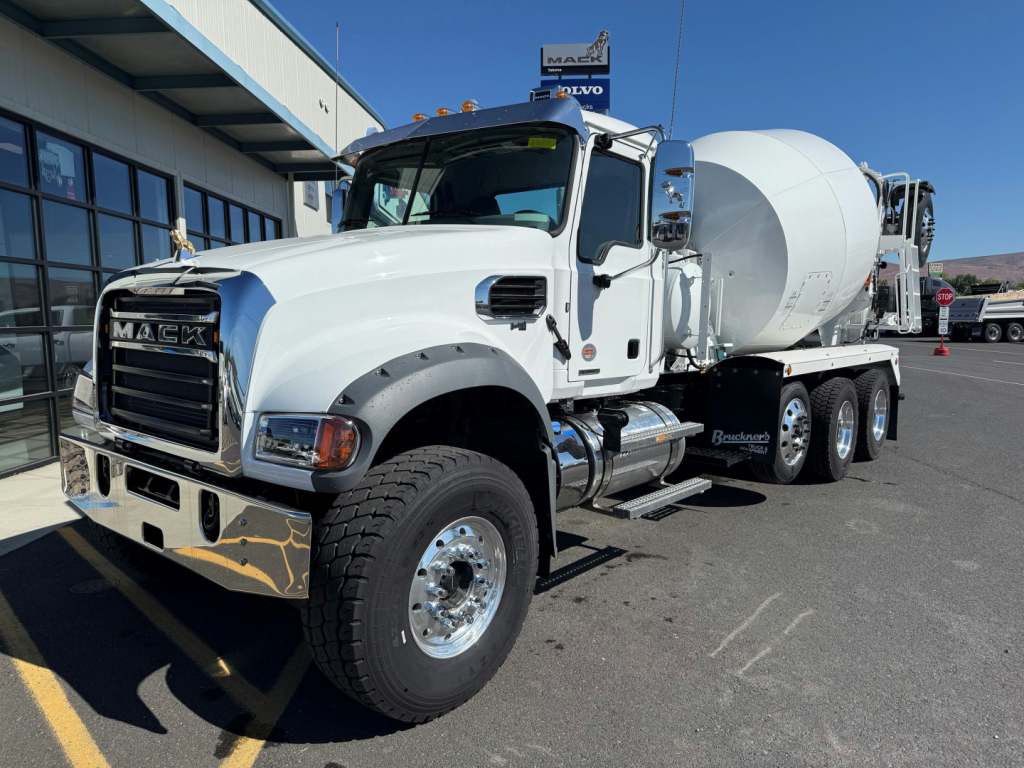
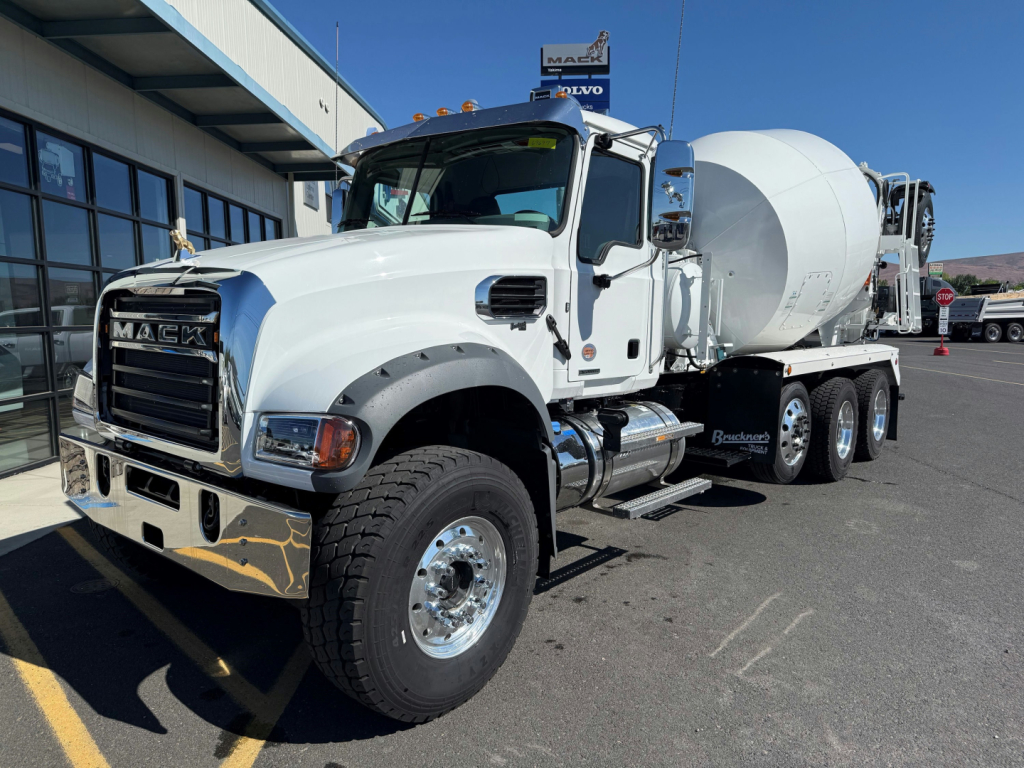
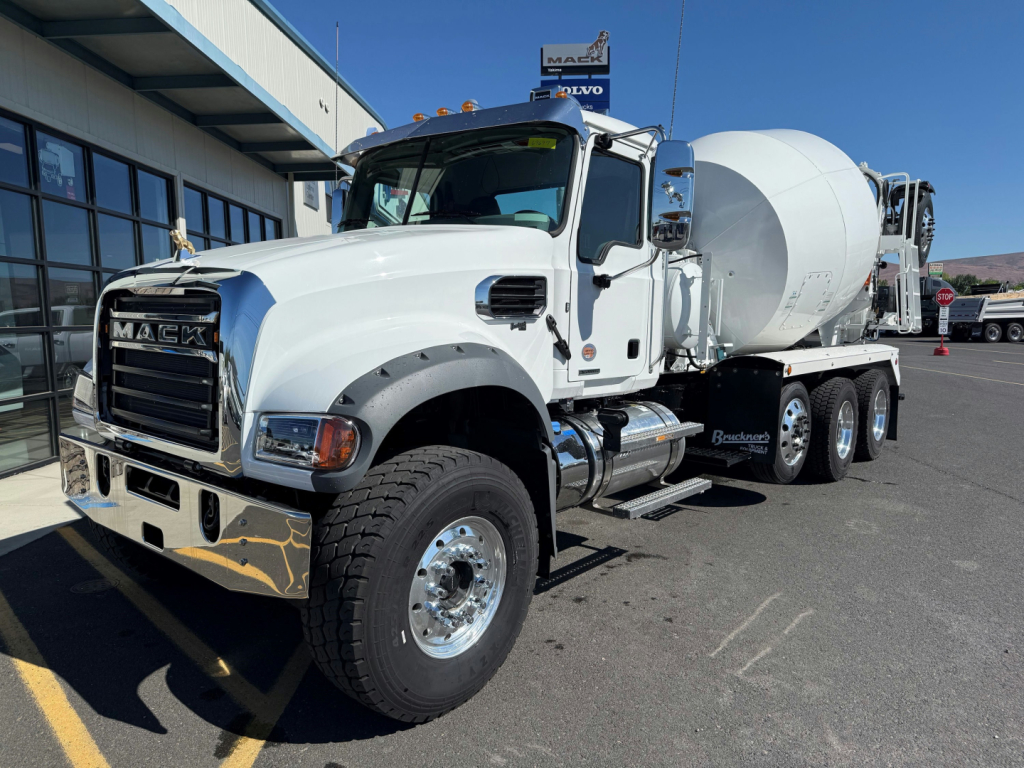
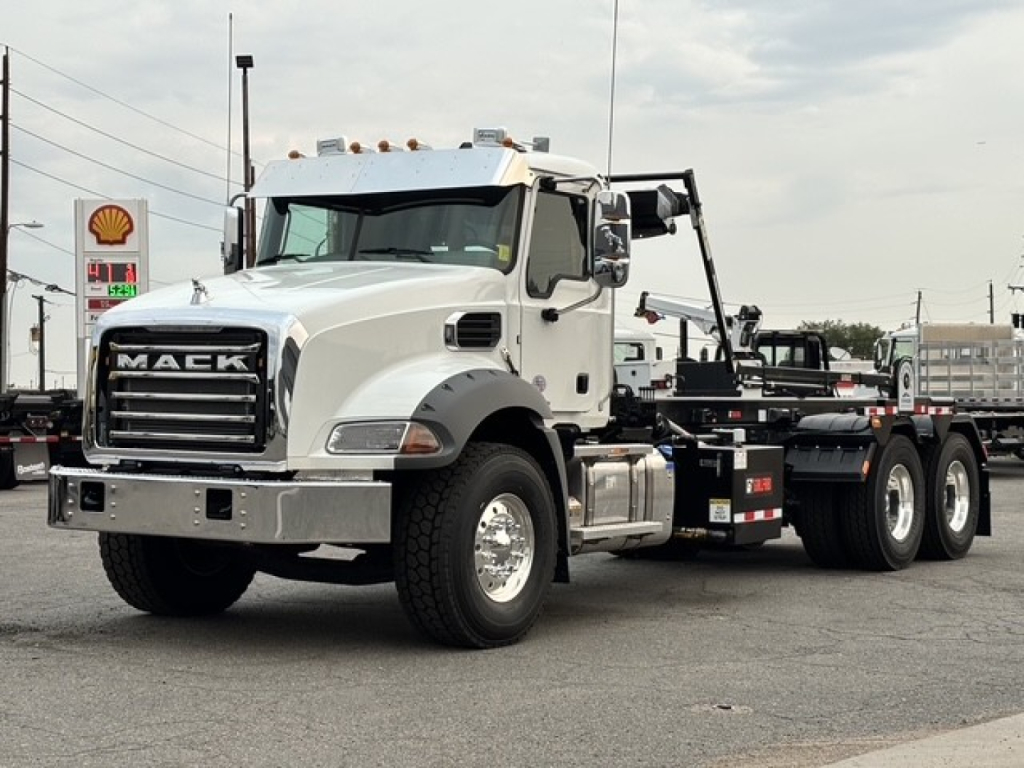
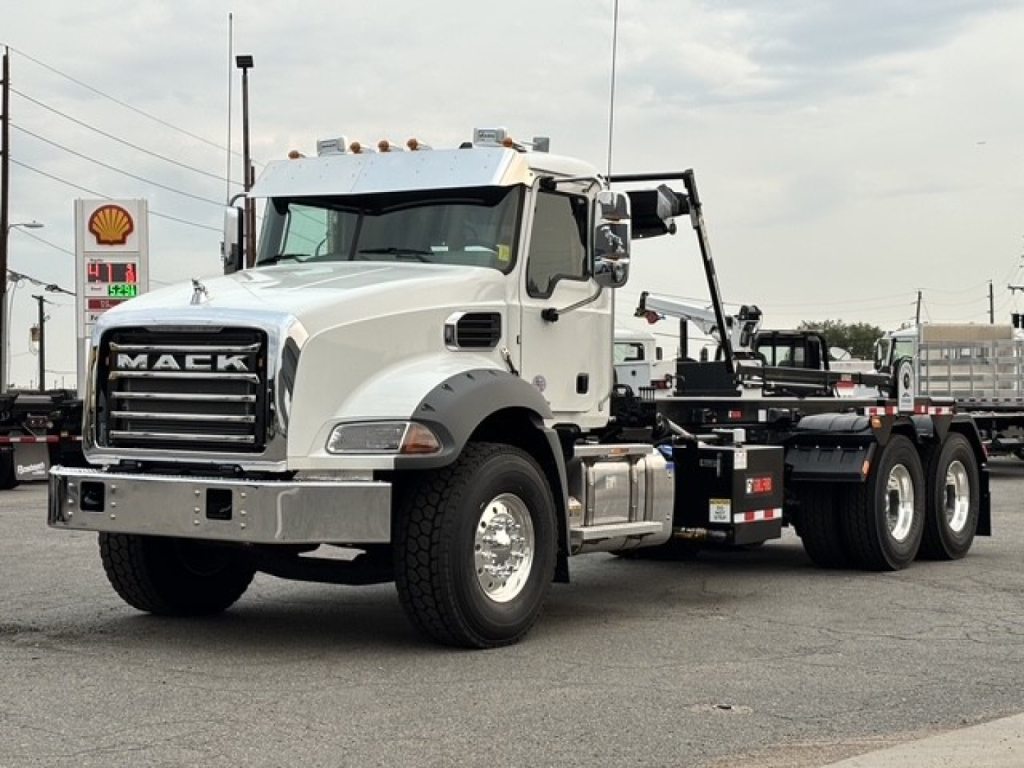
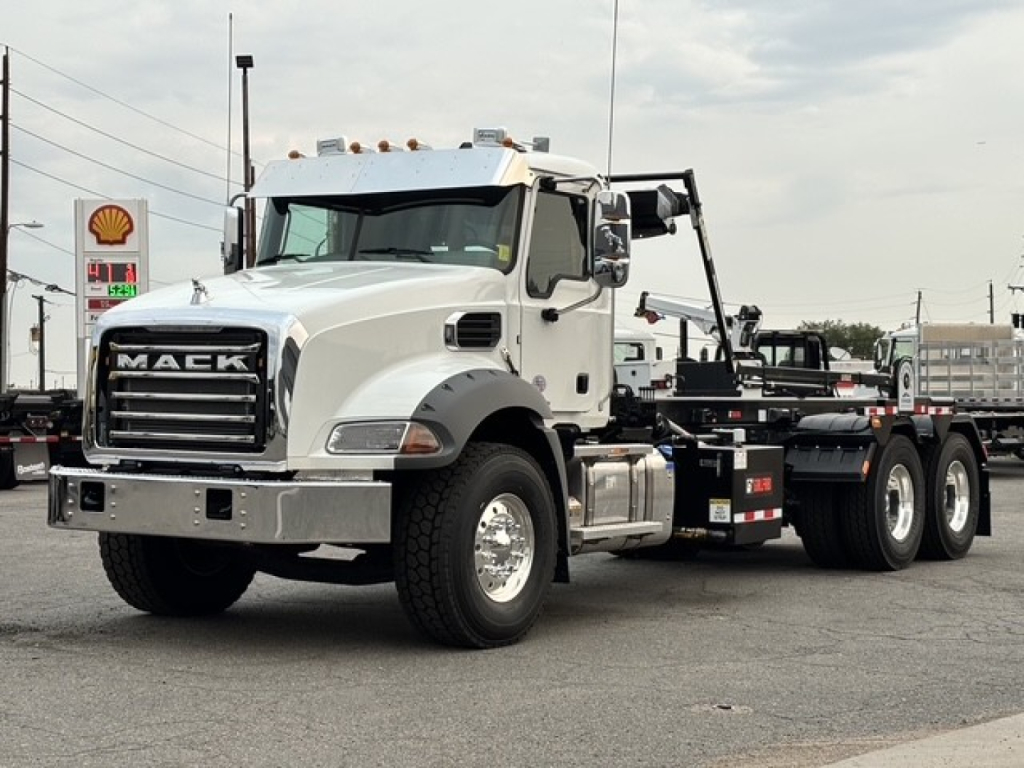
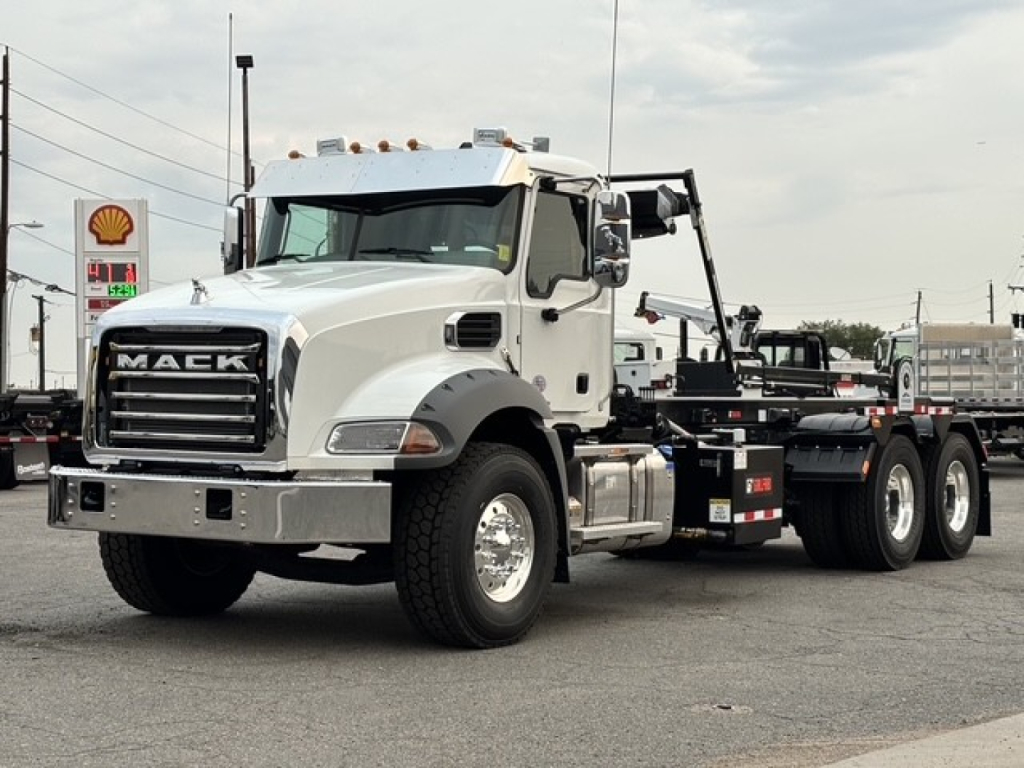
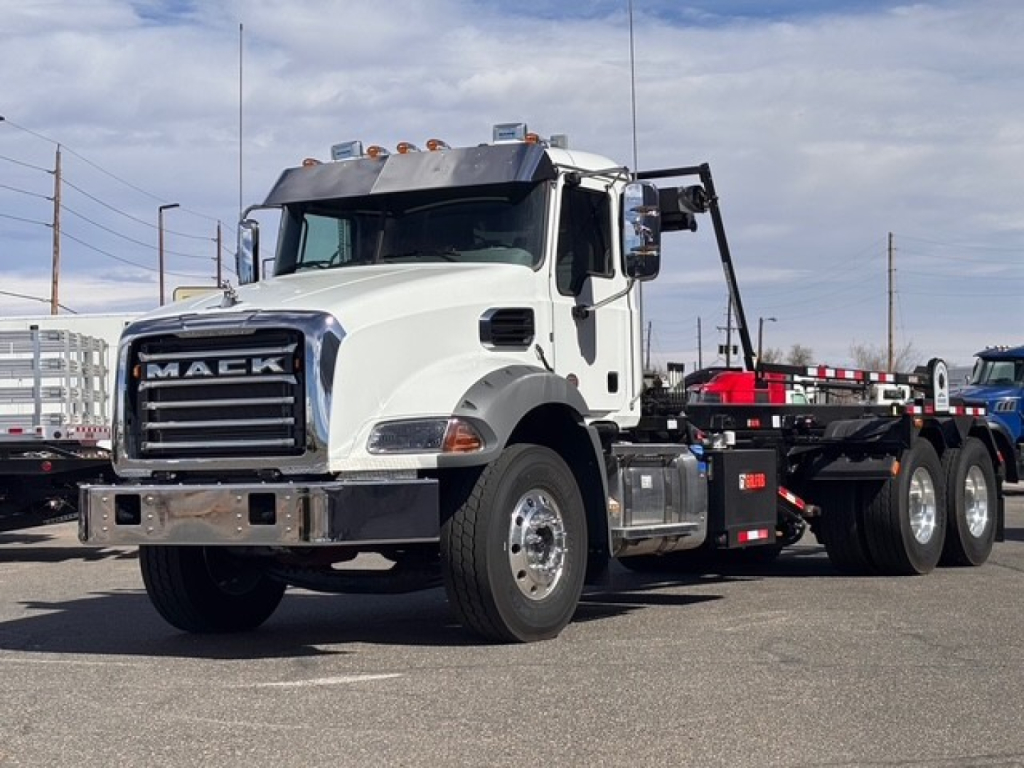
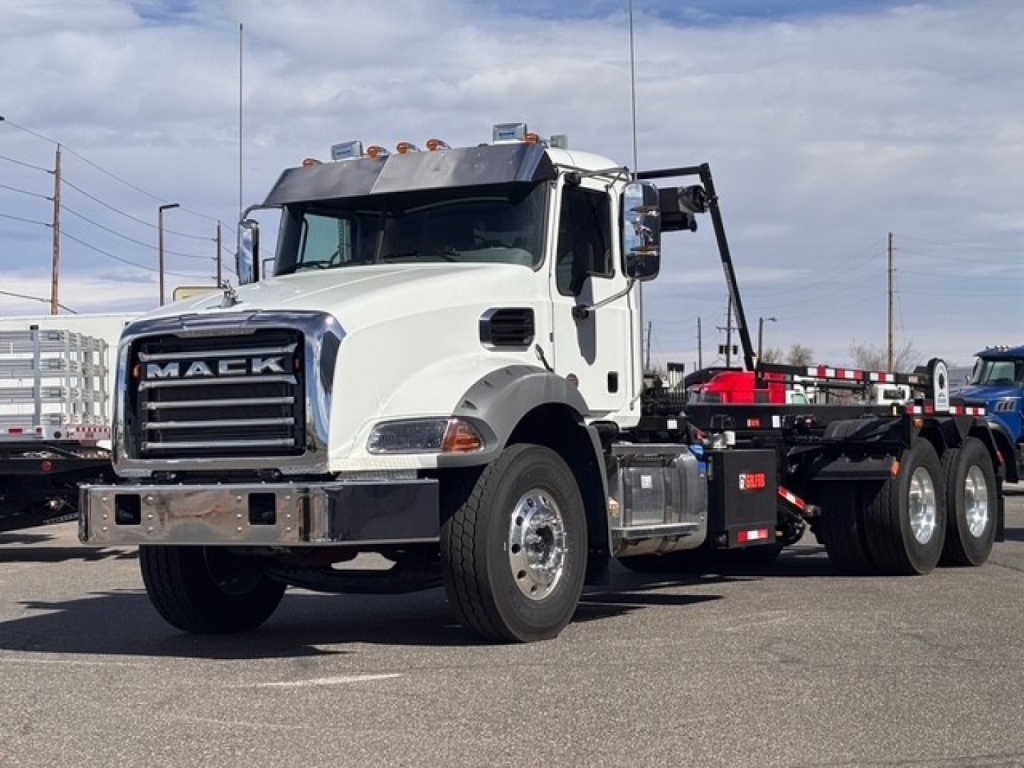
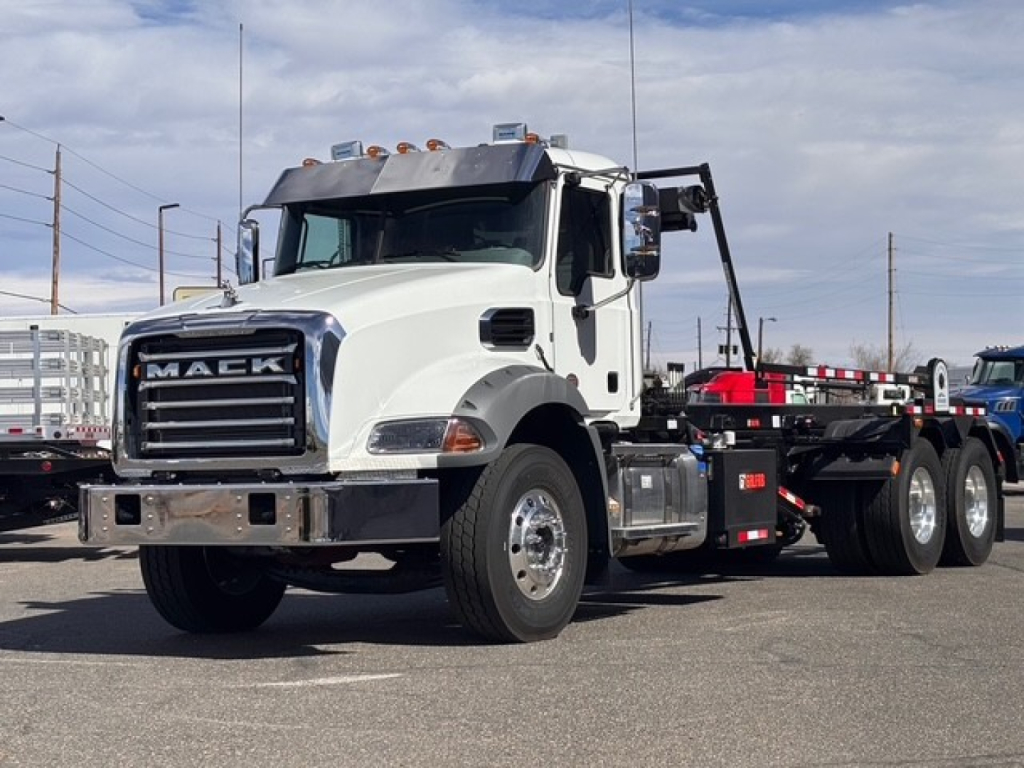
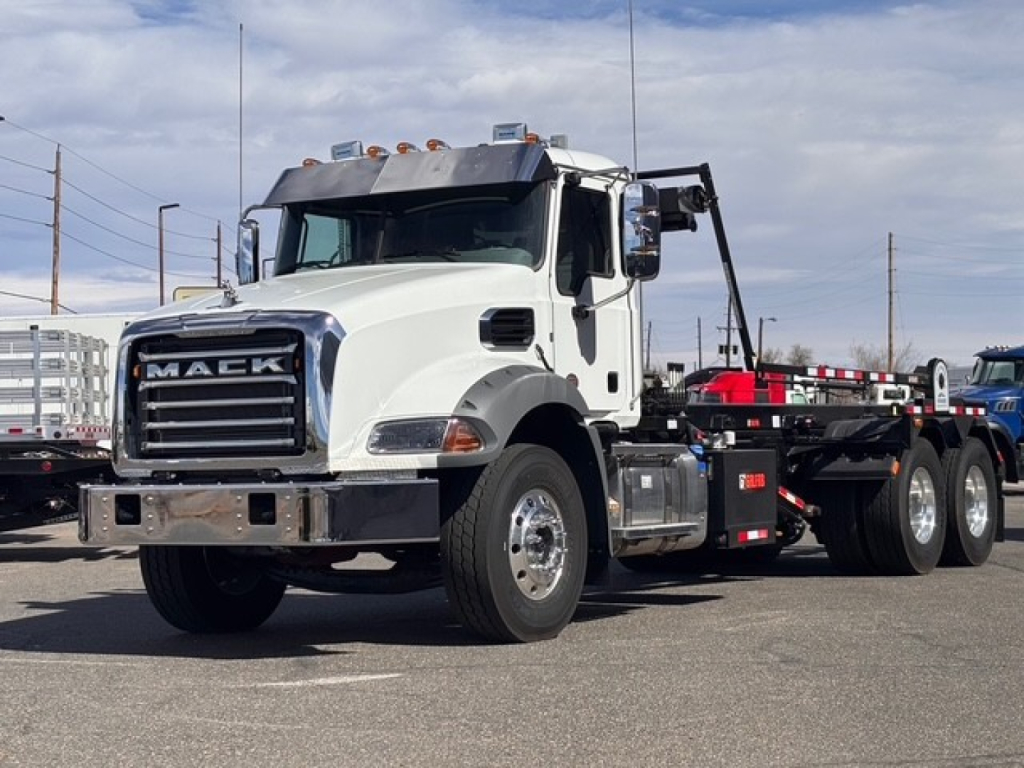
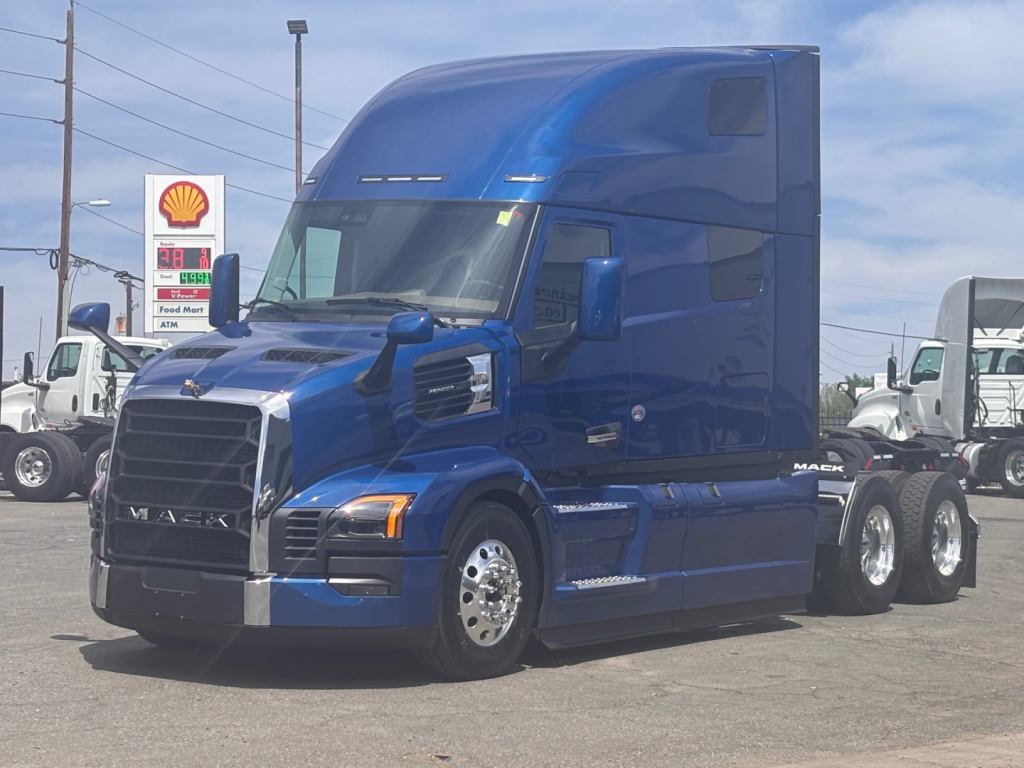
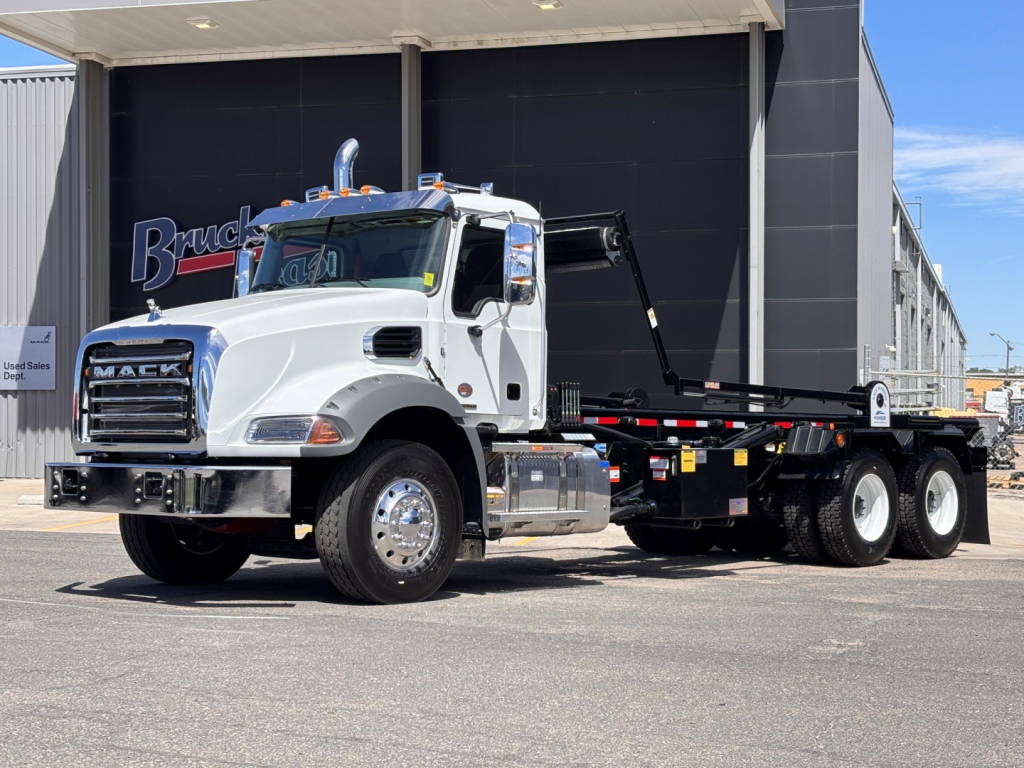
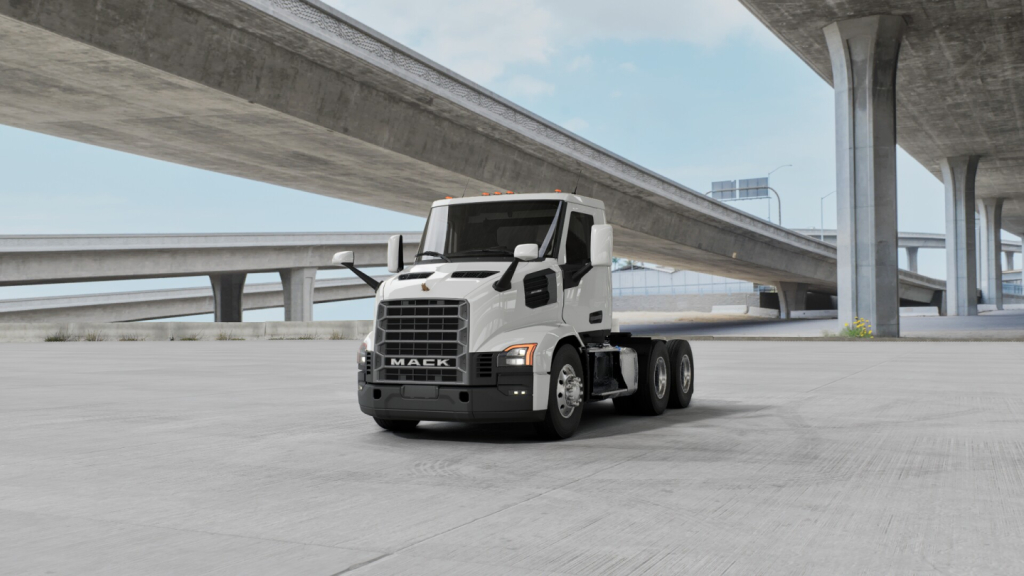

Showing 1 to 28 of 30 results
Selling a 2027 commercial truck? List your 2027 commercial truck for sale and reach thousands of commercial buyers.
2027 Commercial Trucks in Colorado
Colorado buyers should pay close attention to engine and transmission pairing. Higher elevation and frequent grade changes make torque curve, rear axle ratio, and transmission logic more important than headline horsepower alone. In medium-duty box trucks, common decision points include GVWR, under-CDL 25,995-lb setups, wheelbase, body length, liftgate capacity, and whether the truck is spec'd for city route density or regional delivery. In heavier vocational trucks such as roll-off or construction chassis, buyers usually compare axle configuration, hoist rating, frame reinforcement, PTO compatibility, suspension type, and cab-to-axle dimensions to make sure the body and upfit match the intended container, compactor, or equipment package.
Newer trucks in this class often include features that directly affect driver retention and uptime, not just comfort. Heated mirrors, power accessories, improved visibility packages, collision mitigation systems, and automatic transmissions are now common on both medium-duty and severe-service specs. For box trucks, details like scuff liners, E-track, door opening dimensions, rear frame material, and liftgate brand can change daily usability. For vocational chassis, look closely at wheel cut, frame section modulus, front axle capacity, and body builder support. Those details determine how well the truck performs once it is loaded, upfitted, and sent into real Colorado working conditions.
A strong 2027 truck spec is one that matches the route, payload, and body requirement without overbuying. Buyers comparing listings should focus on GVWR or GCWR, axle ratings, engine family, transmission model, wheelbase, suspension, brake configuration, and any body or hoist equipment already installed. If the truck will work in Denver metro traffic, mountain corridors, or mixed on-road and jobsite conditions, the right spec balance matters more than any single feature. The best value in this category usually comes from a truck that is correctly matched to the application on day one and remains serviceable, compliant, and easy to operate for years.
Frequently Asked Questions about 2027 Commercial Trucks in Colorado
What should I look for first when comparing 2027 trucks for sale in Colorado?
Start with the application, then verify the hard specs that support it. Buyers should match GVWR or GCWR, axle configuration, wheelbase, cab-to-axle dimension, engine torque, transmission type, and suspension to the actual job. Colorado service adds another layer because mountain grades, winter weather, and mixed urban and rural routes can quickly expose an under-spec'd truck.
Are 2027 trucks likely to have more safety and driver-assist features than older models?
Yes. Many 2027 model year trucks are expected to include current-generation safety systems such as collision mitigation, stability control, improved camera visibility, and more integrated dash electronics. These features can improve driver confidence, reduce minor incident exposure, and support fleet standardization, especially for operations rotating multiple drivers through the same equipment class.
How important is horsepower for a truck operating in Colorado?
Horsepower matters, but torque, axle ratio, transmission calibration, and total vehicle weight matter just as much. A truck that looks strong on paper can still feel sluggish or inefficient in Colorado if the drivetrain is not matched to elevation and grade demands. Buyers running mountain corridors or heavy vocational loads should evaluate the full powertrain, not just the engine rating.
What matters most on a 2027 box truck?
The most important factors are GVWR, body dimensions, payload capacity, dock height, door opening, liftgate rating, and cargo-control features such as E-track and scuff protection. Buyers should also confirm whether the truck is under CDL, which is often a major advantage for local delivery fleets. Cab comfort and visibility also matter because box trucks usually spend long hours in stop-and-go service.
What matters most on a 2027 vocational truck like a roll-off or construction chassis?
Body compatibility and chassis strength are the key issues. Buyers should confirm axle ratings, frame reinforcement, PTO setup, suspension, wheelbase, and any hoist or hydraulic equipment already installed. A vocational truck needs to be spec'd as a complete working unit, because the wrong cab-to-axle, frame spec, or hydraulic configuration can limit body options and add significant upfit cost later.