
2027 Mixer Trucks For Sale in Colorado
Shop 2027 mixer trucks for sale in Colorado. Compare drum capacity, axle setup, bridge laws, chassis specs, and jobsite-ready concrete hauling options.
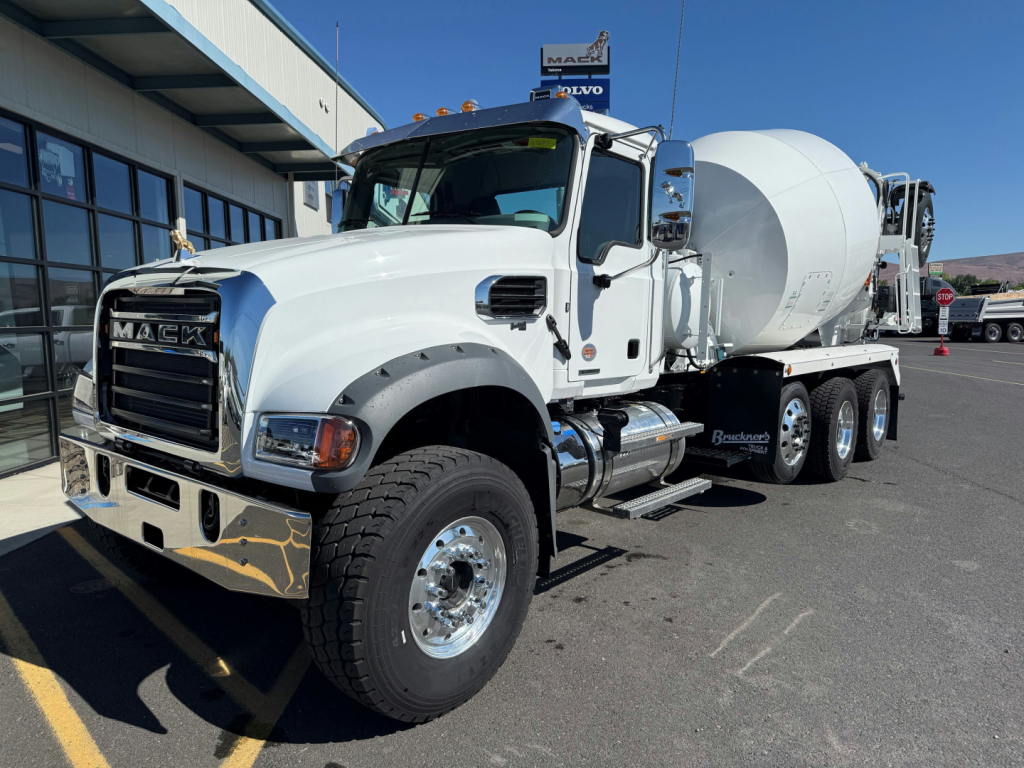
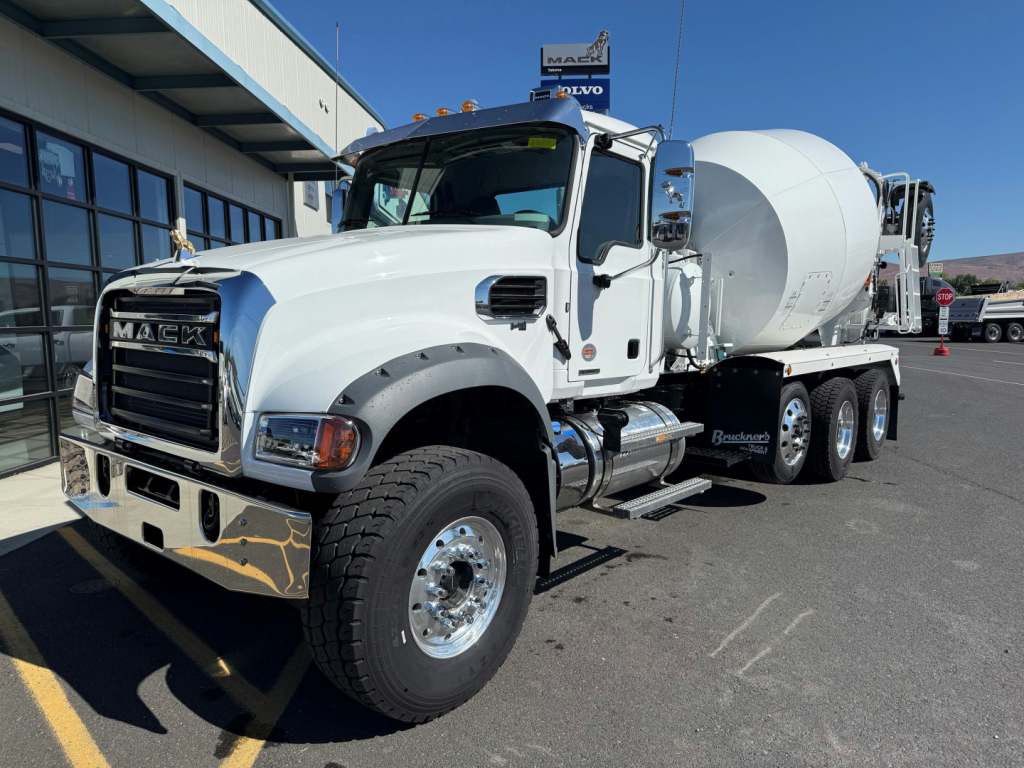
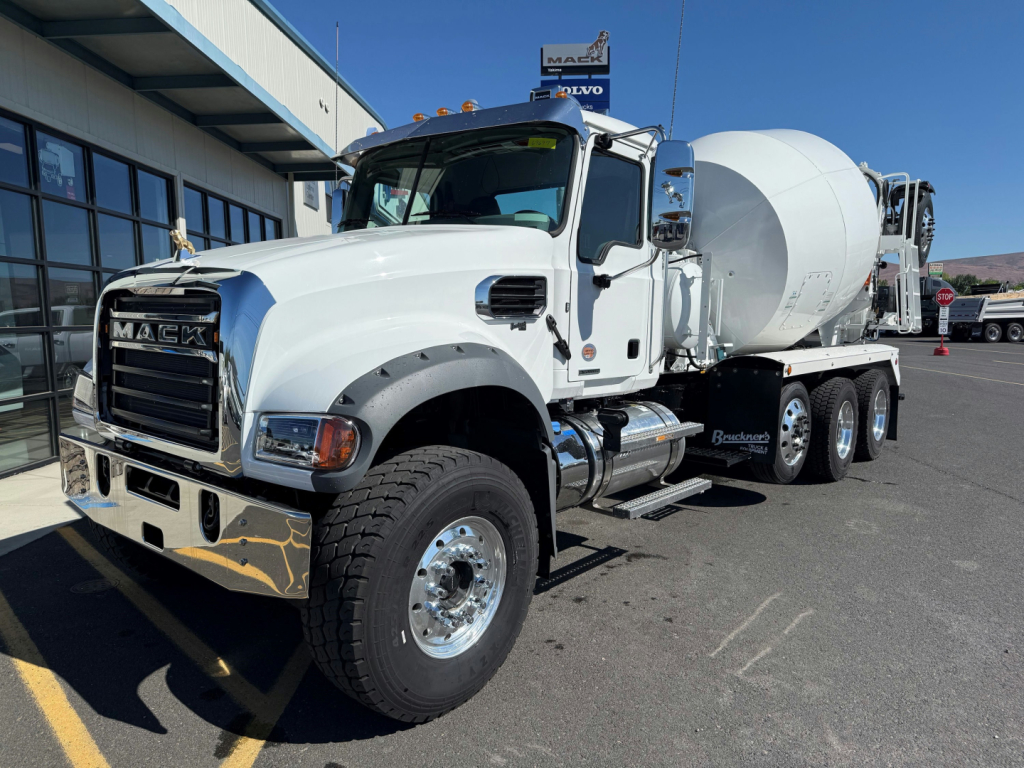
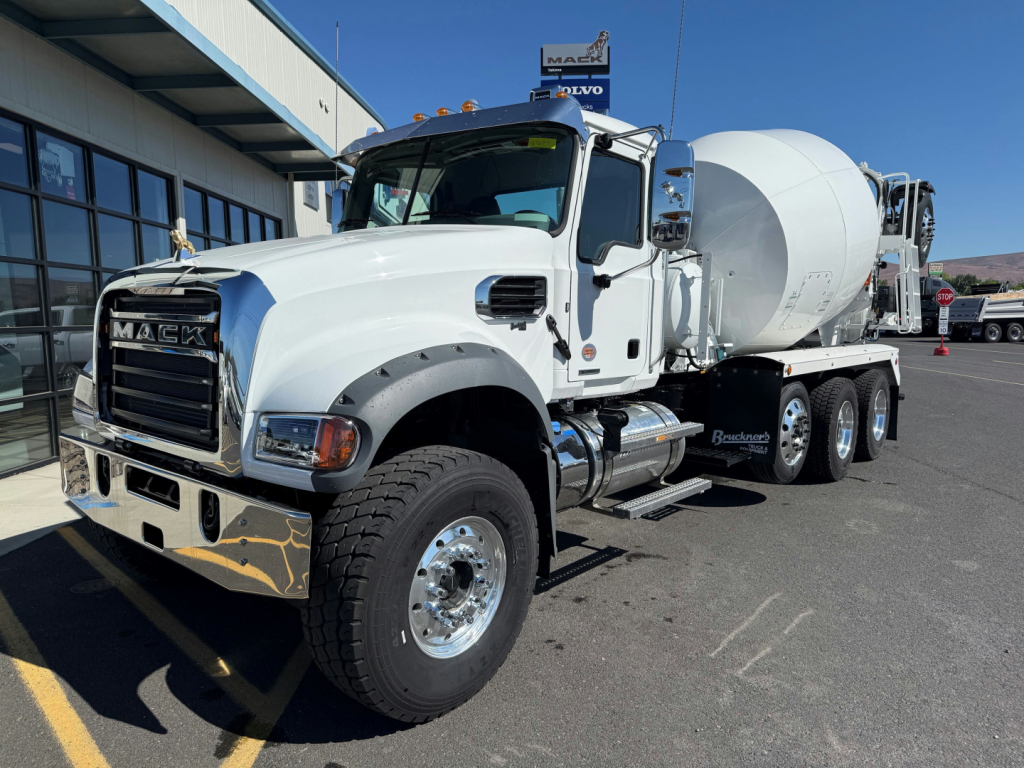
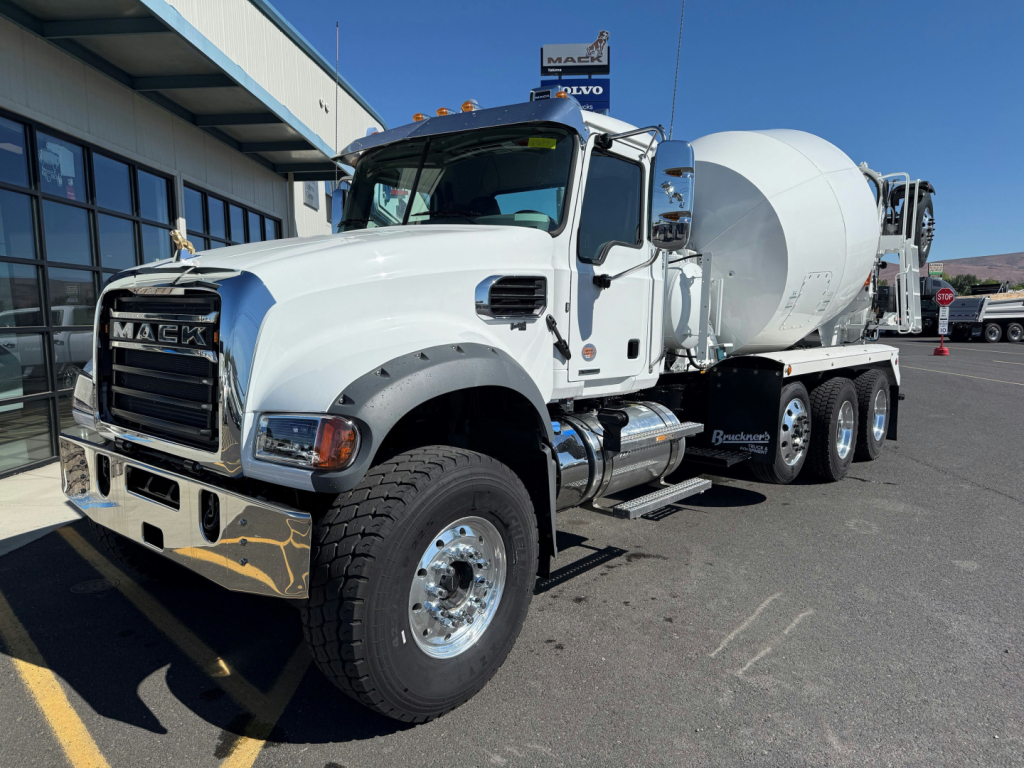
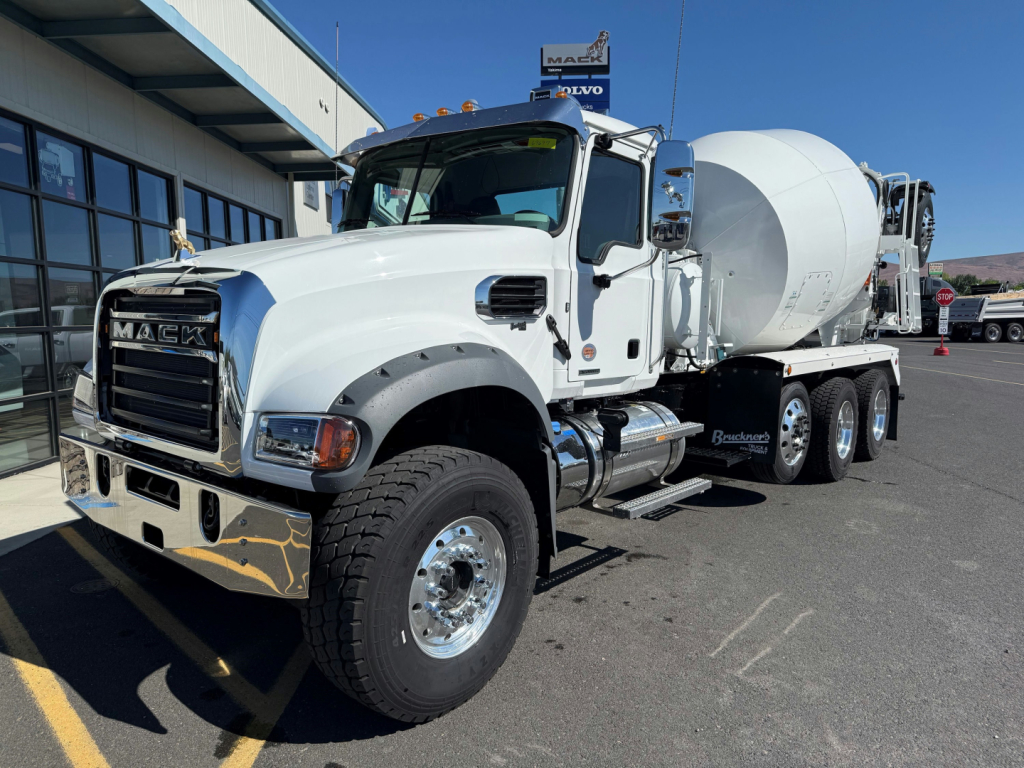
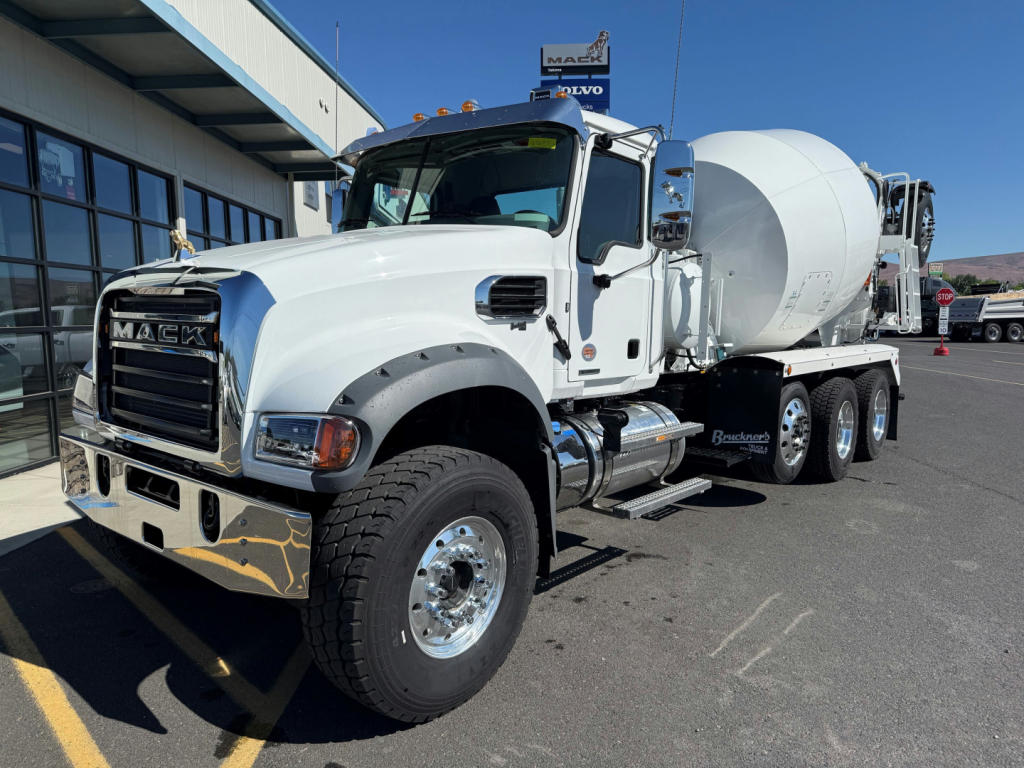
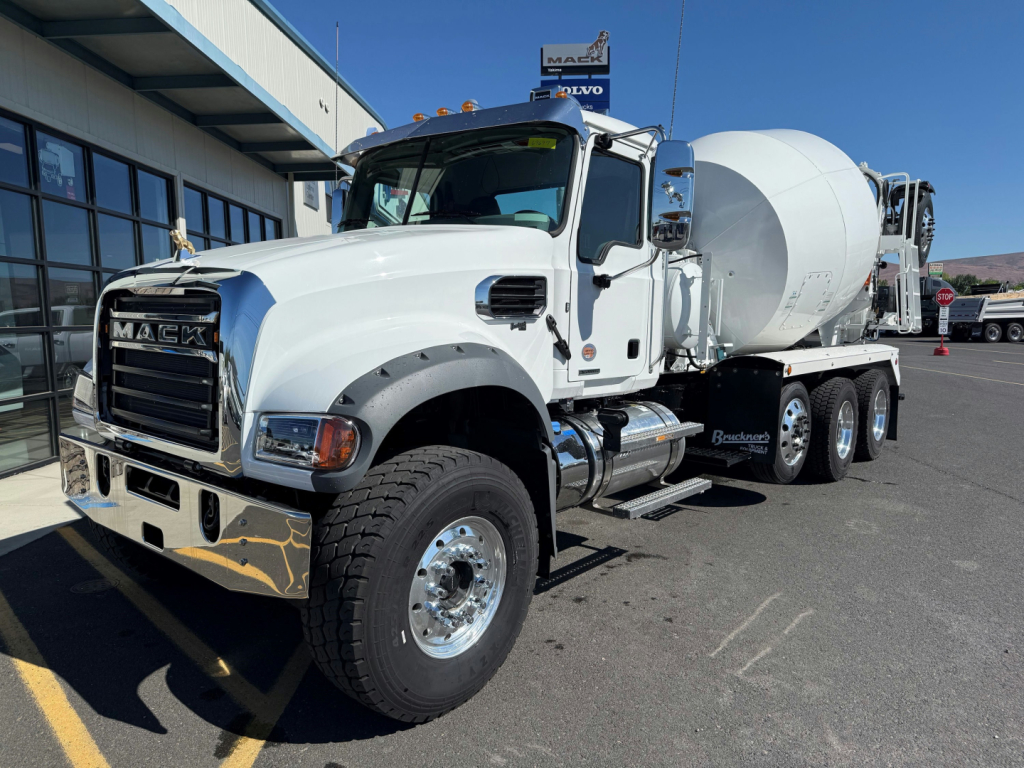
Selling a 2027 mixer truck? List your 2027 mixer truck for sale and reach thousands of commercial buyers.
2027 Mixer Trucks in Colorado
Most mixer trucks in this class run a front discharge or rear discharge body, with drum capacities commonly selected around local order size, weight laws, and urban maneuverability. Front discharge mixers can be a strong fit for tight residential pours and sites where chute placement from the cab improves control. Rear discharge mixers remain common for straightforward fleet standardization and lower operator training demands. Key spec points include drum volume, water tank capacity, charge and discharge rates, PTO and hydraulic system design, frame reinforcement, and suspension choice. A buyer should also look closely at wheelbase, axle spacing, and steering angle, since those details affect turning radius, bridge formula compliance, and how much legal payload the truck can carry.
Colorado adds another layer to the buying decision. Mountain grades, variable weather, and seasonal freeze-thaw conditions put more importance on engine braking, traction, cooling performance, and durability in the front suspension and steering components. If the truck will spend time at elevation or on steep approaches to plants and jobsites, transmission gearing and low-speed launch characteristics matter as much as peak power. Many concrete fleets also pay close attention to cab visibility, heated mirrors, vocational interior durability, and easy wash-down access because driver efficiency and cleanup time have a direct effect on daily turns.
For a new 2027 mixer truck, the best value usually comes from matching the chassis and mixer package to your dispatch pattern. Short-haul urban routes, suburban residential work, state DOT projects, and mountain commercial pours all place different demands on axle ratings, chute setup, suspension, and drum size. A well-matched spec should deliver legal payload, predictable handling with a loaded drum, efficient PTO operation, and service access that keeps the truck producing instead of sitting in the shop. On this equipment class, the smartest comparison is rarely make alone. It is the full vocational spec, from axle layout to mixer body integration.
Frequently Asked Questions about 2027 Mixer Trucks in Colorado
What is the most important spec to compare on a 2027 mixer truck?
The most important comparison point is the complete vocational spec, not just the engine rating or make. Buyers should start with front axle capacity, rear axle capacity, pusher or tag axle configuration, wheelbase, bridge compliance, and drum capacity. Those factors determine legal payload, maneuverability, and how well the truck fits local concrete routes. A truck with the right axle spacing and mixer body match will usually outperform a higher-horsepower truck that is poorly configured for weight laws or jobsite access.
How do front discharge and rear discharge mixer trucks differ?
Front discharge mixer trucks let the operator control chute placement from the cab, which is a major advantage on tight residential jobs, curb work, and pours where precise placement saves labor and time. Rear discharge mixers are more traditional and can be simpler from an operator familiarity standpoint, especially in fleets with established loading and unloading procedures. The right choice depends on crew structure, driver availability, training standards, and the kind of jobs the truck handles most often.
What should Colorado buyers look for in a mixer truck?
Colorado buyers should pay close attention to gradeability, engine brake performance, traction, cooling, and steering durability. Mountain routes and changing weather can expose weak gearing choices, marginal front axle specs, and poor visibility setups very quickly. Buyers should also review local and state weight compliance, especially if the truck will cross multiple jurisdictions or work on both highway and urban routes. A mixer truck spec that works well on flat metro deliveries may not be ideal for elevation, steep plant exits, or rough jobsite access roads.
How much drum capacity should a mixer truck have?
Drum capacity should be matched to the average ticket size, legal gross weight, and route conditions rather than chosen purely for maximum volume. A larger drum can increase flexibility, but it may not translate into usable payload if axle ratings or bridge limits are the real constraint. Fleets that run short urban routes may prioritize maneuverability and legal axle loading, while high-volume dispatch operations may spec for larger pours if route conditions support it. The best choice is the one that maximizes legal, repeatable production per day.
Are new 2027 mixer trucks worth the premium over older units?
A new 2027 mixer truck can make sense when uptime, compliance, and long-term operating cost matter more than the initial purchase price. Newer trucks typically offer updated safety systems, cleaner integration between chassis and mixer body, improved cab ergonomics, and warranty coverage that can reduce early-life repair exposure. For fleets running hard daily schedules, those advantages can offset the higher upfront cost through better reliability, stronger driver acceptance, and more predictable maintenance planning.