
2027 Commercial Trucks For Sale in Arkansas
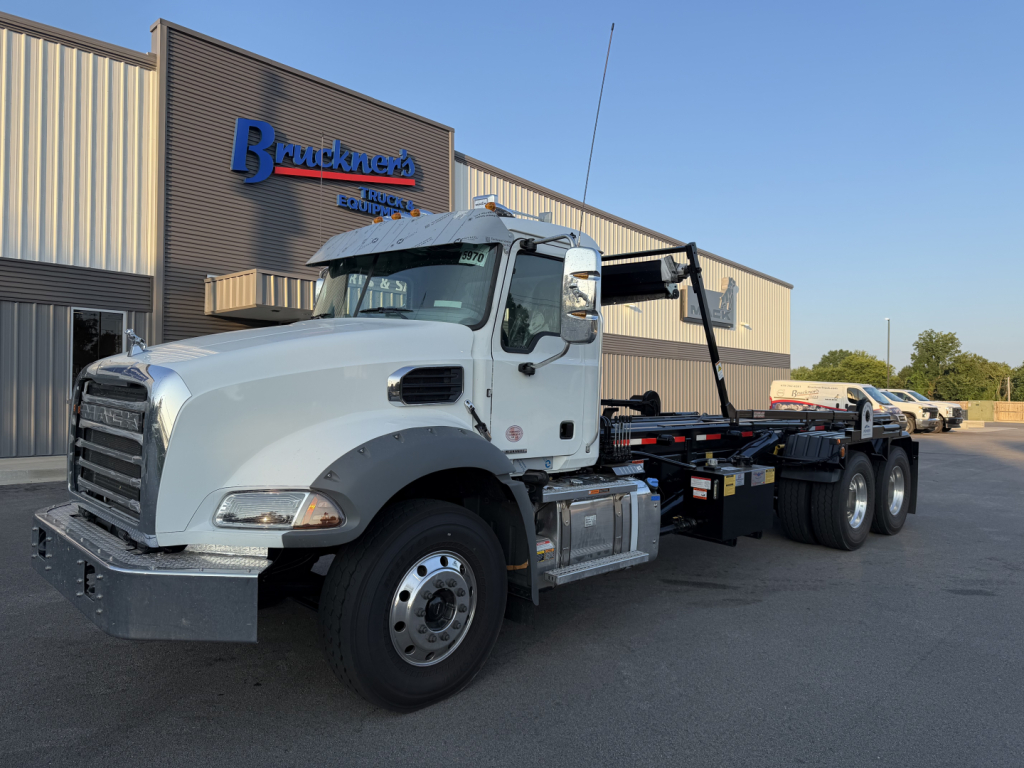
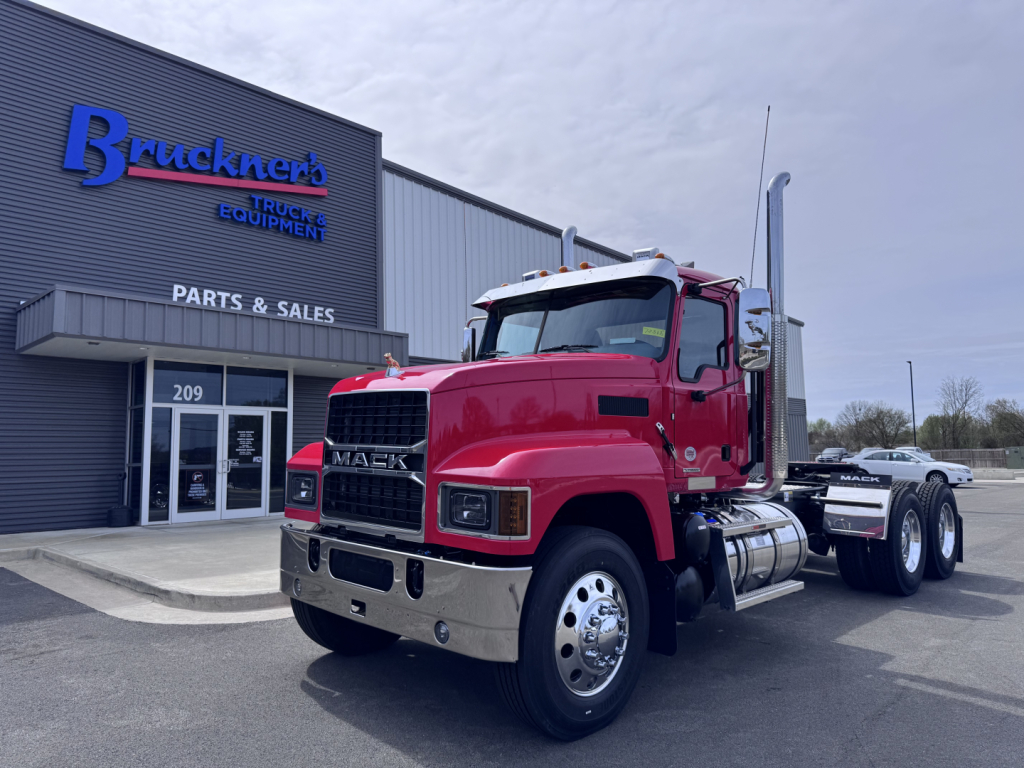
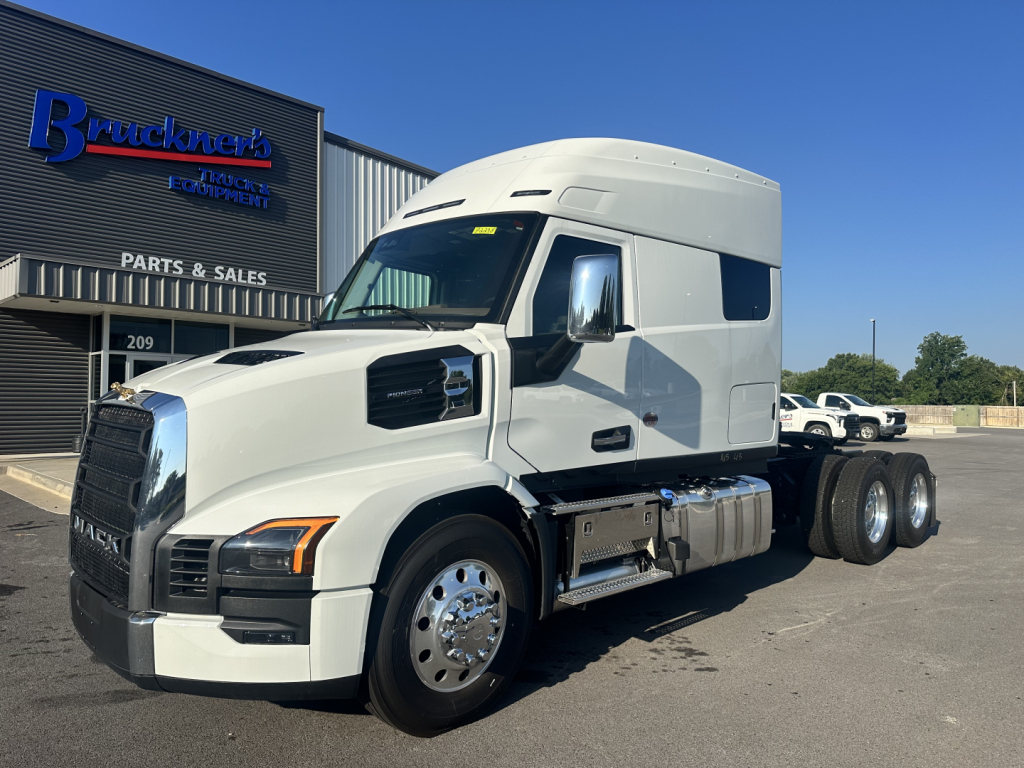
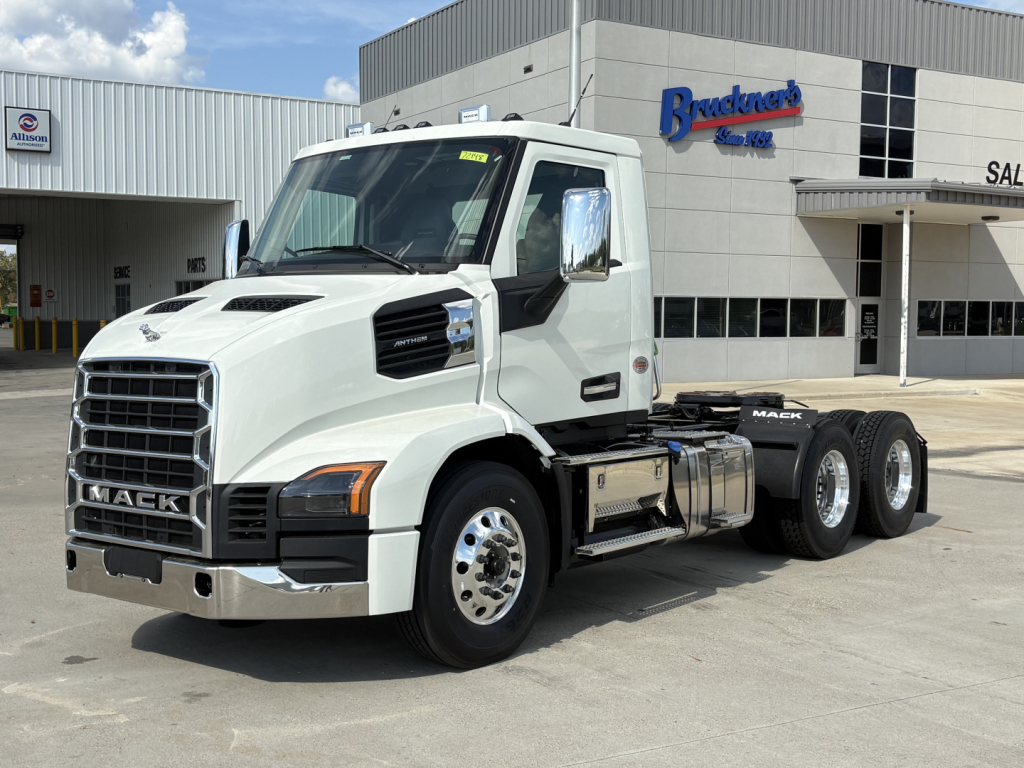
Browse 2027 trucks for sale in Arkansas, including dump, day cab, mixer, rollback, and other commercial truck configurations.

Selling a 2027 commercial truck? List your 2027 commercial truck for sale and reach thousands of commercial buyers.
2027 Commercial Trucks in Arkansas
For highway and regional hauling, 2027 conventional trucks and day cabs are commonly built with tandem rear axles, aerodynamic cabs, automated manual transmissions, and rear ratios aimed at fuel economy and cruise speed. In vocational service, 2027 dump trucks, mixers, rollbacks, and work trucks usually shift toward heavier front axles, higher rear axle capacities, PTO provisions, shorter gearing, and suspensions selected for jobsite durability. Buyers comparing newer trucks should pay close attention to horsepower and torque ratings, transmission programming, brake type, wheelbase, frame layout, and whether the chassis is set up for a wet kit, hoist, pump, towing equipment, or other body-specific requirements.
Arkansas operating conditions make spec discipline important. Trucks working around Little Rock, Northwest Arkansas, the River Valley, timber routes, aggregates, construction sites, or farm-related service often need a balance of highway manners and off-pavement toughness. A tri-axle dump with a 46,000 lb rear and a heavy front axle serves a very different purpose than a medium-duty rollback with an automatic transmission and lower GVWR. If you are comparing 2027 trucks across classes, look closely at axle spread, suspension type, turning radius, tire size, and body clearance. Those factors affect bridge compliance, stability under load, ease of backing, and how well the truck fits local routes and customer sites.
A newer model year can also mean updated emissions hardware, improved driver-assist systems, better infotainment integration, and refined automated transmissions, but those benefits only matter if the truck's vocation matches your operation. A smart comparison starts with the job: local delivery, towing, construction, municipal work, material hauling, or regional freight. From there, narrow the search by engine family, axle ratings, brake package, and body or chassis configuration. The best 2027 truck is the one with the right spec for Arkansas duty cycles, legal payload targets, and service access in your operating area.
Frequently Asked Questions about 2027 Commercial Trucks in Arkansas
What should I look for first when comparing 2027 trucks for sale in Arkansas?
Start with the truck's intended application, then verify the core chassis specs that support that work. Body style, GVWR, axle ratings, wheelbase, engine horsepower and torque, transmission type, suspension, and brake package matter more than model year alone. A dump truck, day cab, mixer, and rollback can all be the same year but serve completely different duty cycles. Matching the spec to the route, payload, terrain, and body equipment is the fastest way to narrow the field.
Are 2027 trucks mostly suited for highway use or vocational work?
The category includes both. Some 2027 trucks are built as aerodynamic highway tractors or day cabs with fuel-efficient drivetrains and taller rear ratios. Others are vocational units configured for dump, towing, concrete, utility, or municipal service with heavier axles, PTO capability, robust suspensions, and lower gearing. The listing details should show which direction a truck is built for, especially in the axle capacities, wheelbase, transmission model, and suspension description.
Why do axle ratings and GVWR matter so much on a newer truck?
Axle ratings and GVWR determine how much weight the truck can legally and safely carry, and they also shape durability and body compatibility. A heavy front axle may be necessary for a plow, mixer, or severe-duty dump setup. Rear axle capacity affects payload and the type of body the chassis can support. GVWR also influences registration, compliance, and how the truck fits your business model. On a 2027 truck, these ratings are still one of the most important indicators of what the unit can actually do.
Is an automated manual transmission a good choice on 2027 commercial trucks?
In many operations, yes. Automated manual transmissions have become common on both highway and vocational trucks because they can improve driver consistency, reduce clutch wear, and help with fuel economy. For severe-duty applications, buyers should confirm the transmission has the right programming, ratio spread, and features such as creeper gears or multi-speed reverse if the truck will back to pavers, operate on uneven jobsites, or handle heavy starts. The transmission has to match the vocation, not just the engine.
How does Arkansas use affect the best truck spec?
Arkansas fleets often run a mix of interstate, secondary road, rural, and off-road conditions, so a balanced spec is important. Construction, aggregates, agriculture, forestry, and towing applications may need stronger suspensions, aggressive gearing, and higher axle capacities than a purely on-road truck. Buyers should think about grade changes, soft ground, tight access points, and loaded versus empty miles. A truck that is ideal for regional freight out of Northwest Arkansas may be poorly suited for quarry or jobsite service in another part of the state.