
2027 Mack Trucks For Sale in Arkansas
Shop 2027 Mack trucks for sale in Arkansas, including highway, vocational, mixer, refuse, and day cab configurations.

Selling a 2027 mack truck? List your 2027 mack truck for sale and reach thousands of commercial buyers.
2027 Mack Trucks in Arkansas
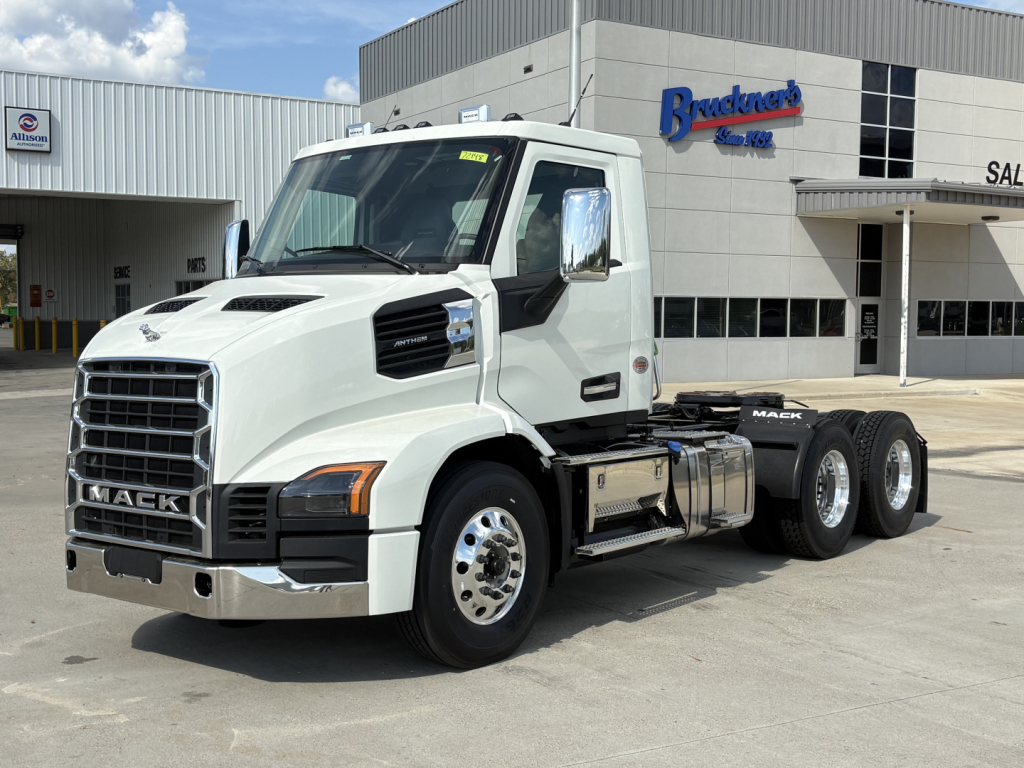
For linehaul and regional work, Mack day cab configurations such as a conventional daycab are often spec'd with high-output diesel engines, automated manual transmissions or heavy-duty multispeed manuals, and tandem drive axles suited for consistent gross combination weights. In Arkansas, that can matter for short-haul aggregate, timber, equipment transport, and industrial freight where durability and gearing are as important as fuel economy. Wheelbase, fuel capacity, rear ratio, and front axle capacity all affect how the truck performs with local routes, bridge laws, and trailer combinations. Buyers hauling in hilly terrain or off-pavement jobsite conditions should pay close attention to locking differentials, suspension design, and brake specification, including the choice between drum and disc brakes.
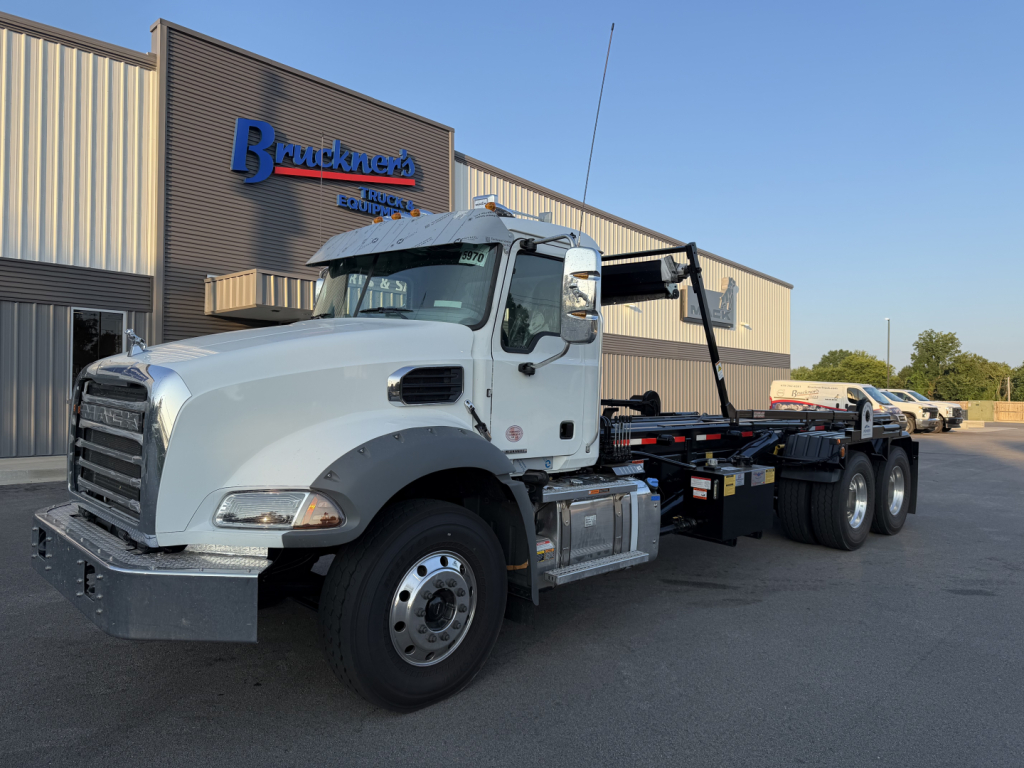
On the vocational side, Mack is well known for platforms used in concrete mixer and refuse applications, where chassis integration matters as much as engine output. A mixer spec often centers on frame strength, setback axle or bridge formula needs, steering axle capacity, and transmission calibration for start-stop jobsite duty. A refuse side loader spec leans more heavily on visibility, low-entry cab design, PTO performance, body controls, and rear axle ratio for urban collection routes. Models used for these jobs are typically chosen for durability, service access, and compatibility with body manufacturers such as mixer drum builders or automated side loader systems. If the truck will carry a body, buyers should confirm cab-to-axle dimensions, frame rail drilling policy, electrical provisions, and body upfit requirements early in the process.
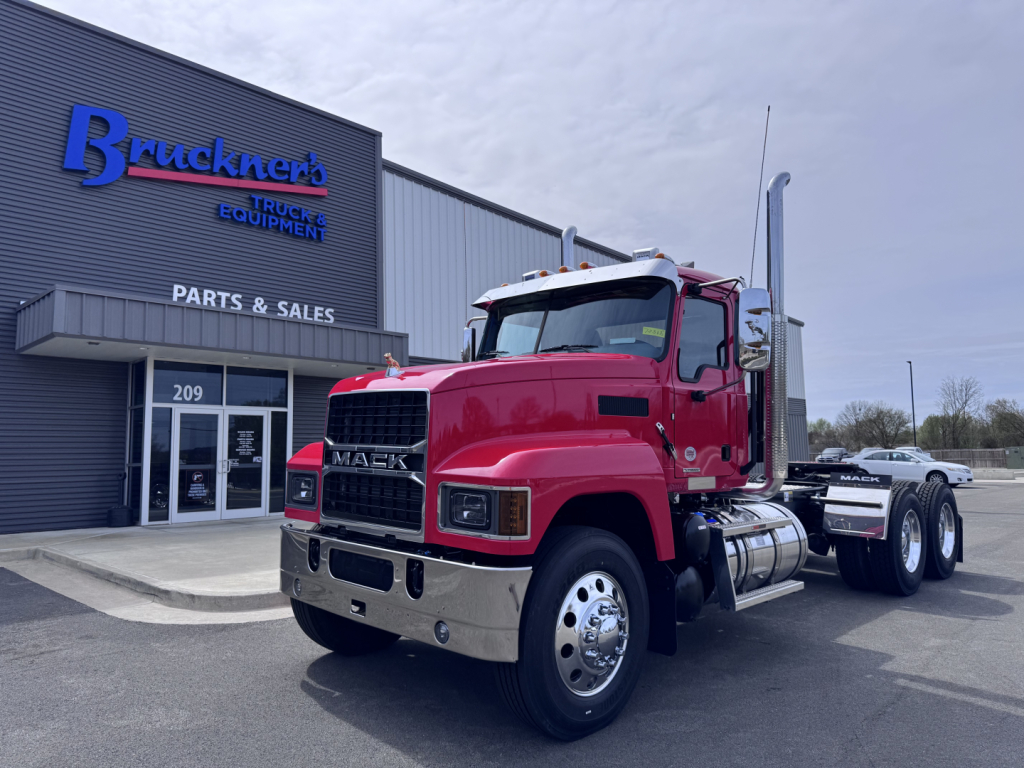
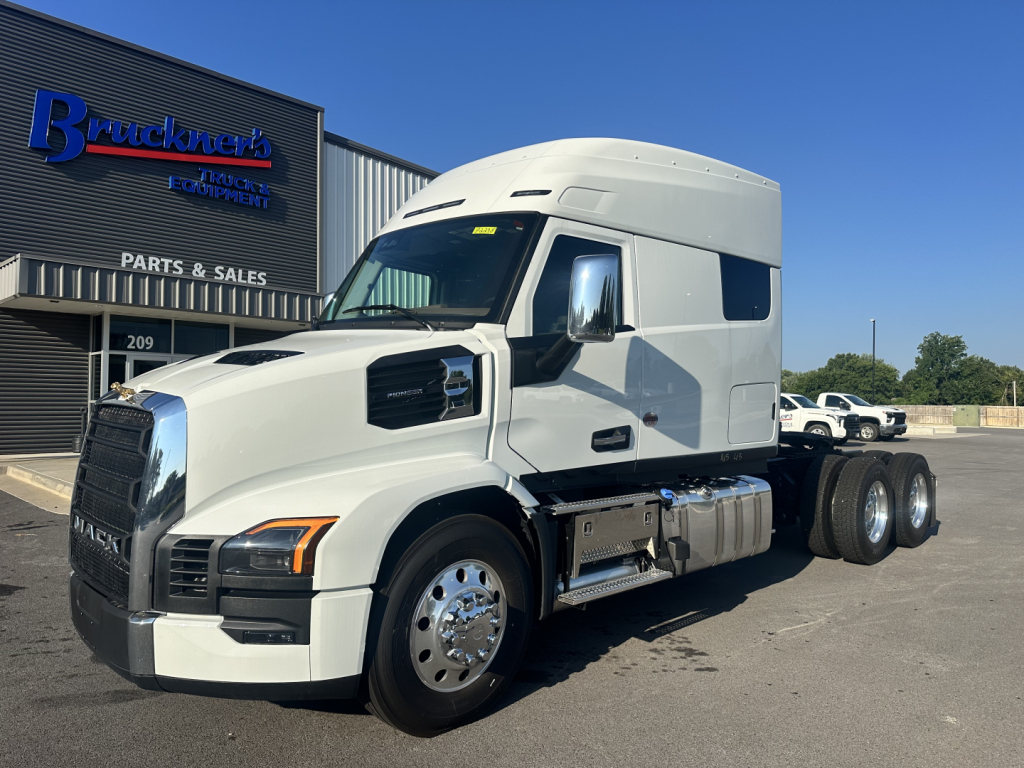
A 2027 Mack truck buyer should also evaluate support factors that affect total operating cost over the life of the unit. Engine family, emissions system layout, software diagnostics, and parts commonality can have a direct impact on uptime. Newer Mack trucks are often selected because fleets want current safety systems, updated cab ergonomics, and cleaner integration with telematics and maintenance planning. For Arkansas operations, it also makes sense to match the truck to the duty cycle first: a highway tractor spec is very different from a mixer or refuse truck, even if both carry the same badge. The right 2027 Mack truck is the one with the correct frame, axle, suspension, drivetrain, and vocational interface for the work it will do every day.
Frequently Asked Questions about 2027 Mack Trucks in Arkansas
What should I look for when comparing 2027 Mack trucks for different jobs?
Start with the job, then match the truck spec to that duty cycle. A day cab for regional hauling should be evaluated on horsepower, torque, transmission type, rear ratio, wheelbase, fuel capacity, and axle ratings. A vocational Mack for mixer, refuse, or construction work should be judged more heavily on frame strength, suspension, PTO capability, steering axle capacity, body compatibility, and low-speed durability. The most important comparison is not model year alone but how well the truck’s chassis and drivetrain fit the intended work.
Are 2027 Mack trucks a good choice for vocational applications like mixer and refuse?
Yes. Mack has a long reputation in vocational trucking, especially in severe-duty and body-builder applications. Mixer and refuse buyers often choose Mack because the chassis can be spec'd around high axle capacities, durable suspensions, PTO-driven equipment, and body integration requirements. In these applications, the value comes from proper configuration, including transmission programming, axle ratio, wheelbase, and frame layout that supports the body and route demands.
What engine and transmission choices matter most on a 2027 Mack truck?
The key is pairing engine output to load, terrain, and start-stop frequency. Higher horsepower and torque are often preferred for heavy hauling, logging, and mixer work, while route-based refuse operations may prioritize low-speed drivability and transmission durability. Buyers should compare diesel engine ratings, transmission type, PTO provisions, and rear axle gearing as a package. A strong engine alone will not deliver the right performance if the transmission and axle ratio are mismatched for the application.
How important are axle ratings and suspension on a 2027 Mack truck?
They are critical. Front axle rating affects legal payload, body support, and steering performance, especially on mixers and refuse trucks. Rear axle capacity and suspension design influence traction, ride quality, durability, and how the truck handles loaded conditions. For Arkansas buyers working in construction, logging, waste, or aggregate hauling, suspension choice can be just as important as engine spec because the truck may spend time on uneven surfaces, tight job sites, or high-cycle local routes.
Why does wheelbase matter when buying a 2027 Mack truck?
Wheelbase affects body fit, turning radius, bridge compliance, weight distribution, and trailer compatibility. A longer wheelbase may improve ride and allow larger fuel capacity or body placement, but it can reduce maneuverability in tight urban or jobsite conditions. A shorter wheelbase can be better for refuse work or local delivery routes but may limit body options or axle placement flexibility. Buyers should confirm wheelbase alongside cab-to-axle and axle spread measurements so the truck fits both the application and the body or trailer it will work with.