
2016 Commercial Trucks For Sale
Expert buyer guide to 2016 trucks, including engines, transmissions, emissions systems, and key specs for sleepers, box trucks, and dumps.
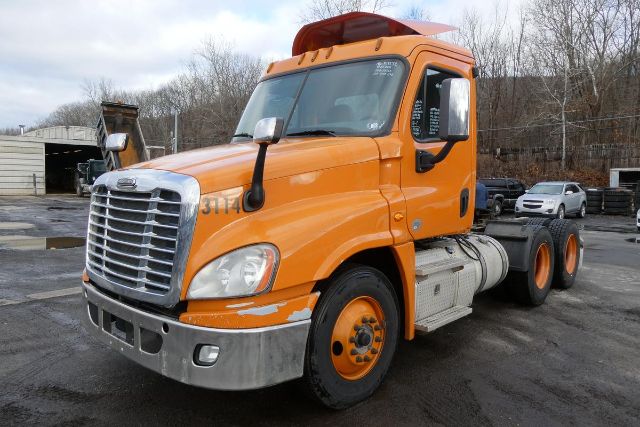
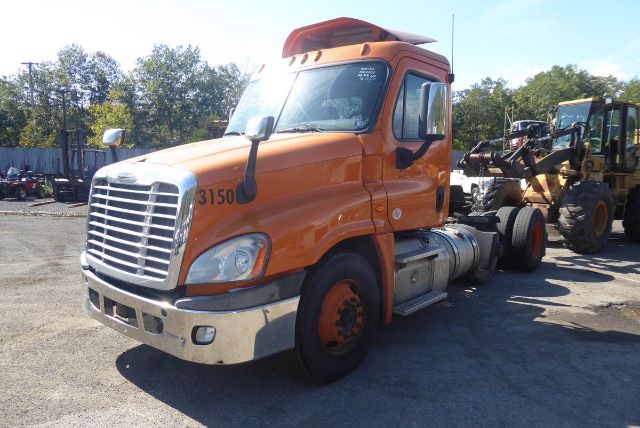
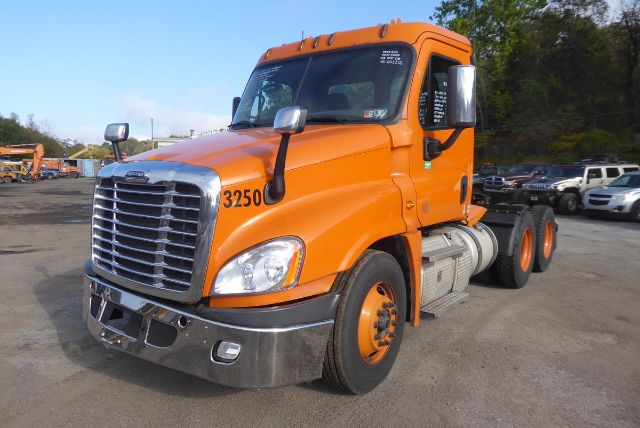
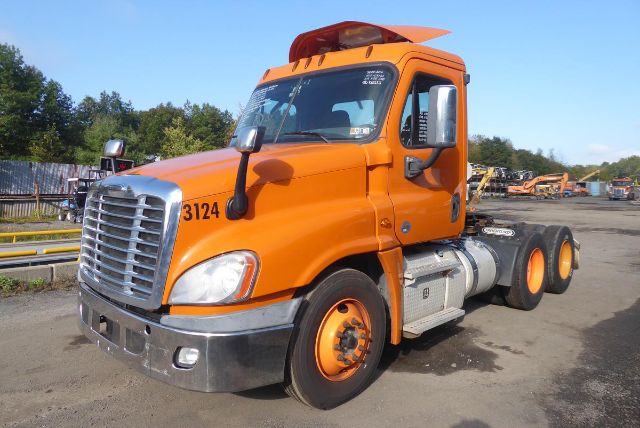




Showing 57 to 84 of 98 results
Selling a 2016 commercial truck? List your 2016 commercial truck for sale and reach thousands of commercial buyers.
2016 Commercial Trucks
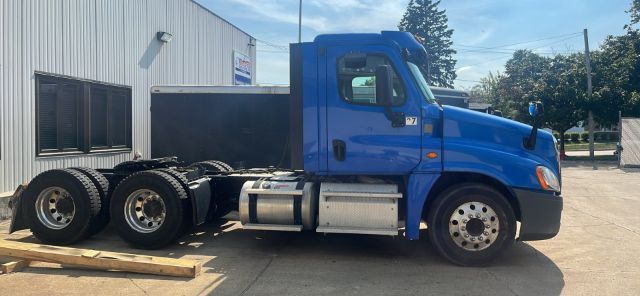
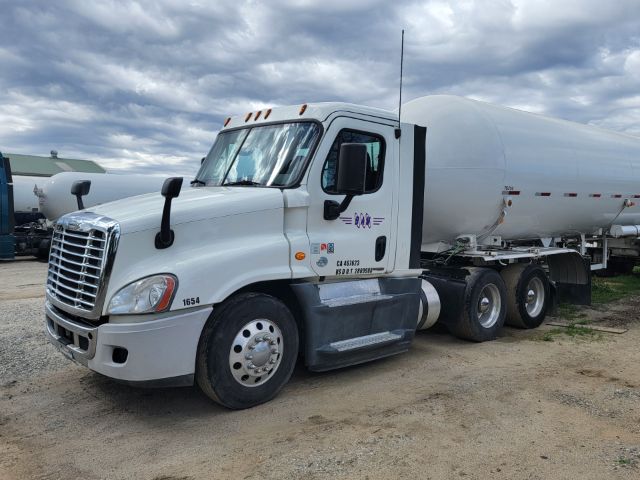
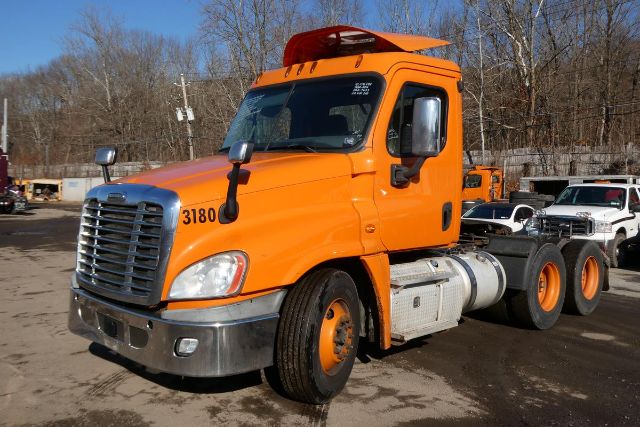
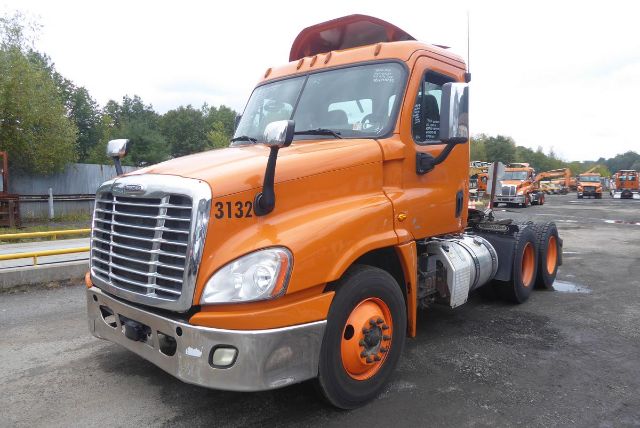
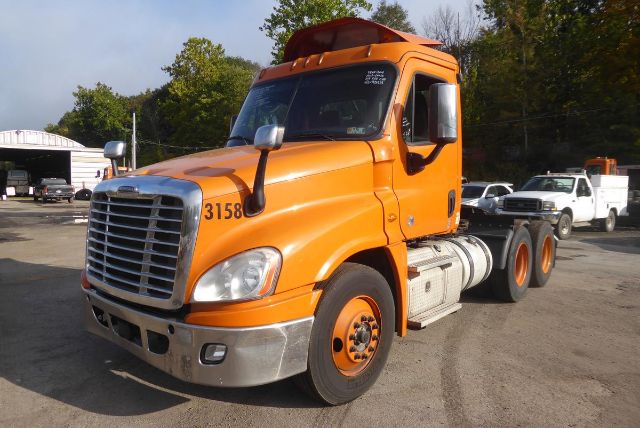
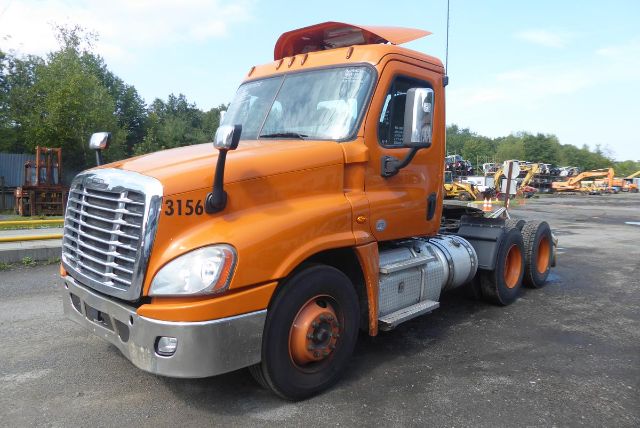
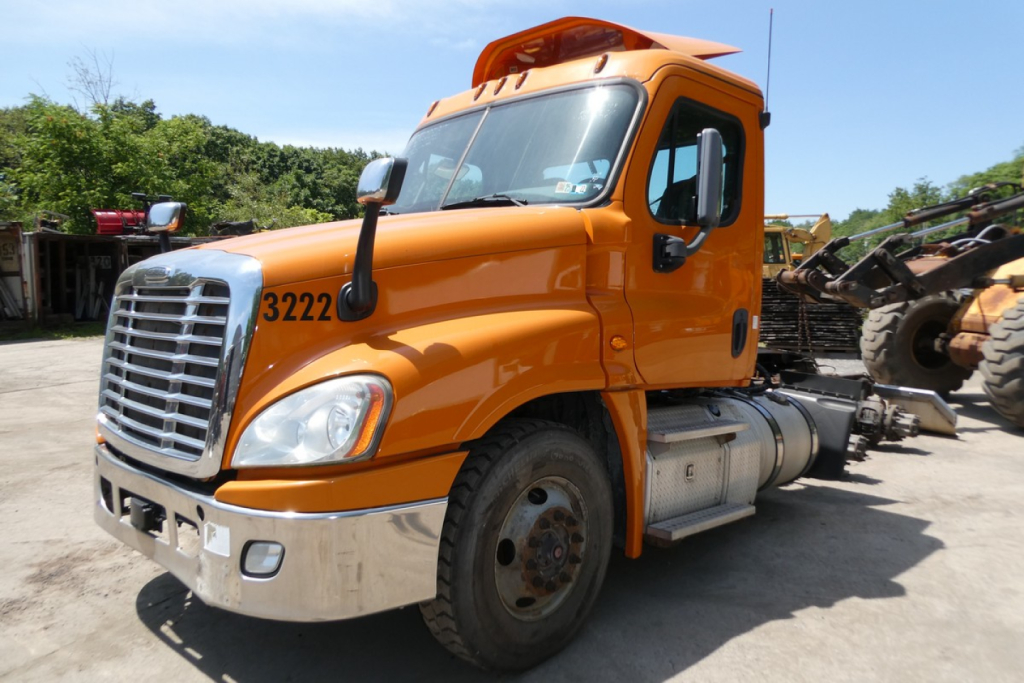
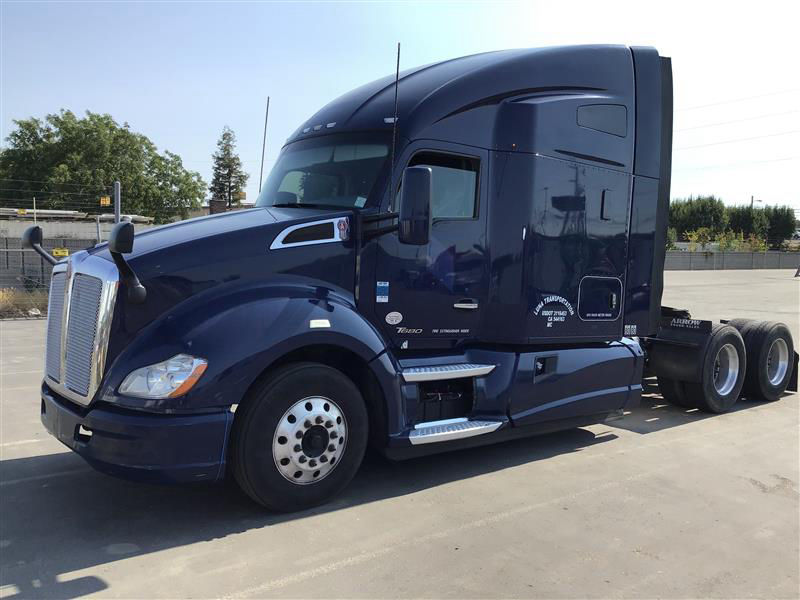
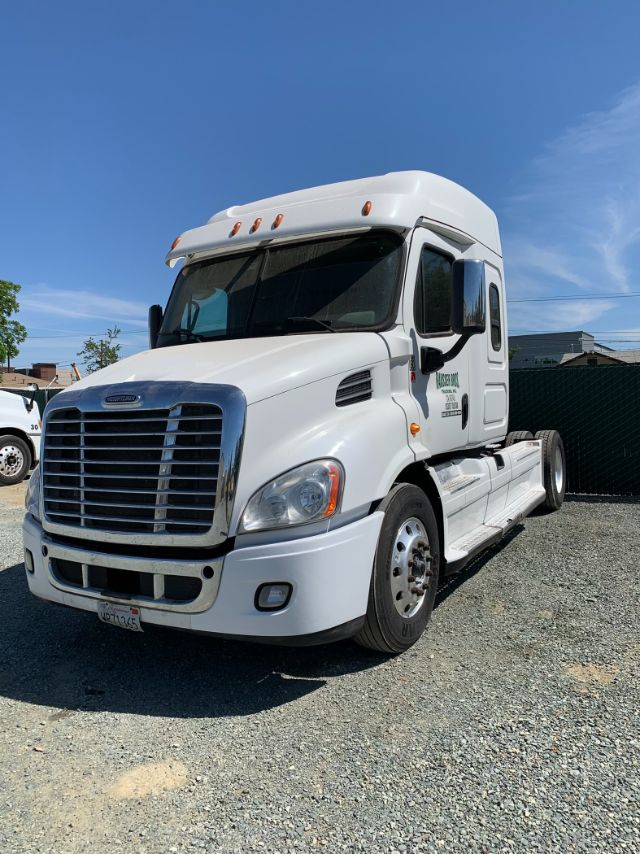
On highway tractors, common platforms include Freightliner Cascadia, Volvo VNL, Kenworth T680, Peterbilt 579, International ProStar, and Mack Pinnacle. Engines you will see most: Detroit DD13-DD15, Cummins ISX15 CM2350, PACCAR MX-13, Volvo D13, and Navistar N13 with SCR. Automated manuals like Detroit DT12, Volvo I-Shift-Mack mDRIVE, and Eaton UltraShift Plus dominate 2016 listings and typically deliver lower driver fatigue and better fuel economy than 10- or 13-speed manuals. Rear axle ratios from roughly 2.47 to 3.08 pair with direct or overdrive top gears for downspeeding; match ratio and tire size to your cruise speed and terrain. Some units from this era are 6x2 for weight and fuel savings, but verify liftable or load-sharing tag design and traction aids if you run snow, off-pavement, or heavy start-stop.
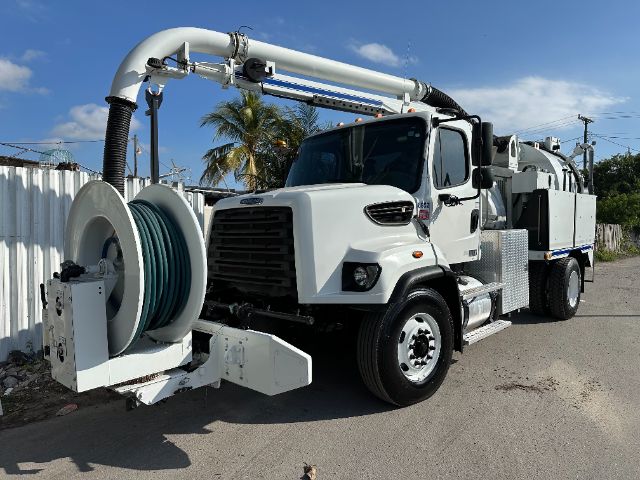
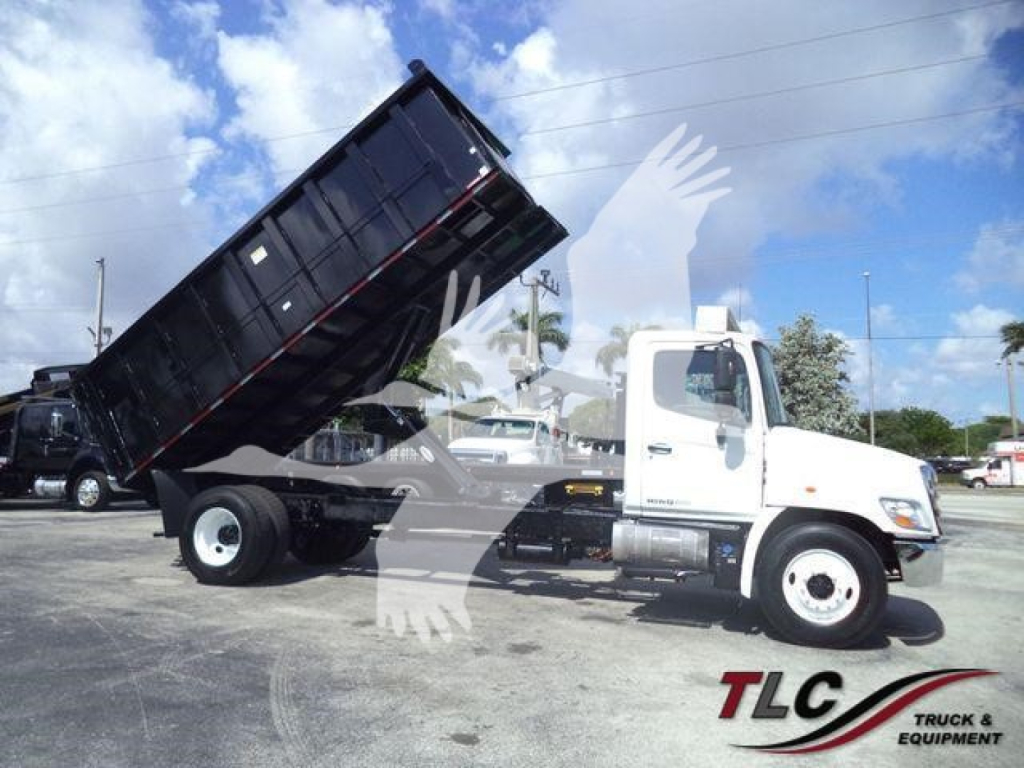
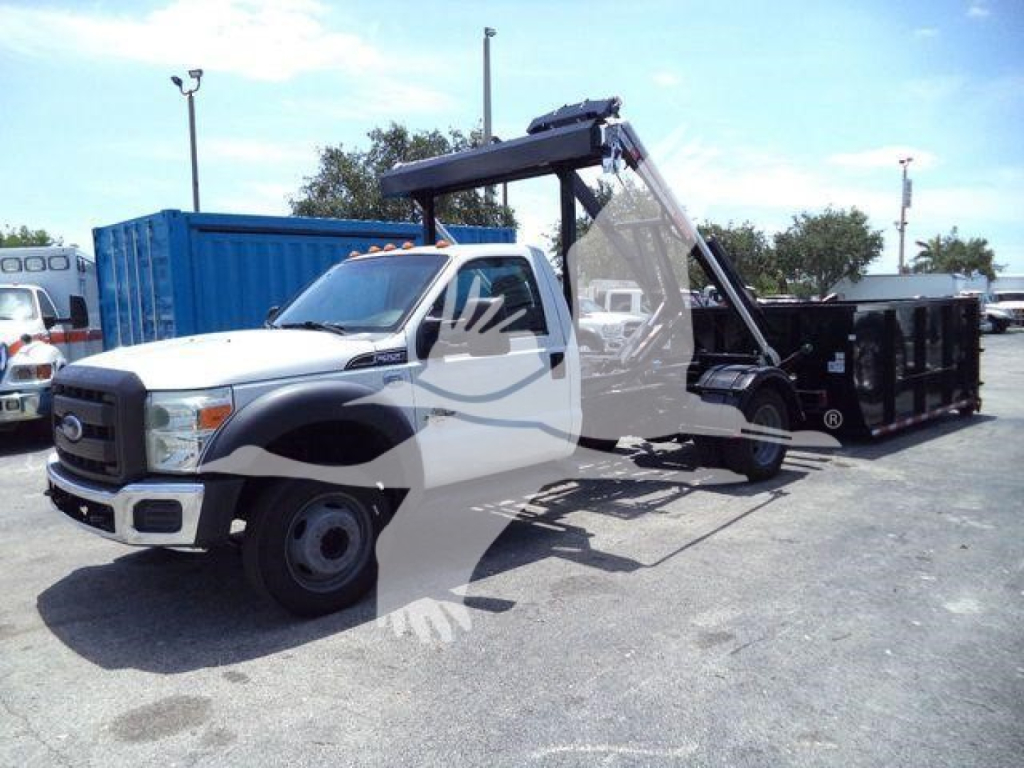
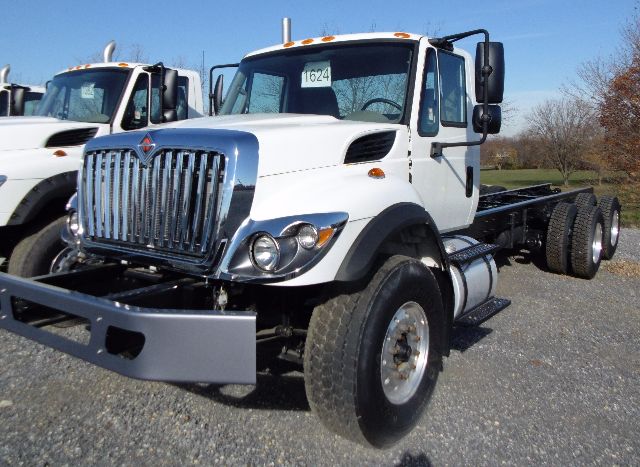
In medium-duty and vocational 2016 trucks, expect Freightliner M2-106, International DuraStar, Hino 268, Kenworth T270-T370, and Peterbilt 337-348 with Cummins ISB6.7-ISL9 or PACCAR PX-7-PX-9. Allison 2500-3000 automatics are common for pickup-delivery, utility, and refuse; manuals or Eaton AMTs show up in regional tractor and dump specs. Straight trucks typically carry 24-26 ft dry van or reefer bodies with rail or tuck-under liftgates, while vocational builds may include dumps, mixer-ready chassis, service bodies with PTO-driven hydraulics, or hooklift systems. Confirm GVWR, axle ratings, wheelbase for body fit, air vs hydraulic brakes, and reefer hours if applicable. Non-CDL operation hinges on staying at or under 26,000 lb GVWR and understanding local air-brake rules.
Comfort, safety, and uptime features gained traction in 2016. Many tractors include Bendix Wingman or Meritor WABCO collision mitigation, roll stability, lane departure, and disc brakes on steer or all axles. Look for factory APUs or battery HVAC to meet anti-idle rules, bunk heaters, premium insulation, and double bunks in 72-80 inch sleepers. Telematics like Detroit Virtual Technician or Volvo Remote Diagnostics help with fault triage. For any 2016, evaluate steer and drive tire condition, brake life, suspension bushings, fifth wheel or PTO wear, coolant and oil analysis, and any open recalls or ECM updates. Matching the spec to route profile and freight weight will matter more to total cost than model badge alone.
Frequently Asked Questions about 2016 Commercial Trucks
Which engines are most common in 2016 semi trucks and how do they compare?
Typical 2016 powerplants include Detroit DD13-DD15, Cummins ISX15 CM2350, PACCAR MX-13, Volvo D13, and Navistar N13 with SCR. All can be reliable when maintained. DD15 and D13 are known for strong downspeeding and integrated AMT pairings. ISX15 offers broad parts availability and power to 500+ hp, with attention needed to aftertreatment sensors and VGT maintenance. MX-13 is efficient and lighter, responding well to strict oil intervals and clean fuel. The SCR-era N13 is markedly better than earlier EGR-only engines, but service history is critical. Choose based on dealer support in your lanes and known maintenance history.
Are 2016 emissions systems dependable, and what should I inspect before buying?
By 2016, SCR-DPF systems were more refined. Reliability hinges on use and maintenance. Review records for DPF ash-clean intervals, DEF pump-doser replacement, NOx and delta-pressure sensors, and any SCR catalyst efficiency faults. Inspect for exhaust leaks upstream of the DOC-DPF, check DEF tank contamination and heater operation, verify forced-regen completes, and scan ECM for inactive-active codes. Highway units that maintained hot duty cycles generally exhibit fewer soot-related issues than urban stop-go trucks.
What transmission should I look for on a 2016 truck?
Automated manuals like Detroit DT12, Volvo I-Shift-Mack mDRIVE, and Eaton UltraShift Plus are prevalent in 2016 and typically improve fuel economy and broaden the driver pool. They also reduce clutch wear and are easier in dense traffic. Manuals remain a solid choice for specific vocational work or heavy-haul where precise control is preferred, but spec the correct clutch and ratios. Confirm recent software updates on AMTs, clutch life status, and that the rear axle ratio matches your cruise speed and terrain.
How many miles are too many for a 2016 semi truck?
It depends on maintenance and duty cycle. Linehaul tractors often run 80,000-120,000 miles per year, so a 2016 may show 600k-900k miles. Well-maintained DD15, D13, MX-13, and ISX15 engines can reach 900k-1.2M miles before major work, but components like aftertreatment, air compressors, radiators, and suspension parts may have been replaced already. Ask for engine hours, idle percentage, oil sample history, and in-frame or turbo-EGR repairs. For vocational units, hours tell you more than miles due to high PTO-idle time.
Can a 2016 box truck be operated without a CDL?
Yes, if it is rated at or under 26,000 lb GVWR and your state’s rules on air brakes and endorsements are met. Many 2016 medium-duty box trucks are 25,999 lb GVWR with hydraulic brakes specifically to fit non-CDL operation. Verify the door tag GVWR, brake type, and any requirements for hazmat or tanker if your freight demands them.