
2016 Service/Utility Trucks For Sale

Have 2016 service/utility truck to sell? List it here to reach thousands of buyers.
2016 Service/Utility Trucks
On 2016 models, common chassis choices include Ford F-250 through F-550, Ram 3500 through 5500, Chevrolet Silverado 3500HD or 4500, and medium-duty trucks from Freightliner, International, Isuzu, and similar makes. Diesel power is common, though gas engines appear in lighter-duty applications. Buyers should compare GVWR, rear axle rating, wheelbase, and payload after the body and accessories are installed. A crane, compressor, welder, lube system, or fuel-transfer package can change usable payload quickly. If the truck will carry reels, fluids, or dense parts inventory, axle balance matters as much as stated payload. Transmission type, PTO compatibility, and idle management are also important on service units that spend long hours powering auxiliary equipment.
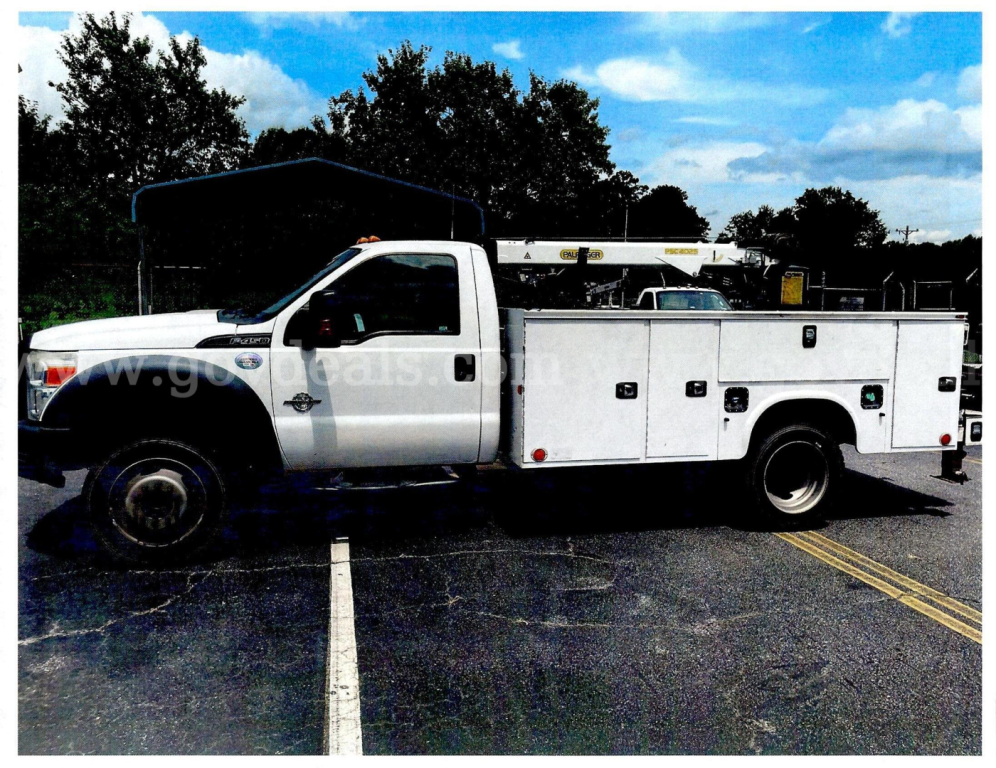
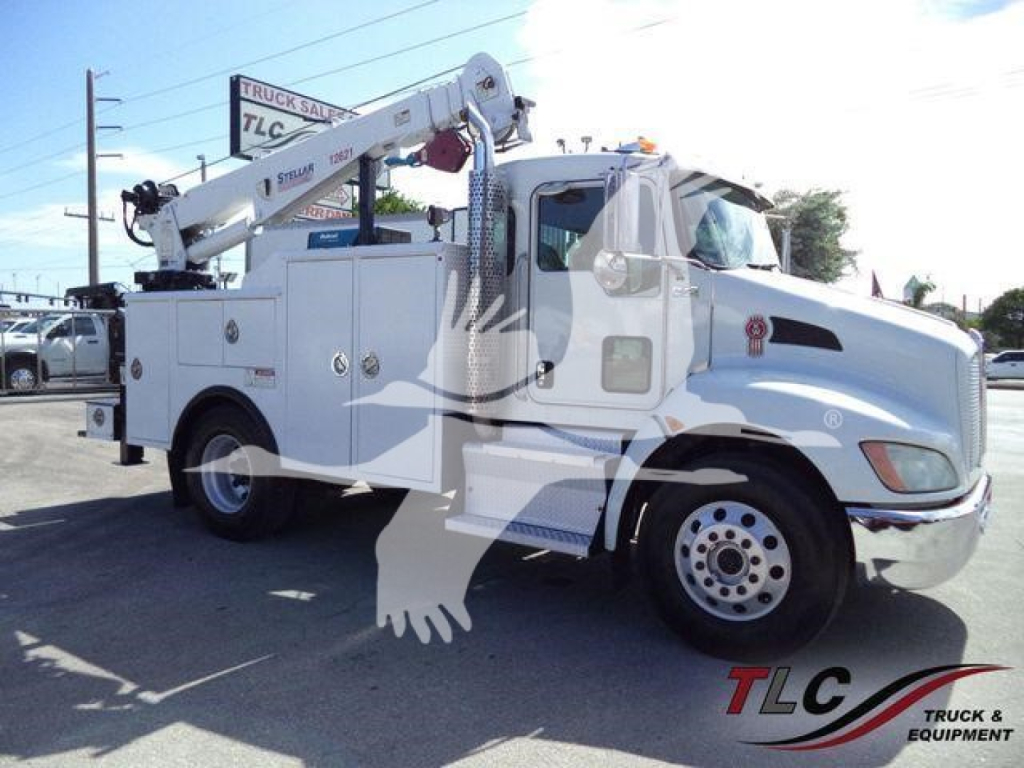
Body condition is often more important than cab cosmetics on a used 2016 service truck. Inspect compartment floors, door hinges, latches, seals, and shelving for hard-use wear. Check for rust at the body mounts, outriggers, crane pedestal, and underbody crossmembers. If the truck has a crane, review lift rating, boom reach, winch condition, current inspection status, and signs of structural repair around the crane base. Service trucks with integrated air systems should be checked for compressor output, plumbing leaks, and reel condition. Utility bodies used by fleets may show higher mileage but better maintenance documentation, while contractor-owned units may have lower miles and more variation in upfit quality.
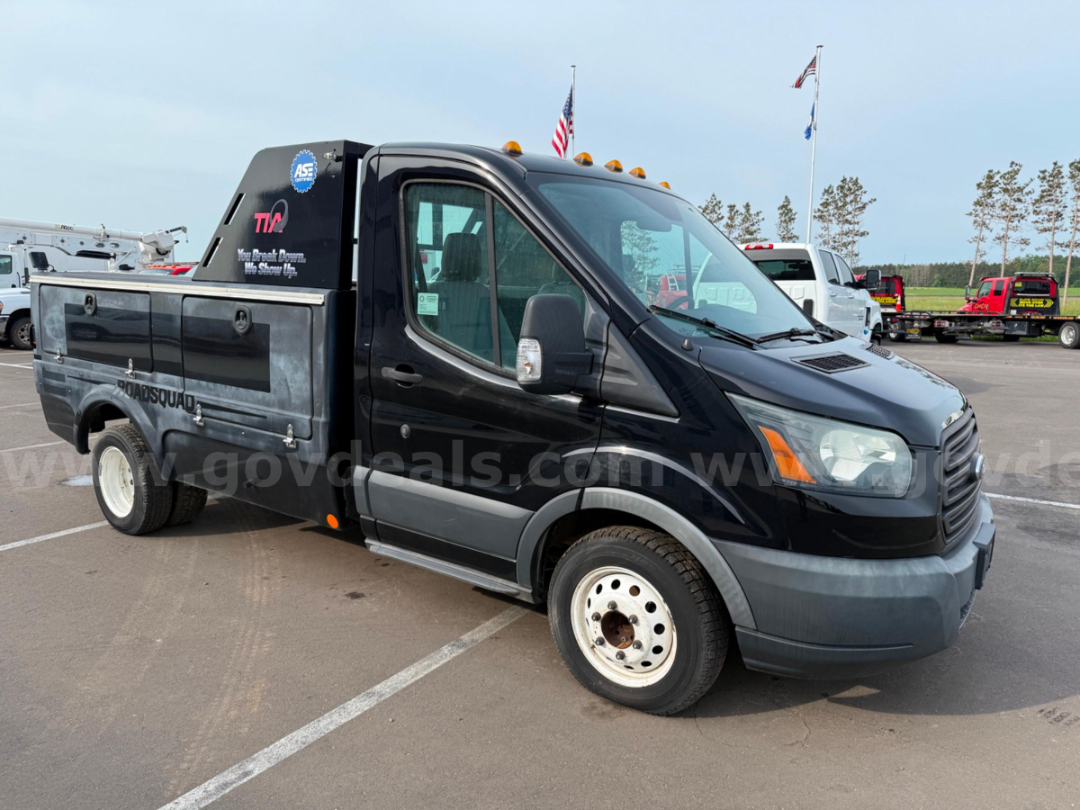
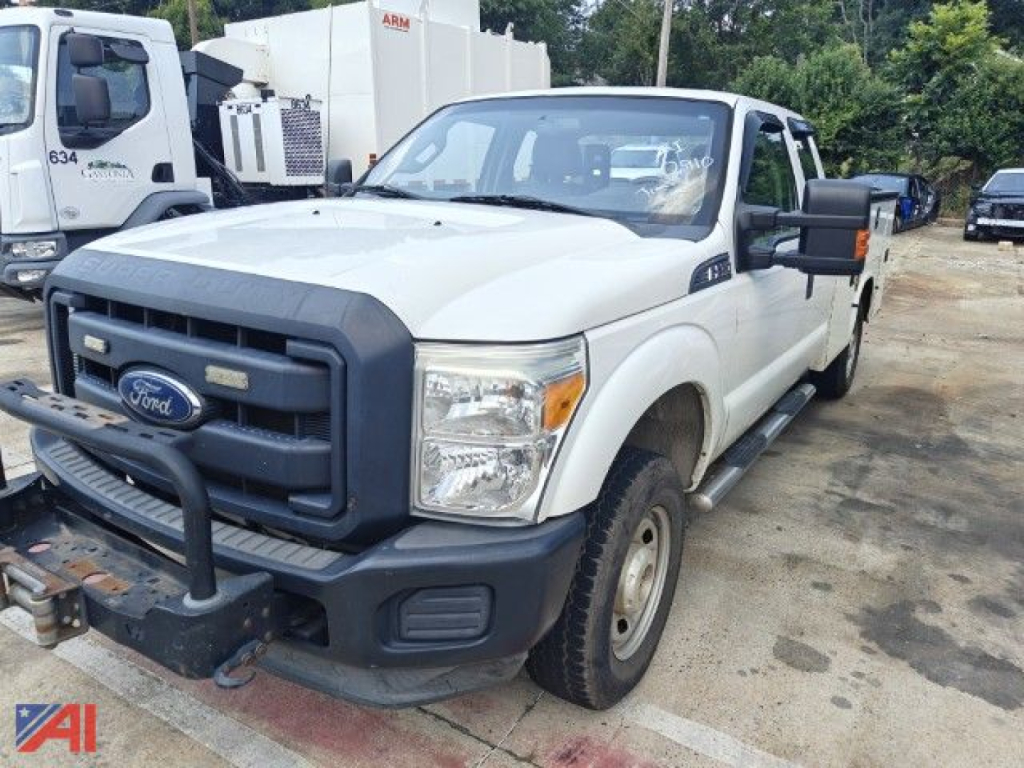
A well-matched 2016 utility truck can still deliver strong value because the basic service body design changes slowly, and many upfits remain practical for years. The right truck depends on service call radius, off-road exposure, typical payload, and whether technicians need crane capacity or just secure mobile storage. Buyers comparing listings should look past engine and mileage alone and focus on the complete package: chassis capacity, body brand, compartment layout, onboard power equipment, and how easily the truck can be put to work without costly reconfiguration.
Frequently Asked Questions about 2016 Service/Utility Trucks
What is the difference between a service truck and a mechanic truck?
A service truck is a broad category that includes utility body trucks used for maintenance, repair, installation, and mobile support work. A mechanic truck is usually a heavier-duty subset with a crane body, reinforced structure, outriggers, and equipment intended for field repair of machinery, trucks, or construction equipment. In listings, the terms are sometimes used interchangeably, so buyers should confirm whether the truck has a true crane-rated body or a standard service body.
What should I check first on a 2016 service or utility truck?
Start with chassis GVWR, body condition, and the actual upfit package. The body and accessories often determine the truck's value more than the cab itself. Inspect for rust in the body structure, compartment damage, overloaded rear suspension wear, PTO operation, and any issues with compressors, cranes, generators, or hydraulic systems. Maintenance records and proof of inspection for lifting equipment are especially important on trucks used for field service.
Are 2016 service trucks available in non-CDL configurations?
Yes. Many 2016 service trucks were built on pickup-based or Class 4 and Class 5 chassis that can stay under the 26,001-pound GVWR threshold, depending on the body and equipment installed. A crane body, lube package, or fuel and fluid system can push a truck higher, so buyers should verify the door-sticker GVWR and not assume a service body truck is automatically non-CDL. State rules, endorsements, and company safety policies should also be reviewed before purchase.
Which features matter most for field service work?
The most important features depend on the job, but buyers typically focus on compartment layout, payload, crane capacity, air power, electrical power, and accessibility at the jobsite. A mobile technician may need locking side packs, drawer systems, LED work lighting, inverter or generator power, and a compressor with hose reels. Heavy equipment service work usually adds outriggers, a crane with adequate boom reach, welder capability, and a body designed to handle concentrated loads without premature cracking.
Is mileage less important on a utility truck than on a standard pickup?
Mileage still matters, but service truck buyers often weigh total operating condition more heavily. A 2016 utility truck may have moderate or high miles and still be a strong buy if the chassis was fleet-maintained and the service body remains structurally sound. Long idle time, PTO hours, crane use, and accessory wear can tell you more than odometer readings alone. The best evaluation looks at engine hours, maintenance history, body integrity, and the condition of all work-related systems.