
2016 Cab and Chassis Trucks For Sale
Browse 2016 cab and chassis trucks with specs that fit dump, flatbed, service, utility, rollback, and box truck body applications.
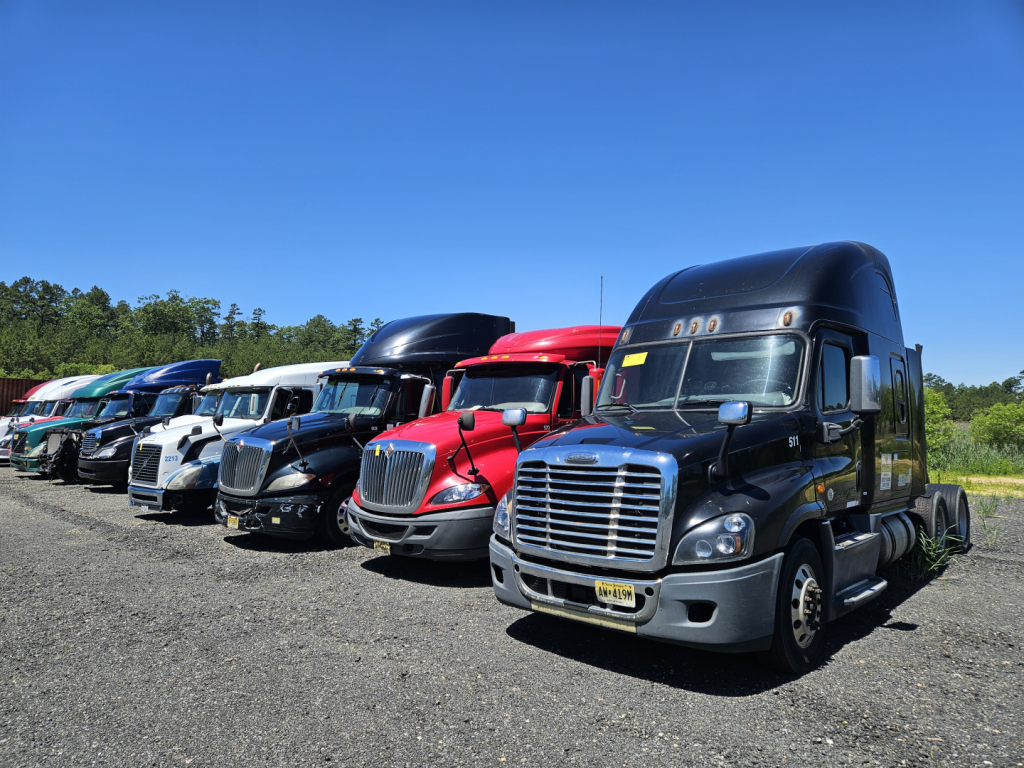
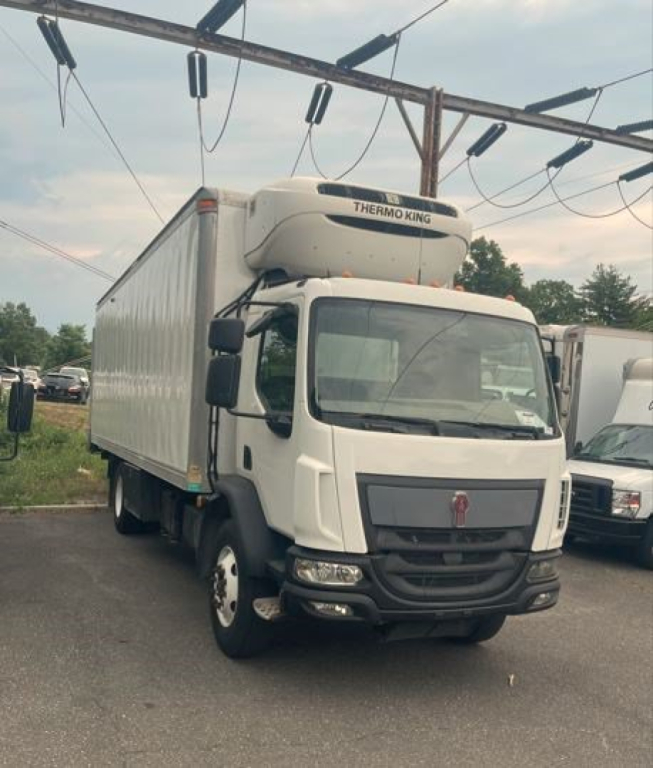

Have 2016 cab and chassis truck to sell? List it here to reach thousands of buyers.
2016 Cab and Chassis Trucks
Powertrain choices on 2016 models commonly include diesel and gasoline engines paired with automatic or manual transmissions, depending on class and application. In the lighter end, Ford F-450 and similar chassis are often used for landscape, delivery, and compact dump builds. In the medium-duty range, trucks like the Freightliner M2 106 or International 4300 are common foundations for van bodies, municipal units, and equipment hauling. Allison automatics are popular where stop-and-go duty or PTO operation is expected, while manual transmissions still appeal in certain vocational roles. Rear axle ratio, locking differentials, and brake type also deserve attention because they directly affect launch under load, low-speed jobsite control, and service costs over time.
Body upfit compatibility is what separates a good match from an expensive mistake. A 2016 cab and chassis should be evaluated for clear frame rails, fuel tank placement, exhaust routing, electrical interface, and available space for toolboxes, outriggers, pumps, or liftgate hardware. Buyers planning a dump or hooklift body should verify PTO capability and front axle capacity. Buyers planning a box or reefer body should look closely at wheelbase, frame overhang, and turning radius, especially for urban routes. If the truck will carry a service body, crane, compressor, or welder package, check frame reinforcement, spring capacity, and whether the suspension is spec'd for constant payload rather than occasional loading.
Condition matters more on a used cab and chassis than on many completed trucks because the next body may expose every weakness in the platform. Pay attention to frame corrosion, previous upfit holes, driveline angle, tire wear, suspension bushing condition, brake wear, and any signs of hard PTO or municipal service. On 2016 emissions-era diesels, buyers should also review DPF, DEF, and EGR service history and confirm there are no unresolved fault codes. The best 2016 cab and chassis truck is not simply the lowest-mile option. It is the one with the right dimensions, ratings, and drivetrain for the body you plan to install and the work cycle it will see every day.
Frequently Asked Questions about 2016 Cab and Chassis Trucks
What is the most important measurement on a 2016 cab and chassis truck?
Cab-to-axle is usually the first measurement to verify because it determines what body length will fit correctly. Wheelbase, frame overhang, and rear axle placement matter too, but cab-to-axle is the number most body builders use to match the truck to a dump body, flatbed, van body, service body, or wrecker setup. Buyers should confirm the actual published dimensions on the specific chassis rather than assuming all 2016 models in the same series are identical.
Are 2016 cab and chassis trucks good for dump and service body applications?
Yes, many 2016 cab and chassis trucks are well suited for dump, service, utility, and flatbed applications, provided the chassis was spec'd for that work. The important checks are GVWR, front and rear axle ratings, PTO compatibility, frame strength, suspension type, and tire capacity. A truck set up for delivery work may not be ideal for a heavy dump insert or crane body, even if the body physically fits the frame.
What should I check on a 2016 diesel cab and chassis before buying?
Review the emissions system history, including DPF cleaning or replacement, DEF system repairs, EGR work, and any active or stored fault codes. Also inspect the frame for corrosion and old body-mount holes, confirm the transmission shifts correctly under load, and look at brake condition, driveline components, and suspension wear. On a cab and chassis, these details matter because the next upfit can add weight, hydraulic demand, and constant-duty stress.
What truck classes are common in 2016 cab and chassis models?
The 2016 market includes light-duty chassis such as F-450 sized trucks, medium-duty platforms like the International 4300 and Freightliner M2 106, and other vocational chassis used for specialized bodies. Light-duty models are common for smaller dumps, landscape bodies, and local delivery. Medium-duty chassis are more common when buyers need higher GVWR, longer body lengths, air brakes, or heavier rear axle ratings.
Can a used 2016 cab and chassis be re-bodied easily?
Many can, but re-bodying is only straightforward when the frame, wheelbase, and cab-to-axle dimensions match the intended body. Buyers should also check for clean frame rails, usable mounting locations, correct electrical hookups, and enough clearance around tanks, exhaust, and aftertreatment components. Re-bodying gets more complicated when the old setup left frame damage, excess holes, wiring issues, or a wheelbase that does not suit the new body.