
2016 Commercial Trucks For Sale in Texas
Shop 2016 trucks for sale in Texas, including day cabs, sleepers, vocational and medium-duty models built for regional, local, and heavy work.

Selling a 2016 commercial truck? List your 2016 commercial truck for sale and reach thousands of commercial buyers.
2016 Commercial Trucks in Texas
For over-the-road and regional use, many 2016 trucks are equipped with widely supported engines such as the Cummins ISX, Detroit DD13 or DD15, Paccar MX series, and Volvo D13, often paired with automated manual or manual transmissions. In vocational service, 2016 trucks commonly show heavier rear axle ratings, locking differentials, PTO provisions, and suspension packages suited for construction, aggregate, oilfield, or municipal work. Texas buyers should pay close attention to axle ratios, GVWR and GCWR, frame condition, and whether the spec fits long highway miles, city delivery, or off-road jobsite use. A truck that looks similar on paper can perform very differently depending on suspension, cab style, and gearing.
Emissions and maintenance history matter on a 2016 truck. This year falls well within the modern aftertreatment era, so DPF, DEF, EGR, sensors, and regeneration performance deserve careful review. Service records for injector work, turbo replacement, aftertreatment cleaning, clutch life, transmission calibration, and suspension wear can tell you more than mileage alone. In Texas, cooling system condition, A/C performance, tire wear, and signs of long idle time are especially important because heat and highway speeds can expose weak components quickly. On tractors, check wheelbase, fuel capacity, sleeper size, and sliding fifth wheel travel. On vocational trucks, inspect PTO operation, hydraulic systems, body mounts, liner wear, and any evidence of frame modification.
A well-matched 2016 truck can still deliver dependable service in long-haul, regional, construction, agriculture, and local delivery operations. Buyers comparing listings should focus on total operating fit rather than badge alone: engine rating, transmission type, axle configuration, suspension, brake setup, and intended payload matter more than cosmetics. If the truck will run Texas interstates, oilfield roads, or urban stop-and-go routes, those operating conditions should guide the spec. A clean 2016 truck with the right maintenance record and application-specific setup can remain a practical, cost-conscious asset for a fleet or owner-operator.
Frequently Asked Questions about 2016 Commercial Trucks in Texas
What should I look for first when buying a 2016 truck in Texas?
Start with the application and the truck’s core spec. Confirm the truck class, GVWR, axle configuration, wheelbase, engine rating, transmission, and suspension all match the work you plan to do. After that, review maintenance records, engine hours, aftertreatment history, tire condition, brake wear, and signs of frame or body repair. In Texas, cooling system health and air conditioning performance are especially important because heat puts added stress on both.
Are 2016 diesel trucks expensive to maintain because of emissions systems?
They can be, but condition and service history matter more than the model year alone. A 2016 truck uses modern emissions equipment, so buyers should inspect the DPF, DEF system, EGR components, sensors, and any fault code history. A truck with documented regen service, DPF cleaning, and consistent preventive maintenance is usually a better risk than one with lower mileage but poor records. Deferred emissions work can turn a low purchase price into a costly ownership experience.
Is a 2016 truck a good choice for regional or long-haul work?
Yes, if the truck is properly spec’d and has been maintained well. Many 2016 highway tractors were built with proven engines and drivetrains that are still common in fleet service. For regional and long-haul work, look closely at sleeper size, fuel capacity, rear axle ratio, horsepower, automated versus manual transmission, and overall ride quality. The right spec can still be productive and efficient for highway use, while the wrong gearing or wheelbase can limit performance and driver comfort.
What matters most on a 2016 vocational truck?
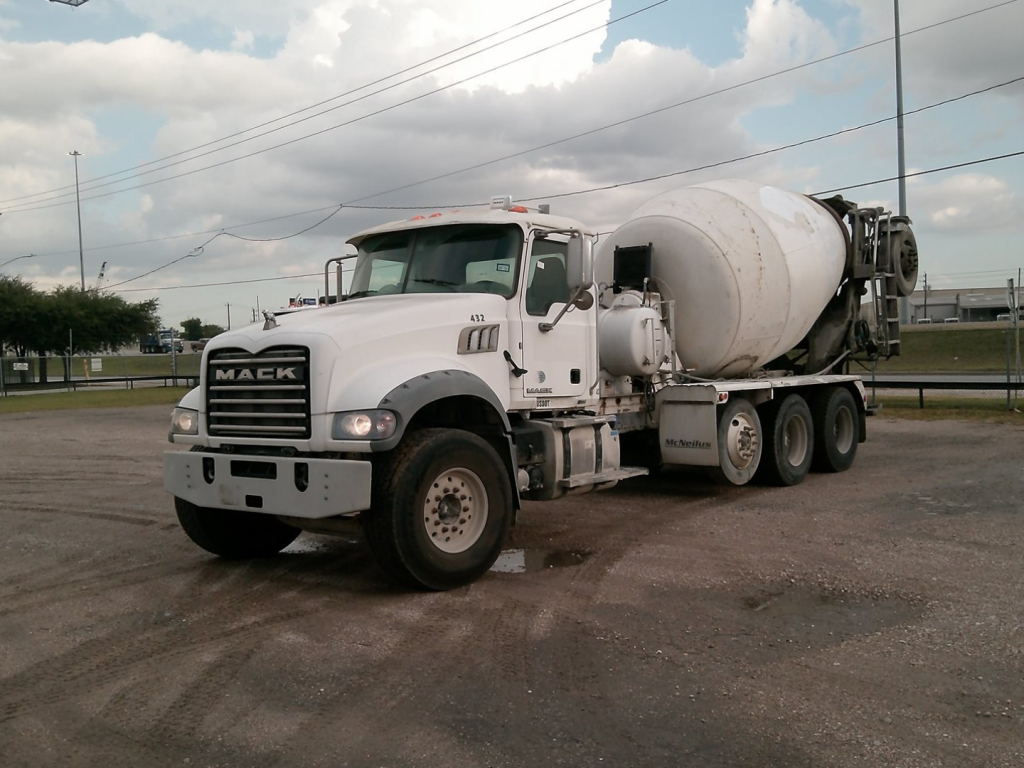
Vocational buyers should focus on axle ratings, frame strength, PTO setup, suspension type, body condition, and how the truck has been used. A 2016 dump, mixer, service, or flatbed truck may have the same engine family as a highway unit, but the real value is in the vocational spec and body integrity. Check for hydraulic leaks, cracks around body mounts, excessive rust or abrasion, liner wear, and evidence of repeated overloading. Those details often determine how much useful life is left in the truck.
How important is mileage on a 2016 truck compared with hours and service records?
Mileage is useful, but it should never be viewed alone. Engine hours, idle time, maintenance records, and component replacement history often tell a more complete story. A higher-mileage 2016 truck with documented oil changes, aftertreatment service, clutch or transmission work, and cooling system maintenance may be a safer buy than a lower-mileage unit with gaps in its history. For many buyers, records and condition are the best indicators of remaining value.