
2016 Commercial Trucks For Sale in Pennsylvania
Browse 2016 trucks for sale in Pennsylvania, including day cabs and sleepers with specs on engines, wheelbase, axle ratings, and driveline options.
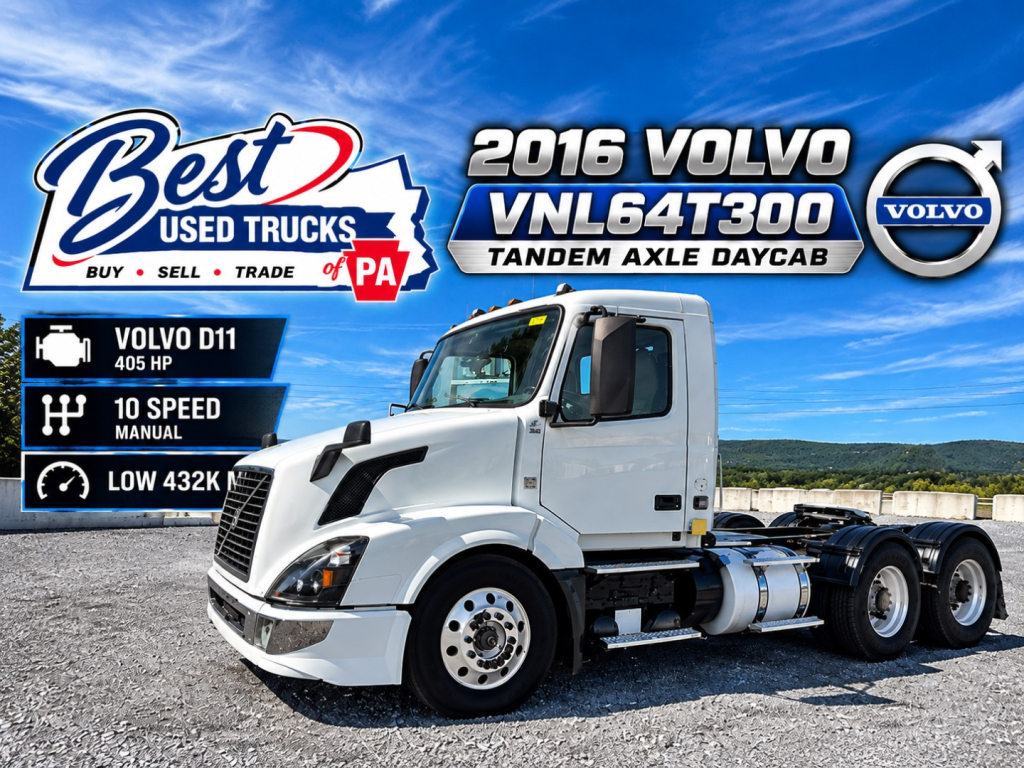
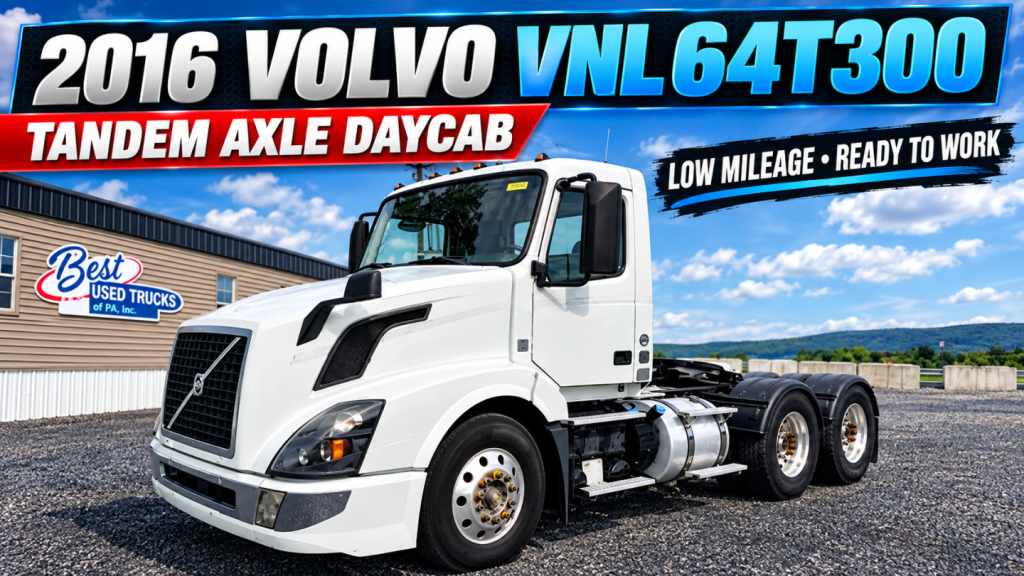
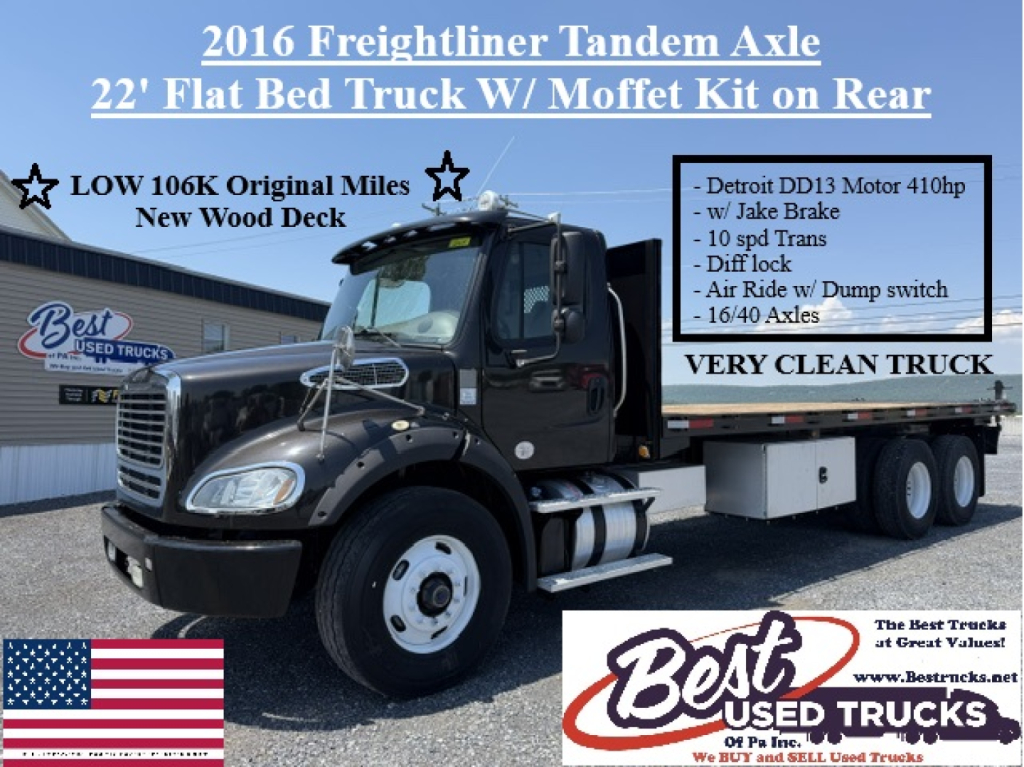
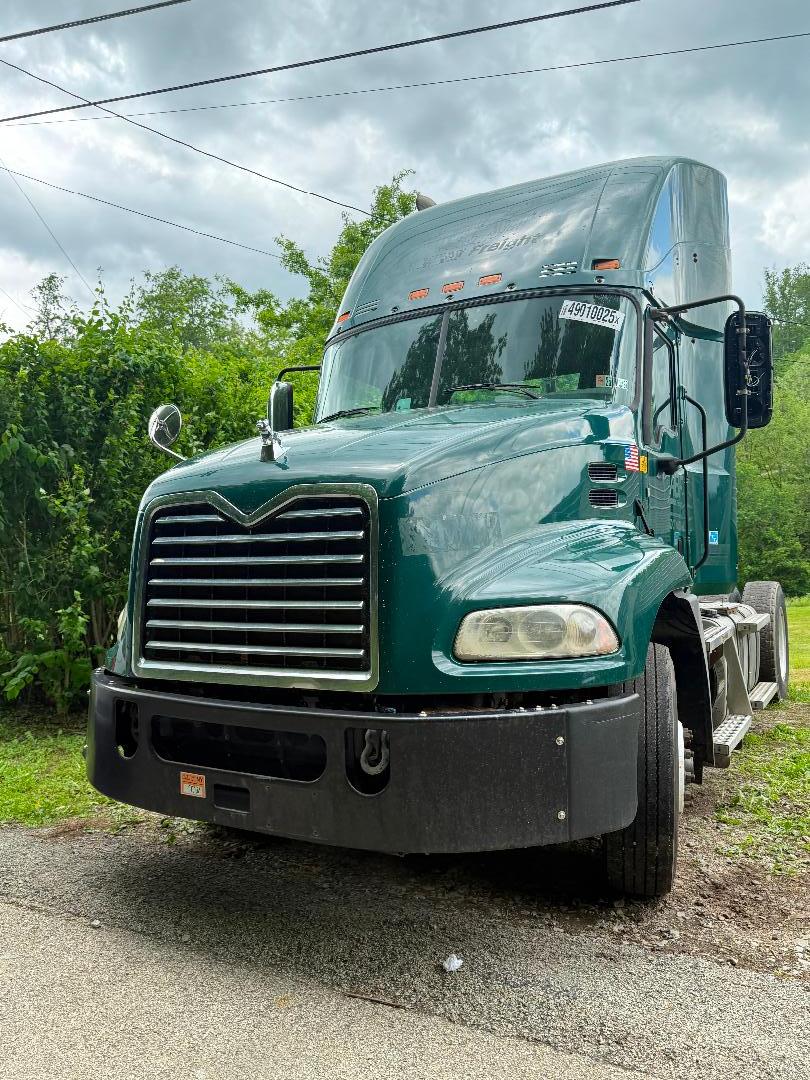
Selling a 2016 commercial truck? List your 2016 commercial truck for sale and reach thousands of commercial buyers.
2016 Commercial Trucks in Pennsylvania
For on-highway tractors, many 2016 models fall into the 400 to 500 horsepower range with 10-speed or automated manual transmissions, tandem rears around 40,000 pounds, and air ride suspension. Day cabs are common for port work, short regional lanes, and dedicated freight, while sleeper configurations fit longer Pennsylvania to Midwest or Northeast runs. A shorter wheelbase generally improves maneuverability in tighter terminals and urban freight corridors. A taller ratio such as 3.08 or 3.42 favors startability and heavier gross weights, while a faster ratio such as 2.64 is more suited to fuel-conscious highway operation when matched correctly to tire size and transmission gearing.
The 2016 model year is also one where condition and maintenance history matter more than headline specs. Buyers should review DPF and SCR service records, check for injector or EGR-related work, and confirm whether the truck has had consistent preventive maintenance. Disc brakes, low-profile tires, super singles, sliding fifth wheels, fairings, and dual fuel tanks can all change how well a truck fits a specific lane or trailer set. In Pennsylvania, corrosion exposure from winter road treatment is another practical issue, so frame condition, air tanks, crossmembers, wiring, and cab mounts deserve a careful inspection.
Application should drive the buying decision. A 2016 day cab truck is often the right fit for regional van, reefer, container, or dump transfer work where sleeper weight and wheelbase are unnecessary. A 2016 sleeper truck makes more sense for multi-day hauls, team operations, or lanes where driver comfort and fuel capacity matter. Across both categories, the best 2016 trucks are the ones with a driveline spec that matches the load, terrain, and annual miles, not just the lowest purchase price.
Frequently Asked Questions about 2016 Commercial Trucks in Pennsylvania
What should I look for first when buying a 2016 truck?
Start with engine emissions history, transmission type, axle ratio, and maintenance records. On a 2016 truck, the aftertreatment system is a major cost area, so DPF cleaning intervals, SCR repairs, sensors, and EGR work should be reviewed before cosmetic condition. After that, match the wheelbase, horsepower, rear axle rating, and suspension to the freight you plan to haul.
Is a 2016 day cab or sleeper better for Pennsylvania operations?
That depends on the route structure. A 2016 day cab is usually the better choice for local and regional freight, dedicated lanes, and operations that need tighter turning in yards, cities, and distribution centers. A 2016 sleeper is better suited to longer runs across Pennsylvania, the Northeast, and the Midwest where bunk space, larger fuel capacity, and driver comfort add operational value.
Are 2016 trucks still a good value for small fleets and owner-operators?
Yes, if the truck has the right spec and documented upkeep. A 2016 truck can offer a lower acquisition cost while still providing modern highway gearing, automated transmissions, disc brakes, and aerodynamic equipment found on newer tractors. The value comes from avoiding major deferred maintenance, so service records and a thorough mechanical inspection are more important than model year alone.
What axle ratio works best on a 2016 highway truck?
There is no single best ratio because it depends on terrain, trailer type, and cruising speed. Ratios like 2.64 are common on fuel-focused highway tractors running lighter or steady interstate freight. Ratios such as 3.08 or 3.42 are generally better for heavier loads, more stop-and-go driving, steeper grades, and applications where launch performance matters more than top-end fuel economy.
Do Pennsylvania buyers need to inspect anything different on a used 2016 truck?
Yes. Trucks that have spent time in Pennsylvania and the broader Northeast should be checked carefully for corrosion from winter road salt and chemical treatment. Pay close attention to the frame, suspension components, brake hardware, air lines, crossmembers, battery box, cab supports, and electrical connectors. Rust and wiring issues can turn an otherwise solid 2016 truck into an expensive repair project.