
2016 Commercial Trucks For Sale in California
Shop 2016 trucks for sale in California, including highway tractors, day cabs, box trucks, and vocational units for regional or fleet use.

Selling a 2016 commercial truck? List your 2016 commercial truck for sale and reach thousands of commercial buyers.
2016 Commercial Trucks in California
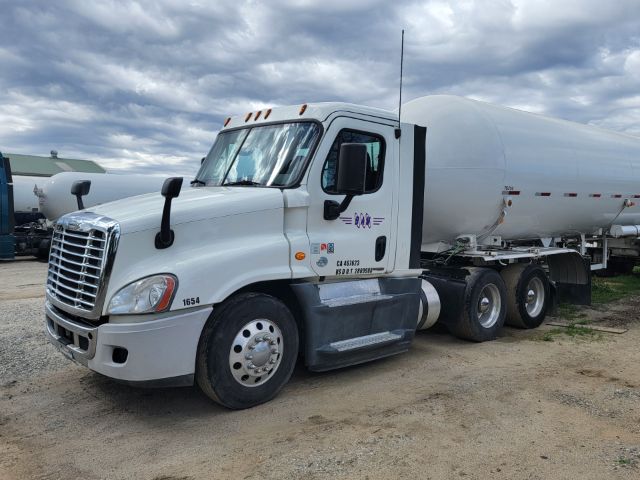
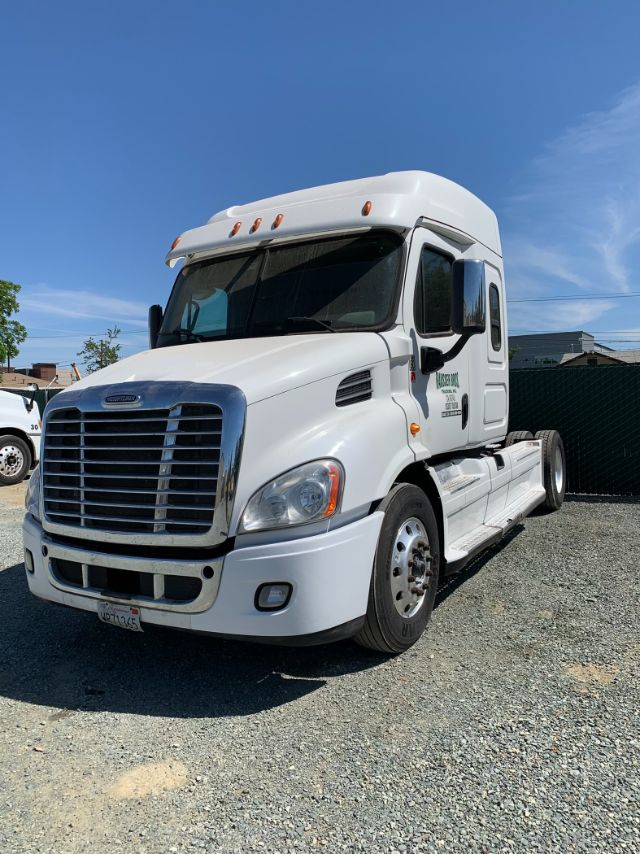
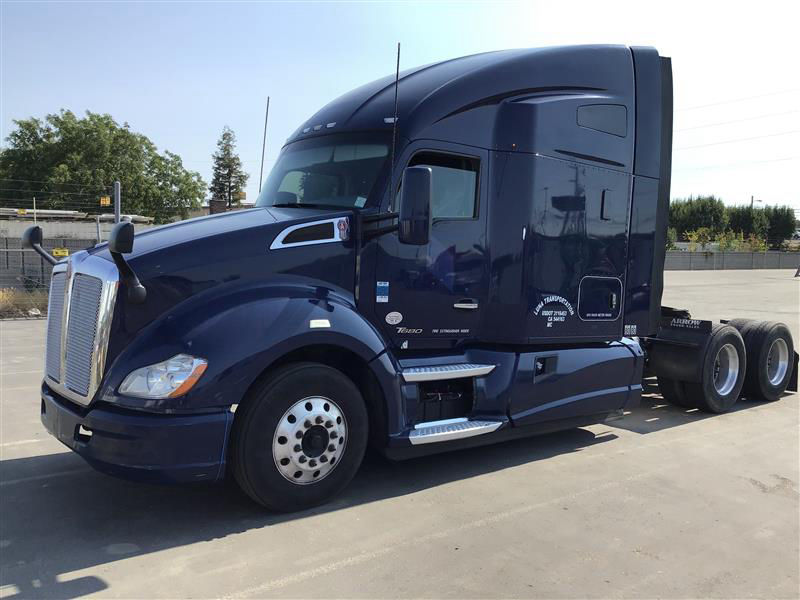
For long-haul and regional work, 2016 tractors often offer the balance most buyers are looking for: aerodynamic cabs, 10-speed or automated transmissions, engine brakes, air ride suspension, aluminum wheels, and 12,000-lb front axles paired with tandem or tri-axle configurations depending on the job. Day cabs from this year remain popular in California for drayage, local container work, and short-haul freight because they are simpler to operate in dense traffic and easier to maintain than larger sleepers. If the truck is being used with a trailer, buyers should review wheelbase, fifth wheel placement, suspension type, rear axle ratio, and kingpin setting compatibility to make sure the combination works for bridge law, turning radius, and weight distribution.
On the straight truck and vocational side, 2016 trucks cover a wide range of bodies and upfits, including box trucks, rollback wreckers, stake beds, service trucks, and municipal-spec units. The chassis matters as much as the body. Look at GVWR class, frame condition, PTO setup, hydraulic system health, and whether the truck has the axle rating and brake package needed for the intended body. On a used California truck, rust is usually less of a concern than on Midwest equipment, but sun exposure, cab interior wear, emissions-system history, and deferred maintenance are still critical. A clean-looking truck with DPF, DEF, turbo, injector, or aftertreatment issues can quickly cost more than a higher-priced unit with complete service records.
The best 2016 truck purchase usually comes down to matching spec to route. A 450-hp Class 8 tractor with air ride cab and super singles fits a very different operation than a medium-duty M2 or Peterbilt 337 set up for local delivery or recovery work. Buyers should compare engine hours against odometer miles, confirm tire and brake percentages, inspect the transmission for shift quality, and review ECM history when possible. In California especially, uptime, emissions compliance, and application fit matter more than cosmetic appeal. A properly spec'd 2016 truck can still deliver dependable service in regional hauling, construction support, towing, delivery, and private fleet operations.
Frequently Asked Questions about 2016 Commercial Trucks in California
Are 2016 trucks legal to operate in California?
Some are, but compliance depends on the truck's emissions configuration, registration status, and intended use. California buyers should verify CARB requirements, engine family information, and any restrictions tied to diesel emissions rules before purchase. This is especially important for Class 7 and Class 8 diesel trucks used in intrastate commerce, drayage, or regulated fleet operations. A seller's description alone is not enough. Buyers should confirm VIN, engine label, and current registration details directly.
What should I look for on a used 2016 semi truck?
Start with the powertrain and compliance items, then move to chassis and cab condition. Key checks include engine fault codes, aftertreatment service history, DPF and DEF system condition, transmission operation, clutch wear on manual units, suspension bushings, brake measurements, tire condition, and signs of frame damage or poor repairs. On tractors, review axle ratio, fifth wheel condition, and wheelbase. On vocational trucks, inspect PTO operation, hydraulics, and body mounting. Service records and ECM data can be more valuable than appearance.
Is a 2016 truck a good year for owner-operators and small fleets?
For many operations, yes. A 2016 truck often sits in a useful middle ground where acquisition cost is lower than a late-model truck, but the chassis, cab, and drivetrain are still modern enough for productive regional or local service. The tradeoff is that emissions-related repairs can become a larger factor if maintenance was skipped. Buyers who understand the truck's service history and match the spec to the route can still get solid value from a 2016 model year.
What types of trucks are common in the 2016 model year?
The 2016 market includes highway tractors, sleeper trucks, day cabs, box trucks, rollback wreckers, dump trucks, and medium-duty straight trucks. Common makes from that year include Freightliner, Peterbilt, Kenworth, International, Volvo, and Mack. In California listings, it is common to see both Class 8 road tractors and medium-duty vocational chassis from this model year because many fleets kept them in service due to durable drivetrains and versatile body options.
How important is mileage compared with engine hours on a 2016 truck?
Both matter, but engine hours often tell the better story on used trucks that spent time idling, working PTO equipment, or running local routes. A truck with moderate miles but very high hours may have more engine wear than the odometer suggests. This matters on day cabs, vocational trucks, tow trucks, and delivery units that idle heavily. Buyers should compare mileage, hours, maintenance records, and idle percentages together instead of relying on one number alone.