
2016 Freightliner Trucks For Sale
Shop 2016 Freightliner trucks including Cascadia and M2 models. Compare specs, engines, cab styles, axle ratings, and vocational setups.
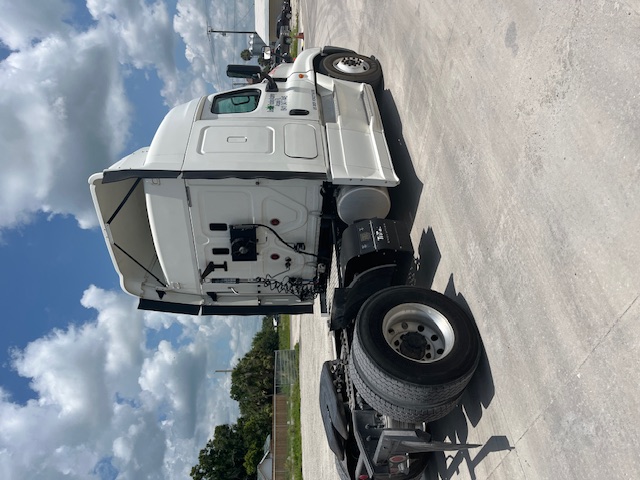
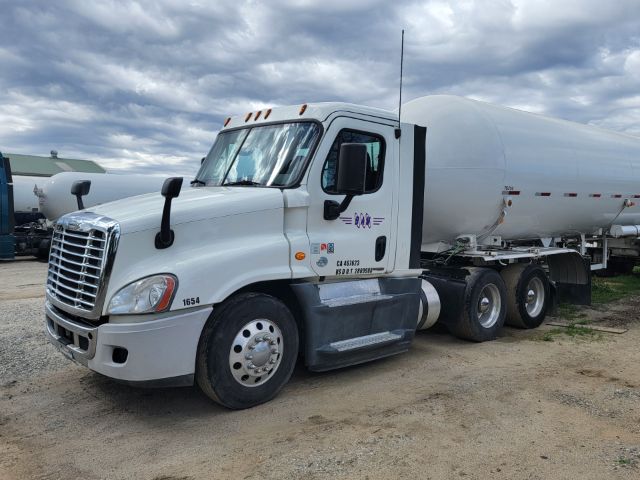
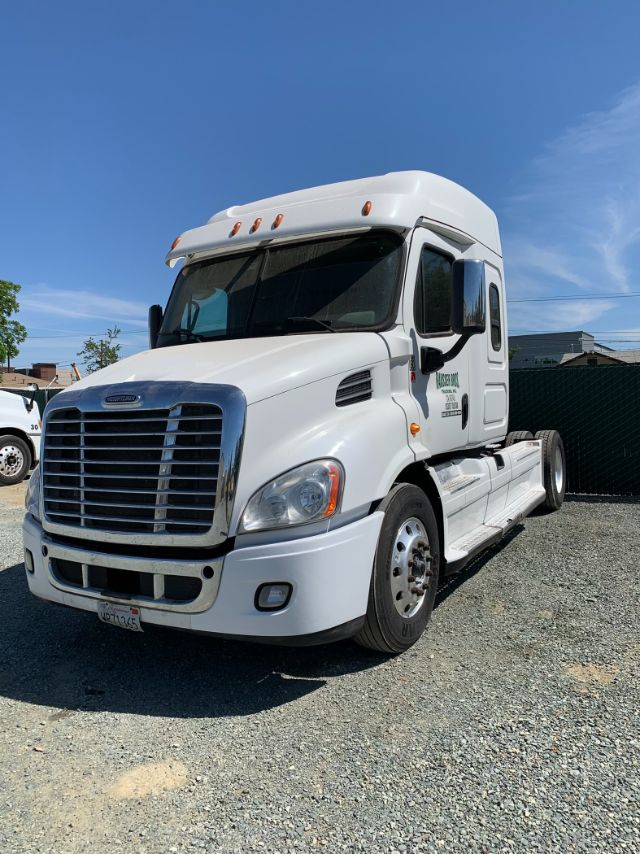
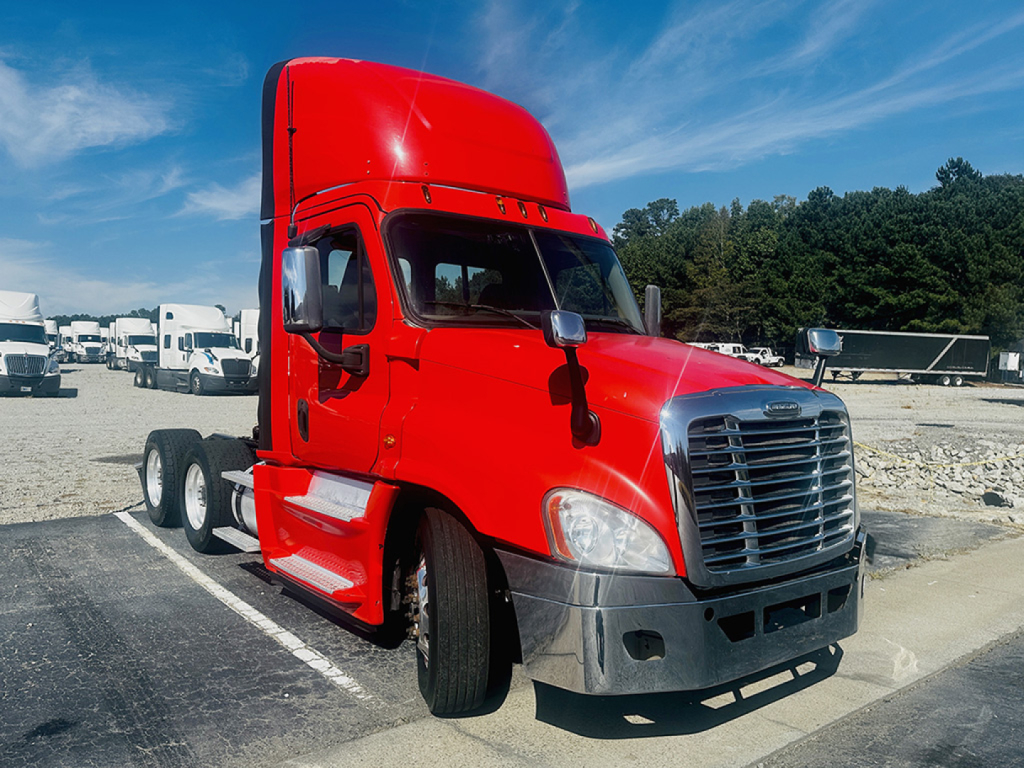
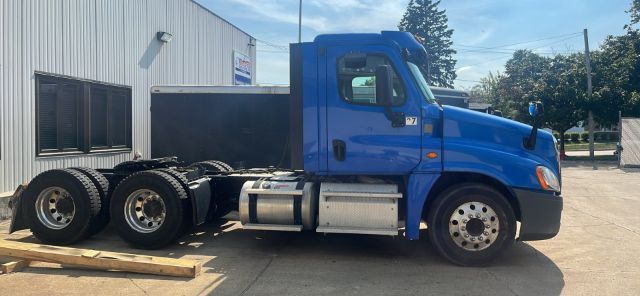
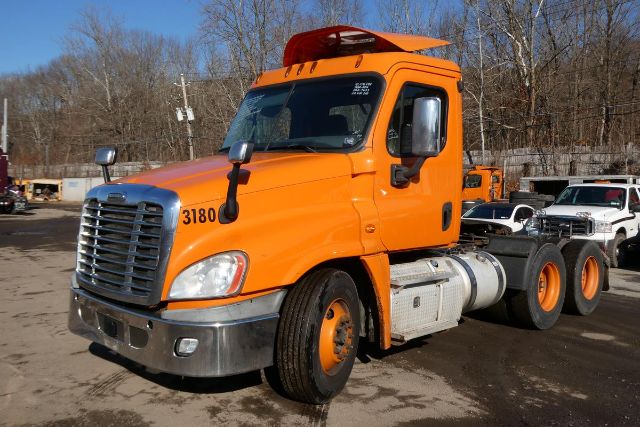
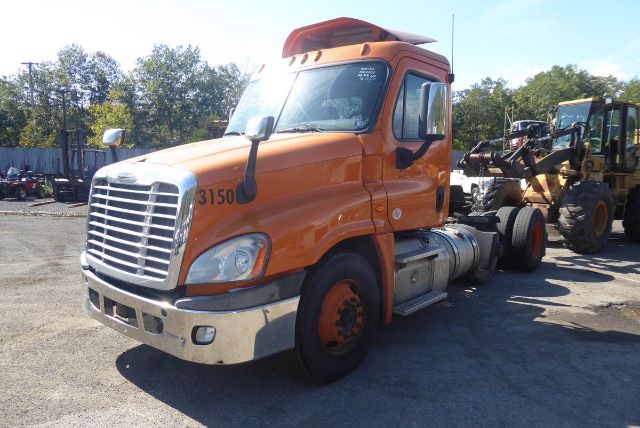
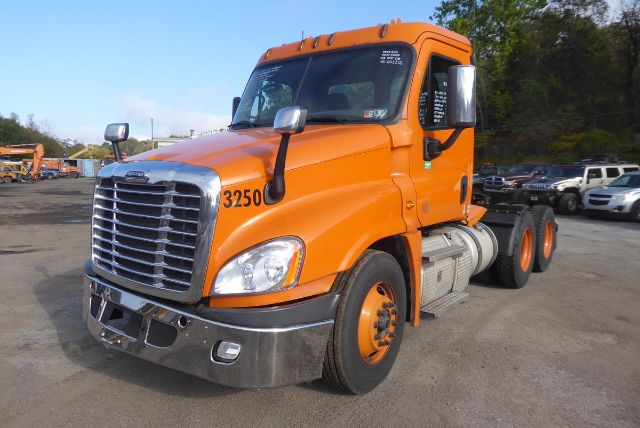
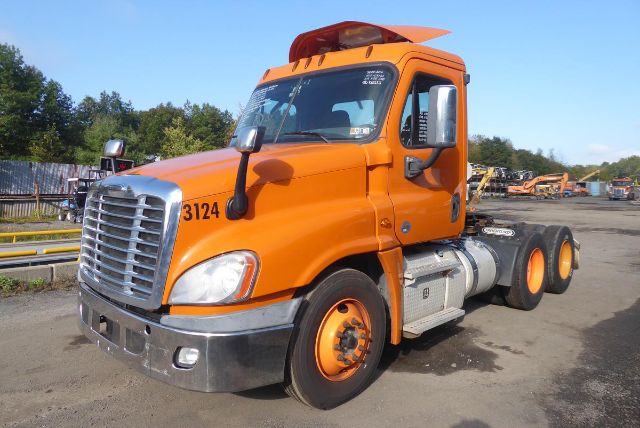
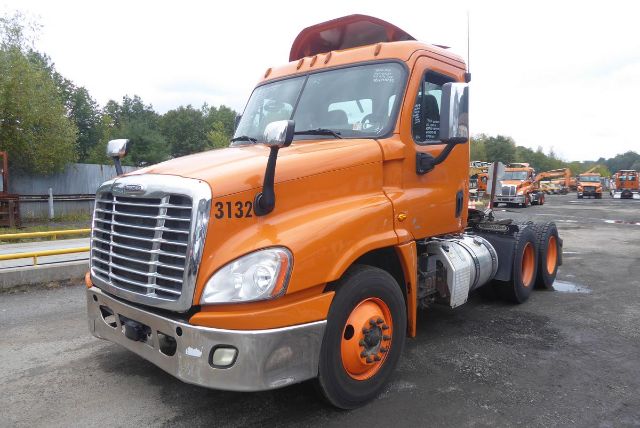
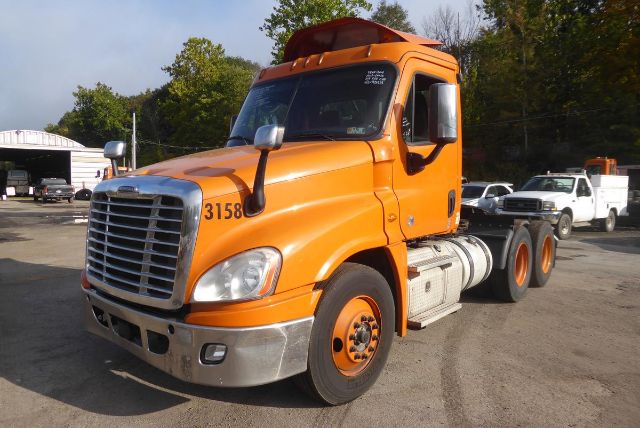
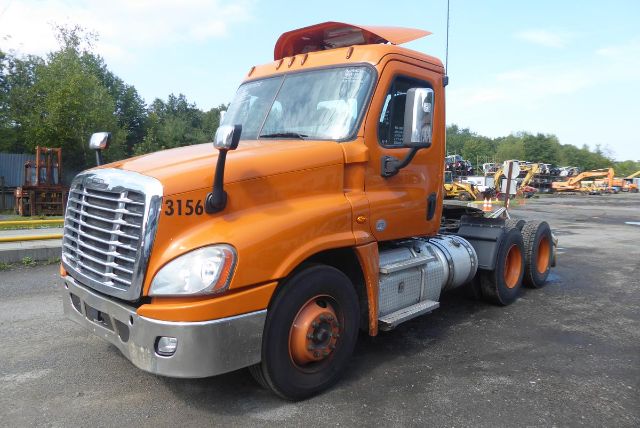
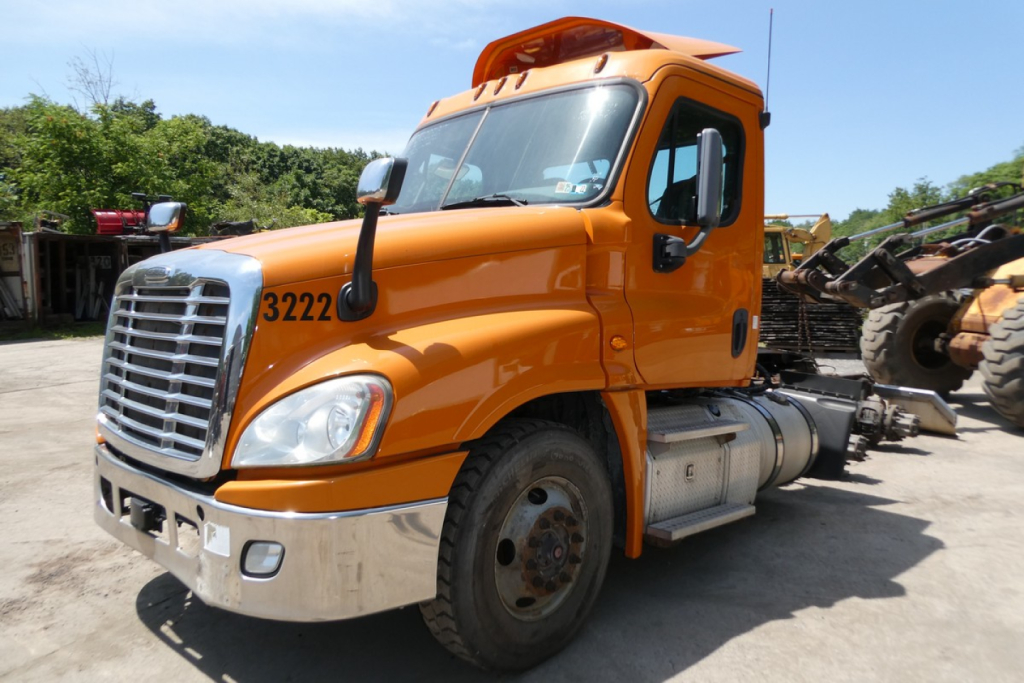

Selling a 2016 freightliner truck? List your 2016 freightliner truck for sale and reach thousands of commercial buyers.
2016 Freightliner Trucks
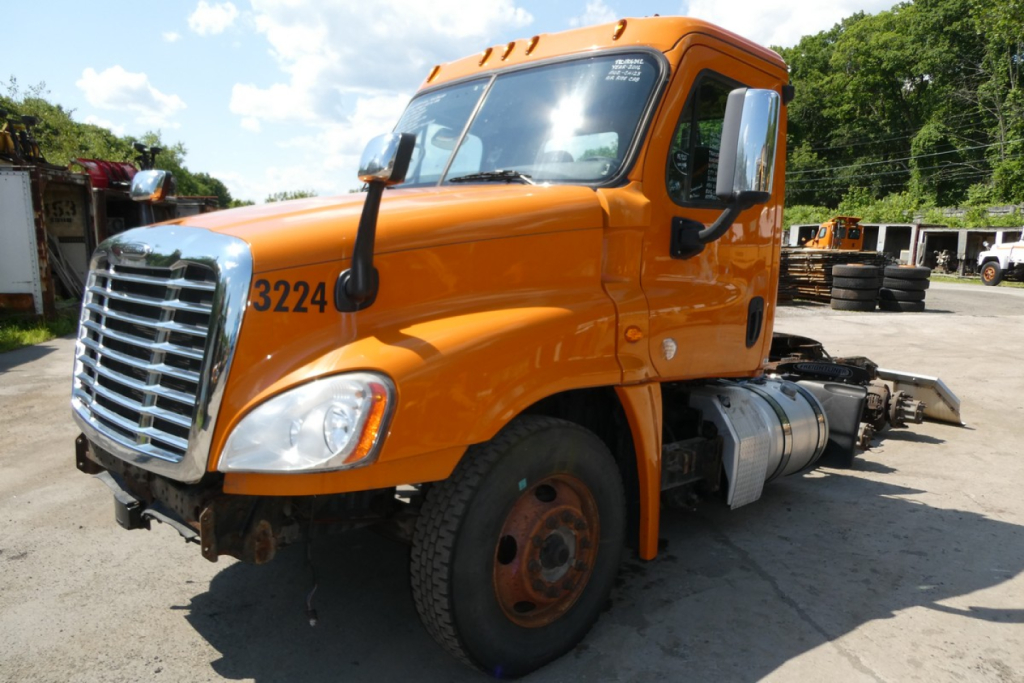
On highway models, the 2016 Freightliner Cascadia is the most common platform and is often spec’d with Detroit DD13 or DD15 diesel engines, automated manual or manual transmissions, tandem rear axles, and raised roof sleeper or day cab layouts. Buyers comparing road tractors should pay close attention to horsepower, rear axle ratio, wheelbase, fuel capacity, suspension type, and 5th wheel setup. A DD15 with a direct-drive or overdrive automated transmission can be a strong fit for fuel-conscious fleets, while axle ratio and tire size will affect cruise RPM and gradeability. Sleeper trucks from this year may include 60-inch or 72-inch sleepers, upper bunks, APUs, and aerodynamic fairings. Day cabs are more common in regional and port work where tighter wheelbase and lower tare weight matter.
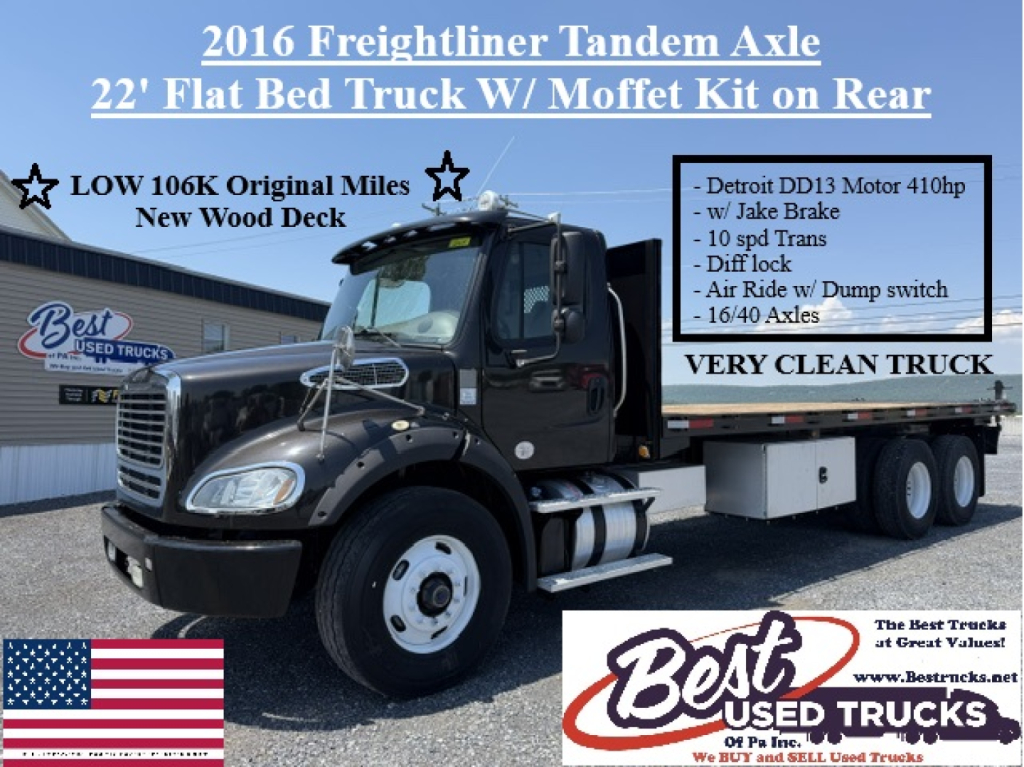
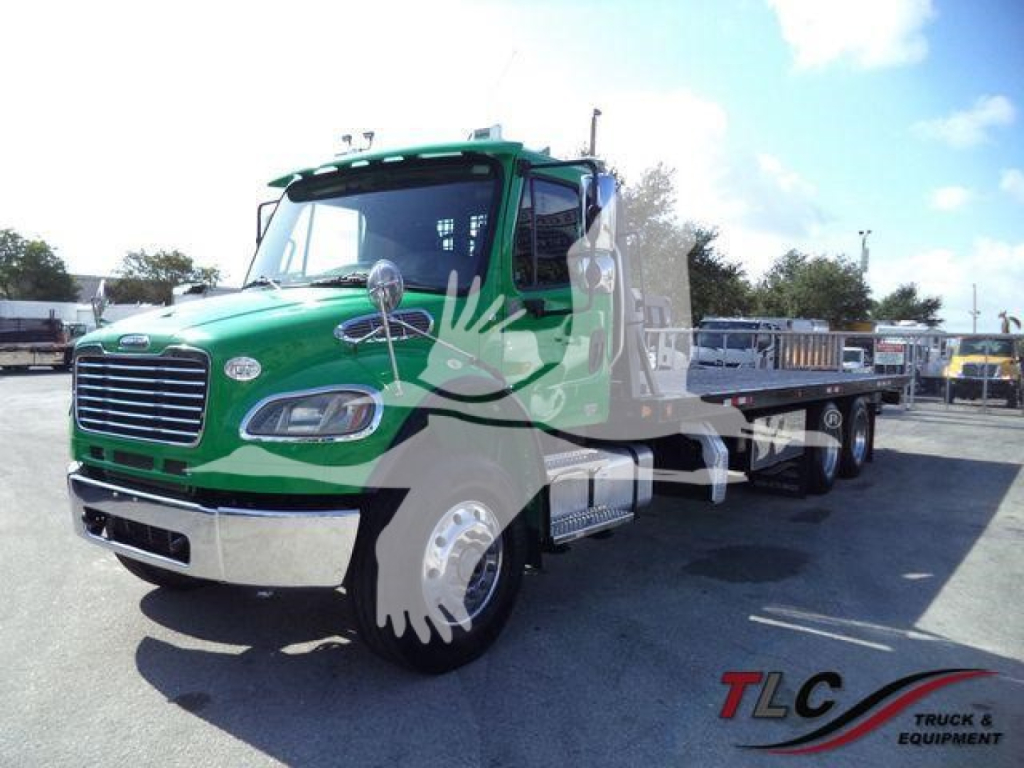
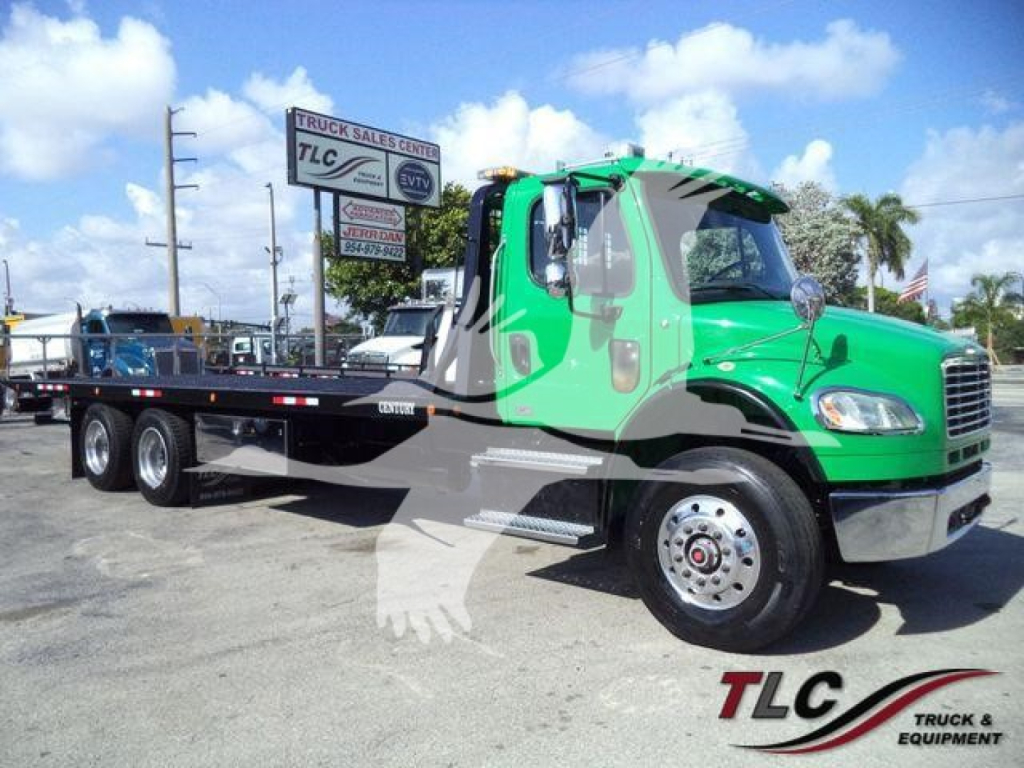
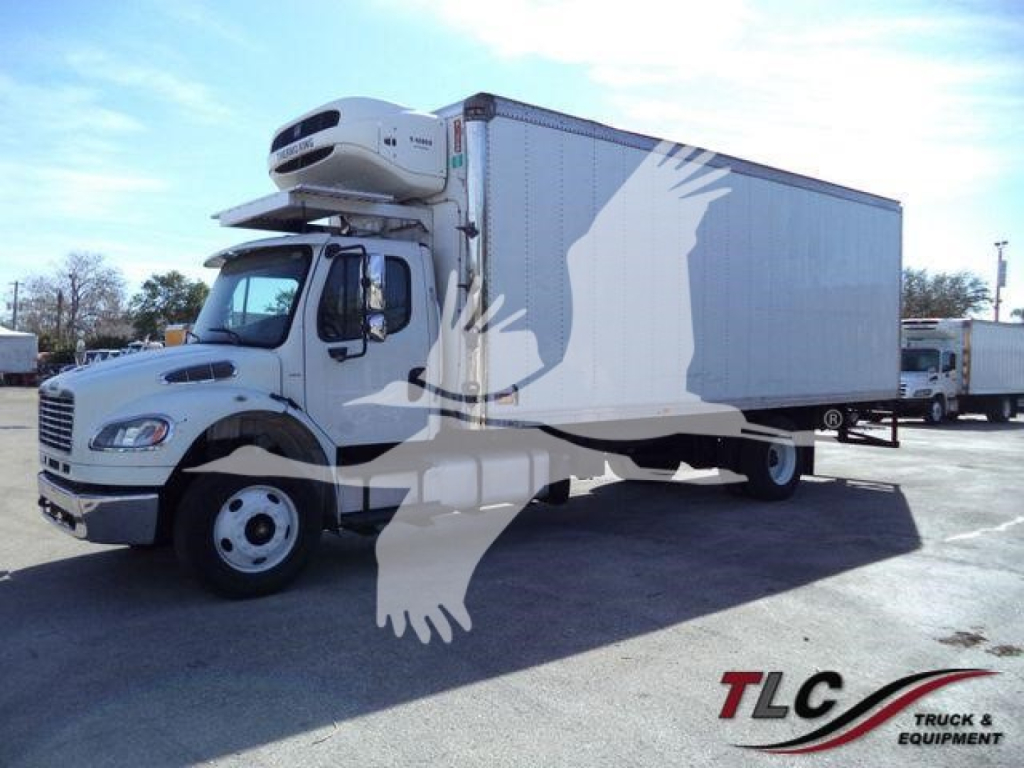
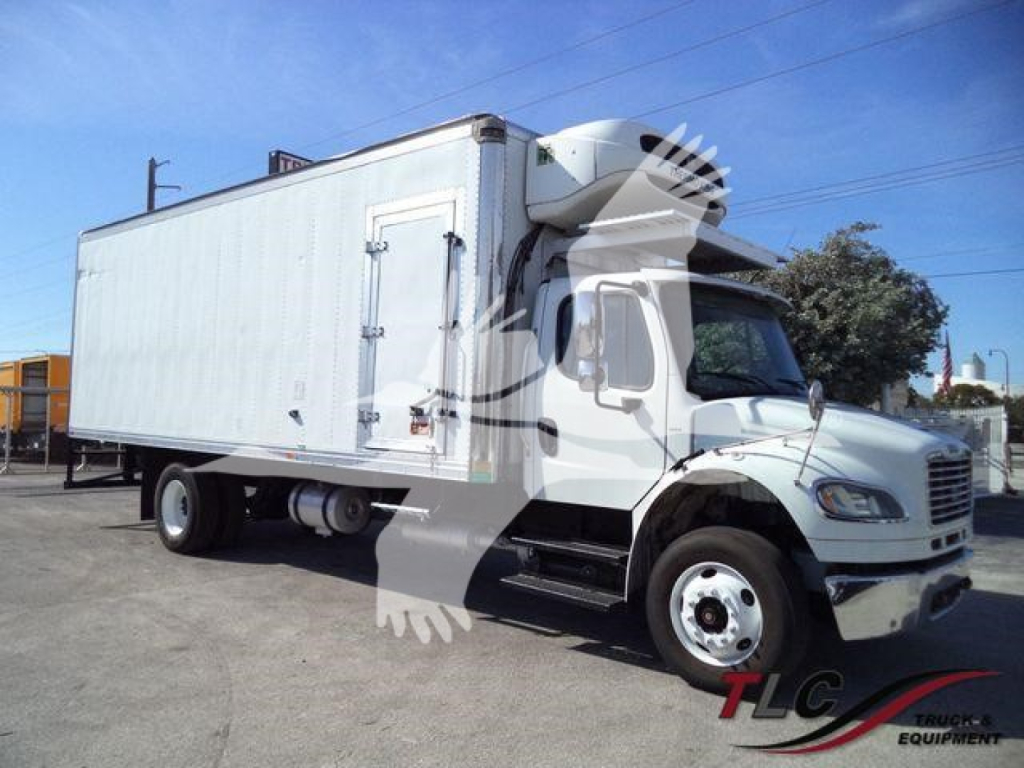
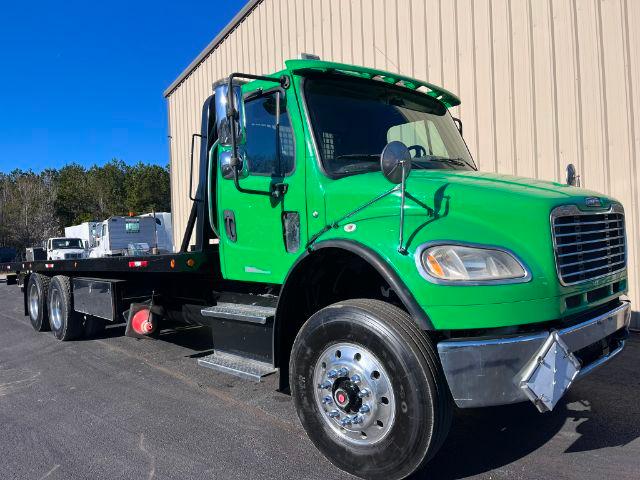
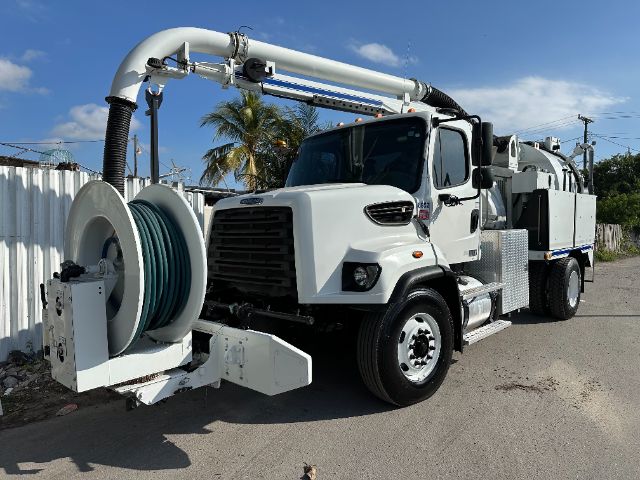
For medium-duty and vocational buyers, 2016 Freightliner M2 106 and related Business Class configurations are common choices because they accept a wide range of bodies and upfits. These trucks are frequently equipped with Cummins diesel engines, Allison automatic transmissions, single or tandem rear axles, and GVWRs suited to box delivery, towing, utility, refrigerated service, and municipal work. In this category, the body and PTO compatibility matter as much as the chassis itself. Front axle rating, rear axle capacity, frame strength, cab-to-axle dimension, suspension, and brake type all deserve a close look before buying. If the truck already carries a wrecker body, reefer box, flatbed, or service body, verify the upfit age, hydraulic condition, control system, and how well the chassis spec matches the intended payload.
Condition matters more than badge familiarity on a 2016 truck. Service records, engine hours, DPF and aftertreatment history, transmission calibration, suspension wear, and signs of frame or cab corrosion can tell more than mileage alone. On Freightliner highway trucks, inspect common wear areas such as steering components, bushings, fairings, and interior controls, and confirm emissions system maintenance has been handled correctly. On vocational units, check PTO operation, auxiliary hydraulics, wiring quality, and any evidence of hard-duty use. A well-matched 2016 Freightliner can still be a productive truck if the spec fits the job and the maintenance history supports the miles.
Frequently Asked Questions about 2016 Freightliner Trucks
What are the most common 2016 Freightliner truck models on the used market?
The most common 2016 Freightliner trucks are usually Cascadia highway tractors and Business Class M2 medium-duty trucks. The Cascadia is typically found as a day cab or sleeper tractor for regional and long-haul freight, while the M2 platform appears in vocational roles such as box trucks, tow trucks, flatbeds, dump trucks, service bodies, and reefer applications. That broad model range is one reason 2016 Freightliner trucks remain active in both fleet and owner-operator markets.
What engine options should buyers expect in a 2016 Freightliner truck?
Engine availability depends on the truck class and original application. Highway tractors from this era are commonly equipped with Detroit DD13 or DD15 engines, while medium-duty and vocational models often use Cummins power paired with Allison automatic transmissions. Buyers should verify horsepower, torque rating, emissions system service history, and whether the engine calibration matches the truck’s axle ratio and intended use. For used trucks, maintenance records and aftertreatment condition are usually more important than the brand name alone.
Is a 2016 Freightliner Cascadia a good choice for long-haul work?
A 2016 Freightliner Cascadia can be a solid long-haul choice when the spec is right and the truck has been maintained properly. Aerodynamic body design, common Detroit powertrain combinations, and widespread dealer and aftermarket support make it practical for over-the-road service. The key is to evaluate sleeper size, rear axle ratio, transmission type, wheelbase, and maintenance history instead of assuming every Cascadia is set up the same way. A fleet-spec fuel economy truck and a heavier regional tractor can drive very differently.
What should buyers inspect on a used 2016 Freightliner vocational truck?
On a vocational 2016 Freightliner, inspect both the chassis and the upfit. Important chassis items include axle ratings, frame condition, suspension wear, brakes, steering, PTO function, and transmission performance. If the truck has a body or specialty equipment such as a wrecker, service body, reefer unit, or dump hoist, inspect hydraulics, wiring, controls, structural mounts, and any signs of overload or poor installation. On these trucks, the body condition and system functionality can affect value as much as the engine and cab.
How important are axle ratio and wheelbase on a 2016 Freightliner truck?
Axle ratio and wheelbase are major buying factors because they directly affect performance, maneuverability, and operating cost. On a highway tractor, axle ratio influences cruise RPM, fuel economy, and pulling power on grades. On a vocational truck, wheelbase and cab-to-axle dimensions determine body fit, turning radius, and weight distribution. A truck can have a strong engine and still be a poor fit if the gearing or chassis dimensions do not match the intended route, payload, or trailer setup.