
2016 Trucks For Sale in Massachusetts
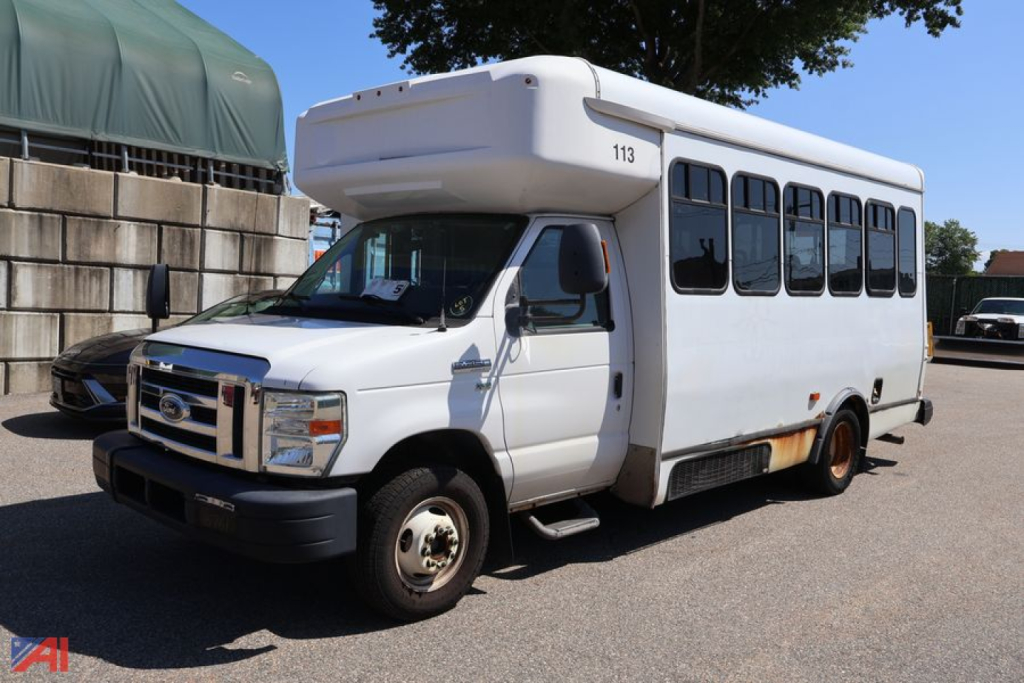
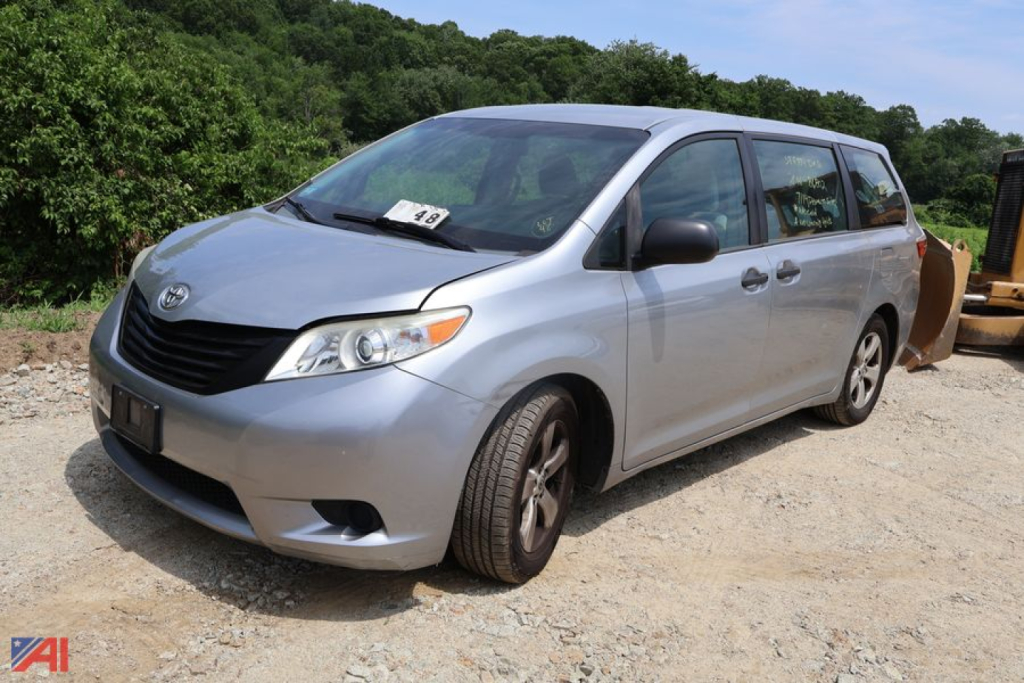
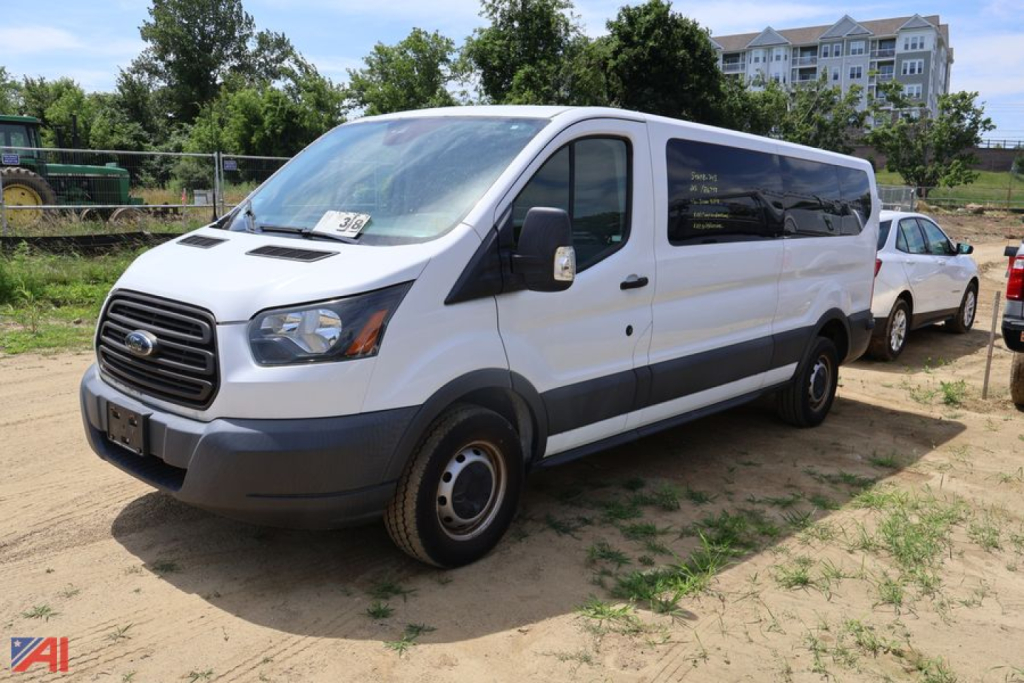
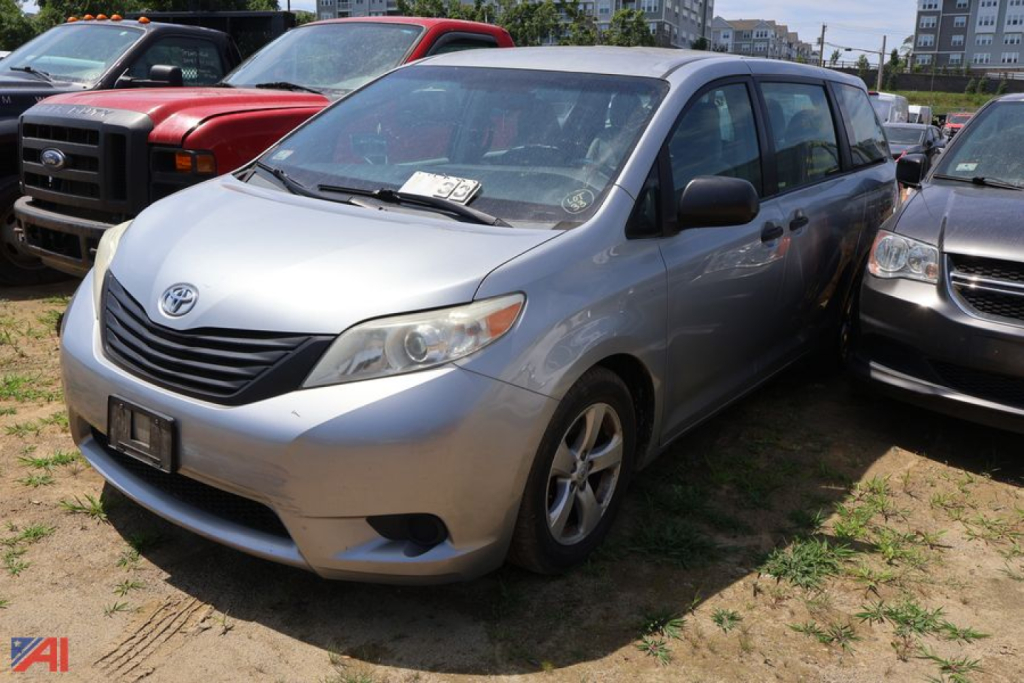
Have 2016 truck to sell? List it here to reach thousands of buyers.
2016 Trucks in Massachusetts
In the 2016 market, engine and emissions spec should be near the top of the checklist. Most trucks in this year range are equipped with modern aftertreatment systems, so service history on the DPF, DEF system, EGR components, and related sensors matters as much as mileage. Medium-duty buyers often focus on GVWR, wheelbase, cab-to-axle, and PTO compatibility, especially if the truck will carry a van body, dump body, hooklift, or utility package. If the truck already has vocational equipment mounted, inspect hydraulic operation, frame condition, PTO engagement, and whether the body spec matches current workload. In Massachusetts, rust at the cab corners, brake lines, crossmembers, spring hangers, and underbody wiring deserves close attention due to winter road treatment.
Transmission choice and axle configuration depend heavily on duty cycle. A 2016 box or delivery truck may be set up with an automatic and lower rear axle ratio for stop-and-go urban work, while a vocational chassis or tri-axle tractor may carry heavier suspension, locking differentials, and wet kit provisions for trailer or body hydraulics. Buyers shopping 2016 trucks for municipal, contractor, or utility use should confirm front axle capacity, PTO hours where available, and the condition of boom, lift, or hoist components if specialized equipment is installed. A clean engine report is important, but hours, idle time, and prior upfit use often tell more about real wear than the odometer alone.
For buyers in Massachusetts, registration class, CDL requirements, bridge law considerations, and maneuverability in older urban areas can all affect the right truck choice. A shorter wheelbase truck may be better for city delivery and tight job sites, while a longer wheelbase chassis can open more body options. Look closely at tire date codes, brake type, suspension spec, and any signs of corrosion around electrical connectors and hydraulic lines. A well-maintained 2016 truck can still be a productive platform for local delivery, construction support, utility service, landscaping, snow operations, and regional hauling if the spec is right and the maintenance record supports the miles and hours.
Frequently Asked Questions about 2016 Trucks in Massachusetts
What should I check first when buying a 2016 used truck?
Start with the truck’s intended application, GVWR, axle ratings, wheelbase, and powertrain, then move to maintenance records. On a 2016 model, emissions system service is critical. Ask for DPF cleaning history, DEF and EGR repairs, fault code records, and recent sensor replacement. In Massachusetts, rust and corrosion should be inspected early because frame condition, brake lines, wiring, and mounting points can change the true value of the truck quickly.
Is a 2016 truck too old for commercial use in Massachusetts?
Not at all, if the truck has been maintained correctly and the spec fits the work. Many 2016 trucks still serve well in local delivery, municipal, contractor, and vocational roles. The bigger issue is condition, service history, and prior duty cycle. A lower-mile truck with severe corrosion or neglected emissions maintenance may be a poorer buy than a higher-mile truck with complete records and a cleaner chassis.
Why do hours matter on a 2016 truck if the mileage looks low?
Engine hours help explain how the truck was used. Bucket trucks, utility bodies, municipal units, and PTO-driven vocational trucks can accumulate significant idle and operating hours without adding many road miles. High idle time can affect engine wear, aftertreatment performance, and accessory systems. When available, compare hours to mileage to understand whether the truck spent its life on the road or working stationary equipment.
What body and chassis specs matter most on a 2016 medium-duty truck?
Cab-to-axle, wheelbase, GVWR, front and rear axle ratings, suspension type, brake system, and PTO provision are the main items. These specs determine what body can be mounted and how well the truck will carry the load. Buyers looking at box trucks, stake beds, hooklifts, dumps, or service bodies should verify that the frame and axle package match the actual payload and equipment requirements, not just the appearance of the truck.
Are 2016 diesel trucks expensive to maintain because of emissions equipment?
They can be, but the risk depends on prior maintenance. By 2016, diesel emissions systems were standard across much of the market, and neglected DPF, DEF, and EGR components can create downtime and repair cost. A truck with documented aftertreatment service, clean diagnostics, and proper operating history is usually a better bet than one with missing records. Buyers should factor diagnostic inspection into the purchase decision, especially on trucks used in stop-and-go or extended idle applications.