
Commercial Trucks For Sale in Colorado
Browse trucks for sale in Colorado, including sleeper, box, dump, and roll-off trucks with specs for highway, delivery, and vocational work.


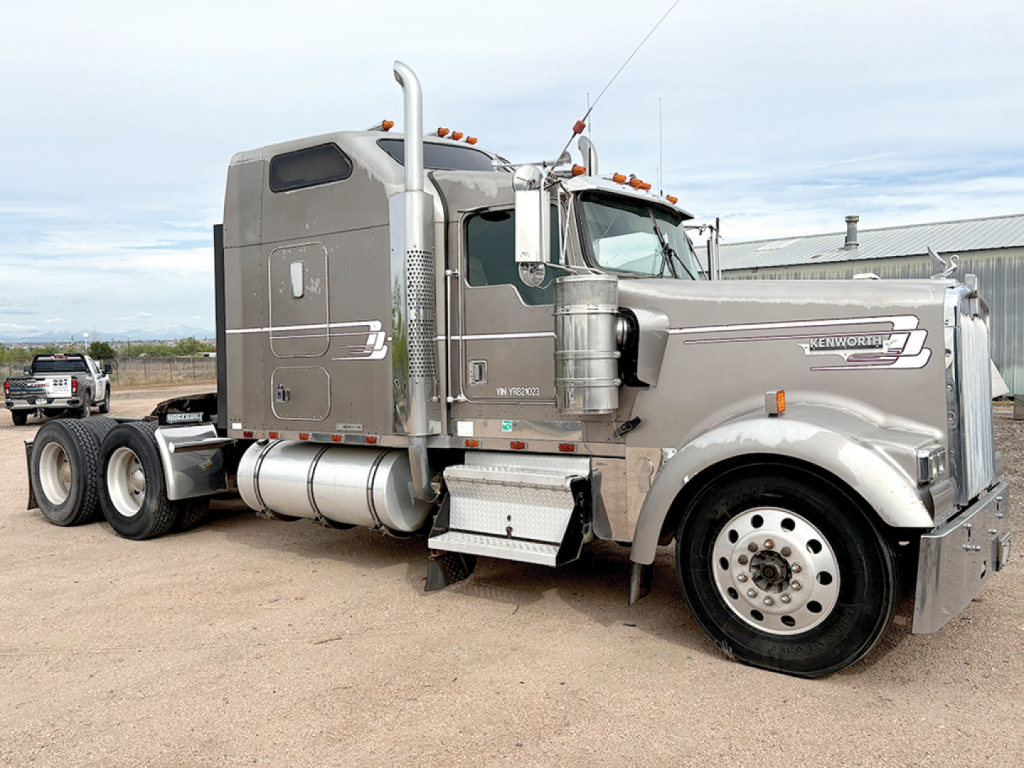
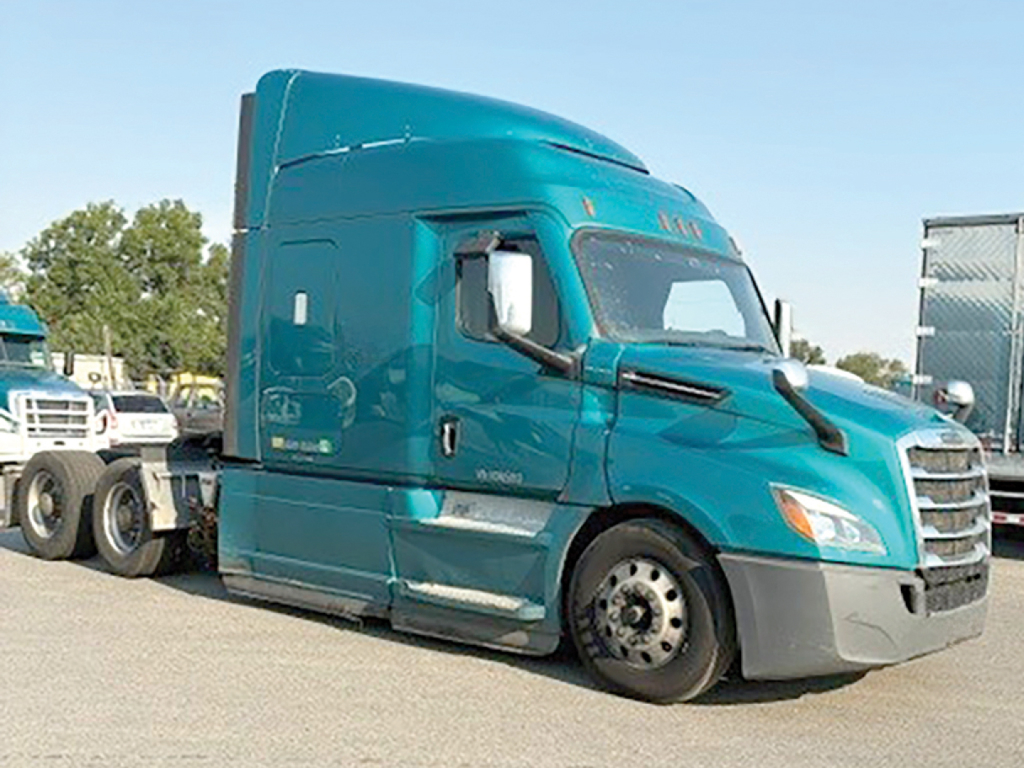
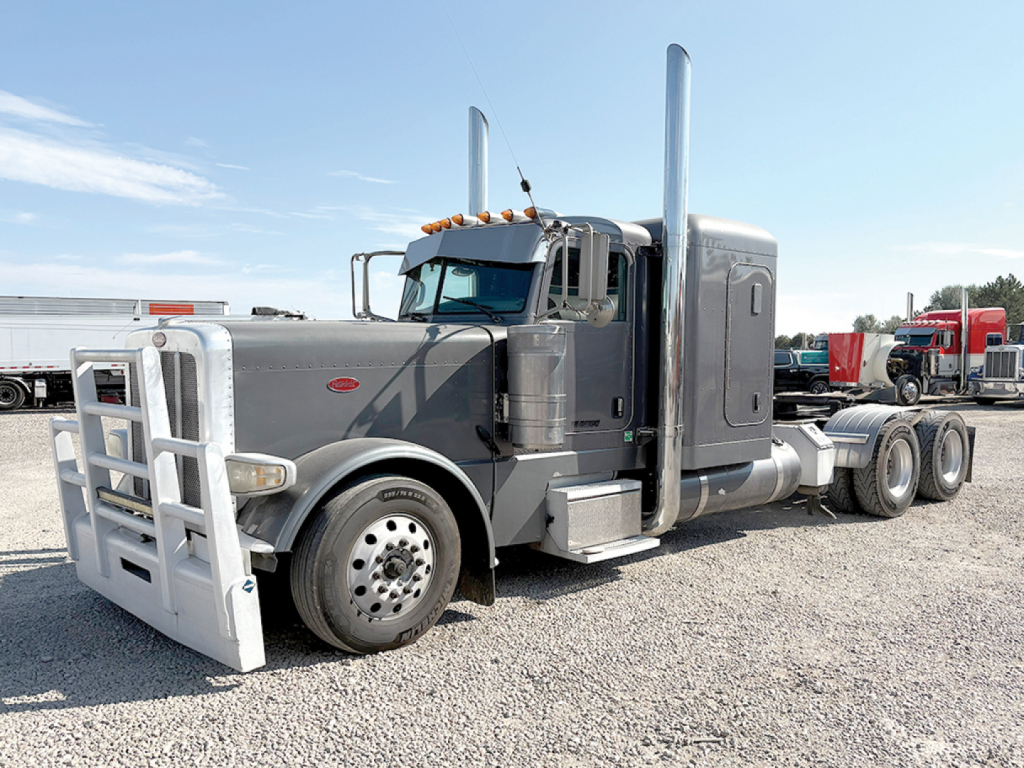
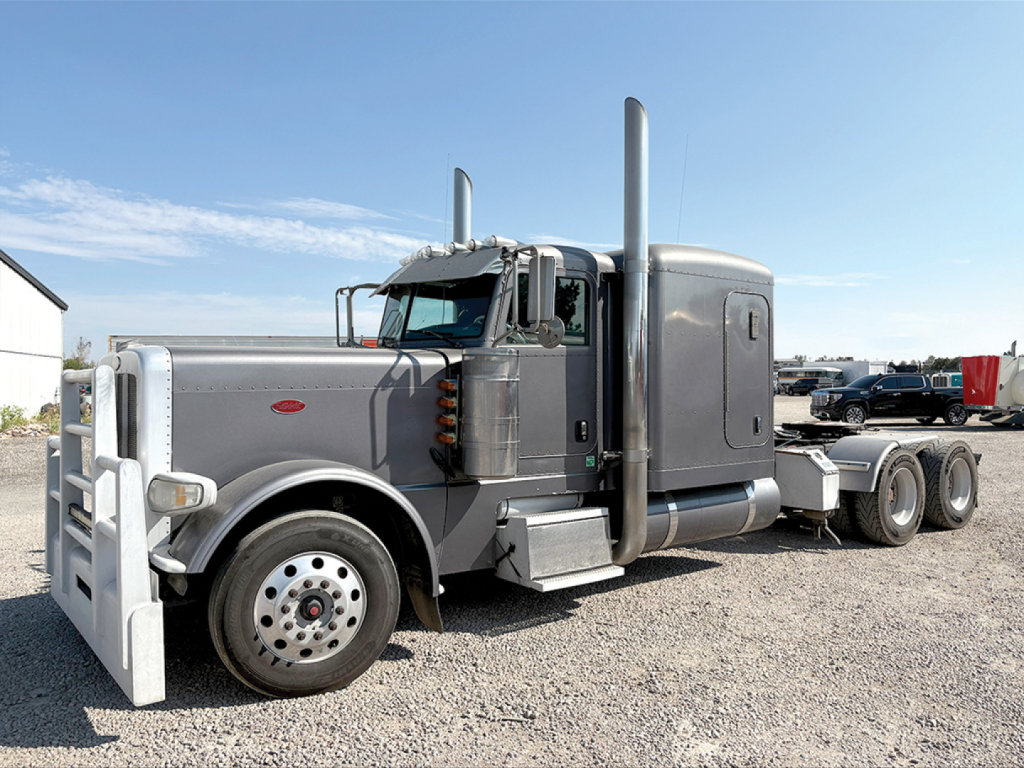
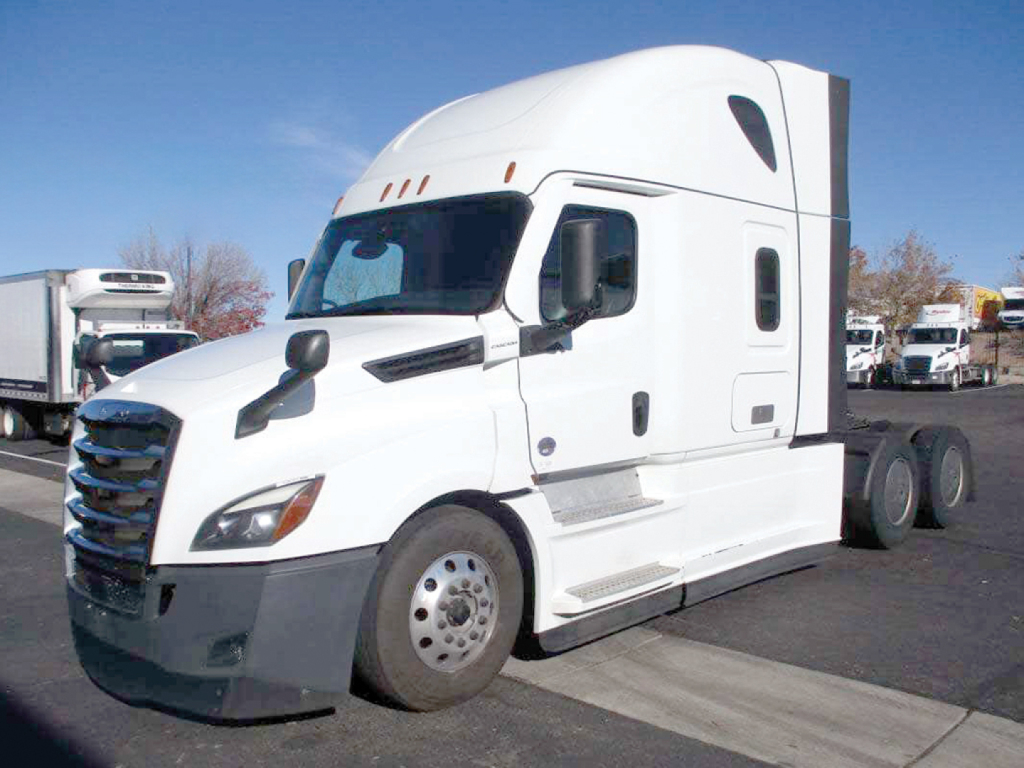
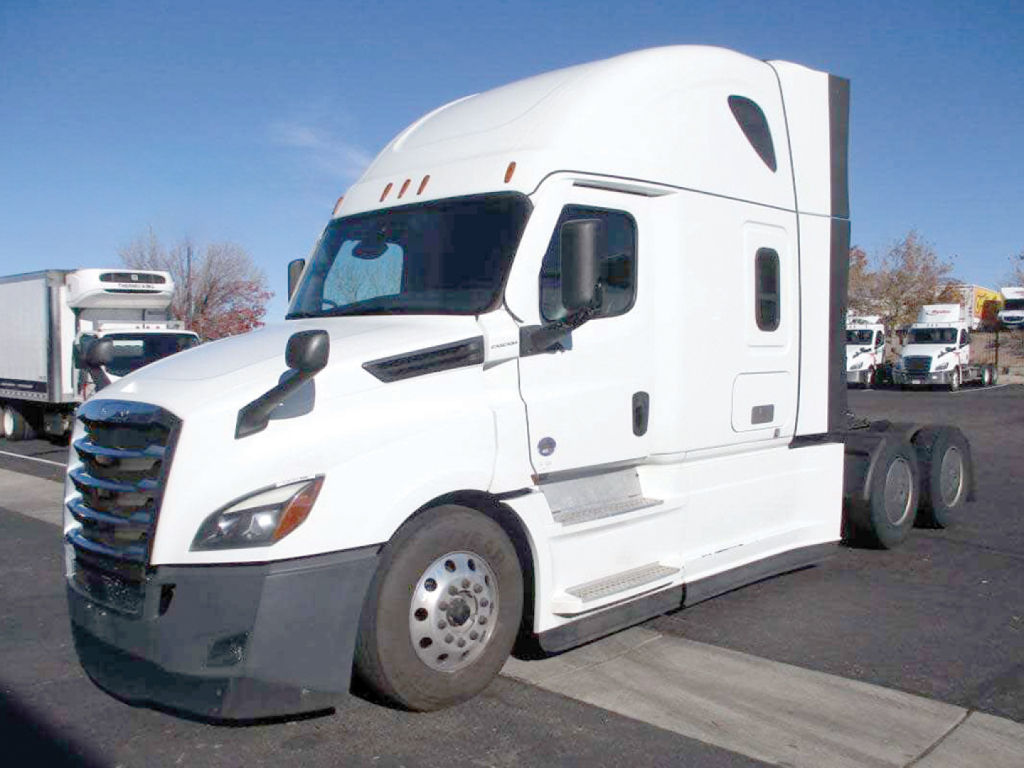
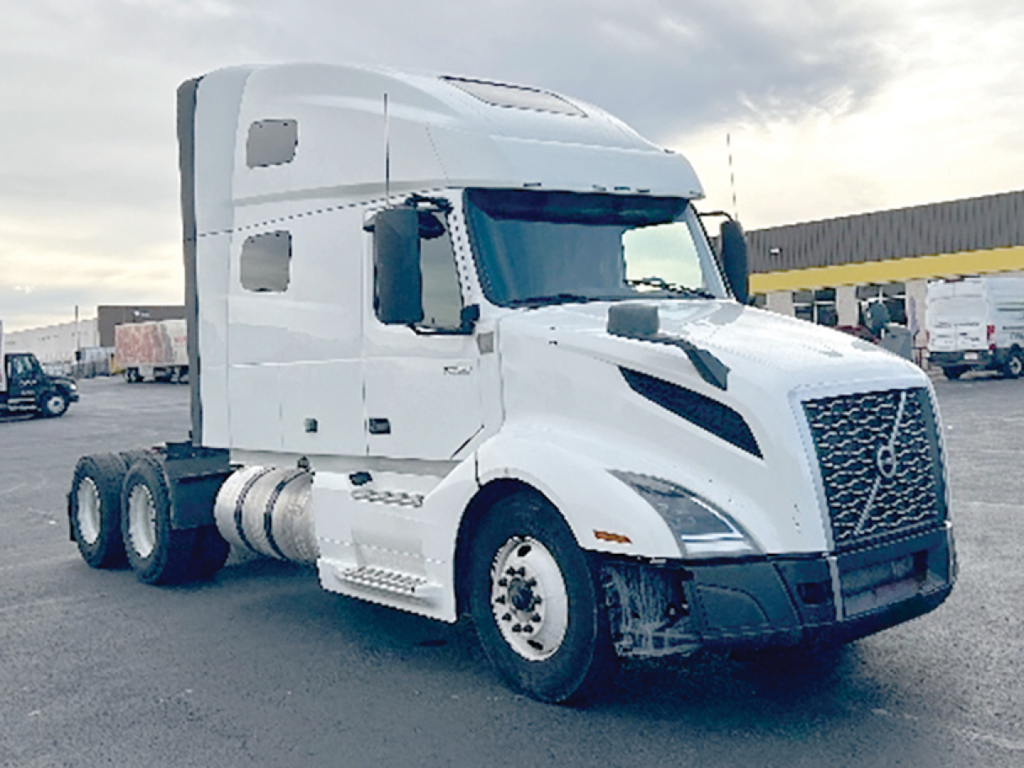
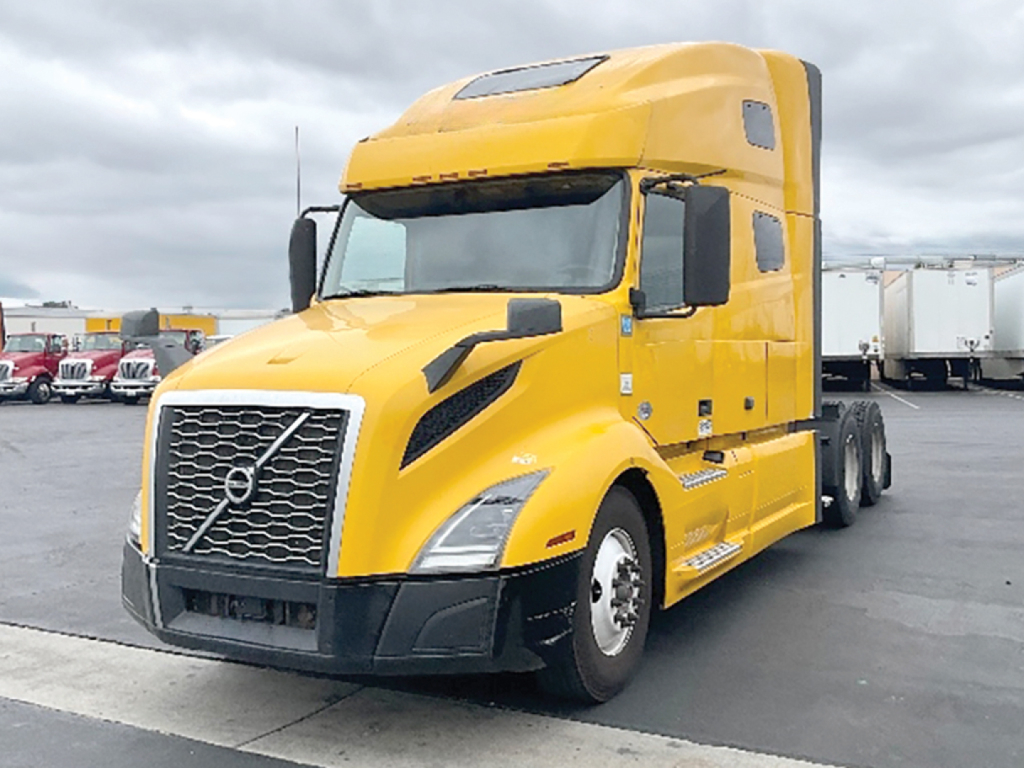
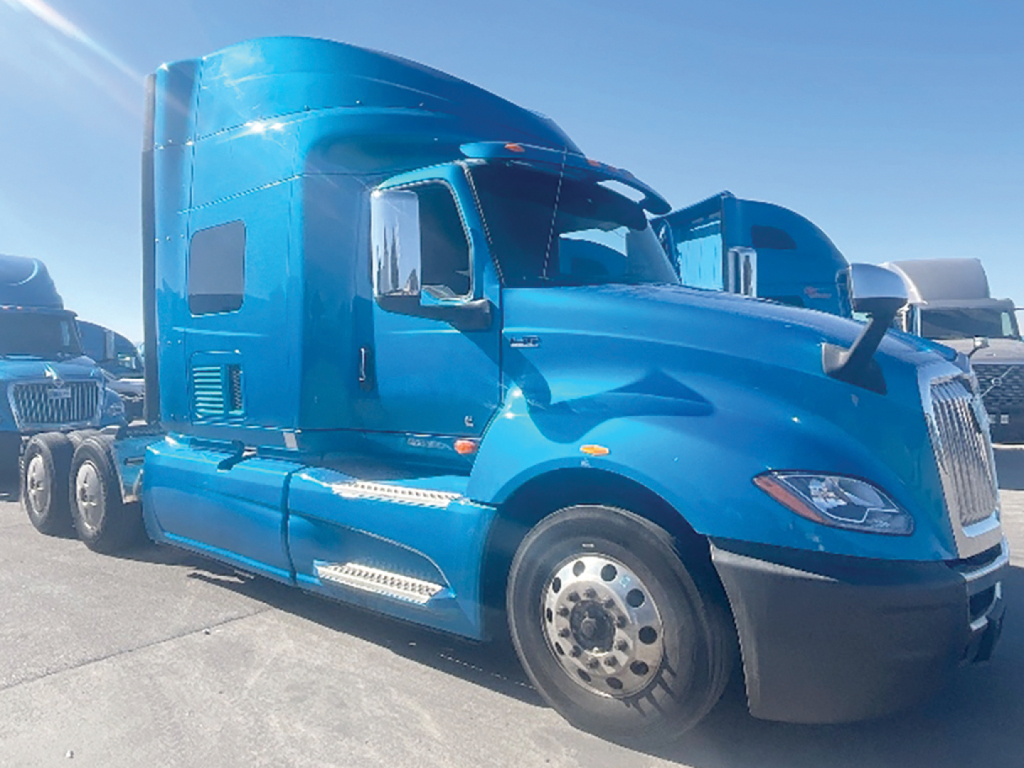
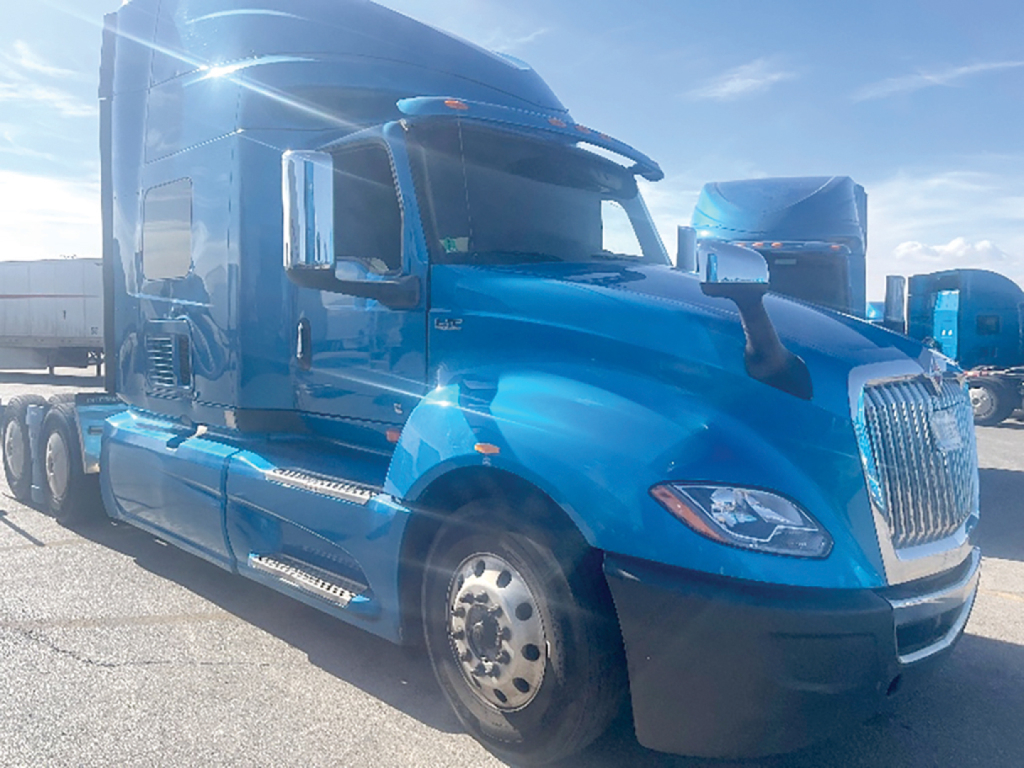
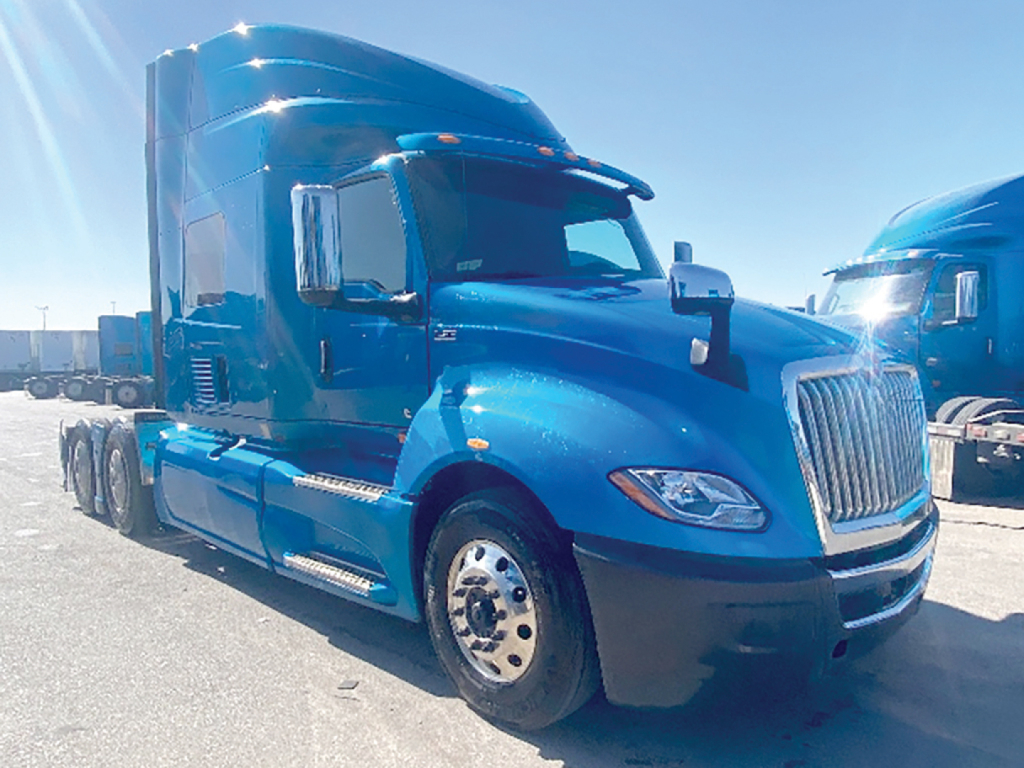
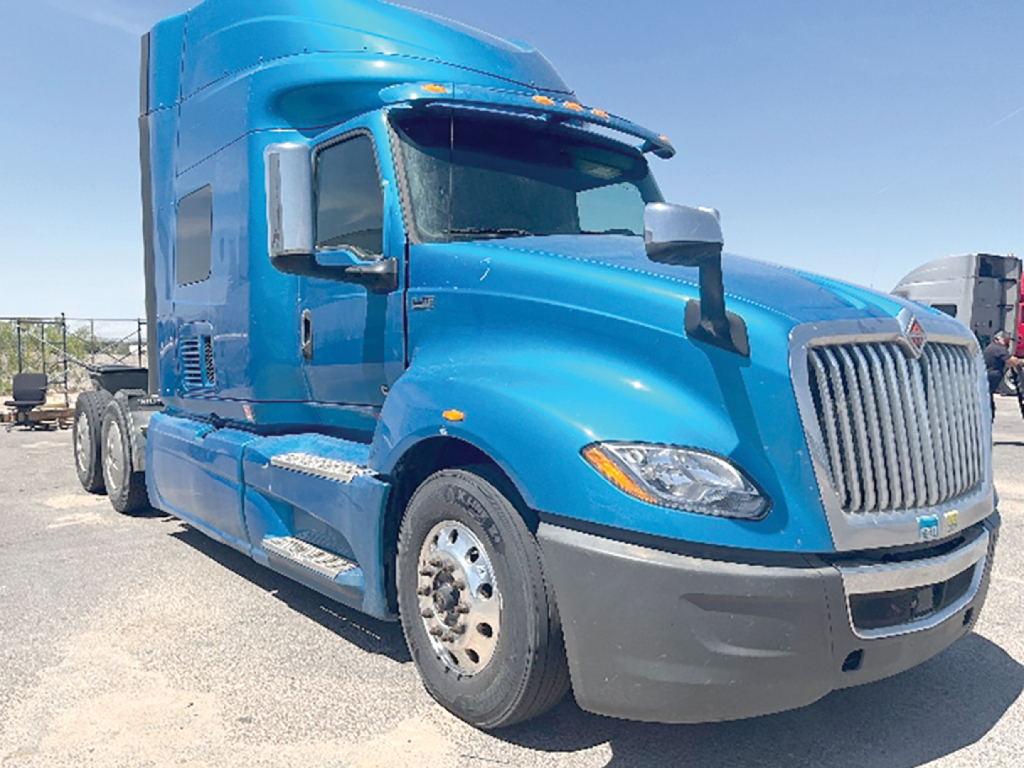
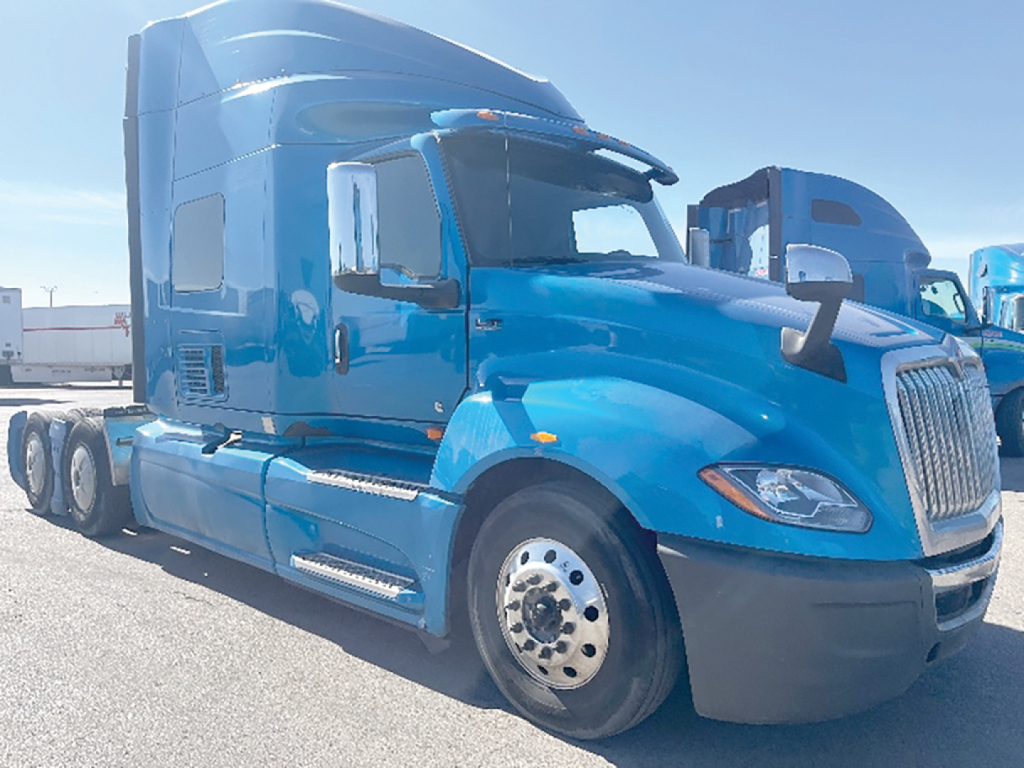
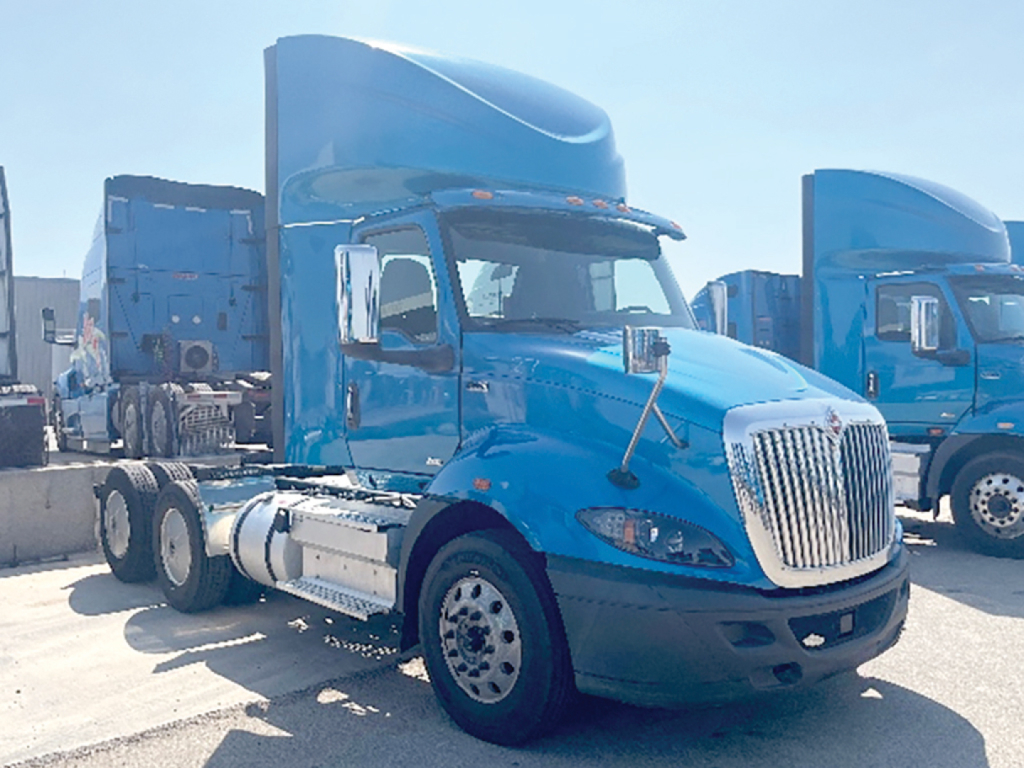
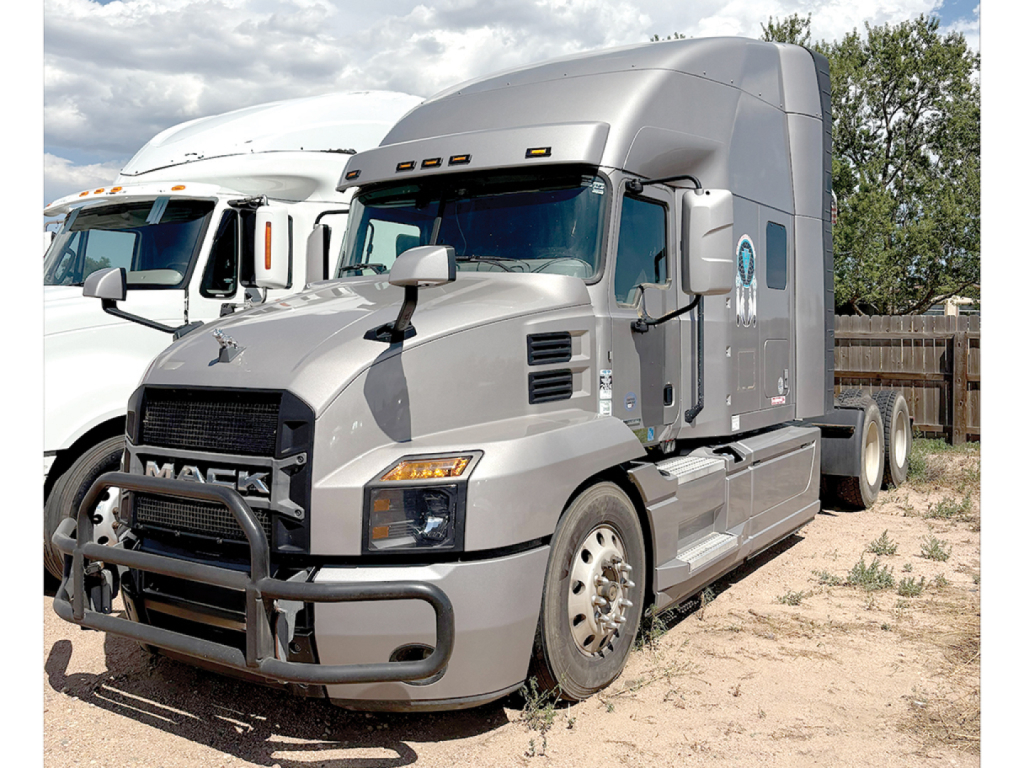
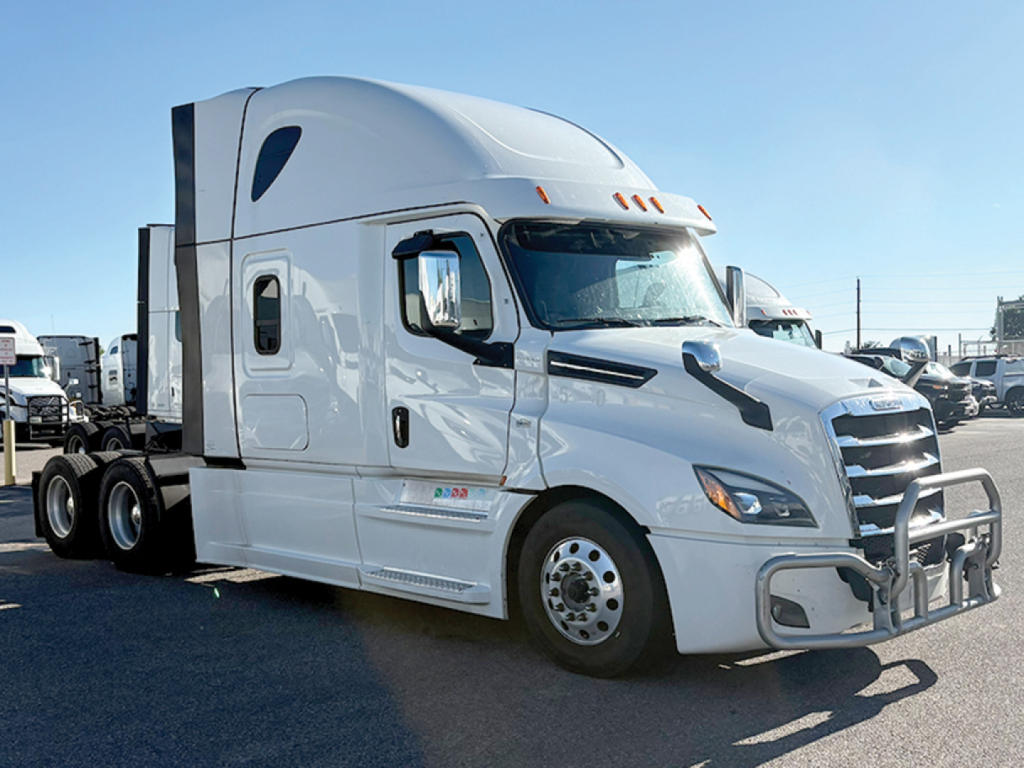
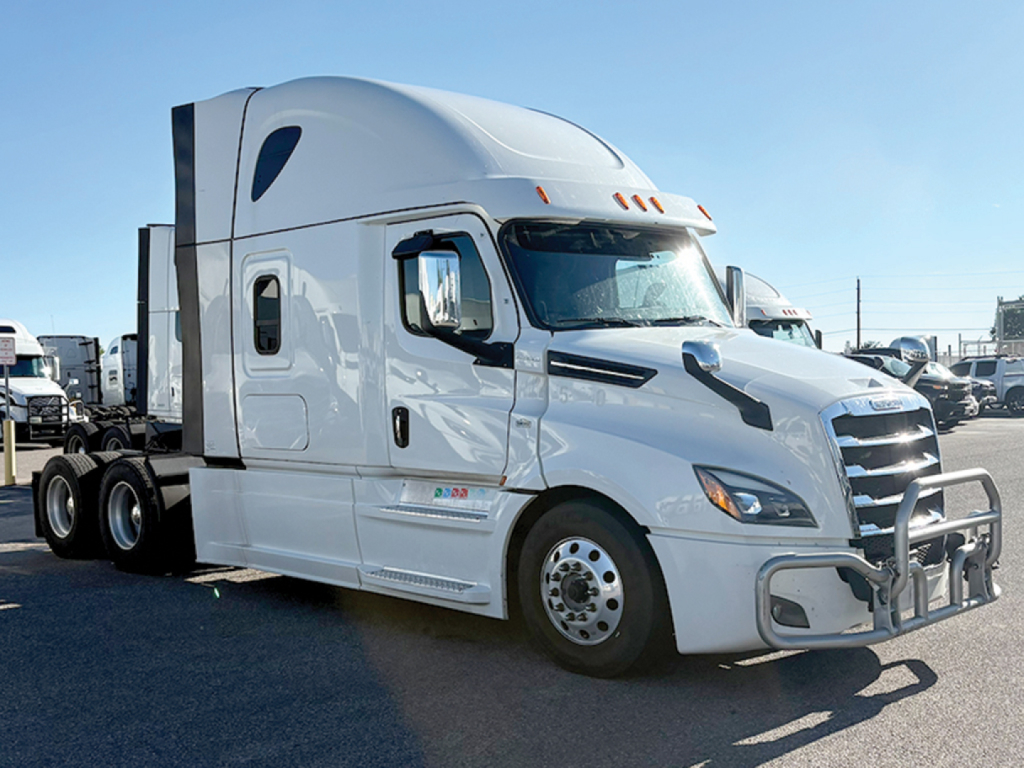
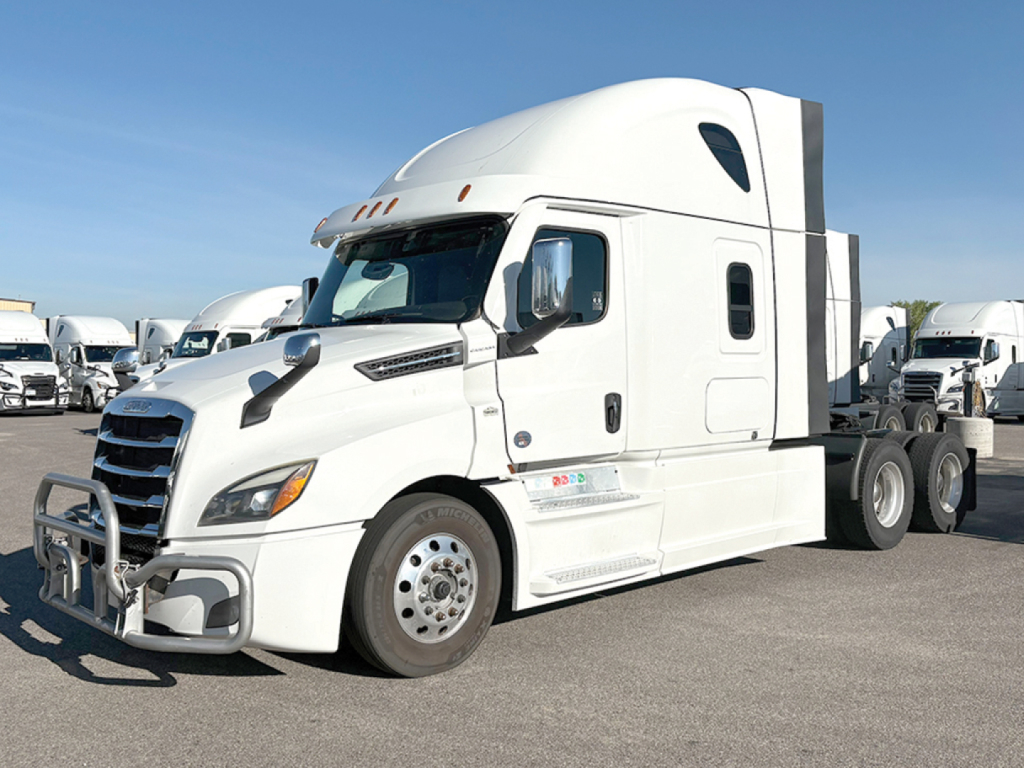
Showing 1 to 24 of 148 results
Have commercial truck to sell? List it here to reach thousands of buyers.
Commercial Trucks in Colorado
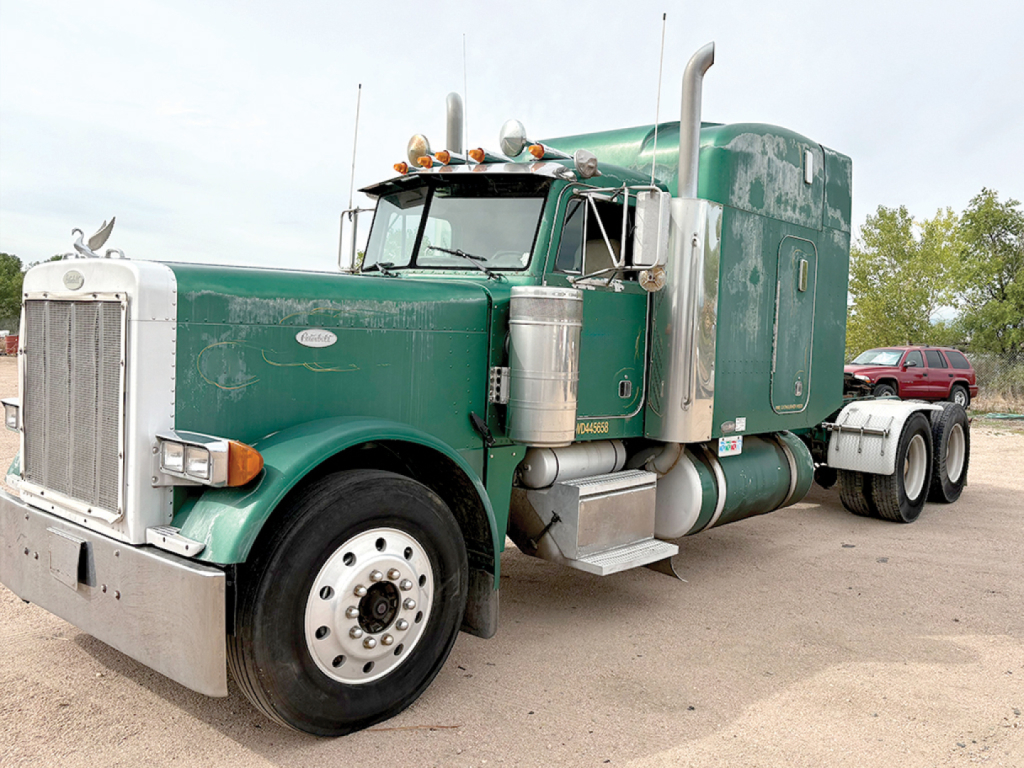
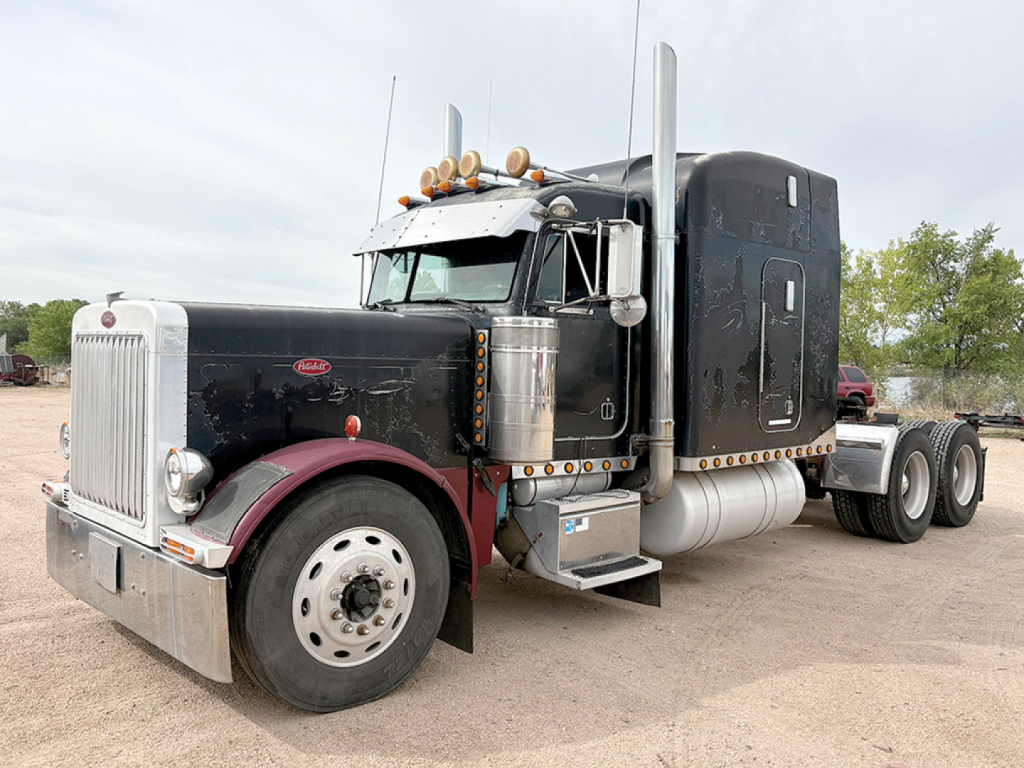
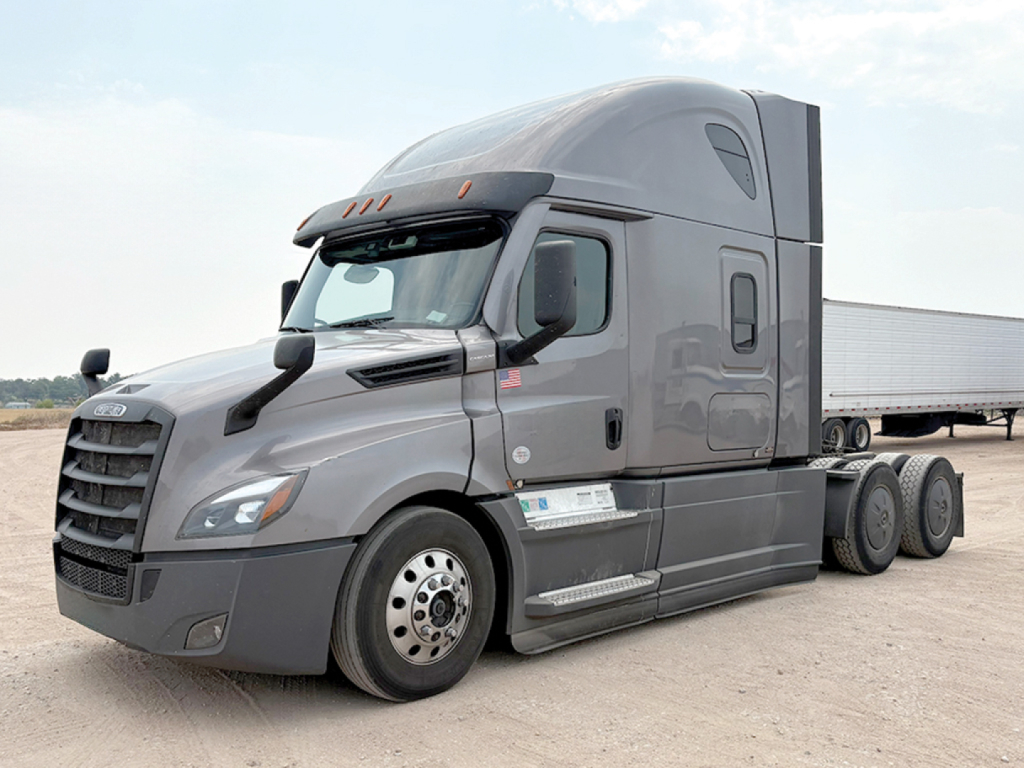
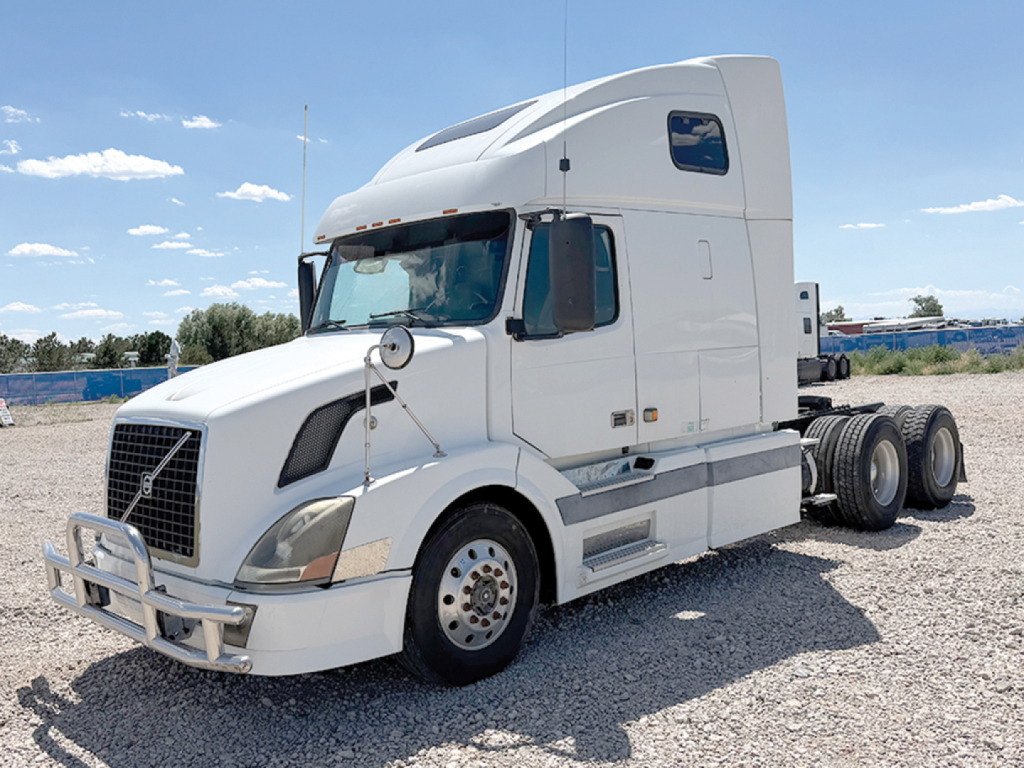
Sleeper trucks, also called sleeper tractors or conventional sleepers, are built for regional and over-the-road freight where driver comfort and fuel range affect uptime. Common spec points include mid-roof or high-roof sleepers, 12-speed automated transmissions, integrated safety systems, and fuel capacity sized for western lanes. Buyers comparing highway trucks should look closely at wheelbase, sleeper length, rear axle ratio, and available driver-assist technology such as lane support, digital mirrors, back-up cameras, and air disc brakes. Interior features like bunk layout, parking heaters, parking coolers, refrigerator space, and premium seating can also matter when the truck is expected to stay out for multiple nights.
Medium-duty and vocational trucks cover a different set of decisions. Box trucks are common in beverage, parcel, moving, and local delivery work, with body lengths often around 24 to 26 feet and options like liftgates, E-track, hardwood floors, and bulkhead reinforcement. Dump trucks and roll-off trucks are more application-specific, with frame strength, PTO setup, hoist compatibility, suspension choice, and axle ratings taking priority over cab amenities. On these trucks, body builder integration, upfit quality, turning radius, and visibility can have a direct effect on jobsite productivity. In Colorado, snow, dirt, and mixed on-road/off-road use also push many buyers toward locking differentials, vocational tires, and durable interior and exterior trim.
A strong truck spec is the one that matches the work cycle, licensing requirement, and maintenance plan. Under-CDL medium-duty trucks can make sense for urban delivery and labor flexibility, while Class 8 and severe-duty units are built for payload, trailer handling, and demanding terrain. Buyers should compare engine families, transmission type, front and rear axle ratings, suspension, brake package, body or sleeper configuration, and warranty coverage as a complete operating package rather than as isolated features. That approach makes it easier to choose a truck that fits Colorado freight lanes, municipal routes, construction duty, or local delivery without sacrificing serviceability or resale value.
Frequently Asked Questions about Commercial Trucks in Colorado
What types of trucks are most commonly available in Colorado?
Colorado buyers commonly shop for sleeper tractors, box trucks, dump trucks, and roll-off trucks. Sleeper tractors are used for regional and long-haul freight, while box trucks handle local delivery, moving, and route work. Dump and roll-off trucks are vocational units used in construction, waste, municipal, and site service applications. The right category depends on payload, route length, terrain, and whether the truck will operate mainly on highways, in town, or on jobsites.
What should I look for in a truck for Colorado mountain and winter driving?
For Colorado operation, focus on torque, engine brake performance, transmission gearing, axle ratio, and braking system. Steep grades and changing weather make traction and stopping power especially important, so features like locking differentials, air disc brakes, quality tires, and stability-focused chassis specs can be valuable. Cooling performance, cold-weather starting, and cab comfort features such as bunk heaters or parking heaters also matter for trucks that run year-round or across elevation changes.
Is an under-CDL box truck a good fit for local business use?
An under-CDL box truck can be a practical choice for delivery, moving, retail distribution, and service-route work because it may widen the driver pool and simplify day-to-day staffing. Buyers still need to confirm actual GVWR, payload, body length, liftgate capacity, and cargo control features such as E-track and floor construction. A truck that stays under CDL thresholds is useful only if it still carries the weight and cube your operation requires without overloading.
What matters most when buying a dump truck or roll-off truck?
For dump and roll-off applications, the most important factors are axle ratings, frame strength, suspension, PTO compatibility, hoist or container system integration, and body builder quality. These trucks are purchased for a specific work cycle, so durability and hydraulic performance generally matter more than cosmetic features. Buyers should also consider wheelbase, turning radius, ground clearance, and how the truck will be loaded, unloaded, and maintained in real operating conditions.
How do I compare sleeper tractors beyond engine horsepower?
Horsepower is only one part of the spec. A sleeper tractor should also be evaluated by torque output, transmission type, rear axle ratio, wheelbase, sleeper size, fuel capacity, and driver-assist and safety systems. For long-haul and regional work, the sleeper layout, bunk configuration, storage, parking climate systems, and overall cab ergonomics can affect driver retention and uptime just as much as the drivetrain.