
Peterbilt Trucks For Sale in Colorado
Browse Peterbilt trucks for sale in Colorado, including 579 and 389 models, with specs on sleepers, engines, wheelbases, and vocational setups.
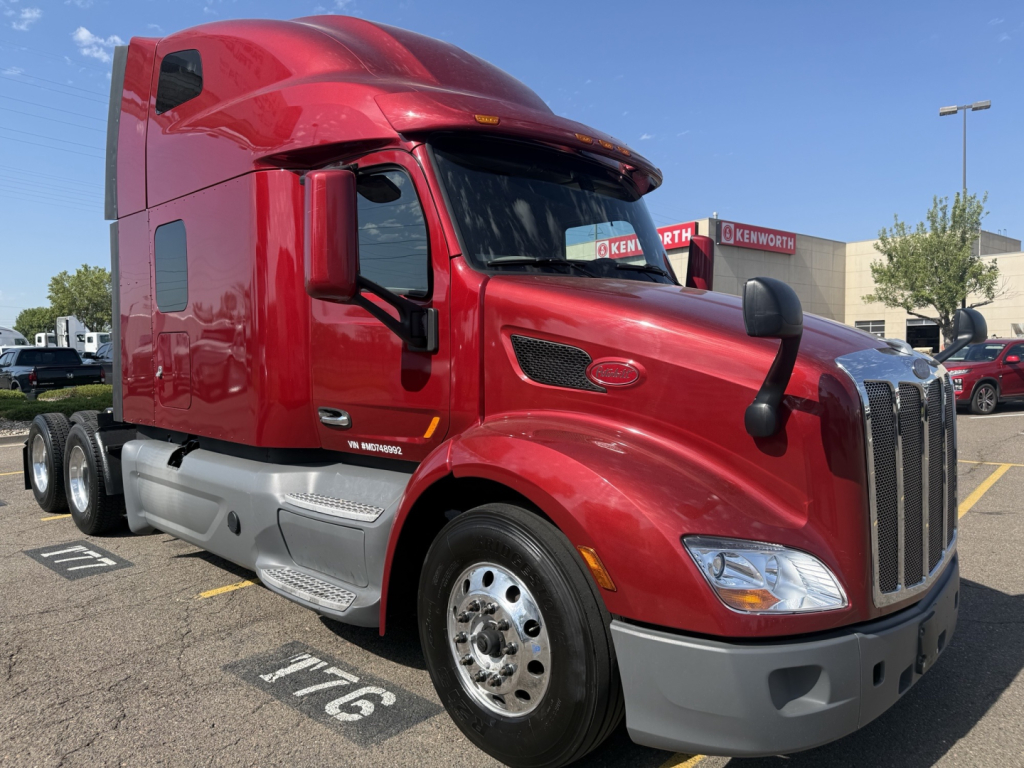
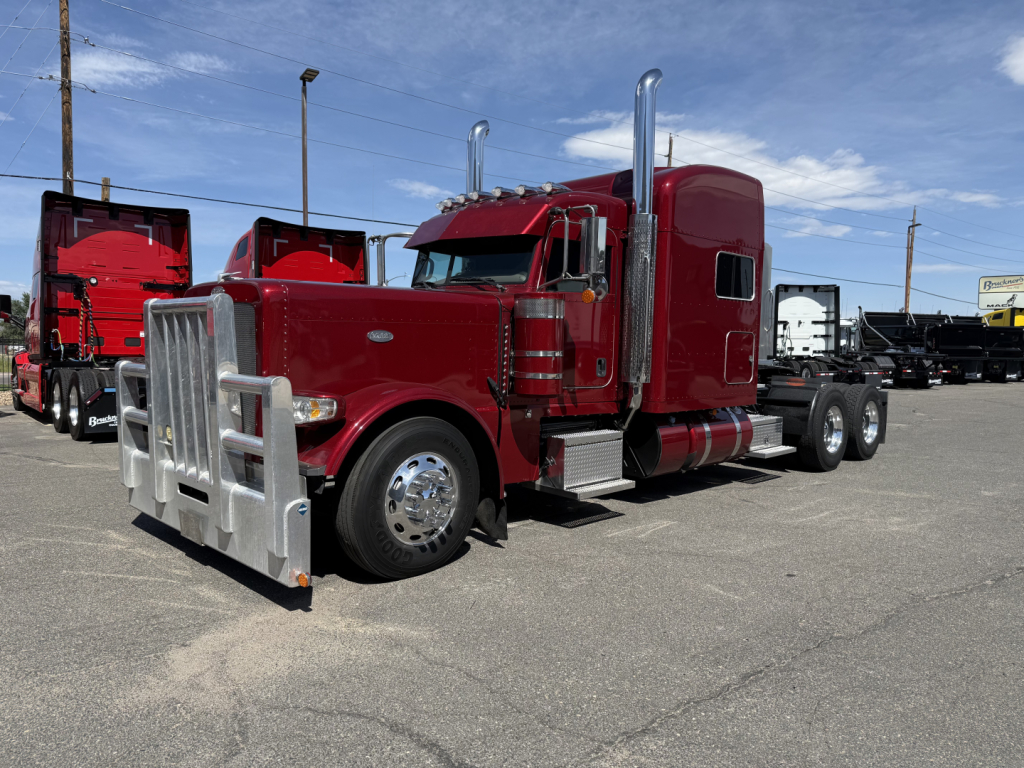
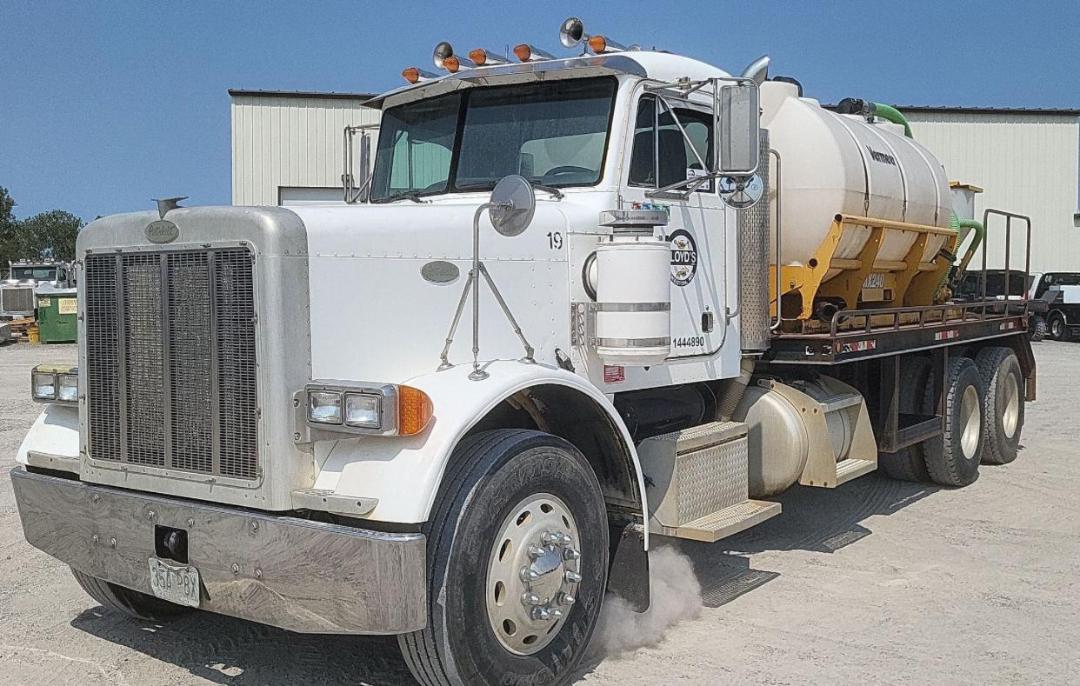
Selling a peterbilt truck? List your peterbilt truck for sale and reach thousands of commercial buyers.
Peterbilt Trucks in Colorado
The biggest buying decision usually starts with application and axle layout. Day cabs are common for regional freight, local delivery, and dedicated lanes where a shorter wheelbase helps maneuverability. Sleeper configurations, including high-roof and UltraLoft-style sleepers, are built for longer runs and driver comfort, with features such as upper bunks, bunk heaters, refrigerators, and larger storage packages. In Colorado, buyers often pay close attention to horsepower, rear axle ratio, and engine brake performance because mountain grades reward a well-matched spec. Cummins X15 power is common in newer highway trucks, typically in the 450 to 500 horsepower range, while older Peterbilts may carry Caterpillar engines paired with 10, 13, or 18-speed manual transmissions. Automated manuals are common on newer 579s for fleet efficiency and driver availability.
Chassis and suspension specs matter just as much as the cab badge. Many Peterbilt highway tractors are built with 40,000-pound tandem rears, air ride suspension, sliding fifth wheels, and wheelbases tailored to sleeper length or trailer type. Buyers comparing units should look closely at rear ratio, front axle rating, suspension type, brake spec, and tire size, especially if the truck will spend time on I-70 grades, energy-sector roads, or mixed on-highway and jobsite routes. Day cab tractors in Colorado often appear with shorter wheelbases and fleet-oriented gearing, while vocational or specialty setups may include tri-axle layouts, lift axles, PTO provisions, wet kits, or flatbed bodies. Peterbilt also has a strong following in vocational service because the platform adapts well to dump, equipment hauling, oilfield support, and municipal work.
Cab condition, interior trim, and corrosion exposure can vary widely by age and prior service, so it helps to evaluate a Peterbilt by use case instead of model year alone. A well-spec'd older 379 may still be a strong fit for flatbed or heavy regional work, while a newer 579 may deliver better fuel economy, driver comfort, and easier fleet standardization. Buyers in Colorado also tend to value engine brakes, fairings, disc brakes, aluminum wheels, and premium interior packages because those features affect mountain drivability, maintenance, and resale. The Peterbilt name carries weight for a reason, but the right truck still comes down to matching engine, transmission, axle ratings, sleeper size, and wheelbase to the freight you plan to move.
Frequently Asked Questions about Peterbilt Trucks in Colorado
What are the most common Peterbilt truck models buyers look for in Colorado?
The most common Peterbilt models in Colorado are usually the 579, 389, and older 379. The 579 is widely used for over-the-road and regional freight because of its aerodynamic design, modern cab, and compatibility with automated manual transmissions. The 389 is popular with owner-operators and premium-spec buyers who want a long-hood conventional with strong visual appeal and flexible driveline options. The 379 remains desirable on the used market for its classic design, straightforward serviceability, and continued use in flatbed, heavy-haul, and specialty applications.
Is a Peterbilt 579 or 389 better for long-haul trucking?
Both can work well for long-haul service, but they serve different priorities. A Peterbilt 579 is generally the better choice for fuel economy, fleet standardization, and modern driver-assist and interior comfort features. A Peterbilt 389 is typically chosen for premium owner-operator service, higher custom-spec flexibility, and traditional long-hood styling. Buyers should compare sleeper size, wheelbase, horsepower, transmission type, and rear axle ratio to see which truck fits the lane, trailer, and operating cost target.
What engine and transmission specs are common in used Peterbilt trucks?
Late-model used Peterbilt highway trucks commonly feature the Cummins X15 in the 450 to 500 horsepower range. Older models may be equipped with Caterpillar engines such as the 3406E or C12. Transmission choices often include Eaton or Fuller manual gearboxes in 10, 13, or 18-speed configurations, along with automated manuals in newer fleet tractors. The right combination depends on terrain, load weight, and driver preference, especially in Colorado where mountain grades make horsepower, engine brake strength, and rear axle ratio more important than they may be in flatter regions.
What should buyers check on a used Peterbilt truck before purchase?
Buyers should inspect engine history, transmission condition, suspension wear, brake type, axle ratings, and wheelbase first, then confirm the truck matches the intended application. On sleeper units, check the bunk HVAC, seals, cabinets, and electrical accessories. On day cabs and vocational trucks, look closely at PTO setup, frame condition, hitch or fifth-wheel wear, and any lift axle or body installation details. Service records, ECM data, tire condition, and signs of rust or frame repairs are especially important on trucks that have worked in severe weather or heavy vocational service.
Why do older Peterbilt 379 trucks still have strong demand?
Older Peterbilt 379 trucks remain in demand because they are known for durability, classic styling, and a chassis that lends itself to rebuilds, repowers, and specialized applications. Many buyers like the long-hood layout, traditional interior, and availability of aftermarket parts and cosmetic upgrades. A properly maintained 379 can still be a practical working truck for flatbed, heavy regional hauling, and owner-operator use, particularly for buyers who prefer a manual transmission and older mechanical simplicity over newer emissions-era complexity.