
Peterbilt Conventional Daycab Trucks For Sale in Colorado
Browse Peterbilt conventional daycab trucks for sale in Colorado. Compare specs, wheelbases, engines, axles, and vocational configurations.
Learn more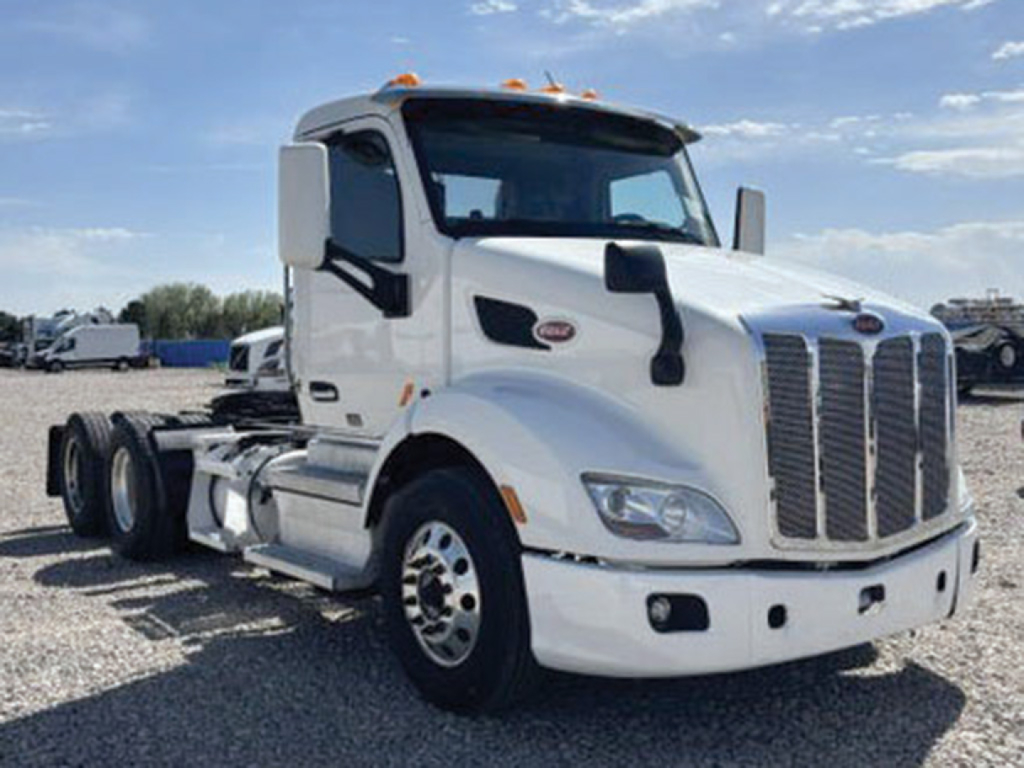
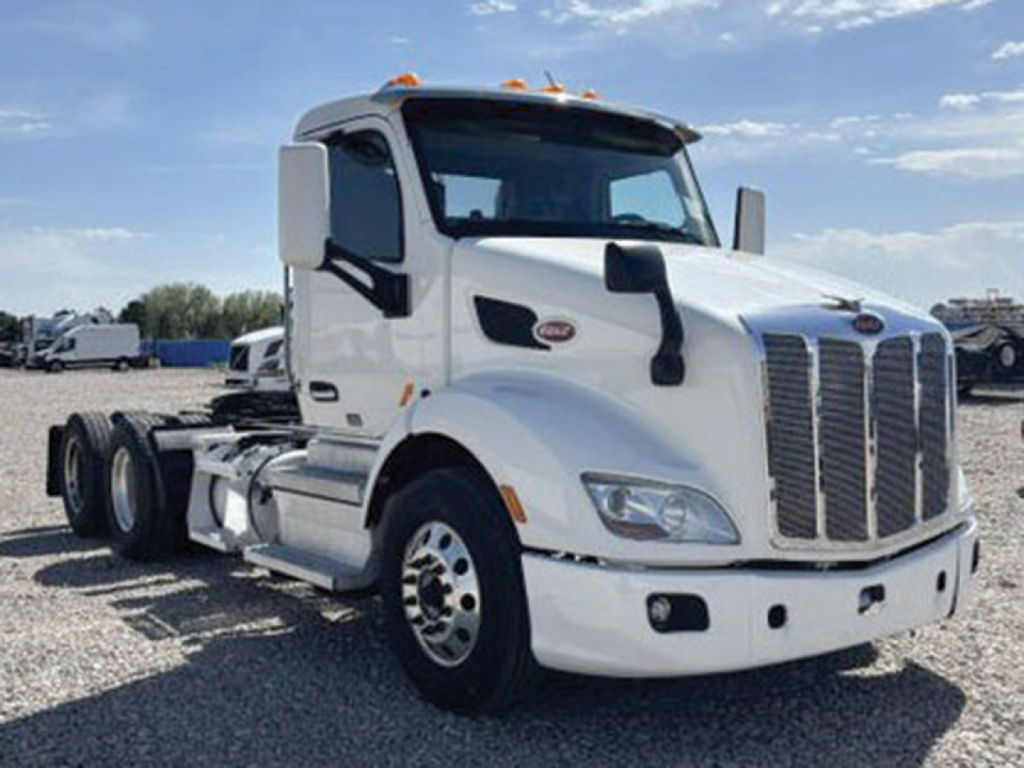
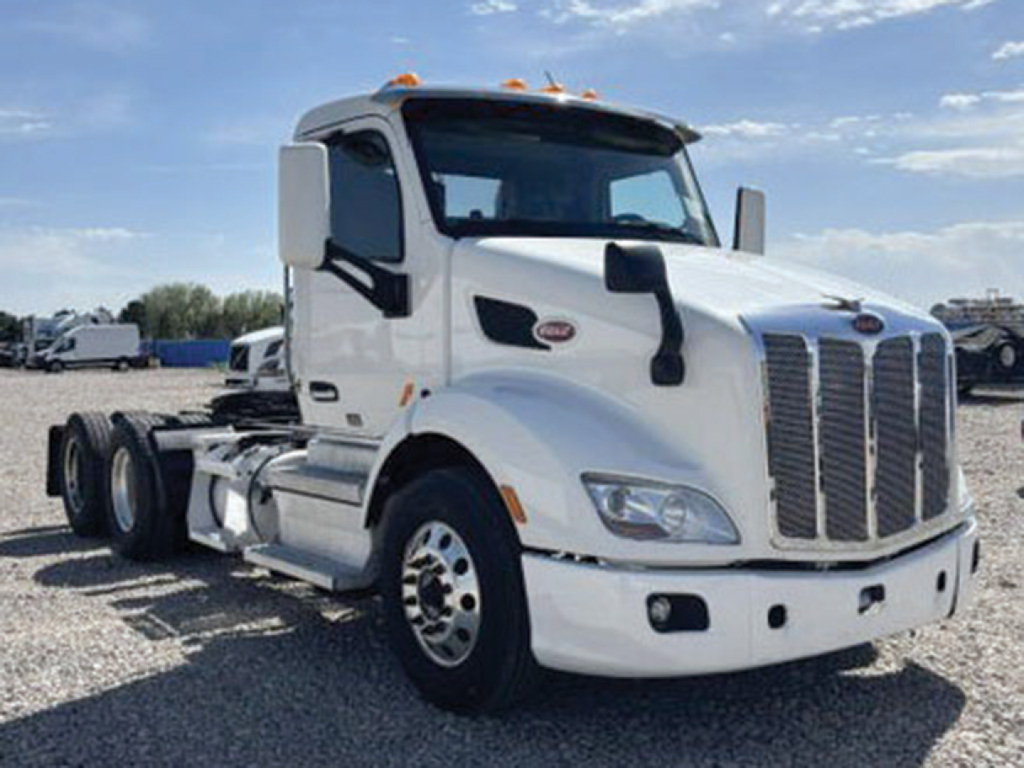
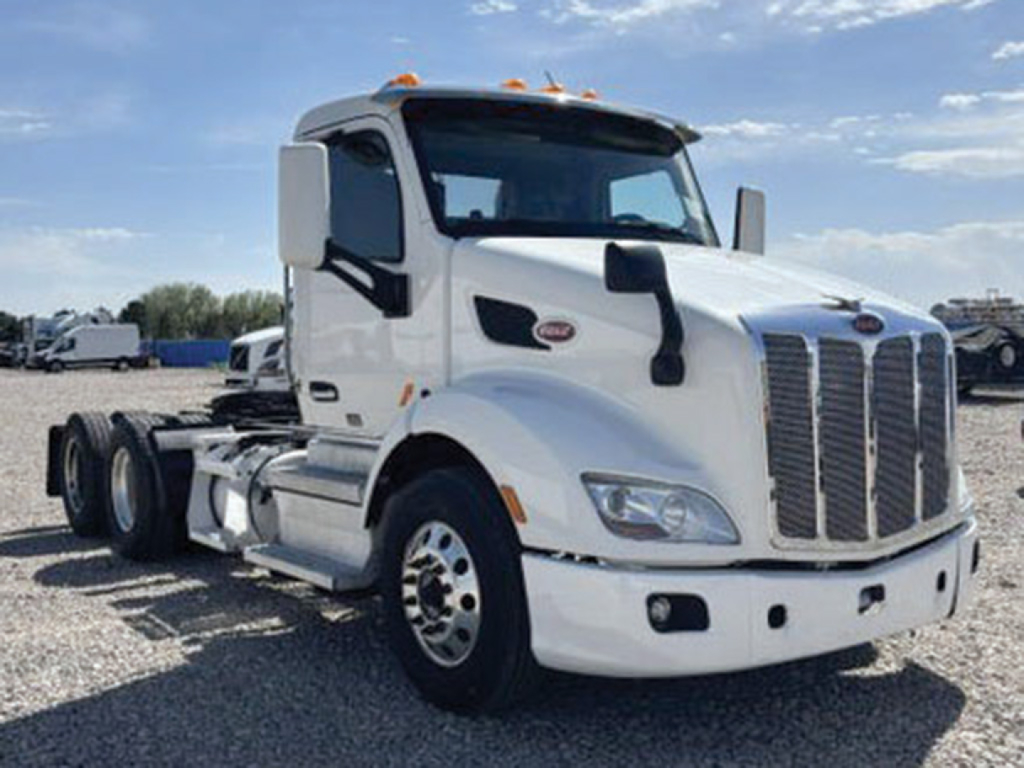
Have peterbilt conventional daycab truck to sell? List it here to reach thousands of buyers.
About Peterbilt Conventional Daycab Trucks in Colorado
The key buying decision is matching the chassis to the job. Common specs in this category include tandem axle and tri-axle setups, wheelbases ranging from shorter regional configurations to stretched vocational or heavy-haul layouts, and rear axle ratings from around 40,000 to 46,000 pounds or more depending on suspension and axle arrangement. Many Peterbilt conventional daycab trucks are spec'd with Cummins or Caterpillar diesel engines in the 400 to 500 horsepower range, paired with manual transmissions such as 10-speed or 13-speed boxes. Ratios in the low 3s to mid 3s are common and can make a big difference in startability, grade performance, and cruise RPM, especially in Colorado where elevation and mountain routes put more demand on the driveline.
Buyers should pay close attention to application-driven details like PTO provisions, hydraulic wetline kits, air slide fifth wheels, pusher axles, and suspension type. A wet kit and PTO can make a daycab immediately useful for dump, belt trailer, or lowboy work. Air ride suspension is common for freight applications, while axle configuration and wheelbase matter more for bridge laws, turning radius, and trailer compatibility. Tire size, low-profile rubber, and aluminum versus steel wheel choices also affect ride height, service costs, and operating weight. Peterbilt models in this class are often spec'd with practical driver features such as engine brakes, tilt and telescoping steering, cruise control, air conditioning, and dual fuel tanks, all of which matter when the truck is running hard every day.
Condition matters more than age alone on a used Peterbilt daycab. Service history, engine family, transmission model, rear ratio, fifth wheel setup, and evidence of prior vocational use all deserve a close look. A truck that spent its life on regional van freight will wear differently than one that pulled heavy equipment or ran PTO-driven hydraulics. For Colorado buyers, cooling system condition, brake performance on grades, and powertrain spec for high-altitude operation should be part of the evaluation. A well-matched Peterbilt conventional daycab can be a versatile revenue truck, but the right choice comes down to axle capacity, gearing, wheelbase, and the equipment already installed on the chassis.
Frequently Asked Questions
What is a Peterbilt conventional daycab truck best used for?
A Peterbilt conventional daycab truck is best suited for local and regional hauling where a sleeper is not necessary. Common uses include dry van, flatbed, tanker, dump, equipment transport, and other vocational work that benefits from a shorter overall length and lower curb weight than a sleeper tractor. Many buyers also choose a daycab for dedicated routes, yard-to-yard freight, and applications where PTO or wetline equipment is needed.
What specs matter most when buying a used Peterbilt daycab in Colorado?
The most important specs are engine, horsepower, transmission, rear axle ratio, axle rating, suspension type, and wheelbase. In Colorado, powertrain selection matters more because elevation and mountain grades can expose an underpowered or poorly geared truck. Buyers should also check for engine brake performance, cooling system condition, tire and brake wear, and whether the truck has the right chassis equipment such as a sliding fifth wheel, PTO, or hydraulic wet kit for the intended application.
Are Peterbilt daycabs available in heavy-haul or vocational configurations?
Yes. Many Peterbilt conventional daycab trucks are configured for vocational and heavy-haul work with features such as higher rear axle ratings, pusher axles, double frame sections, PTO capability, wetline kits, and longer wheelbases. Some are set up for general highway freight, while others are built specifically for dump trailers, lowboys, or other specialized trailer types. The axle layout and frame spec usually tell you more about intended use than the cab style alone.
What is the advantage of a daycab over a sleeper tractor?
A daycab typically weighs less, has a shorter wheelbase for the same chassis layout, and is easier to maneuver in tight job sites, terminals, and city environments. It can also reduce acquisition cost and remove the unused space of a sleeper when the truck stays on day routes. For fleets and owner-operators focused on regional or vocational work, that can translate into better payload efficiency and a truck that is easier to match to local operations.
Which engines and transmissions are common in Peterbilt conventional daycab trucks?
Used Peterbilt daycabs commonly appear with Cummins and Caterpillar diesel engines, often in the 400 to 500 horsepower range depending on model year and application. Manual transmissions such as 10-speed and 13-speed units are common, especially in older vocational and heavy-spec trucks. The right combination depends on the load, terrain, and trailer type, so buyers should look at the complete driveline package rather than horsepower alone.