
2019 Peterbilt Conventional Daycab Trucks For Sale in Colorado
Shop 2019 Peterbilt conventional daycab trucks for sale in Colorado. Compare 579 specs, MX-13 power, wheelbase, axle ratings, and fleet features.
Learn more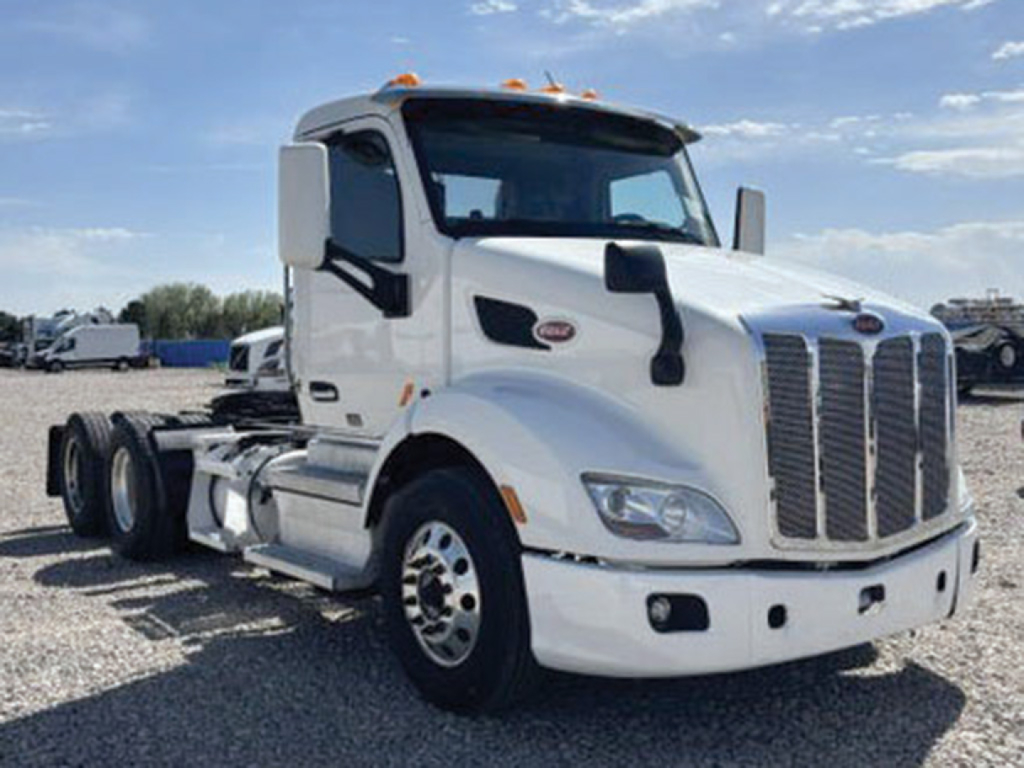
Have 2019 peterbilt conventional daycab truck to sell? List it here to reach thousands of buyers.
About 2019 Peterbilt Conventional Daycab Trucks in Colorado
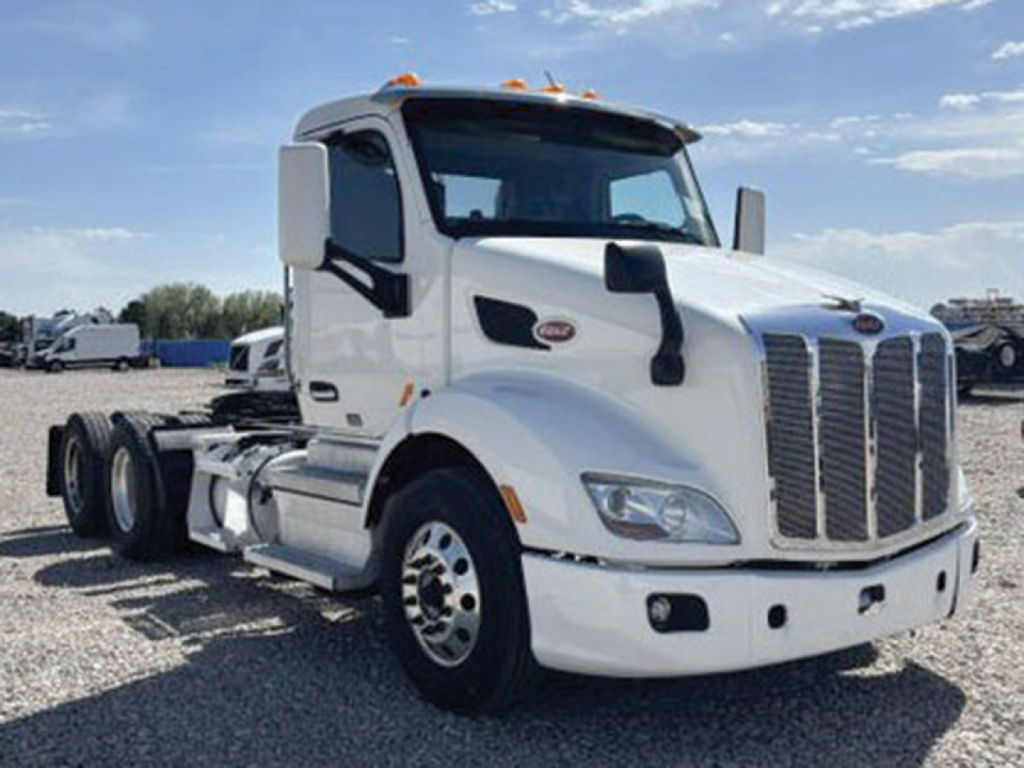
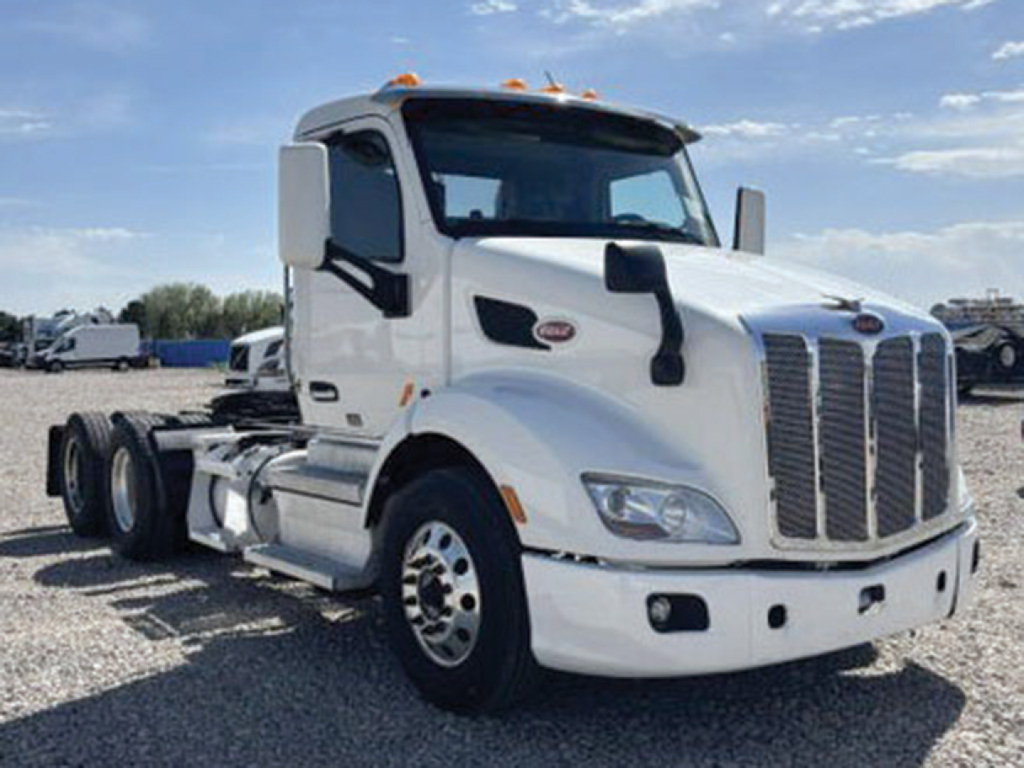
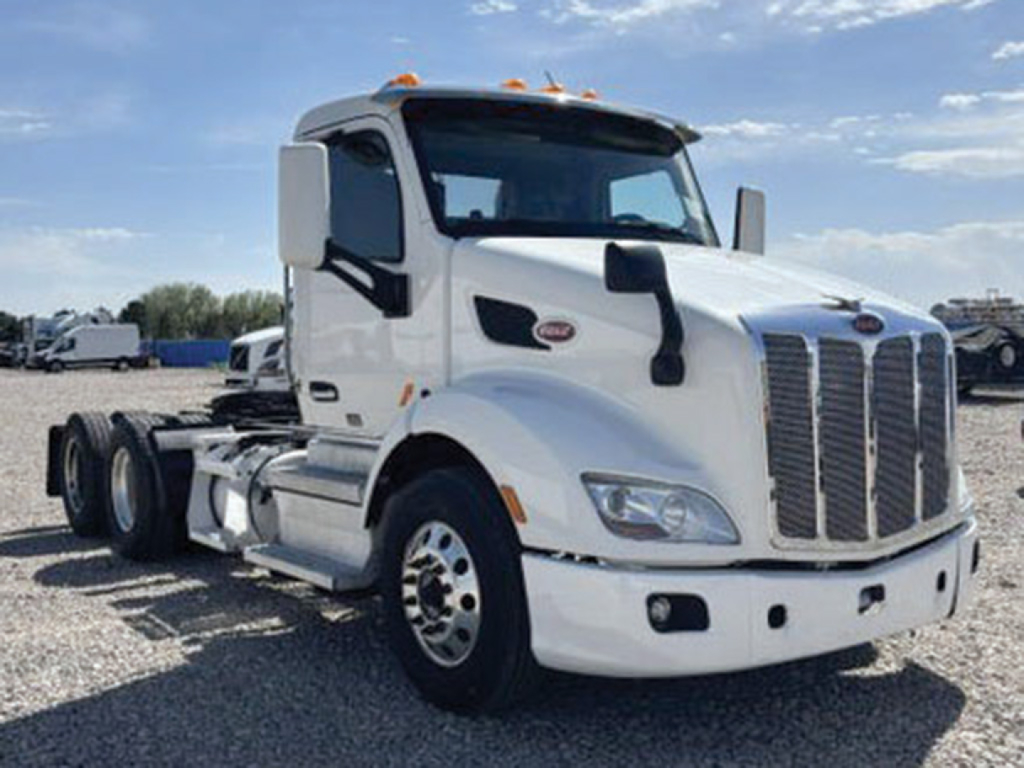
Typical 2019 Peterbilt daycab specs include the PACCAR MX-13 in the 455 HP range, an engine brake, automated transmission, air ride suspension, and tandem rear axles rated around 40,000 pounds. A ratio such as 3.36 points to fuel-conscious linehaul or regional work rather than severe low-speed pulling. Wheelbase matters more than many buyers expect. A wheelbase around 189 inches can support good bridge compliance and trailer tracking while still keeping the truck practical around docks. Air slide fifth wheels are common and useful for fleets that switch trailer lengths or need to fine-tune kingpin setting and axle balance.
Cab and chassis details on a 2019 Peterbilt conventional daycab can make a real difference in operating cost and driver acceptance. Disc brakes, 22.5 low profile tires, aluminum wheels, dual aluminum fuel tanks, and horizontal exhaust are all features seen on well-optioned highway daycabs. Driver-oriented items such as tilt and telescoping steering, cruise control, power windows, air conditioning, and collision mitigation systems matter on regional routes where the truck is in and out of traffic all day. If the truck is expected to pull a variety of trailers or handle occasional equipment moves, details like a pintle hook, quarter fenders, and rear suspension condition deserve a close look.
For a used 2019 Peterbilt daycab, the smartest comparison points are engine hours versus miles, transmission service history, DPF and aftertreatment condition, brake wear, tire match, and any fault history tied to safety systems. Peterbilt daycabs from this period are generally sought after because they balance driver comfort, aerodynamic efficiency, and fleet-friendly serviceability. A buyer comparing multiple 2019 Peterbilt conventional daycab trucks should pay close attention to how each truck was originally spec'd, because two similar-looking 579 daycabs can perform very differently depending on horsepower, rear ratio, suspension, wheelbase, and intended application.
Frequently Asked Questions
What is a 2019 Peterbilt conventional daycab best suited for?
A 2019 Peterbilt conventional daycab is best suited for regional hauling, local freight, port and rail work, dedicated route service, and any operation where the driver returns home daily. The daycab layout removes sleeper weight and length, which can improve maneuverability and payload flexibility. On highway-oriented models like the Peterbilt 579, buyers typically use them for dry van, reefer, flatbed, tanker, and dedicated fleet lanes rather than long-haul over-the-road service.
What engine and drivetrain specs are common on a 2019 Peterbilt daycab?
Common specs include the PACCAR MX-13 engine, often around 455 horsepower, paired with an automated transmission, engine brake, tandem rear axles, and air ride suspension. Many highway daycab specs also use rear axle ratios in the low-to-mid 3s, such as 3.36, to balance fuel economy with acceptable launch performance. Exact drivetrain suitability depends on gross combination weight, terrain, trailer type, and how much stop-and-go work the truck will do.
Is a Peterbilt 579 daycab a good choice for Colorado operations?
Yes, a Peterbilt 579 daycab can be a strong fit for Colorado operations if the spec matches the route. Buyers running along the Front Range or on regional interstate lanes often want a higher-output engine, strong engine brake performance, and a drivetrain that can handle elevation changes without sacrificing too much fuel economy. Brake configuration, cooling system condition, tire spec, and aftertreatment health are especially important in mountain and mixed-grade service.
What should I inspect first on a used 2019 Peterbilt conventional daycab?
Start with maintenance records, engine hours, mileage, and fault history. Then inspect the aftertreatment system, clutch or transmission operation, brake condition, suspension wear, steer axle and drive tire wear patterns, and fifth wheel condition. It is also smart to confirm axle ratings, wheelbase, rear ratio, and any added equipment such as a pintle hook or collision mitigation system, because those details affect both application fit and resale value.
How important is wheelbase on a conventional daycab truck?
Wheelbase is a major buying factor because it affects turning radius, trailer gap, bridge law flexibility, and ride quality. A shorter wheelbase generally helps in tight yards and city work, while a longer wheelbase can improve stability and allow different fuel tank or frame-mounted equipment layouts. On a used Peterbilt daycab, wheelbase should be evaluated together with fifth wheel placement, kingpin setting, and the type of trailers the truck will regularly pull.