
2019 Commercial Trucks For Sale in Colorado
Compare 2019 commercial trucks for sale in Colorado by gearing, payload, emissions history, and mountain braking capability before choosing a work truck.
Selling a 2019 commercial truck? List your 2019 commercial truck for sale and reach thousands of commercial buyers.
2019 Commercial Trucks in Colorado
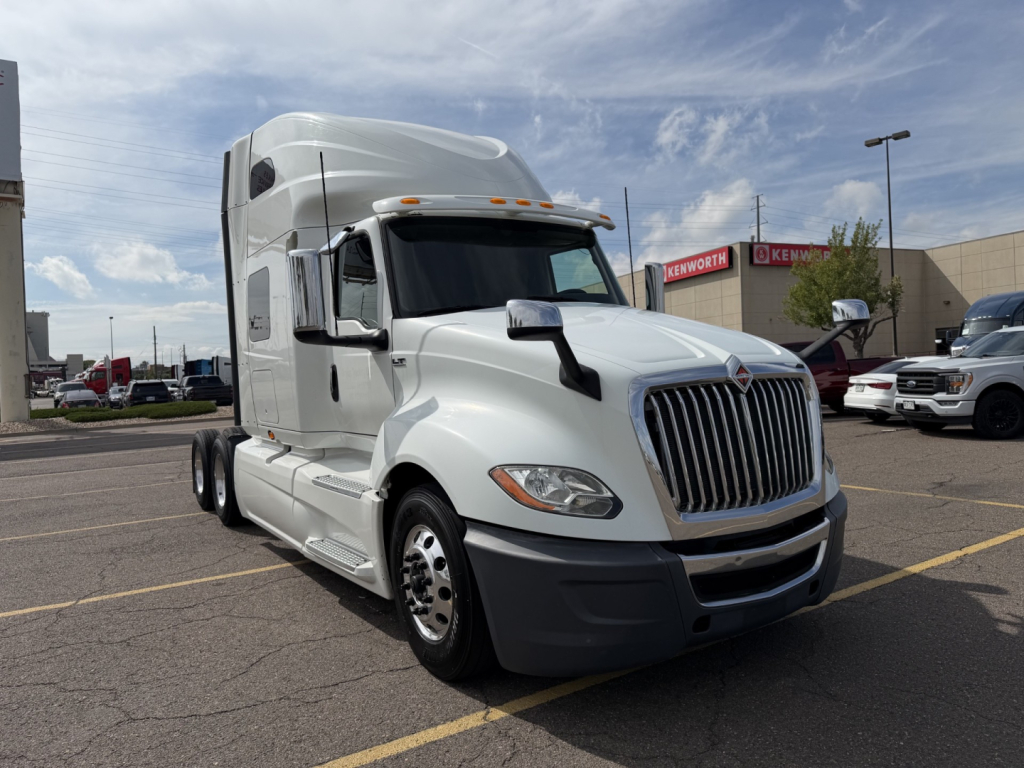
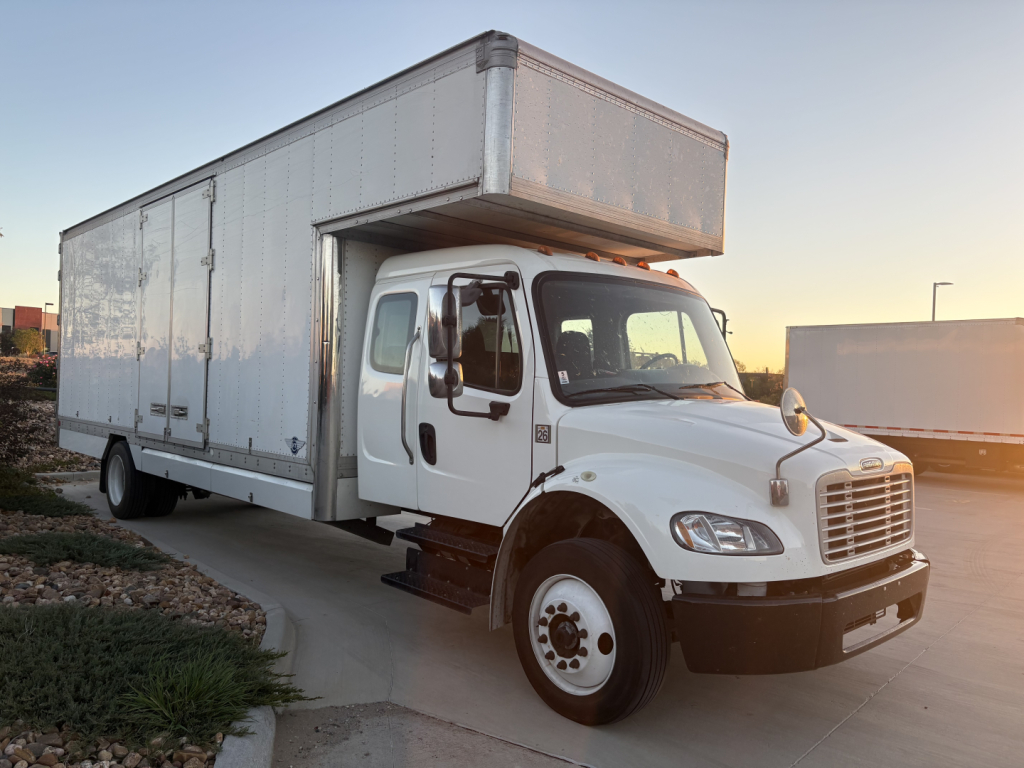
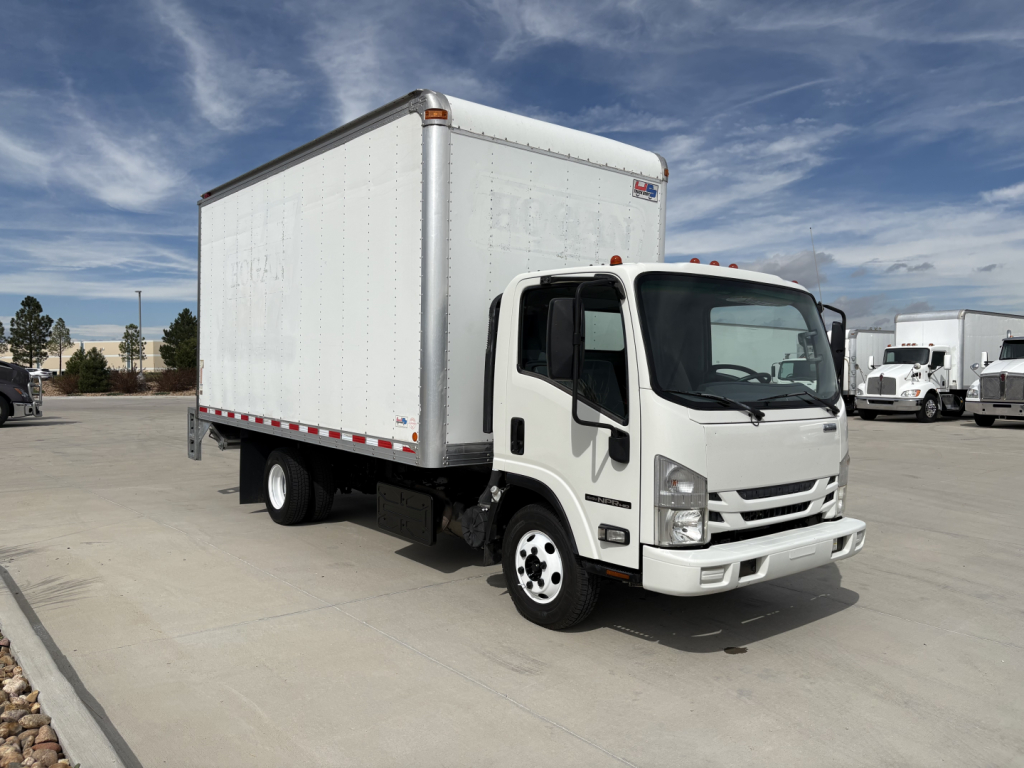
Most 2019 highway diesels belong to the GHG17 emissions generation, with DPF and SCR systems using DEF; gasoline trucks require a different inspection approach. Across makes, a Freightliner M2 106 with Cummins B6.7 power suits many straight-truck applications, an Isuzu NPR-HD uses a cabover layout for tight delivery work, and an International LT with a Cummins X15 targets heavy highway hauling. Verify the actual engine, transmission, and emissions label because chassis model year does not establish the engine's build year or installed configuration.
Used 2019 trucks deserve an ECM download showing engine hours, idle time, fault history, and regeneration activity, plus invoices documenting aftertreatment service. Inspect brake condition, steering play, wheel ends, suspension bushings, frame repairs, and driveline vibration under load. Colorado's deicing chemicals can corrode electrical connectors, brake plumbing, and body mounts even when exterior paint looks sound. Mountain service also warrants close attention to cooling-system condition and brake heat damage. On vocational trucks, test PTO engagement, hydraulic functions, and body attachments rather than inspecting only the chassis. Confirm emissions-testing requirements for the Colorado registration location before committing to a diesel chassis.
New or unused 2019 trucks still need storage checks on tires, batteries, seals, fluids, and fuel condition. Confirm the original in-service date and remaining manufacturer warranty in writing rather than assuming current-model coverage. Qualifying new heavy trucks may be subject to the 12% federal excise tax, so verify tax treatment before purchase.
Frequently Asked Questions about 2019 Commercial Trucks in Colorado
Do I need a CDL to drive a 2019 commercial truck in Colorado?
A single commercial truck rated or actually weighing 26,001 pounds or more generally requires a Class B CDL in Colorado. A combination rated or actually weighing 26,001 pounds or more generally requires Class A when the towed vehicle exceeds 10,000 pounds by rating or actual weight. Use the certification label, not the sum of axle ratings; air brakes alone do not trigger a CDL requirement. Passenger or hazardous-material operations can introduce additional licensing requirements.
When do commercial trucks have to carry chains in Colorado?
Colorado's seasonal chain-carry requirement runs from September 1 through May 31 for covered commercial vehicles on designated mountain corridors. For a 2019 commercial truck, confirm the route, vehicle weight classification, and required number of traction devices under current CDOT rules. Carrying chains is different from having them installed: an activated chain restriction can require installation before proceeding, and drive-axle configuration determines the equipment needed.
Is a 3.08 rear axle ratio too tall for Colorado mountain hauling?
A 3.08 rear axle ratio is not automatically too tall for Colorado mountain hauling; transmission gearing, tire diameter, and gross combination weight determine suitability. An overdrive transmission and a direct-drive transmission produce different cruising RPM with the same rear axle ratio. For a 2019 highway tractor, request startability and gradeability calculations at the intended operating weight, and evaluate loaded performance rather than relying on an empty test drive.
What do engine hours tell me when buying a used 2019 truck?
ECM hours reveal running time that the odometer misses, especially on 2019 dump, service, and delivery trucks. Divide ECM miles by total engine hours to estimate average operating speed; a low result can indicate idling, PTO operation, or stop-and-go work rather than highway duty. Compare total hours with idle and PTO hours where recorded, and inspect the equipment that performed that duty.
Is diesel always the better choice for a 2019 Colorado box or service truck?
No. A gasoline-powered 2019 box or service truck can be a sensible choice for low annual mileage and short trips that keep diesel exhaust temperatures low. Diesel power usually fits heavier loads, sustained grades, and higher annual use better. Compare loaded performance, fuel consumption, engine access, and the exact emissions equipment fitted to each chassis rather than choosing by fuel type alone.