
2019 Conventional Daycab Trucks For Sale in Colorado
Browse 2019 conventional daycab trucks for sale in Colorado. Compare aero and vocational specs, wheelbases, engine ratings, and axle setups.
Learn more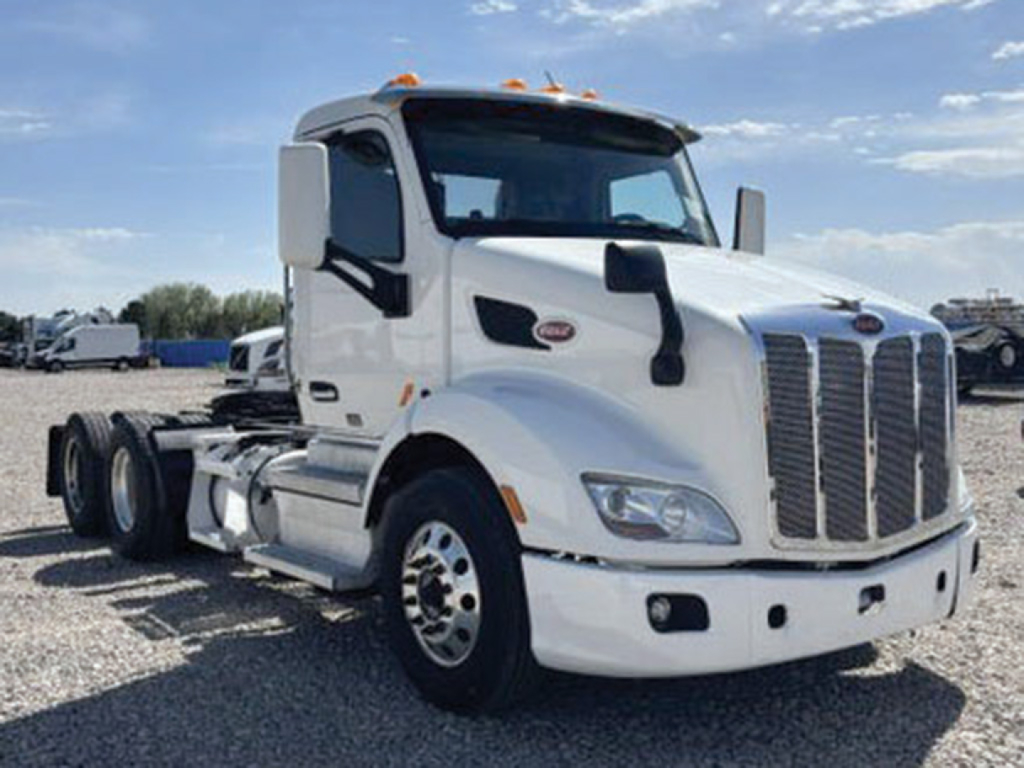
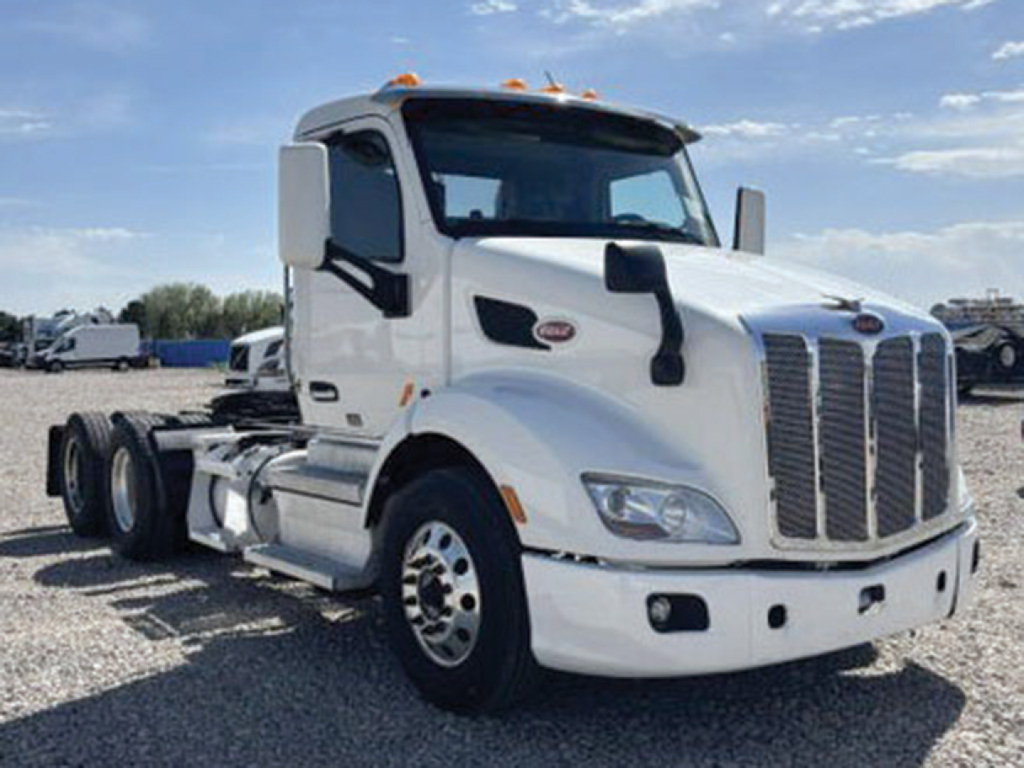
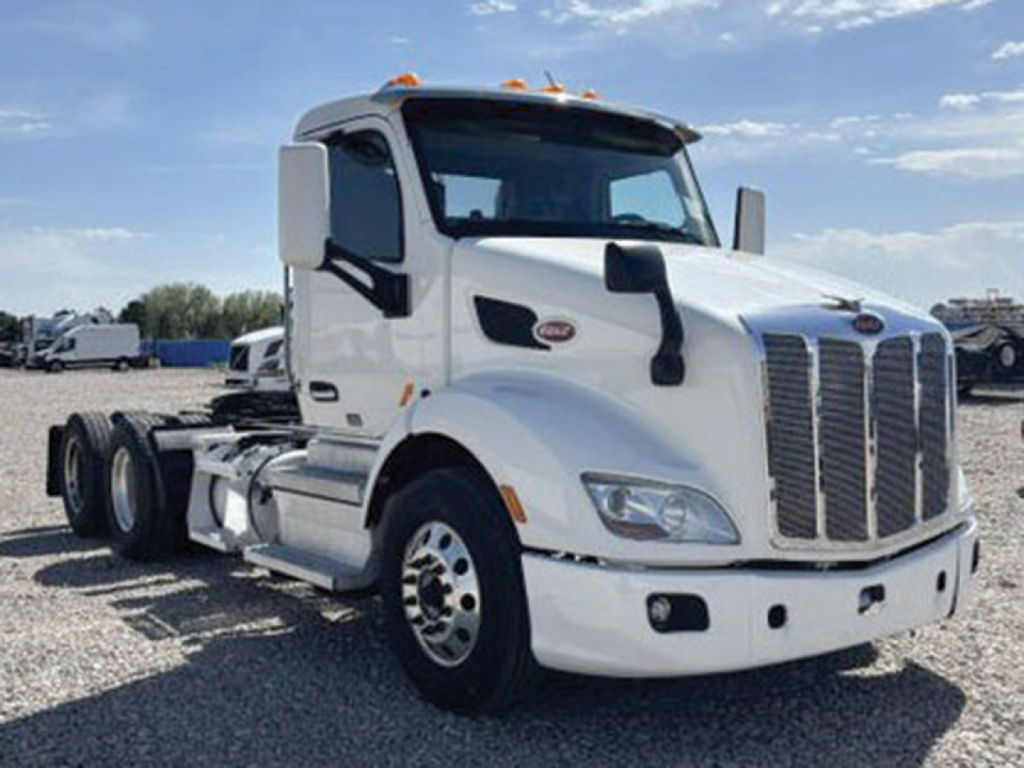
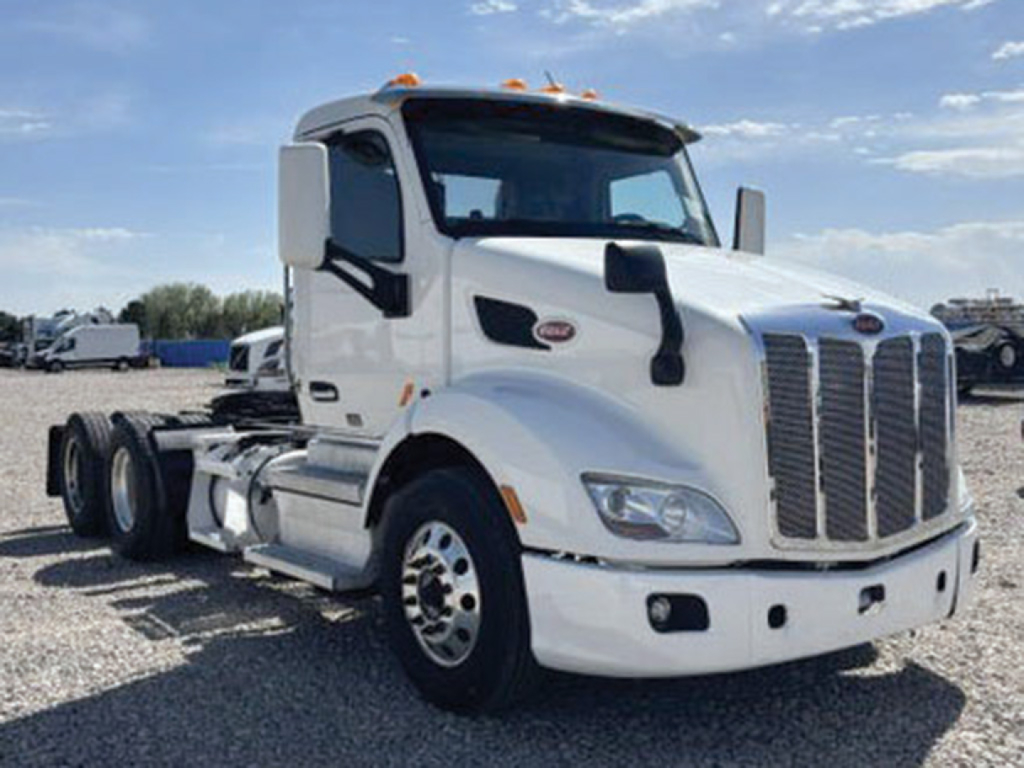
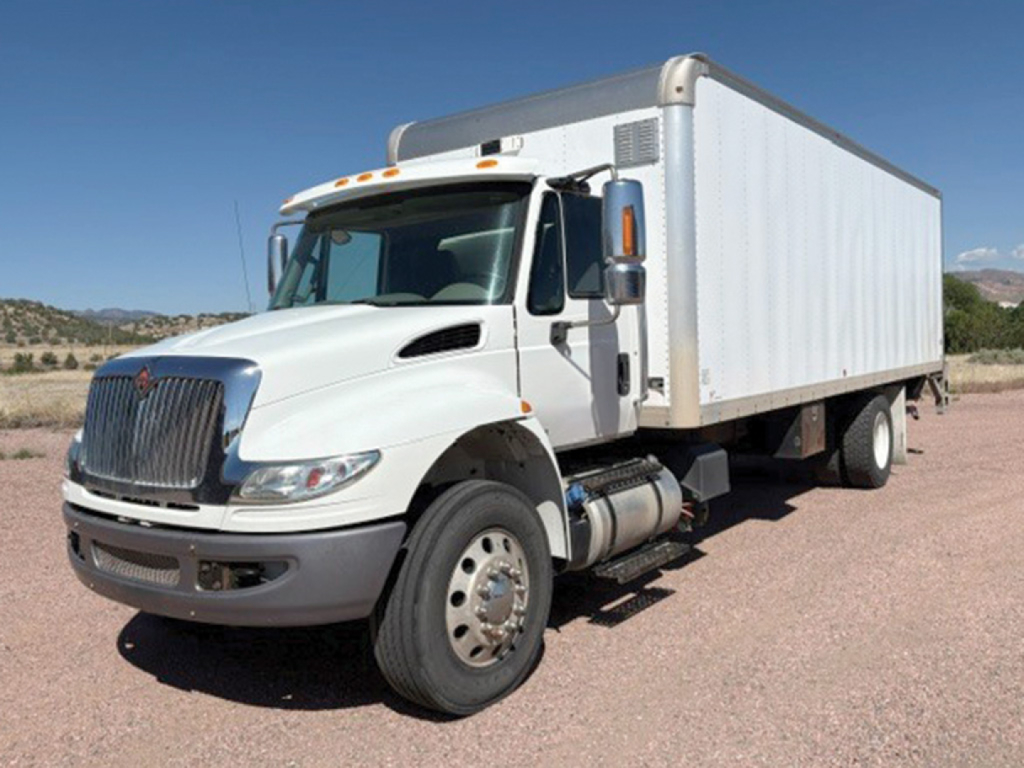
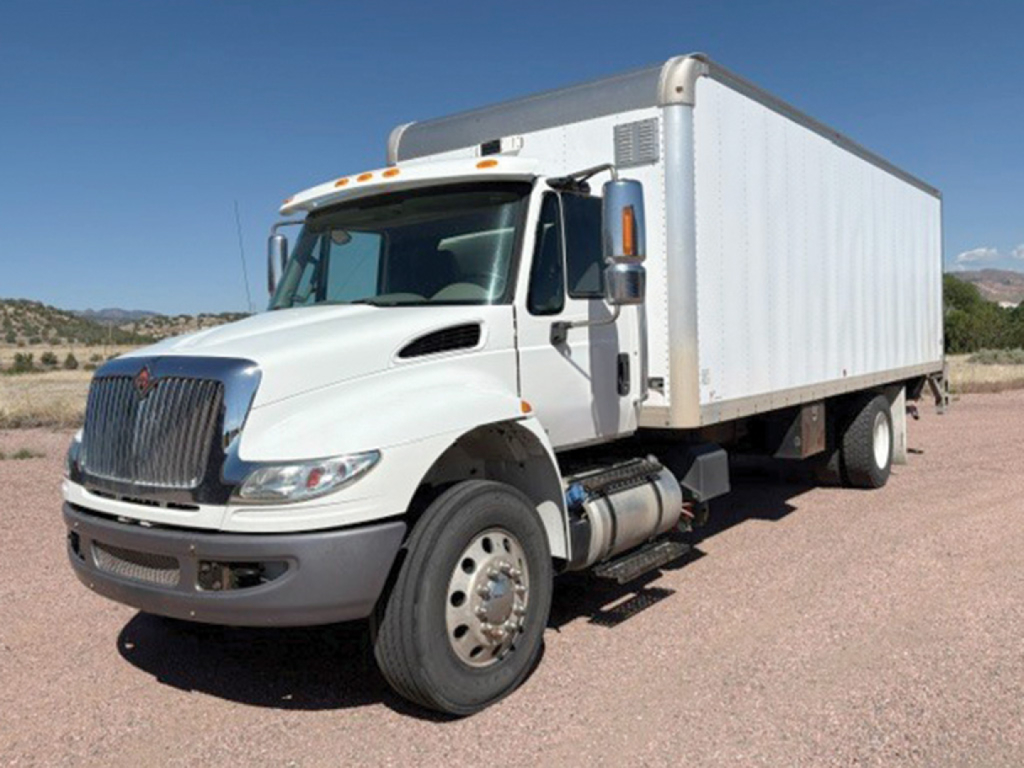

Have 2019 conventional daycab truck to sell? List it here to reach thousands of buyers.
About 2019 Conventional Daycab Trucks in Colorado
For linehaul-style daycab work, key specs usually start with rear axle ratio, wheelbase, and suspension. A 3.36 ratio with a 40,000 lb tandem and air ride suspension points toward fuel-conscious highway use, while deeper ratios and heavier rear ends are better suited to stop-and-go routes, mountain grades, and vocational pulls. Many 2019 conventional daycabs were equipped with engine brakes, air slide fifth wheels, disc brakes, low-profile 22.5 tires, and dual aluminum fuel tanks. Buyers comparing units should pay close attention to wheelbase length, because it affects trailer gap, bridge law flexibility, ride quality, and turning radius in tight yards or urban freight lanes.
Colorado operators should also weigh emissions system history, cold weather starting behavior, and how the truck performs at elevation. A 2019 truck typically brings later-generation safety and driver comfort features such as collision mitigation, cruise control, tilt-telescoping steering, power windows, and improved dash layouts. On heavier vocational daycabs, it is common to see PTO capability, wetline kits, locking rears, larger front axles, and double-frame style construction. If the truck will spend time on I-70 grades or pull consistent gross weights, horsepower is only part of the equation. The transmission calibration, rear ratio, and engine brake effectiveness often have more impact on real-world drivability.
The best 2019 conventional daycab trucks for sale are usually the ones whose specs match the route and trailer rather than the badge on the hood. A buyer looking for a fleet-oriented regional tractor may prioritize aero bodywork, automated shifting, and lighter tare weight. A buyer working construction, heavy haul support, or municipal contracts may need higher axle capacities, a pintle hook, pusher axle, or hydraulic setup. Reviewing service records, idle hours, brake and tire condition, fifth wheel wear, and emissions maintenance is just as important as checking horsepower. In this category, the right truck is the one that fits the freight, the road conditions, and the cost-per-mile target.
Frequently Asked Questions
What is a conventional daycab truck used for?
A conventional daycab truck is a highway-style truck without a sleeper compartment, designed for operations where the driver returns daily or does not need overnight accommodations. Common uses include regional freight, drayage, local and dedicated routes, LTL support, tanker work, flatbed hauling, and vocational tractor applications. Compared with sleeper tractors, daycabs are generally lighter, easier to maneuver, and better suited to short-haul or multi-stop work.
What should I look for when buying a 2019 conventional daycab in Colorado?
Colorado buyers should focus on powertrain specs that match mountain grades, winter conditions, and gross combination weight. Important items include engine rating, transmission type, rear axle ratio, engine brake performance, suspension, and axle capacities. It is also smart to review emissions system service history, cooling system condition, tire and brake wear, and whether the wheelbase fits the trailers and routes the truck will actually run. Trucks operating at elevation benefit from properly matched gearing and a strong engine brake more than from horsepower alone.
Is an automatic transmission better than a manual in a 2019 daycab truck?
That depends on the application and driver pool. Automated and full automatic transmissions became common by 2019 because they improve driver consistency, reduce clutch wear, and help in stop-and-go service or fleets with multiple operators. Manual transmissions still appeal to some buyers in severe-duty work or owner-operator applications where direct control is preferred. The best choice comes down to terrain, traffic, driver experience, maintenance preferences, and PTO or vocational requirements.
What axle ratio is best for a conventional daycab?
There is no single best axle ratio because the right setup depends on speed, terrain, trailer type, and target fuel economy. Numerically lower ratios such as 3.08 or 3.36 are often chosen for highway cruising and fuel-efficient regional freight. Numerically higher ratios such as 4.10, 4.30, or 4.78 are better for heavy loads, frequent starts, steep grades, and vocational work. Buyers should evaluate ratio, transmission gearing, and tire size together because all three determine launch performance, cruise rpm, and gradeability.
Are 2019 conventional daycab trucks good for regional hauling?
Yes. The 2019 model year is a strong fit for regional hauling because many trucks from this period combine modern emissions systems, improved aerodynamics, better safety technology, and driver comfort upgrades without the cost of newer equipment. A properly spec'd 2019 daycab can handle dedicated lanes, short regional turns, and local tractor duty very well. The key is choosing one with the right wheelbase, fuel capacity, axle rating, and gearing for the freight and terrain.