
2019 International Conventional Daycab Trucks For Sale in Colorado
Browse 2019 International conventional daycab trucks in Colorado. Compare 4300 and 4400 specs, GVWR, wheelbase, engines, and body setups.
Learn more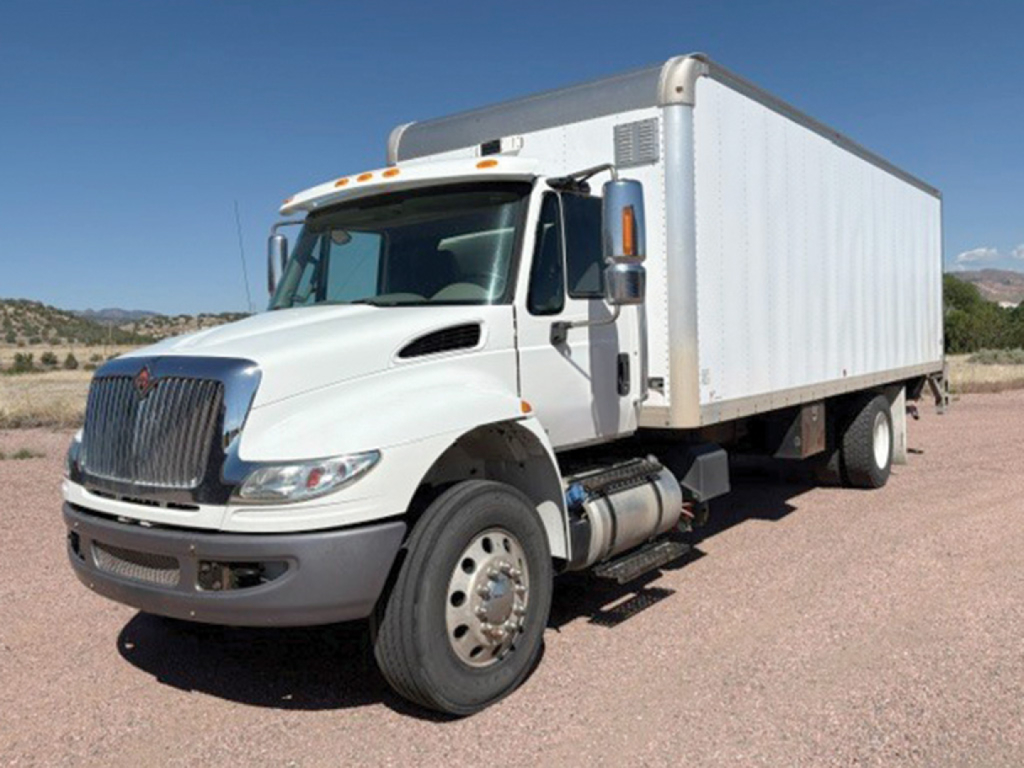

Have 2019 international conventional daycab truck to sell? List it here to reach thousands of buyers.
About 2019 International Conventional Daycab Trucks in Colorado
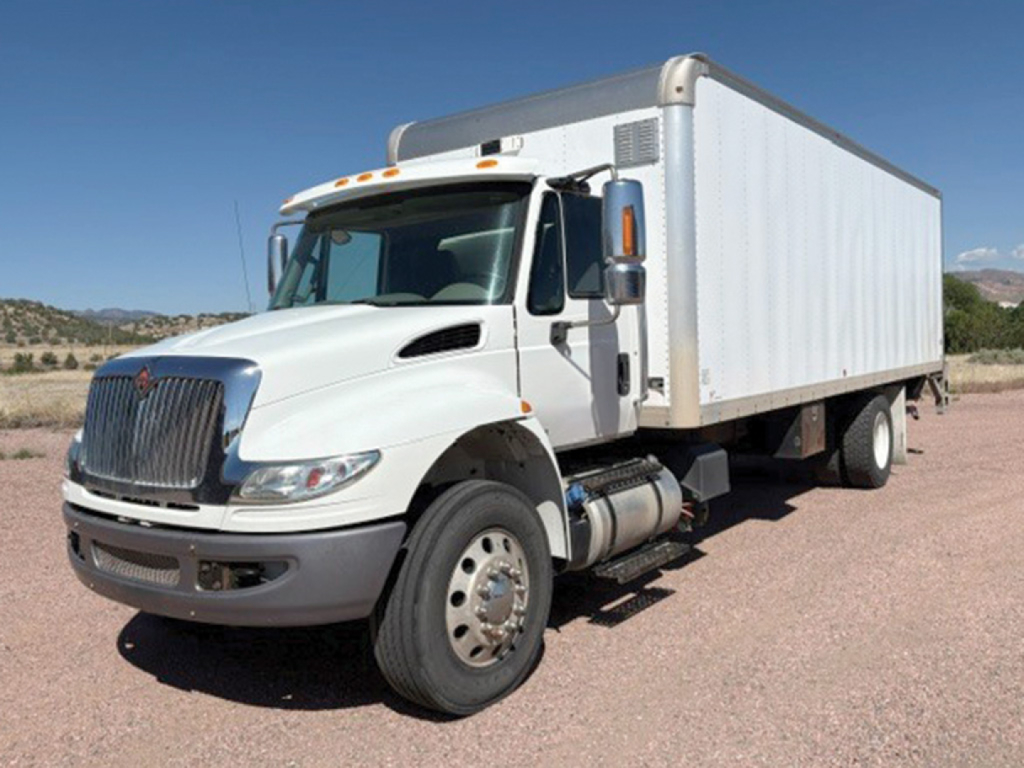
The biggest separator in this category is chassis rating and powertrain. A 2019 International 4300 is commonly seen with the Cummins B6.7 and an Allison automatic, often in GVWR ranges suited for non-CDL or lighter CDL applications depending on final body and axle ratings. The 4400 steps up into heavier-duty territory, frequently with the Cummins L9, higher horsepower, stronger rear axle ratings, and more body capacity. Typical specs in this class include single axles, wheelbases around 200 to 260 inches, rear ratios such as 4.11 or 4.63, hydraulic steering, and either spring or air ride suspension depending on intended use. Buyers comparing units should pay close attention to GVWR, rear axle capacity, wheelbase, and whether the truck is set up for payload, dock-height compatibility, or tighter turning radius.
Body configuration drives value as much as the cab and chassis. Many 2019 International conventional daycabs in this segment are equipped as straight trucks with dry van bodies, roll-up doors, liftgates, translucent roofs, wood floors, E-track, scuff liners or scuff plate protection, and interior wall liners such as Kemlite or FRP. Those details matter if the truck will handle multi-stop freight, furniture, appliances, parcel, or route-delivery work. Door opening height, floor condition, and liftgate capacity can affect daily productivity more than a small horsepower difference. Tire size also tells you a lot about intended use, with 19.5-inch rubber common on lighter 4300 setups and 22.5-inch tires more common on heavier 4400 configurations.
Cab features on 2019 International daycabs are generally straightforward and fleet-friendly, with air conditioning, cruise control, power windows, tilt and telescoping steering, and good cab access for frequent stops. When evaluating this category, the smart checks are engine hours versus miles, transmission service history, brake type, suspension type, corrosion exposure, and how well the body spec matches the route. A 2019 International conventional daycab can be a practical choice for buyers who need a medium-duty platform with broad parts support, familiar controls, and a chassis that adapts well to van, stake, reefer, or other local-service body applications.
Frequently Asked Questions
What is the difference between a 2019 International 4300 and 4400 daycab?
The 2019 International 4300 is generally the lighter medium-duty platform, often used for local delivery, box trucks, and lower GVWR applications. The 4400 is the heavier chassis, typically equipped for more payload, larger bodies, stronger axle ratings, and higher-output engines such as the Cummins L9. For a buyer, the difference usually comes down to required GVWR, body length, payload, and how demanding the route is in terms of grades, stop frequency, and operating weight.
Is a 2019 International conventional daycab good for local delivery work in Colorado?
Yes, this category fits Colorado local and regional delivery well because the daycab design is easier to maneuver in urban areas and lighter than a sleeper truck. On Front Range and mountain-adjacent routes, the more important factors are engine choice, rear axle ratio, transmission type, and loaded weight. A lighter 4300 may be ideal for urban box truck service, while a heavier 4400 with more horsepower and axle capacity is better suited for steeper grades, larger van bodies, and heavier freight.
What engine and transmission setups are common in a 2019 International daycab?
Common engine choices in this category include the Cummins B6.7 in lighter 4300 applications and the Cummins L9 in heavier 4400 applications. Allison automatic transmissions are frequently paired with these trucks because they perform well in stop-and-go service and reduce driver fatigue on delivery routes. Buyers should confirm horsepower, torque rating, transmission model, and rear axle ratio because those specs have a direct effect on launch performance, gradeability, fuel economy, and payload suitability.
What should I inspect on a used 2019 International straight truck daycab?
Focus on the chassis rating, engine and transmission service records, suspension type, brake condition, tire wear, and any signs of frame corrosion or body damage. If the truck has a van body, inspect the floor, roof, roll-up door, scuff protection, E-track, and liftgate operation. Wheelbase, door opening size, and body length should also be checked against the work you plan to do, because a clean truck with the wrong body spec can still be a poor operational fit.
Are 2019 International daycabs typically CDL or non-CDL trucks?
They can be either, depending on GVWR and final body configuration. Some International 4300 trucks are built to 25,999 pounds GVWR for non-CDL operation, while others exceed that threshold and require a CDL. The 4400 is more often spec'd into heavier CDL-required applications. Buyers should verify the actual door-sticker GVWR, axle ratings, and registered use rather than assuming the model alone determines CDL status.