
2021 Commercial Trucks For Sale in Colorado
Browse 2021 trucks for sale in Colorado, including road tractors, dumps, and vocational units with modern emissions, safety, and drivetrain options.
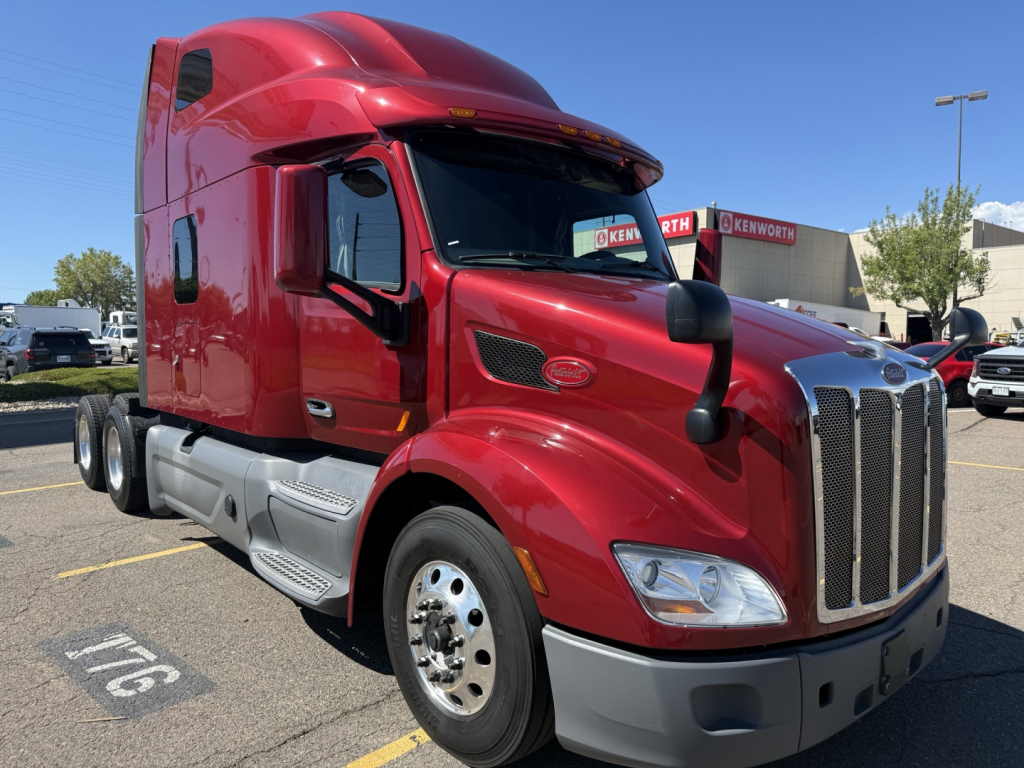
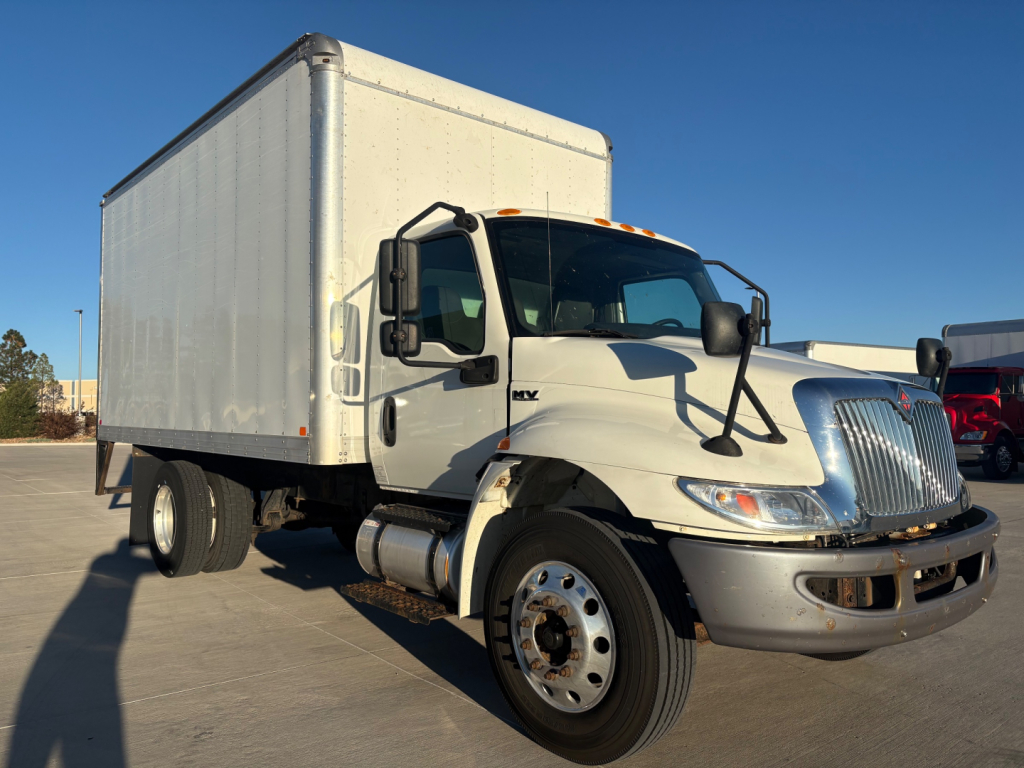
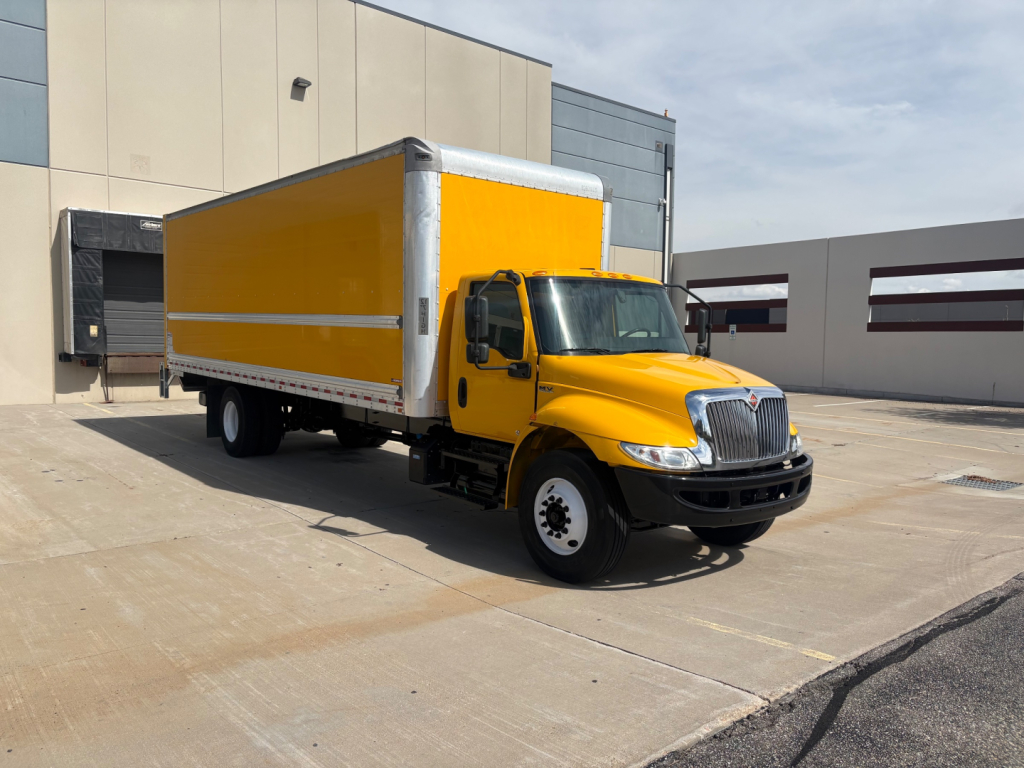
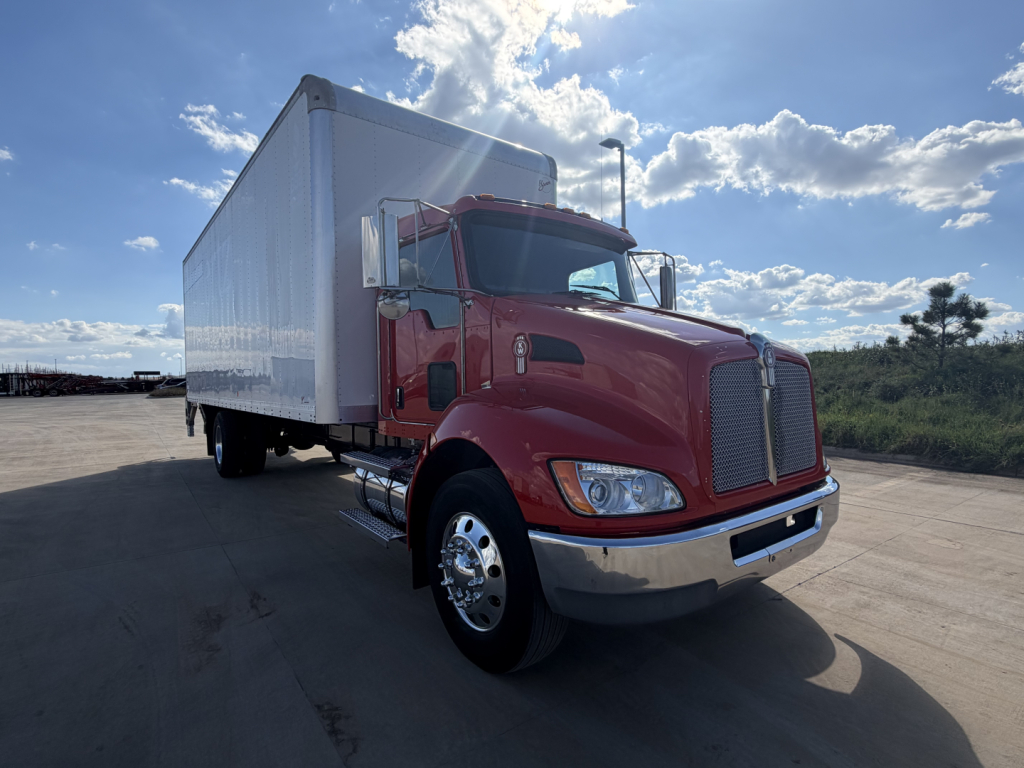
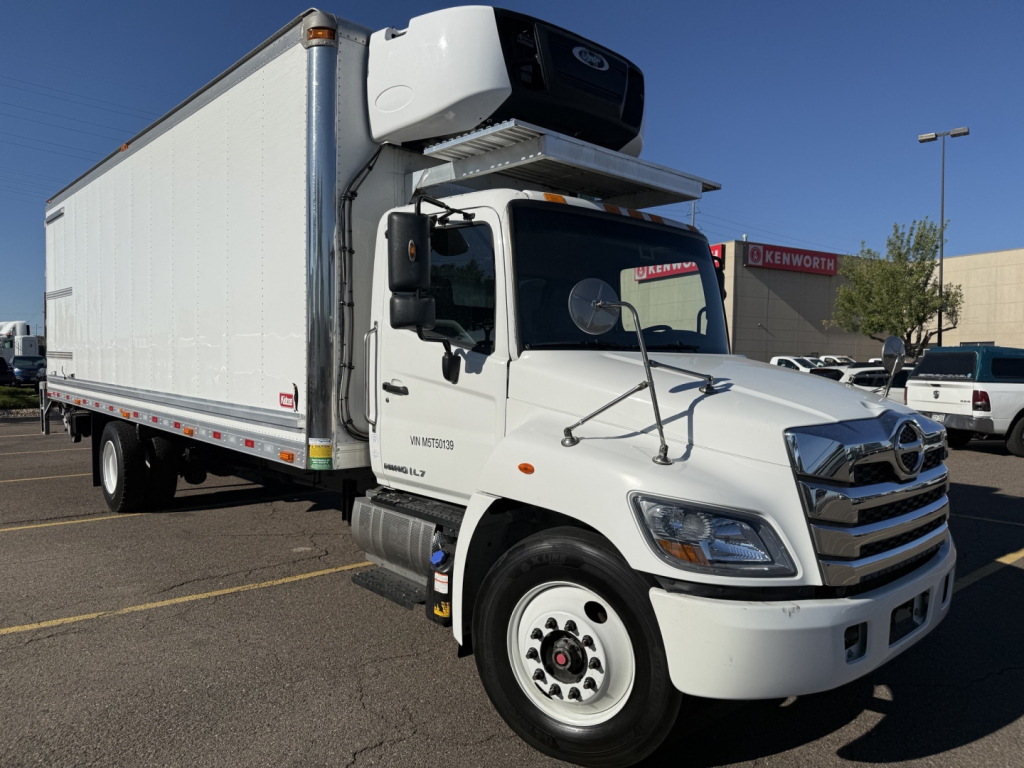
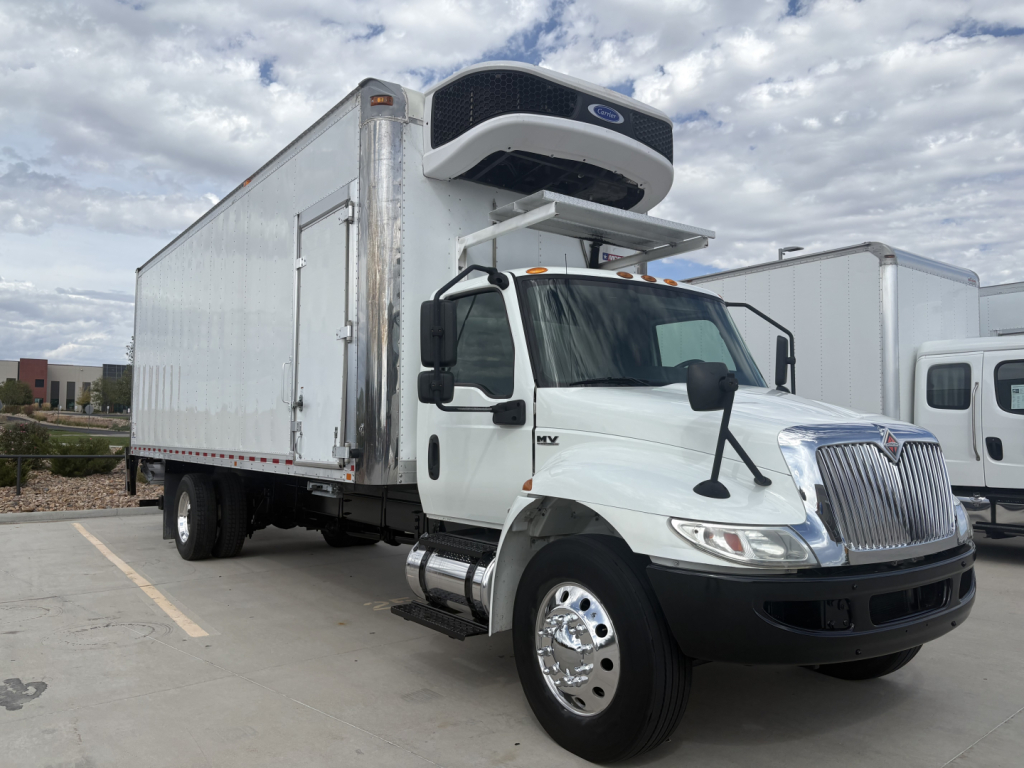
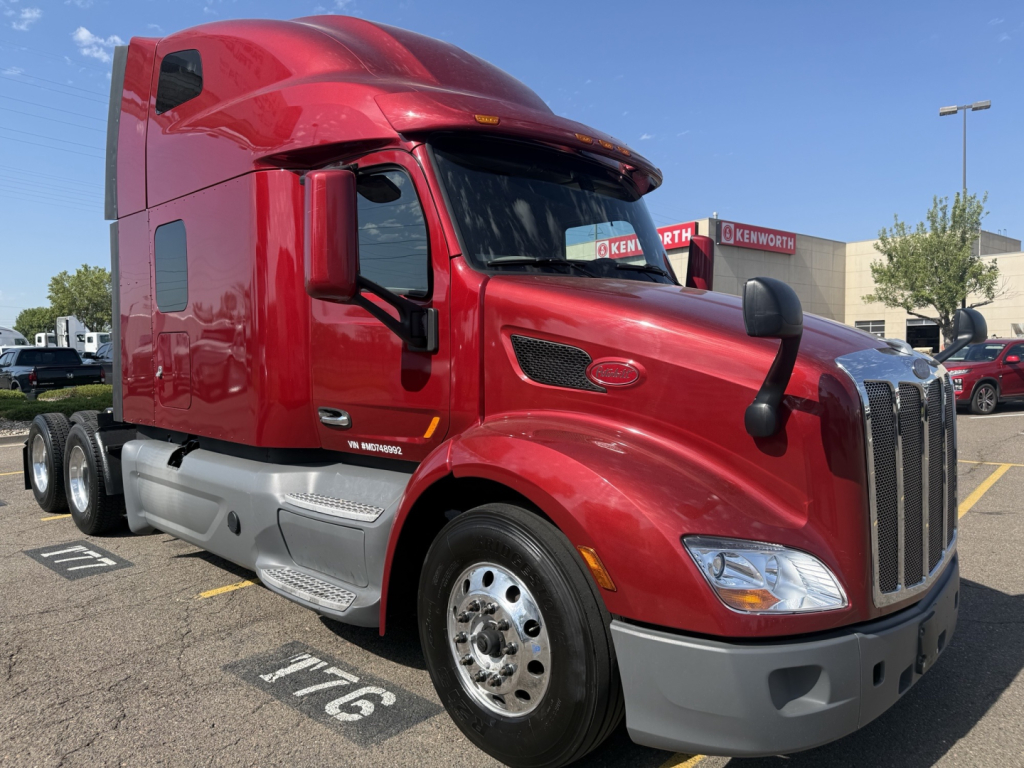

Selling a 2021 commercial truck? List your 2021 commercial truck for sale and reach thousands of commercial buyers.
2021 Commercial Trucks in Colorado
For Colorado operation, application matters more than badge alone. Highway tractors running the Front Range and regional lanes often benefit from lighter specs, aerodynamic packages, air-ride suspension, and wheelbases in the 175 to 190 inch range for trailer maneuverability and payload balance. Trucks working in construction, aggregates, municipal service, or oilfield support usually need a different setup with double-frame strength, set-back or set-forward axle configurations, locking differentials, severe-duty cooling, and body or hydraulics compatibility. If the truck will spend time in the mountains, pay close attention to engine brake performance, rear axle ratio, transmission gearing, and gross combined weight rating, not just advertised horsepower.
A buyer looking at 2021 model trucks should inspect emissions and electronic systems with the same discipline used for engine and chassis checks. By this year, many trucks came with advanced telematics, collision mitigation options, and integrated powertrain controls that improve fuel economy and uptime when they are functioning correctly. Service history on the aftertreatment system, clutch and shift actuator on automated manuals, suspension wear points, brake type, and any active fault codes can tell you more than odometer reading alone. For tractors, confirm fifth wheel type, sliding range, wheelbase, and tank configuration. For vocational trucks, verify PTO operation, hoist compatibility, axle ratings, and any evidence of frame modifications.
Common 2021 truck brands in this class include Freightliner, Peterbilt, Kenworth, International, Mack, Volvo, and Western Star, with engine families such as Cummins X15, Detroit DD13 or DD15, Paccar MX series, Volvo D13, Mack MP8, and Navistar A26 appearing regularly depending on the application. The best value usually comes from matching spec to work cycle. A day cab designed for regional van or reefer service is not automatically a good dump truck candidate, and a vocational chassis may be overbuilt for linehaul freight. Buyers who start with axle ratings, transmission type, suspension, wheelbase, brake package, and intended payload tend to narrow the field faster and avoid expensive repurposing later.
Frequently Asked Questions about 2021 Commercial Trucks in Colorado
What should I look for first when buying a 2021 truck in Colorado?
Start with the truck’s intended job, then verify that the axle ratings, transmission, suspension, wheelbase, and powertrain match that workload. Colorado terrain makes gearing and engine brake performance especially important because a truck that feels adequate on flat regional routes may be poorly suited for mountain grades, heavy gross weights, or off-road jobsite access.
Are 2021 trucks old enough to have emissions problems?
They can, especially if maintenance has been inconsistent or the truck spent long periods in stop-and-go duty cycles. A 2021 model typically has modern aftertreatment and electronic controls, so buyers should review fault codes, DPF and SCR service records, regen history, and any recent sensor, doser, or EGR repairs before making a decision.
Is a 2021 day cab a good choice for regional freight?
Yes, a 2021 day cab is often a strong fit for regional freight, port work, dedicated lanes, and local distribution if the spec is correct. Buyers should focus on horsepower, rear axle ratio, automated versus manual transmission, fuel capacity, wheelbase, and fifth wheel travel to make sure the truck handles the trailer types, route lengths, and loading conditions it will see.
What is the difference between a 2021 highway truck and a 2021 vocational truck?
A 2021 highway truck is generally optimized for fuel economy, ride quality, and trailer pulling on paved routes, often with aerodynamic fairings, air-ride suspension, and lighter chassis components. A 2021 vocational truck is typically built for harsher duty with heavier frames, different suspension options, PTO provisions, higher ground clearance, and axle configurations intended for dump, mixer, utility, or construction work.
Does mileage matter more than maintenance on a 2021 truck?
Maintenance history usually matters more than mileage by itself. A higher-mileage 2021 truck with complete records, consistent fluid service, documented emissions work, and clean electronic diagnostics can be a better buy than a lower-mileage truck with unknown idle hours, poor service documentation, or unresolved aftertreatment and drivetrain issues.