
Cab and Chassis Trucks For Sale in Colorado
Cab and chassis trucks for sale in Colorado, built for dump, utility, tank, service, and vocational body upfits with flexible wheelbases.
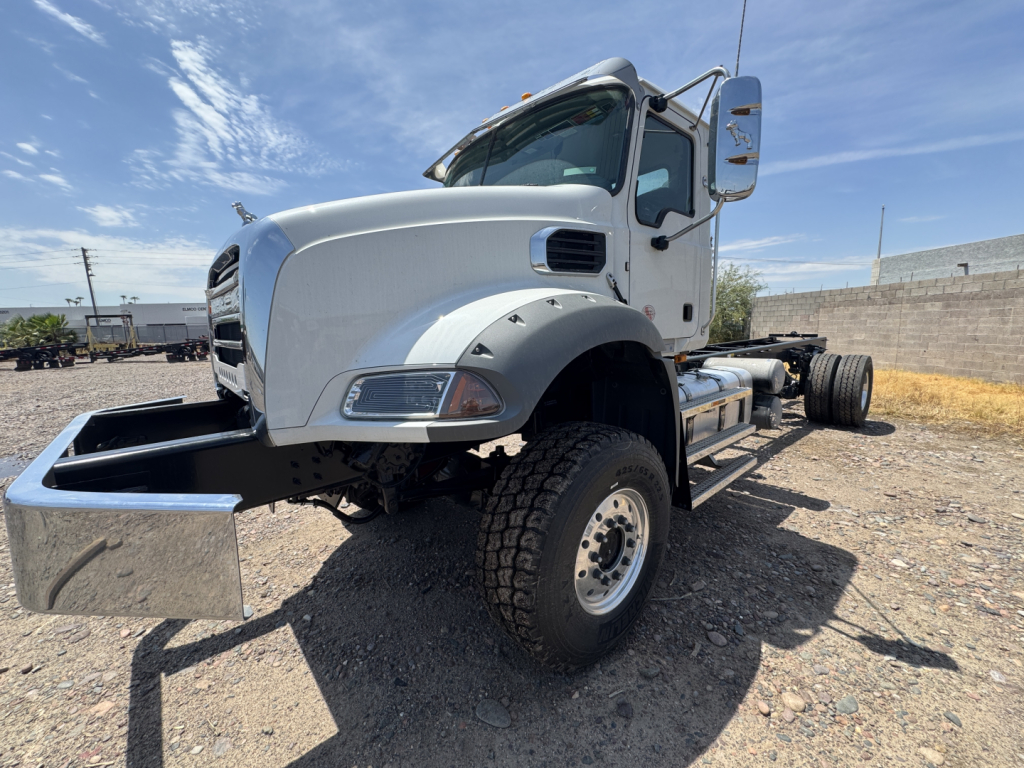
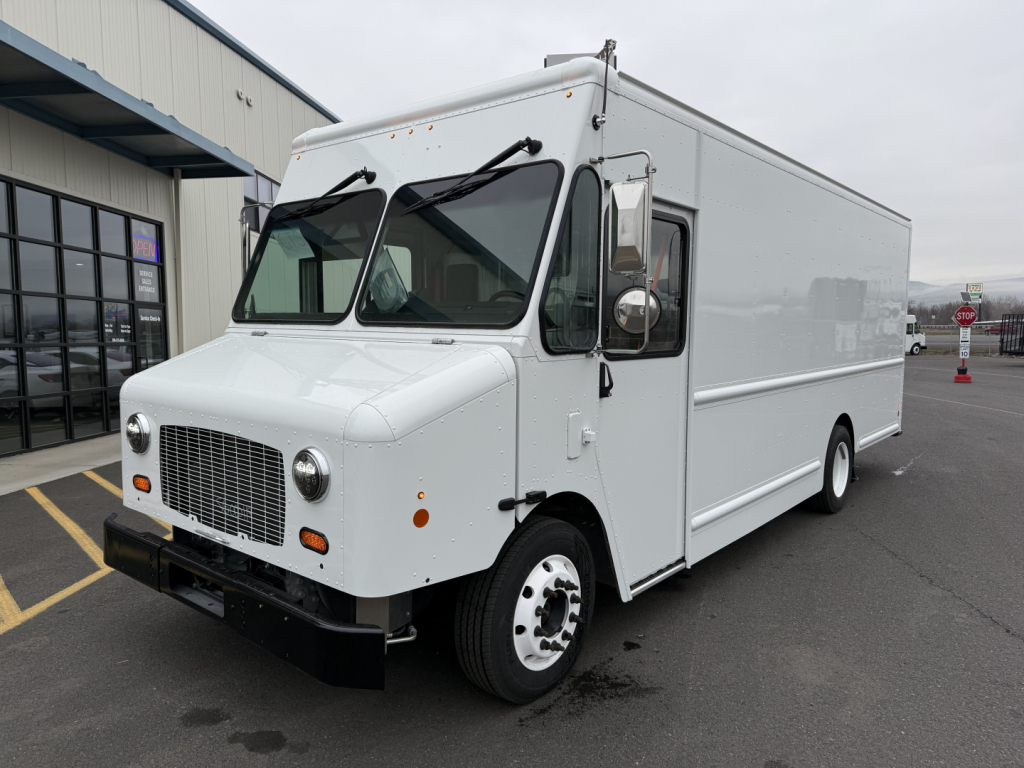
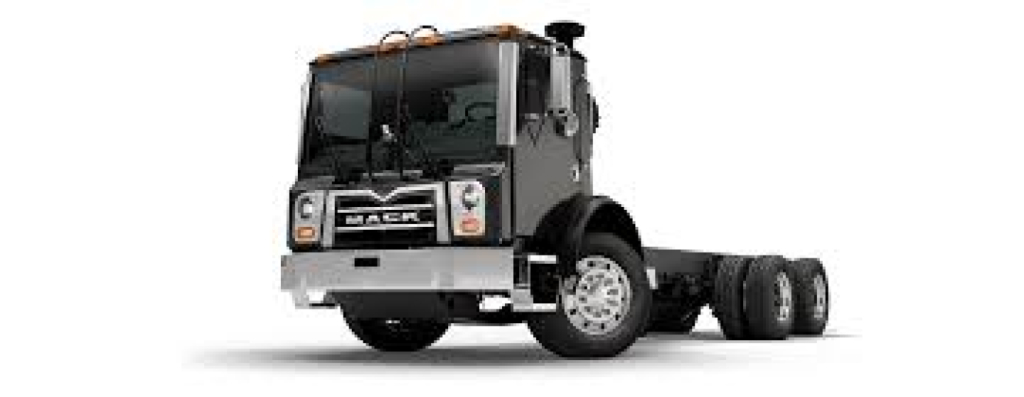
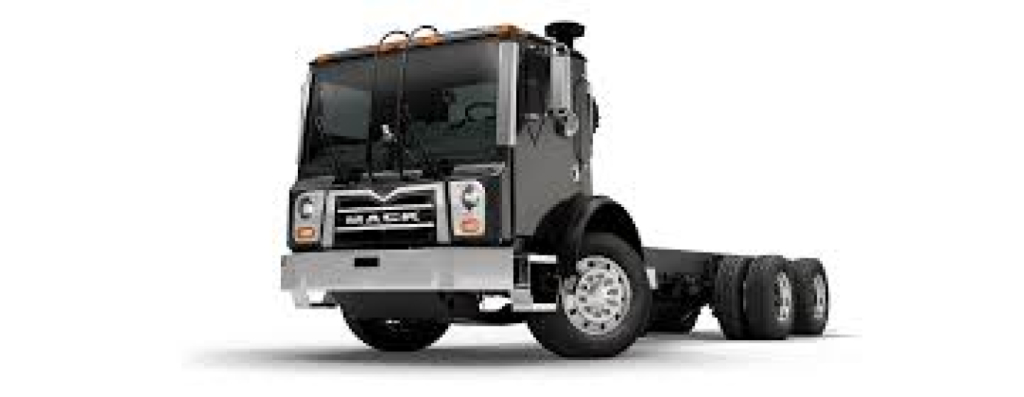
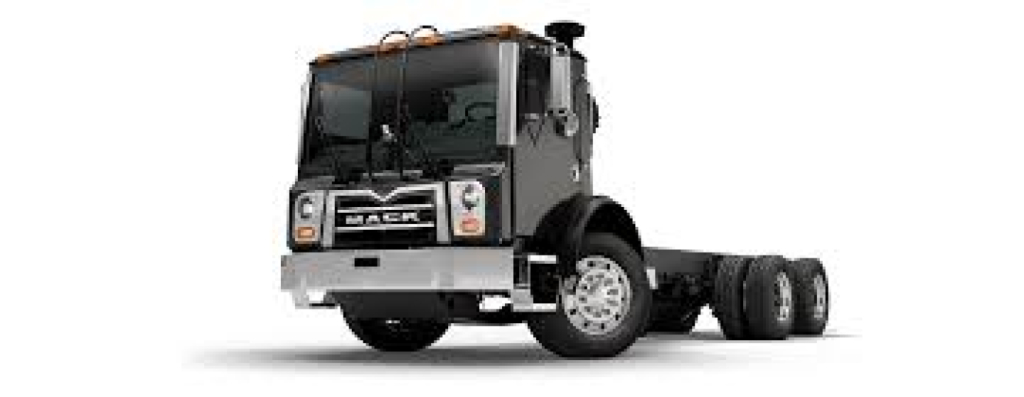
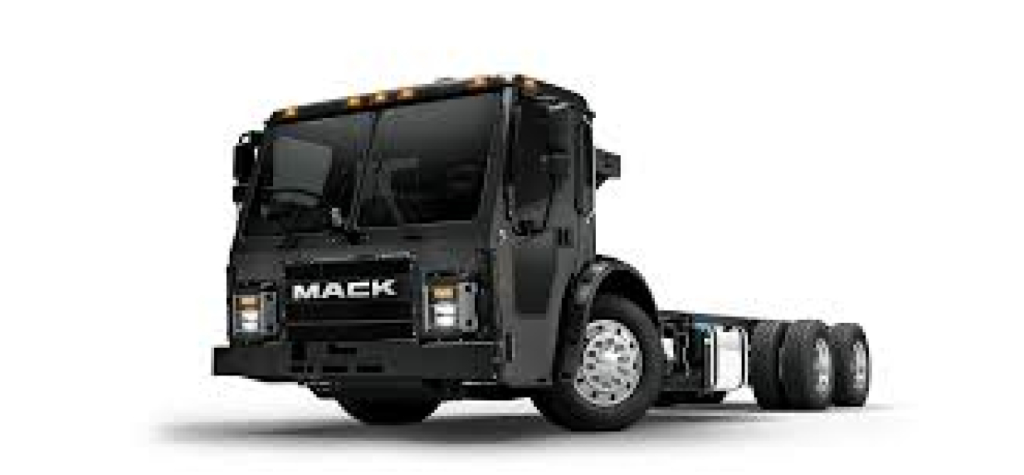
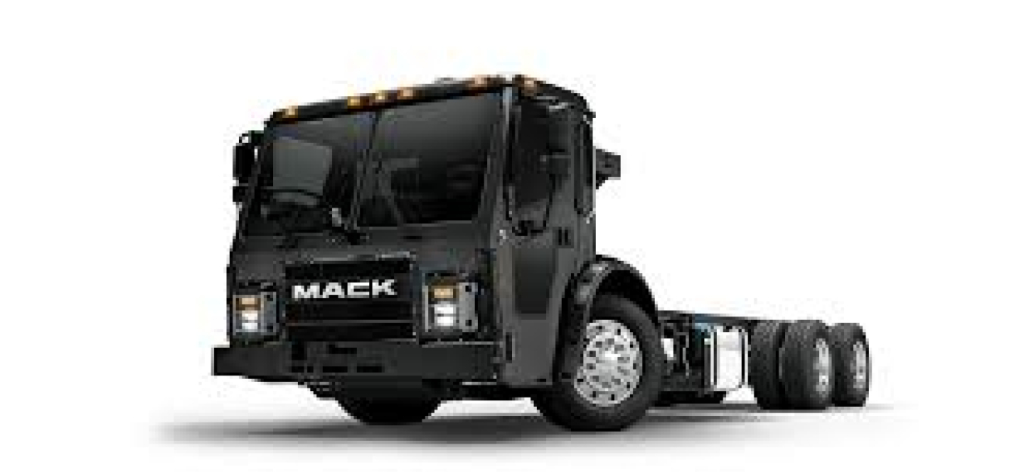
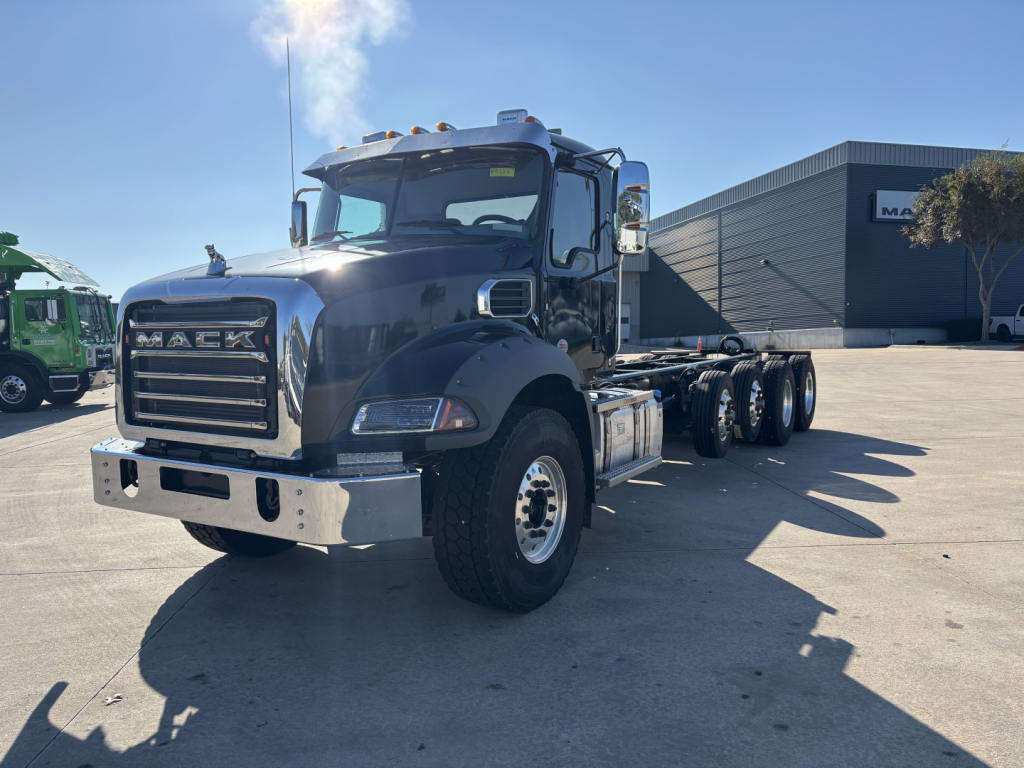
Selling a cab and chassis truck? List your cab and chassis truck for sale and reach thousands of commercial buyers.
Cab and Chassis Trucks in Colorado
Common cab and chassis configurations range from medium-duty single-axle trucks to severe-duty tandem-axle platforms with 20,000-lb front axles, 40,000- to 46,000-lb rears, and GVWRs pushing into the 66,000-lb class. Diesel engines in the 300 to 500-plus horsepower range are typical, with torque and rear axle ratio often mattering more than peak horsepower for vocational work. Allison automatic transmissions are popular in dump, municipal, and stop-and-go applications because they simplify operation and hold up well in PTO-driven work. Suspension choice matters too. Air ride can help with ride quality and body protection, while multi-leaf and severe-duty vocational suspensions are often preferred for stability, rough terrain, and repeated loading cycles.
A serious buyer should look closely at wheelbase, frame rail strength, PTO provisions, brake type, and axle spacing before thinking about cosmetics or cab trim. A truck intended for a dump body or roll-off hoist needs different frame and hoist clearances than one being set up as a water truck, mechanics truck, or box body. Front axle capacity is especially important on trucks carrying plows, cranes, or heavy equipment mounted behind the cab. If the upfit has already been planned, confirm body-builder data, clear frame dimensions, and any restrictions related to exhaust routing, DEF placement, battery boxes, and crossmember location. Those details affect both install cost and long-term serviceability.
Colorado operators also tend to prioritize traction, cooling capacity, and braking performance. Steeper grades and seasonal weather put more demand on rear ratios, engine brakes, tire selection, and front-end component durability. For municipal, construction, aggregate, oilfield, and utility work, cab and chassis trucks offer the flexibility to spec the truck around the job instead of compromising with a fixed body configuration. The best value is usually the platform that matches the finished application with the fewest modifications, enough axle and frame capacity in reserve, and a driveline suited to the terrain and duty cycle it will actually see.
Frequently Asked Questions about Cab and Chassis Trucks in Colorado
What is a cab and chassis truck?
A cab and chassis truck is a truck sold with the cab, drivetrain, and frame rails in place, but without a permanently installed body. It is designed to be upfitted for a specific job, such as a dump body, flatbed, service body, utility body, tanker, box, hooklift, or roll-off system. Buyers choose this configuration when they need a truck matched to a particular application instead of a factory-complete body style.
What specs matter most when buying a cab and chassis truck?
The most important specs are cab-to-axle length, wheelbase, GVWR, front and rear axle ratings, frame dimensions, and powertrain compatibility with the intended body. PTO capability, suspension type, brake system, rear axle ratio, and available clear frame space also matter because they affect how easily the truck can be upfitted and how well it will perform once completed. If the body has already been selected, those chassis specs should be checked against the body-builder requirements before purchase.
Is an automatic transmission a good choice for a vocational cab and chassis truck?
An automatic transmission is a strong choice for many vocational applications, especially dump, refuse, municipal, and utility work that involves frequent stops, PTO operation, or multiple drivers. Allison automatic transmissions are widely used because they reduce driver fatigue, improve low-speed control, and are well suited for jobsite and urban duty cycles. Manual and automated manual options still have a place, but in many vocational fleets the productivity and ease of use of a true automatic make it the preferred setup.
How does Colorado operation affect cab and chassis truck selection?
Colorado use puts added emphasis on gradeability, cooling performance, traction, and braking. Higher elevations can reduce engine performance, so torque, rear axle ratio, and transmission gearing should be chosen with mountain routes and payload in mind. Snow, mixed terrain, and unpaved jobsites also make axle capacity, suspension durability, tire choice, and brake configuration more important than they might be in flatter regions. A truck that works well on paper at sea level may need a different spec to perform efficiently in Colorado.
Can a cab and chassis truck be used for different body types later?
Sometimes, but only within the limits of wheelbase, frame layout, axle ratings, and intended duty cycle. A chassis built for one body type may be adaptable to another if the dimensions and weight distribution still work, but not every platform is truly interchangeable. Heavy front-mounted equipment, hoists, cranes, tank loads, and long bodies all place different demands on the chassis. Buyers planning future repurposing should prioritize a flexible wheelbase, sufficient axle capacity, and a frame layout that leaves room for more than one upfit option.