
Harbinger Cab and Chassis Trucks For Sale in Colorado
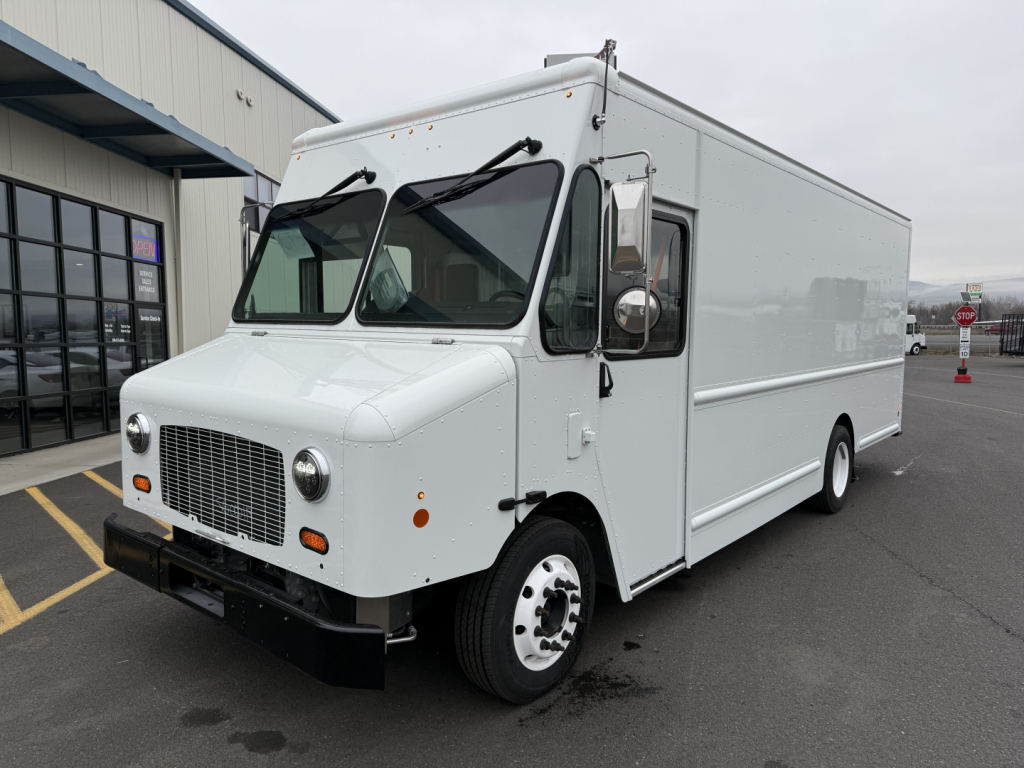
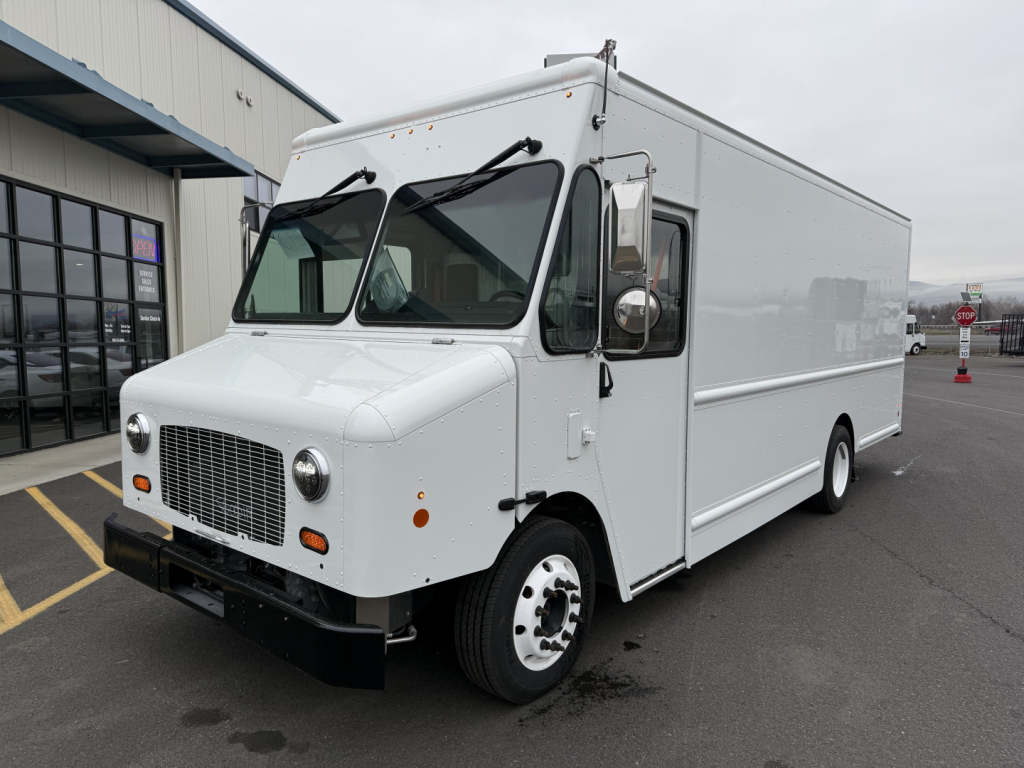
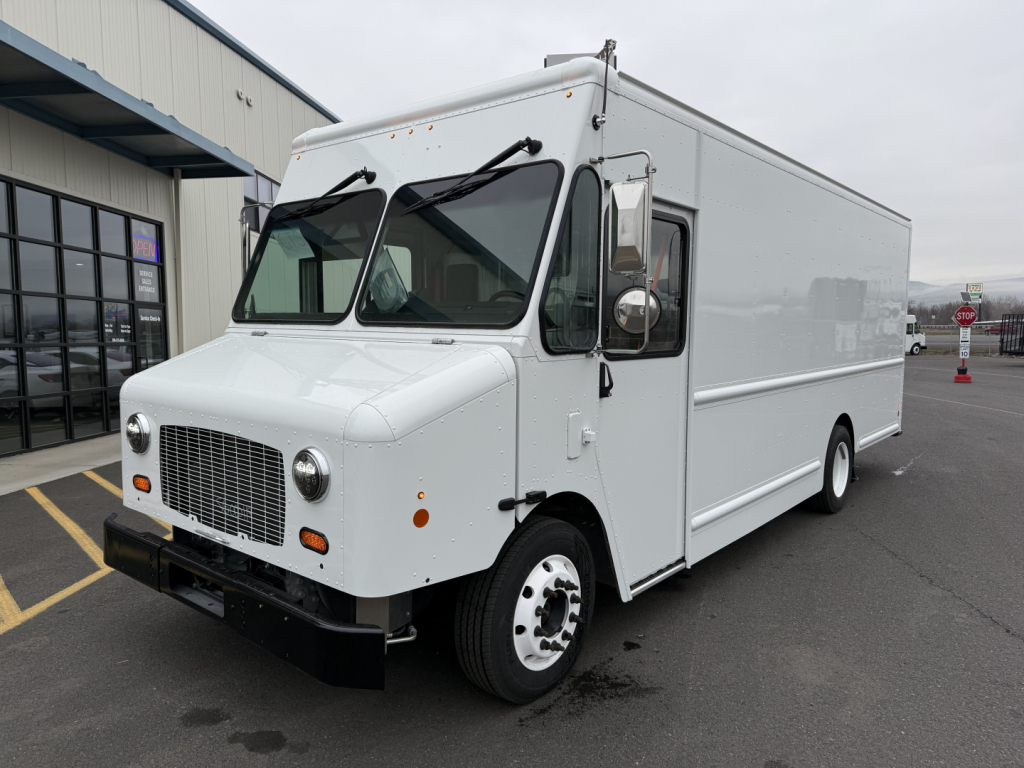
Have harbinger cab and chassis truck to sell? List it here to reach thousands of buyers.
Harbinger Cab and Chassis Trucks in Colorado
A cab and chassis truck, also called a chassis cab, is designed to accept bodies such as box vans, stake beds, flatbeds, service bodies, dump bodies, utility bodies, and specialized vocational equipment. On an electric chassis, body integration matters even more because payload, body weight, PTO requirements, and auxiliary electrical loads all affect real-world performance. Buyers should confirm frame dimensions, cab-to-axle measurement, rear axle rating, body builder guidance, and any provisions for telematics or upfitter interfaces. If the truck will support liftgates, refrigeration, compressors, or hydraulic equipment, verify how those systems are powered and what that means for duty cycle and usable range.
Harbinger has drawn attention in this segment because its chassis is engineered specifically for medium-duty commercial use instead of adapting a light-duty consumer platform. That usually translates into buyer focus on turning radius, low step-in height, visibility, service access, and packaging efficiency. Common spec considerations include single-cab versus crew-oriented configurations where available, wheelbase selection, suspension setup, braking system design, charging compatibility, and the relationship between battery capacity and payload. Fleets comparing Harbinger cab and chassis trucks against diesel or gas alternatives typically look at route density, daily miles, dwell time for charging, maintenance intervals, and total cost of ownership over several years.
For Colorado applications, these trucks make the most sense when the route is predictable and the body spec is tightly matched to the work. Last-mile delivery, municipal support, landscaping, beverage distribution, mobile service, and urban contractor use are all common chassis-cab applications if charging and payload targets pencil out. The strongest listings are the ones that clearly state wheelbase, GVWR, cab-to-axle, battery or charging details, and intended body compatibility. When those basics are defined up front, it becomes much easier to judge whether a Harbinger cab and chassis truck fits the job without costly upfit changes later.
Frequently Asked Questions about Harbinger Cab and Chassis Trucks in Colorado
What is a cab and chassis truck used for?
A cab and chassis truck is a stripped commercial truck platform that includes the cab, frame, drivetrain, and running gear but leaves the rear body open for upfitting. It is commonly used for box trucks, flatbeds, stake beds, utility bodies, service bodies, dump bodies, and other vocational applications. The main advantage is flexibility, because the same basic chassis can be configured for very different jobs depending on body length, equipment needs, and payload requirements.
What should I verify before upfitting a Harbinger cab and chassis truck?
Start with wheelbase, cab-to-axle dimension, frame height, axle ratings, and GVWR because those numbers determine what bodies will fit and how the finished truck will balance weight. On an electric chassis, also verify battery placement, available body builder guidelines, charging hardware compatibility, and how auxiliary equipment will be powered. If the body uses liftgates, refrigeration, compressors, or hydraulics, make sure those loads are accounted for in the operating plan so range and payload expectations stay realistic.
Are electric cab and chassis trucks practical for Colorado routes?
They can be practical when daily mileage is predictable, charging access is reliable, and the body application is matched to the route. Colorado buyers should account for elevation changes, winter temperatures, and highway-speed exposure because all three can affect real-world range. Urban delivery, municipal work, and return-to-base fleet operations usually fit best because regenerative braking and scheduled charging can be used to advantage.
How do buyers compare a Harbinger chassis cab to a diesel chassis cab?
Most comparisons come down to route structure, upfit type, maintenance profile, and total operating cost. A diesel chassis cab may offer easier refueling flexibility for long or irregular routes, while an electric chassis can reduce routine maintenance and support emissions goals on fixed daily runs. The right comparison is not just purchase price. It includes payload after upfit, charging or fueling downtime, service network access, expected annual miles, and how long the truck will stay in the fleet.
Which specs matter most on a cab and chassis listing?
The most useful listings clearly show GVWR, wheelbase, cab-to-axle measurement, axle ratings, cab configuration, and any information that affects body installation. For electric models, battery-related details, charging type, and upfitter integration information are especially important. Those specifications tell a buyer far more than the model name alone because they determine whether the chassis can legally and efficiently carry the body and payload the job requires.