
Flatbed Trucks For Sale in Colorado
Browse flatbed trucks for sale in Colorado, including stake beds and platform bodies for construction, delivery, equipment hauling, and yard work.
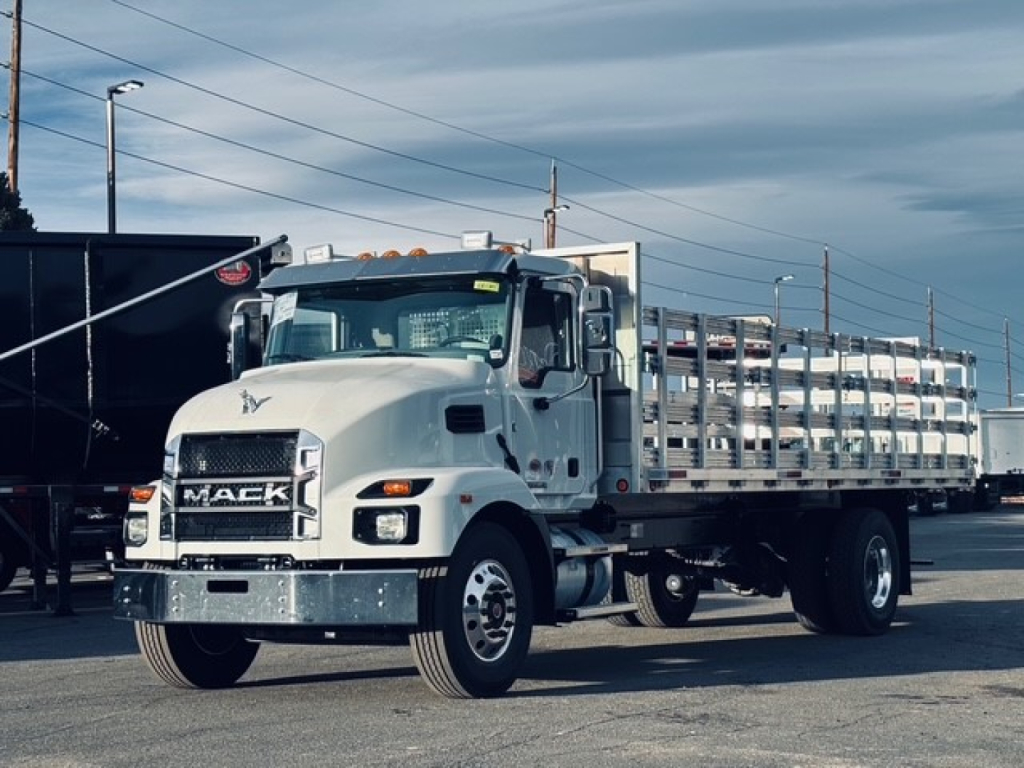
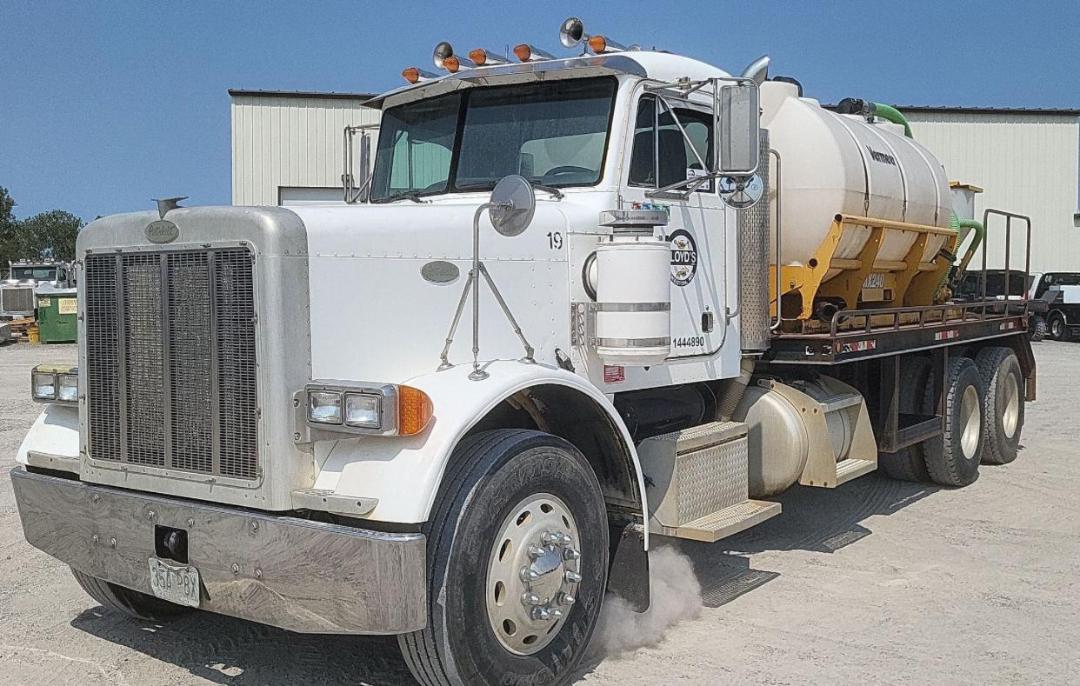
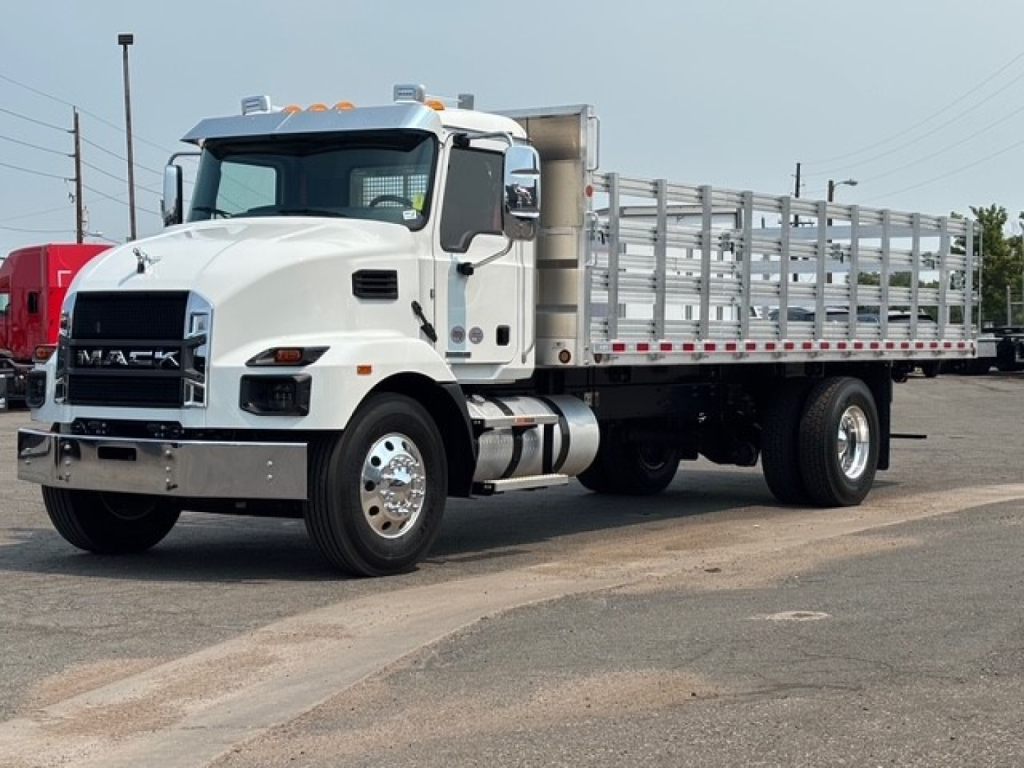
Selling a flatbed truck? List your flatbed truck for sale and reach thousands of commercial buyers.
Flatbed Trucks in Colorado
For many buyers, the first decision is chassis class and GVWR. A Class 6 or Class 7 flatbed with a single rear axle is common for local and regional work, especially when maneuverability matters in urban delivery, mountain towns, and construction sites. A 33,000-pound GVWR truck can be attractive because it sits at the upper end of the non-CDL range in many applications, though actual CDL requirements depend on the truck's rating, registration, and how it is used. Powertrains in this segment often include diesel engines in the 260 to 300 horsepower range paired with Allison automatic transmissions for stop-and-go routes, while older heavy-duty flatbeds may use manual transmissions, tandem axles, and higher-mileage vocational specs.
Body configuration matters as much as the truck itself. Aluminum flatbeds reduce tare weight and can help maximize payload, while steel bodies tend to favor severe-duty use and resistance to impact. Buyers should look closely at deck length, deck width, floor material, rub rails, stake pockets, tie-down points, headache racks, and whether the truck has removable sides or a full stake bed setup. If the job involves machinery, bundled material, or irregular freight, bed height and rear access become important. On Colorado routes, buyers also tend to pay attention to brake type, rear suspension, axle ratio, and engine brake performance because grades, elevation, and changing weather can affect drivability and stopping confidence.
A good flatbed truck match comes down to payload, loading method, and route profile. Local building supply and contractor delivery fleets often prefer automatic transmissions, straightforward medium-duty serviceability, and 20-foot to 22-foot bodies. Heavier oilfield, utility, or equipment applications may call for tandem axles, air suspension, locking differentials, and more robust tie-down capability. When comparing listings, check the body builder, wheelbase, frame rating, PTO or auxiliary equipment if installed, and signs of deck wear or corrosion around mounting points. Flatbed trucks are simple by design, but the right spec saves time every day in loading, securement, and jobsite access.
Frequently Asked Questions about Flatbed Trucks in Colorado
What is the difference between a flatbed truck and a stake bed truck?
A flatbed truck has an open platform body, usually with rub rails and stake pockets for cargo securement. A stake bed truck is a type of flatbed with removable side panels or fixed stakes that help contain palletized goods, bagged material, or loose jobsite cargo. Buyers handling mixed deliveries often like stake beds because they add versatility without giving up top-loading access.
What size flatbed truck is most common for local delivery work?
For local delivery, construction supply, and municipal work, medium-duty flatbed trucks with 18-foot to 22-foot bodies are among the most common setups. Many are built on Class 6 or Class 7 chassis with single rear axles and GVWRs around 25,999 to 33,000 pounds. That size balances payload, turning radius, body space, and ease of operation on tighter city or suburban routes.
Is an aluminum flatbed better than a steel flatbed?
Aluminum flatbeds are popular when payload matters because they weigh less and resist corrosion well. Steel flatbeds are often chosen for severe-duty work because they can handle repeated impact and hard use, though they add weight. The better choice depends on the freight, loading method, and operating environment. Delivery fleets often favor aluminum, while rough construction or equipment use may lean toward steel.
What should I inspect on a used flatbed truck?
Pay attention to deck condition, crossmembers, body mounts, rub rails, stake pockets, tie-down points, and any cracking or corrosion around the frame and bed attachment areas. Check for uneven deck wear from forklifts, bent rails from side impacts, and signs that the truck has been overloaded. On the chassis side, review axle ratings, brake condition, suspension wear, tire condition, driveline play, and service records for the engine and transmission.
Are flatbed trucks practical for Colorado conditions?
Yes, but the right spec matters. Colorado buyers often benefit from strong brake performance, an engine brake on heavier units, suitable rear axle ratios for grades, and tires matched to seasonal conditions. Trucks running mountain routes or jobsite access roads may also benefit from locking differentials, durable suspension components, and powertrain setups that hold speed without constant shifting at elevation.