
2000 Commercial Trucks For Sale in Colorado
Shop 2000 trucks for sale in Colorado, including day cabs, sleepers, flatbeds, roll-offs, and straight trucks for regional or vocational work.
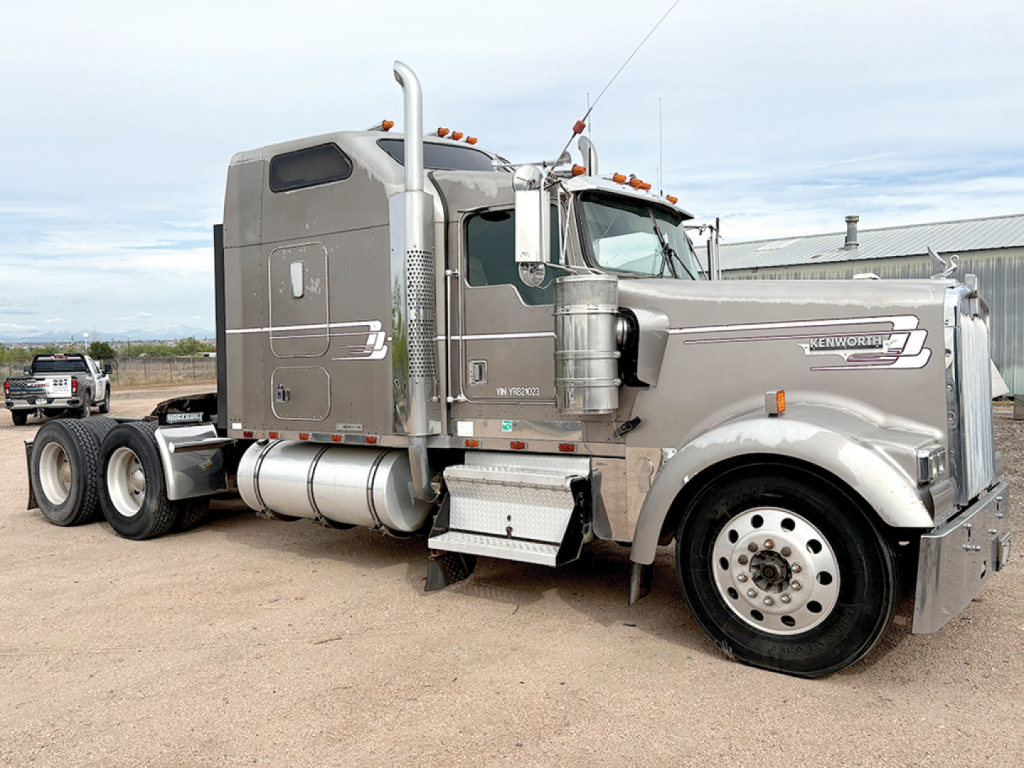
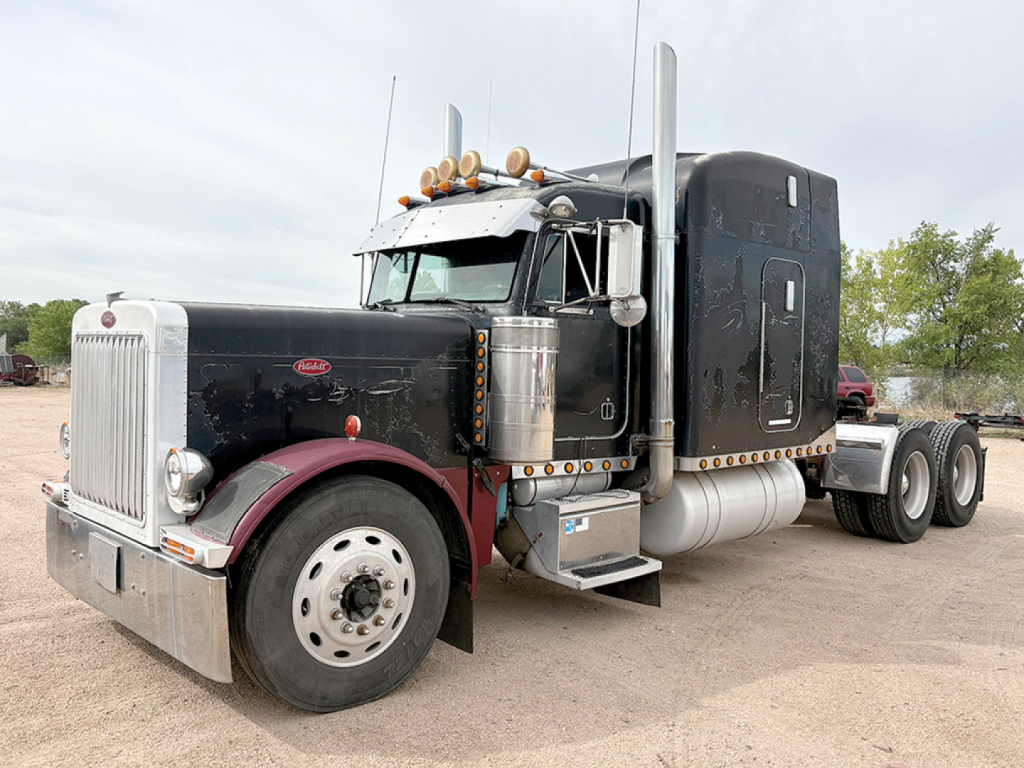
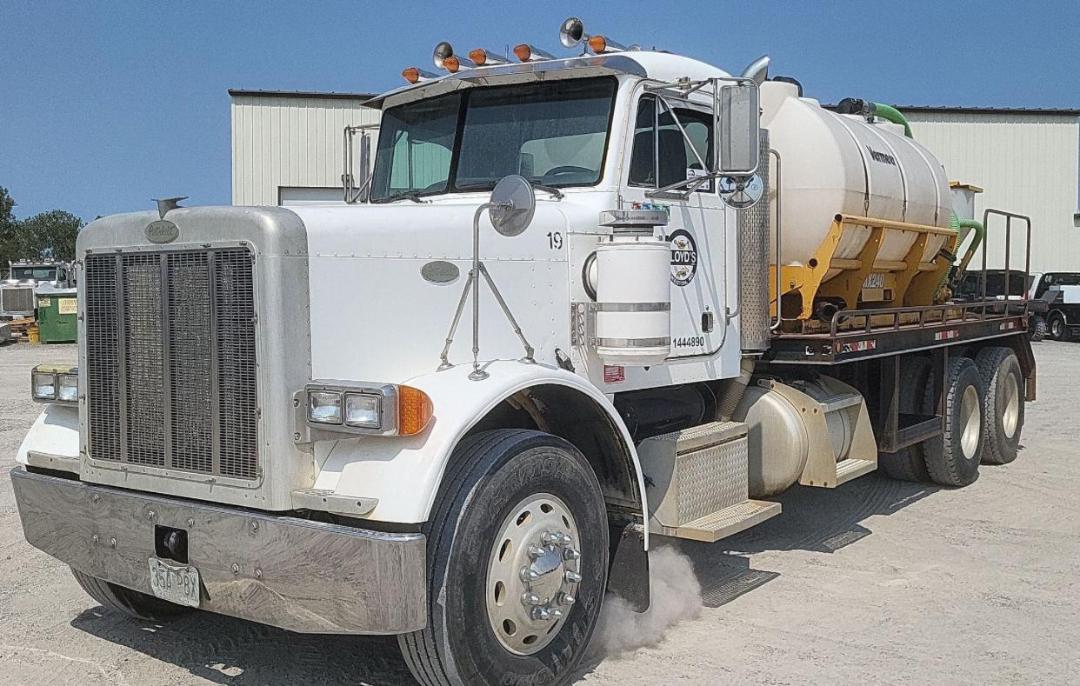
Have 2000 commercial truck to sell? List it here to reach thousands of buyers.
2000 Commercial Trucks in Colorado
For road tractors, common buyer checkpoints are engine make, horsepower, automated versus manual transmission, rear axle rating, and fifth wheel setup. A day cab is typically better for local and regional runs, while a sleeper truck supports longer lanes and over-the-road work. Many late-model tractors in this category use engines in the 400 HP range, tandem 40,000 lb rear axles, air ride suspension, and aerodynamic packages that help fuel economy on I-25, I-70, and longer western routes. Wheelbase, fuel capacity, and axle configuration also affect turning radius, bridge compliance, and trailer compatibility.
Medium-duty and vocational trucks need a different buying lens. A flatbed truck or dump-style platform setup may be spec'd with a Cummins or similar mid-range diesel, Allison automatic transmission, single rear axle, and GVWR around Class 6 or Class 7 limits for construction, landscape, municipal, and delivery work. A straight truck with a van body should be checked for body length, liftgate capacity, floor condition, E-track, scuff liners or scuff plate protection, and door type. For roll-off and other vocational applications, body hoist capacity, PTO setup, frame reinforcement, suspension, and axle ratings matter as much as the engine.
Condition and spec alignment are more important than model year alone. Buyers should compare actual miles or hours when available, emissions equipment, brake type, tire size, wheel material, service history, and any upfit details that affect uptime. In Colorado, cold-weather starting, cab heat, bunk heater operation on sleepers, and corrosion exposure from winter roads can all influence value. The best 2000 trucks for sale are the ones with a chassis, drivetrain, and body configuration that match the route, payload, and operating cost target of the business.
Frequently Asked Questions about 2000 Commercial Trucks in Colorado
What types of trucks are usually included in a trucks for sale category?
This category can include highway tractors, day cabs, sleeper trucks, straight trucks, flatbed trucks, van body trucks, roll-off trucks, and other vocational chassis. The listing title does not always tell the full story, so buyers should confirm the truck class, axle configuration, GVWR, wheelbase, and body or fifth wheel setup before comparing units. Those details determine whether the truck is suited for long-haul freight, local delivery, construction, refuse, or municipal work.
What matters most when comparing trucks for Colorado operations?
Colorado buyers should pay close attention to horsepower, torque, rear axle ratio, transmission type, cooling performance, and brake specification because mountain grades and elevation put more load on the drivetrain than flatter regions. A truck that is acceptable for flat interstate use may feel underpowered in western routes or Front Range work with heavier payloads. Tire condition, suspension type, and engine brake performance also deserve extra attention for safety and control on long descents.
How do I choose between a day cab, sleeper, and straight truck?
A day cab is typically the right choice for local and regional hauling where overnight accommodations are not needed and lower weight can improve payload or maneuverability. A sleeper is better for over-the-road freight and longer dispatch cycles because it supports driver rest and larger fuel capacity. A straight truck is the practical choice when the cargo body is permanently mounted, such as a box truck, flatbed, or specialized vocational body, and it is often preferred for city delivery or jobsite service work.
What specs should I check first on a used truck listing?
Start with engine make and rating, transmission model, axle ratings, axle ratio, suspension, brake type, wheelbase, and mileage if listed. On body-equipped trucks, also confirm body length, PTO setup, liftgate or hoist details, and any cargo control equipment. These specs affect legal payload, road speed, serviceability, and how easily the truck can be matched to your existing trailers, routes, or operating fleet.
Are newer model years always the better buy in this category?
Not necessarily. A newer truck may offer updated safety systems, emissions technology, and improved fuel efficiency, but the better value depends on maintenance history, drivetrain spec, application fit, and overall condition. A properly maintained truck with the right axle ratio, transmission, body configuration, and documented service records can be a smarter purchase than a newer unit with the wrong spec for the work.