
Mixer Trucks For Sale in Colorado
Browse mixer trucks for sale in Colorado. Compare axle setups, drum capacity, PTO specs, bridge laws, and jobsite-ready concrete hauling options.
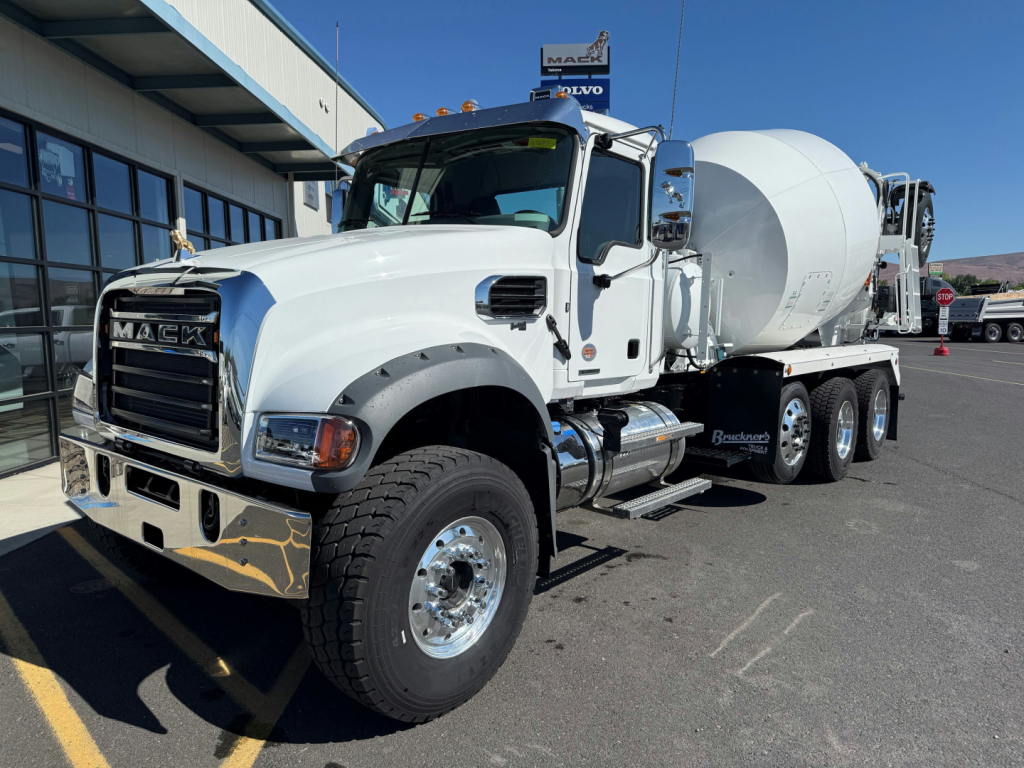
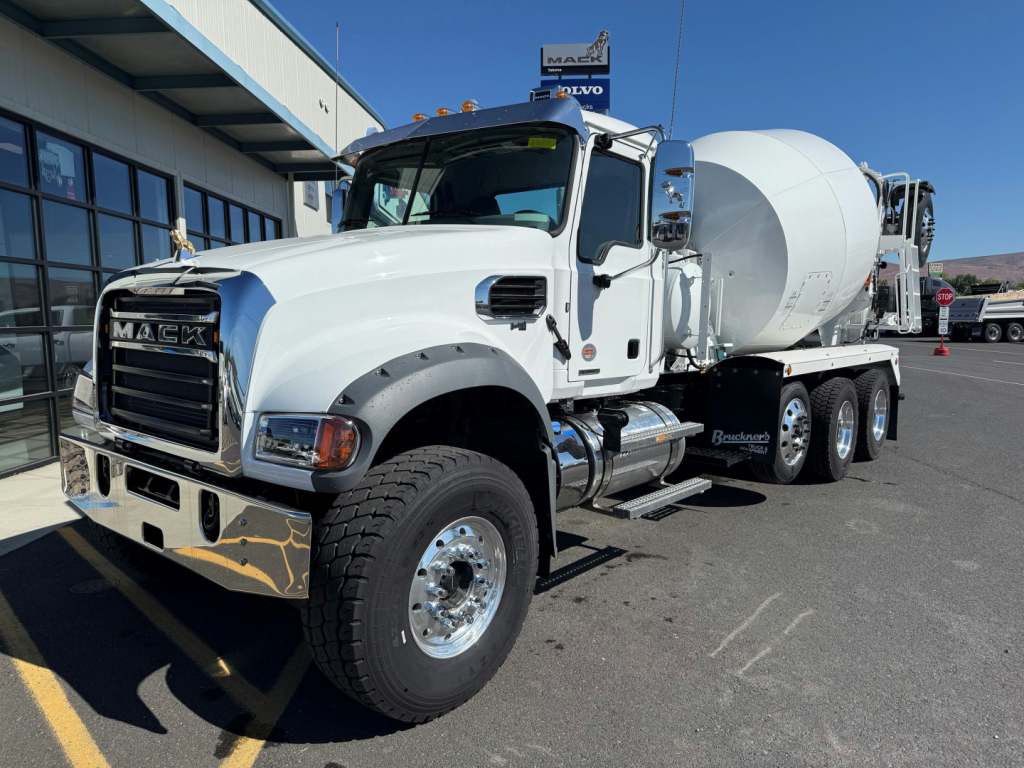
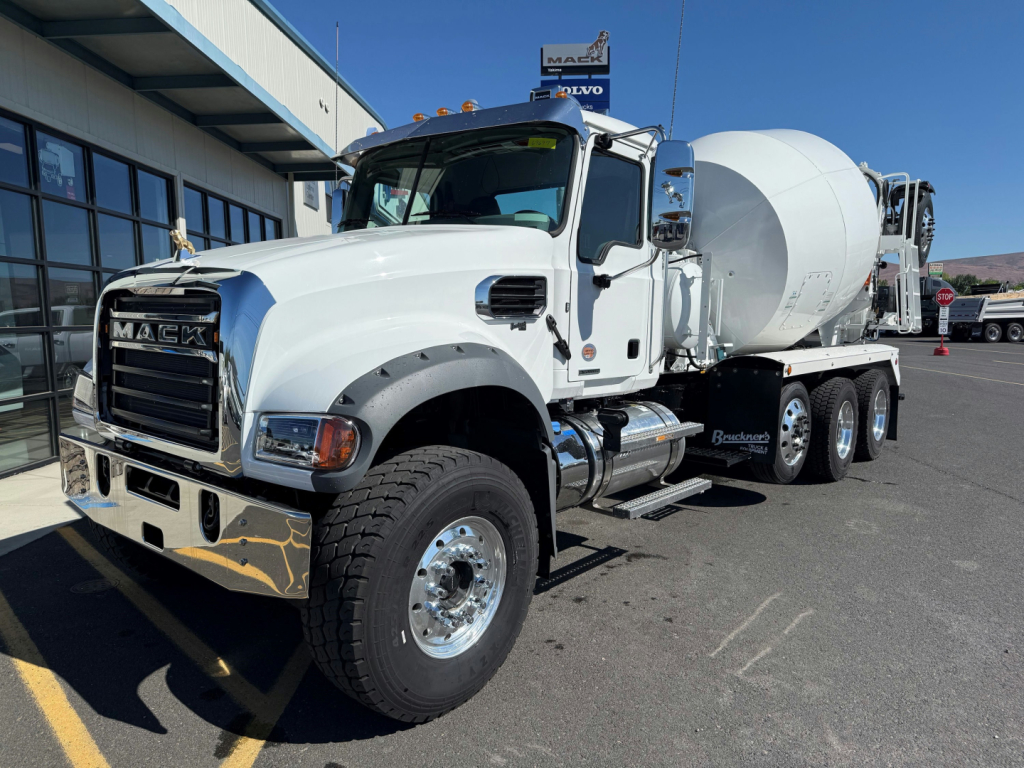
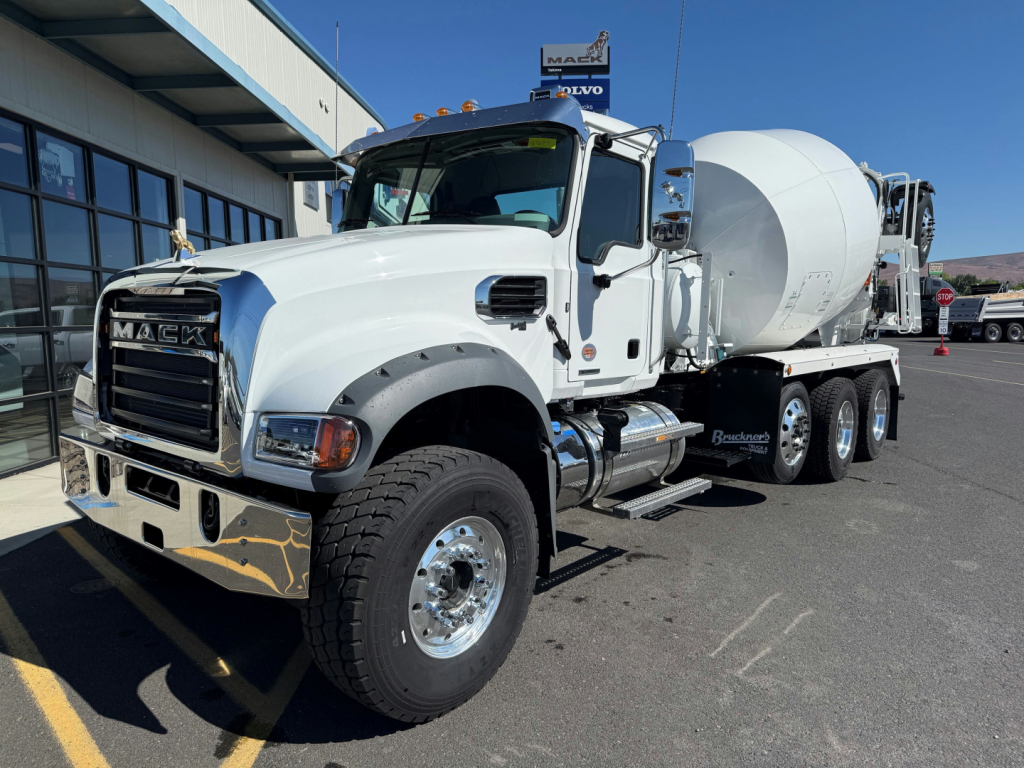
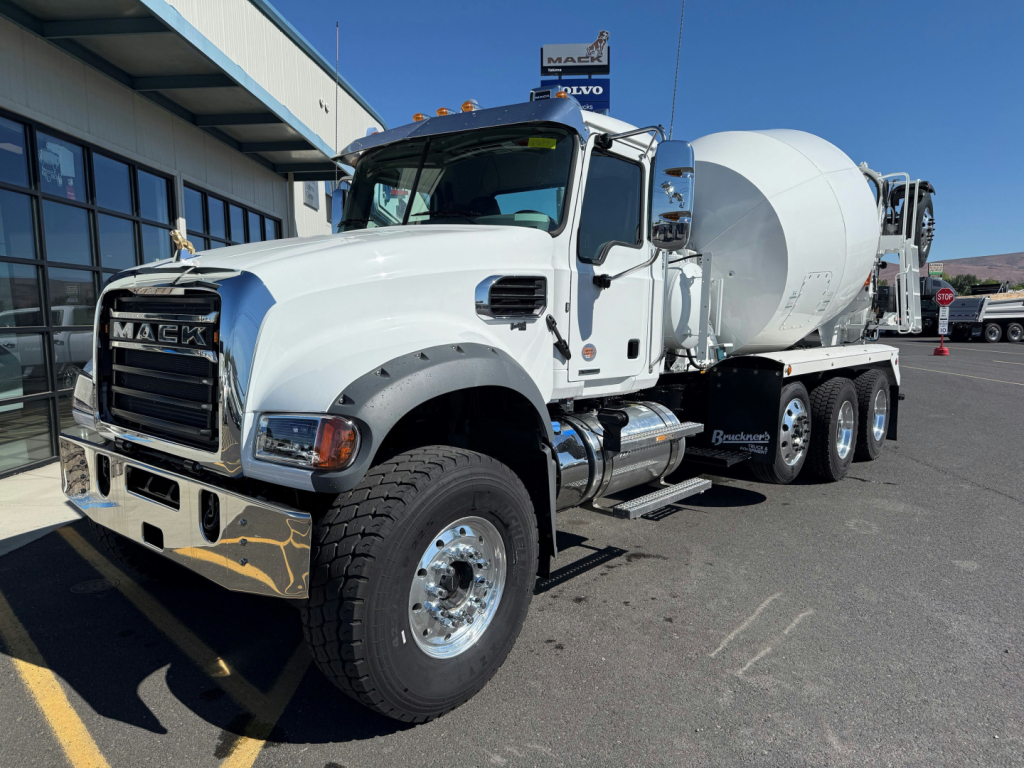
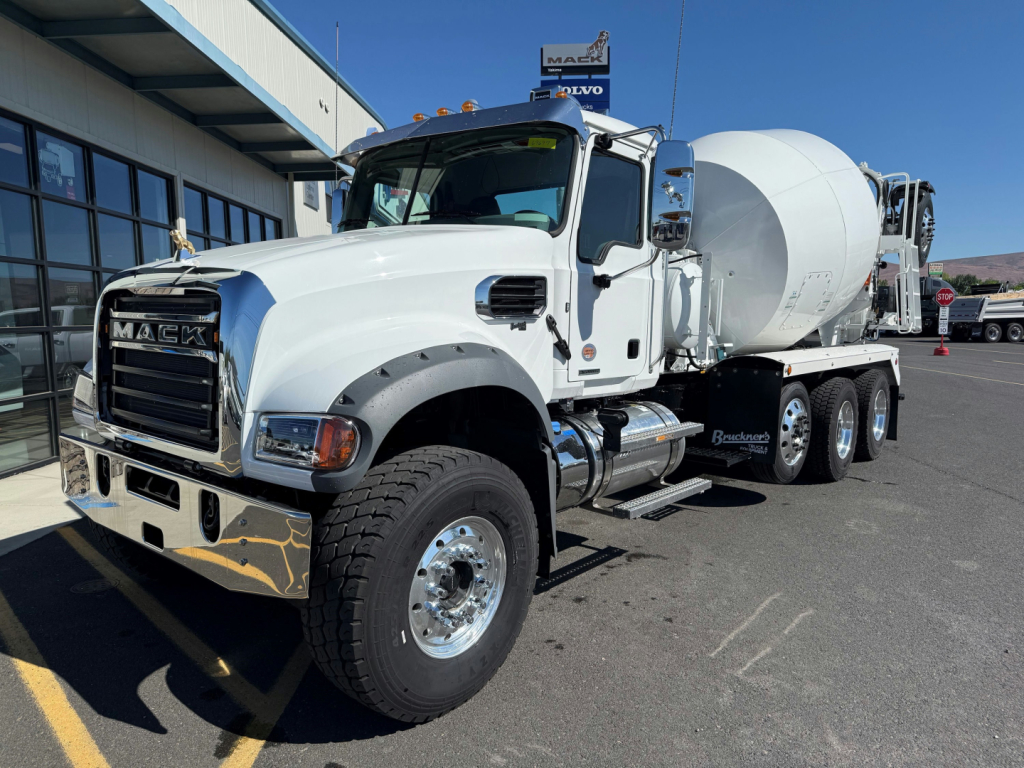
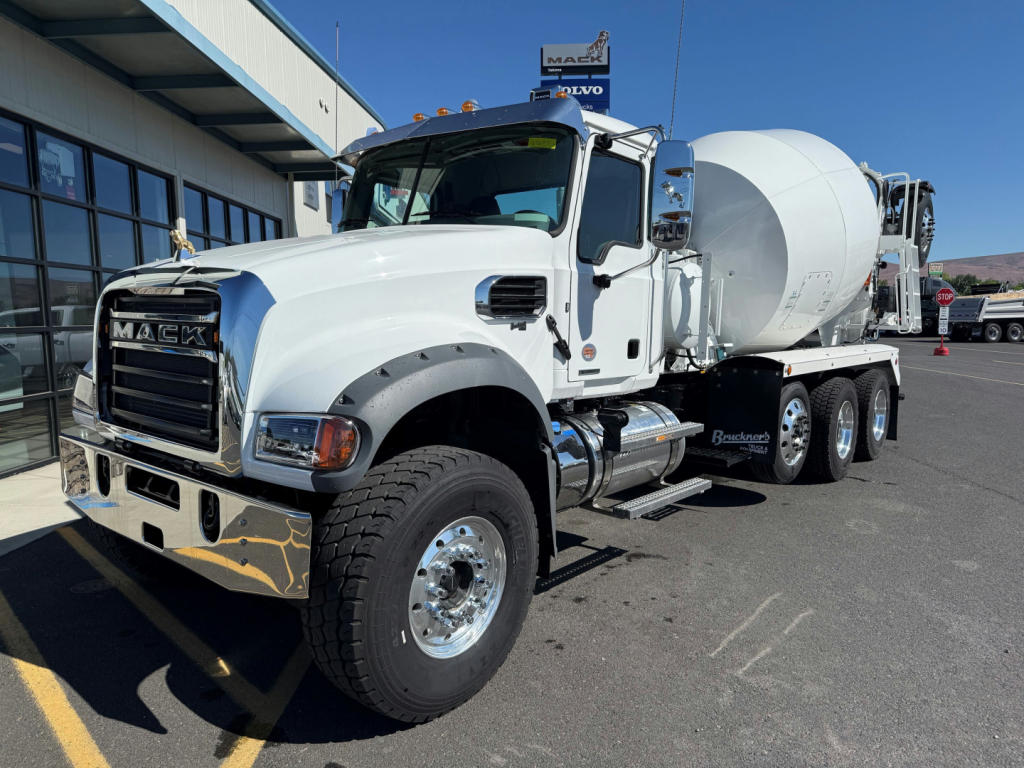
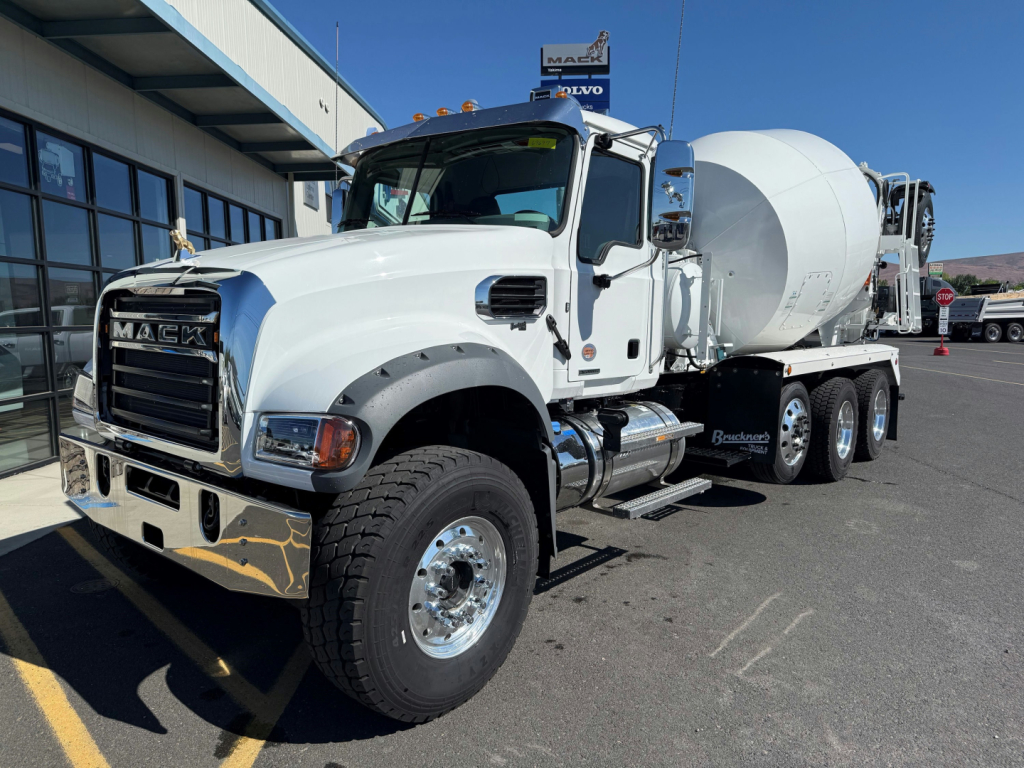
Selling a mixer truck? List your mixer truck for sale and reach thousands of commercial buyers.
Mixer Trucks in Colorado
The mixer body itself needs to match production demands. Buyers typically compare drum capacity, water tank size, charge hopper design, chute storage, and drum drive system. Front discharge mixers can improve placement visibility and reduce the need for extra equipment on some jobs, while rear discharge mixers remain common for fleets that prioritize simpler operation and broad driver familiarity. Hydraulic performance matters because drum speed, charge and discharge control, and reliability under continuous cycling directly affect turnaround time. It is also worth checking PTO and hydraulic pump specifications, auxiliary engine versus chassis-driven systems, and access for routine service on rollers, seals, and hydraulic components.
On the truck side, concrete mixer applications put constant stress on frame rails, crossmembers, suspension, and driveline components. Buyers should pay close attention to gross vehicle weight rating, front and rear axle ratings, transmission choice, and engine torque matched to local haul routes. In Colorado, steep grades and higher elevations can make powertrain selection more important than it would be in flatter markets. Vocational-spec automatic and automated manual transmissions are common, and many fleets look for severe-duty chassis features such as double-frame construction, high-capacity cooling, lift axles where legal and practical, and durable cab protection for plant and site use. Turning radius, cab visibility, and ladder and platform layout also matter because mixer trucks spend a lot of time maneuvering in congested spaces.
A good mixer truck should fit the plant, the route, and the pour schedule. Short-haul city work often favors maneuverability and fast discharge control, while larger commercial or infrastructure work may justify higher-capacity configurations and heavier-spec running gear. Buyers also compare drum material, liner life, washout access, fender and splash protection, and corrosion resistance, especially if the truck will run year-round in snow, mud, and deicing conditions. The best choice is usually the one that balances payload, stability, service access, and driver efficiency without creating avoidable maintenance downtime.
Frequently Asked Questions about Mixer Trucks in Colorado
What should I look for first when buying a mixer truck in Colorado?
Start with axle configuration, legal payload, and terrain. Colorado operations often involve a mix of highway travel, municipal streets, uneven jobsites, and mountain grades, so the truck needs the right GVWR, axle ratings, wheelbase, and powertrain. Drum capacity matters, but it only pays off if the chassis can legally and safely carry the load on your routes.
What is the difference between a front discharge and rear discharge mixer truck?
A front discharge mixer lets the driver control discharge from the cab and can improve visibility when placing concrete, which is useful on tight or complex jobsites. A rear discharge mixer is a more traditional layout and is often preferred for its simpler operating style and broad driver familiarity. The right choice depends on your crew setup, placement method, and the kind of work you handle most often.
How important is drum capacity on a concrete mixer truck?
Drum capacity is important, but it should not be viewed in isolation. A larger drum can support higher production, but only if the truck's axle ratings, bridge compliance, and suspension specifications support that payload. Buyers should also consider water tank capacity, drum drive performance, and how quickly the truck can load, travel, discharge, and return to the plant.
What chassis features matter most on a mixer truck?
The most important chassis features are frame strength, suspension capacity, axle ratings, transmission type, engine torque, and cooling performance. Mixer applications create a high, shifting load and frequent stop-and-go duty, so severe-duty construction is a real advantage. Good steering geometry, visibility, and service access also make a difference in daily productivity and driver confidence.
Are mixer trucks expensive to maintain?
Mixer trucks have specialized maintenance needs because they combine a vocational chassis with a rotating drum and hydraulic system. Routine attention to rollers, seals, PTO components, hydraulic pumps, chutes, and drum wear is essential. A well-matched truck that is easy to wash out, inspect, and service will usually control downtime better than a higher-capacity unit that is difficult to maintain.