
2023 Commercial Trucks For Sale in Colorado
Browse 2023 trucks for sale in Colorado, including day cabs, sleepers, box trucks, dumps, and vocational models with key spec insights.
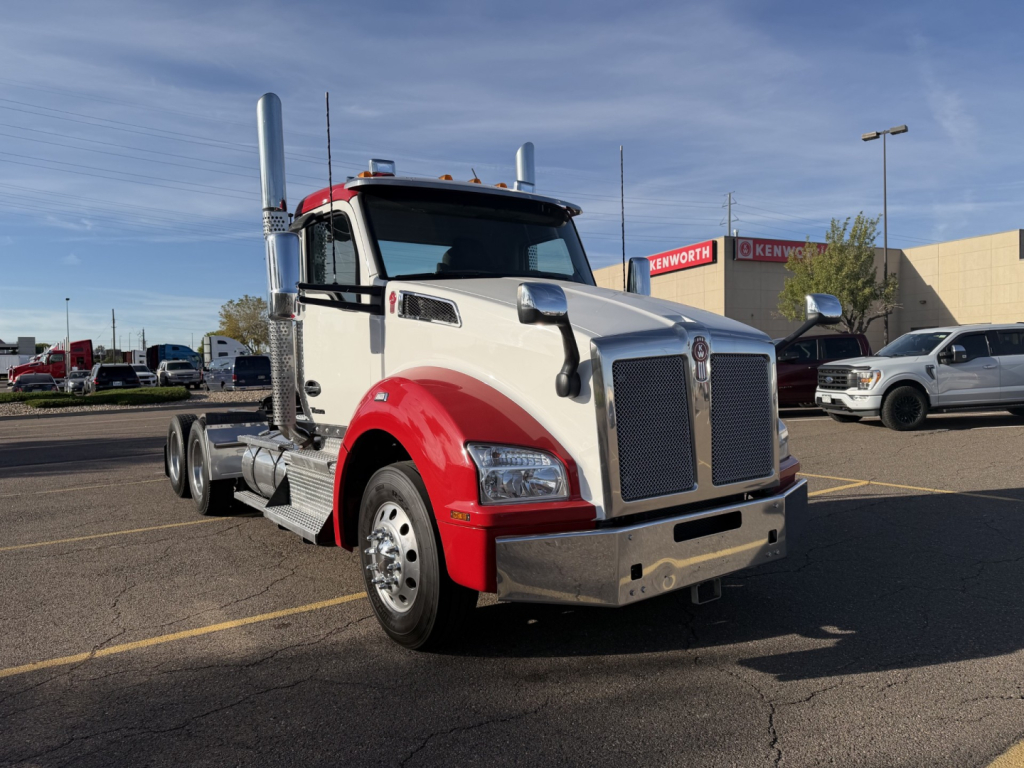
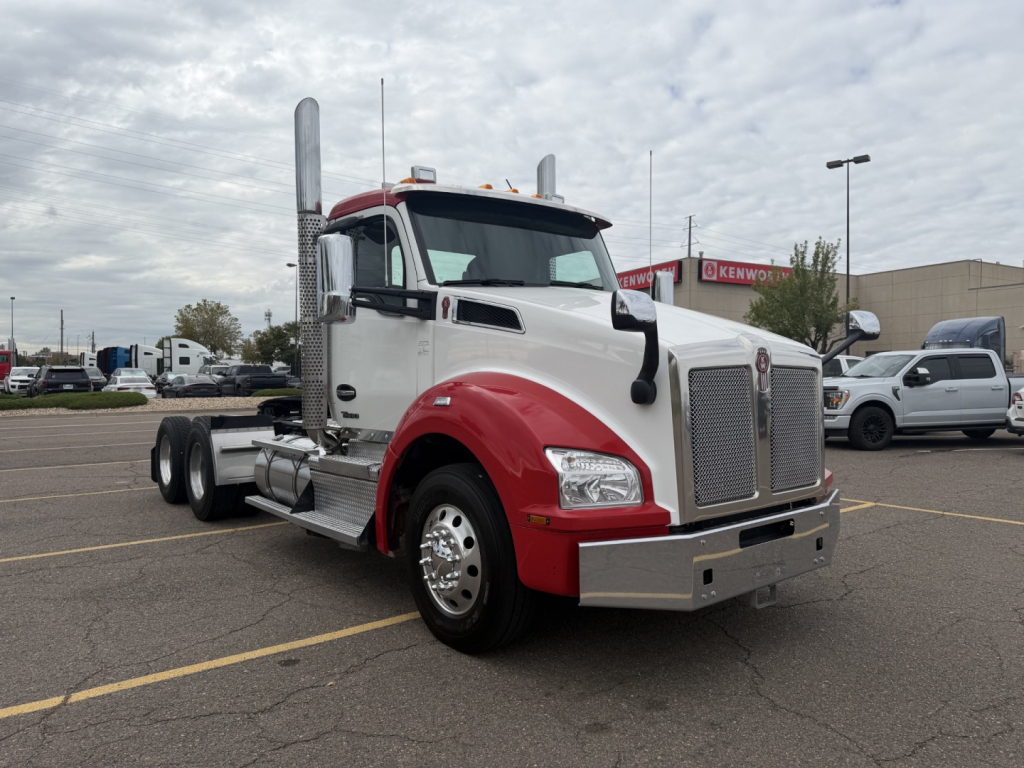
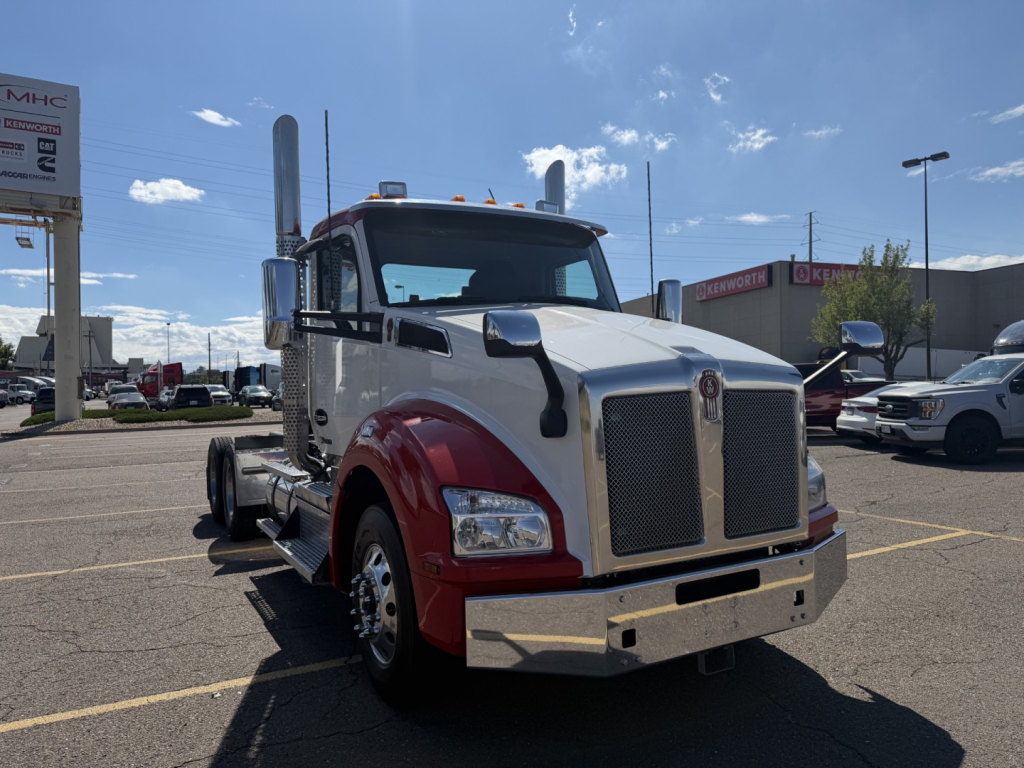
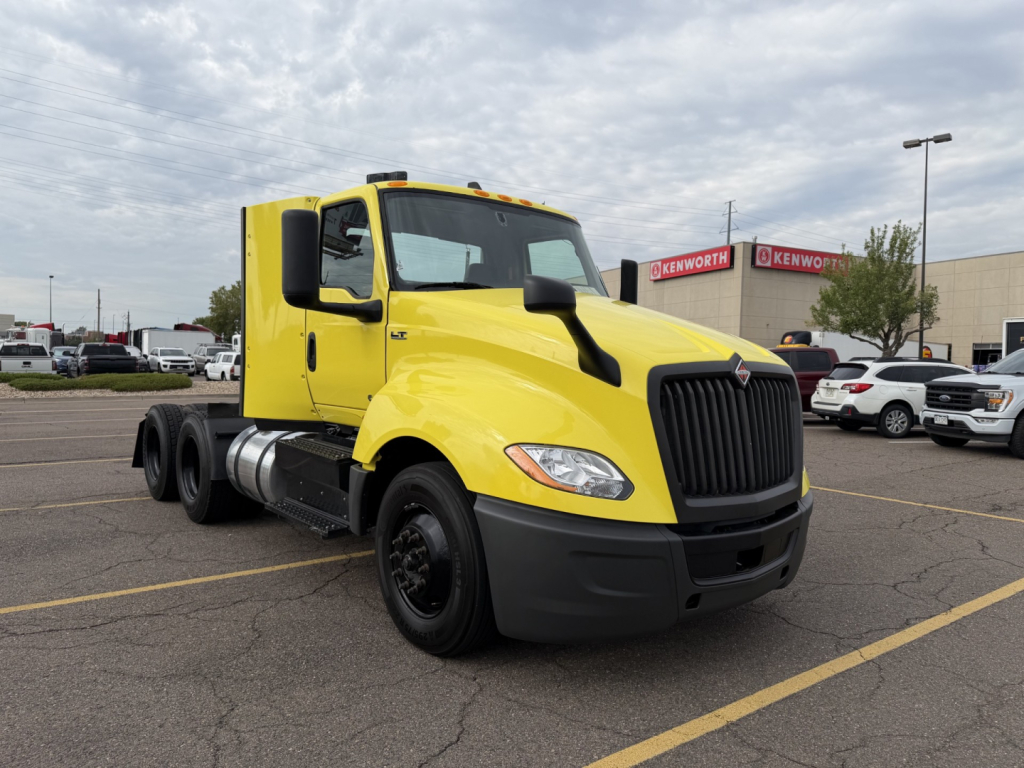
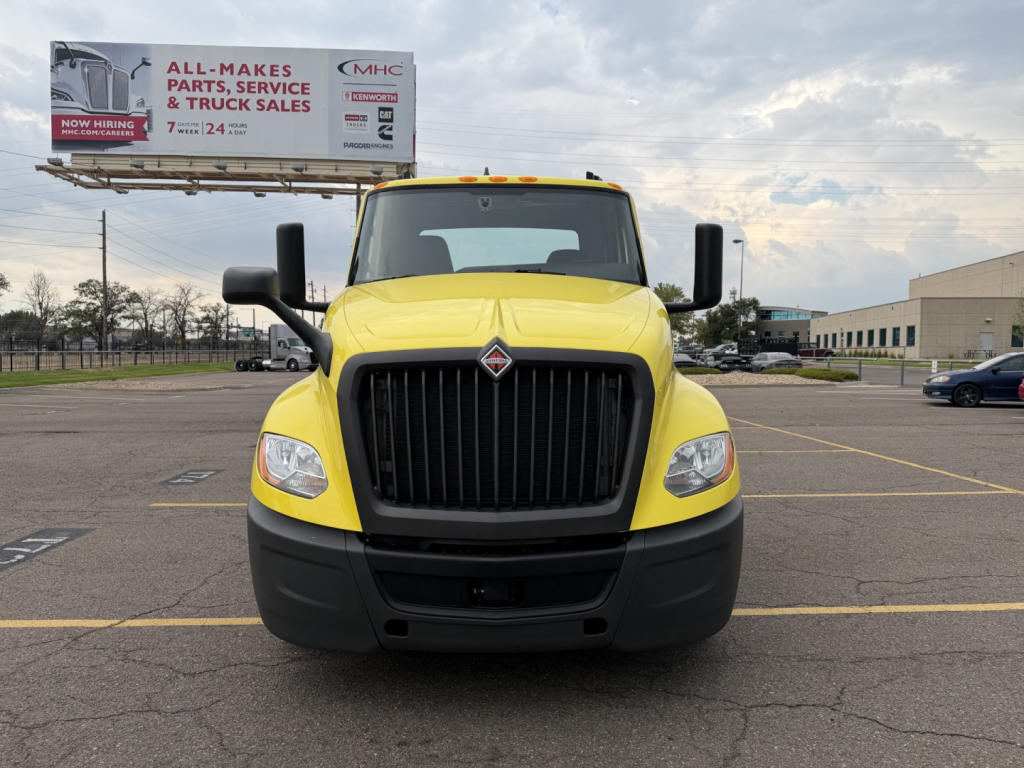
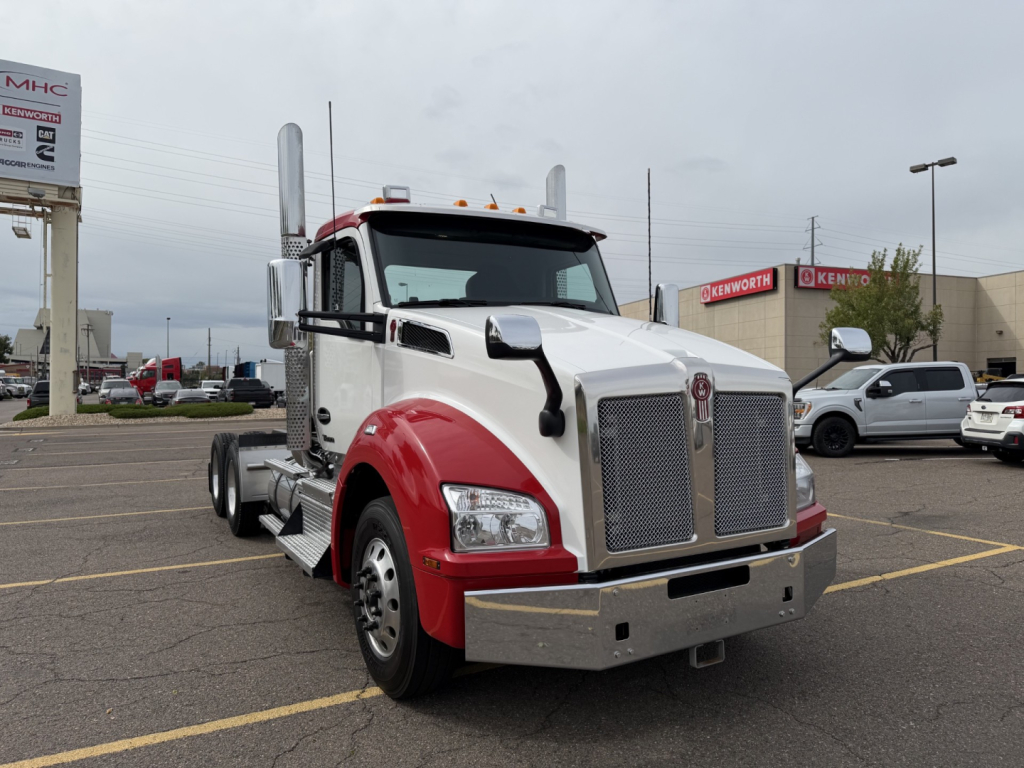
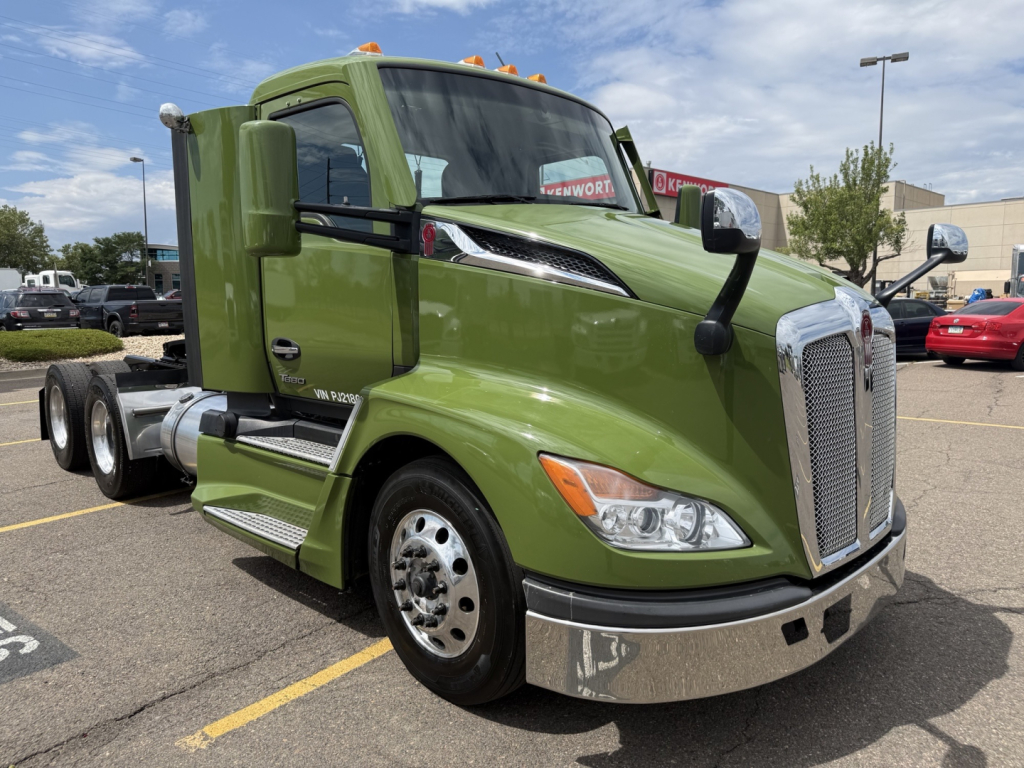
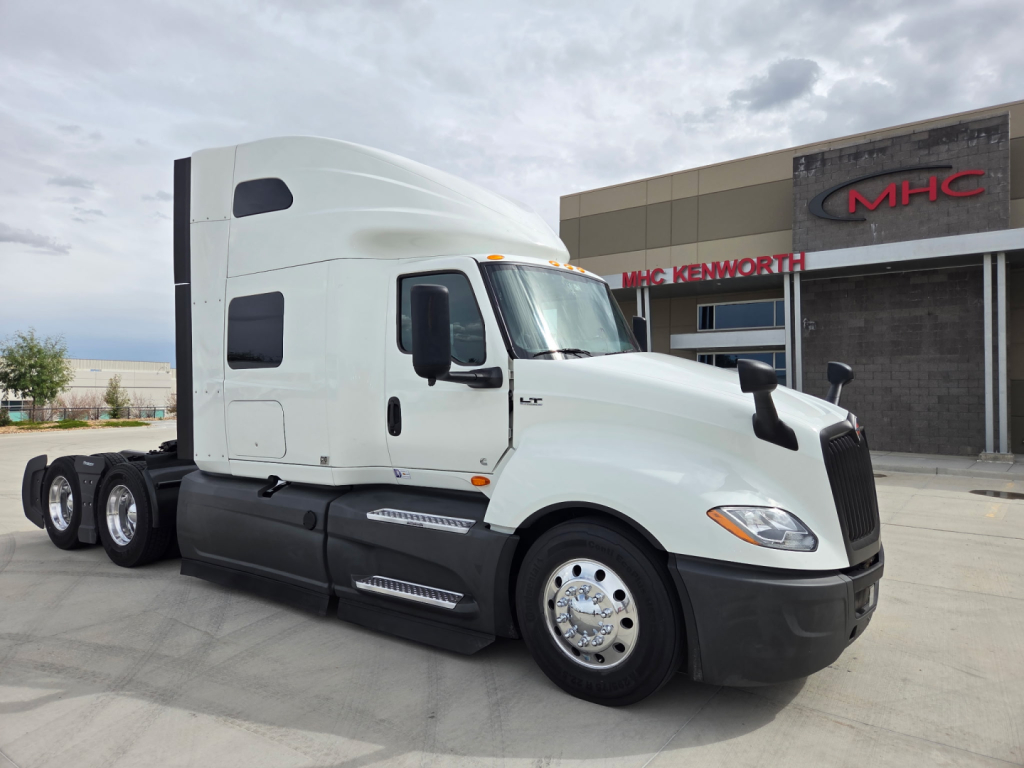
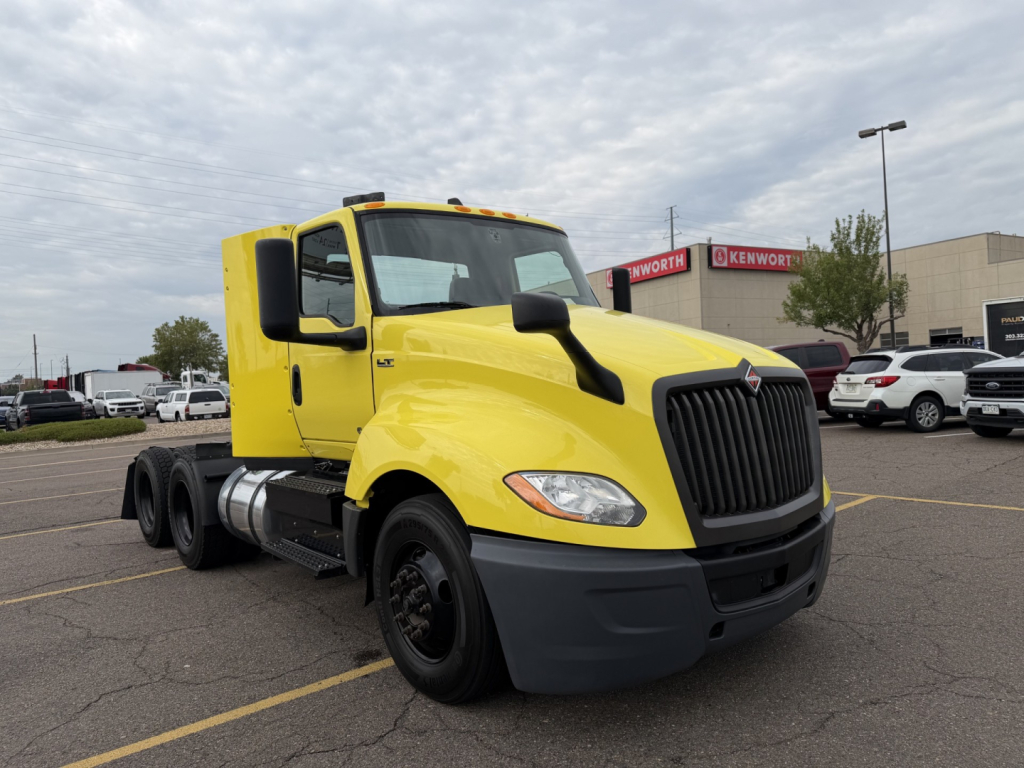
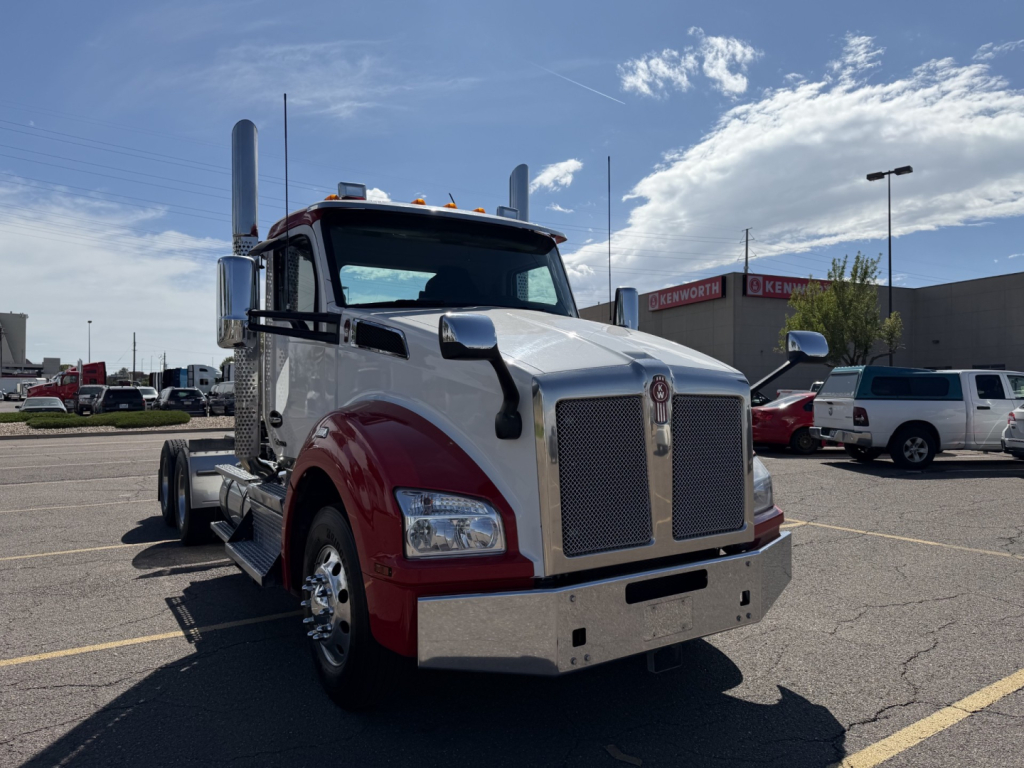
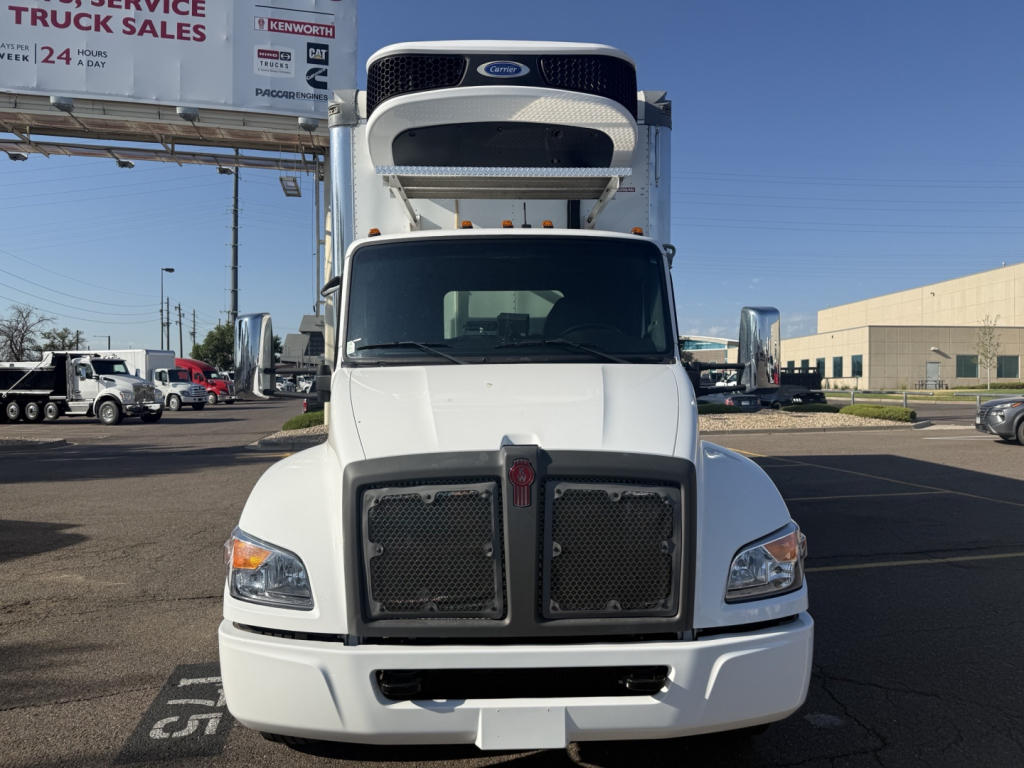
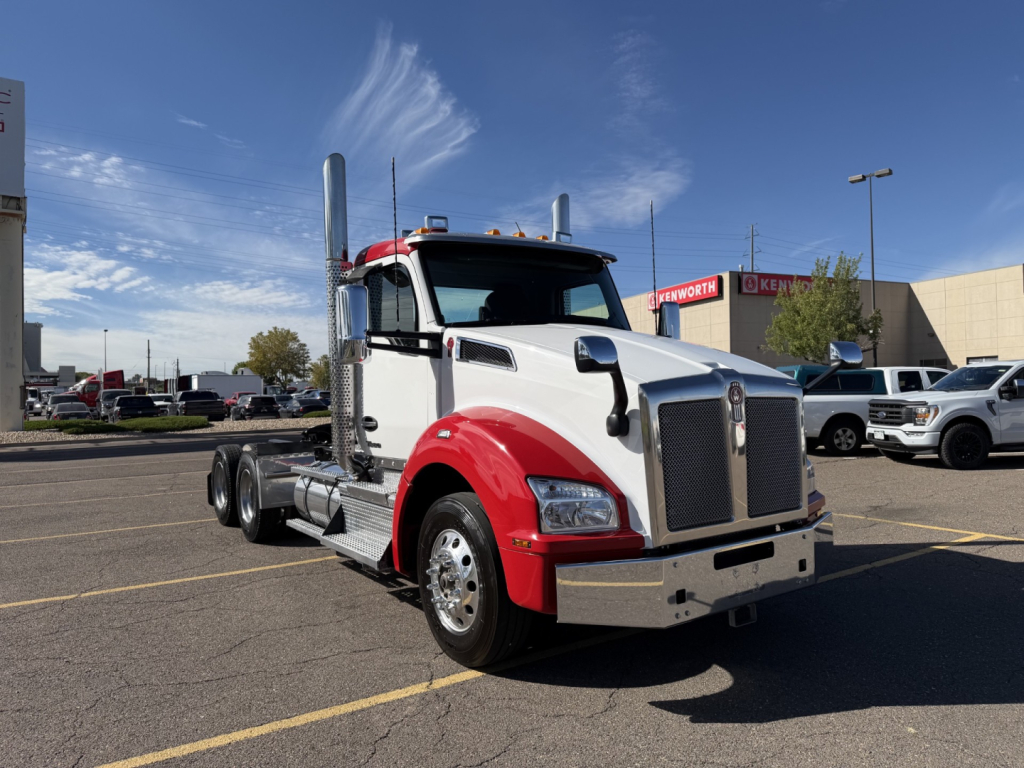
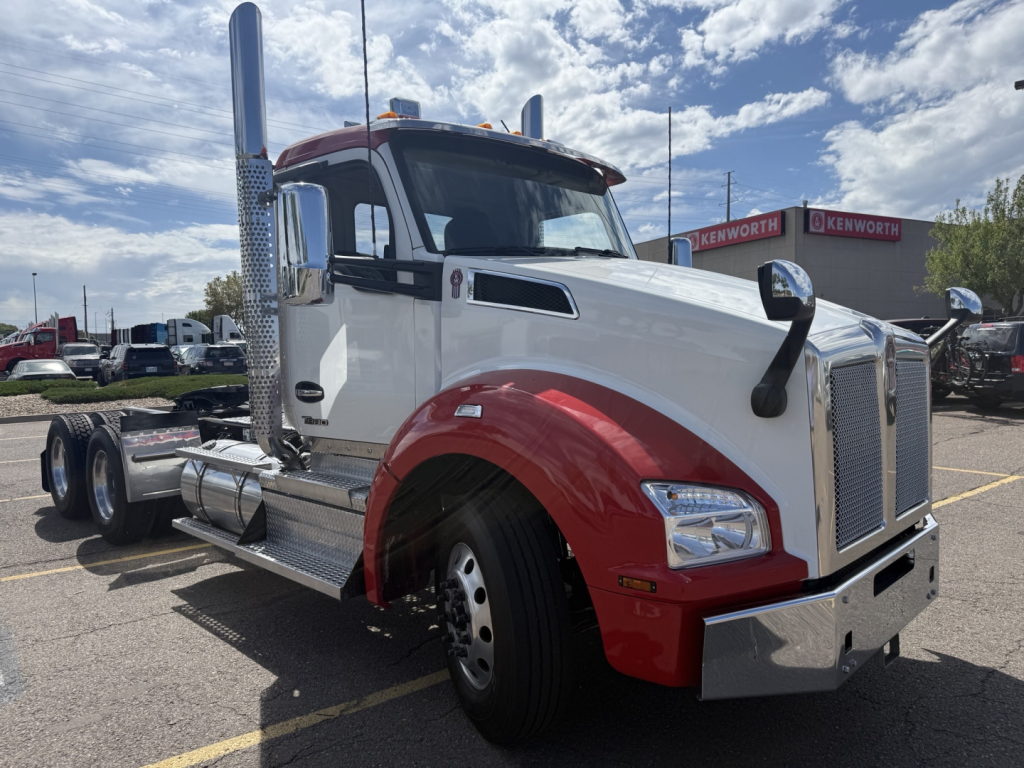
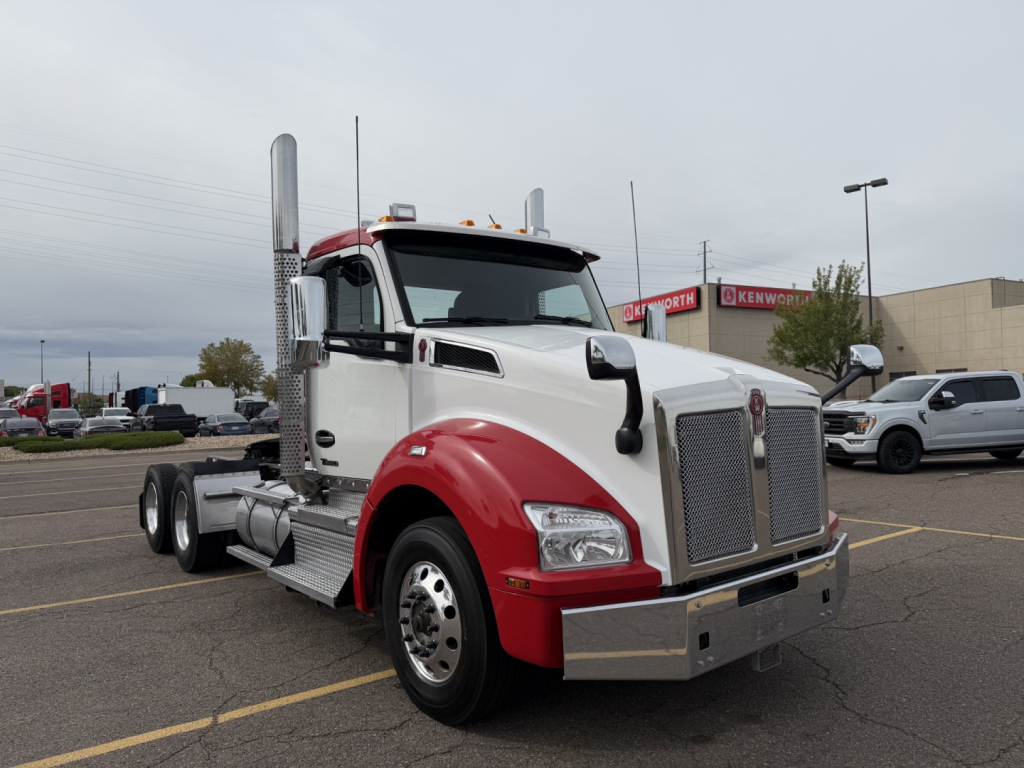
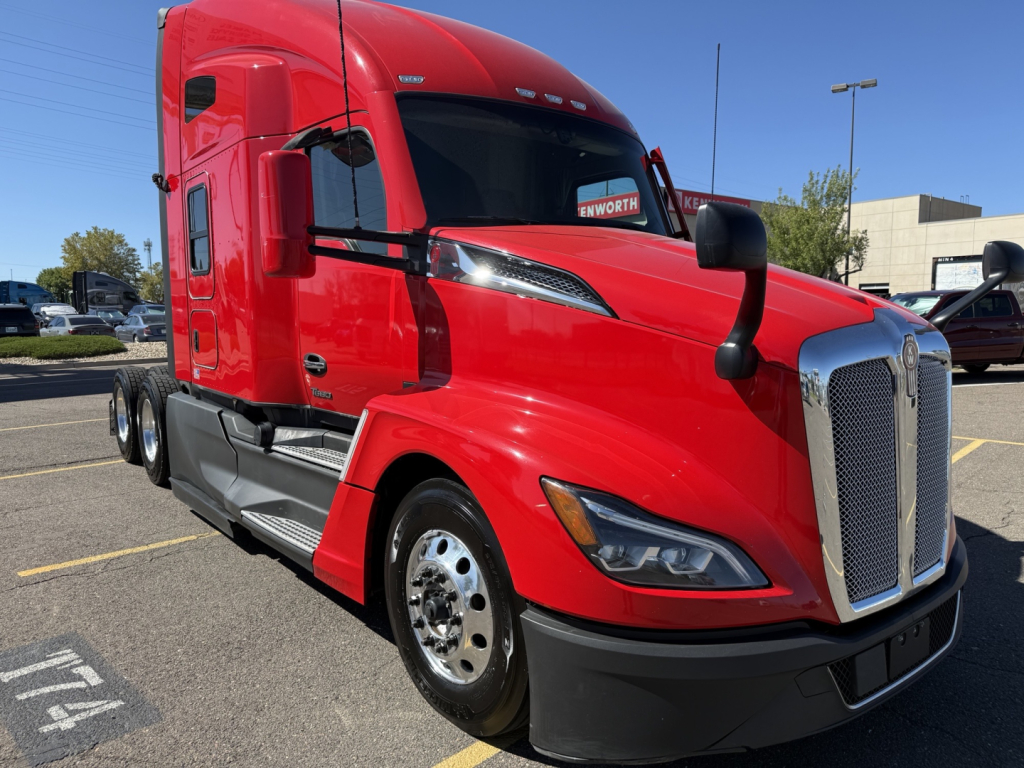
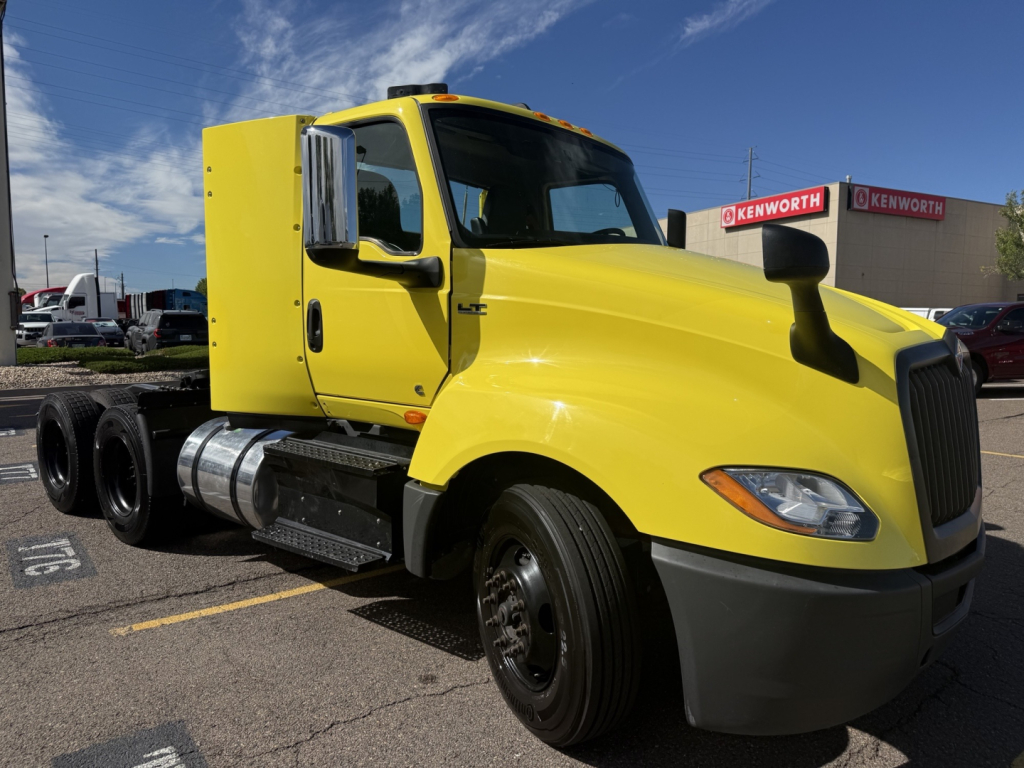
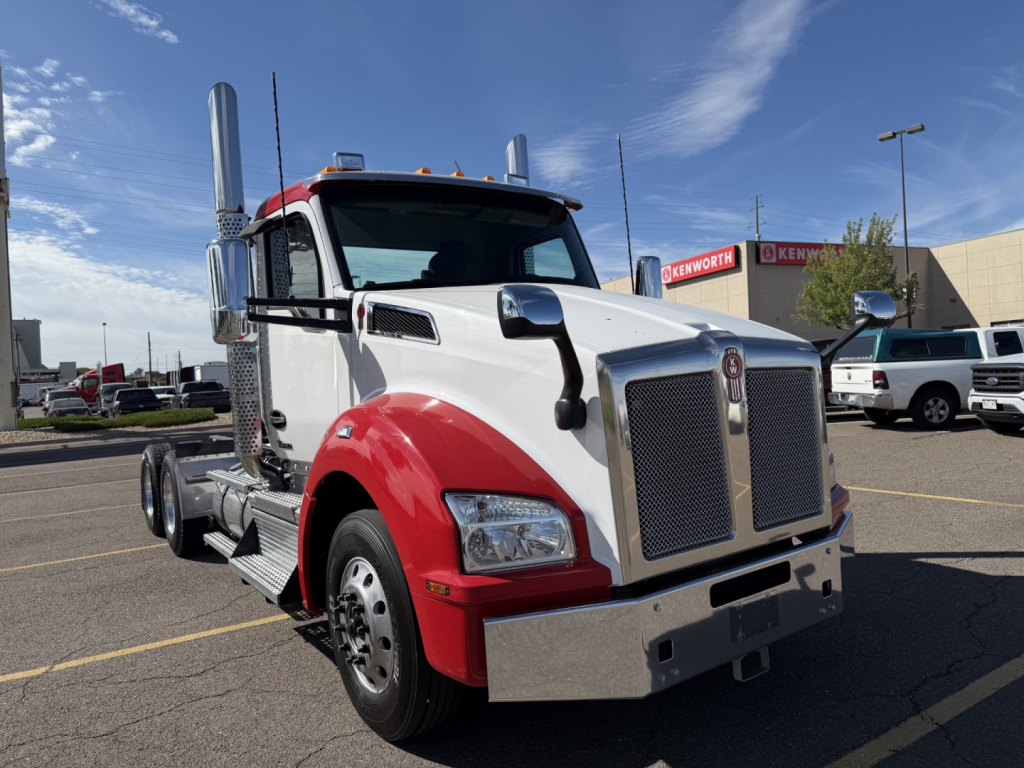
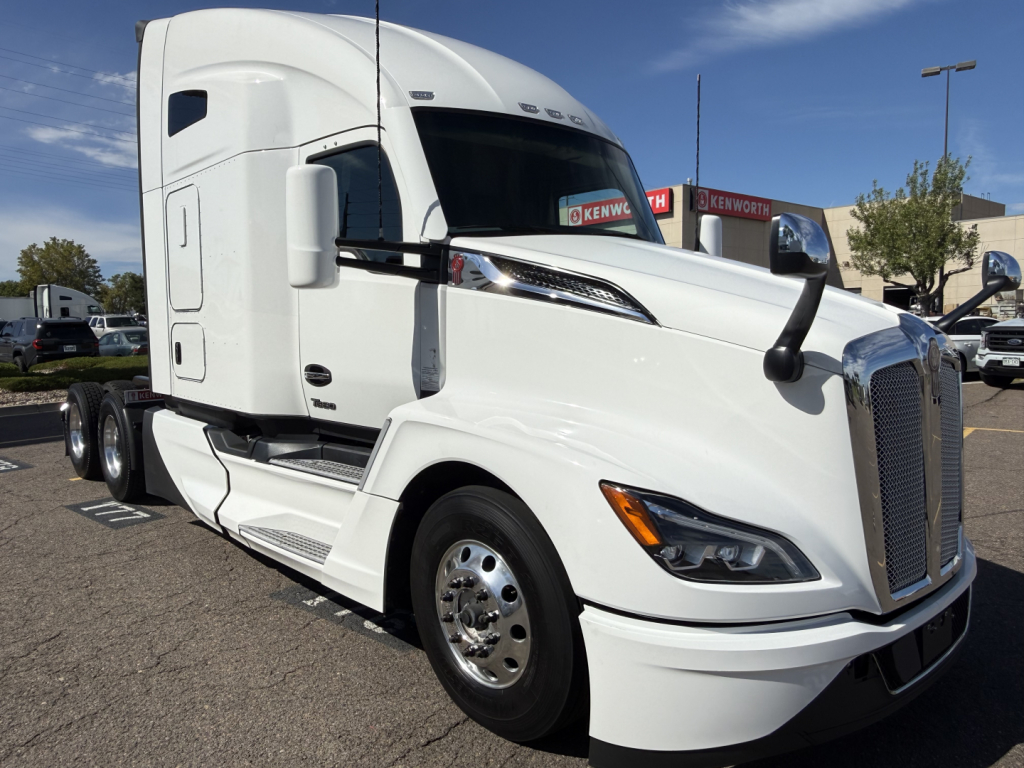
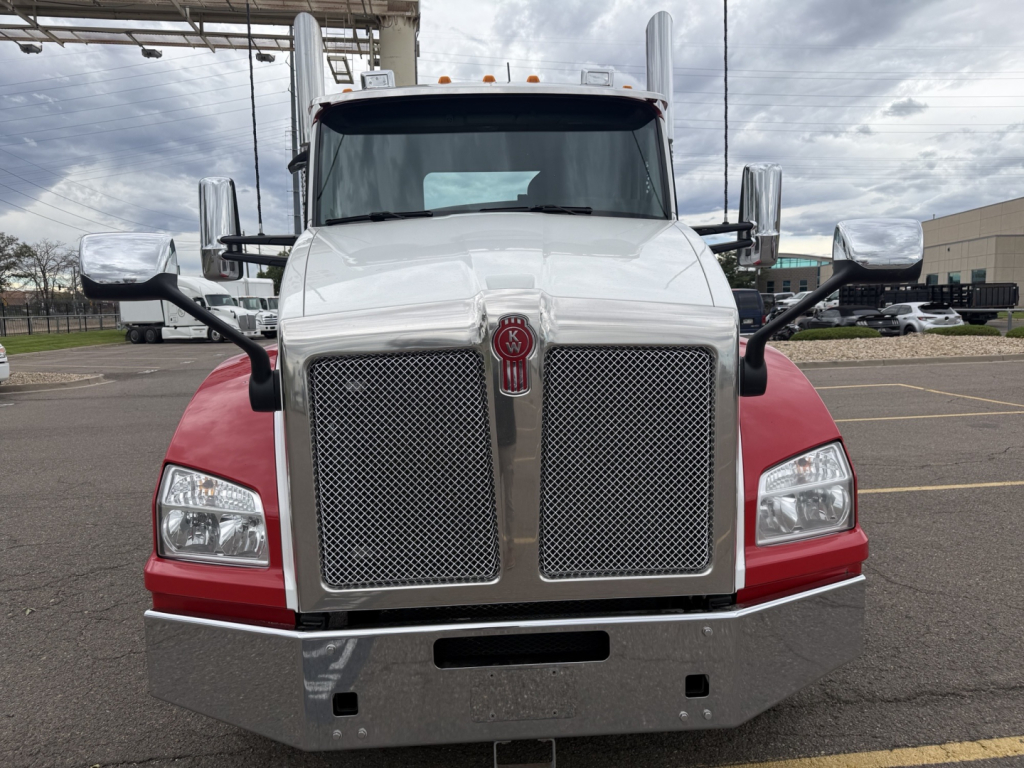
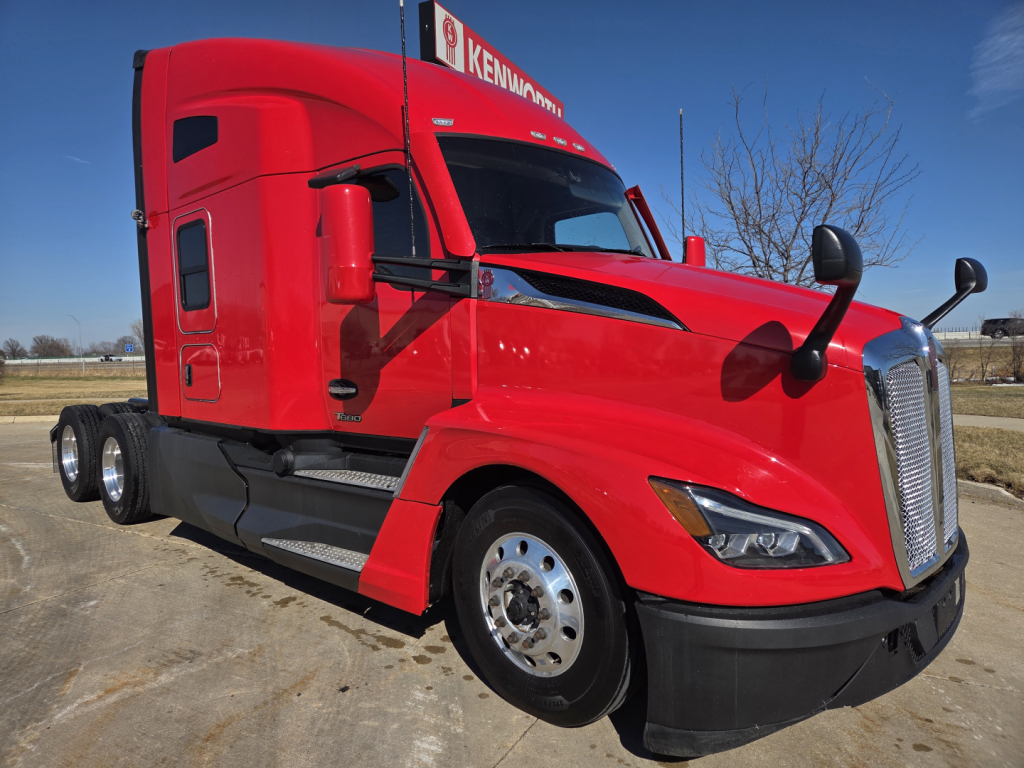
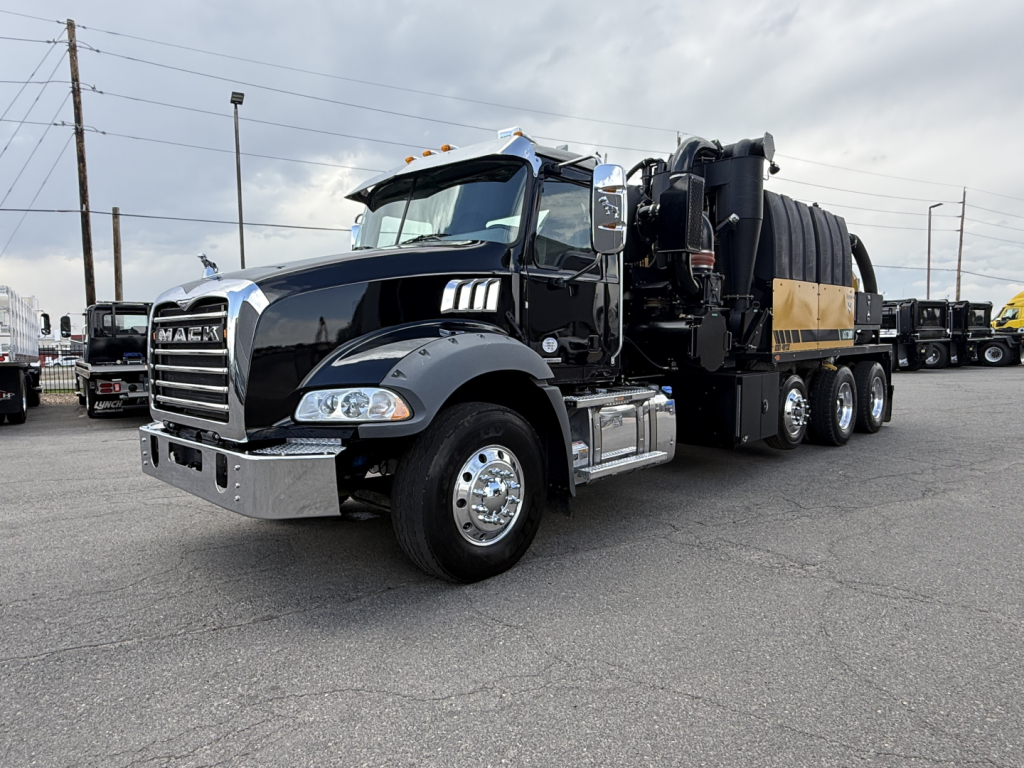
Selling a 2023 commercial truck? List your 2023 commercial truck for sale and reach thousands of commercial buyers.
2023 Commercial Trucks in Colorado
For highway tractors, the main decisions usually come down to sleeper size, horsepower, transmission type, and axle spec. A 2023 conventional truck may be set up for regional freight with a day cab and shorter wheelbase, or for long-haul work with a mid-roof or high-roof sleeper, larger fuel capacity, and aerodynamics tuned for interstate miles. Buyers comparing these trucks should pay close attention to engine families such as the Cummins X15 or similar heavy-duty platforms, along with automated manual versus manual transmissions, 6x4 axle layouts, 3.08 to 3.55 style rear ratios, and suspension type. Wheelbase, fifth wheel configuration, and front axle capacity also matter if the truck will be paired with specialized trailers or expected to run heavier payloads through the Rockies.
In the medium-duty and vocational segment, 2023 trucks can include box trucks, straight trucks, dump trucks, mixer trucks, and cab and chassis units ready for upfit. These trucks are often spec'd around GVWR, body length, PTO compatibility, and jobsite durability rather than sleeper comfort or fuel range. A 26-foot dry van body, liftgate, E-track, bulkhead reinforcement, and air ride rear suspension may be important on delivery equipment, while dump and mixer applications put more emphasis on frame strength, axle ratings, bridge law compliance, and body or drum integration. Engines in this class are commonly paired with Allison automatic transmissions, and buyers should verify brake type, wheelbase, turning radius, and body manufacturer details before making a final comparison.
A 2023 truck is also a smart year to evaluate for fleet standardization, warranty carryover, and emissions system history. Buyers should review maintenance records, idle hours, telematics availability, tire condition, and any remaining factory coverage. In Colorado, corrosion exposure is usually less severe than in heavy salt markets, but suspension wear, cooling system performance, and brake condition still deserve a close inspection, especially on trucks that have worked mountain routes or construction duty. The right 2023 truck is the one whose axle ratings, cab configuration, and drivetrain match the work first, then delivers acceptable fuel economy, uptime, and resale value over the long term.
Frequently Asked Questions about 2023 Commercial Trucks in Colorado
What should I look for in a 2023 truck for Colorado operation?
Powertrain spec should be near the top of the list. Colorado routes often involve elevation changes, steep grades, and cold-weather starts, so horsepower, torque, engine brake performance, cooling capacity, and rear axle ratio all matter more than they do in flatter markets. Buyers should also check tire type, suspension condition, and brake performance for mountain use, along with any driver-assist features that improve control and safety in changing road conditions.
Are 2023 trucks a good balance between price and technology?
Yes, for many fleets and owner-operators, a 2023 truck sits in a strong middle ground. It is new enough to include current emissions hardware, updated cab electronics, and modern safety systems, but it may be priced below a comparable new unit. That can make a 2023 model attractive for buyers who want lower acquisition cost without moving too far back into older, higher-mileage equipment.
What specs matter most when comparing 2023 sleeper tractors?
The key specs are engine model, horsepower and torque rating, transmission type, rear axle ratio, wheelbase, sleeper size, and fuel capacity. A truck built for long-haul freight may prioritize aerodynamic efficiency, a larger sleeper, and taller gearing for fuel economy, while a regional or heavy-haul setup may need a different ratio, shorter wheelbase, or higher horsepower. Fifth wheel placement and axle ratings should also be verified to ensure the truck matches the trailer and payload it will actually pull.
What should I verify on a 2023 box truck or straight truck?
Start with GVWR, body length, payload capacity, and liftgate rating if the truck will be used in delivery service. Then confirm wheelbase, door opening dimensions, cargo control equipment such as E-track or scuff liners, and whether the suspension is suited for fragile freight or frequent dock work. Buyers should also confirm engine and transmission pairing, especially on medium-duty trucks where a Cummins diesel and Allison automatic combination is common and often preferred for urban and regional service.
Do vocational 2023 trucks need different inspection points than highway trucks?
Yes. Dump, mixer, and chassis-upfit trucks should be inspected beyond the cab and drivetrain. Frame condition, PTO operation, hydraulic components, body mounting, axle ratings, suspension wear, and any job-specific equipment are critical. A vocational truck can look clean in the cab and still need expensive work in the body, hydraulics, or rear suspension, so the inspection needs to focus on the entire work package, not just the truck itself.