
2011 Commercial Trucks For Sale in Colorado
Browse 2011 trucks for sale in Colorado, including day cabs, sleepers, box trucks, dumps, and vocational models for regional or heavy-duty work.
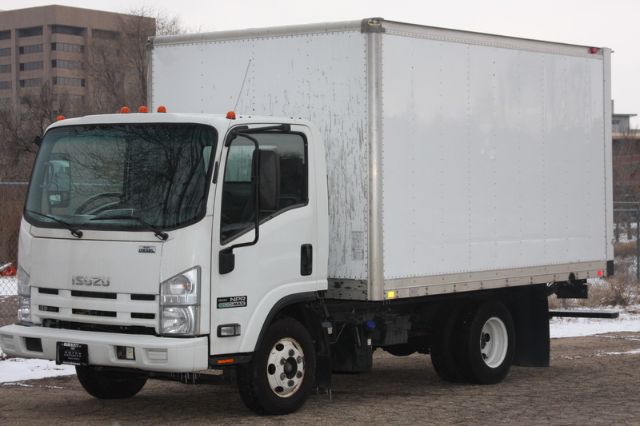
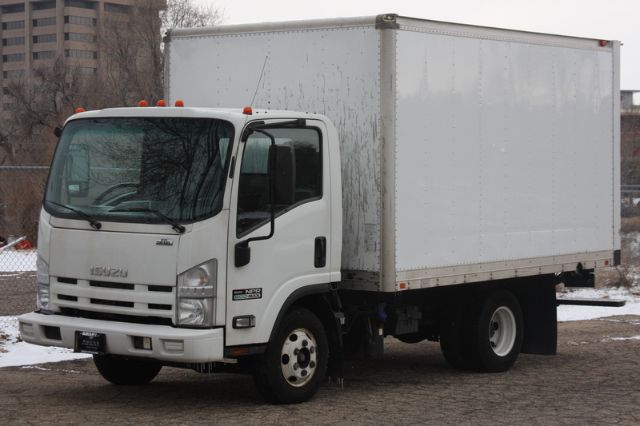

Have 2011 commercial truck to sell? List it here to reach thousands of buyers.
2011 Commercial Trucks in Colorado
This model year covers a wide spread of truck types, from conventional day cabs and sleeper tractors to box trucks, dump trucks, and other vocational chassis. In Colorado, that mix matters because operating conditions swing from Front Range urban delivery to mountain grades, oilfield roads, and snow-season work. Buyers looking at 2011 semi trucks for sale often compare horsepower, torque, rear suspension, wheelbase, and brake type based on lane weight and terrain. A regional day cab may be set up with a shorter wheelbase, lighter spec, and faster rear ratio for fuel economy, while a vocational or mountain-duty truck may need heavier axles, locking differentials, double frame sections, and slower gearing for startability and control.
For 2011 box trucks and medium-duty trucks, key checkpoints include GVWR, body length, liftgate capacity, cab-to-axle measurement, and whether the truck stays under CDL thresholds. For 2011 sleeper and day cab tractors, pay close attention to engine brake performance, transmission type, fifth-wheel setup, and front axle capacity if the truck will see spread-axle flatbeds, tank, or bulk work. Colorado buyers also tend to look closely at cooling system health, tire condition, and suspension wear because elevation changes and winter conditions expose weak components quickly. Disc versus drum brakes, air ride versus spring suspension, and aluminum versus steel wheels all affect service profile and payload tradeoffs.
A good 2011 truck can still be a productive asset when the spec fits the job and the truck has been maintained correctly. The smartest comparison is not just miles or price, but total configuration: engine family, transmission, axle ratings, wheelbase, PTO capability if needed, and signs of corrosion or frame repair. For buyers sorting through 2011 trucks for sale in Colorado, the best value is usually the truck with the clearest service history, the right emissions support, and a chassis built for the exact duty cycle it is expected to run.
Frequently Asked Questions about 2011 Commercial Trucks in Colorado
What should I check first on a 2011 truck?
Start with the emissions system and maintenance documentation. On most 2011 trucks, DEF, DPF, SCR components, sensors, and related wiring are central to uptime. Ask for service records showing aftertreatment repairs, engine diagnostics, forced regens if applicable, and any recent injector or doser replacement. Then verify ECM hours, idle time, transmission service, axle and suspension condition, and brake life. A complete service history is often more important than odometer reading alone.
Are 2011 trucks a good fit for Colorado operations?
They can be, provided the truck is spec'd for terrain and weather. Colorado routes often require strong engine brake performance, correct rear-end gearing for grades, dependable cooling, and stable suspension under changing loads. Trucks used in mountain corridors or vocational work should be checked for driveline wear, brake condition, and cold-weather readiness. A 2011 truck with the right axle ratios and a documented maintenance background can still perform well in regional, construction, or local delivery service.
What types of 2011 trucks are commonly available?
The 2011 market usually includes conventional day cabs, sleeper tractors, box trucks, dump trucks, and other vocational units. Day cabs are common for local and regional hauling. Sleeper trucks are better suited for longer runs and over-the-road freight. Box trucks are often used for delivery, moving, and route service. Dump and vocational trucks are built for construction, aggregate, municipal, and jobsite applications. The right choice depends on GVWR, axle configuration, wheelbase, and body or fifth-wheel setup.
How important is axle ratio on a used 2011 truck?
Axle ratio is one of the most important spec points because it directly affects startability, cruise RPM, grade performance, and fuel economy. A faster ratio may suit highway freight and flatter routes, while a slower ratio can be better for heavy loads, PTO work, or mountain driving. On a 2011 truck, the axle ratio should be evaluated with the engine rating, tire size, and transmission to make sure the truck's gearing matches the intended duty cycle.
What matters most when comparing a 2011 day cab to a 2011 sleeper?
The main differences are operating range, weight, wheelbase, and intended freight profile. A 2011 day cab usually offers lower tare weight, easier maneuverability, and a simpler regional setup. A 2011 sleeper adds driver accommodations for long-haul work but typically carries more weight and may have a longer wheelbase. Buyers should compare cab configuration with route length, trailer type, bridge laws, fuel capacity, and maintenance needs rather than assuming one style is always the better value.