
Used Trailers For Sale in Pennsylvania
Browse used trailers for sale in Pennsylvania, including dry vans, flatbeds, drop decks, and expandable trailers built for regional or OTR work.
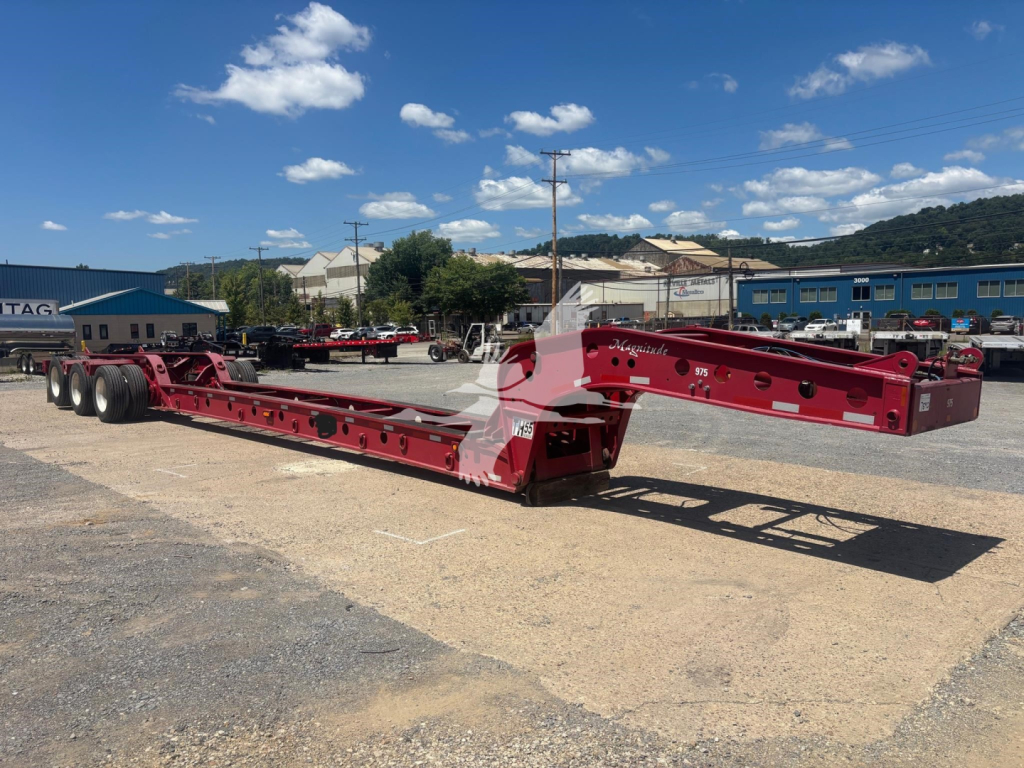
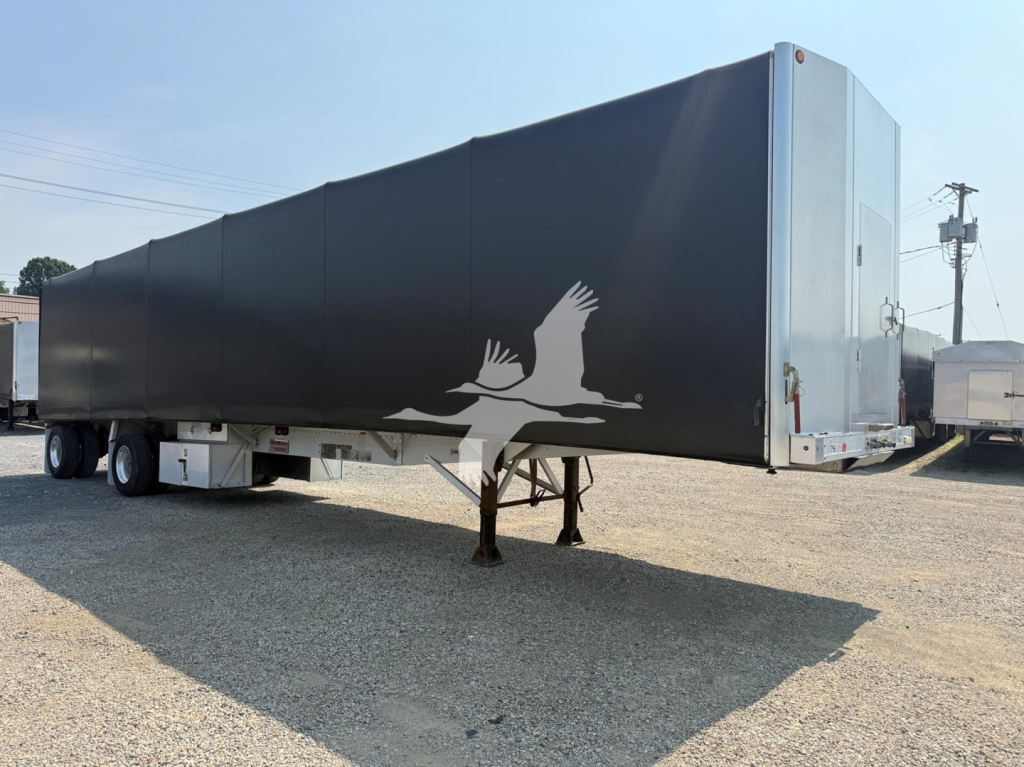
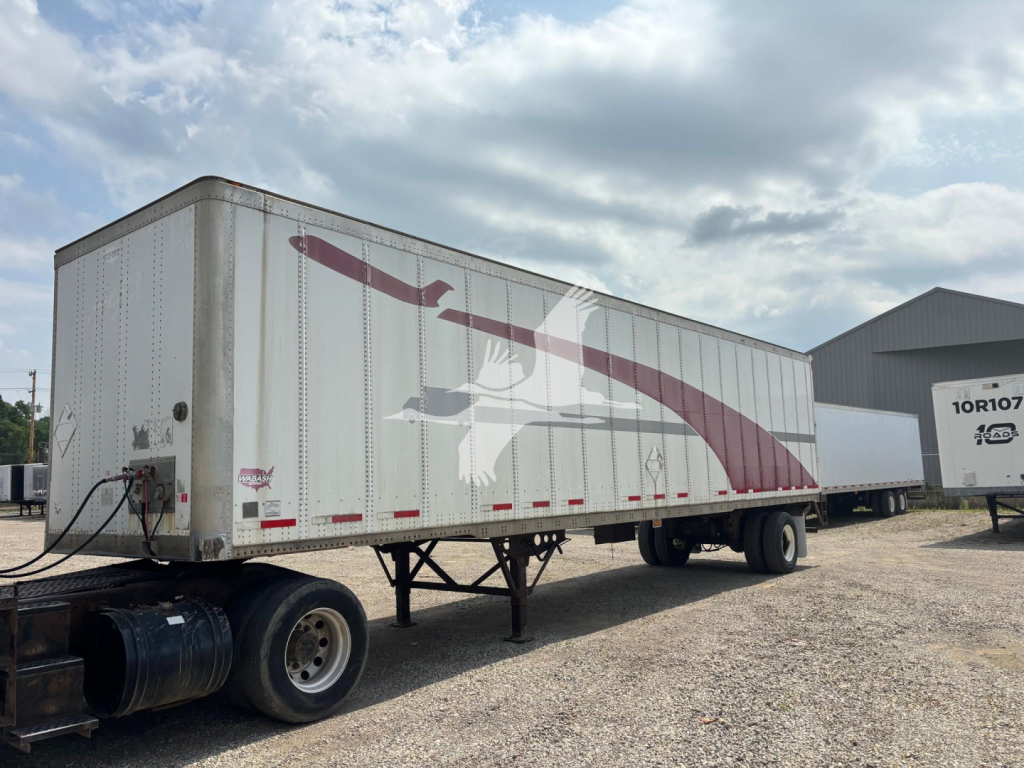
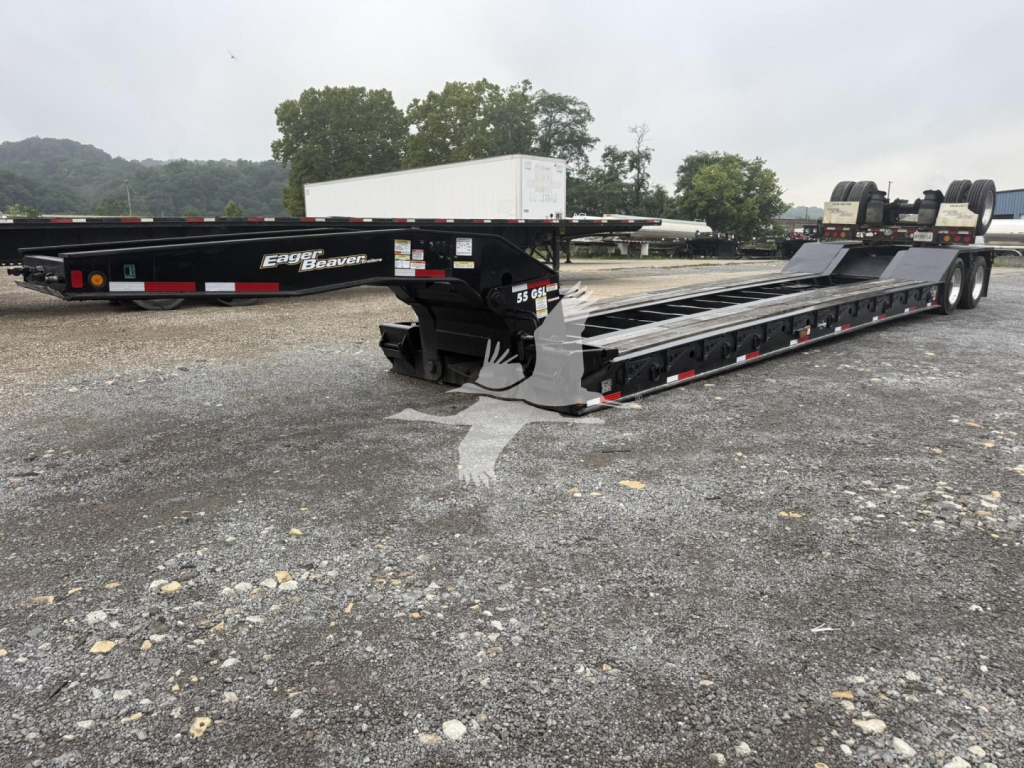
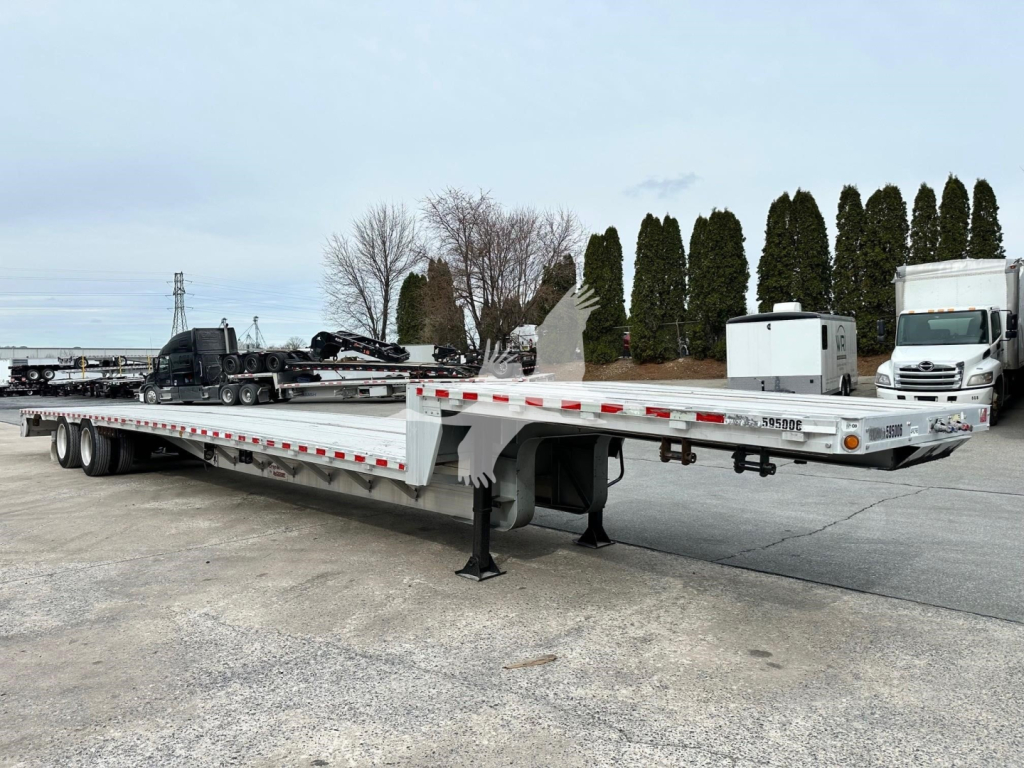
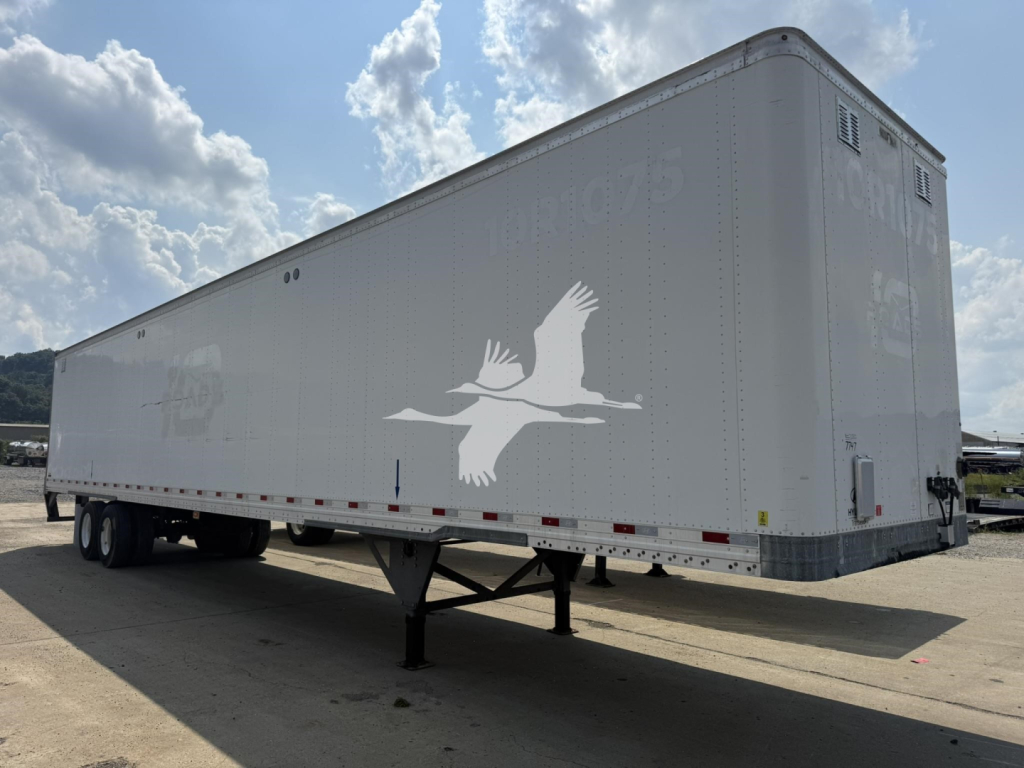
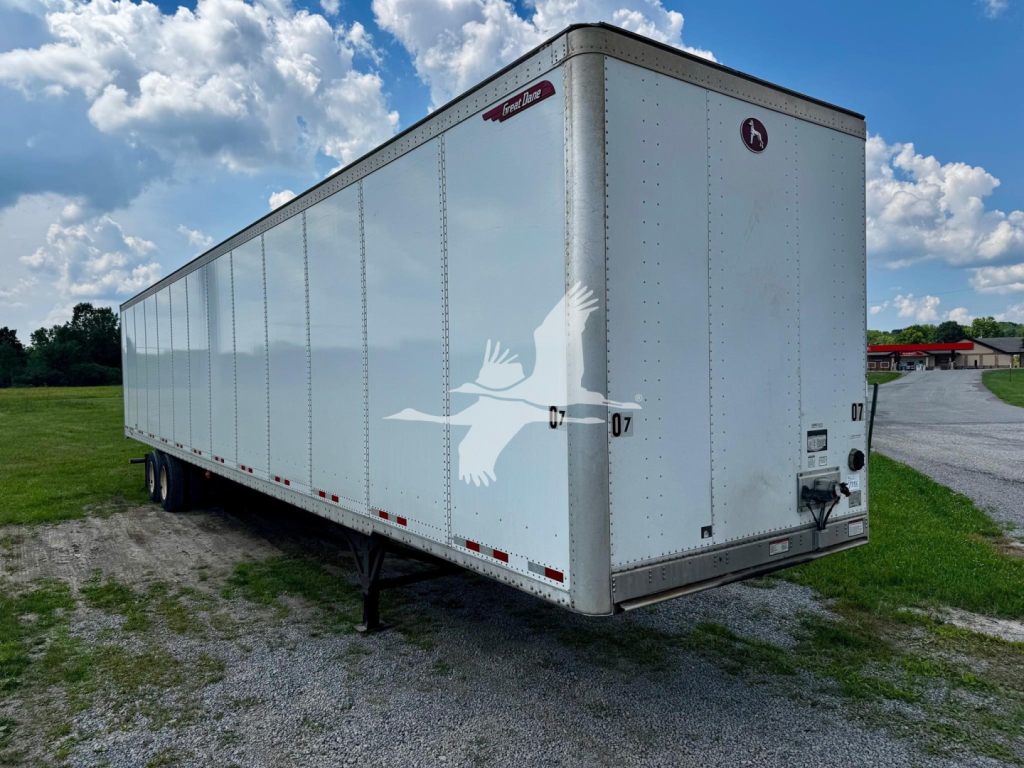
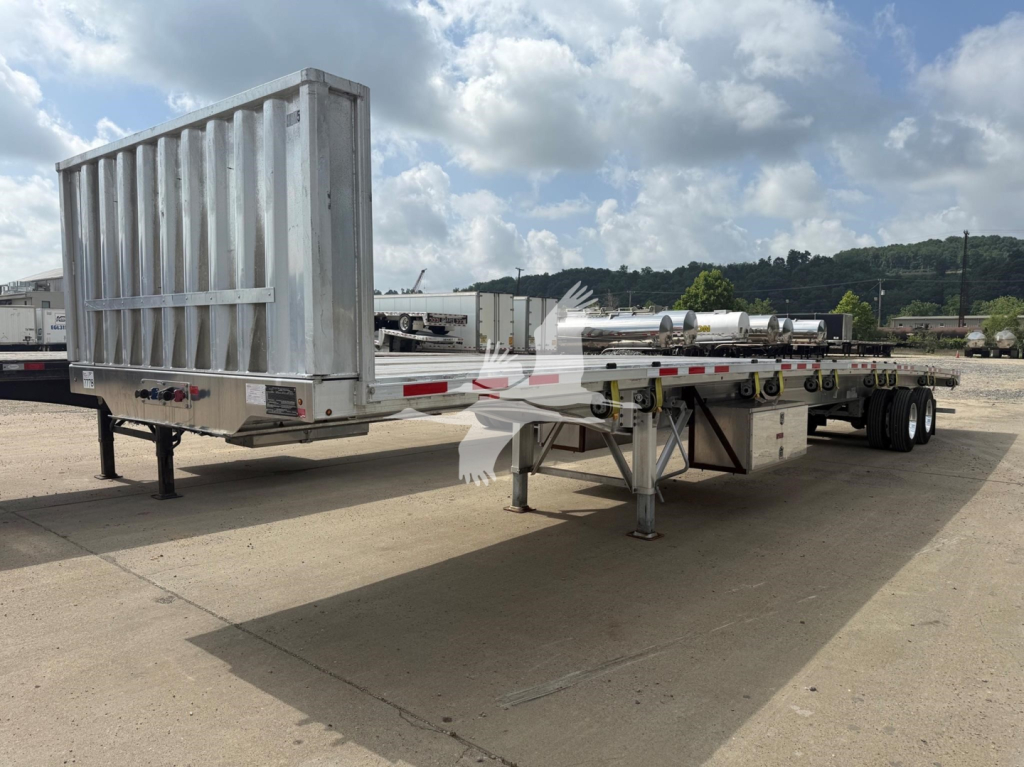
Showing 1 to 24 of 578 results
Have used trailer to sell? List it here to reach thousands of buyers.
Used Trailers in Pennsylvania
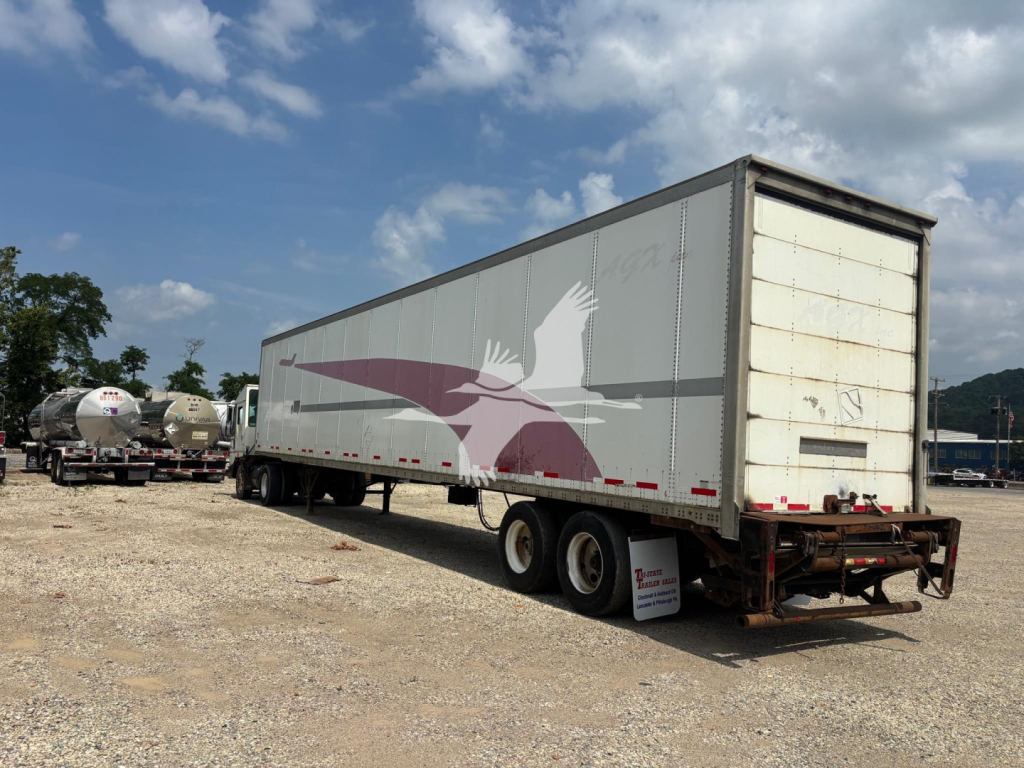
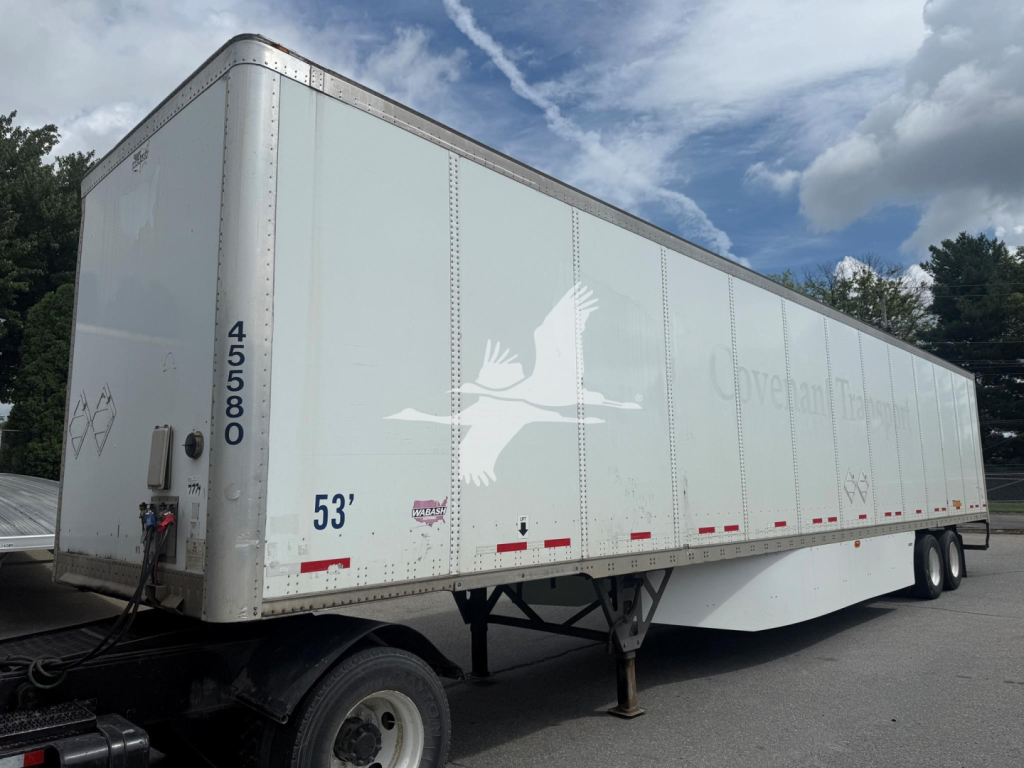
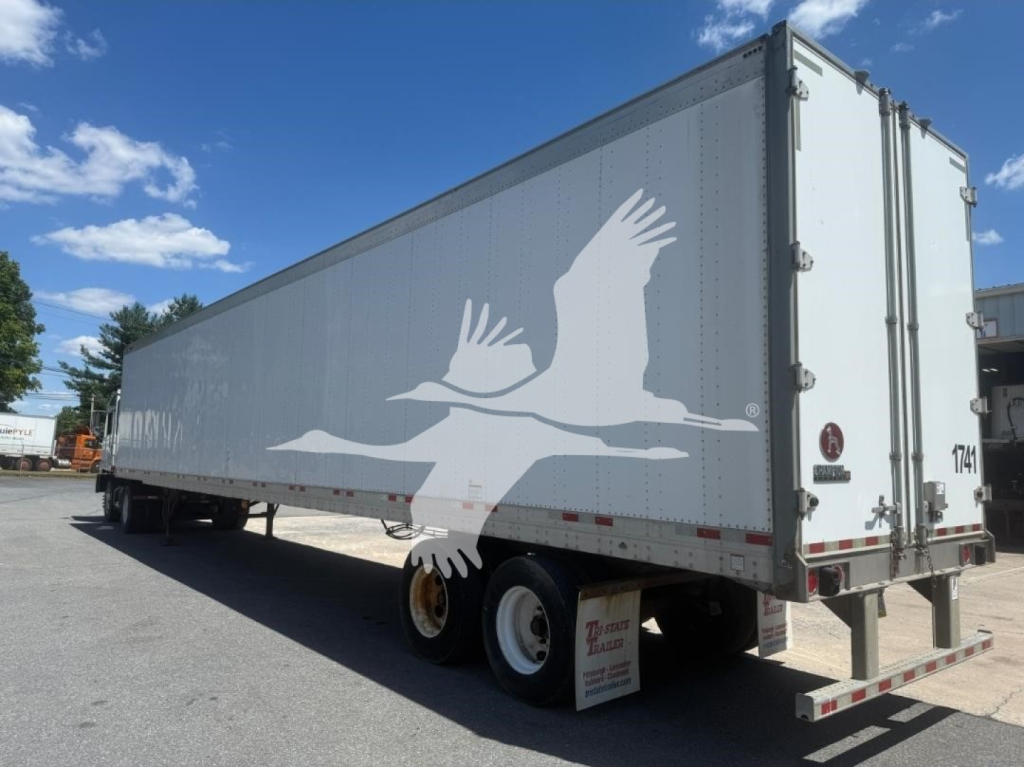
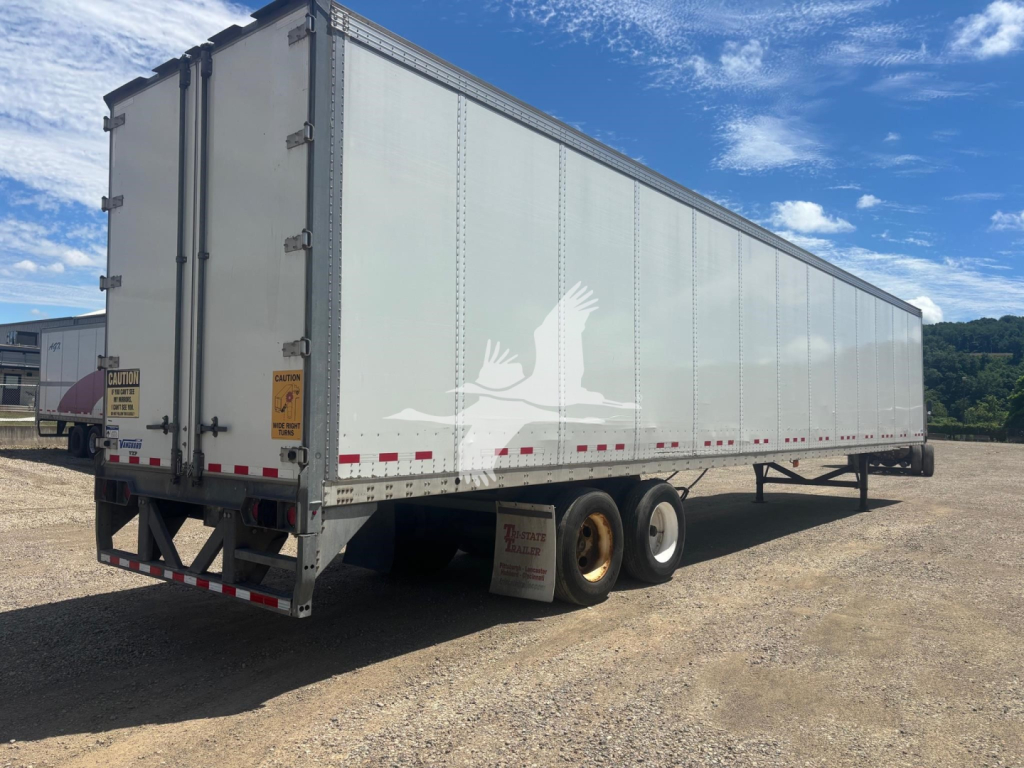
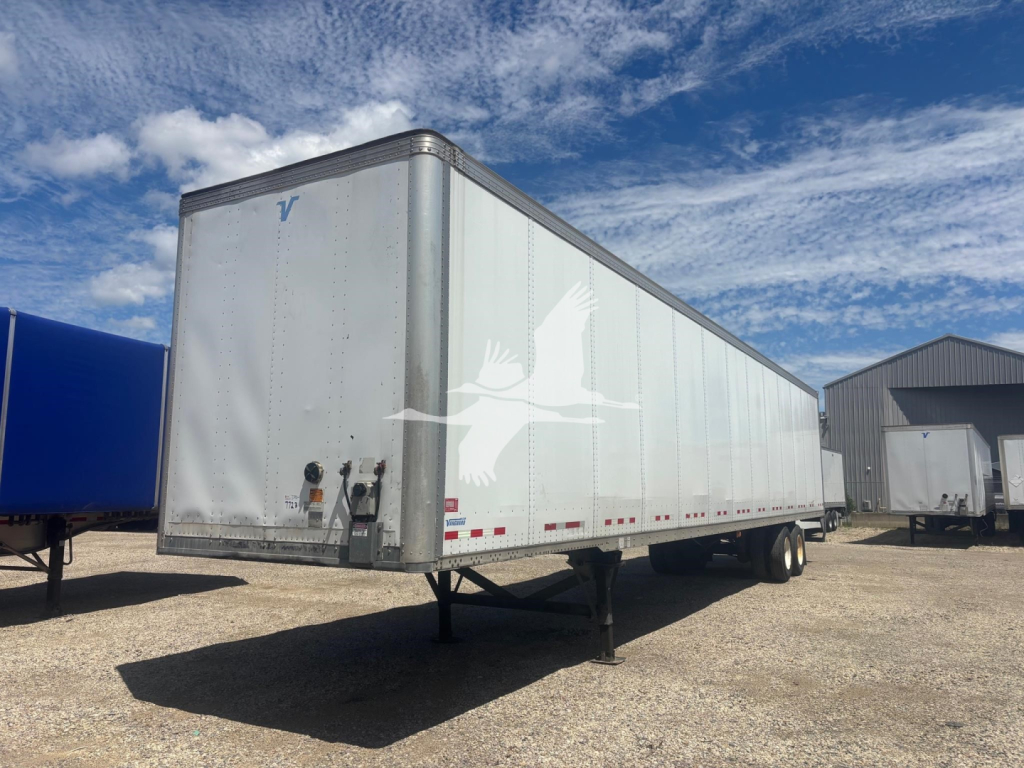
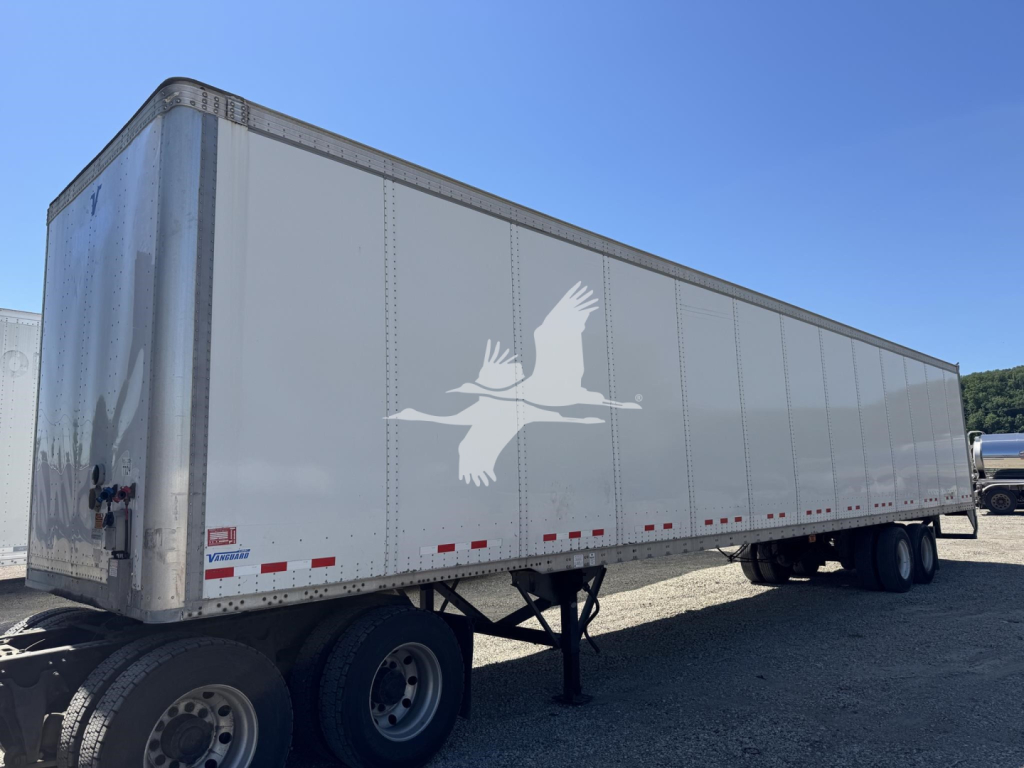
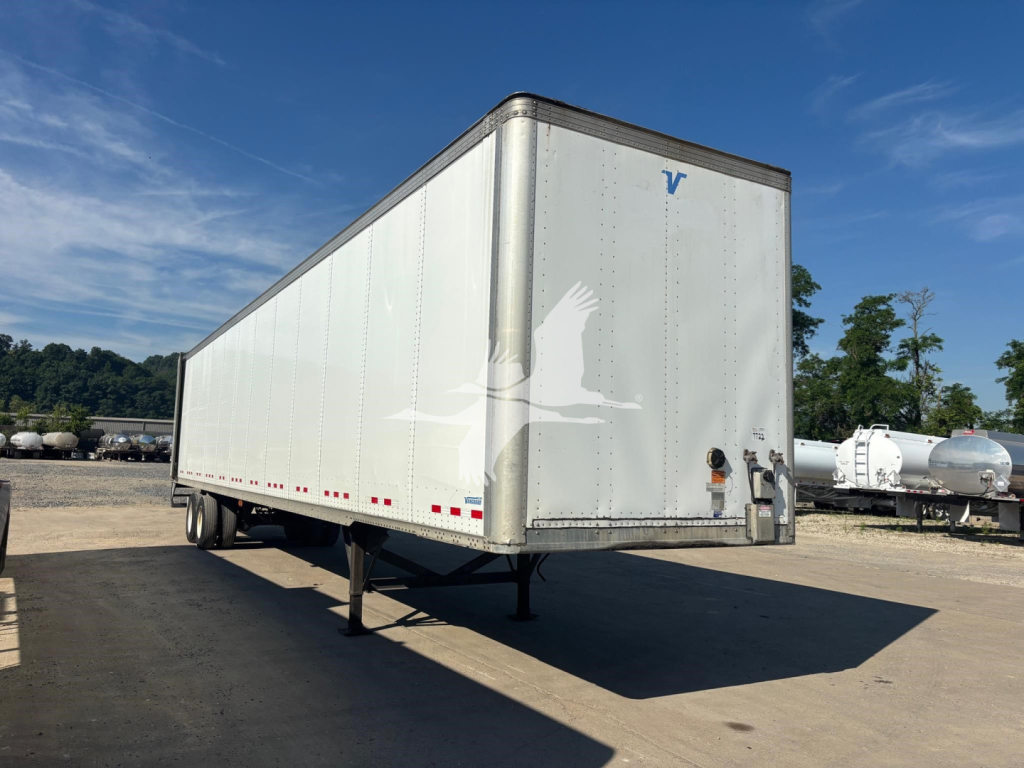
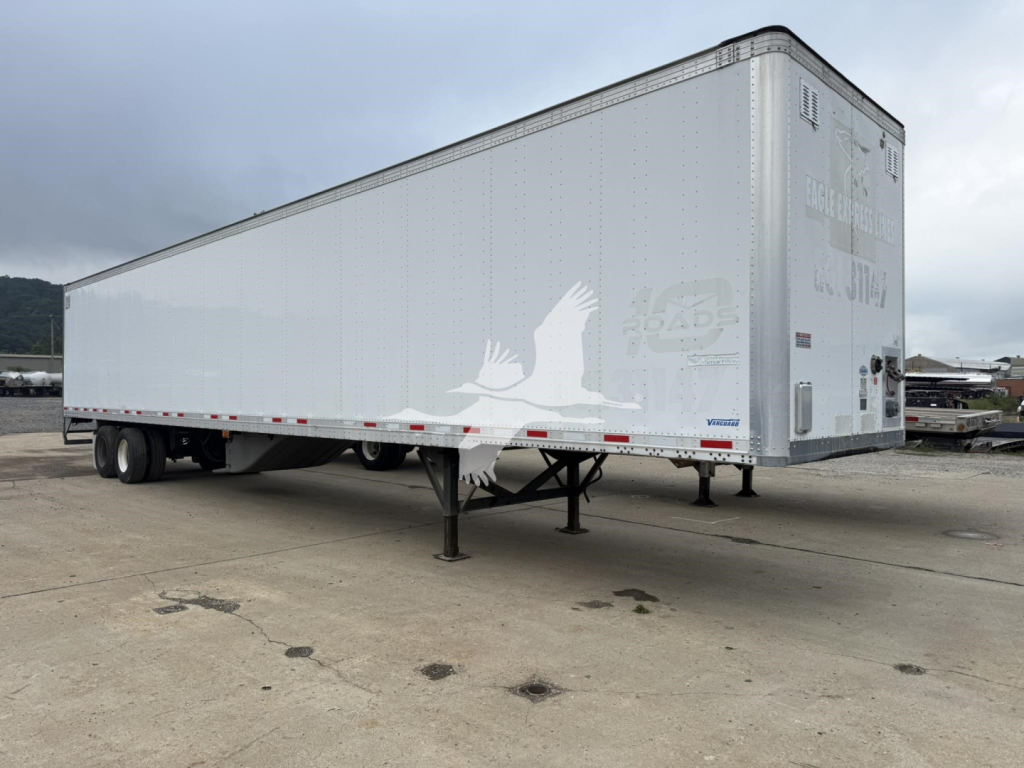
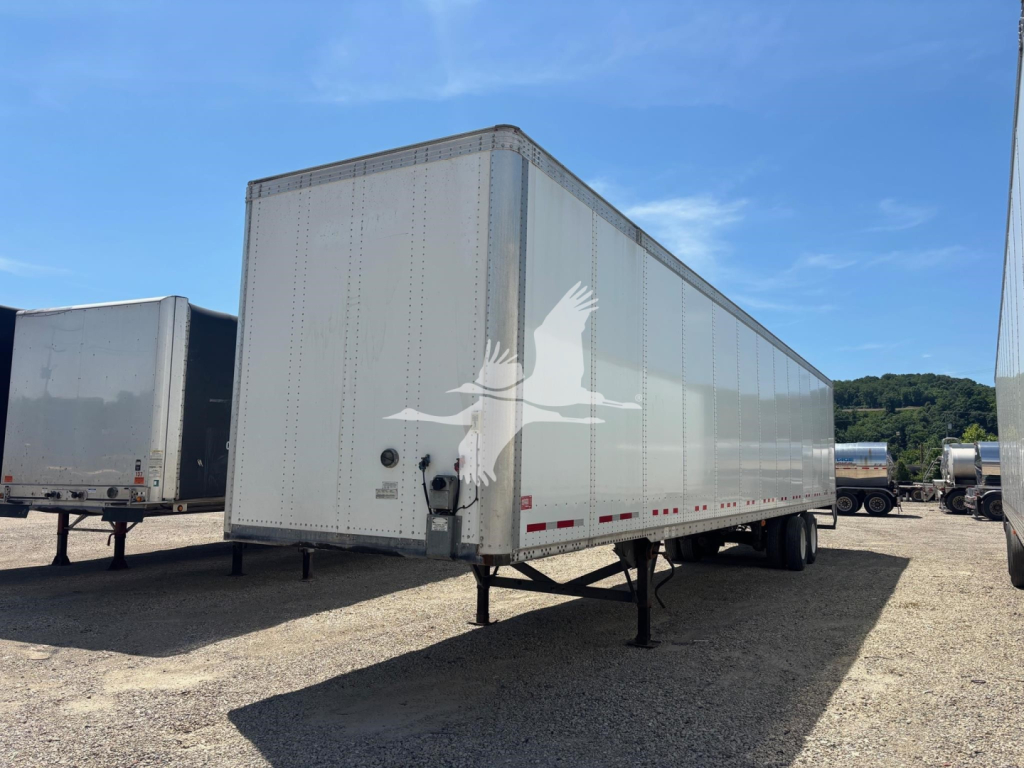
On the van side, many buyers focus on a 53-foot by 102-inch tandem axle configuration with air ride suspension, sliding tandems, swing doors, wood floors, logistics posts, and scuff liners. Plate vans and sheet-and-post vans each have their place. Plate trailers generally offer smooth interior walls and strong side construction for distribution and higher-cycle freight. Sheet-and-post designs can be lighter and cost-effective for general freight service. Important checkpoints on a used van include floor condition, threshold plate wear, rear frame corrosion, roof bow integrity, door seal condition, kingpin wear, and any damage around the lower rail or dock impact areas.
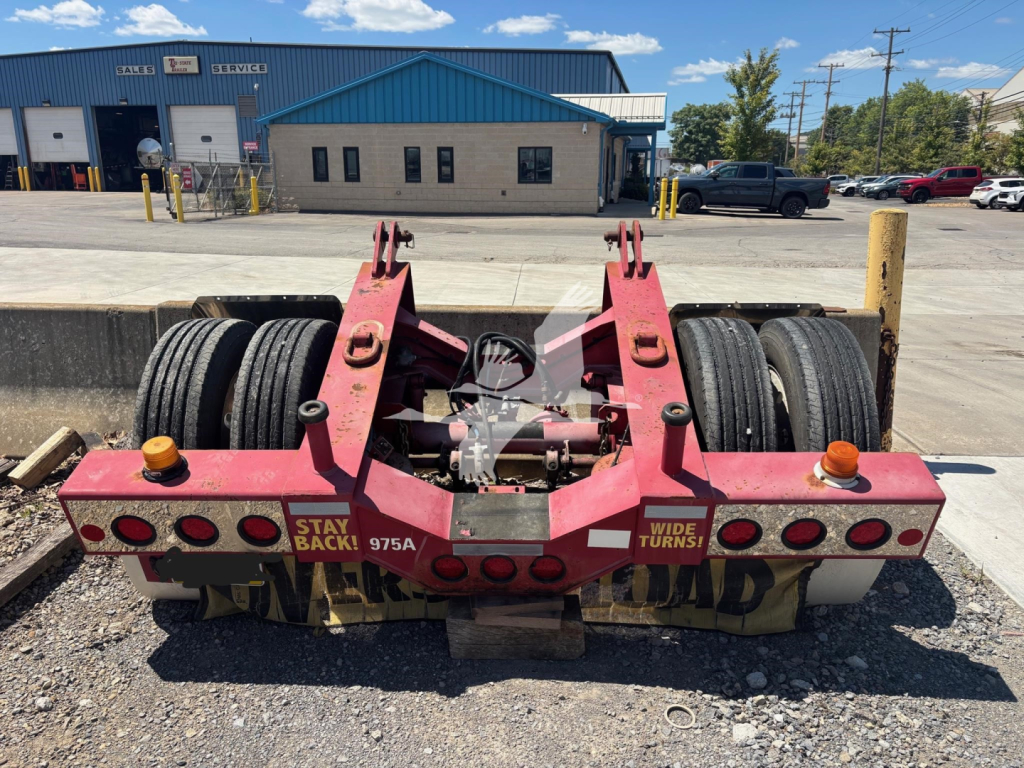
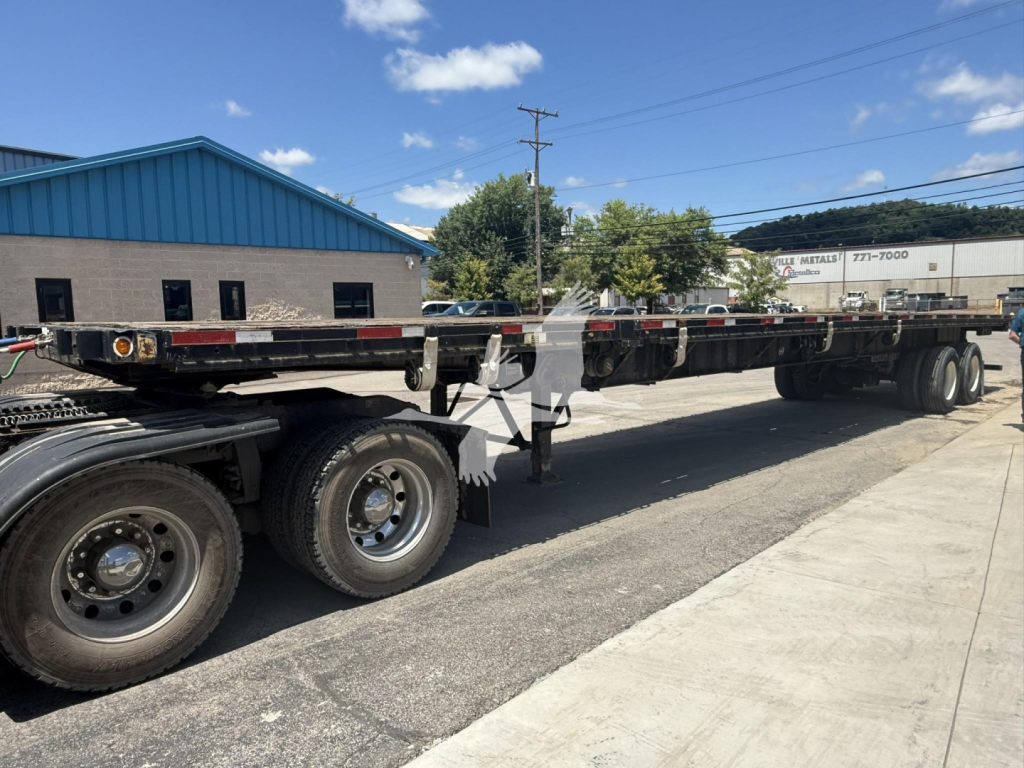
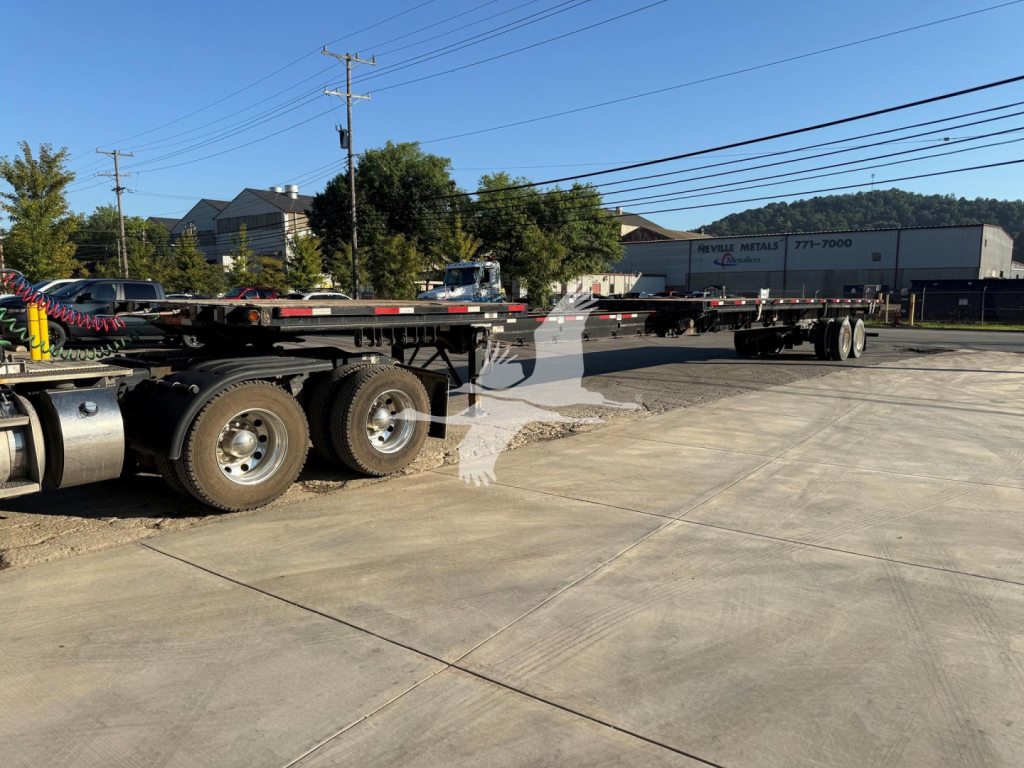
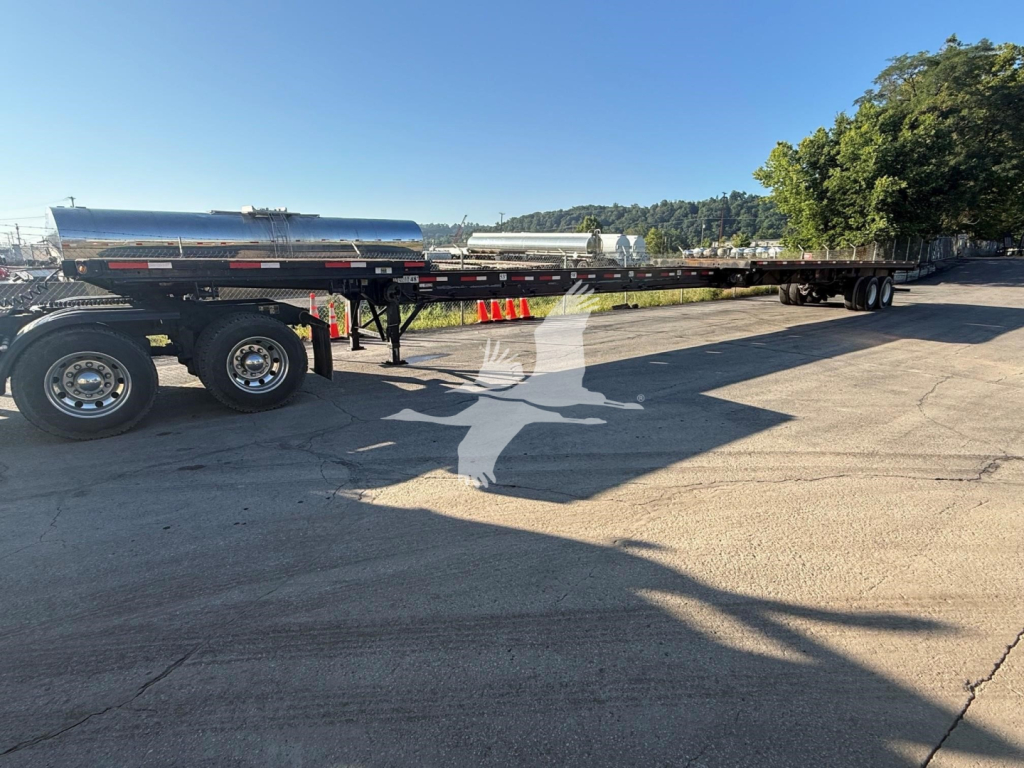
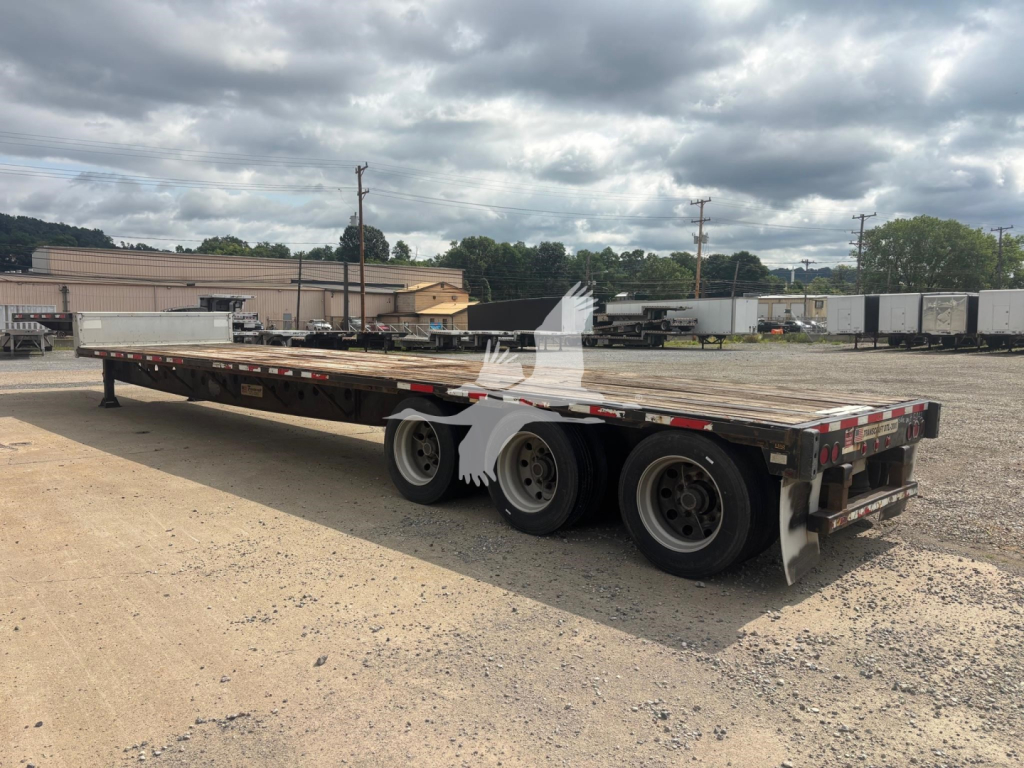
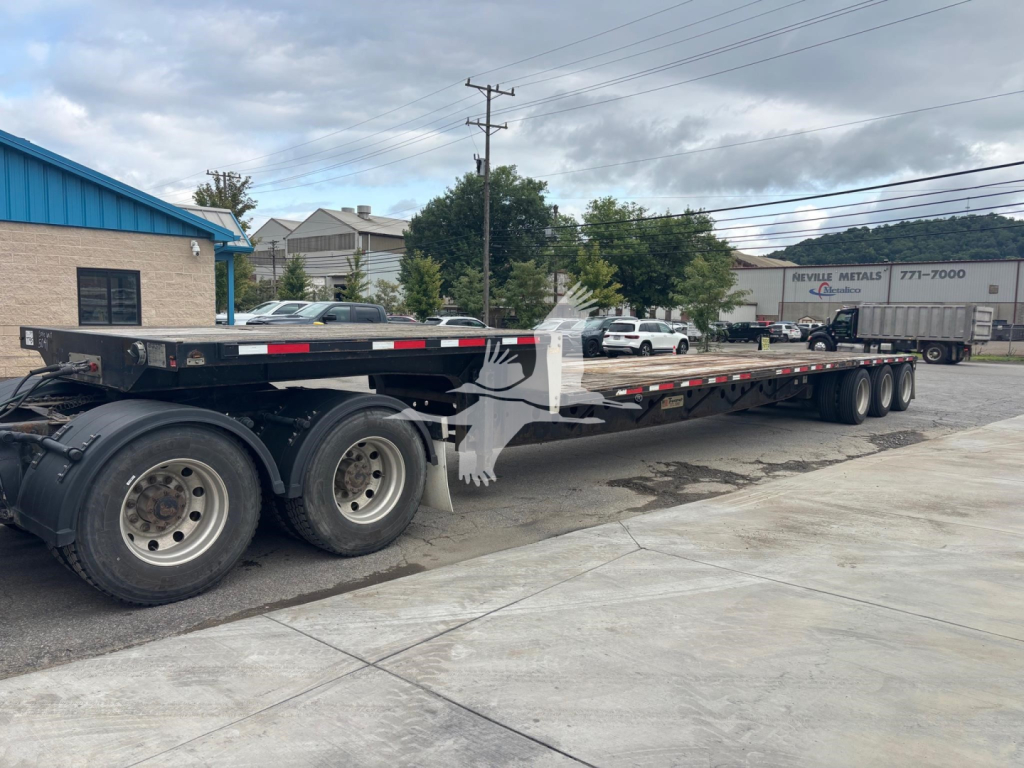
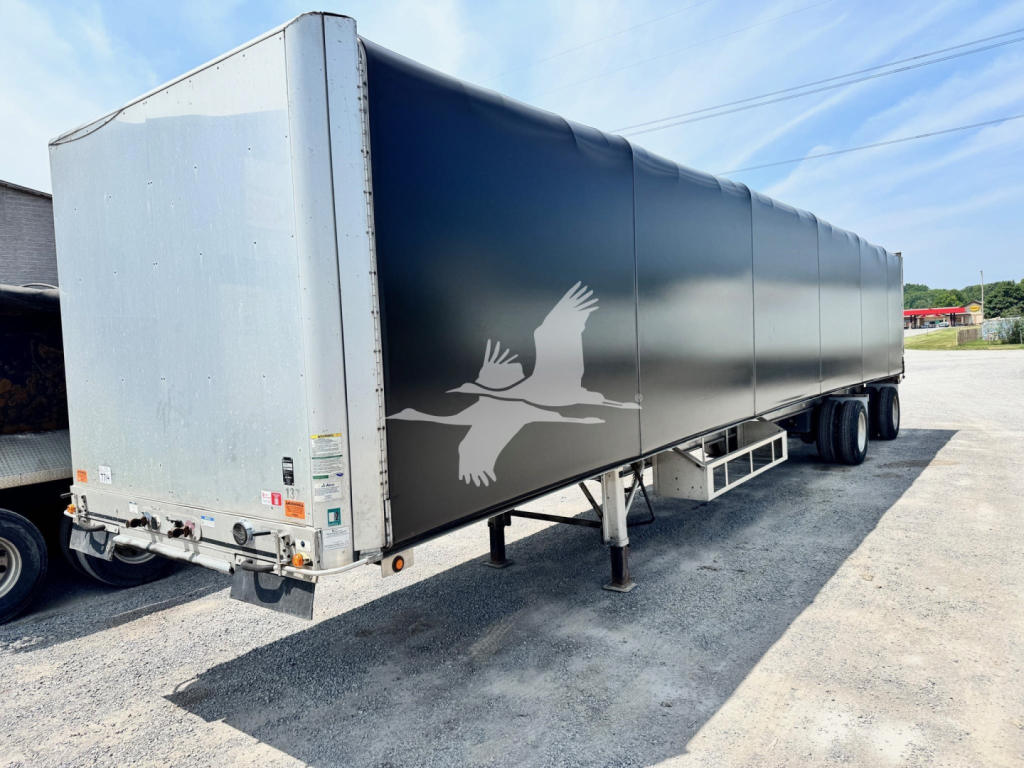
For flatbeds and drop decks, the buying conversation usually centers on deck construction, tare weight, axle spread, and securement layout. Steel trailers tend to be durable and well suited for hard-use applications, while aluminum models can save weight and increase payload. Common specs include 48-foot length, 102-inch width, air ride suspension, apitong or aluminum flooring, winch tracks, sliding winches, pipe spools, coil packages, and Jost two-speed landing gear. On used step decks, check main deck height, top deck length, crossmember spacing, suspension setting, and whether the trailer has the beam strength and securement points required for machinery, steel, or building products. Tire inflation systems, disc brakes, and anti-roll systems can also add value depending on your operation.
Pennsylvania buyers often balance highway freight, industrial hauling, and Northeast regional work, so condition matters as much as base specs. A used trailer should be evaluated for frame alignment, brake and suspension wear, tire age, wheel-end condition, lighting, ABS performance, and signs of concentrated deck or floor fatigue. Galvanized rear frames, aluminum roofs, hardwood floors, and well-maintained air ride suspensions can extend service life and reduce downtime. If the trailer will run into tighter docks, older industrial yards, or mixed regional lanes, details like kingpin setting, tandem slider range, swing-door clearance, and overall empty weight can make a real difference in day-to-day performance.
Frequently Asked Questions about Used Trailers in Pennsylvania
What types of used trailers are most common in Pennsylvania?
The most common used trailer categories in Pennsylvania are dry vans, flatbeds, drop decks, and expandable drop decks. Dry vans handle general freight and distribution work. Flatbeds are common for steel, lumber, machinery, and construction materials. Drop decks are popular for taller freight that cannot legally ride on a standard flatbed. Expandable models are usually chosen for specialized freight that needs more deck length or added loading flexibility.
What should I inspect first on a used dry van trailer?
Start with the floor, rear frame, doors, roof, and tandem slider. A dry van’s floor condition tells you a lot about how it was loaded and how hard it was worked. Check for soft spots, patched boards, threshold plate damage, and forklift wear. Inspect the rear frame and door opening for corrosion, dock damage, and alignment issues. Look at the roof skin and bows for signs of leaks or prior repairs. Confirm that the tandem slider moves properly and that the kingpin area does not show abnormal wear or cracking.
What is the advantage of a used drop deck trailer compared with a standard flatbed?
A drop deck trailer gives you lower deck height, which helps haul taller freight while staying within legal overall height limits. That matters for equipment, crated machinery, and certain building products. Many step decks also offer coil packages, winch tracks, and concentrated load capability, which makes them more versatile for specialized freight than a standard flatbed. The tradeoff is that buyers need to pay closer attention to deck height, top deck length, and load placement requirements.
Is aluminum or steel better for a used flatbed or drop deck?
It depends on the freight and the duty cycle. Steel trailers are typically valued for durability and resistance to hard-use abuse, especially in operations with dense freight or rough loading environments. Aluminum trailers usually weigh less, which can improve payload and fuel efficiency. On the used market, the better choice often comes down to frame condition, crossmember integrity, floor wear, and whether the trailer’s structure matches the freight you plan to haul.
Which trailer specs matter most for Northeast regional hauling?
For Northeast regional work, buyers usually prioritize overall condition, tandem configuration, kingpin setting, door style, air ride suspension, and trailer weight. Tight docks, dense traffic, and shorter but frequent turns can make slider function, swing-door clearance, and brake condition especially important. If the trailer will run mixed freight, practical features such as scuff liners, logistics posts, winch tracks, coil packages, and tire inflation systems can improve versatility and reduce operating headaches.