
Used Flatbed Trailers For Sale in Pennsylvania
Browse used flatbed trailers in Pennsylvania. Compare aluminum and steel decks, air-ride suspensions, axle setups, weight ratings, and securement features.
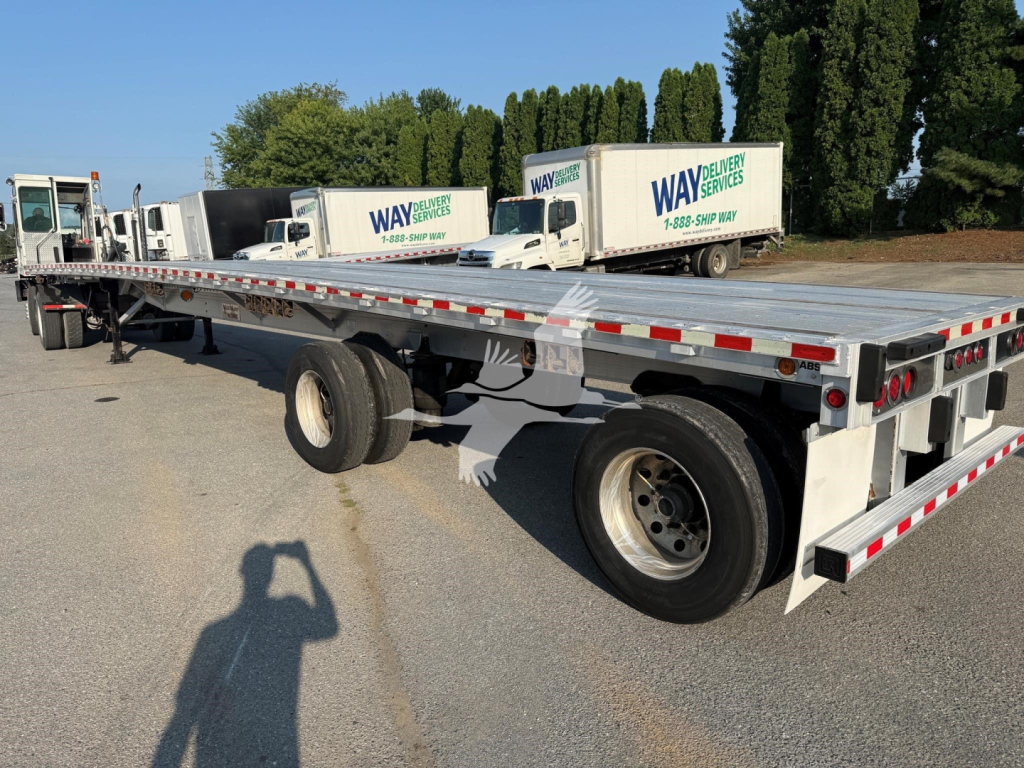
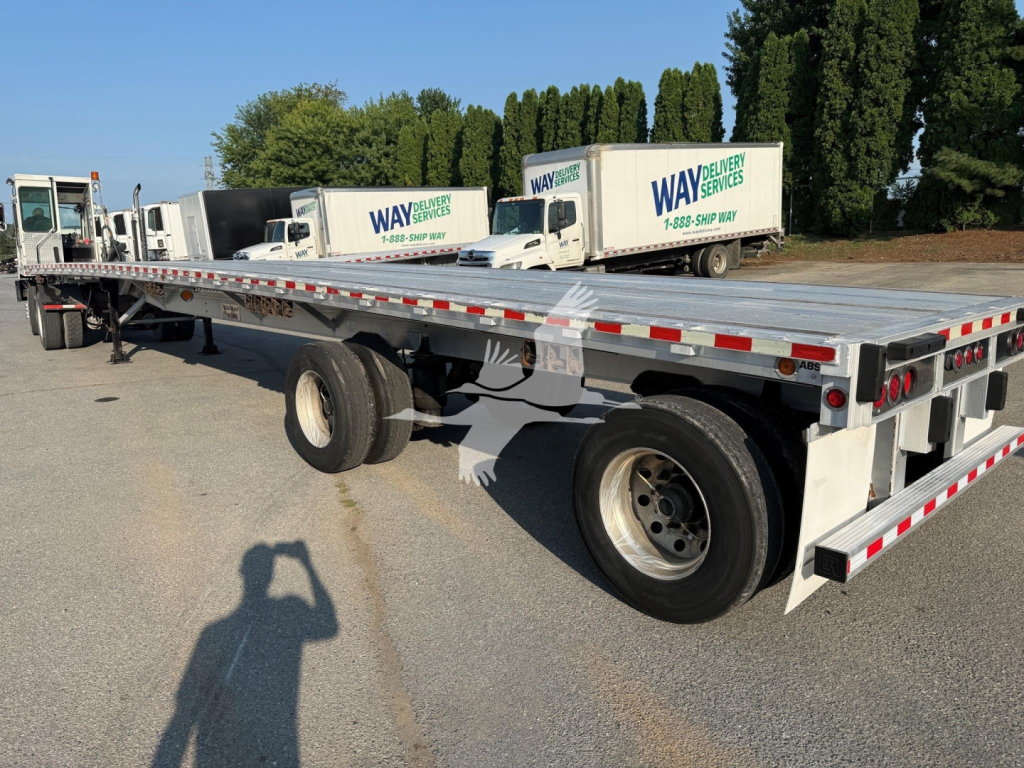
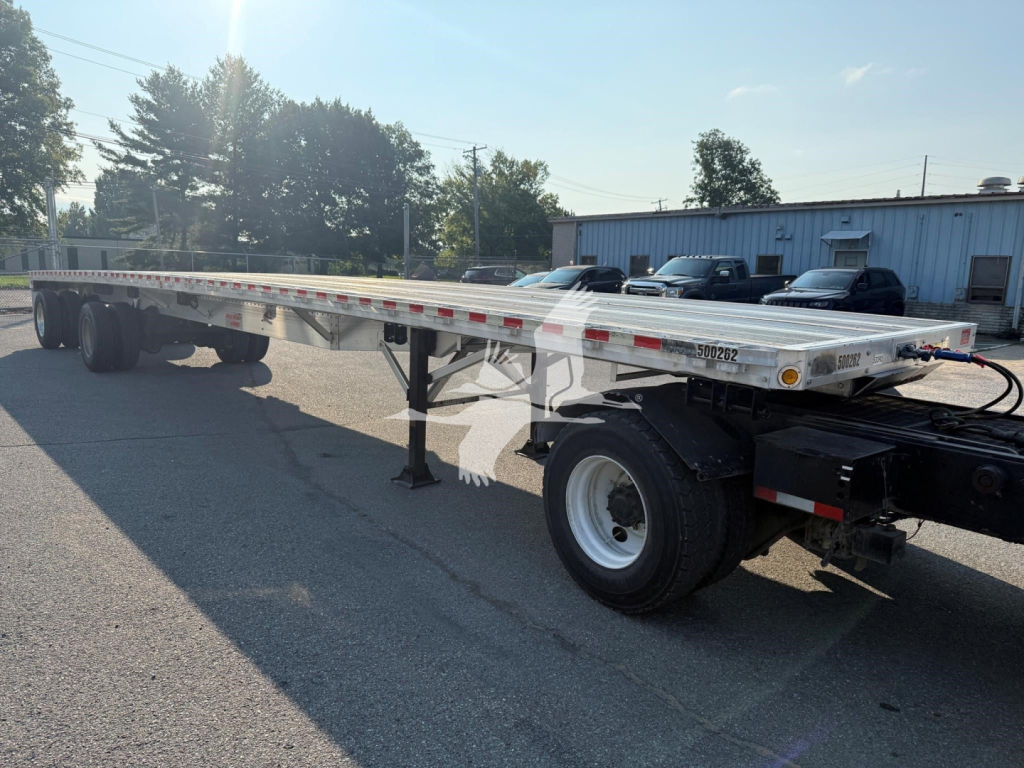
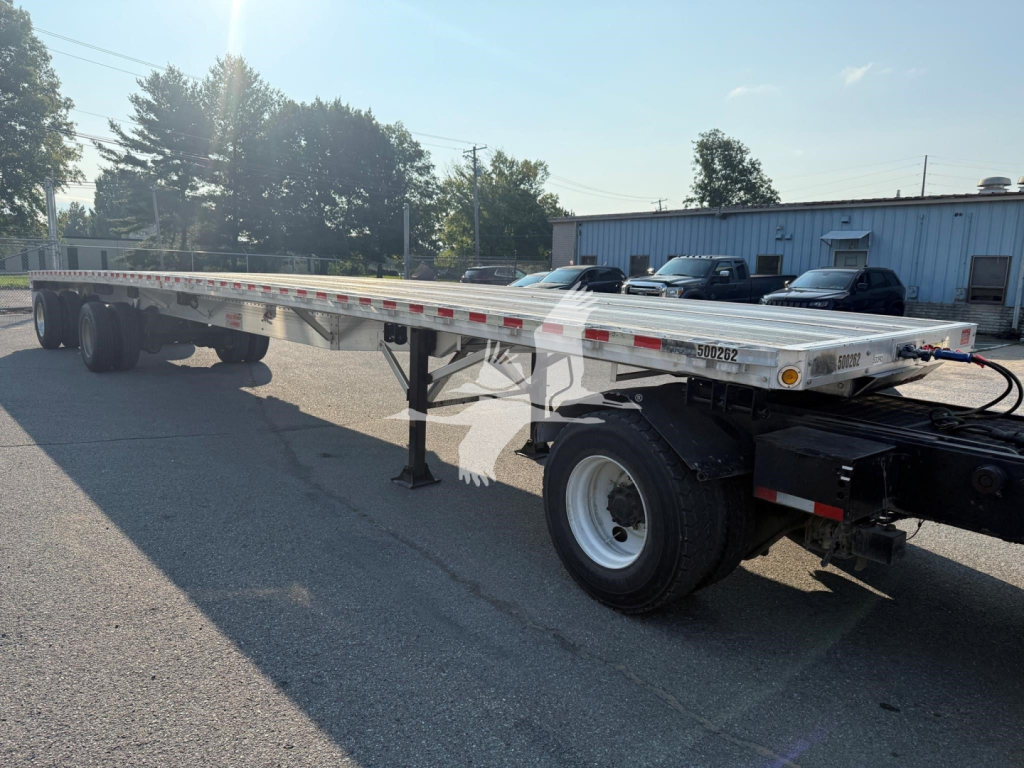
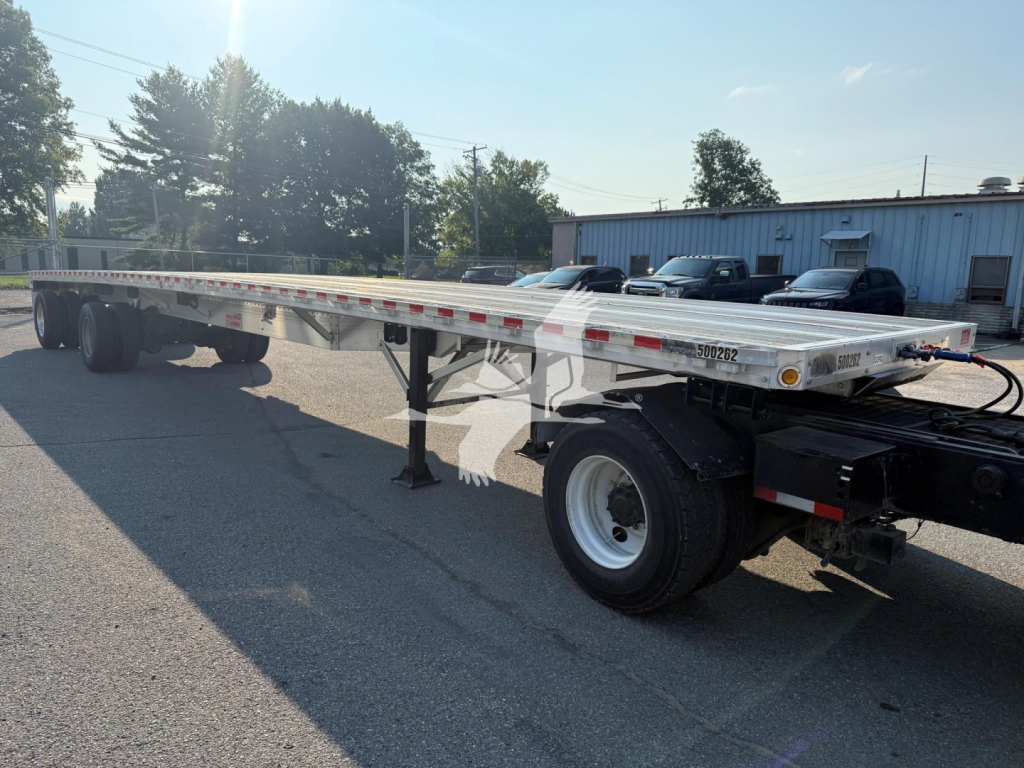
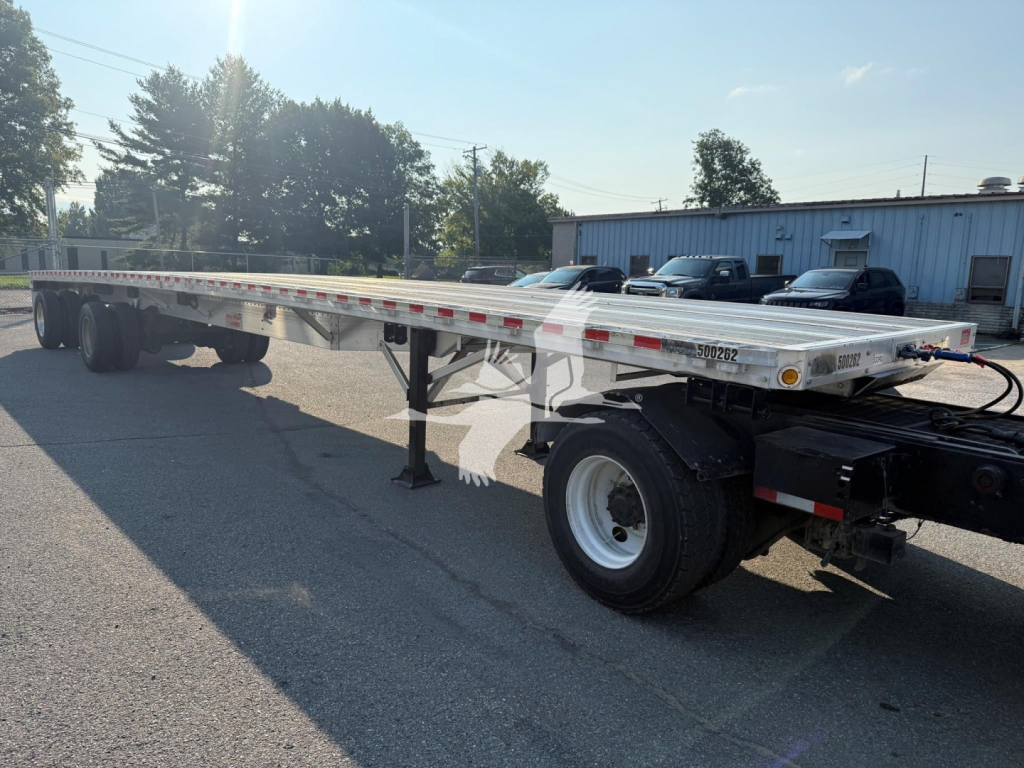
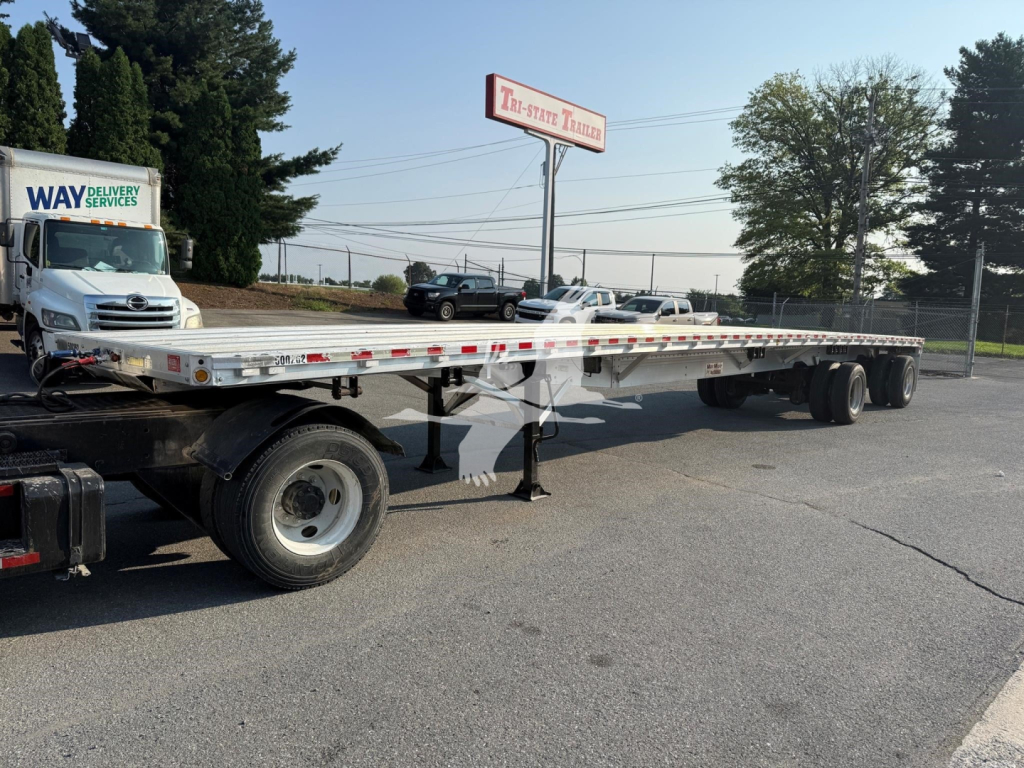
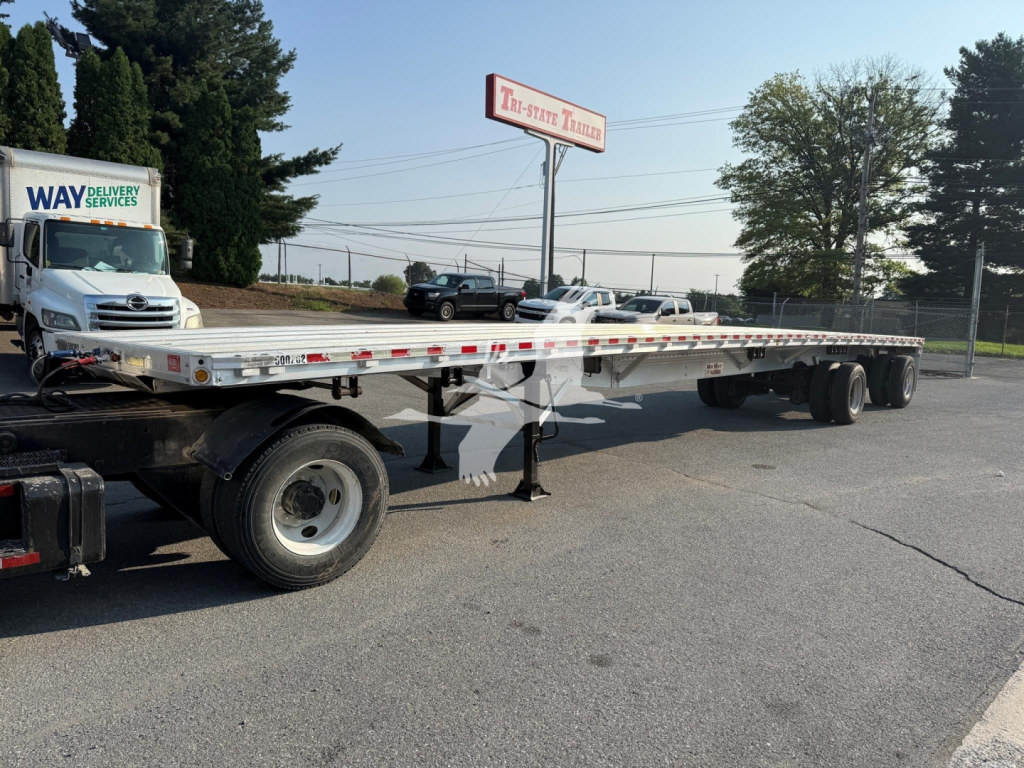
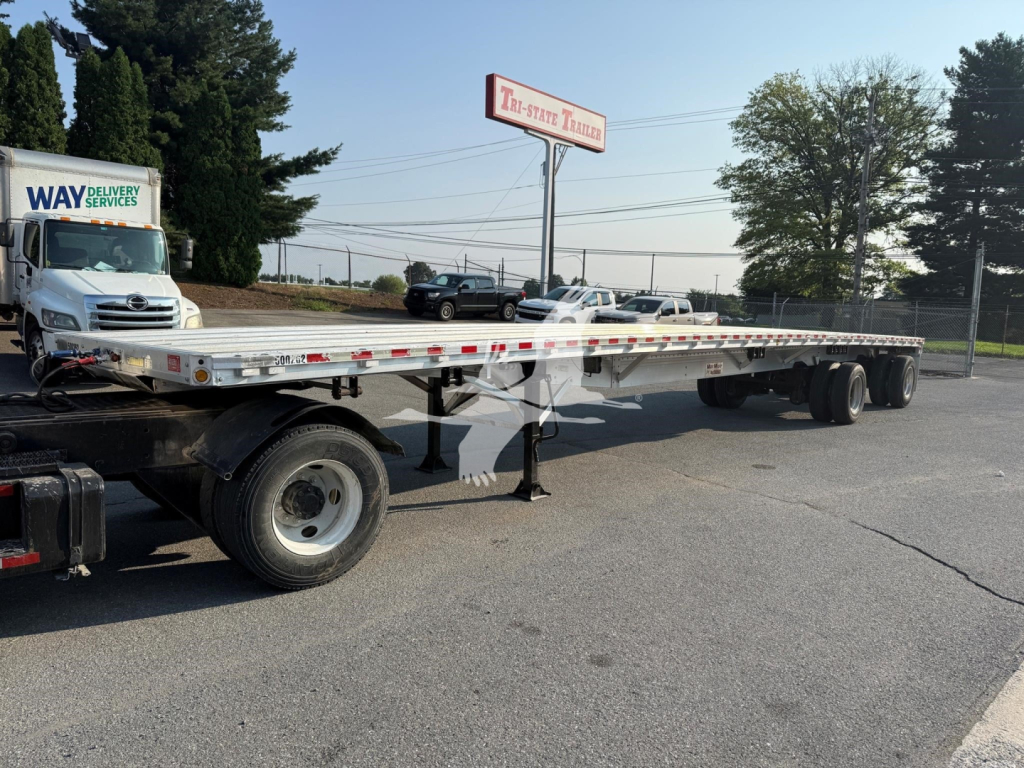
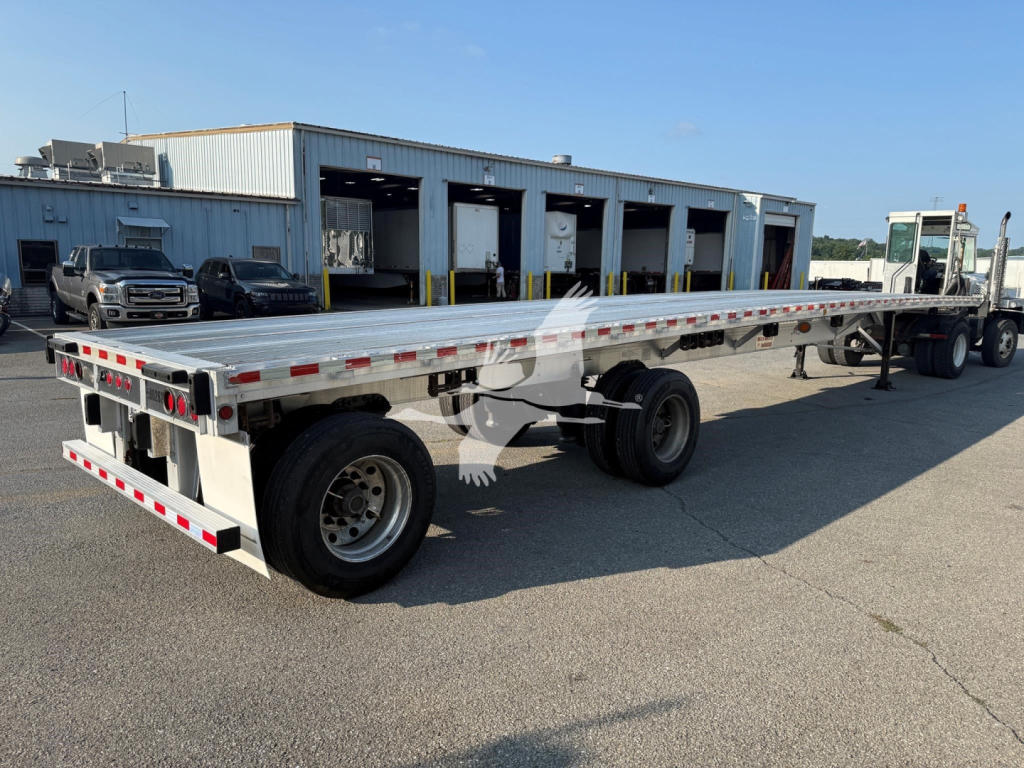
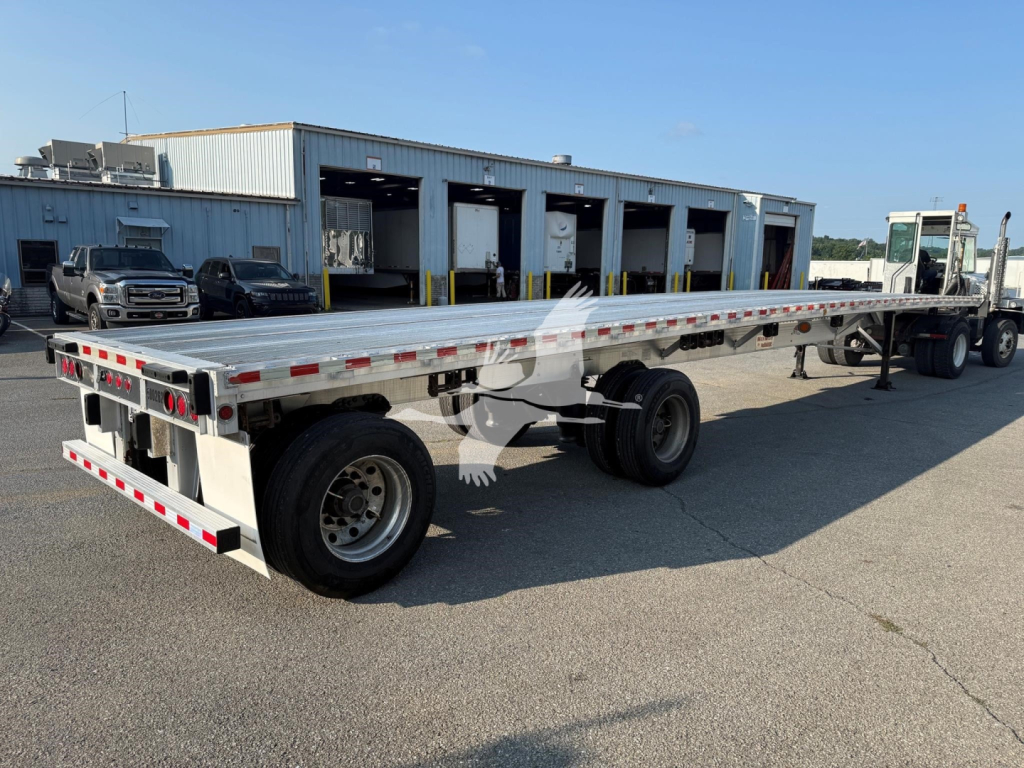
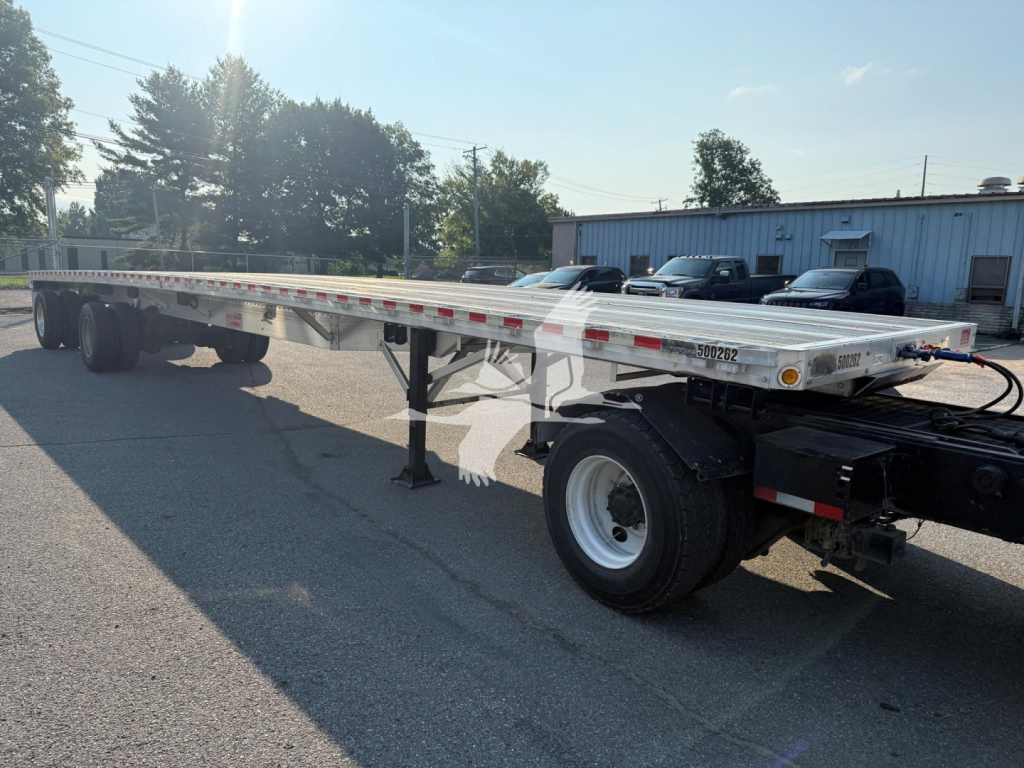
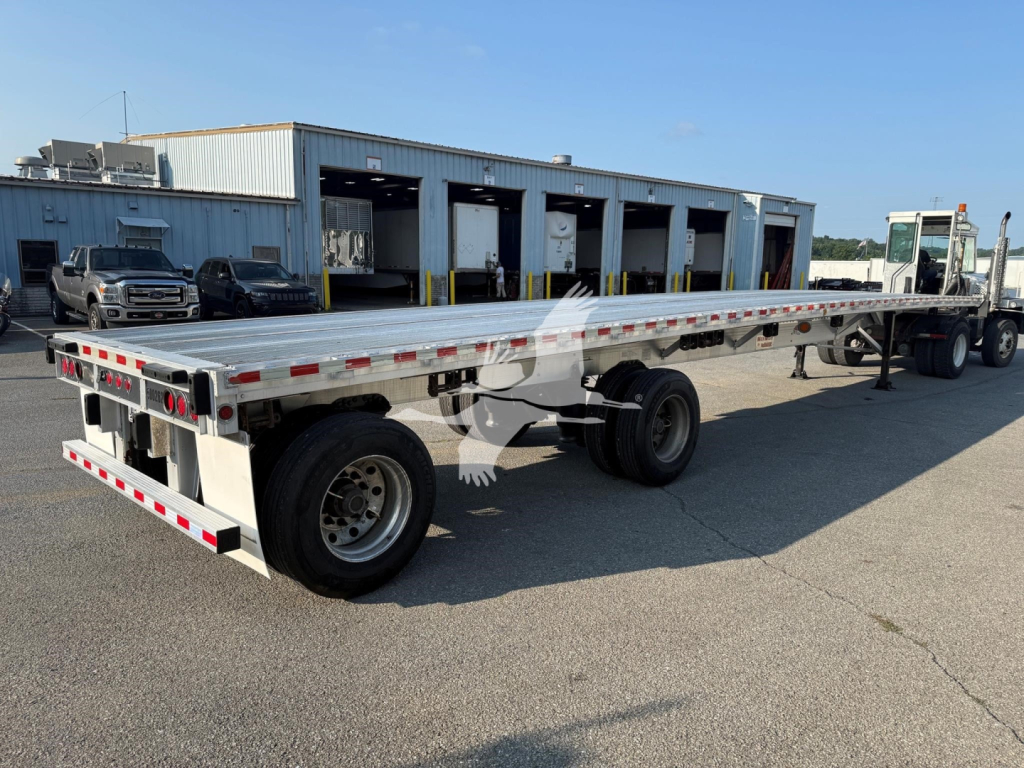
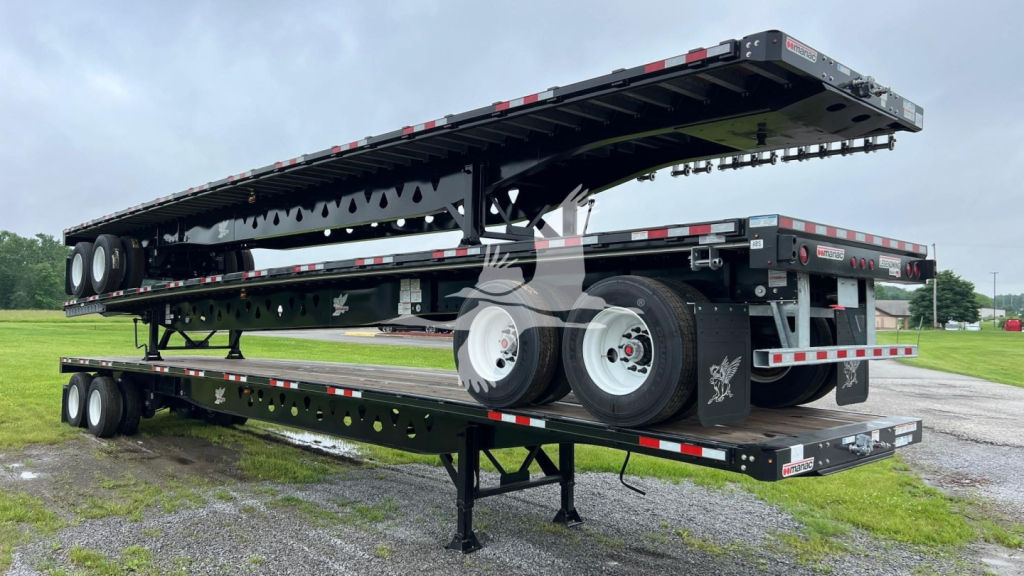
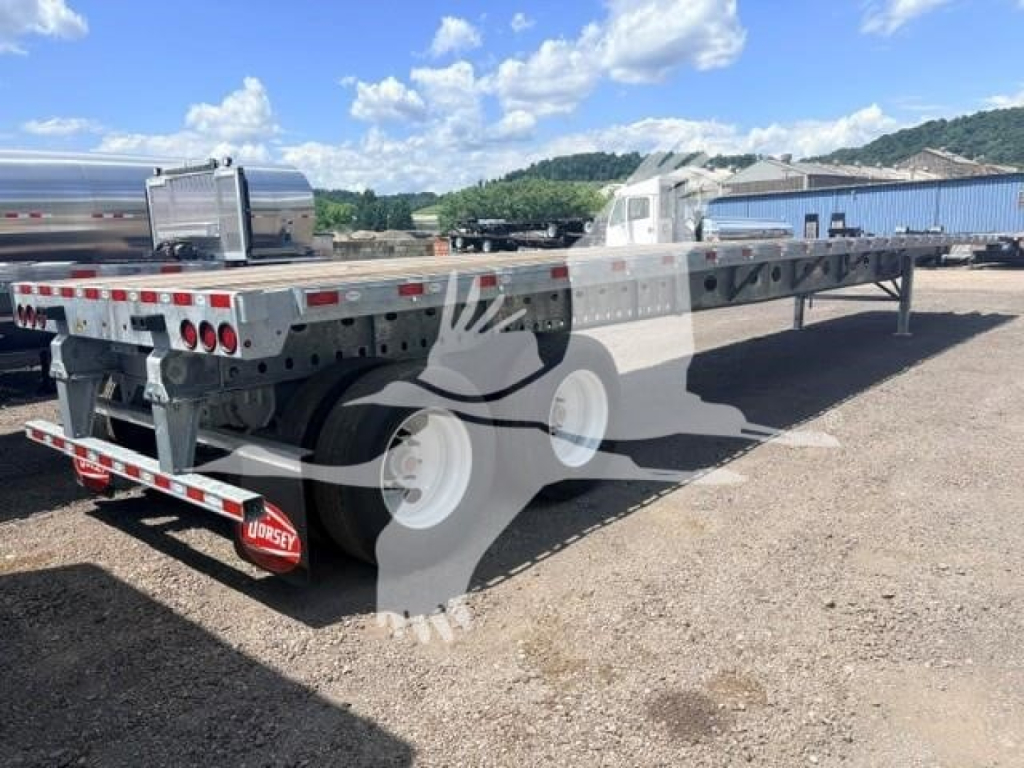
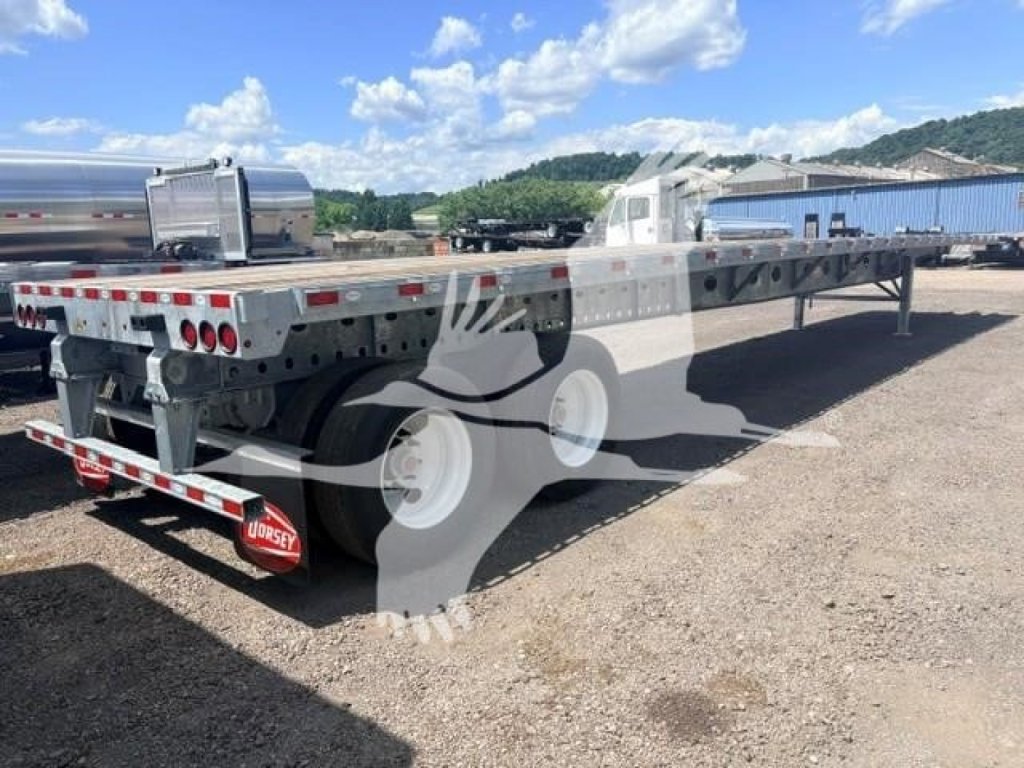
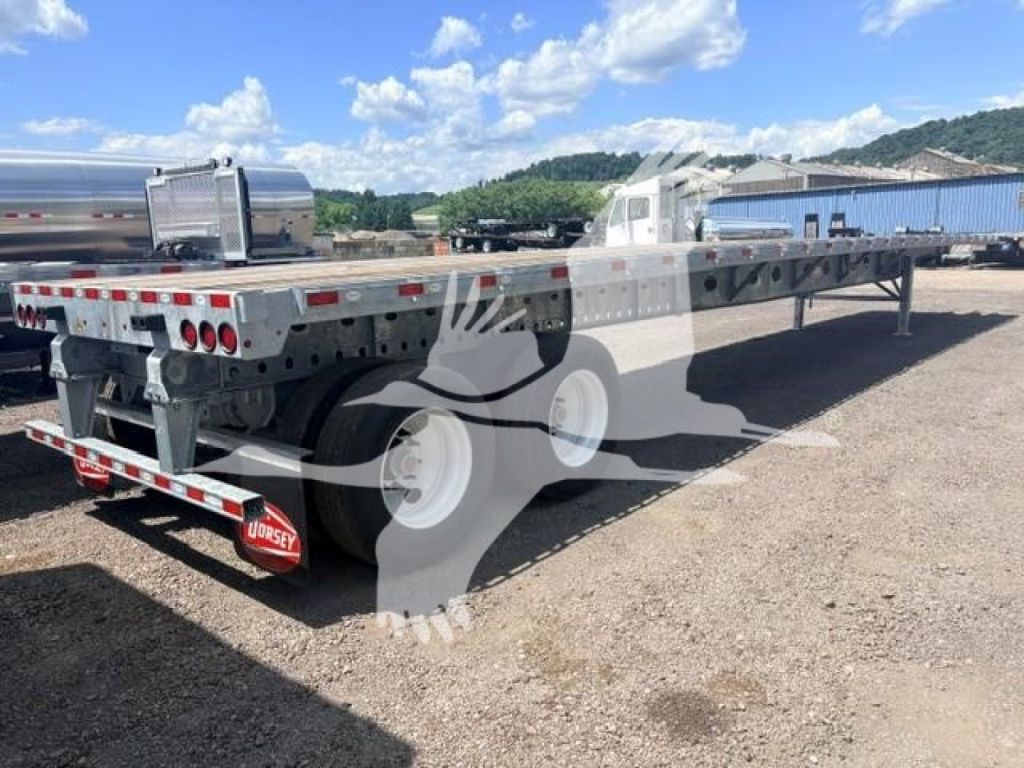
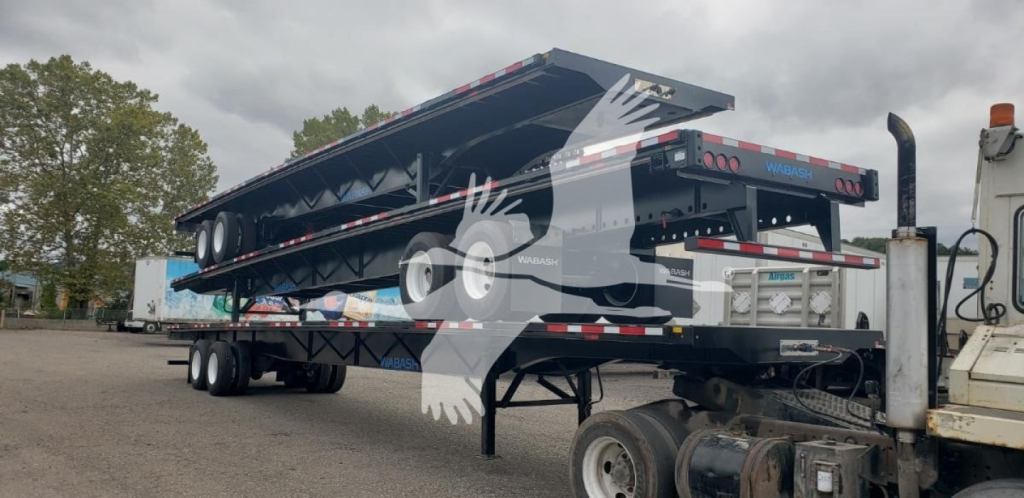
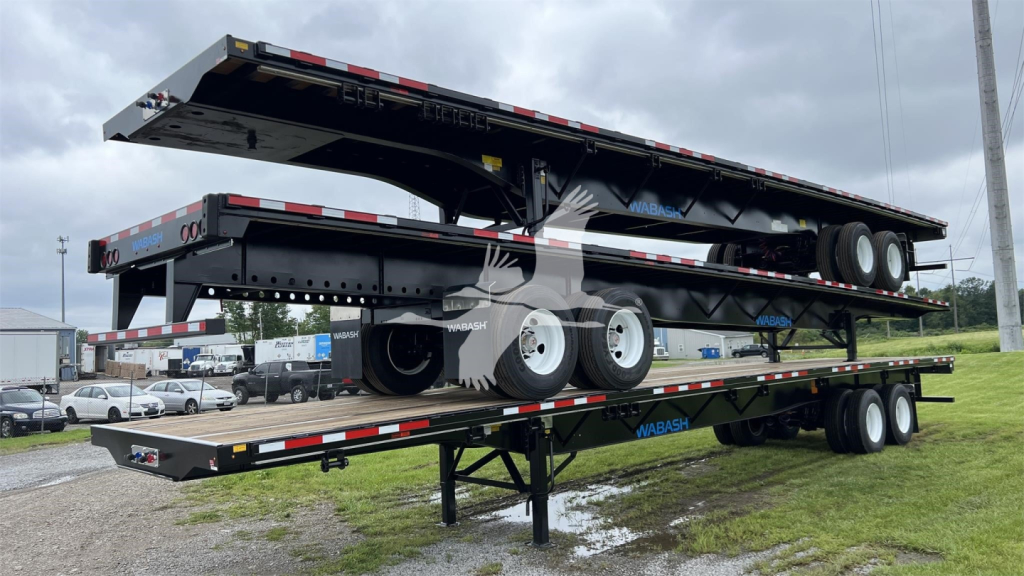
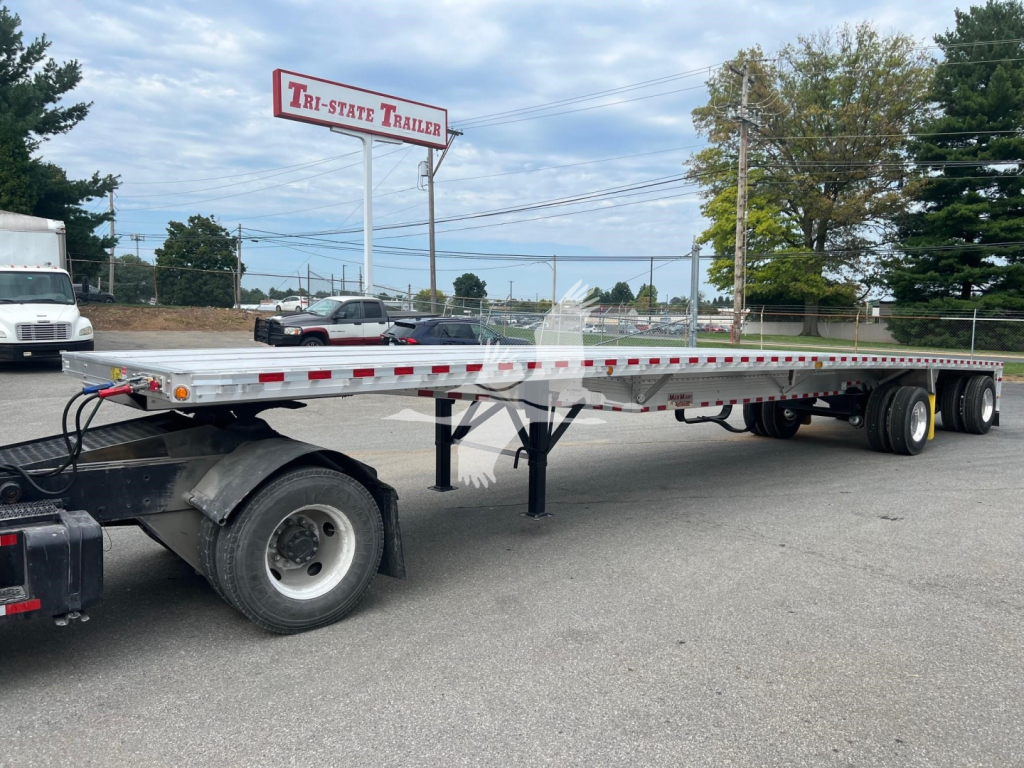
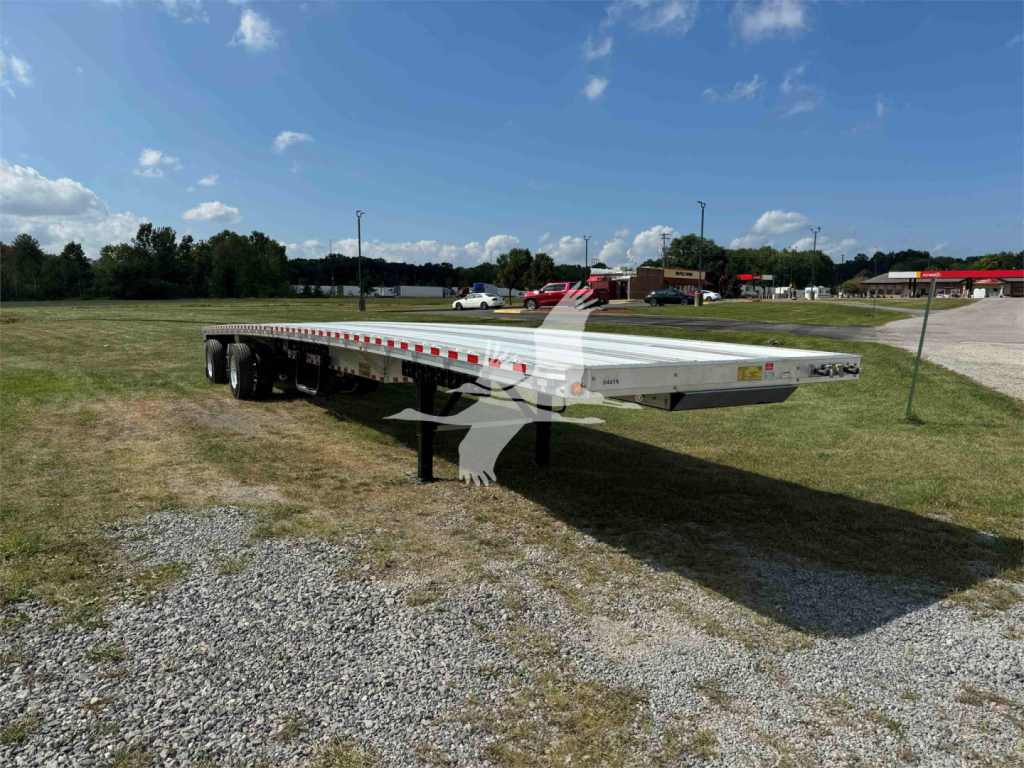
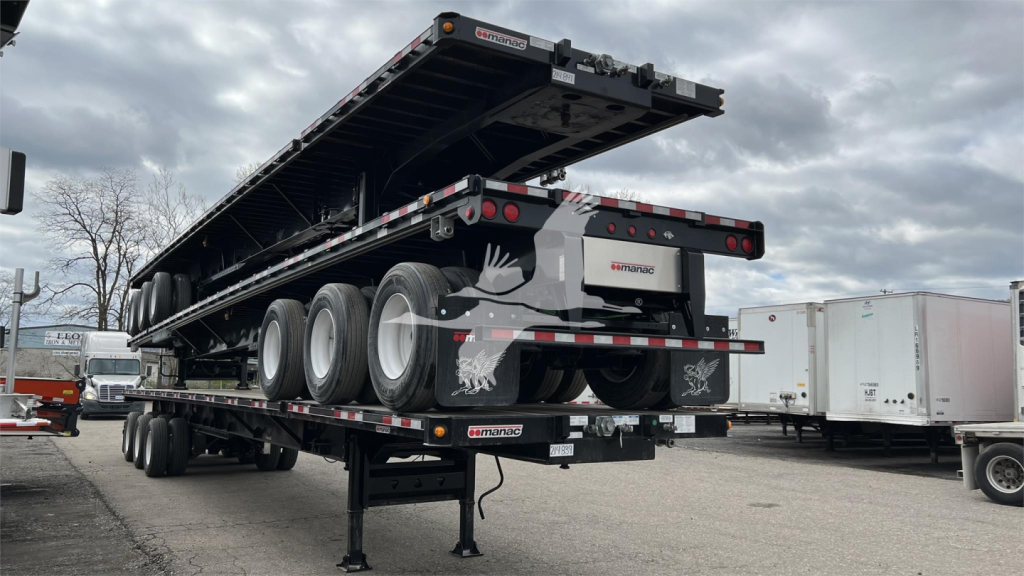

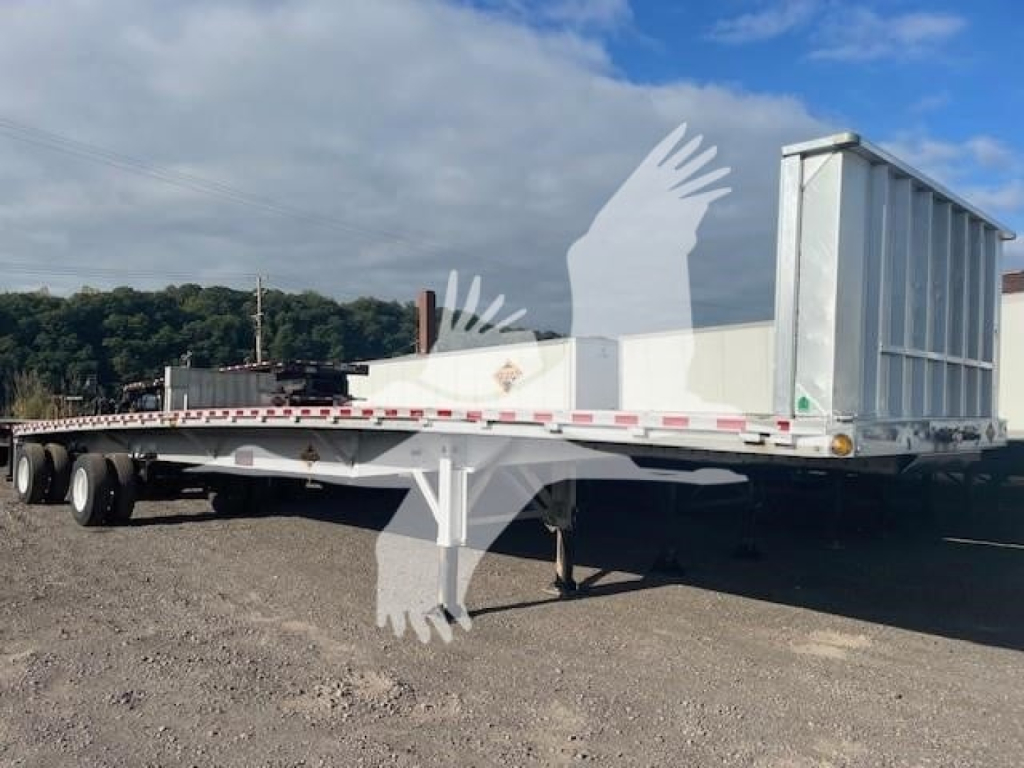
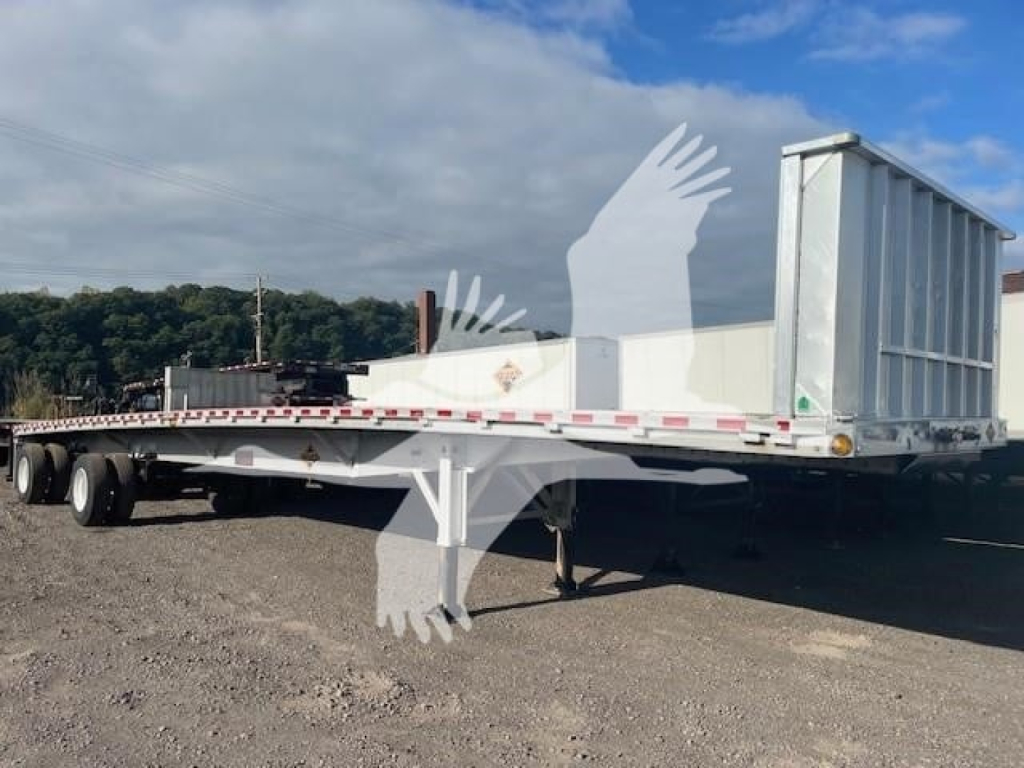
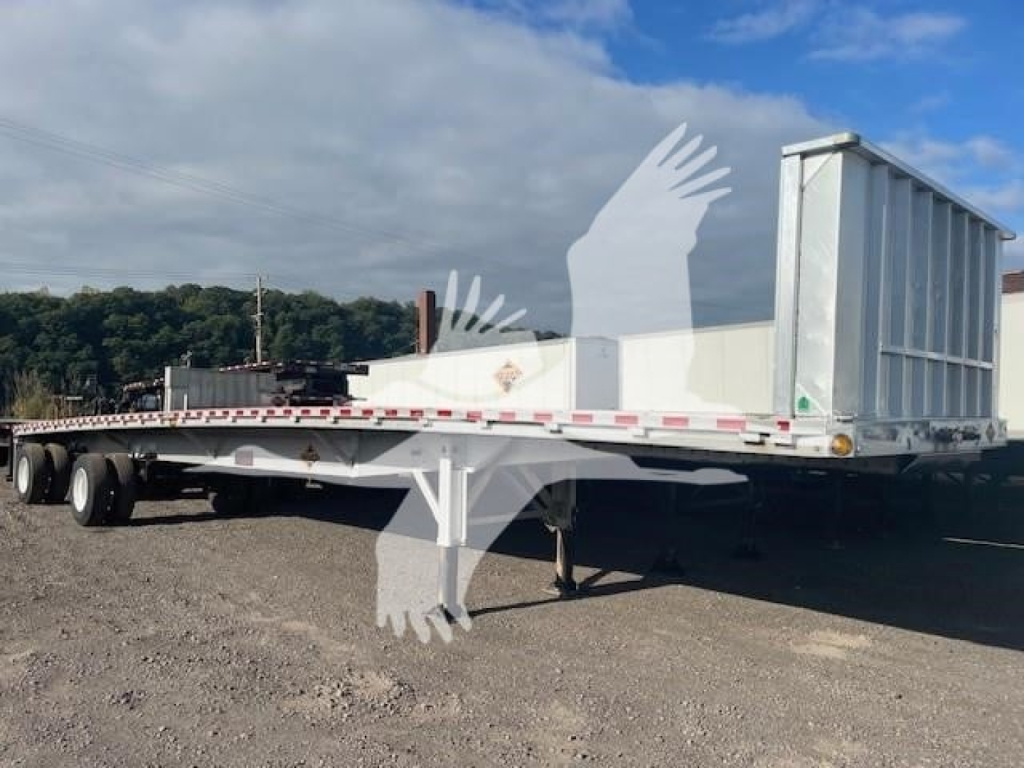
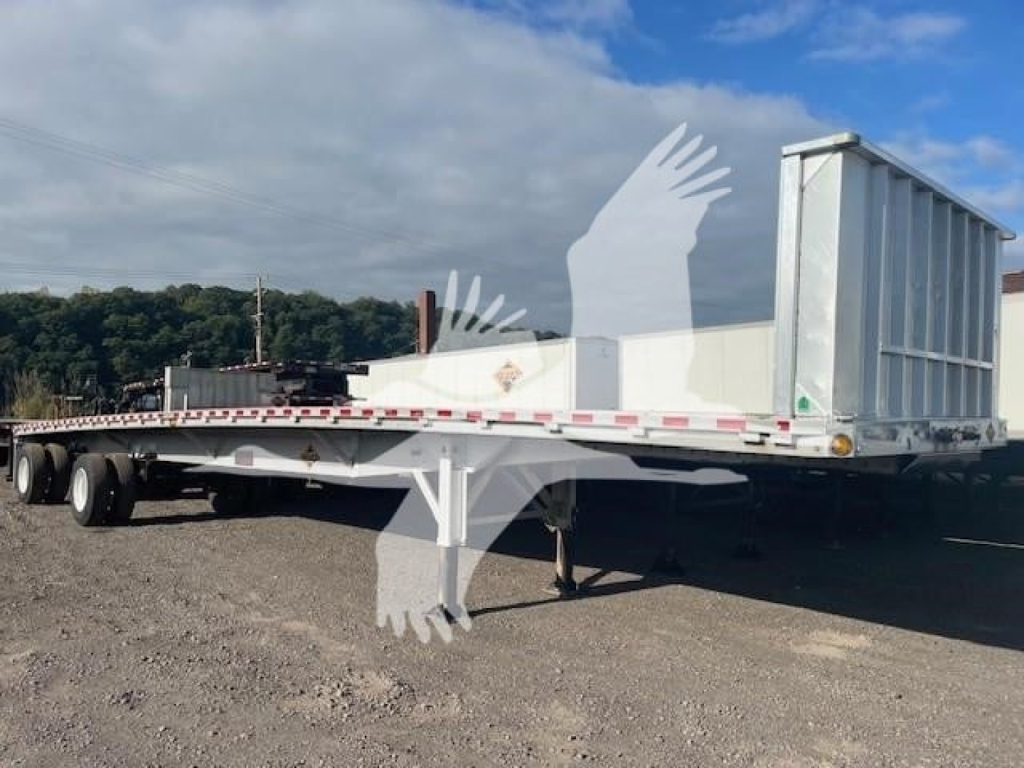
Showing 1 to 28 of 171 results
Selling a used flatbed trailer? List your used flatbed trailer for sale and reach thousands of commercial buyers.
Used Flatbed Trailers in Pennsylvania
The biggest buying decision usually comes down to what the trailer hauls every week. Aluminum floors, side rails, and crossmember designs help maximize legal payload, which matters for dense commodities and longer-haul work. Buyers hauling coils, pipe, lumber, or mixed open-deck freight should pay attention to coil packages, crossmember spacing, nailing strips, pipe spools, winch tracks, and the number of sliding winches included. A trailer set up with winch tracks on both sides, double pipe spools, and a practical toolbox layout is easier to keep working across different freight types. Extendable flatbeds also show up in this segment for longer freight, but they bring a different weight profile and a more specialized application than a standard 48-foot deck.
Running gear matters just as much as deck spec on a used flatbed trailer. Air-ride suspension is common because it helps protect freight and improves ride quality, and many buyers prefer proven systems from Hendrickson or similar suppliers. Disc brakes, tire inflation systems, low-profile 22.5 rubber, sliding tandems, and kingpin settings around 24 to 30 inches are all details that affect maintenance costs, bridge compliance, and tractor compatibility. In Pennsylvania, where trailers may see turnpike miles, Northeast weather, and frequent dock-to-jobsite routing, condition of the brakes, tires, lighting, landing gear, coupler area, and suspension components should be checked carefully along with signs of corrosion, deck wear, and prior frame repairs.
A good used flatbed trailer should match both the freight and the dispatch pattern. Buyers comparing listings should look beyond year and make and focus on empty weight, concentrated load ratings, axle spread, deck condition, and securement hardware already on the trailer. Reitnouer, Benson, Fontaine, and similar builders are well known in the open-deck market, but the right choice is the trailer that balances payload, serviceability, and the exact load securement setup your operation needs. For many carriers, a clean 48-foot air-ride flatbed with solid flooring, usable winch gear, and a straight frame will outperform a newer trailer with the wrong spec.
Frequently Asked Questions about Used Flatbed Trailers in Pennsylvania
What should I look for first when buying a used flatbed trailer?
Start with structural condition and trailer spec. Check the frame, crossmembers, deck, coupler plate, side rails, suspension mounts, and axle alignment for signs of damage, repairs, or corrosion. Then confirm the trailer matches your freight requirements by reviewing length, empty weight, axle setup, concentrated load rating, winch track configuration, and securement features such as pipe spools, coil package, and sliding winches.
Is an aluminum flatbed better than a steel flatbed?
An aluminum flatbed usually offers lower tare weight, which increases payload capacity and can improve revenue on weight-sensitive freight. Steel flatbeds generally trade payload for ruggedness and can make sense in harder-use environments. The better choice depends on what you haul, how often the trailer is loaded by forklift or crane, and how important weight savings is to your operation.
Are air-ride suspensions preferred on used flatbed trailers?
Air-ride suspension is widely preferred because it reduces shock to the load, improves ride quality, and is common in open-deck freight applications. It is especially useful for machinery, building products, and other cargo that benefits from a smoother ride. On a used trailer, buyers should inspect airbags, shocks, bushings, hangers, and axle condition to make sure the suspension is not just the right type but also in sound working order.
What flatbed features matter most for load securement?
The most important securement features depend on the freight, but buyers commonly focus on winch tracks, sliding winches, side rail strength, pipe spools, nailing strips, chain tie-down points, and coil package reinforcement. A trailer with the right built-in securement hardware reduces setup time and makes it easier to handle a wider variety of loads legally and efficiently. It is usually more cost-effective to buy a trailer already configured for your freight than to retrofit one later.
How important are kingpin setting and axle configuration on a flatbed trailer?
Kingpin setting and axle configuration directly affect weight distribution, bridge law compliance, and how the trailer works with your tractor. Tandem sliders, spread axles, and different kingpin settings each have advantages depending on route, state regulations, and freight profile. Buyers should verify that the trailer can scale properly with their tractor wheelbase and expected load mix, especially when operating in regional Northeast lanes.