
Used Dorsey Flatbed Trailers For Sale in Pennsylvania
Shop used Dorsey flatbed trailers in Pennsylvania. Compare 48-ft and 53-ft steel flats with Apitong floors, sliding tandems, and winch tracks.
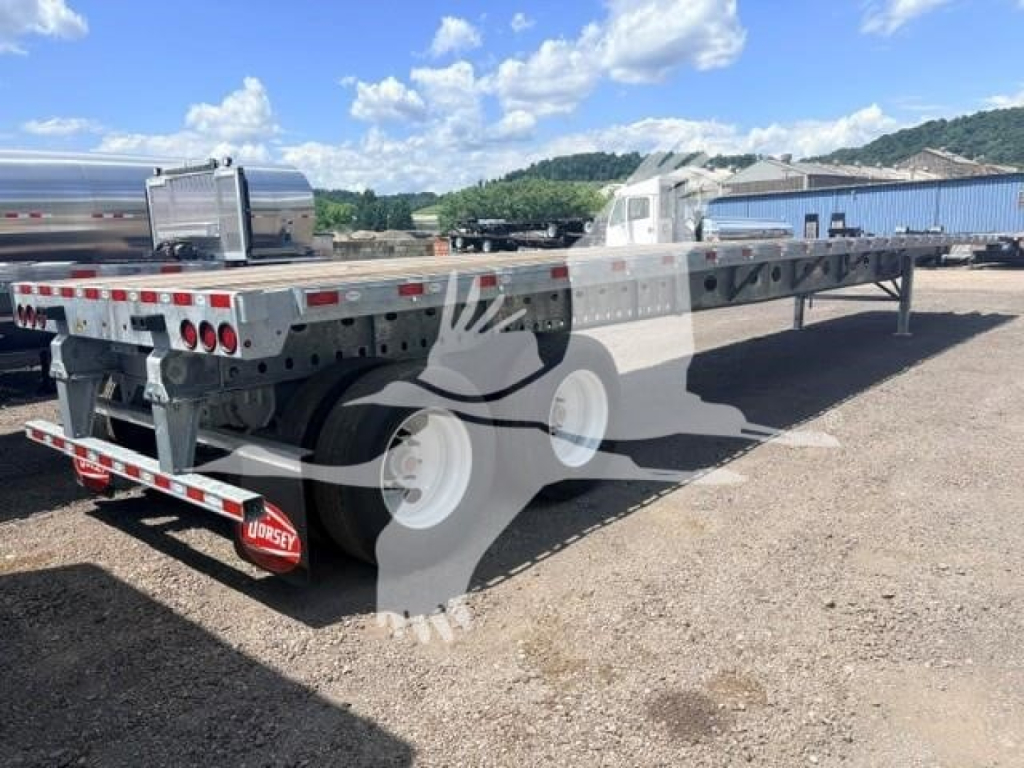
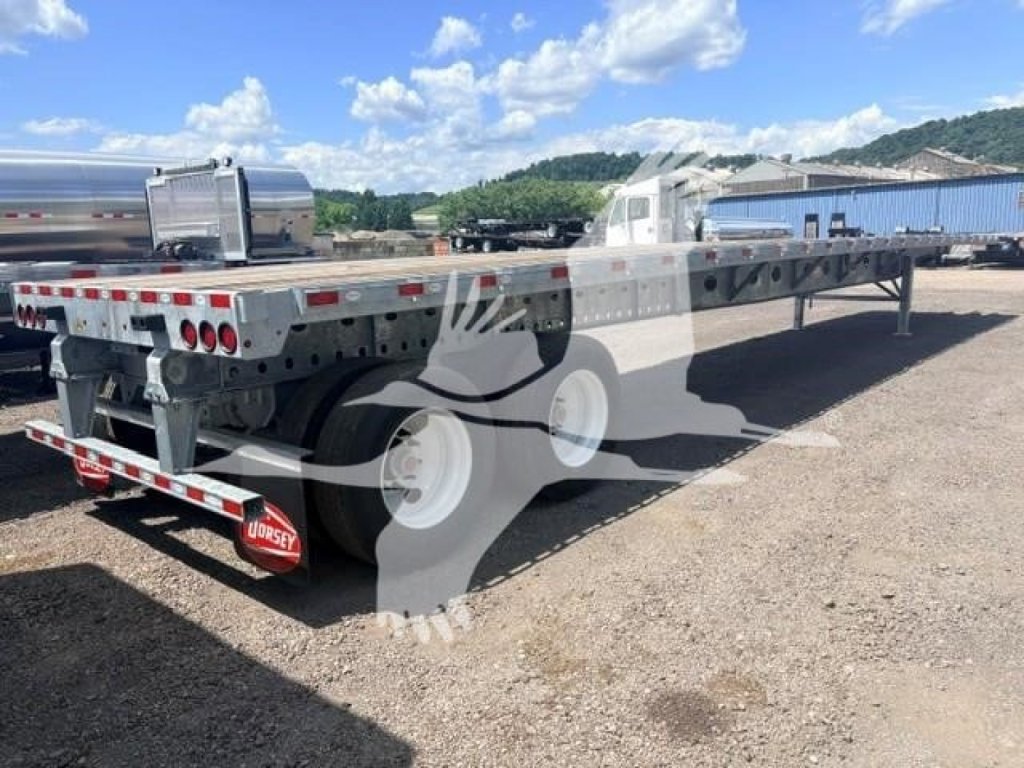
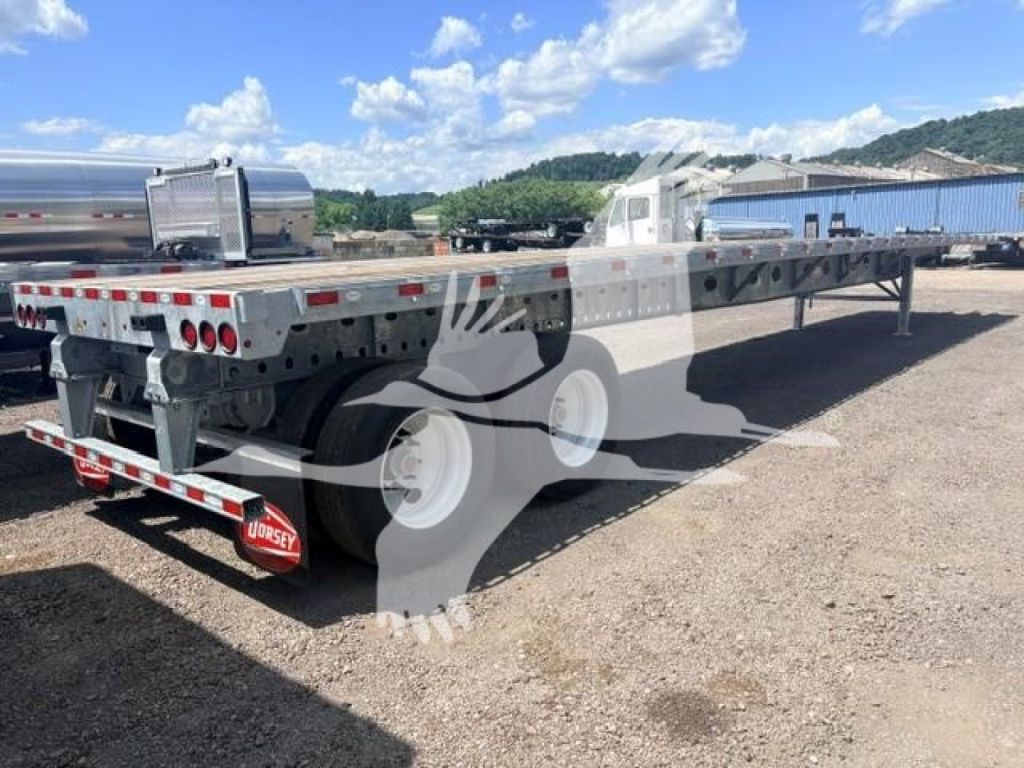
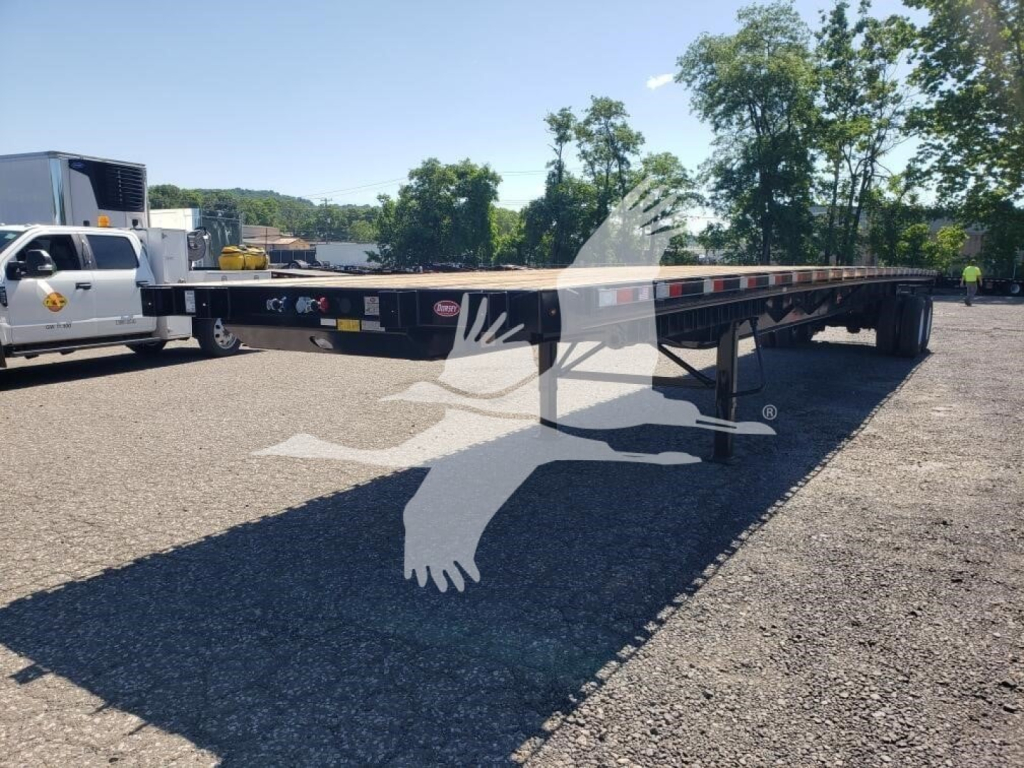
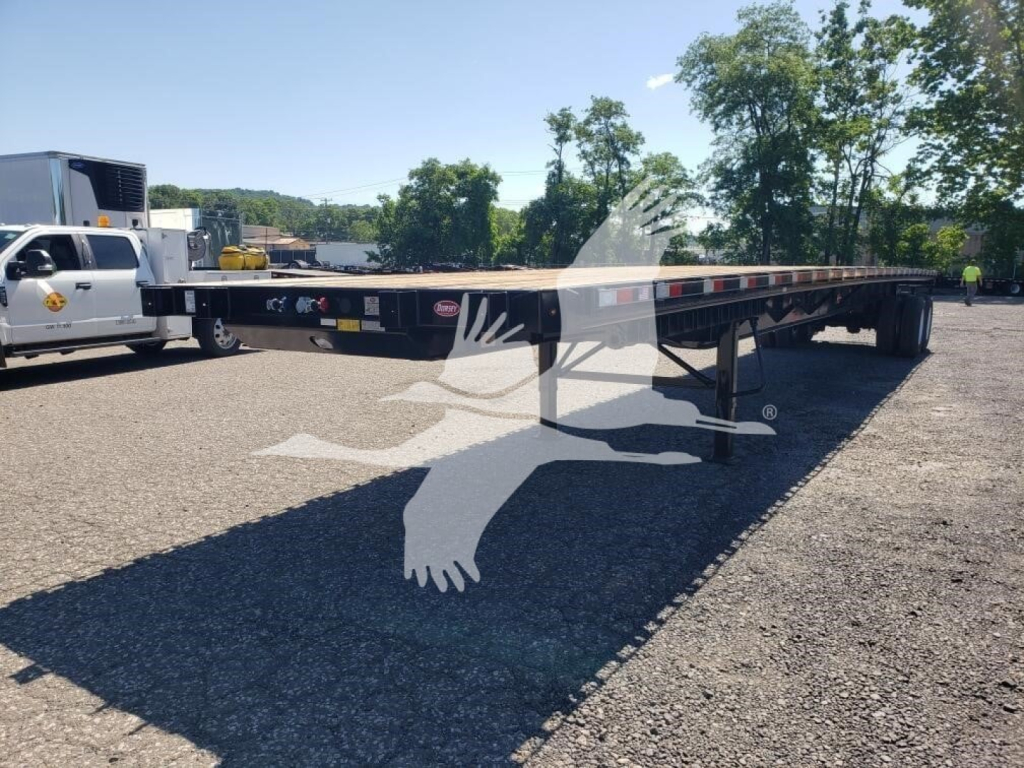
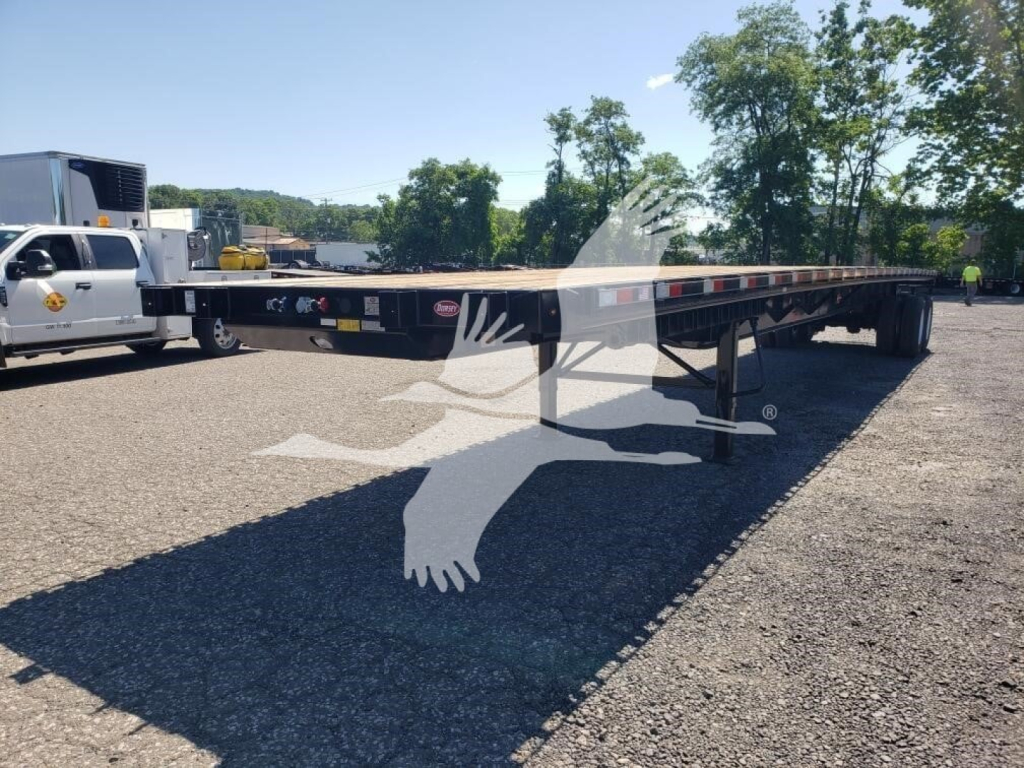
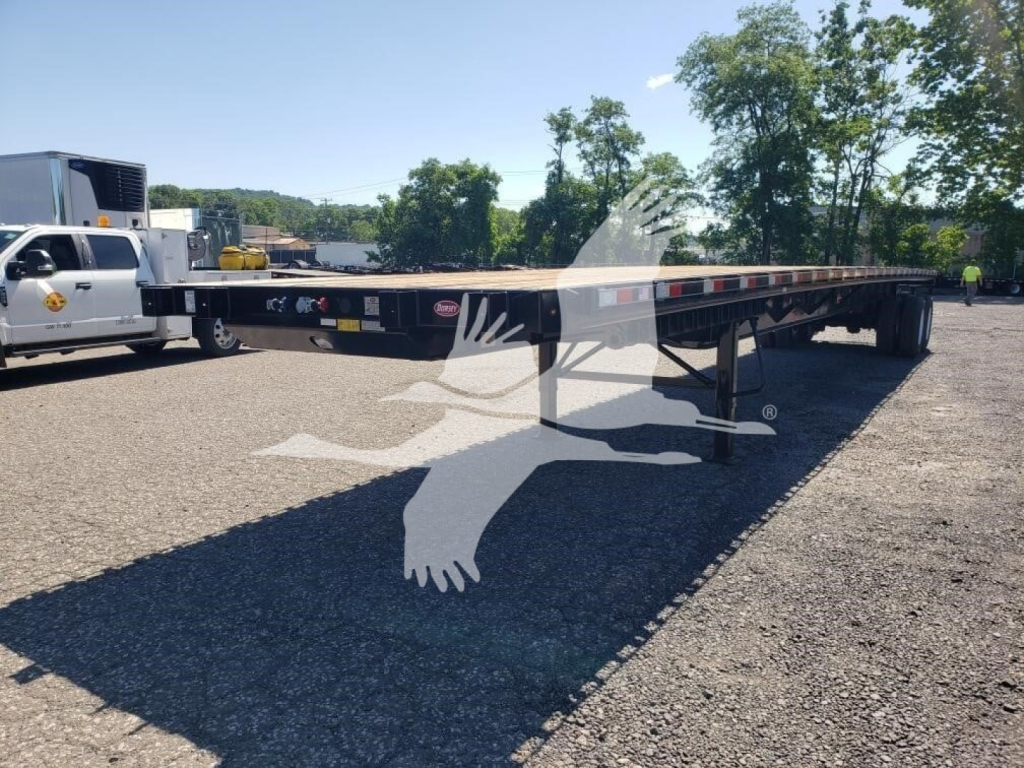
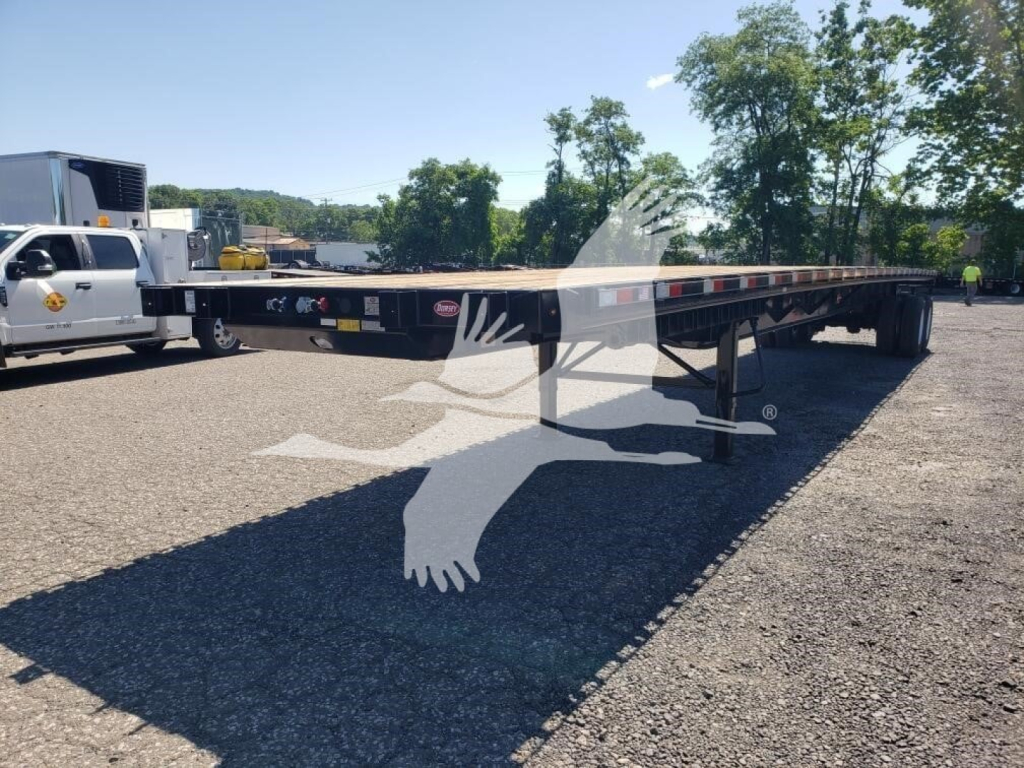
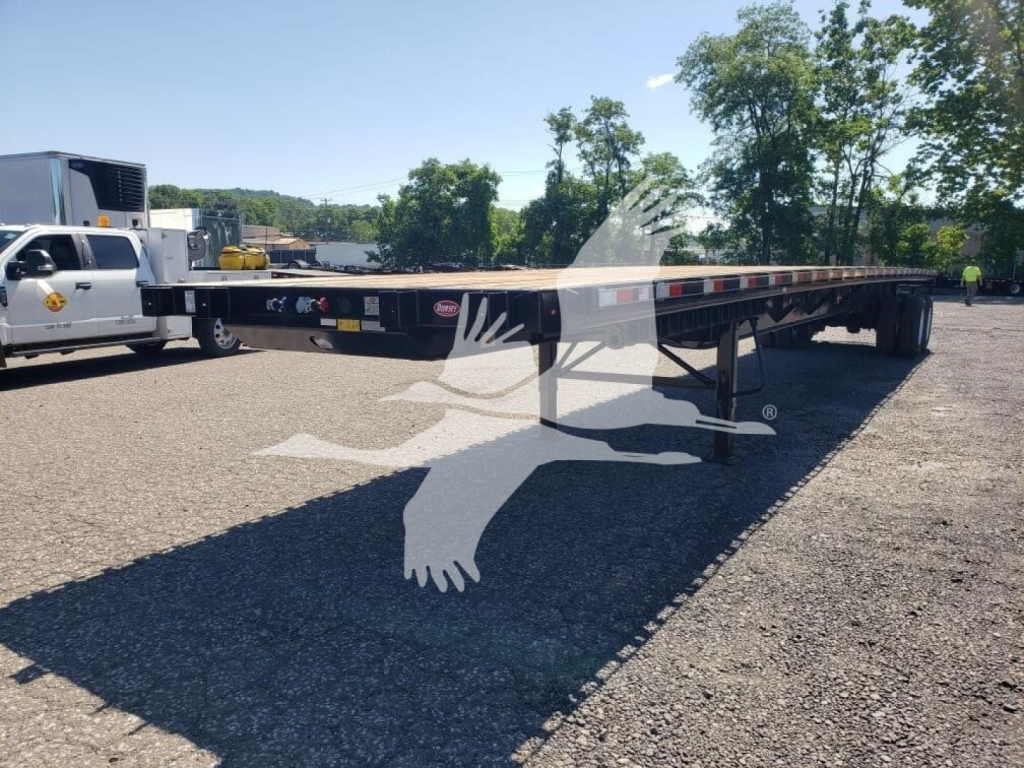
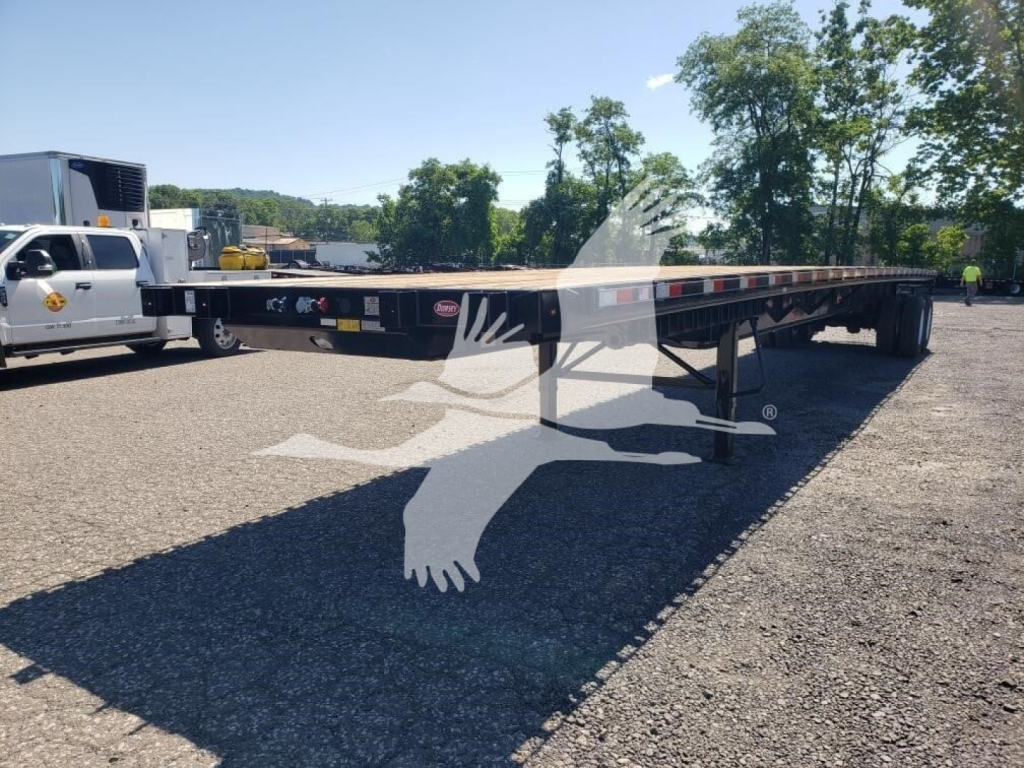
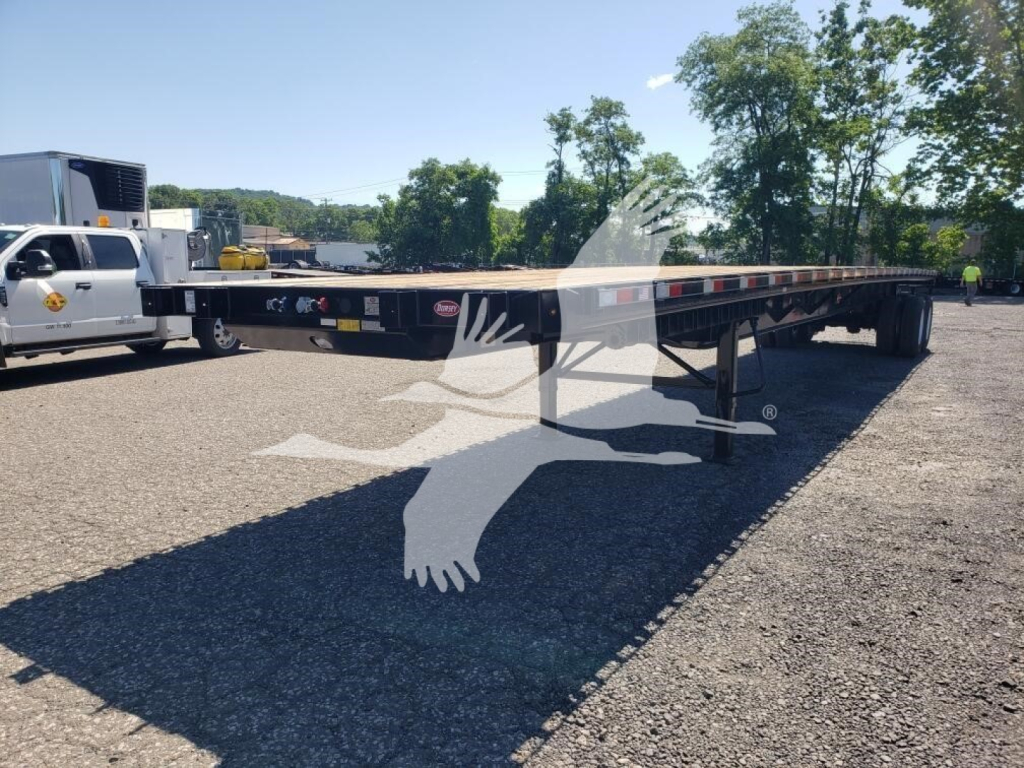
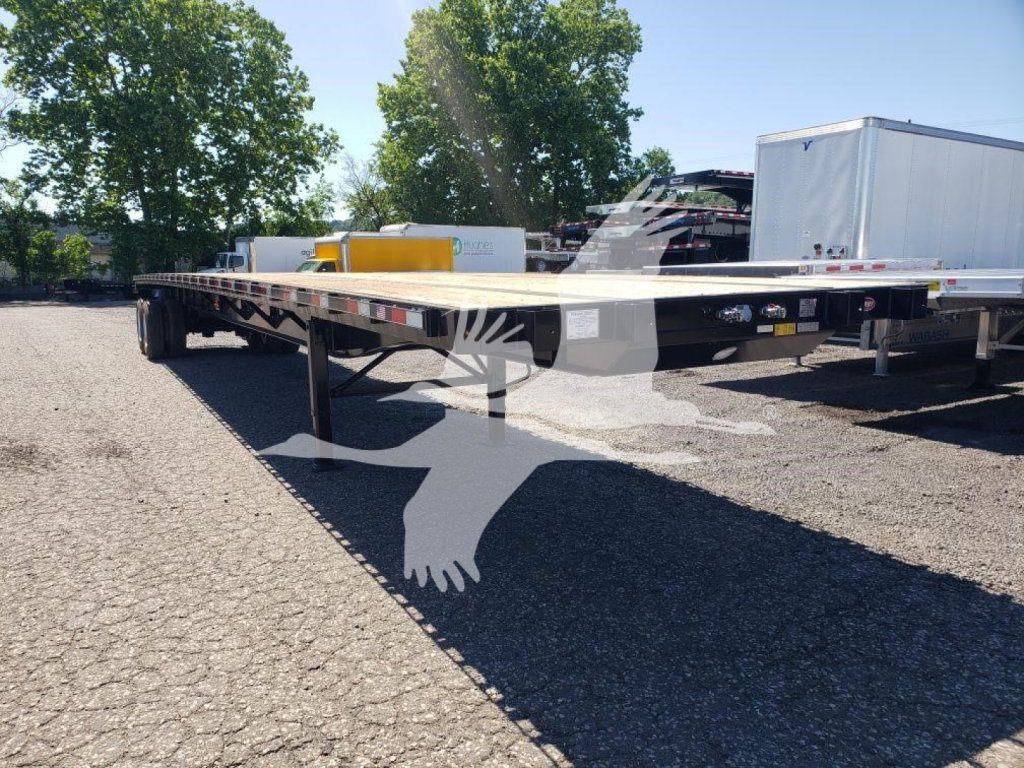
Selling a used dorsey flatbed trailer? List your used dorsey flatbed trailer for sale and reach thousands of commercial buyers.
Used Dorsey Flatbed Trailers in Pennsylvania
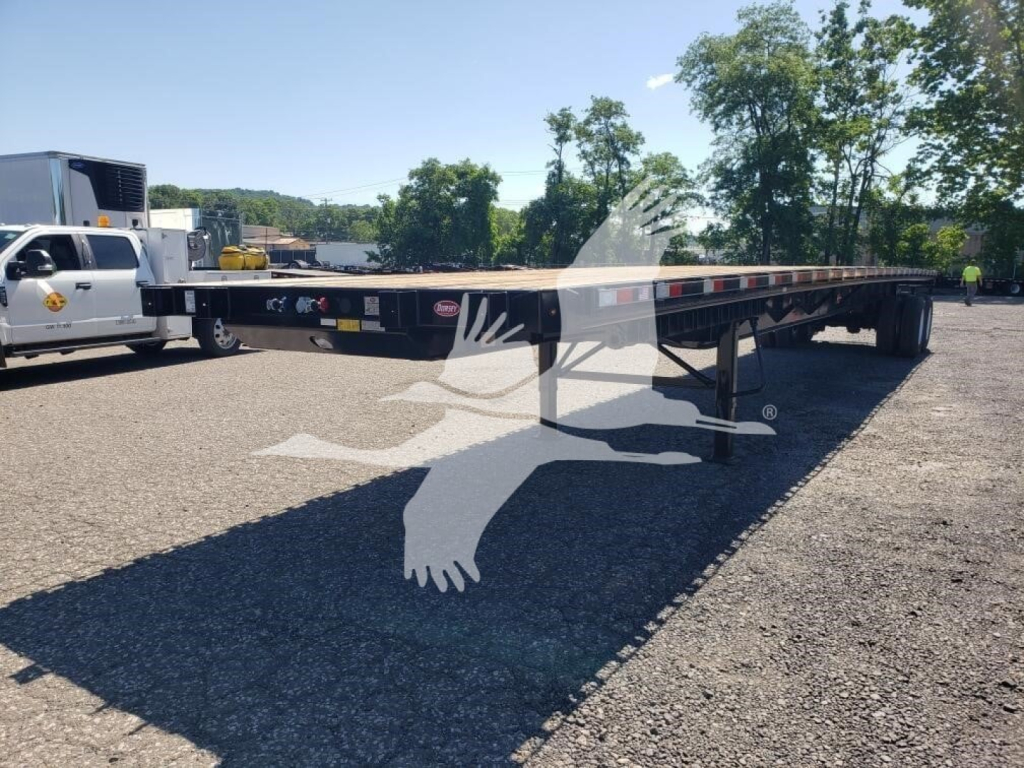
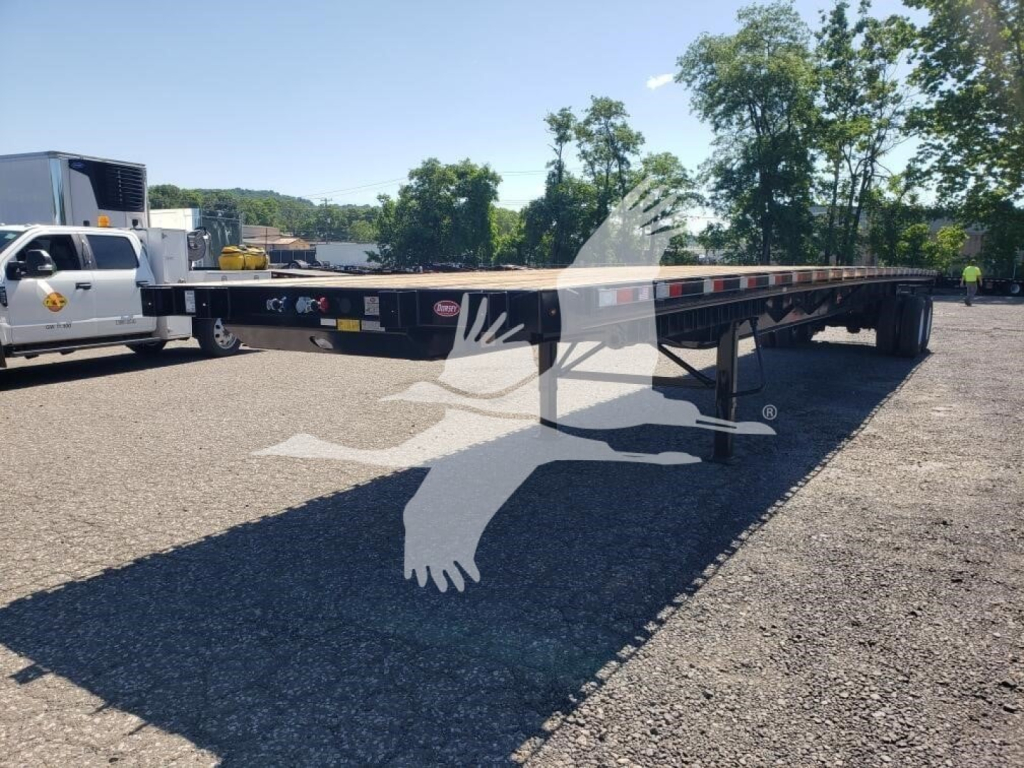
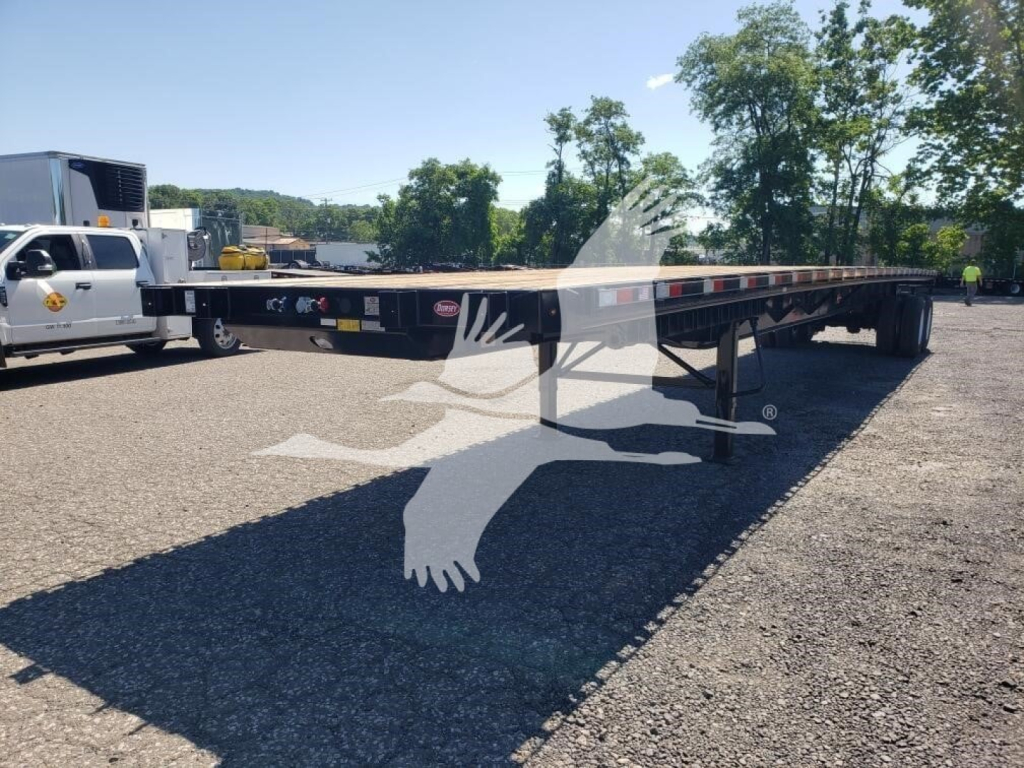
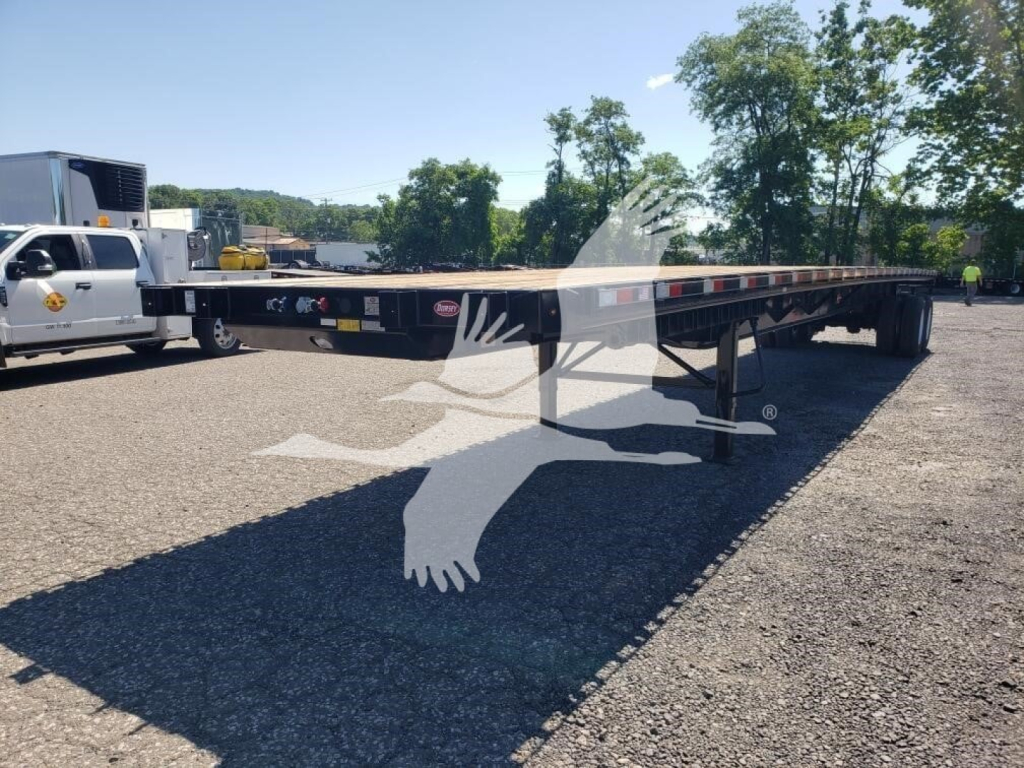
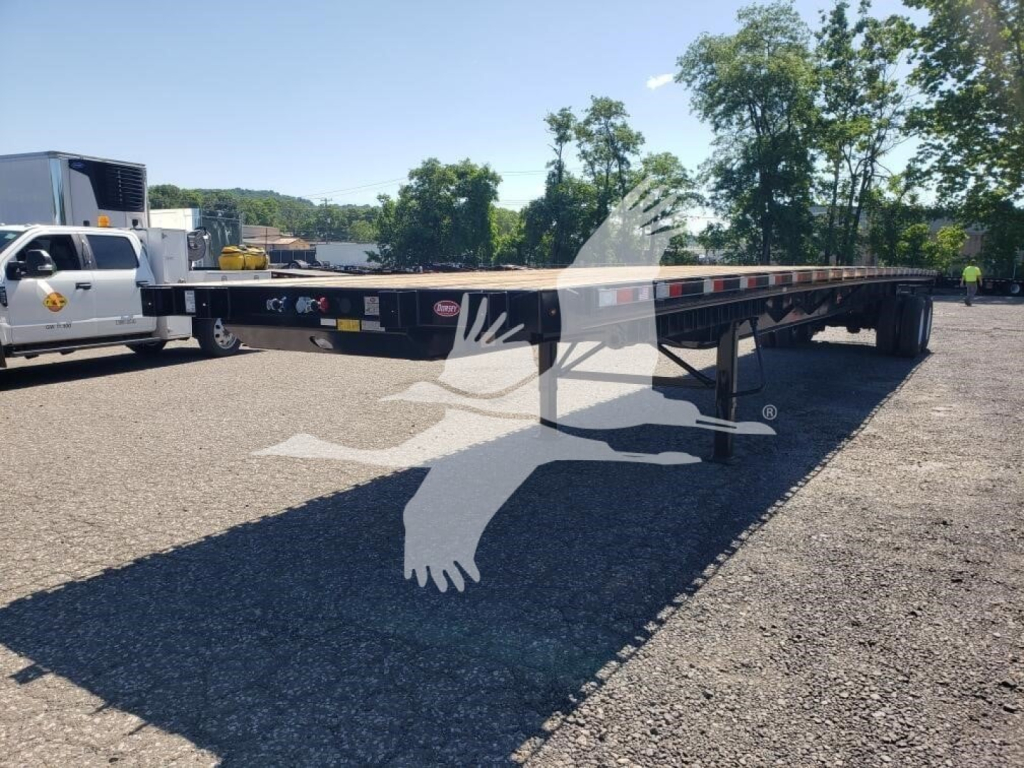
A lot of used Dorsey flatbeds on the market are 48-foot or 53-foot tandem axle trailers with 102-inch width, spring ride suspension, and sliding tandems. Common build details include steel front and rear members, 1 1/8-inch Apitong flooring, 6-inch structural channel side rails, and crossmembers on 12-inch centers. Buyers should pay close attention to kingpin setting, usually around 30 inches on many fleet-spec units, because it affects tractor clearance and bridge law flexibility. Full-length or roadside winch tracks, sliding winches, double pipe spools, two-speed landing gear, and hub-piloted steel wheels are common features that directly affect day-to-day usability.
On a used flatbed, structural condition is the first priority. Check the main beams, crossmembers, side rails, tandem slide, and rear frame for cracks, corrosion, poor repairs, or elongation around high-stress points. Floor life matters too, especially on steel-frame trailers that have seen coil, lumber, or concentrated forklift traffic. Apitong remains popular because it holds up well under repeated loading, but buyers should still inspect for broken boards, soft spots, and fastener issues. Tire size and suspension brand are worth noting as well. Many Dorsey trailers in this class run 295/75R22.5 rubber and Hutchens spring ride suspension, a common setup that is relatively easy to maintain and well understood by fleet shops.
Spec selection should match the freight more than the badge. A 48-foot Dorsey flatbed can make sense for regional work and certain shipper requirements, while a 53-foot trailer gives more deck space for legal freight and broader load planning. If your operation depends on fast securement, prioritize a clean winch track, enough sliding winches, usable spool storage, and straight side rails. If payload is the main concern, compare tare weight against the kind of commodity you haul most often. A used Dorsey flatbed trailer that is structurally sound, correctly spec'd, and easy to secure can remain a productive open-deck asset for a long time.
Frequently Asked Questions about Used Dorsey Flatbed Trailers in Pennsylvania
What should I inspect first on a used Dorsey flatbed trailer?
Start with the structure. Inspect the main beams, crossmembers, side rails, rear frame, and tandem slide for cracks, rust scale, bent sections, or old repairs. Then look at the deck, especially around forklift lanes, concentrated load areas, and securement points. After that, check suspension components, brakes, tires, wheels, landing gear, lights, and the winch track. On a flatbed, frame and deck condition usually tell you more about remaining service life than model year alone.
Are Dorsey flatbed trailers commonly available in 48-foot and 53-foot lengths?
Yes. Two of the most common lengths in the used market are 48 feet and 53 feet, both typically built at 102 inches wide with tandem axles. A 48-foot flatbed can fit certain regional or customer-specific needs, while a 53-foot flatbed usually offers more flexibility for general open-deck freight. The right choice depends on the freight mix, state bridge considerations, and shipper loading practices.
Why does Apitong flooring matter on a used flatbed trailer?
Apitong is widely used in flatbed trailer flooring because it resists wear well and handles repeated forklift traffic better than many alternatives. It is a strong selling point on a used trailer, but condition still matters more than material alone. Buyers should inspect for split boards, rot, loose fasteners, and uneven deck wear. A solid Apitong floor helps with load stability, securement confidence, and long-term maintenance costs.
Is spring ride suspension a good choice on a used flatbed?
Spring ride is a common and proven setup on steel flatbeds, especially in fleet service. It is generally simpler and more familiar to maintain than some air ride systems, and parts availability is usually straightforward. For many buyers, that makes it a practical choice for general freight. The tradeoff is ride quality, which may matter more for sensitive cargo. On a used trailer, overall suspension condition is more important than the basic suspension type by itself.
What securement features are most important on a used flatbed trailer?
The most important securement features depend on what you haul, but many buyers look for a straight and usable winch track, enough sliding winches, solid side rails, and pipe spools for strap storage. If the trailer hauls steel, machinery, or dense building products, inspect securement points carefully for deformation or damage. A flatbed can look decent overall and still cost time and money if the winch track is bent, the spools are damaged, or the side rail has been overloaded.