
Used 2010 Flatbed Trailers For Sale in Pennsylvania
Shop used 2010 flatbed trailers in Pennsylvania. Compare 48-foot to 53-foot specs, deck materials, axle setups, tie-down gear, and suspension.
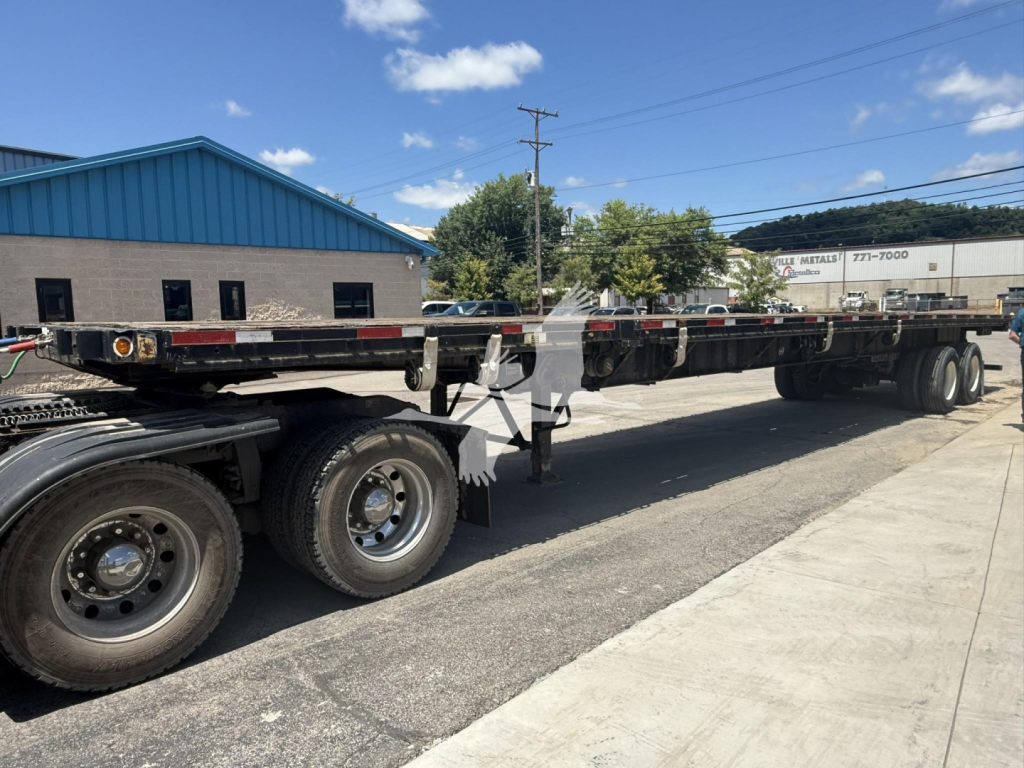
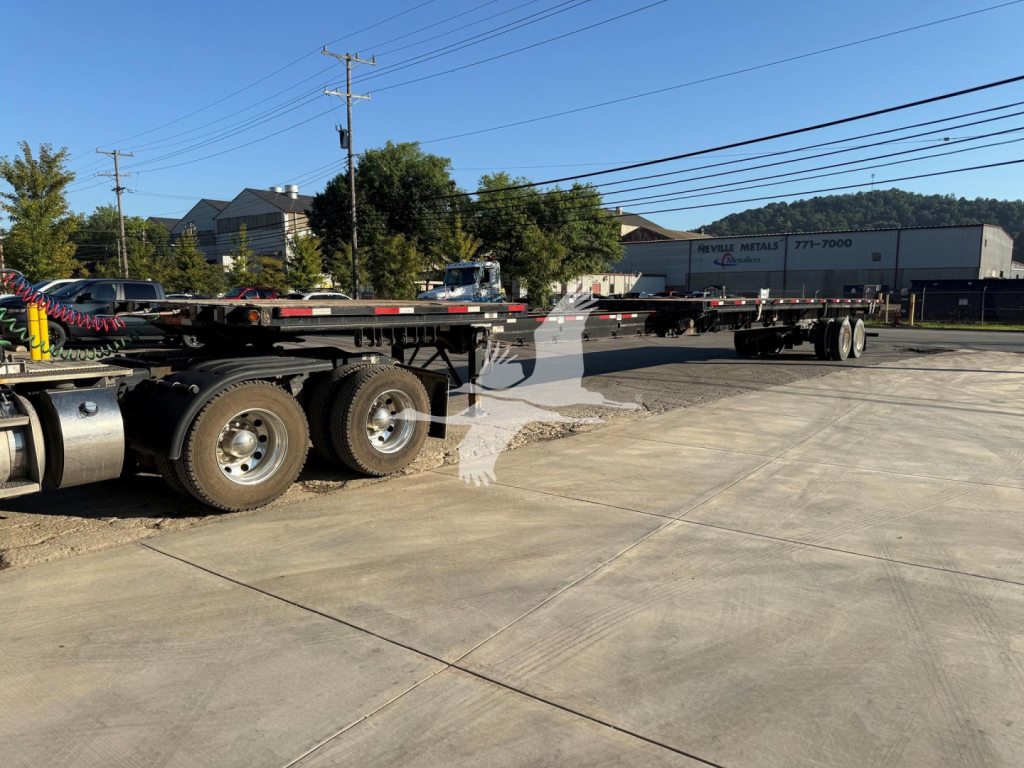
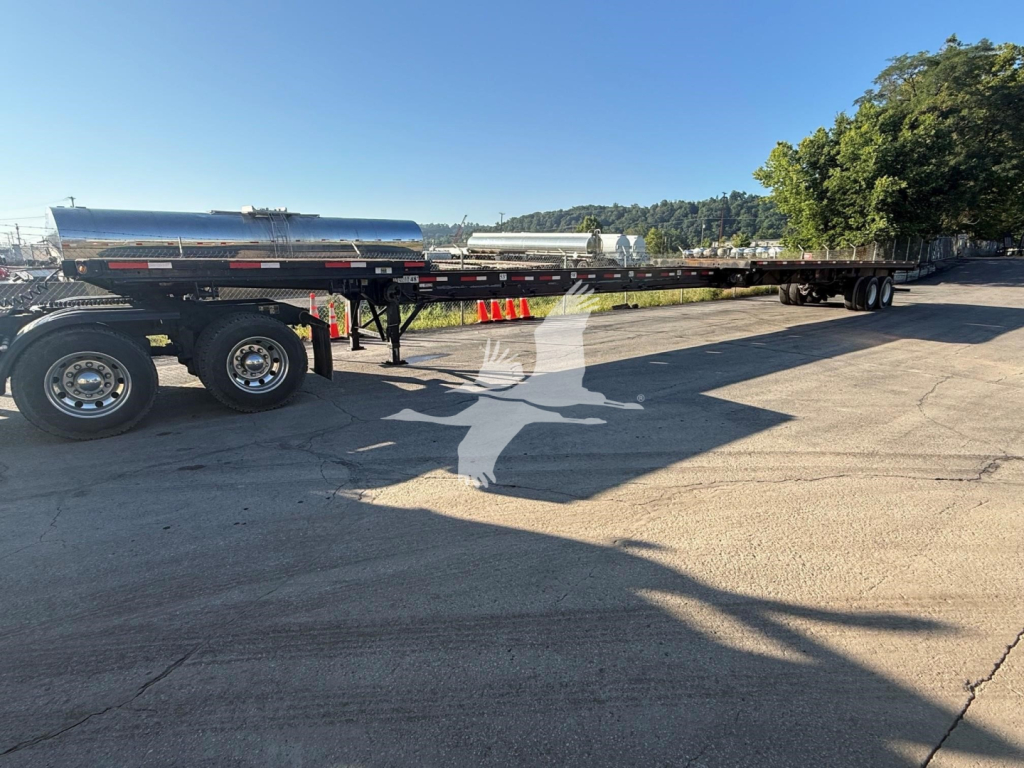
Have used 2010 flatbed trailer to sell? List it here to reach thousands of buyers.
Used 2010 Flatbed Trailers in Pennsylvania
The biggest buying decisions usually start with deck length, trailer weight, and axle configuration. Many 2010 flatbeds were built in 48-foot and 53-foot lengths with a 102-inch width, most commonly as tandem axle trailers with a sliding tandem. Buyers hauling dense freight should look closely at GVWR, concentrated load ratings, crossmember spacing, and whether the trailer has a coil package. Lighter aluminum flatbeds can improve payload, while steel flatbeds may appeal to fleets prioritizing durability and repair simplicity. Deck material also matters. Apitong wood remains common for grip and ease of repair, while all-aluminum decks reduce tare weight but should be inspected carefully for wear, corrosion, and damage around high-stress areas.
Tie-down equipment and deck setup have a direct effect on daily usability. Common features on 2010 flatbed trailers include roadside or full-length winch tracks, sliding winches, chain tie-downs, pipe spools, rub rails, stake pockets, and nailing strips. Some units are set up for coils, some for general freight, and others lean toward building materials or equipment hauling. Suspension is another important checkpoint. Air ride can help protect more sensitive freight and improve ride quality, while spring ride may offer a simpler, lower-maintenance setup. Buyers should also inspect kingpin setting, landing gear condition, tire size uniformity, brake components, lighting, frame condition, and signs of deck replacement or major structural repair.
In Pennsylvania, a used 2010 flatbed often makes sense for regional hauling where purchase price matters as much as capability. The right trailer depends on freight mix, legal weight targets, route conditions, and how often the trailer will be loaded by forklift versus crane. A well-maintained 2010 flatbed can still be a productive asset if the frame is straight, the deck is sound, and the tie-down system matches the work. For many buyers, the best value comes from balancing tare weight, deck condition, suspension type, and securement equipment instead of focusing on age alone.
Frequently Asked Questions about Used 2010 Flatbed Trailers in Pennsylvania
What should I inspect first on a used 2010 flatbed trailer?
Start with the frame, crossmembers, deck, suspension, brakes, and tire condition. Check for cracked welds, corrosion, bent side rails, uneven tire wear, and damage around the kingpin, landing gear mounts, and tandem slider area. On wood-deck trailers, look for rot, soft spots, and patched sections. On aluminum trailers, inspect for fatigue cracks and previous repairs. Securement hardware such as winch tracks, rub rails, stake pockets, and chain tie-downs should also be checked because those items affect both safety and daily productivity.
Is an aluminum or steel 2010 flatbed trailer better?
It depends on the freight and operating priorities. Aluminum flatbeds are lighter and usually allow more payload, which can improve revenue on weight-sensitive loads. Steel flatbeds are typically heavier but can be attractive for harsh-duty applications where impact resistance and straightforward repair are priorities. The better choice comes down to tare weight goals, maintenance approach, cargo type, and the trailer's actual condition rather than material alone.
What trailer length is most common for a used flatbed?
Forty-eight foot and fifty-three foot flatbeds are the most common sizes in this category. A 48-foot trailer is still widely used and can be a good fit for certain regional or specialized operations. A 53-foot flatbed offers more deck space for longer freight and can be easier to match with standard open-deck load opportunities. Buyers should confirm bridge law considerations, axle spread, and tandem slider setup based on their routes and freight profile.
Do I need a coil package on a flatbed trailer?
A coil package is important if the trailer will haul steel coils or other concentrated heavy loads. These packages are designed to better manage concentrated weight and may include reinforced crossmembers and securement provisions suited to that work. If the freight is mostly general building materials, machinery, or palletized cargo, a standard flatbed setup may be sufficient. The key is matching the trailer's load rating and securement layout to the freight you actually move.
Are 2010 flatbed trailers still a good value?
Yes, if condition, specification, and maintenance history line up with the intended application. A 2010 flatbed can still offer strong service life in regional and vocational work, especially when the deck, running gear, brakes, and structural components have been maintained properly. Buyers should compare tare weight, axle setup, suspension type, deck material, and securement equipment against current hauling needs. Age matters less than structural integrity and fit for the job.