
Used 2010 Fontaine Flatbed Trailers For Sale in Pennsylvania
Browse used 2010 Fontaine flatbed trailers with specs that matter, including deck length, suspension, tandem setup, flooring, and load securement.
No exact matches found for your search
Showing Used Fontaine Flatbed Trailers in Pennsylvania instead.
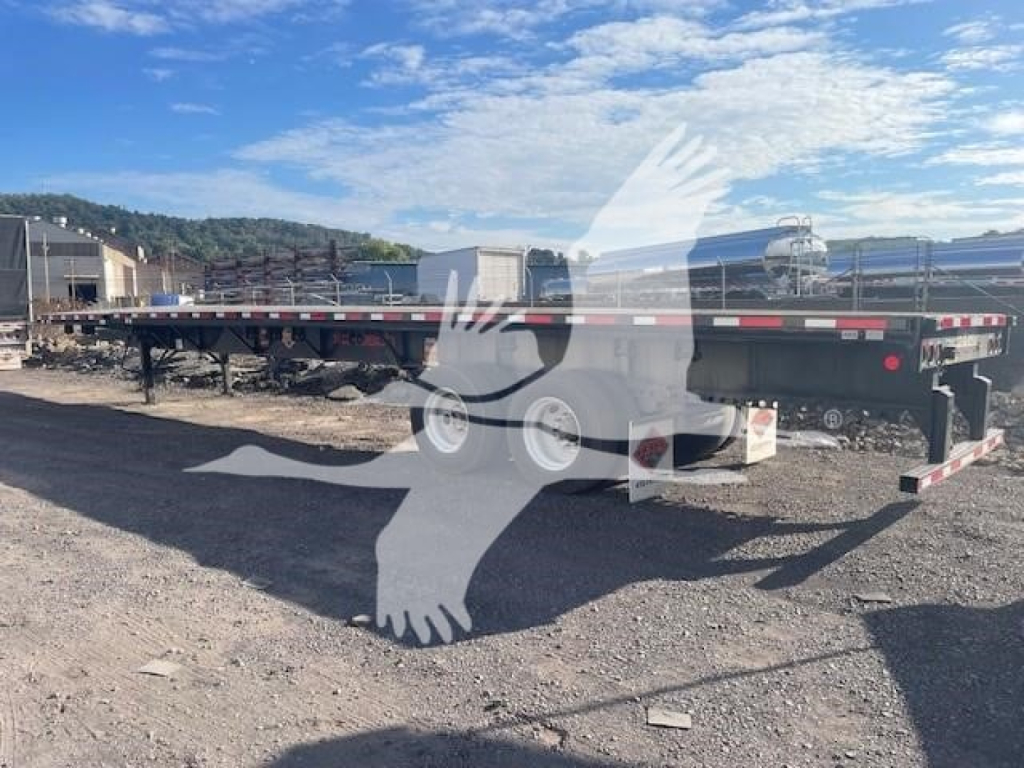
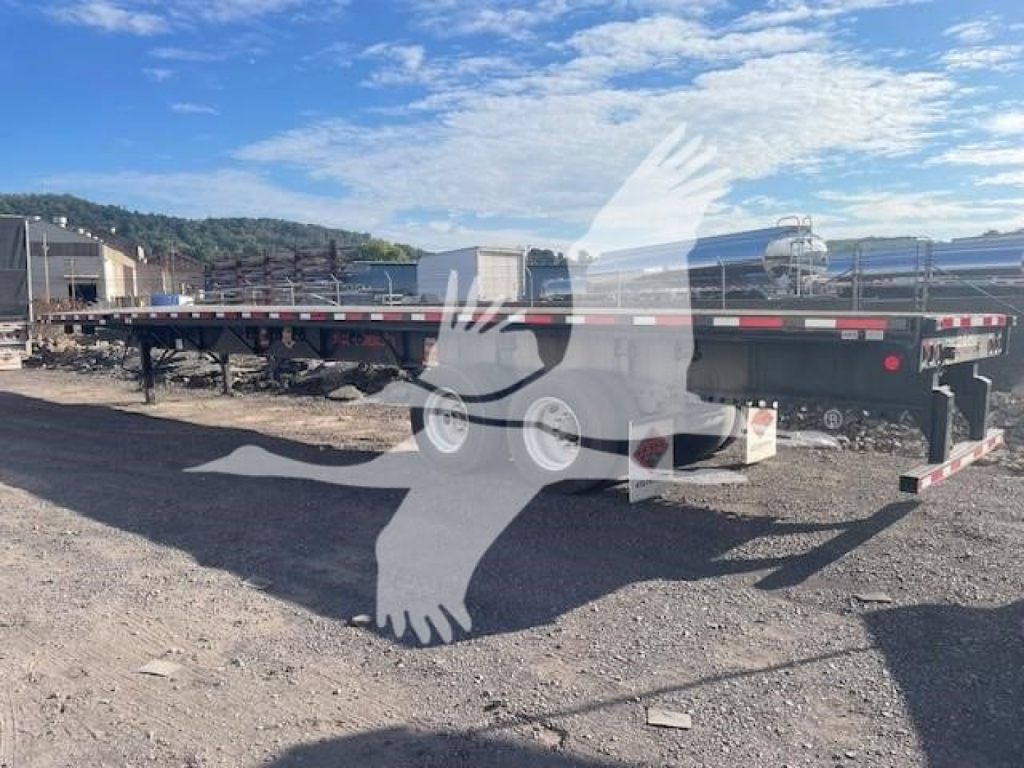
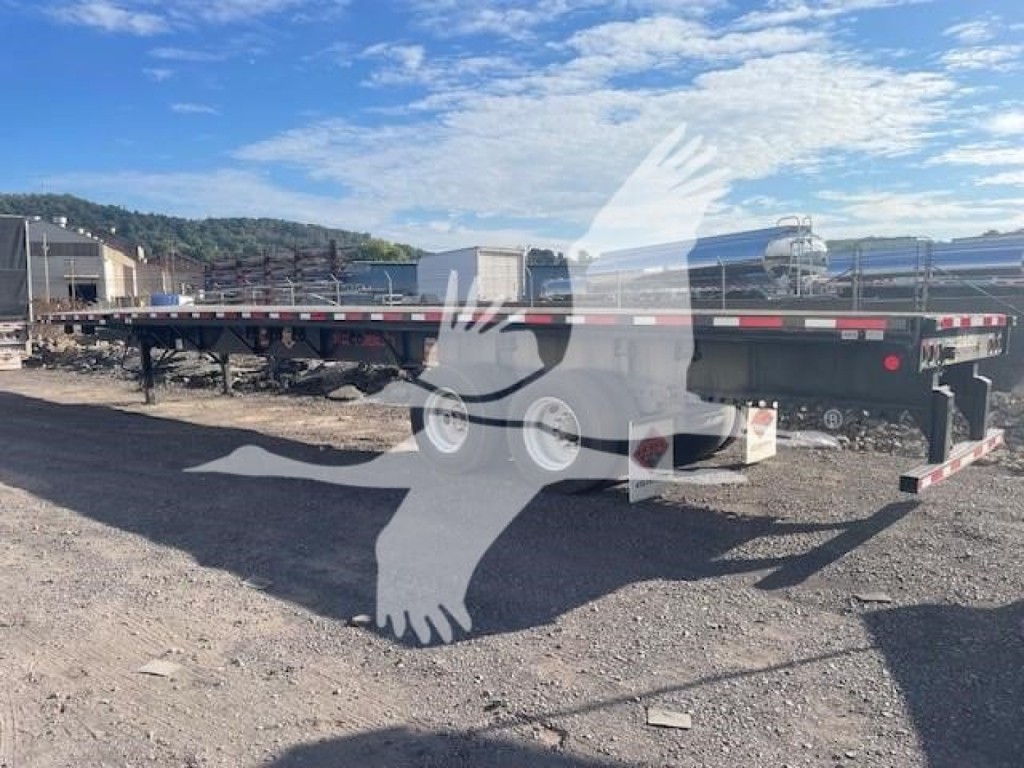
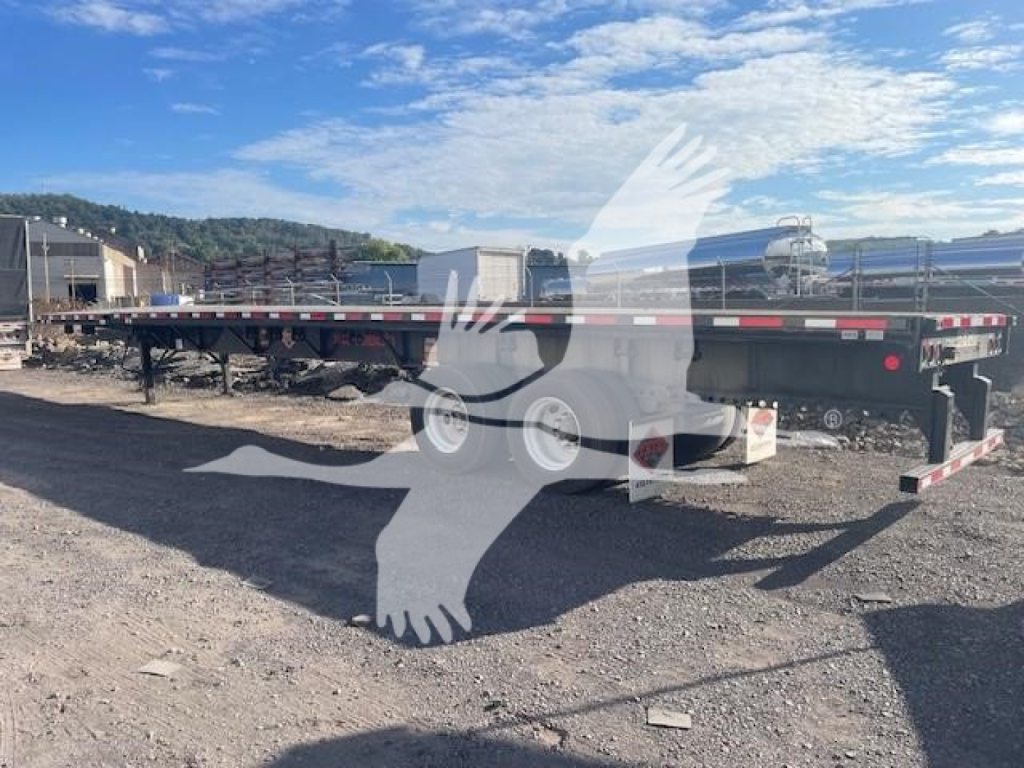
Selling a used 2010 fontaine flatbed trailer? List your used 2010 fontaine flatbed trailer for sale and reach thousands of commercial buyers.
Used 2010 Fontaine Flatbed Trailers in Pennsylvania
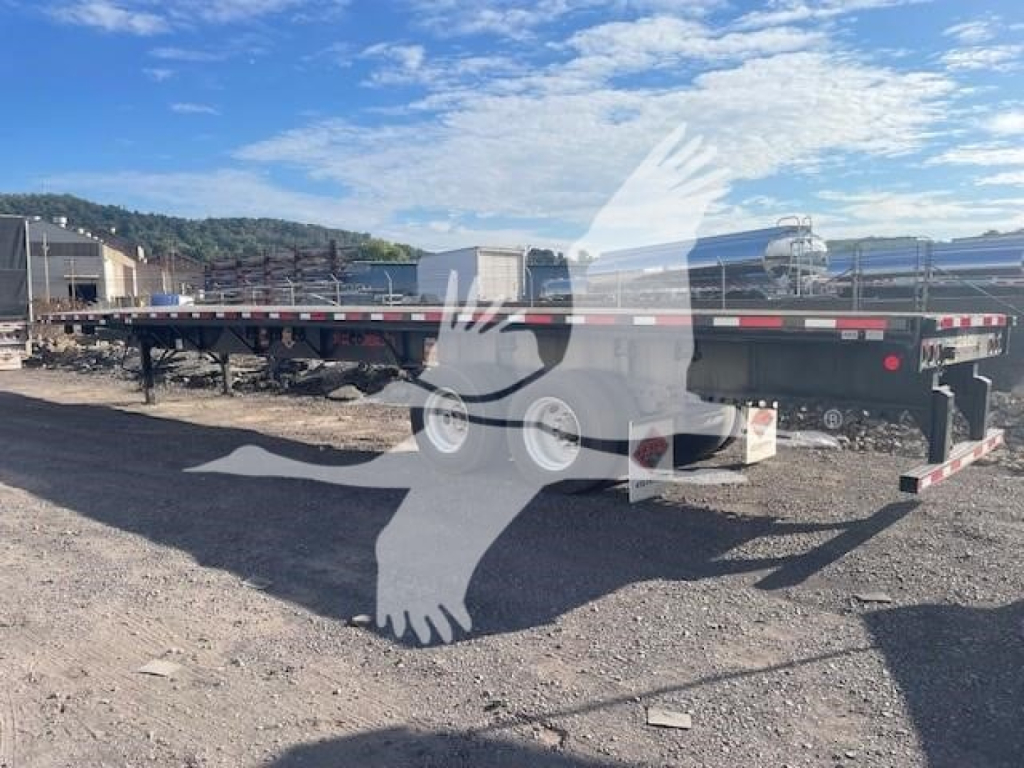
For this year range, the first decisions are deck type, suspension, and frame condition. Many 2010 Fontaine flatbeds were spec'd with wood floors such as Apitong, steel side rails, winch tracks, sliding winches, and pipe spools. Some units in this brand also use combo construction to reduce tare weight, while others are all-steel for buyers who prioritize durability and repair familiarity. A sliding tandem setup, often around a 49-inch spread in the tandem rail system, helps with bridge law compliance and axle weight adjustment. Kingpin setting, crossmember spacing, and side rail condition matter because they affect load placement, deck support, and how well the trailer handles repeated forklift traffic.
Used 2010 Fontaine flatbed trailers in Pennsylvania deserve close attention to corrosion, brake life, and suspension wear because road salt and seasonal weather can accelerate deterioration underneath the deck and around running gear. Check spring ride or air ride components, brake percentages, wheel ends, tire age, and signs of frame repairs near the neck, suspension hangers, and rear impact area. Wood floor condition is another major value factor. Soft spots, damaged fasteners, and worn rub rail sections can quickly add reconditioning cost. If the trailer is an extendable or spread-style configuration, inspect extension locks, wiring, and slider operation carefully, since those systems carry more maintenance exposure than a standard fixed-deck flatbed.
For many buyers, a 2010 Fontaine flatbed hits a useful middle ground between purchase price and serviceability. It is old enough to be more affordable than late-model equipment, but still modern enough to find common replacement parts, landing gear components, lighting, and suspension service items without much trouble. The right trailer depends on the freight mix. Steel haulers may focus on side rail integrity, winch placement, and coil package suitability, while building material operators may care more about deck condition, tire life, and overall empty weight. A careful spec review will usually tell you whether a trailer is suited for daily linehaul work, local jobsite deliveries, or occasional specialized loads.
Frequently Asked Questions about Used 2010 Fontaine Flatbed Trailers in Pennsylvania
What should I inspect first on a used 2010 Fontaine flatbed trailer?
Start with the frame, crossmembers, floor, suspension, brakes, and tires. On a flatbed of this age, structural condition matters more than cosmetics. Look for cracked welds, bent side rails, corrosion around suspension mounts, worn slider components, and soft or damaged wood decking. Also confirm that lights, landing gear, and load securement equipment such as winch tracks and rub rails are still serviceable.
Are 2010 Fontaine flatbed trailers typically steel or combo construction?
Both can be found, depending on how the trailer was originally spec'd. Some Fontaine flatbeds use all-steel construction for durability and straightforward repairs, while combo flatbeds use a mix of steel and aluminum to reduce empty weight. Buyers hauling heavier legal payloads often value combo construction, while fleets focused on rugged jobsite use may prefer steel. The trailer VIN plate and overall frame design will help confirm the exact build type.
What deck length and axle setup are common on a 2010 Fontaine flatbed?
A common configuration is a 48-foot by 102-inch flatbed with tandem axles. Many also have a sliding tandem suspension to help with bridge compliance and axle balance. Some Fontaine trailers from this period were built as extendable flatbeds, which add flexibility for longer freight but also add moving parts that should be inspected closely.
Is a spring ride suspension a drawback on a used flatbed trailer?
Not necessarily. Spring ride is common on flatbeds and is valued for simplicity, lower repair cost, and durability in tough service. Air ride can offer a gentler ride for certain freight, but spring ride remains widely accepted for steel, lumber, and general construction materials. The real issue is condition, not just suspension type. Worn bushings, cracked leaves, and poor alignment will matter more than the design itself.
Why does floor condition matter so much on a used flatbed?
The floor supports forklifts, concentrated cargo weight, and chains or straps during daily loading. A worn or rotted wood floor can create safety issues, reduce cargo stability, and increase repair costs soon after purchase. On older flatbeds, replacing decking can be a major expense, so buyers should inspect for rot, board separation, broken fasteners, and signs of repeated heavy point loading.