
Used 2010 Fontaine Flatbed Trailers For Sale
Browse used 2010 Fontaine flatbed trailers. Compare deck length, tandem setup, floor type, winch gear, and overall structural condition.
No exact matches found for your search
Showing Used Fontaine Flatbed Trailers instead.
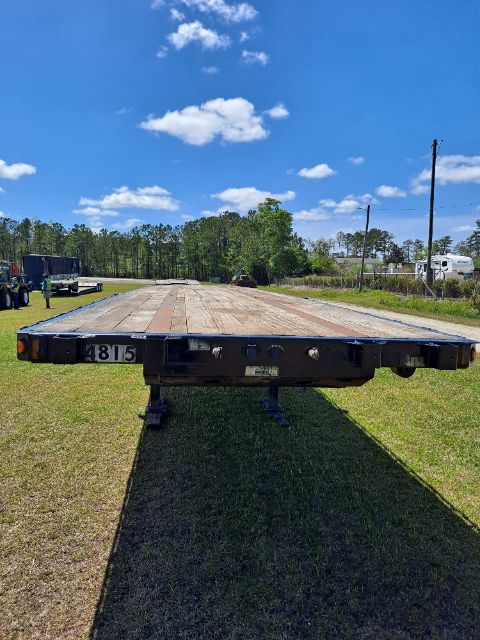
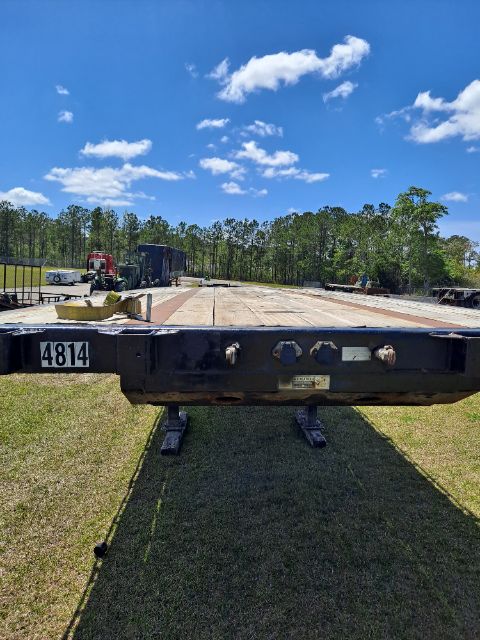
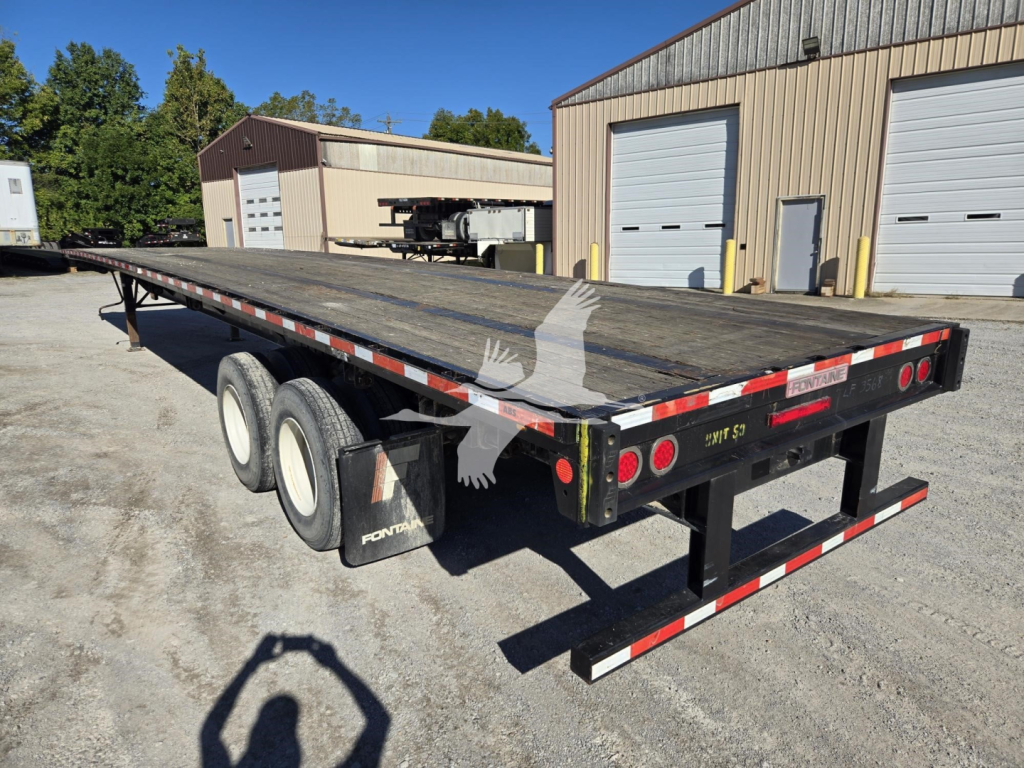
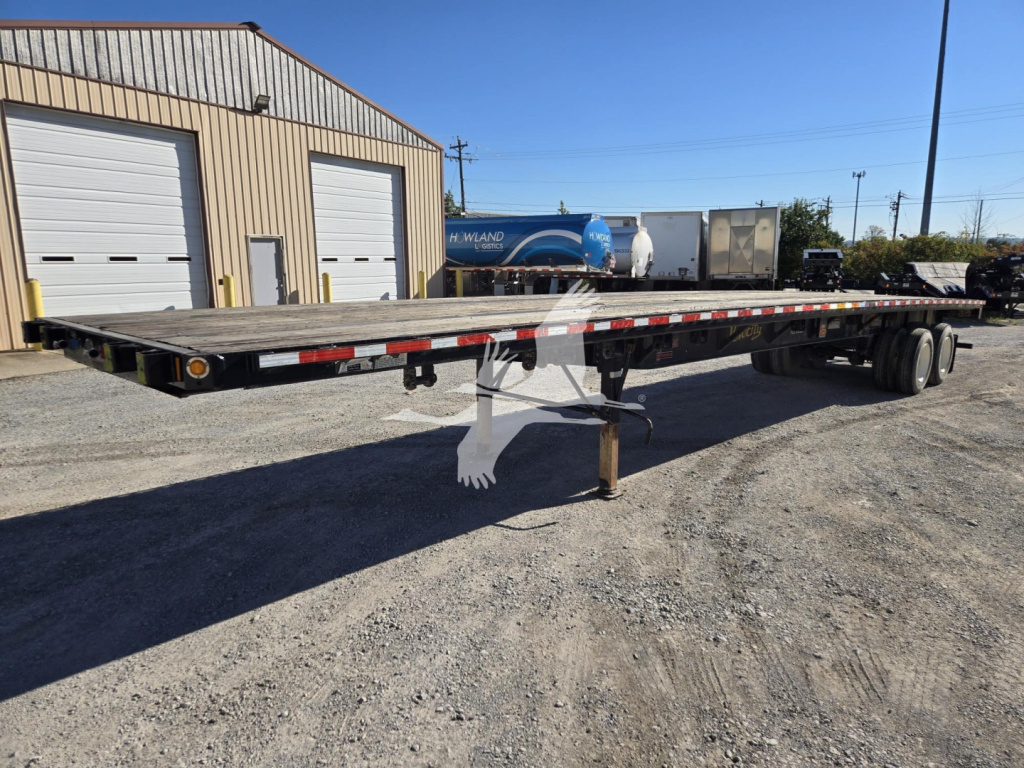
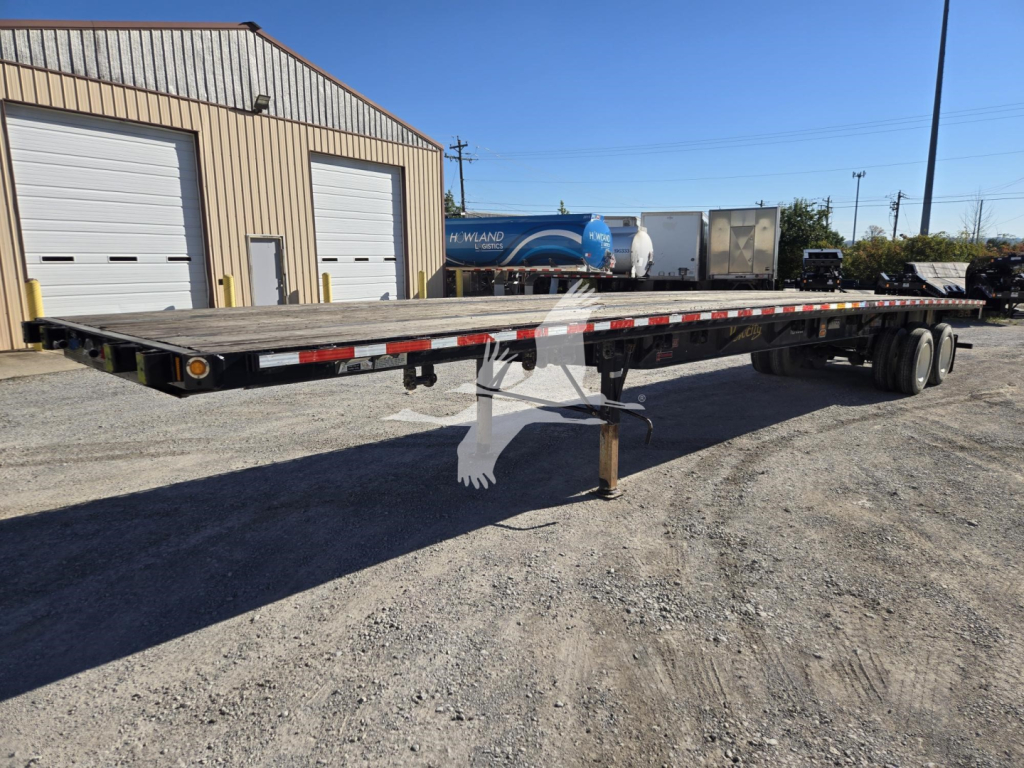
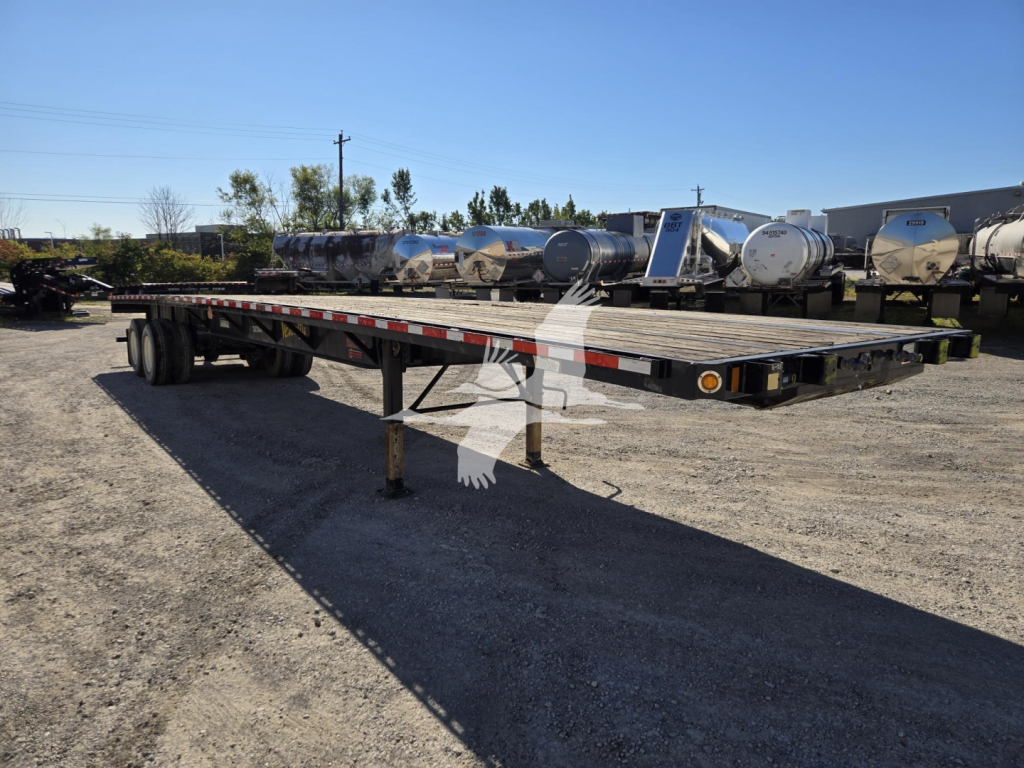
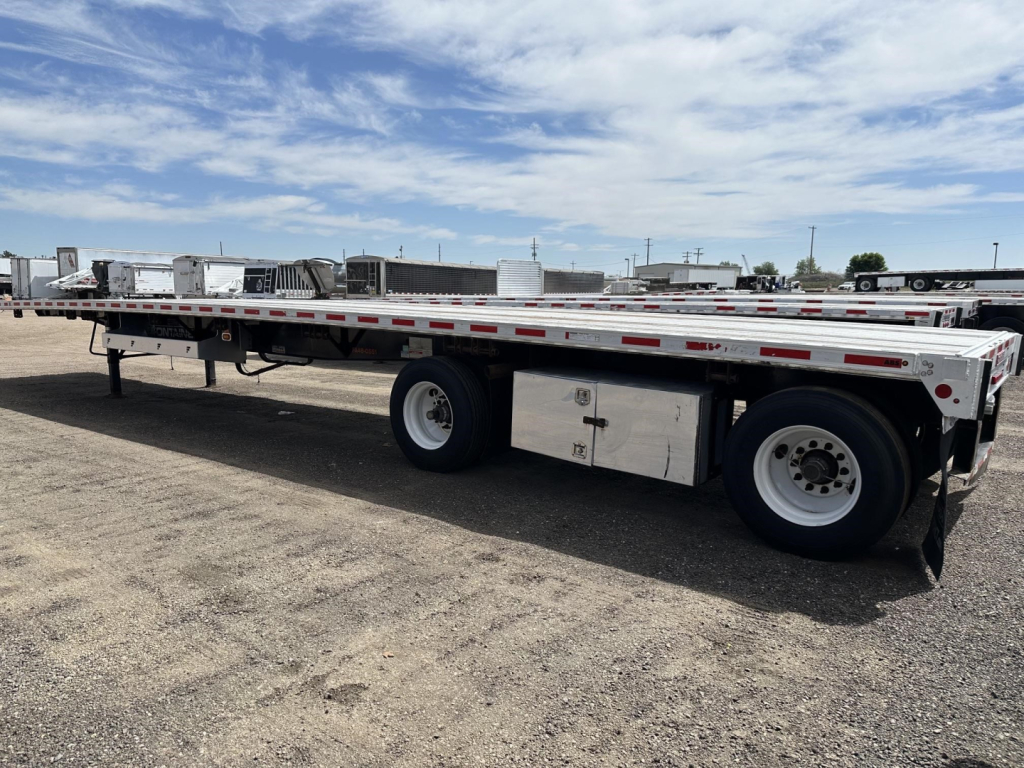
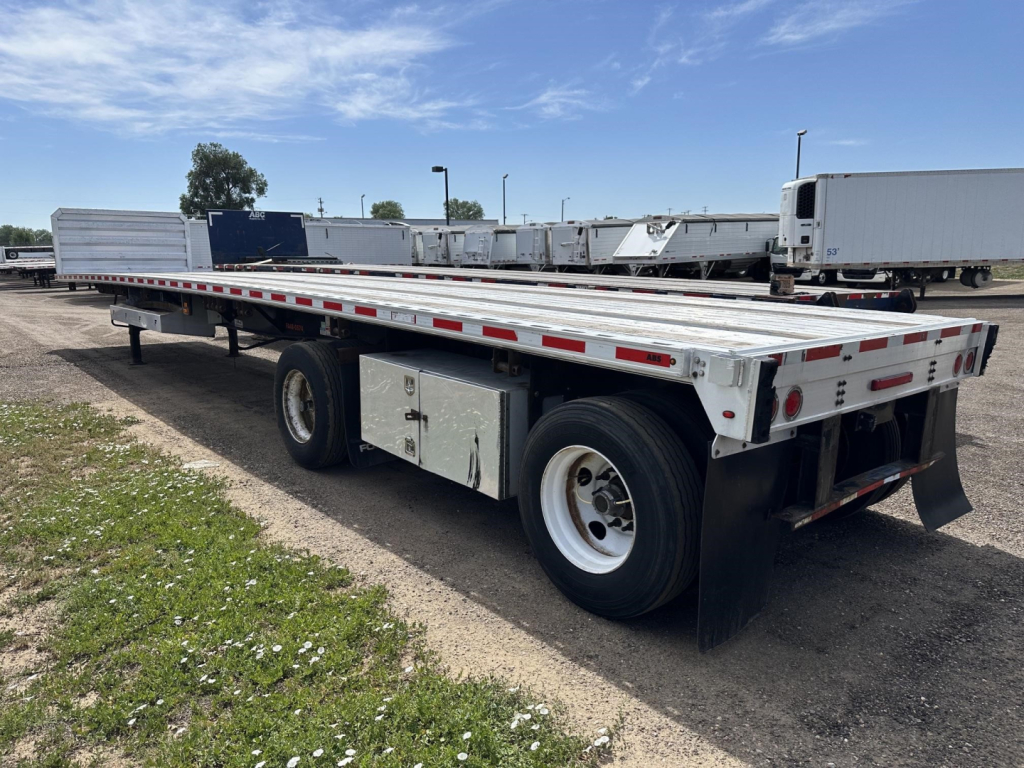
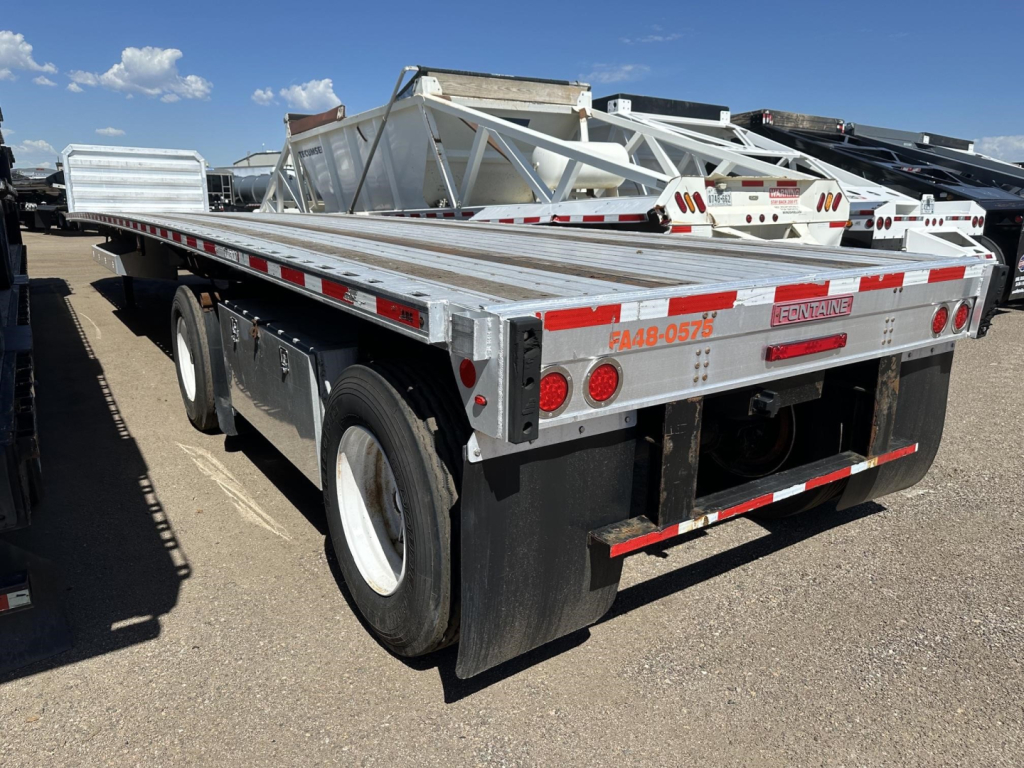
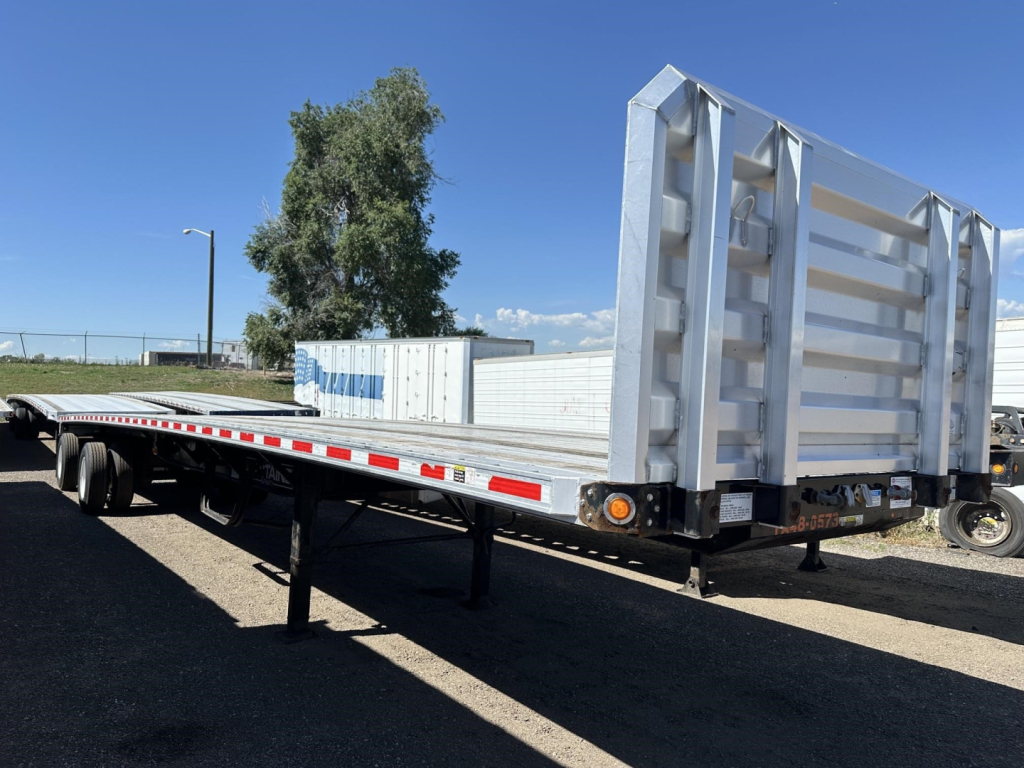
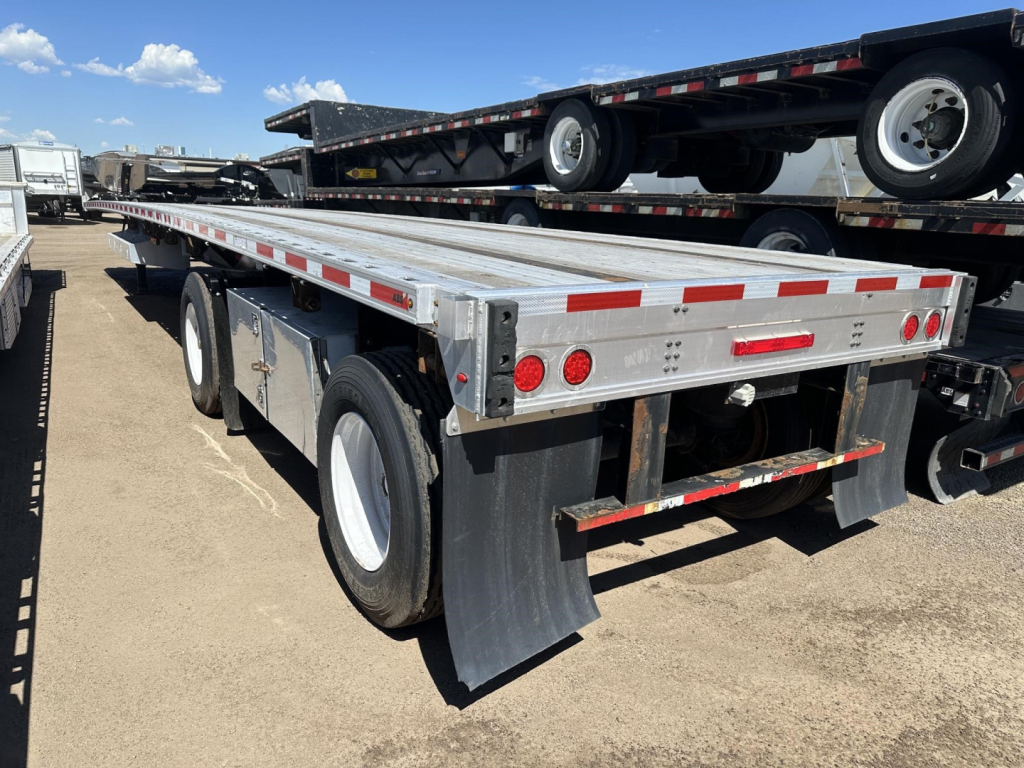
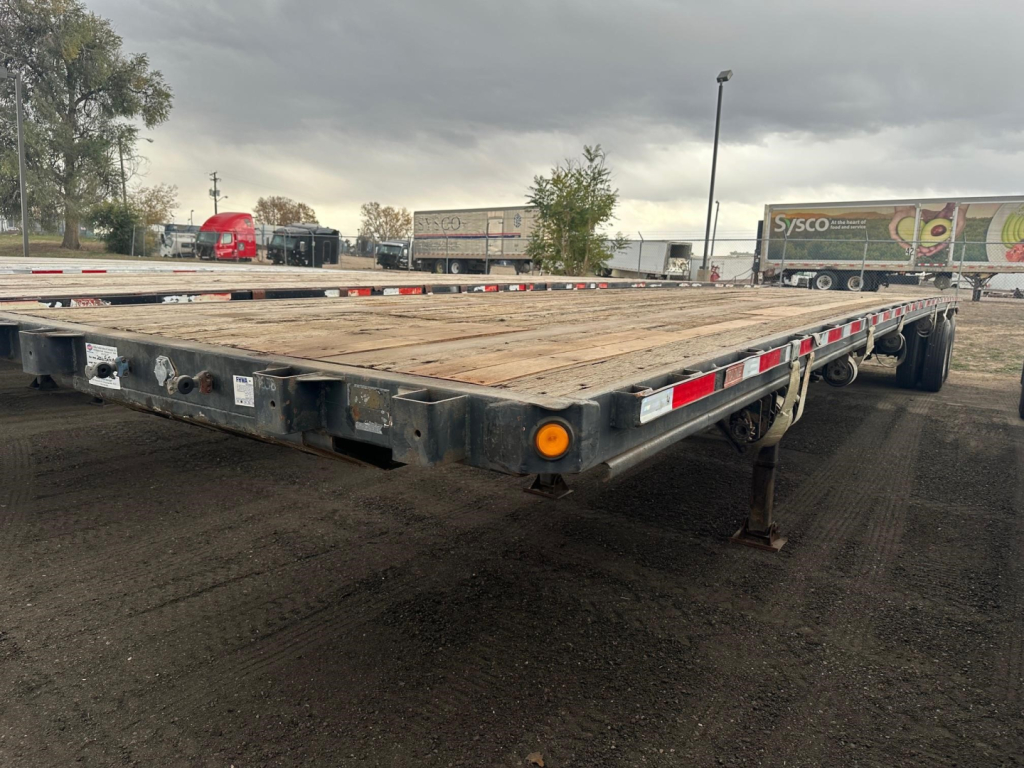
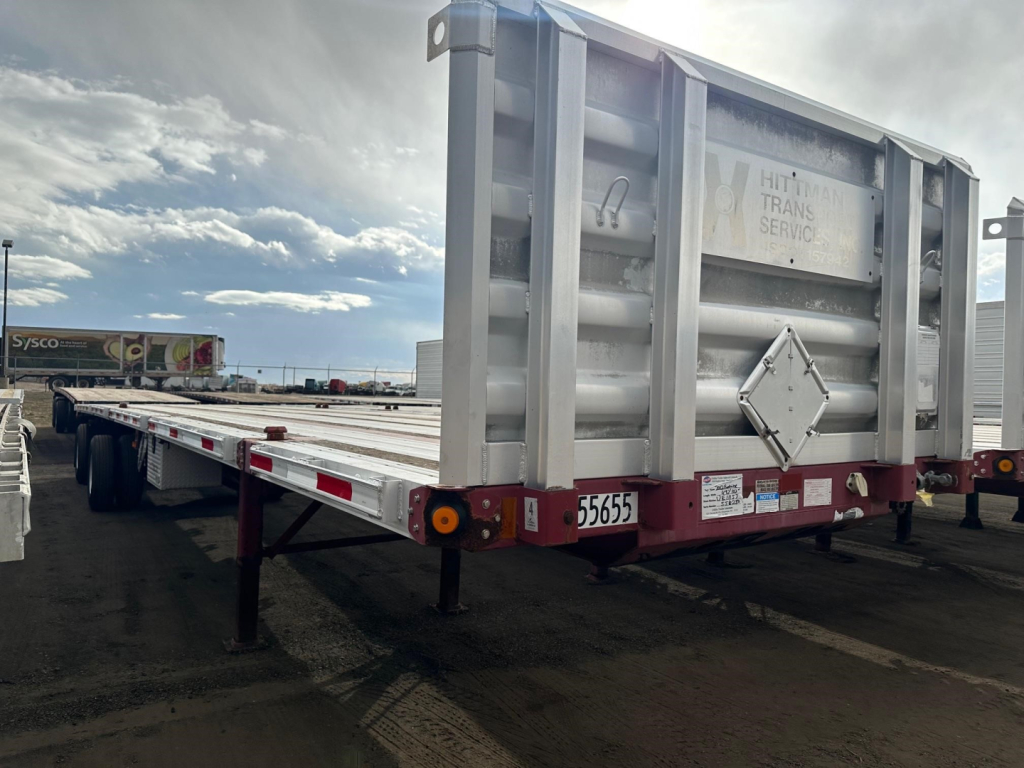
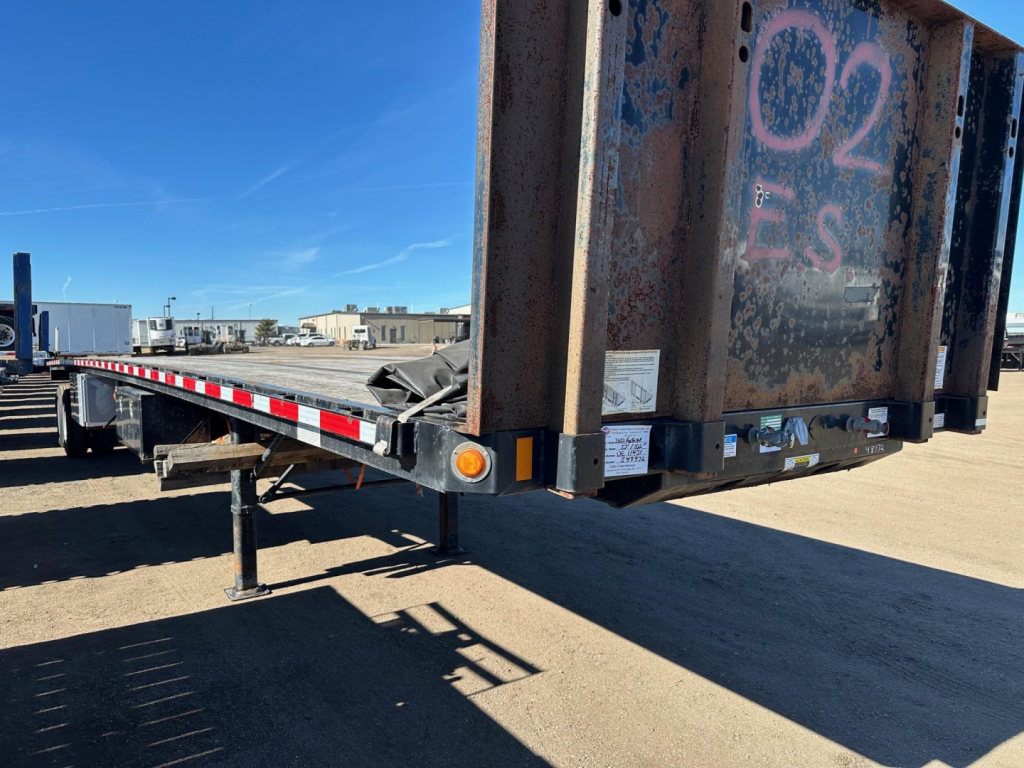
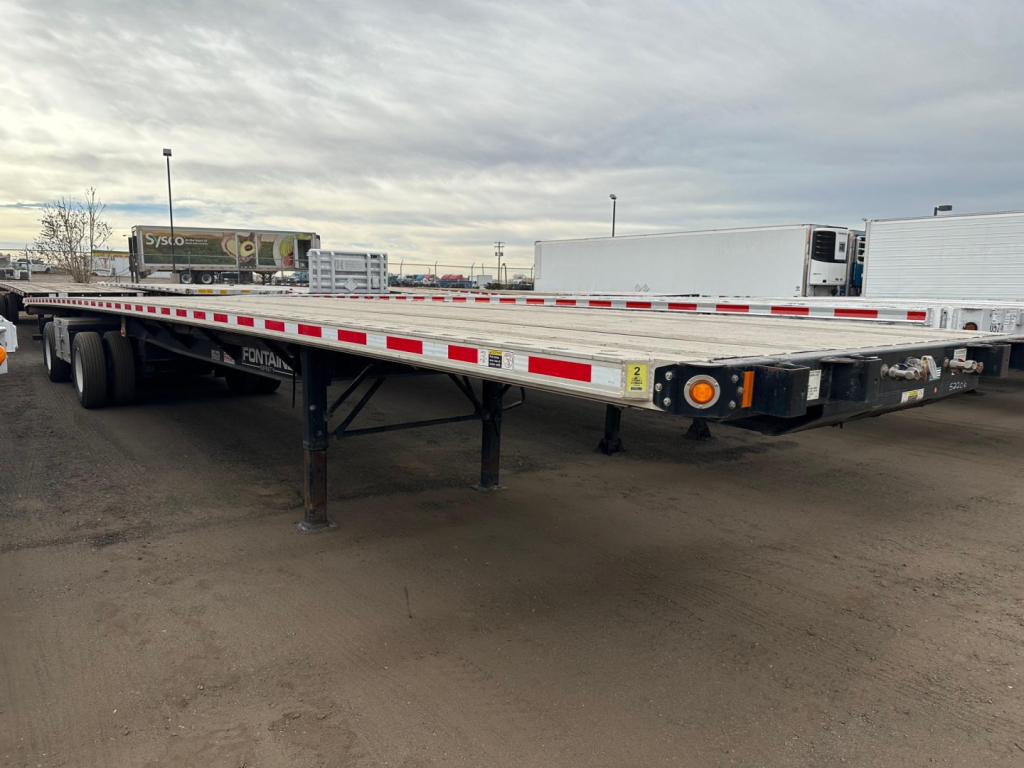
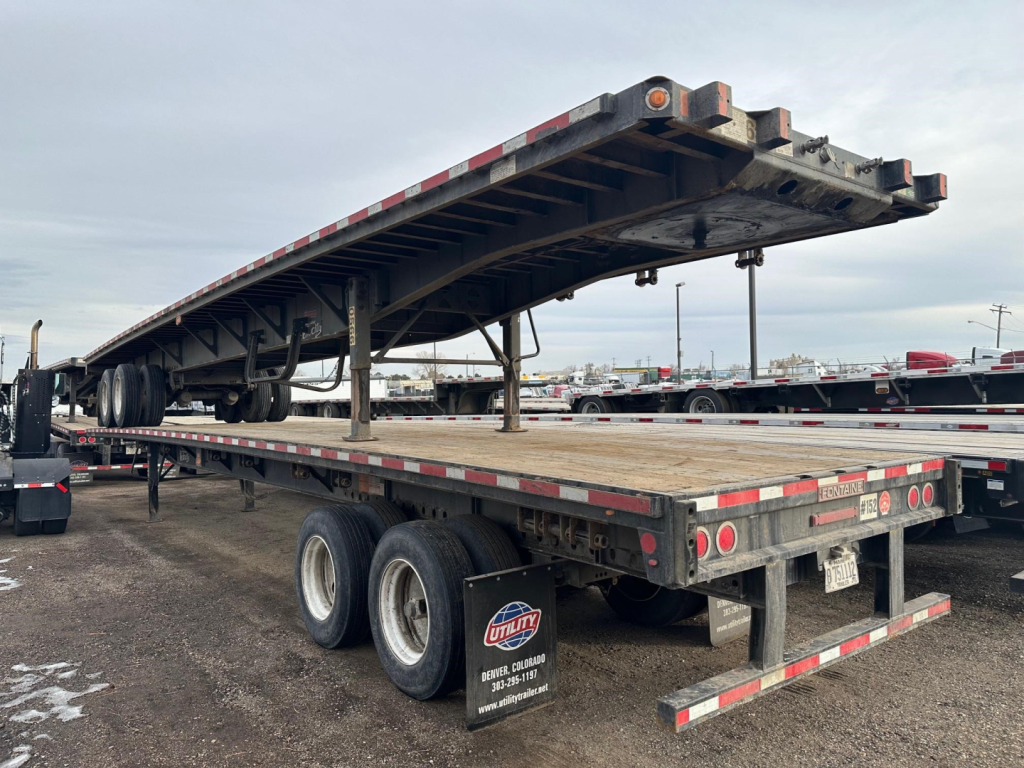
Showing 1 to 28 of 42 results
Selling a used 2010 fontaine flatbed trailer? List your used 2010 fontaine flatbed trailer for sale and reach thousands of commercial buyers.
Used 2010 Fontaine Flatbed Trailers
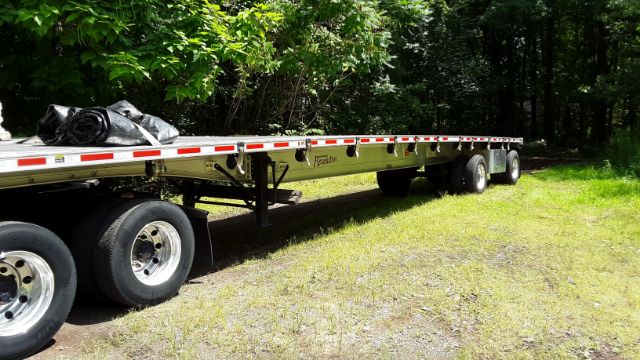
A 2010 Fontaine flatbed may be built with steel construction, aluminum components, or a combination design depending on the model and original spec. Common details include wood decking such as apitong, stake pockets, rub rails, pipe spools, sliding winches, and winch tracks. Tandem sliders are especially important on used flatbeds because axle adjustability helps with weight distribution and customer dock spacing. Check kingpin setting, crossmember spacing, side rail condition, landing gear operation, and rear frame alignment. On older flatbeds, deck wear, cracked welds, suspension bushing play, and corrosion around the crossmembers and light harness routing are all worth close inspection.
If the trailer is an extendable Fontaine, the extension design matters as much as the base trailer. Buyers should verify extension lock engagement, track wear, air and electrical line routing, and whether the trailer extends in fixed increments such as 5-foot positions. A standard non-extendable flatbed is typically simpler to maintain and lighter, while an extendable trailer adds versatility for long material, fabricated steel, and equipment loads. Spring ride suspensions are common on this vintage, though ride quality, maintenance history, and tire wear patterns will tell you a lot about how the trailer has been operated.
For a used 2010 Fontaine flatbed, value comes from structural condition and spec suitability more than age alone. A well-kept trailer with a solid deck, straight frame, healthy slider, and usable securement hardware can still be a productive revenue trailer. Buyers comparing listings should pay attention to axle spacing, tire size, wheel type, deck condition, securement package, and any signs of prior heavy-use damage around the neck, suspension mounts, and rear impact area. Those details matter more in day-to-day performance than cosmetic appearance.
Frequently Asked Questions about Used 2010 Fontaine Flatbed Trailers
What should I inspect first on a used 2010 Fontaine flatbed trailer?
Start with the frame, main beams, crossmembers, and deck because structural condition drives the trailer's long-term value. Then inspect the tandem slide rails, suspension, brakes, tires, wheels, landing gear, and lighting. On a Fontaine flatbed of this age, look closely for cracked welds, corrosion around high-stress points, deck rot or broken boards, and wear in the slider mechanism. A trailer that is straight and structurally sound is usually a better buy than one that only looks clean cosmetically.
Are 2010 Fontaine flatbed trailers usually steel or aluminum?
They can be steel, aluminum, or combo construction depending on the model and original application. Steel flatbeds are typically durable and often lower in purchase cost, but they usually weigh more and may reduce net payload. Aluminum or combo trailers can save weight and improve payload capacity, but buyers should still inspect for fatigue, repairs, and localized damage. The best choice depends on the freight being hauled and how important tare weight is to the operation.
What is the difference between a standard flatbed and an extendable Fontaine flatbed?
A standard flatbed has a fixed deck length, commonly 48 feet, and is simpler, lighter, and easier to maintain. An extendable flatbed, sometimes called a stretch trailer, can lengthen to handle oversized or long freight such as pipe, steel, or fabricated components. The tradeoff is added complexity, more moving parts, and the need to inspect extension tracks, locks, wiring, and air line routing. Buyers should match the trailer design to the length and type of freight they run most often.
How important is a sliding tandem on a used flatbed trailer?
A sliding tandem is very important for many operators because it helps balance axle weights and adapt to bridge laws, customer yard layouts, and loading patterns. On a used 2010 Fontaine flatbed, the tandem slider should move freely and lock securely in position. Excess wear on the rails, pin mechanism, or suspension can create both maintenance costs and compliance issues. If the trailer will run across multiple states with different weight distribution requirements, tandem adjustability is a major advantage.
What common securement features are found on Fontaine flatbed trailers?
Many Fontaine flatbeds are equipped with stake pockets, rub rails, pipe spools, winch tracks, and sliding winches. These features support chains, straps, edge protection, and general cargo securement across a wide range of open-deck loads. Buyers should confirm that the securement hardware is complete, usable, and not excessively bent, cracked, or worn. A trailer with the right securement package can reduce setup time and make it easier to handle mixed freight.