
Used 2010 Flatbed Trailers For Sale
Shop used 2010 flatbed trailers with specs that matter, including deck length, axle setup, trailer weight, tie-down gear, and suspension.
No exact matches found for your search
Showing Used Flatbed Trailers instead.
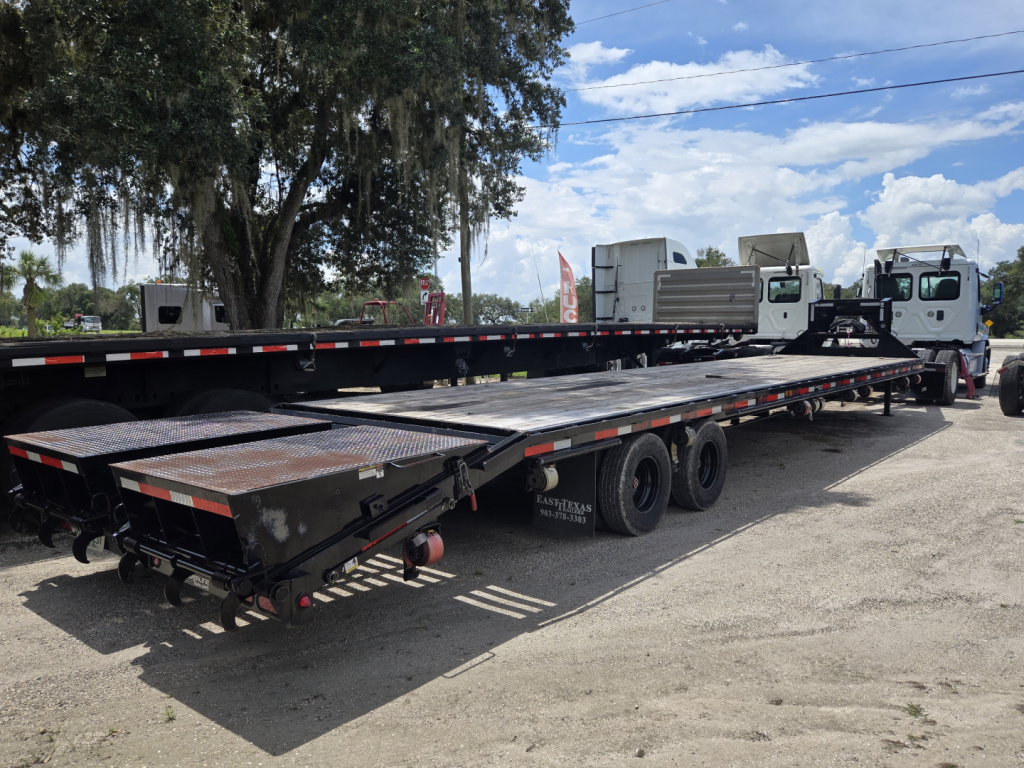
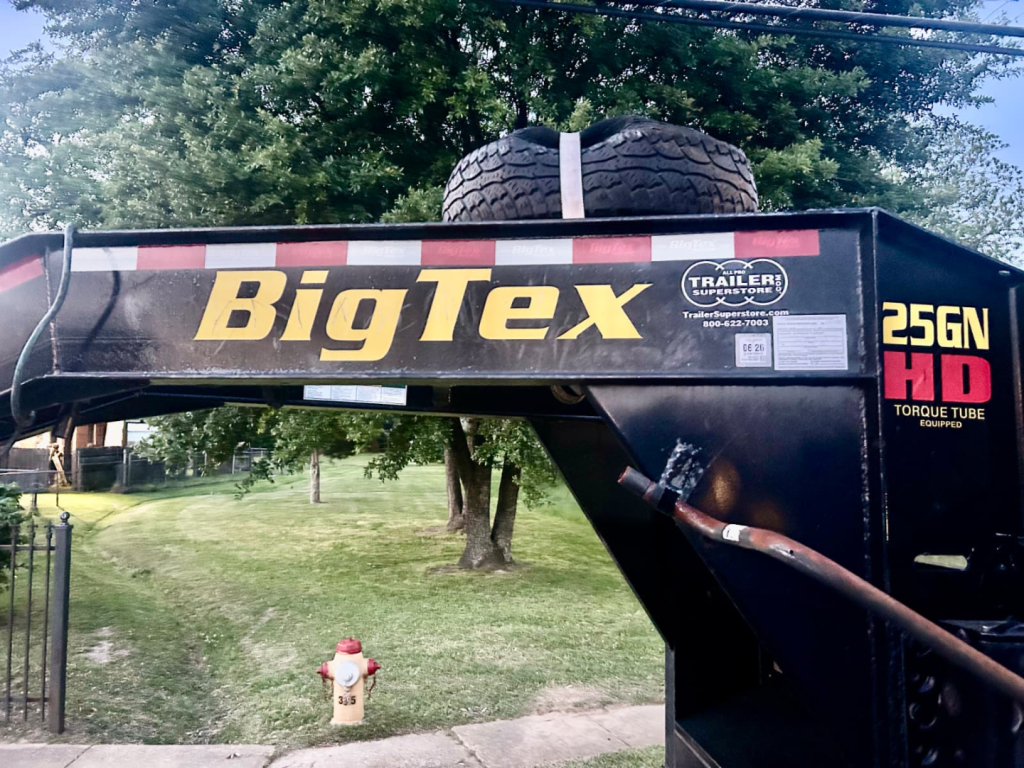
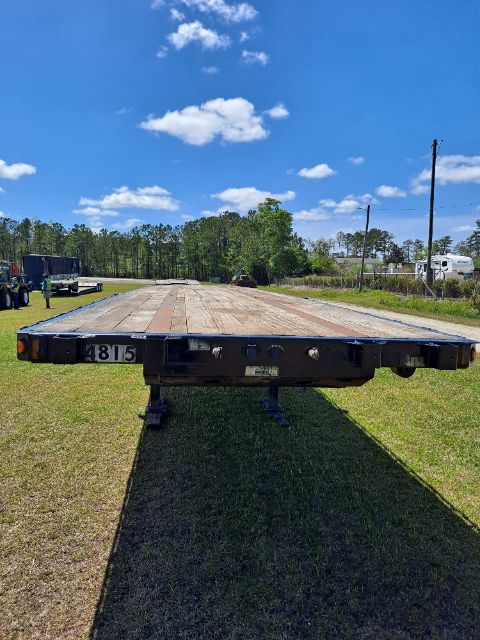
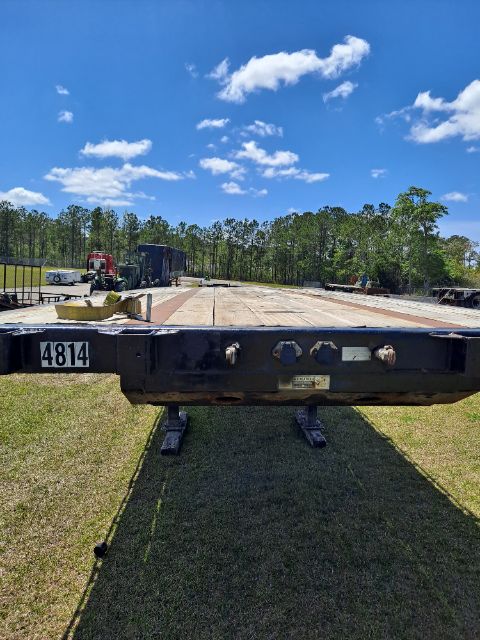
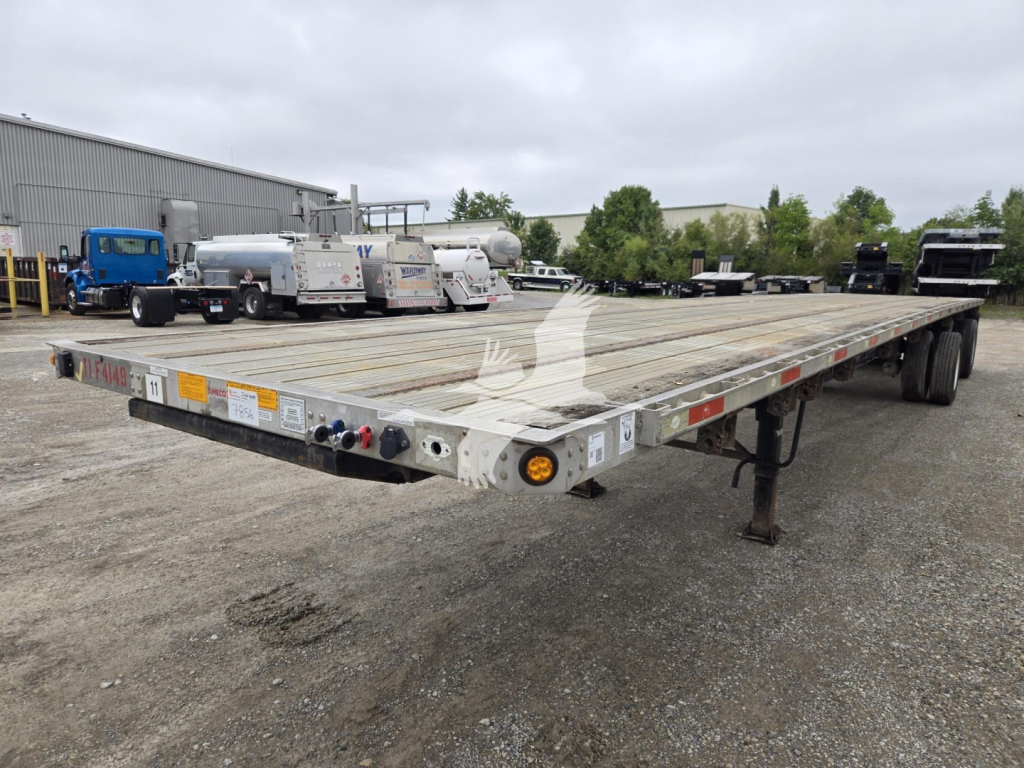
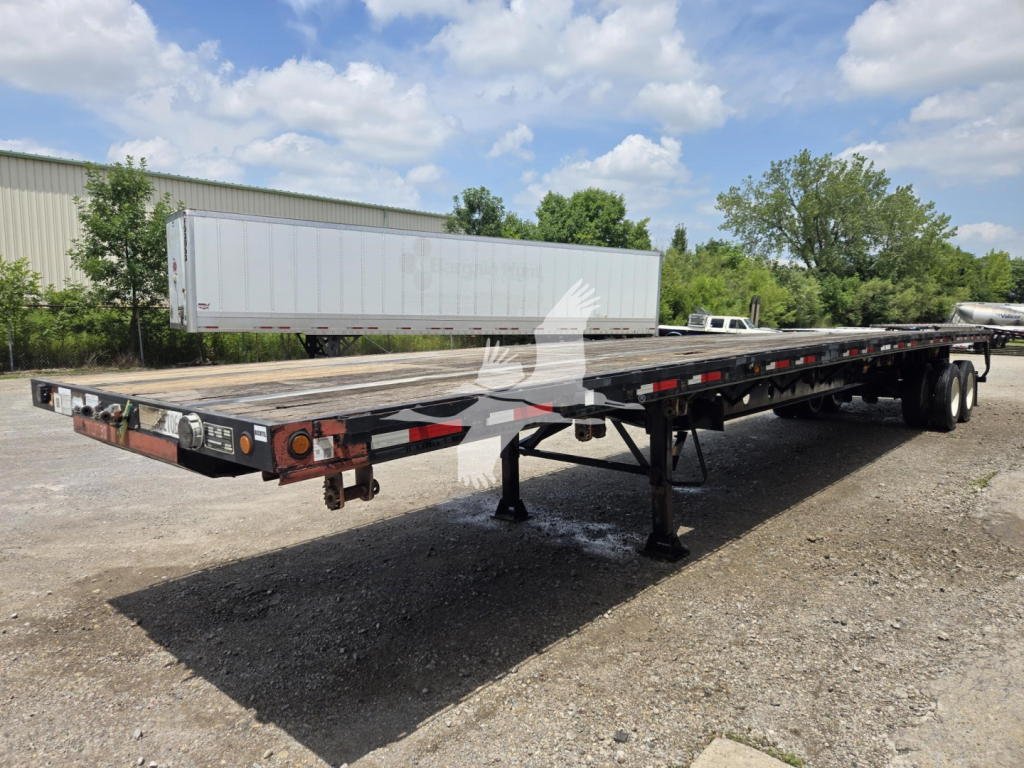
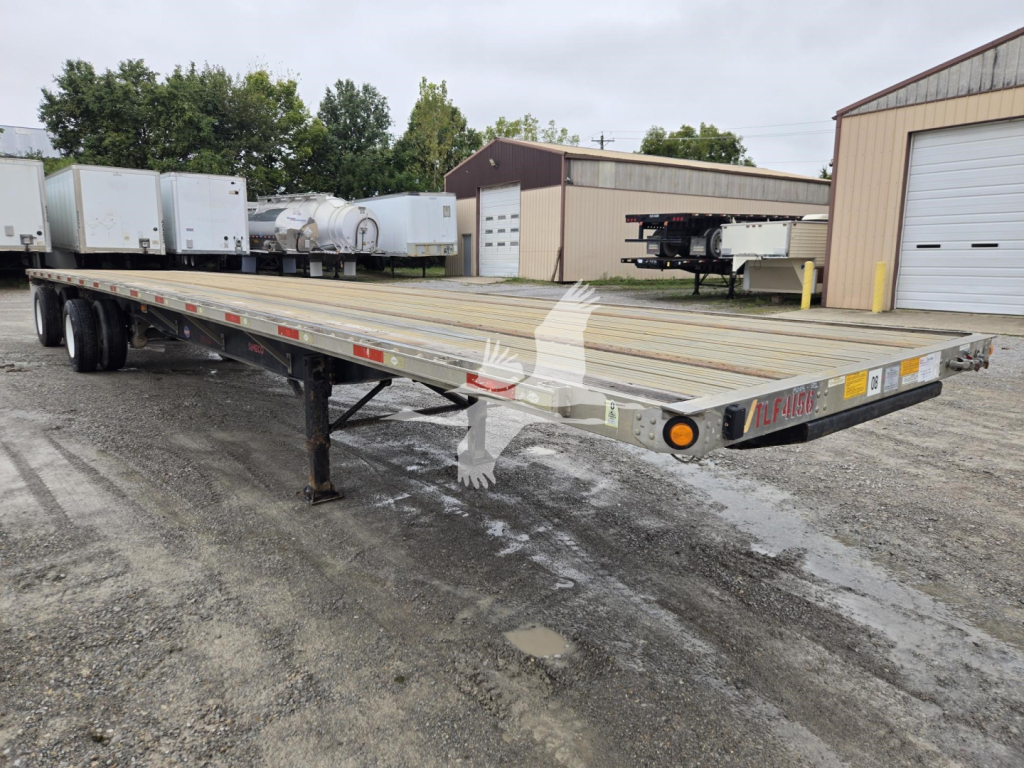
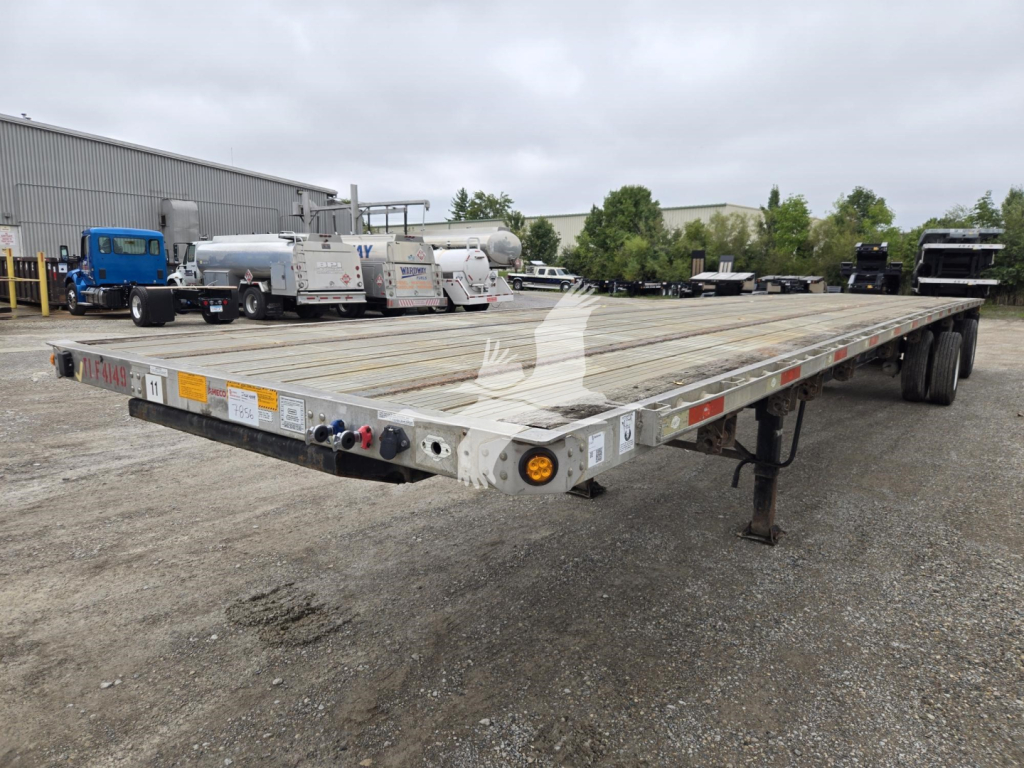
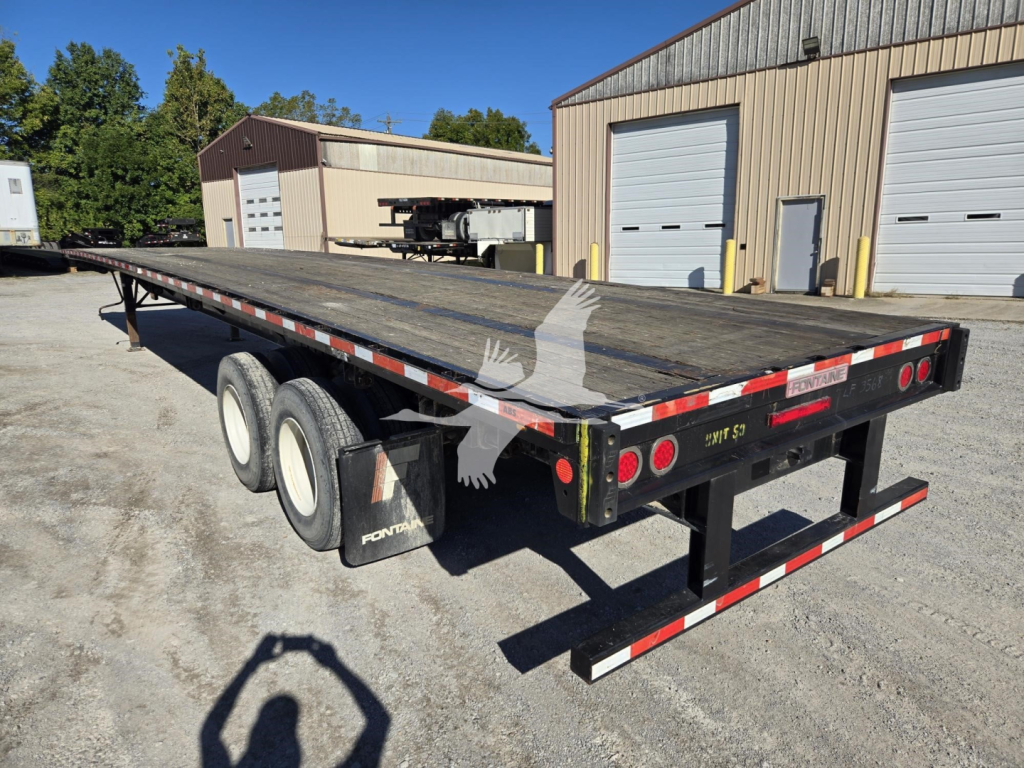
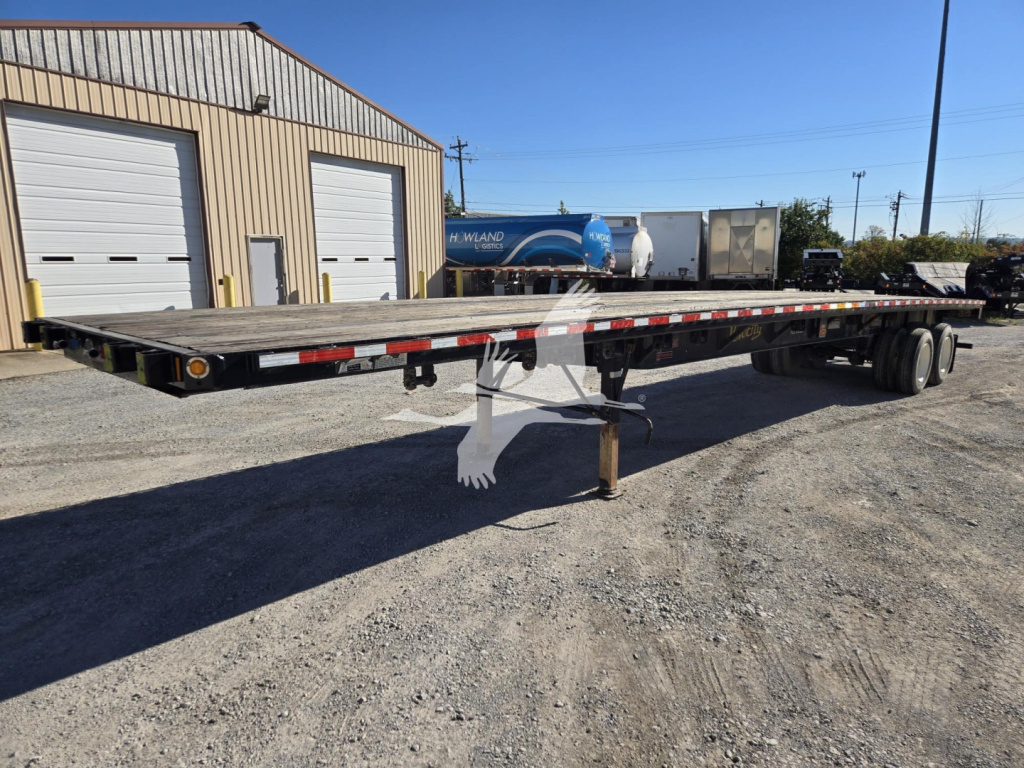
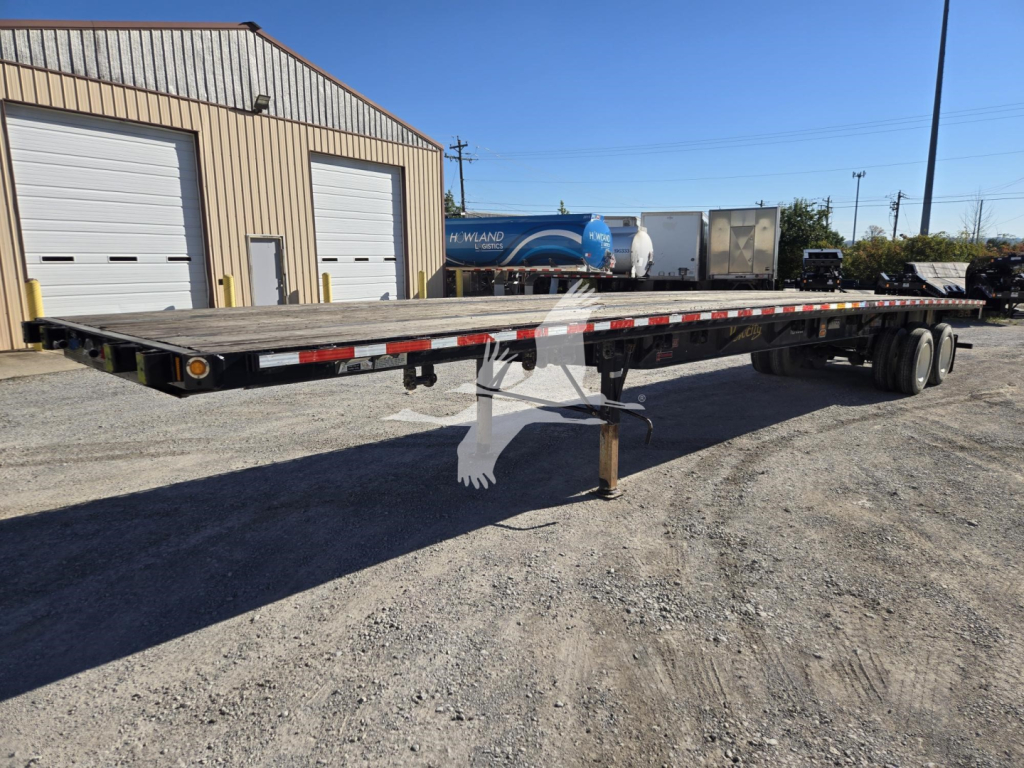
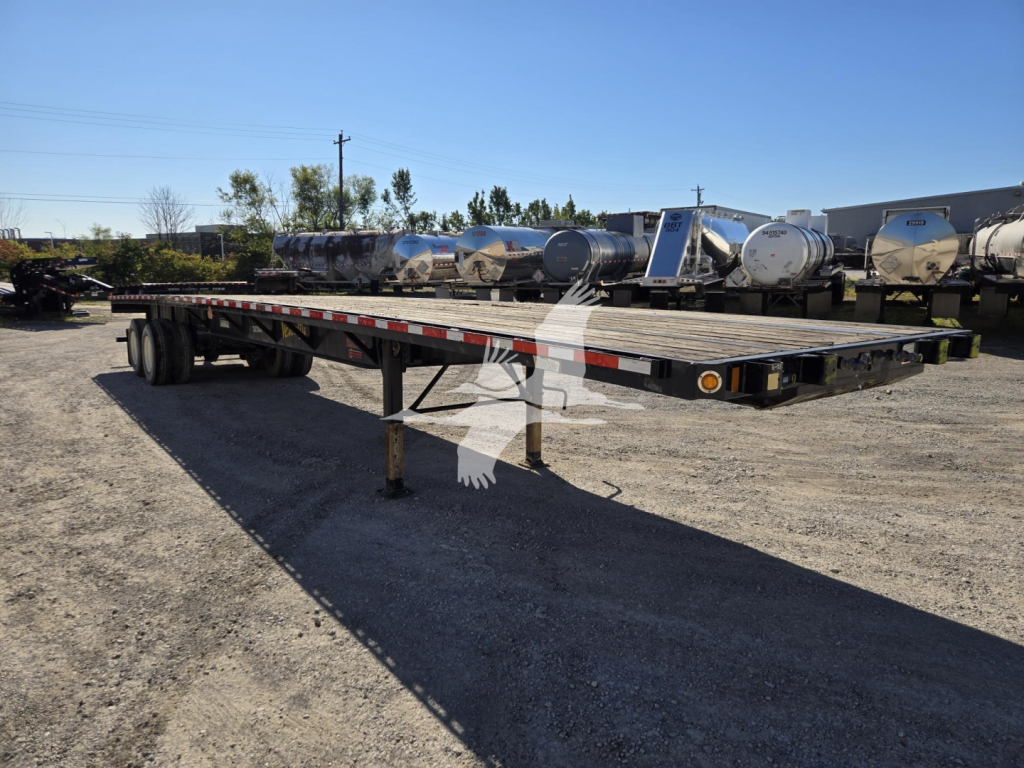
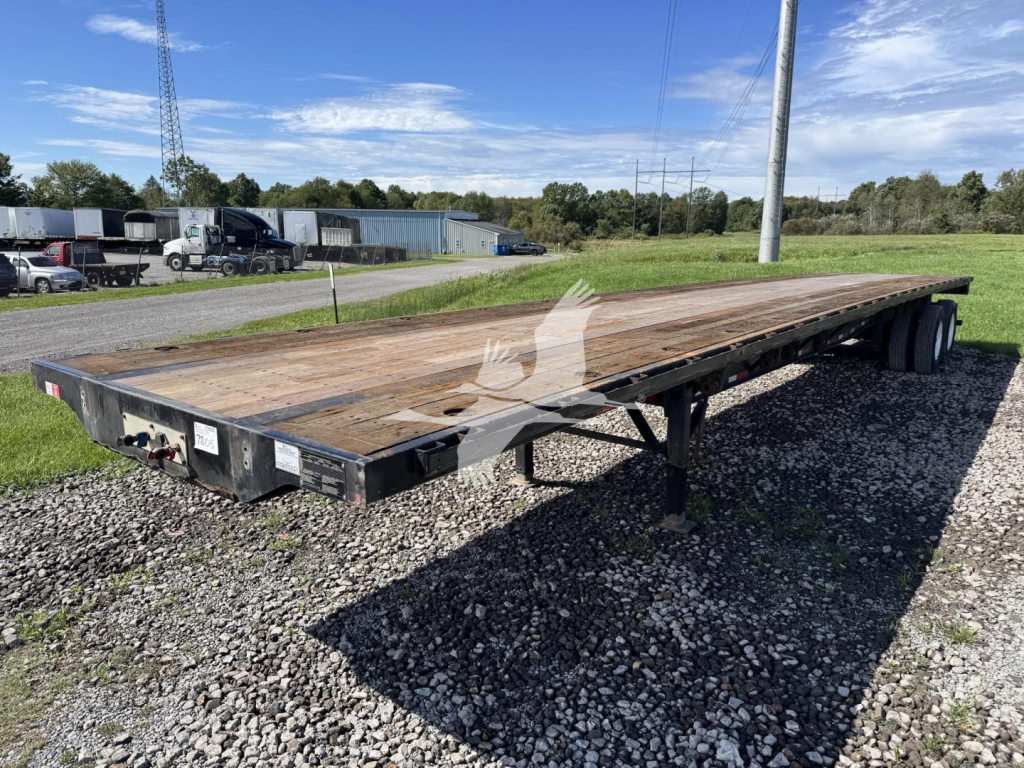
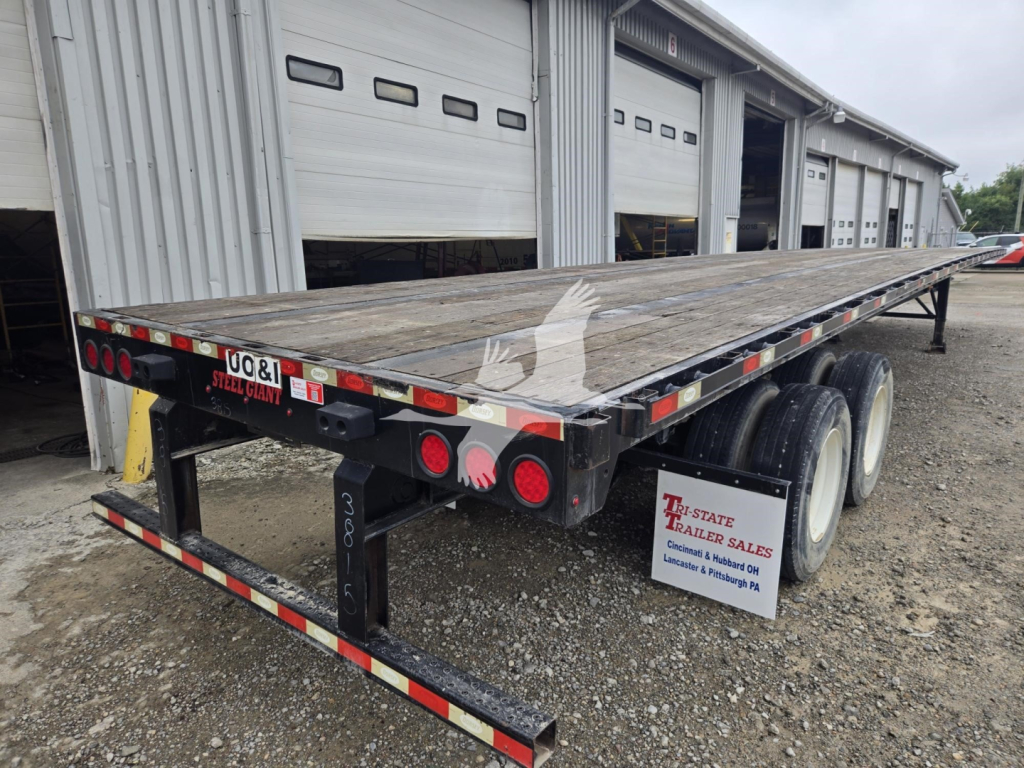
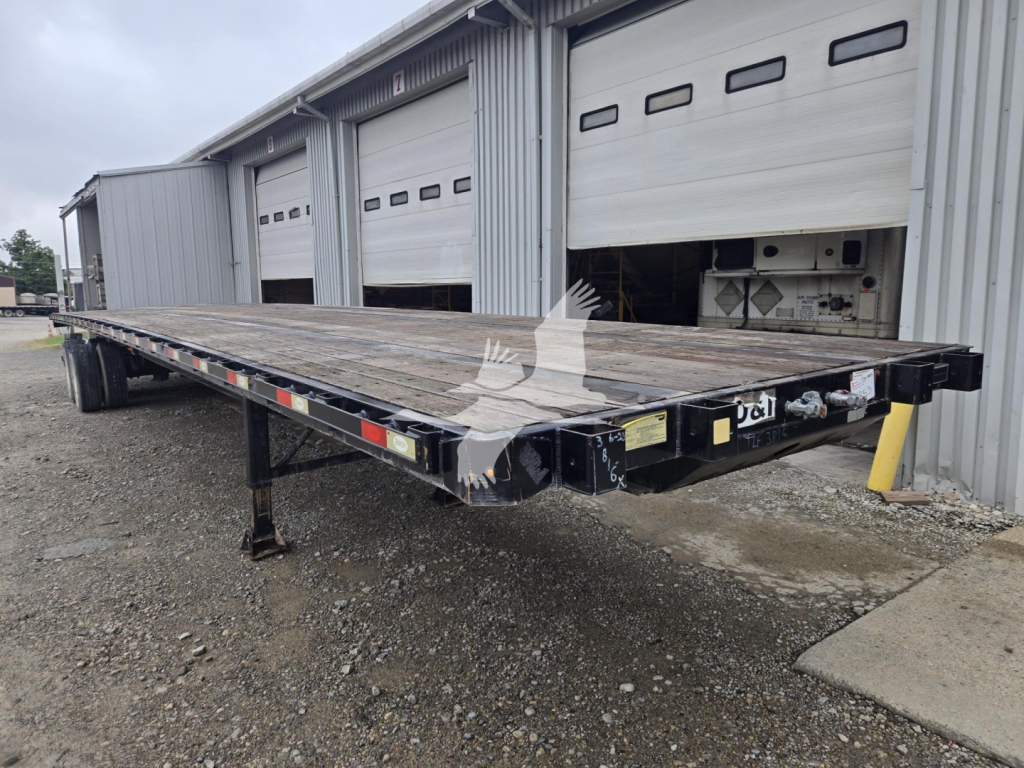
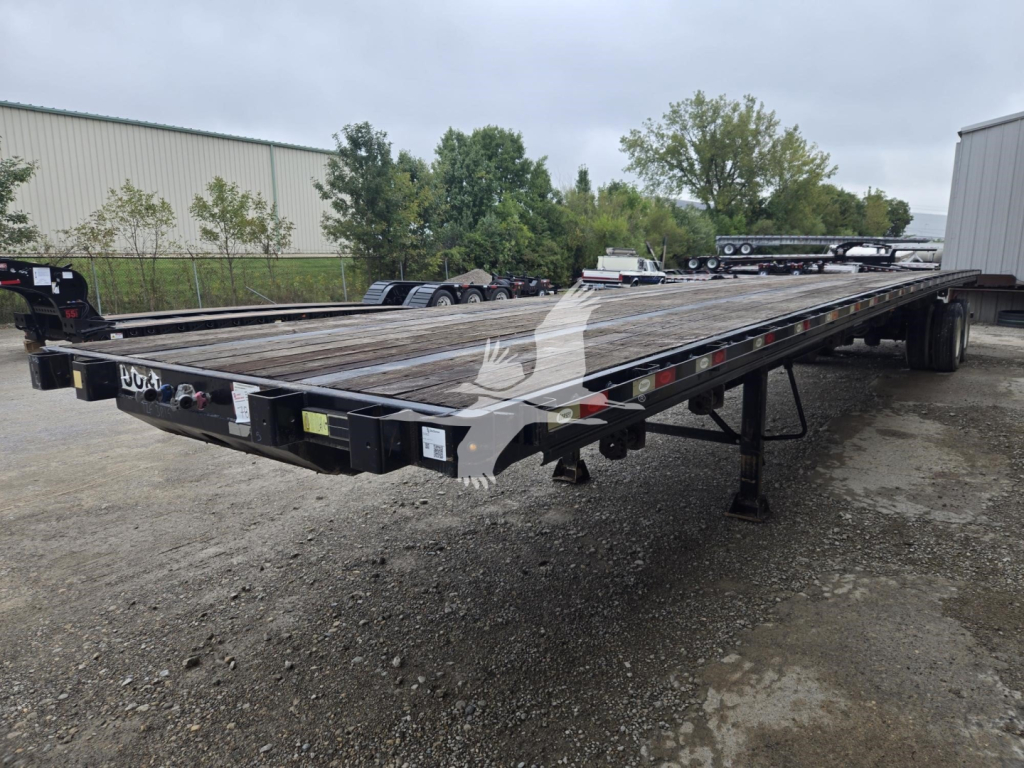
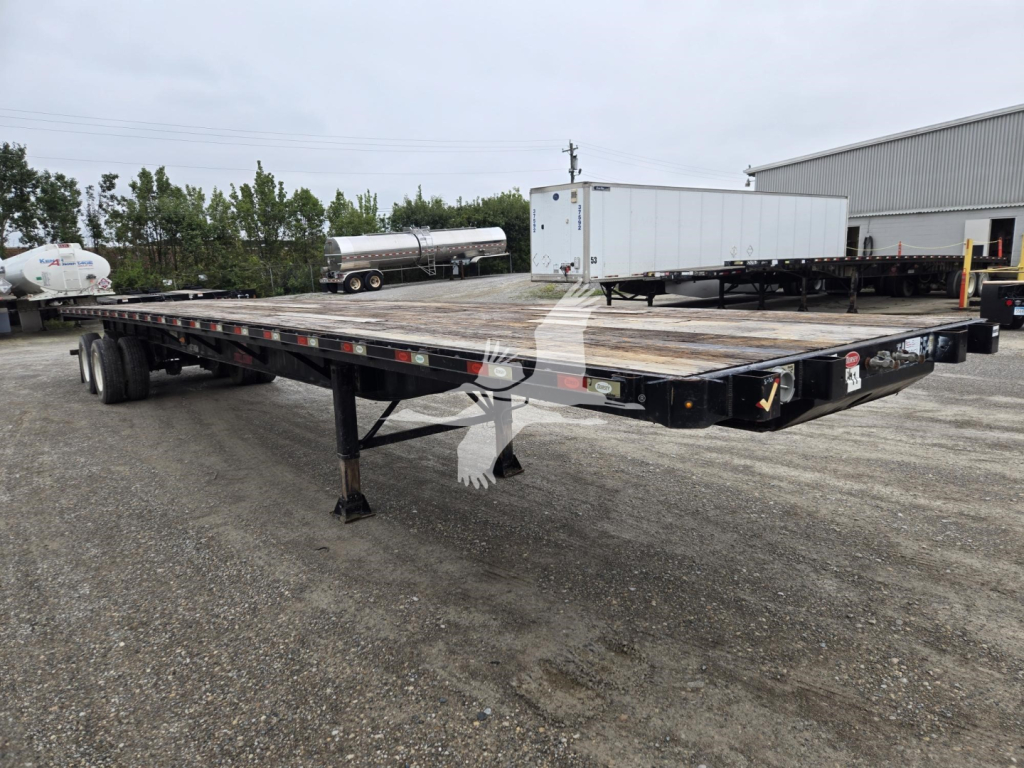
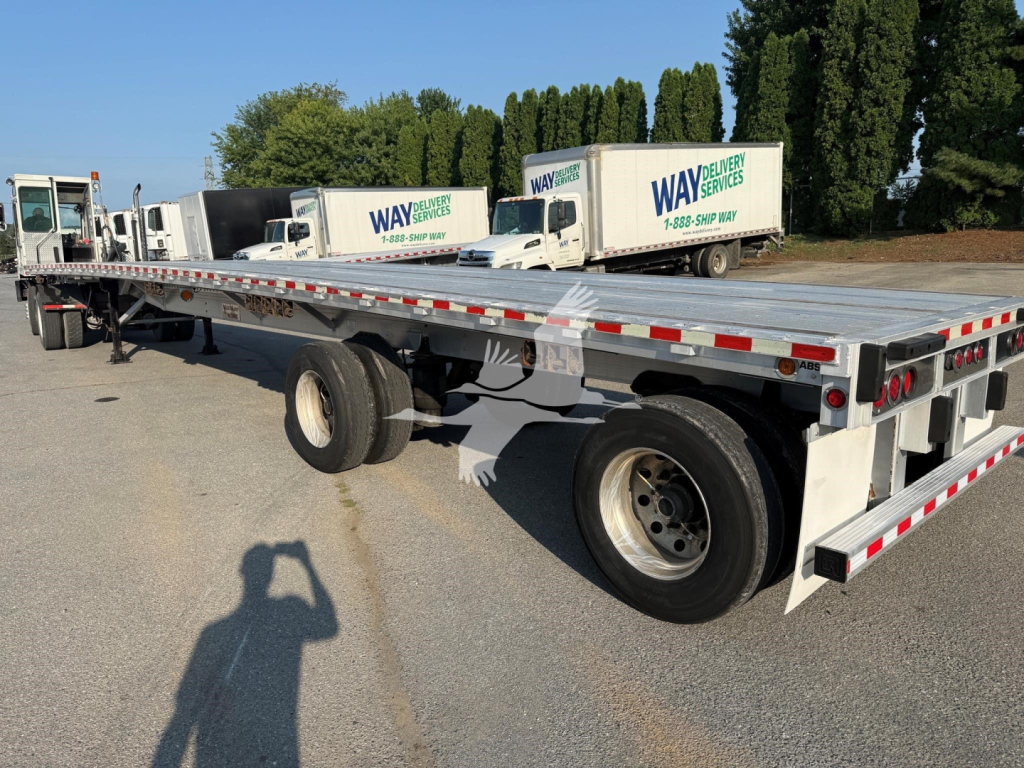
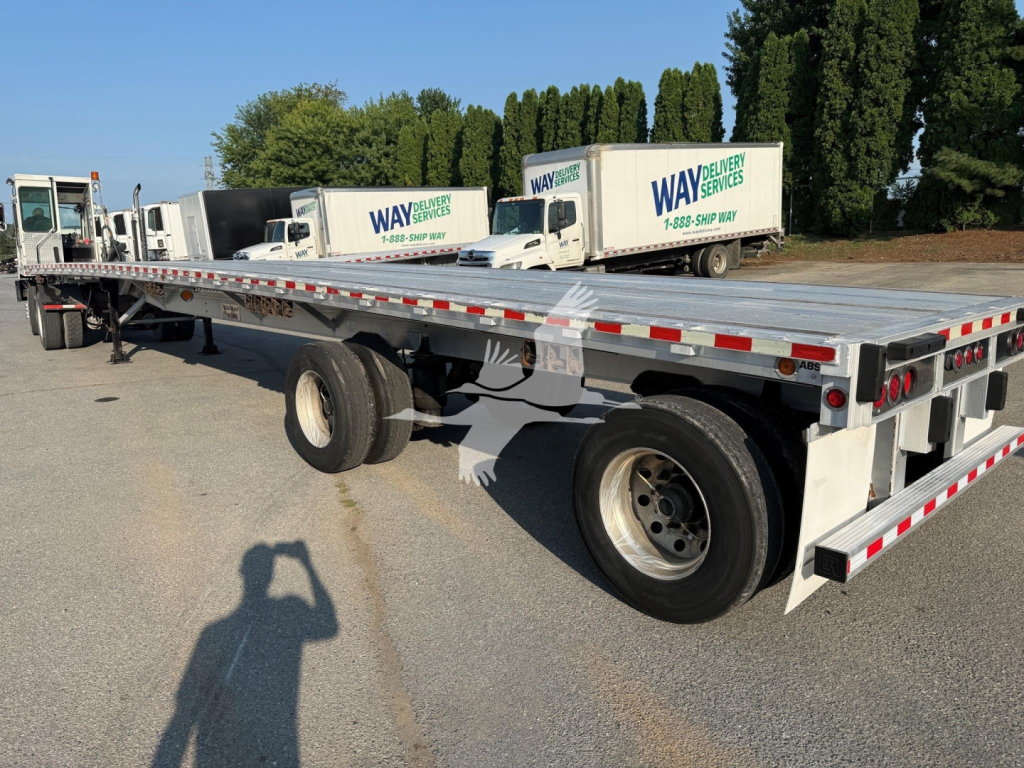
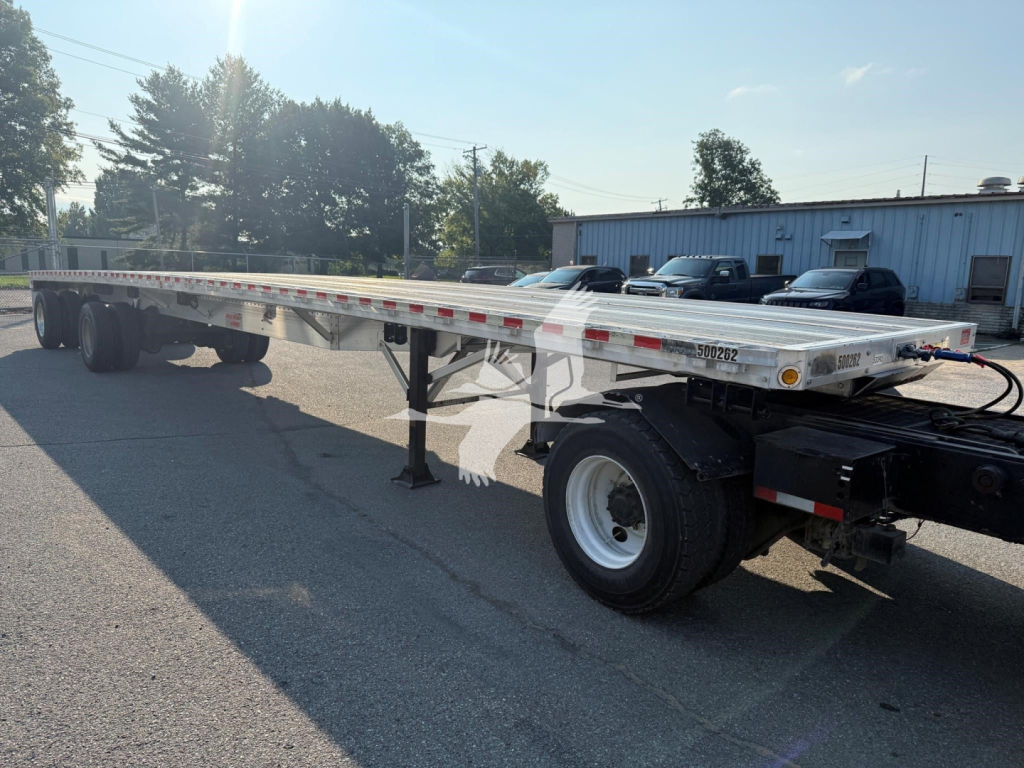
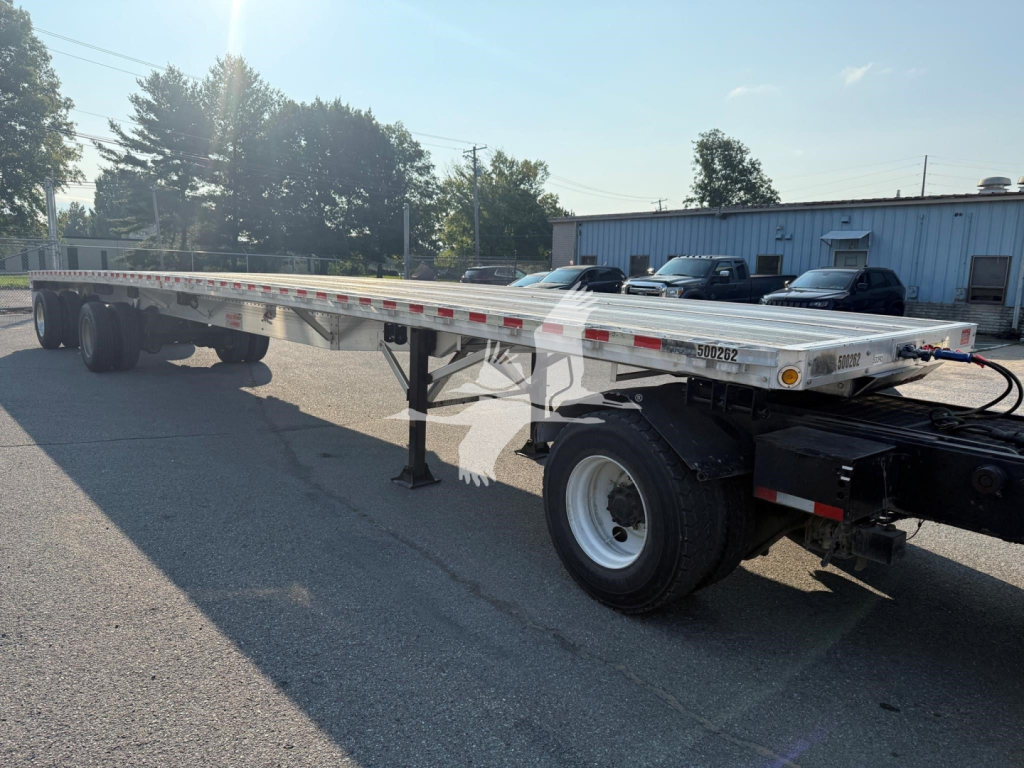
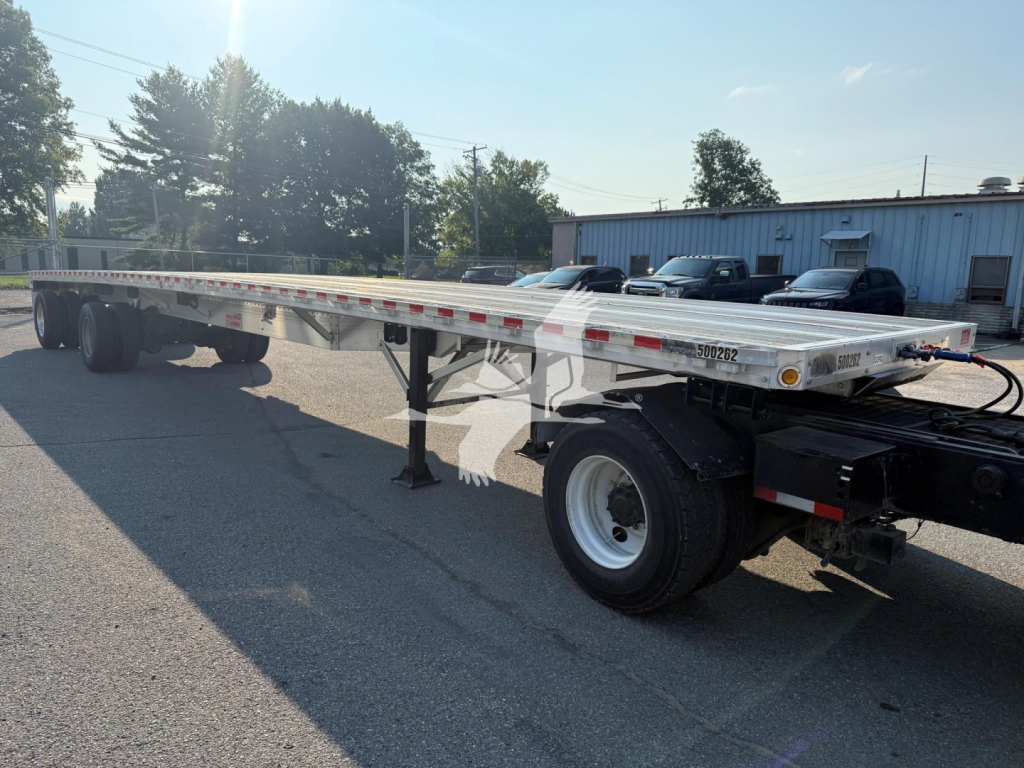
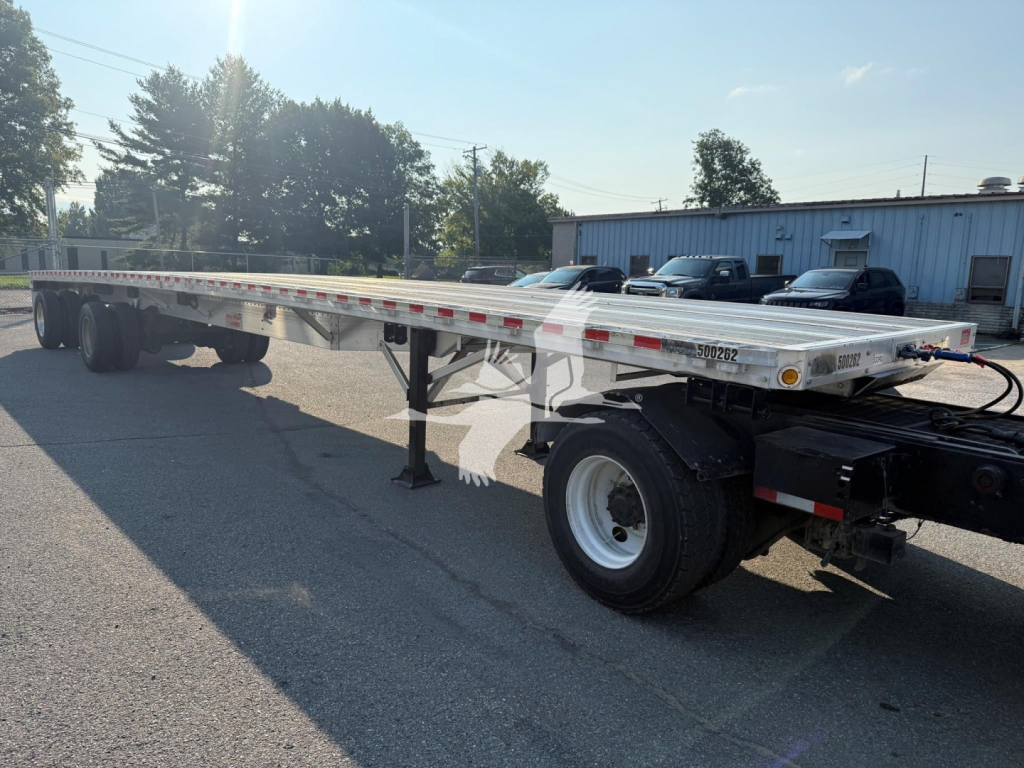
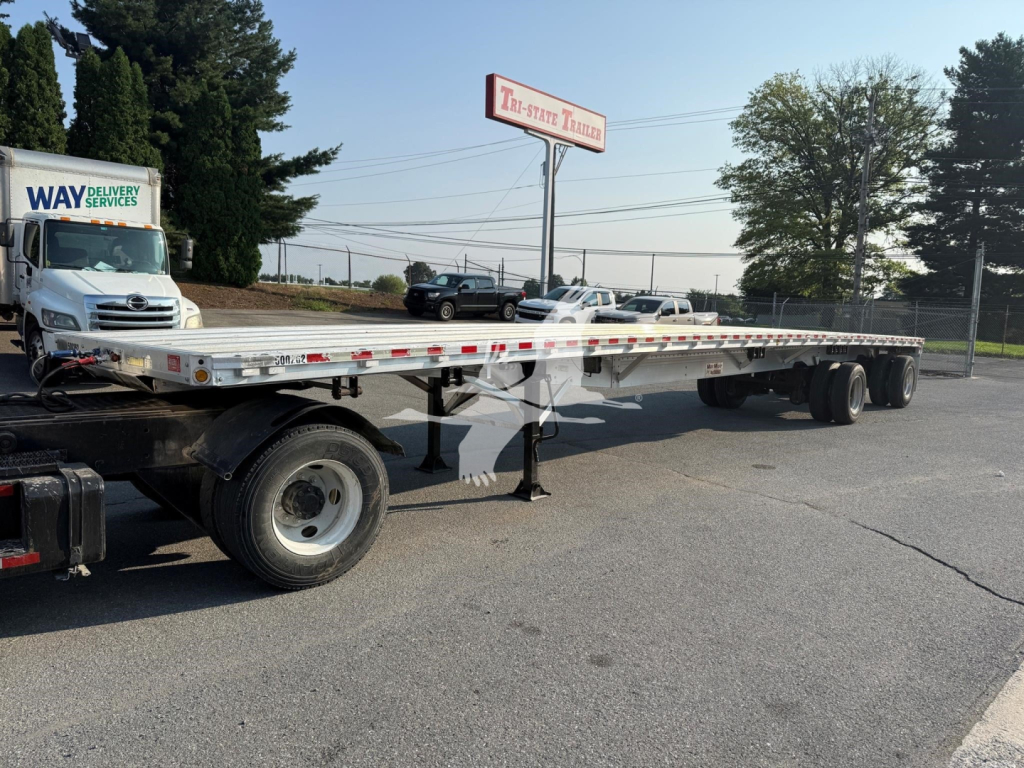
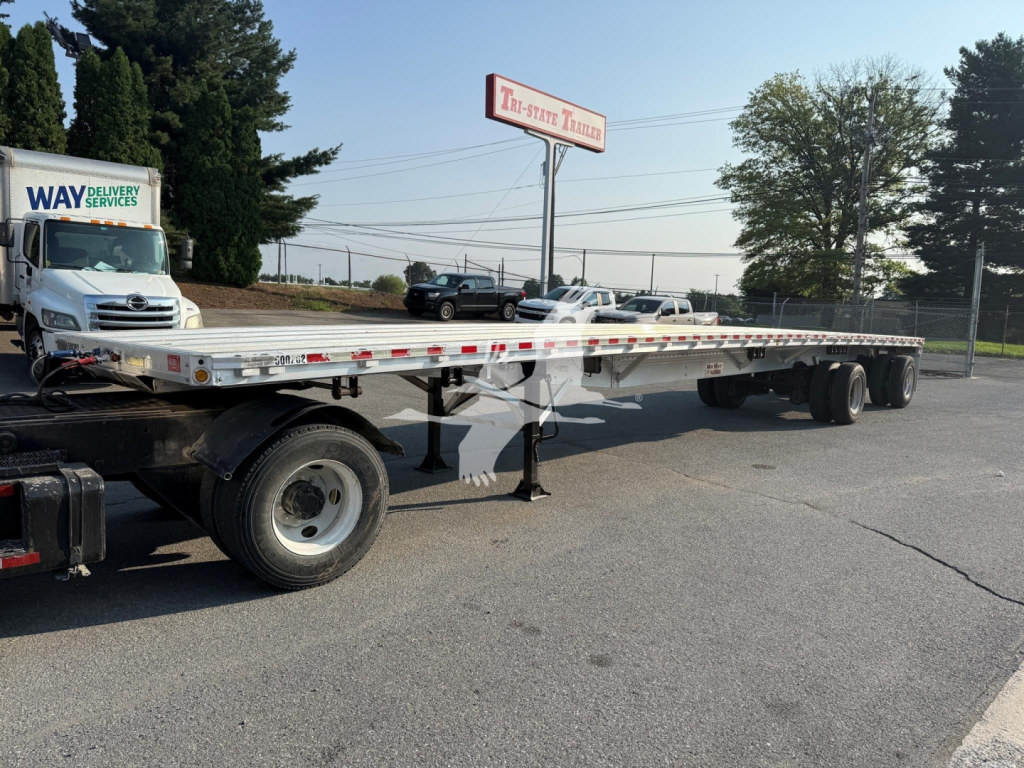
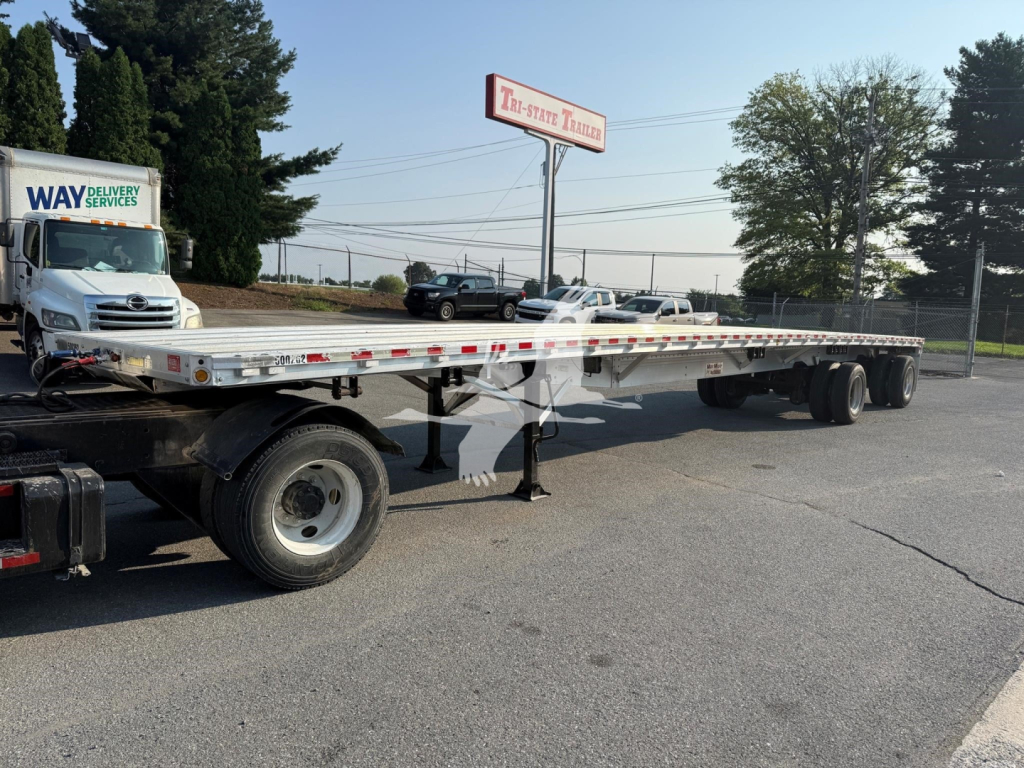
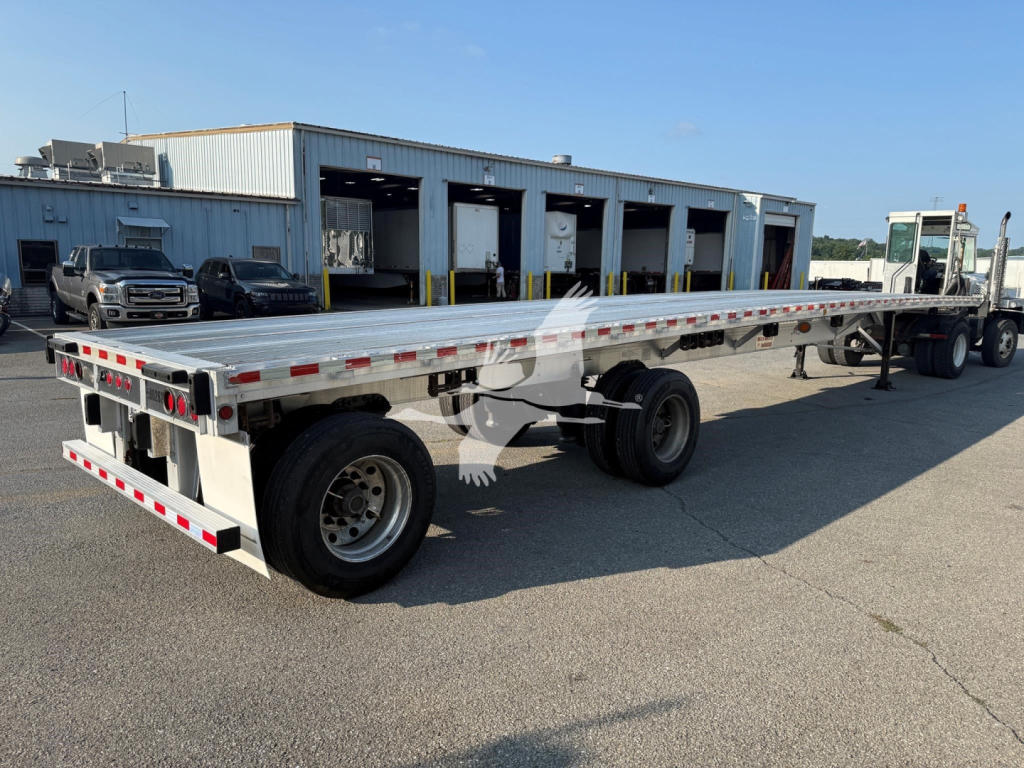
Showing 1 to 28 of 264 results
Selling a used 2010 flatbed trailer? List your used 2010 flatbed trailer for sale and reach thousands of commercial buyers.
Used 2010 Flatbed Trailers
The most common configurations are 48-foot by 102-inch trailers with tandem or spread axle setups, though some fleets also run 53-foot flats for specific lanes and freight profiles. Suspension type matters because many 2010 flatbeds were spec'd with air ride for better cargo protection and dock-height consistency, while spring ride can still be found on more basic applications. Buyers should pay close attention to kingpin setting, axle spread, slider function if equipped, and crossmember spacing, especially if the trailer will handle concentrated loads like steel, machinery, or building materials. Beam ratings, landing gear condition, and signs of frame or rail repairs are also worth checking closely on a used trailer in this age group.
Deck equipment often determines how usable a flatbed is on day one. Many 2010 flatbed trailers were built with wood floors such as apitong, aluminum decks, stake pockets, pipe spools, and winch tracks with sliding winches. Those details directly affect how efficiently the trailer can be loaded and secured. A buyer hauling palletized freight, lumber, coil, pipe, or equipment should inspect the floor for rot, excessive gouging, loose fasteners, and patched sections, then verify that pockets, rub rails, and tie-down points are still serviceable. Tire size, wheel type, brake condition, lighting, and ABS status also deserve attention because they can add significant reconditioning cost after purchase.
A good used 2010 flatbed trailer can still fit regional construction work, dedicated building products, steel service routes, and general commodity hauling if the structure is sound and the specs match the freight. Also known as an open-deck trailer or simply a flatbed trailer, this category is valued for versatility and fast loading from the side, rear, or overhead crane. The best choice is usually the trailer with the right weight balance, securement hardware, and axle layout for your lanes, not just the lowest purchase price. On older flatbeds, service history, prior repairs, and current deck and frame condition matter more than brand decal alone.
Frequently Asked Questions about Used 2010 Flatbed Trailers
What should I inspect first on a used 2010 flatbed trailer?
Start with the main beams, side rails, crossmembers, and deck because structural condition drives the trailer's remaining value. Look for cracks, corrosion, bent members, patched repairs, loose flooring, damaged winch tracks, and worn stake pockets or pipe spools. After that, inspect suspension components, brakes, tires, wheels, lights, landing gear, and ABS system to estimate immediate road-ready costs.
Is an aluminum or steel 2010 flatbed trailer better?
It depends on the freight mix and operating model. Aluminum flatbeds usually offer lower tare weight, which helps maximize payload and can improve productivity on weight-sensitive loads. Steel flatbeds are often heavier but may be preferred for severe-duty applications where impact resistance and lower repair complexity are priorities. Buyers should compare payload needs, maintenance history, and frame condition rather than choosing by material alone.
What size is most common for a 2010 flatbed trailer?
The most common size in this category is 48 feet long and 102 inches wide, typically with two axles in a tandem or spread configuration. That layout works well for general freight, building materials, steel, machinery, and mixed open-deck work. Some operations use 53-foot flatbeds for specialized lanes, but 48-foot units remain a standard spec because of versatility and broad freight compatibility.
Why does axle configuration matter on a used flatbed?
Axle layout affects bridge compliance, weight distribution, tire wear, maneuverability, and loading flexibility. Closed tandem, spread axle, and slider setups each have advantages depending on lane restrictions and freight profile. A spread axle can help with legal weight distribution but may be harder on tires in tight turns, while a slider adds flexibility if it is in good working order. Matching the axle setup to your routes and commodities is critical.
Can a 2010 flatbed trailer still be a good long-term purchase?
Yes, if the trailer has sound structural integrity, a usable deck, and running gear that does not require excessive catch-up maintenance. Many flatbed trailers stay productive for years because the design is relatively simple and parts remain widely available. The key is to buy based on condition, beam strength, securement equipment, and documented upkeep rather than age alone.