
Used Fruehauf Flatbed Trailers For Sale in Pennsylvania
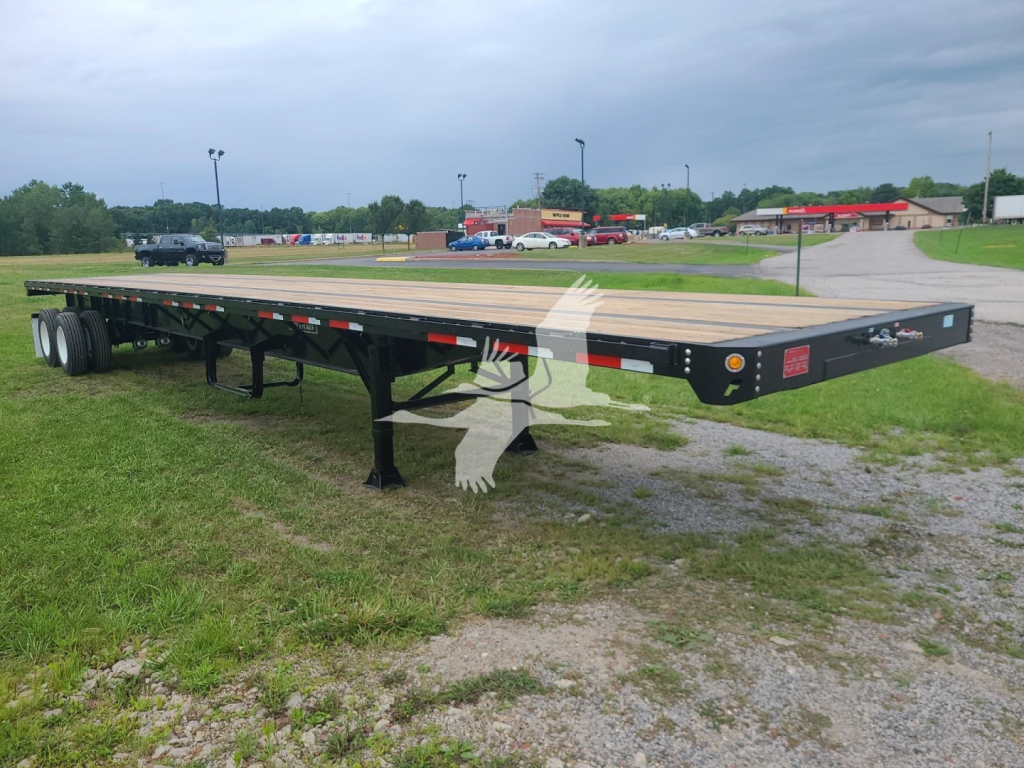
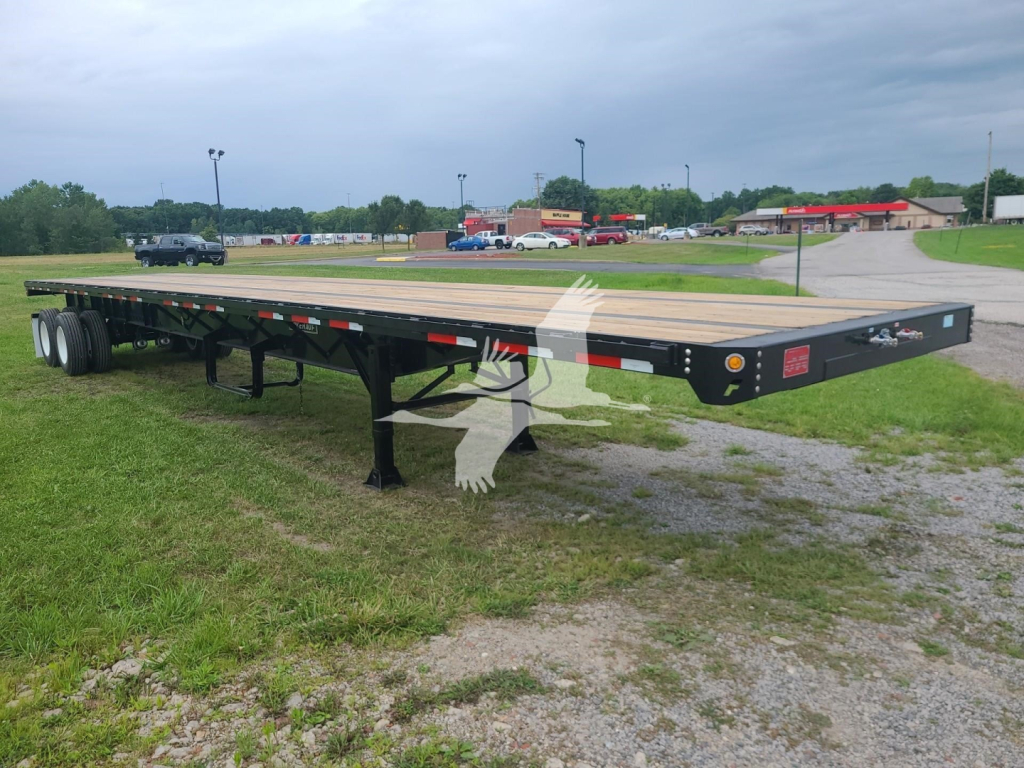
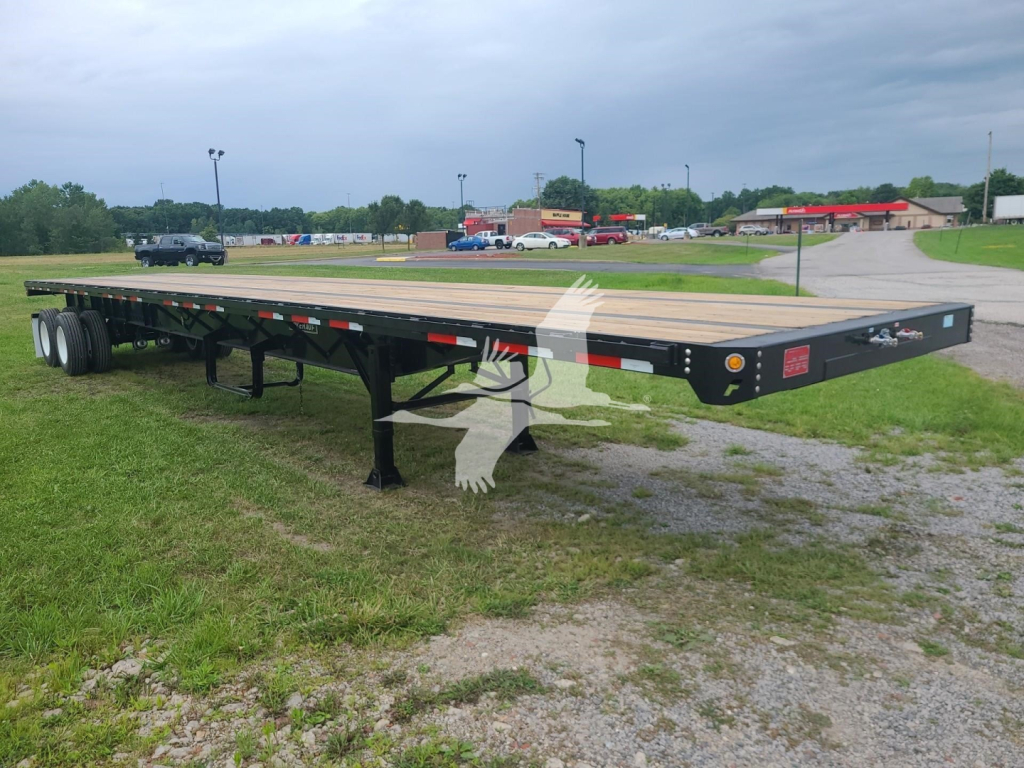
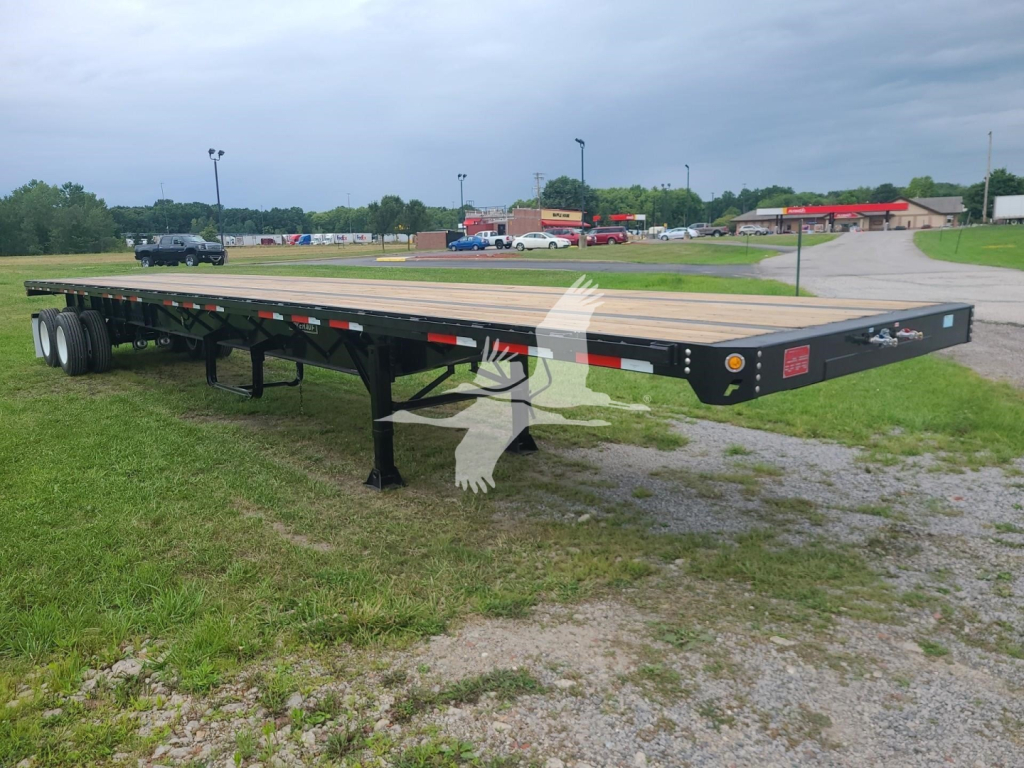
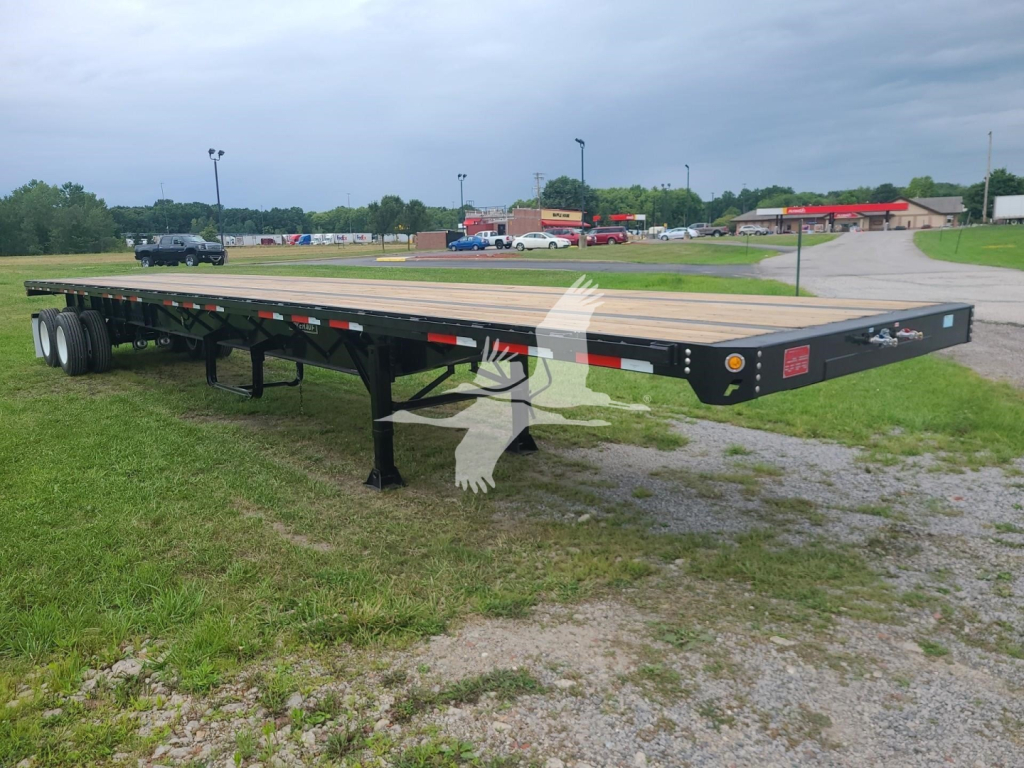
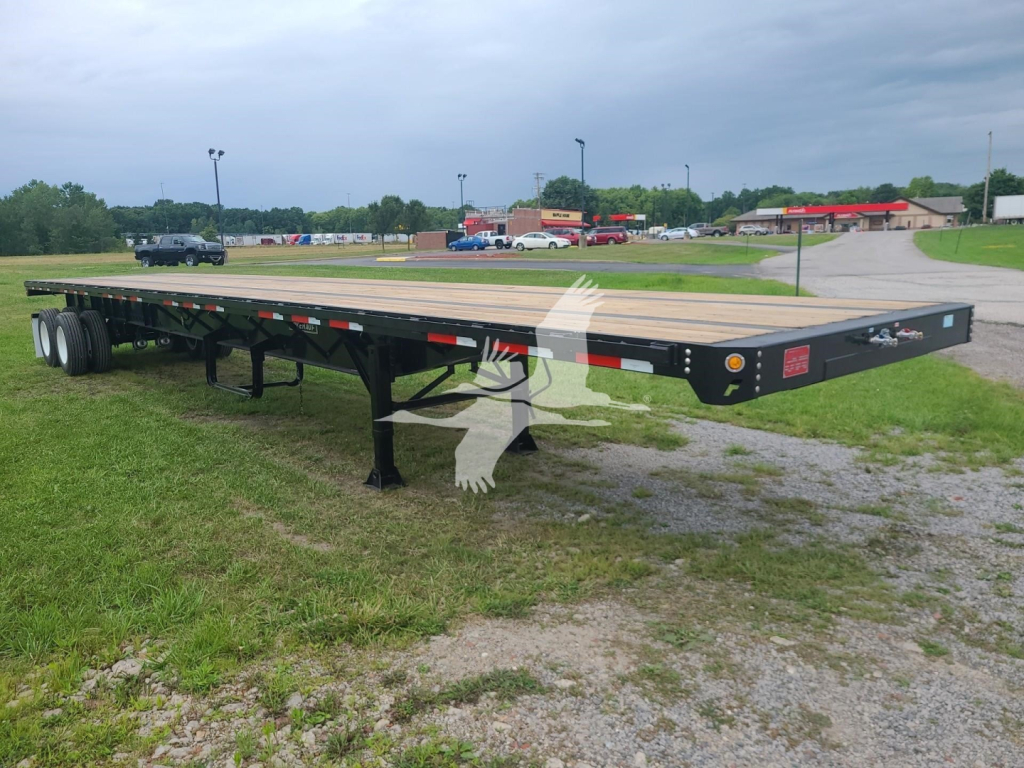
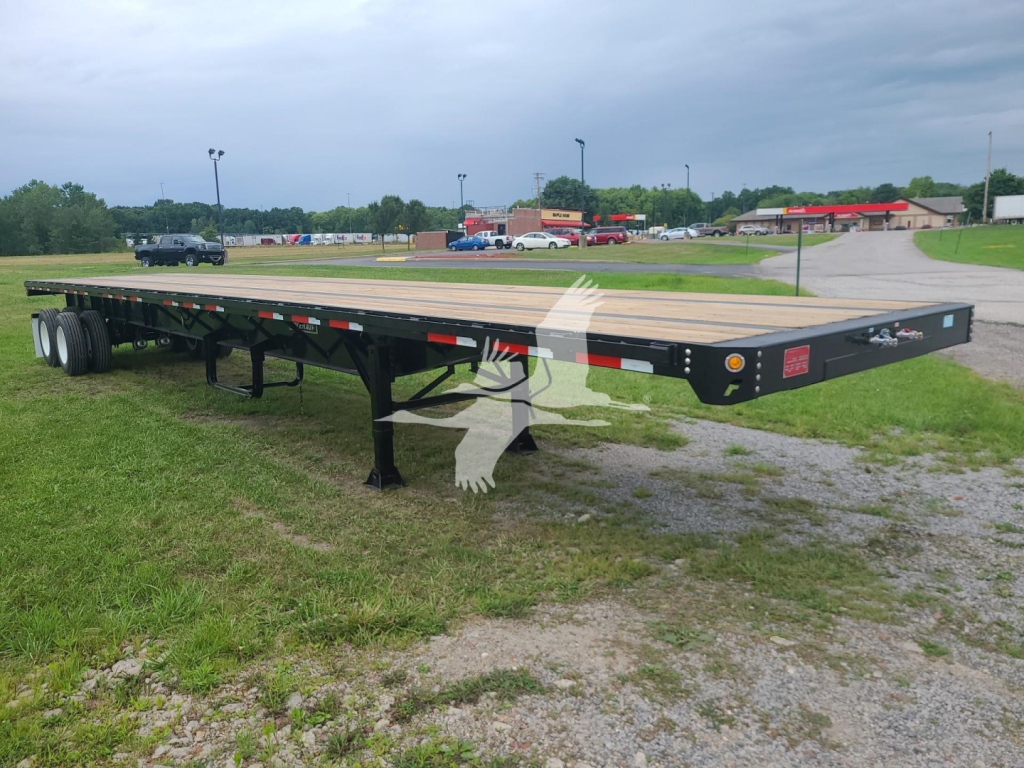
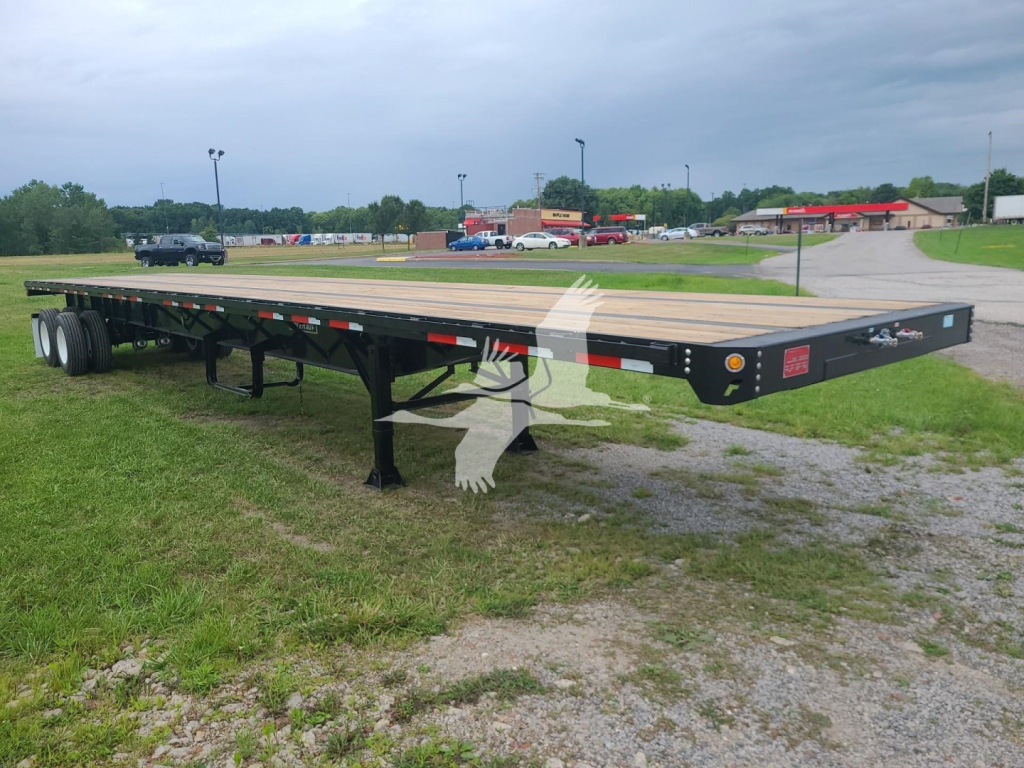
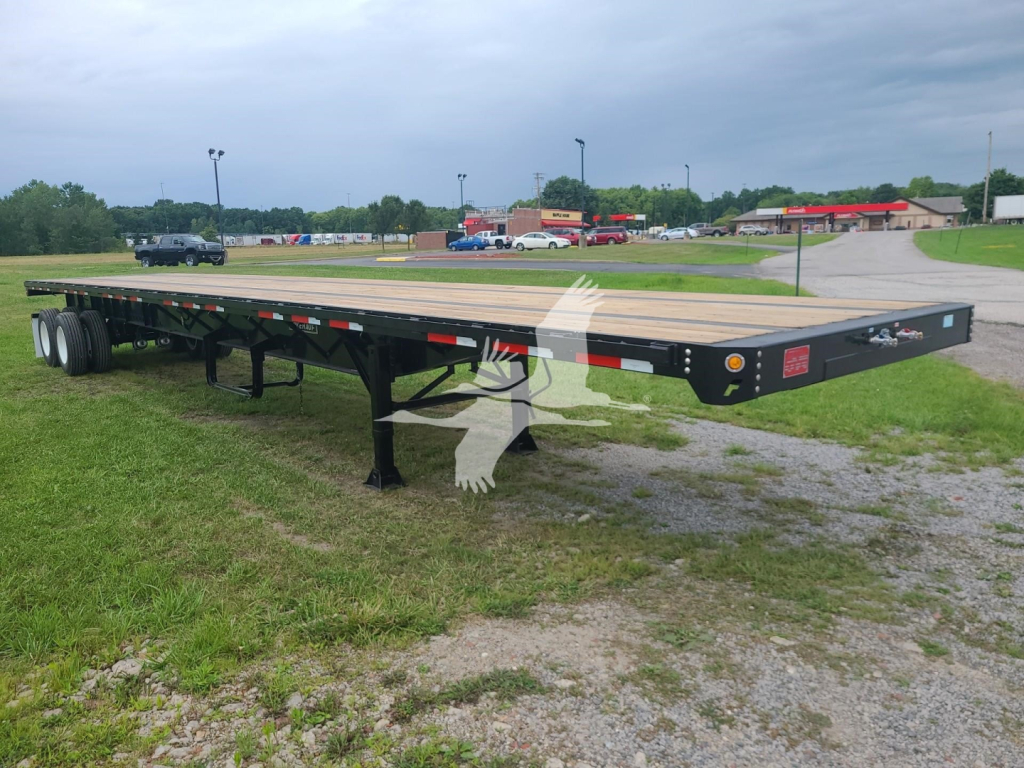
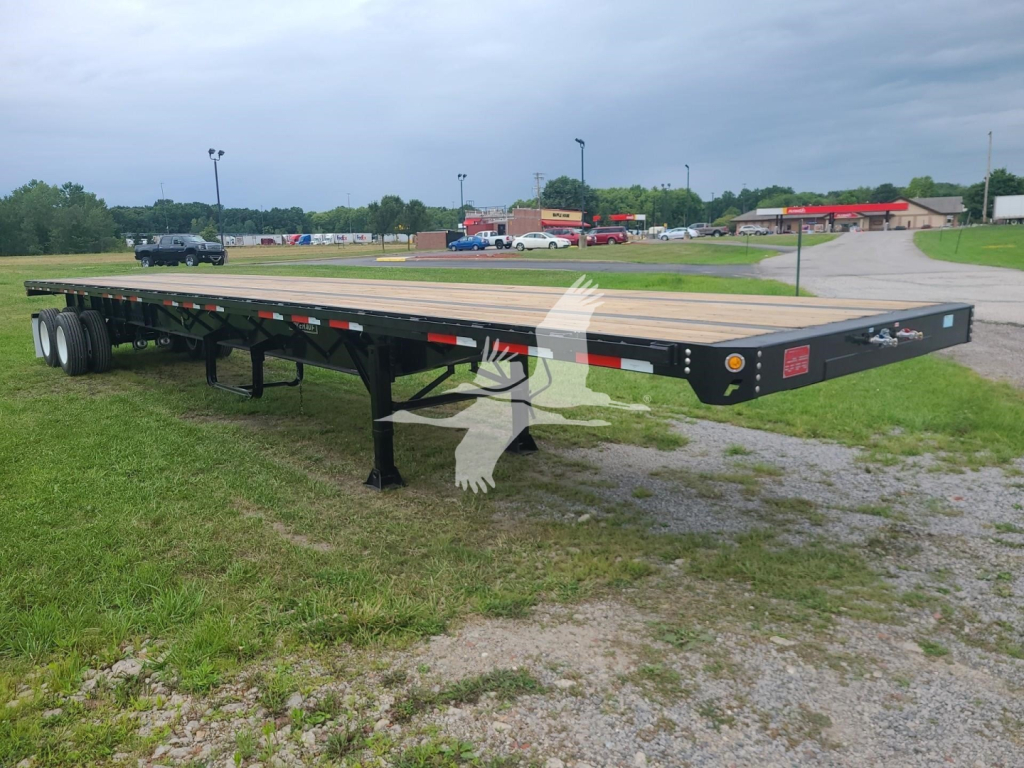
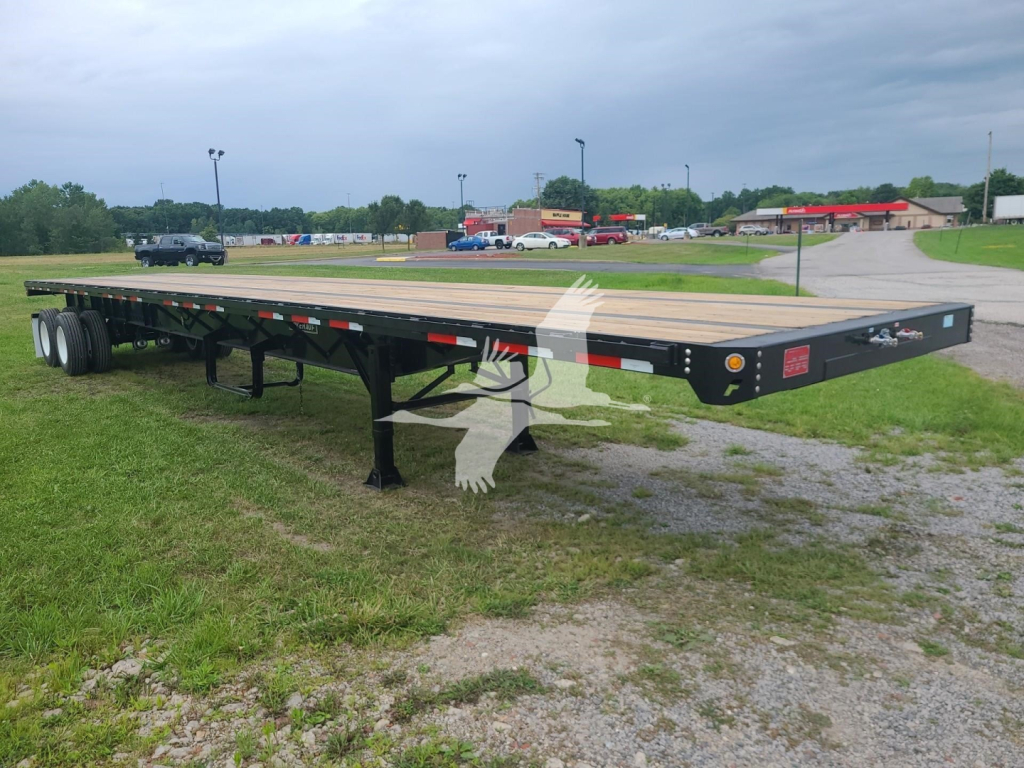
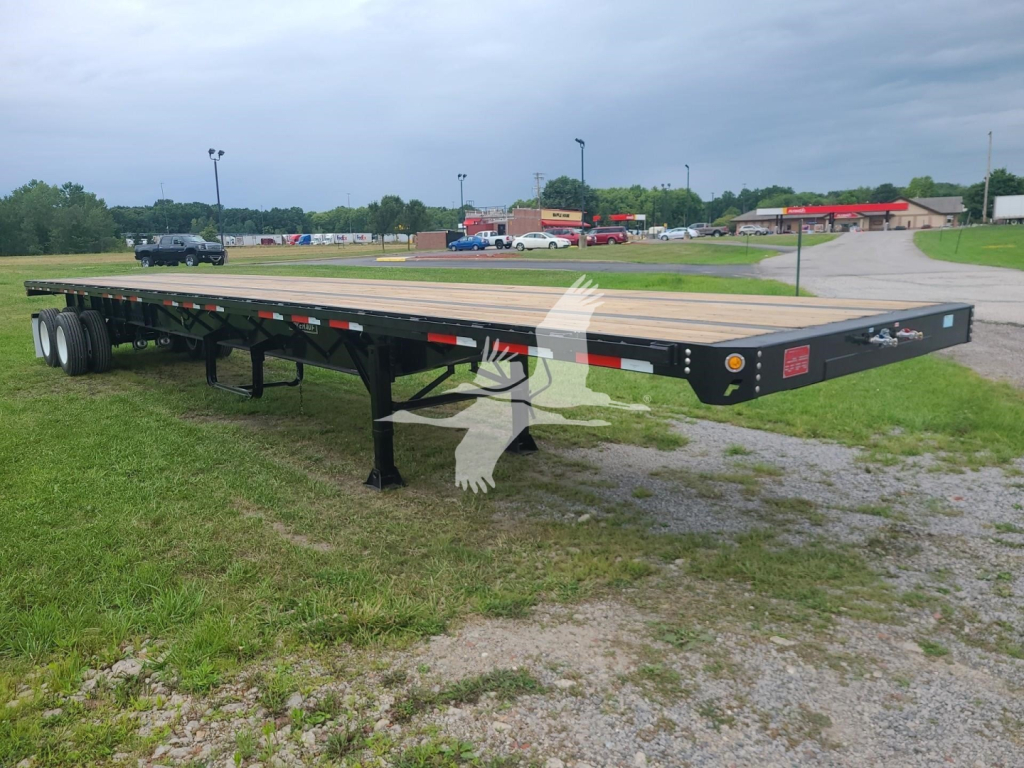
Used Fruehauf flatbed trailers in Pennsylvania, including 48' and 53' steel flats with Apitong floors, slider suspensions, and winch setups.
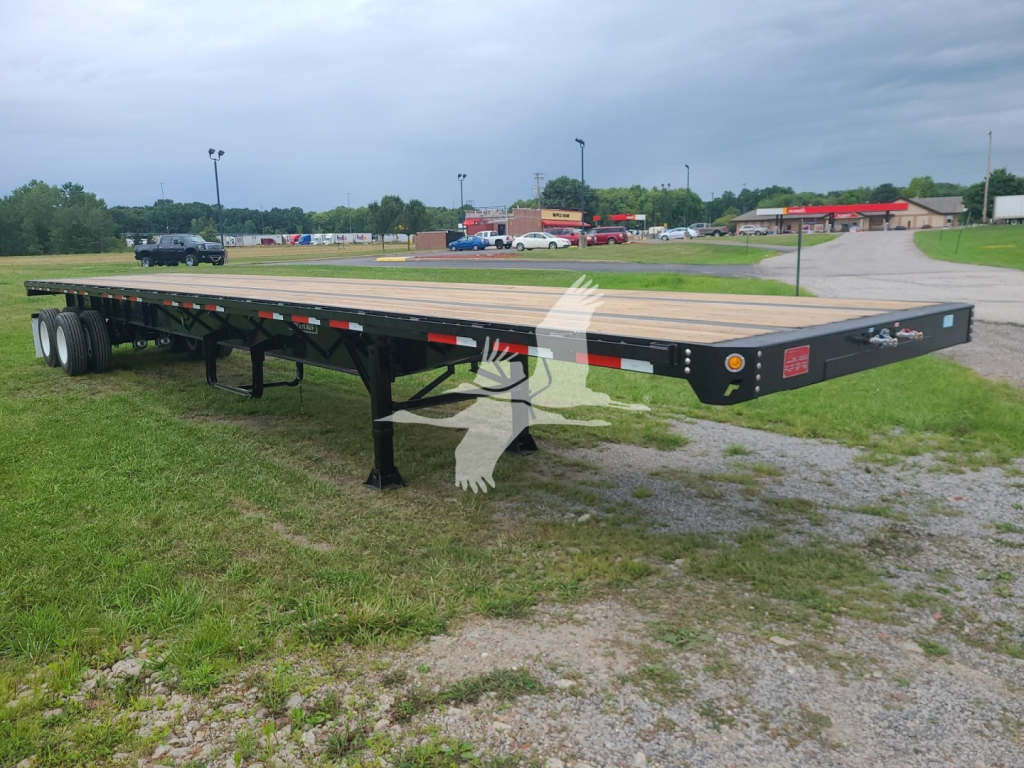
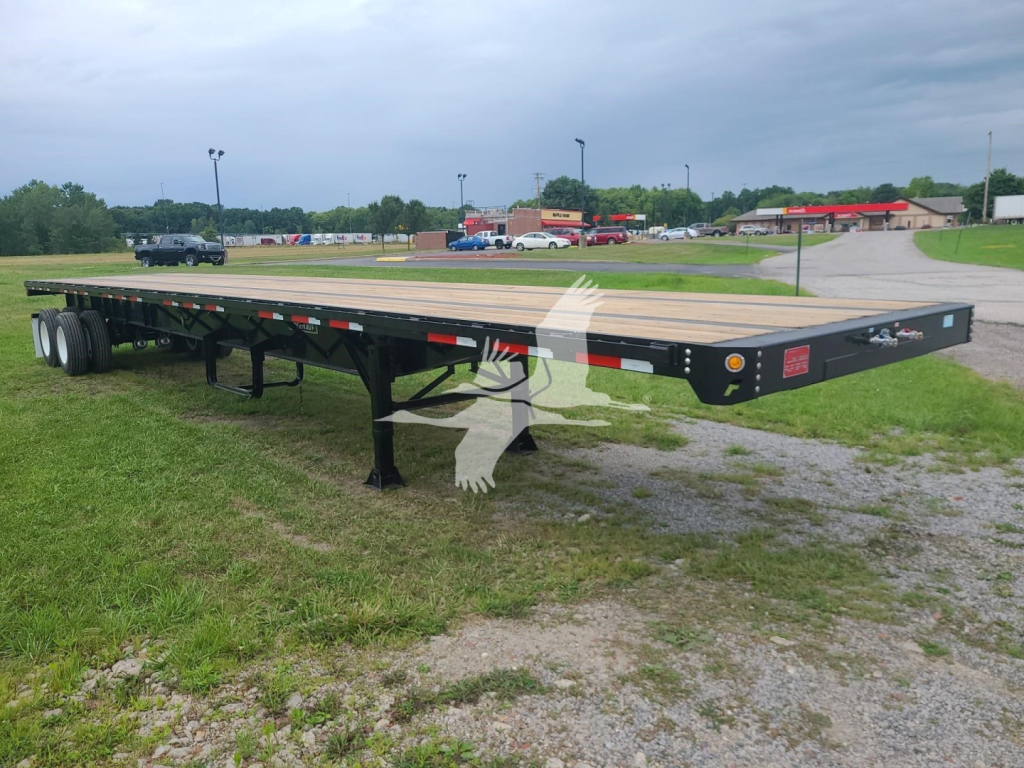
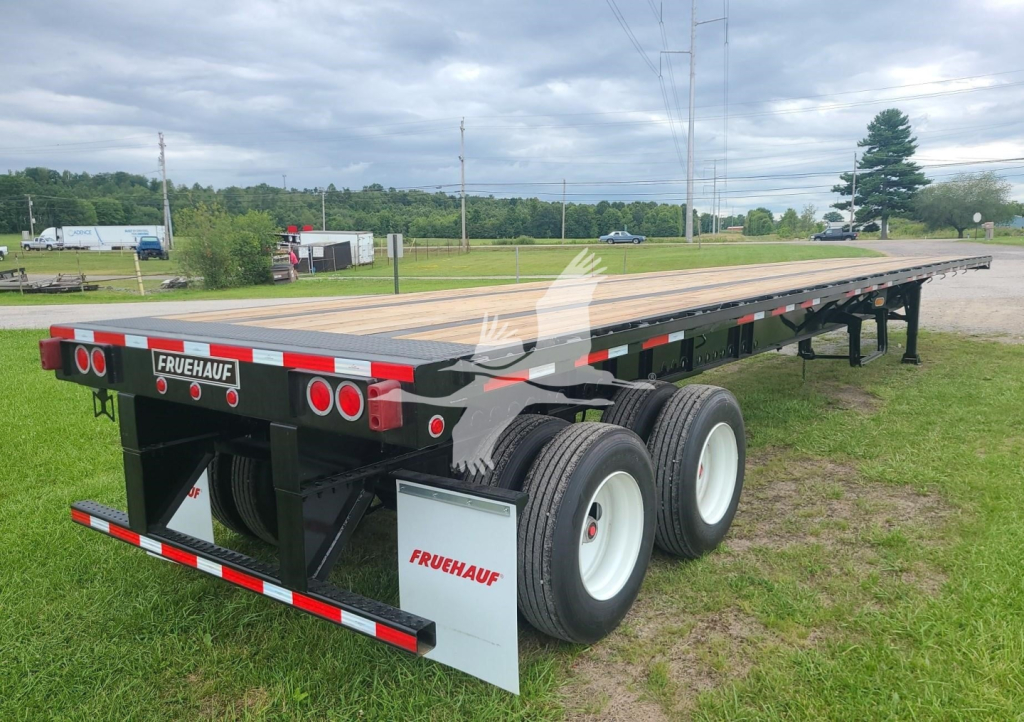
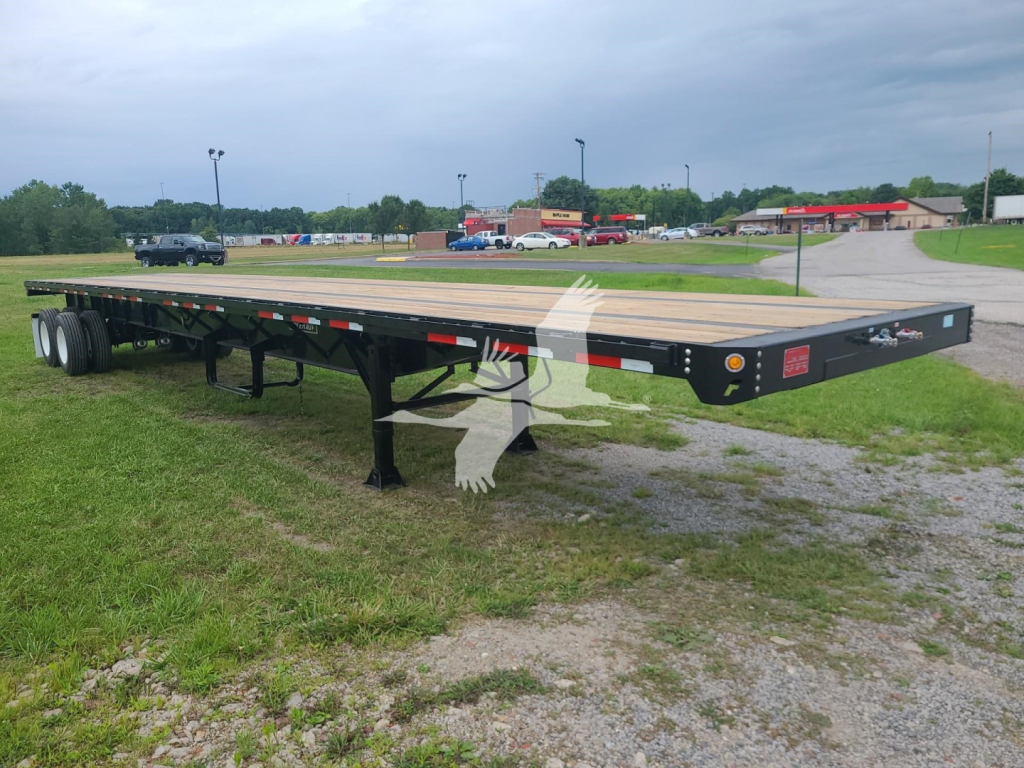
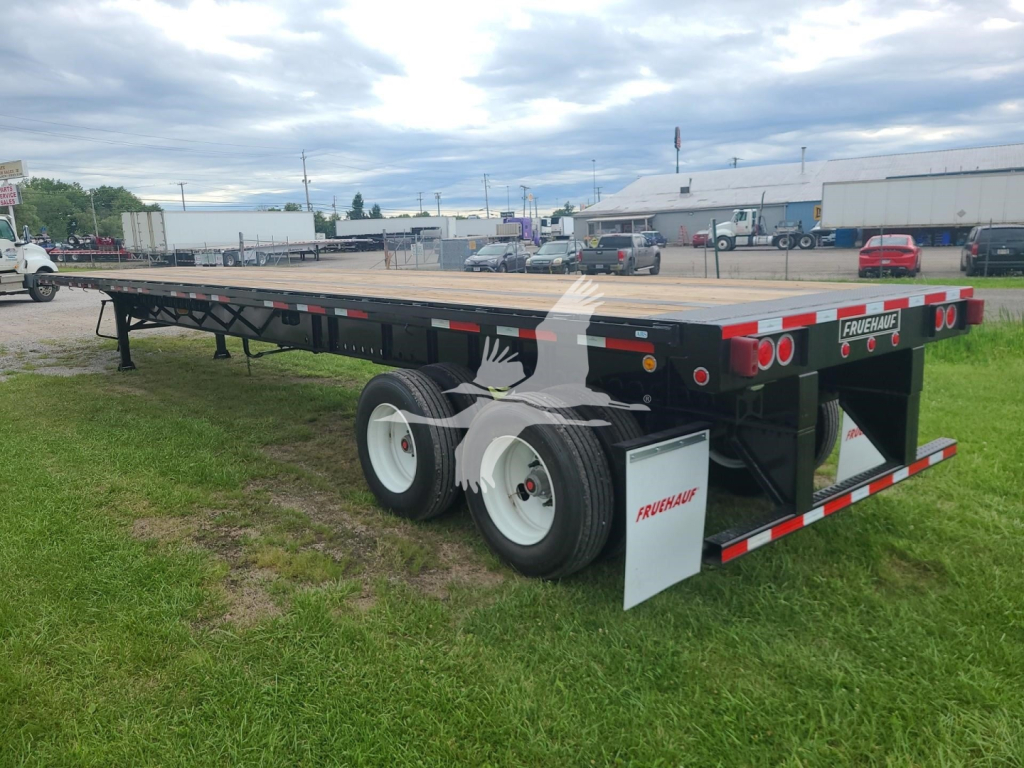
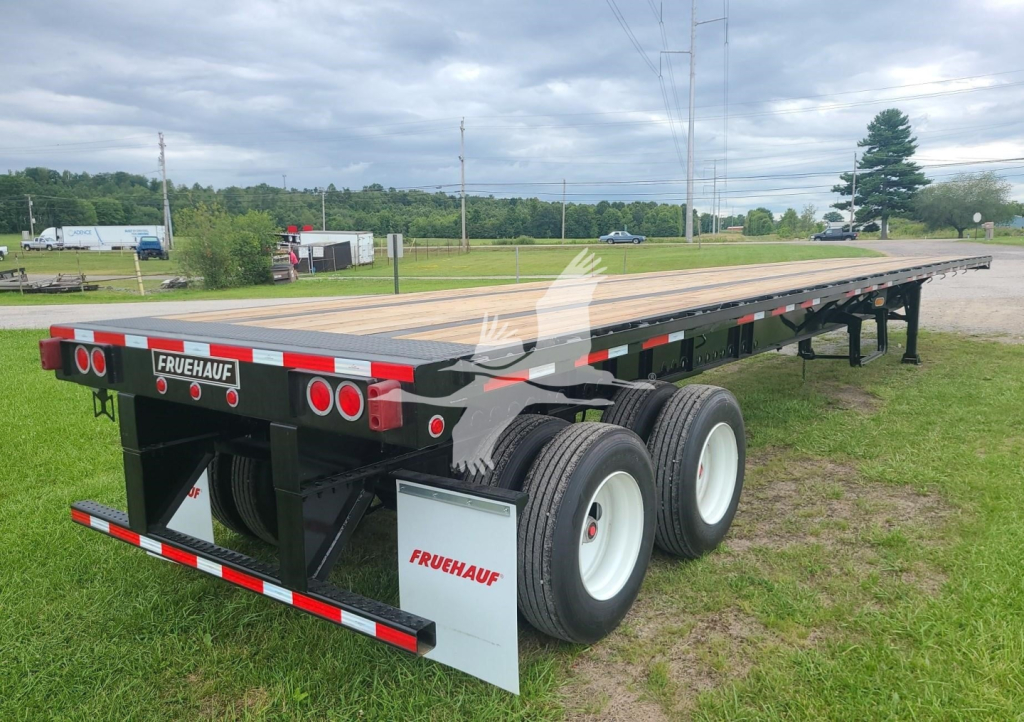
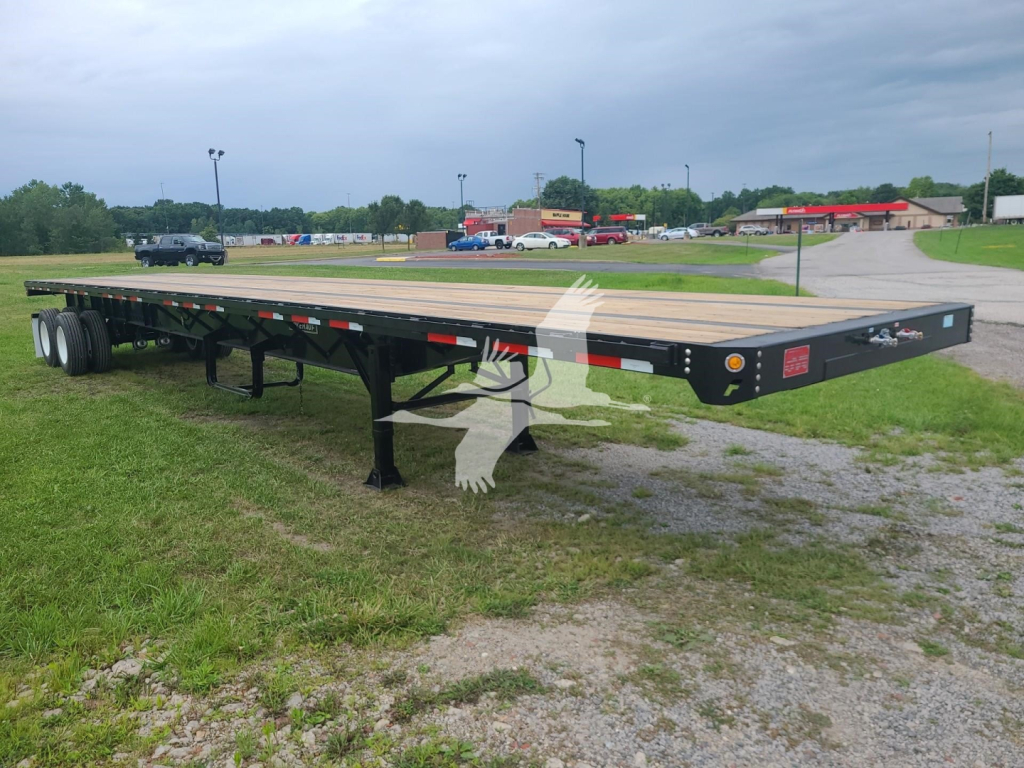
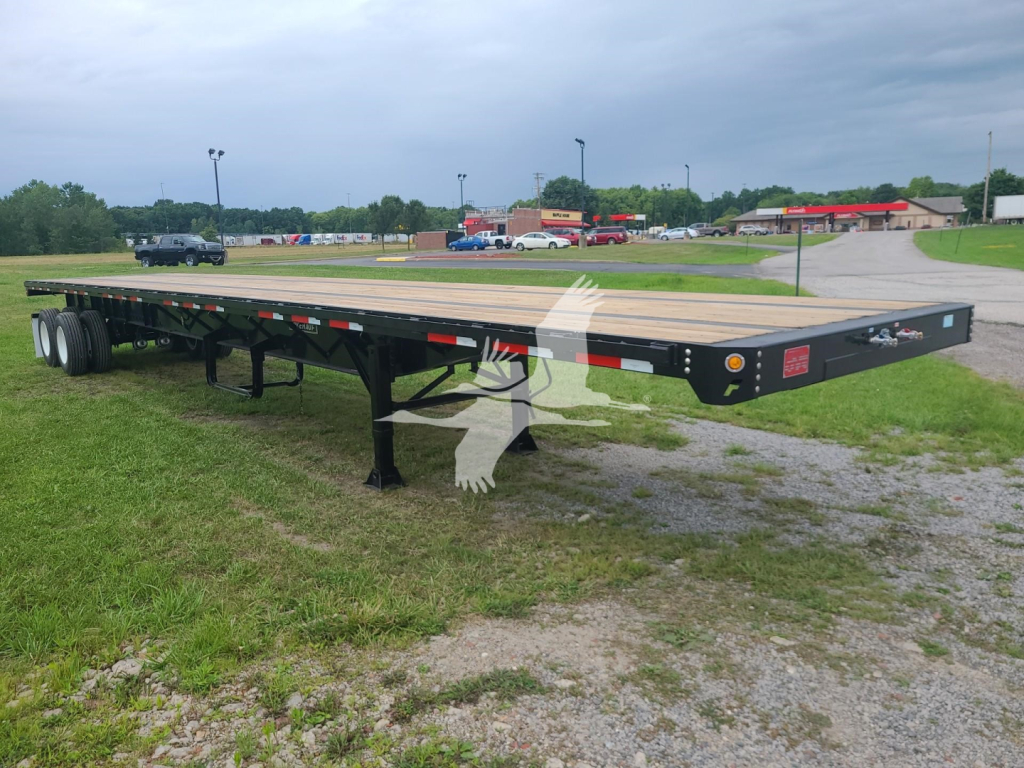
Selling a used fruehauf flatbed trailer? List your used fruehauf flatbed trailer for sale and reach thousands of commercial buyers.
Used Fruehauf Flatbed Trailers in Pennsylvania
The most common decision starts with deck length and trailer construction. Fruehauf flatbeds are often found in 48-foot and 53-foot lengths, with steel main frames and steel side rails for durability under repeated loading. Many are built with Apitong wood flooring, which remains a preferred material in flatbed service because it balances strength, repairability, and traction. Crossmember spacing, kingpin setting, and slider suspension layout matter if the trailer will regularly scale heavy or unevenly distributed loads. A 30-inch kingpin setting and tandem slider are common on highway-spec flats because they give operators flexibility on axle weights and bridge compliance.
Securement equipment is just as important as the base trailer. Buyers should look closely at winch track placement, number of sliding winches, side rail condition, pipe spool locations, and whether the trailer includes a coil package or bulkhead. A standard steel flatbed without a coil package works well for general commodity freight, but steel haulers may want the trailer already configured for coil racks and concentrated load handling. Spring ride suspension is still common on used flatbeds and is valued for simplicity and lower maintenance cost, while landing gear brand, wheel type, tire size, rear light arrangement, and mud flap bracket placement can all influence serviceability and replacement cost.
When shopping used Fruehauf flatbed trailers in Pennsylvania, pay close attention to rust, deck fastener condition, cracked welds around crossmembers, slider operation, and wear at the suspension hangers and rear frame. Also inspect the 5th wheel plate area, side rail hook points, and evidence of concentrated load abuse from steel or machinery freight. A clean used flatbed with a sound frame, straight rails, good wood, and complete tie-down hardware can be a dependable revenue trailer for years. Fruehauf remains a recognizable name in platform trailers, and the right spec comes down to freight type, securement needs, axle spread requirements, and how much structural life is left in the trailer.
Frequently Asked Questions about Used Fruehauf Flatbed Trailers in Pennsylvania
What should I inspect first on a used Fruehauf flatbed trailer?
Start with the frame, crossmembers, side rails, and deck. Those areas tell you how the trailer was loaded and maintained. Look for cracked welds, bent rails, soft or damaged Apitong boards, corrosion around the rear frame and suspension mounts, and wear in the tandem slider mechanism. A flatbed can look presentable in photos but still have structural fatigue from concentrated loads or forklift damage.
Are 48-foot or 53-foot Fruehauf flatbed trailers better for general freight?
Both can work well, but the better choice depends on your lane mix and customers. A 48-foot flatbed is still useful for dense freight and certain customer docks or job sites where shorter overall length helps. A 53-foot flatbed gives more deck space for mixed loads, longer building products, and higher-cube shipments. Buyers should match trailer length to freight profile, axle law considerations, and loading environment rather than assuming longer is always better.
Why is Apitong flooring common on flatbed trailers?
Apitong is widely used because it holds up well in flatbed service, offers good durability under forklifts and cargo contact, and can be repaired board by board when needed. It also provides traction benefits compared with some alternative deck materials. On a used trailer, the important issue is not just that it has Apitong, but how much deck life remains and whether boards are loose, split, oil-soaked, or uneven.
Is spring ride suspension a drawback on a used flatbed?
Not necessarily. Spring ride remains common on flatbeds because it is simple, durable, and generally less complex to maintain than some air ride setups. For many steel, lumber, and general commodity applications, it is still a practical suspension choice. The key is to inspect spring packs, bushings, hangers, equalizers, and slider components for wear, because condition matters more than the suspension type alone on a used trailer.
What securement features matter most on a Fruehauf flatbed trailer?
Winch tracks, sliding winches, side rail condition, tie-down points, and any specialized freight equipment should be reviewed closely. A trailer set up with roadside winch track and multiple sliding winches is ready for a broad range of commodity loads. If you haul coil steel, pipe, or machinery, you may also need pipe spools, coil package provisions, or other load-specific securement hardware. The more the trailer already matches your freight, the less money you will spend reconfiguring it after purchase.