
Used 2024 Flatbed Trailers For Sale in Pennsylvania
Browse used 2024 flatbed trailers in Pennsylvania. Compare 48- and 53-foot specs, deck materials, axle setups, and securement features.
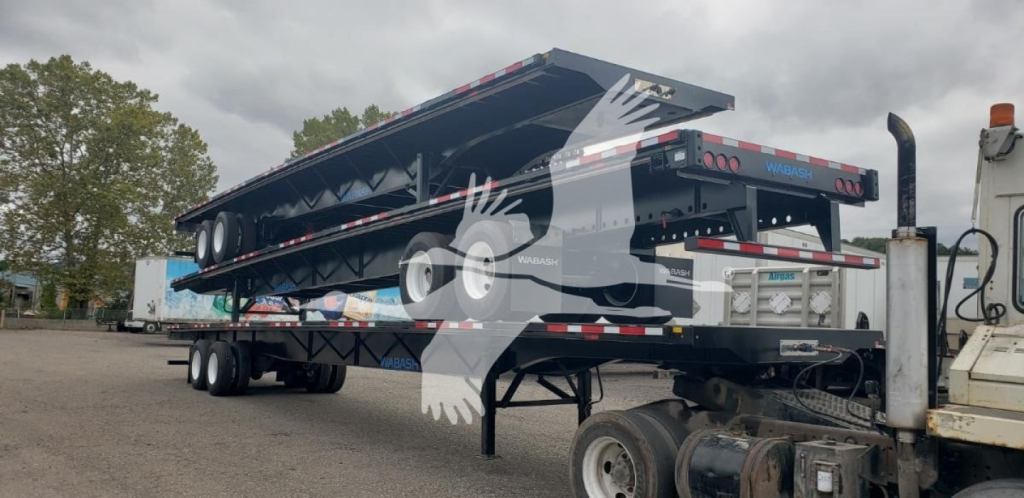
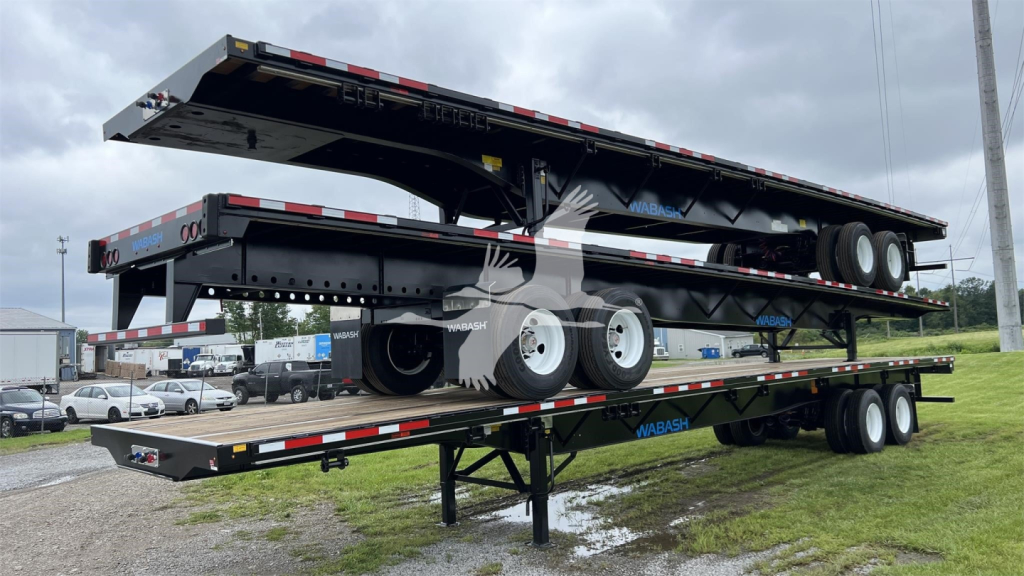



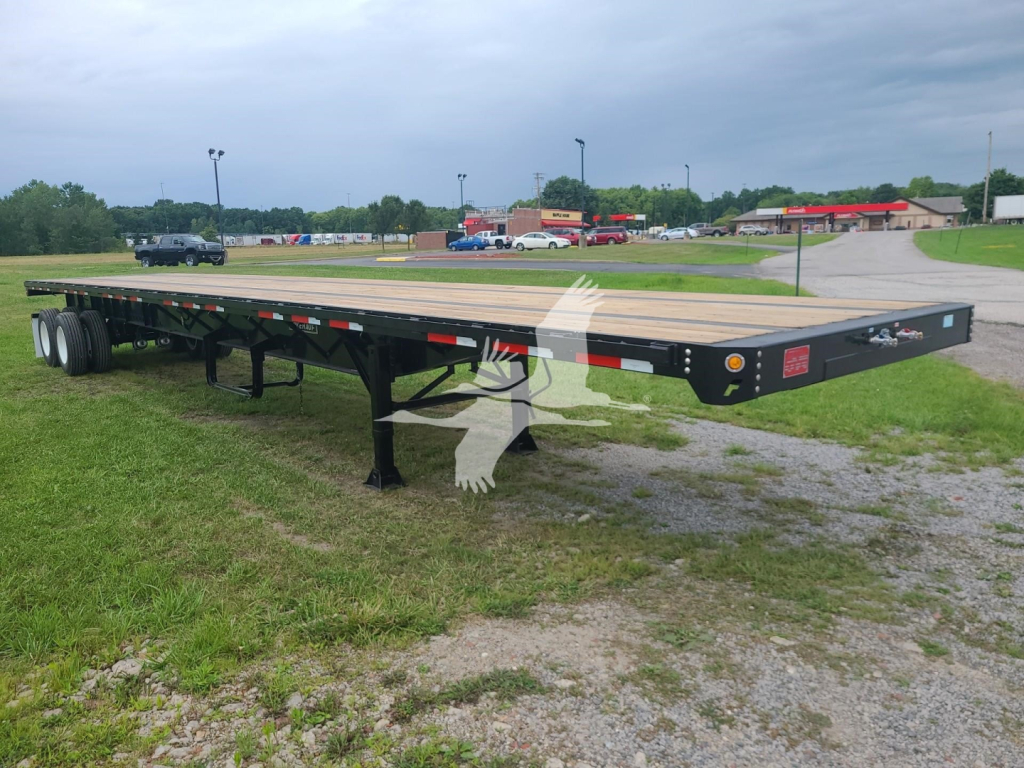


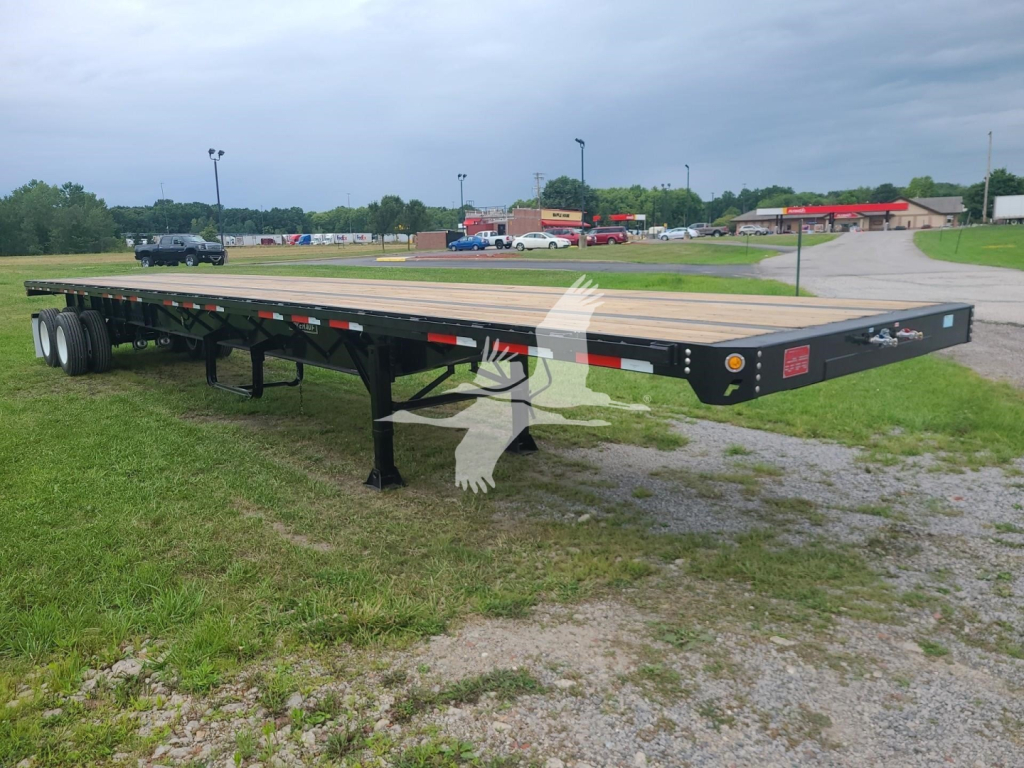
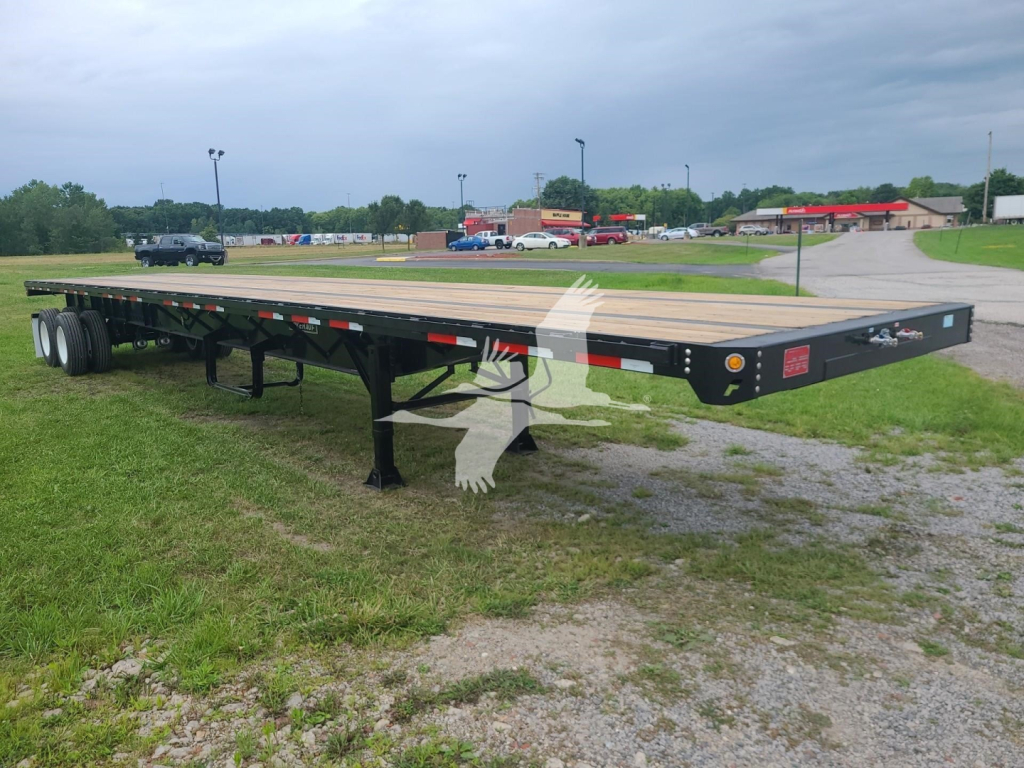

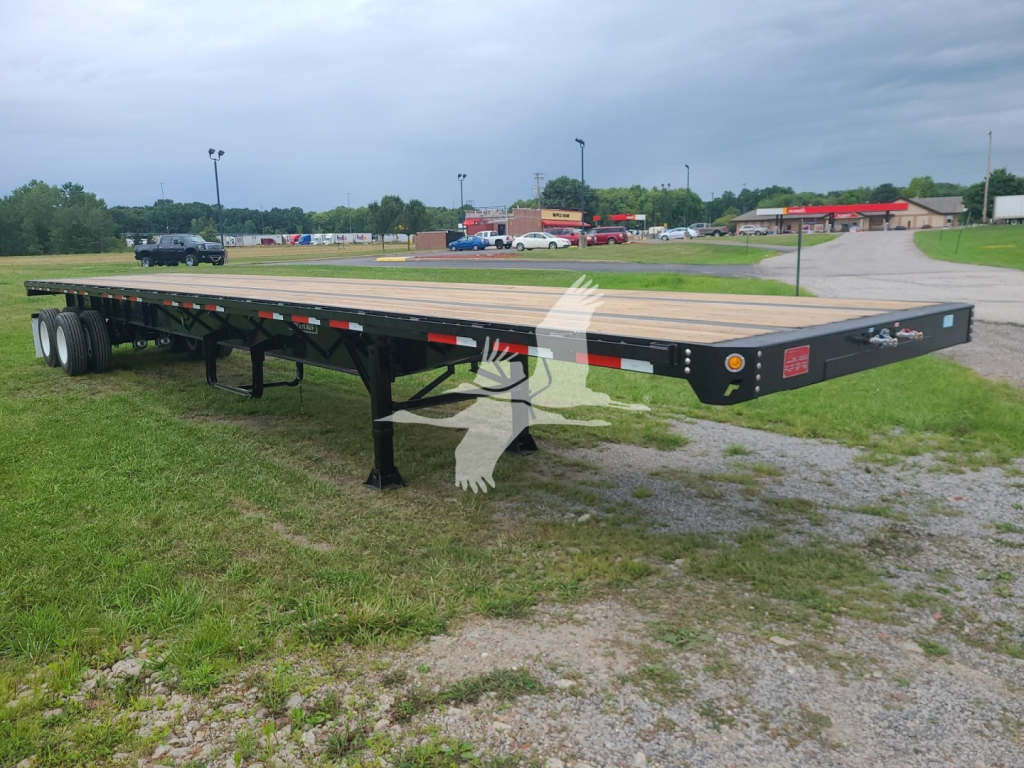

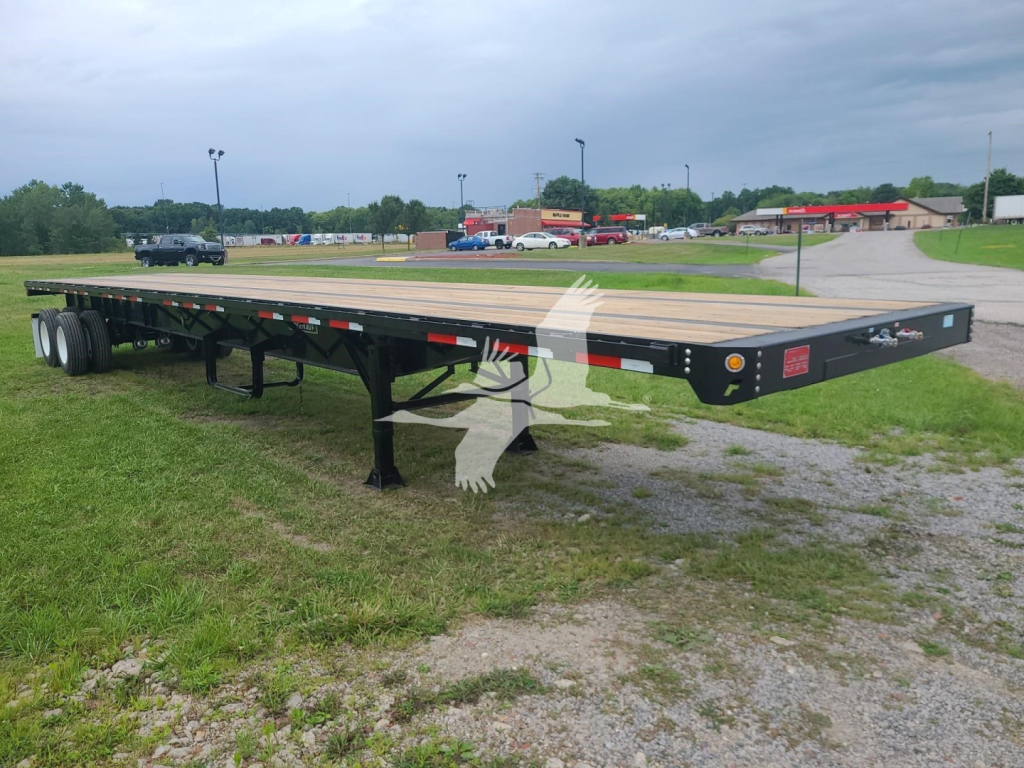



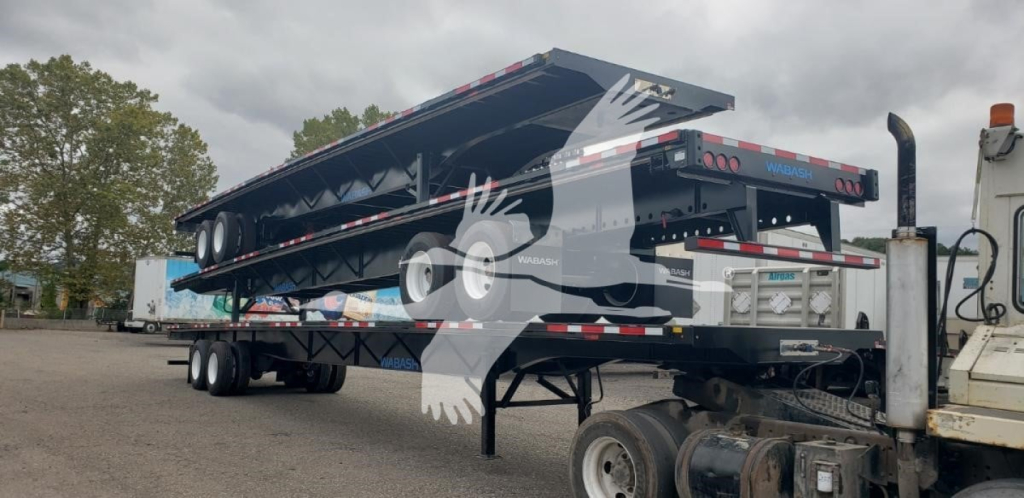
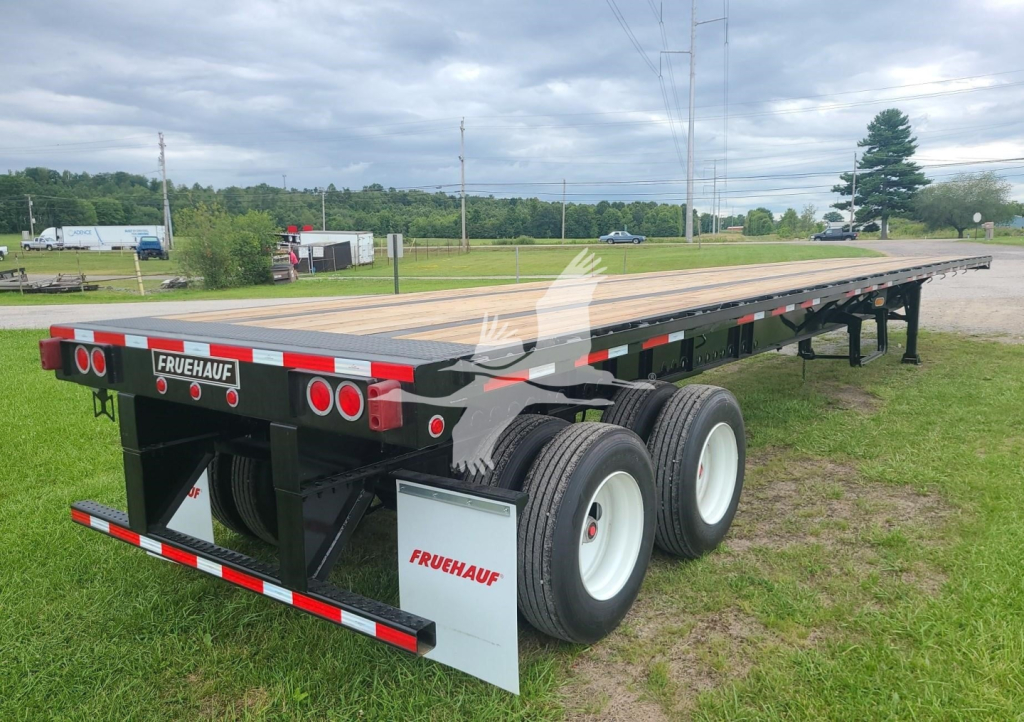
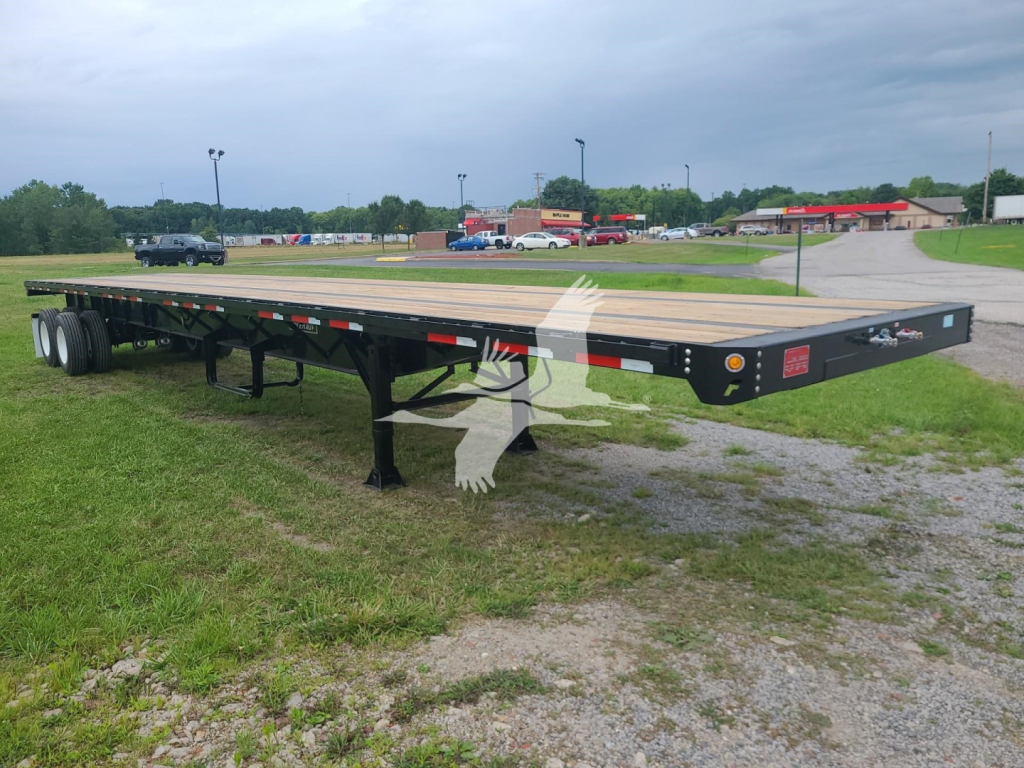
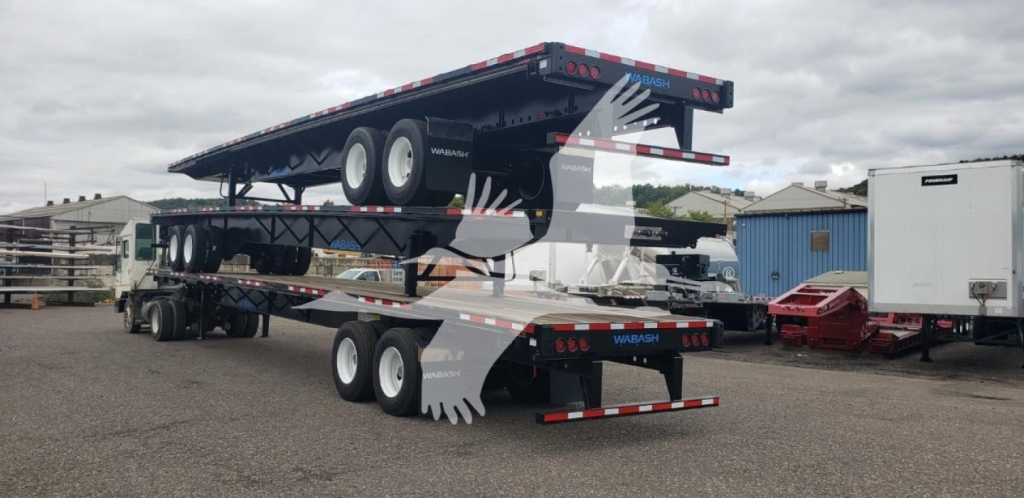
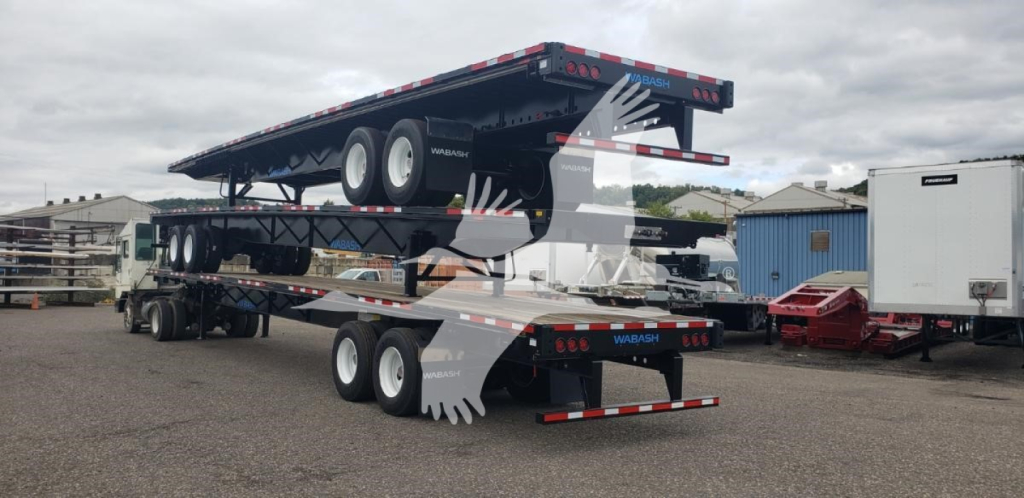
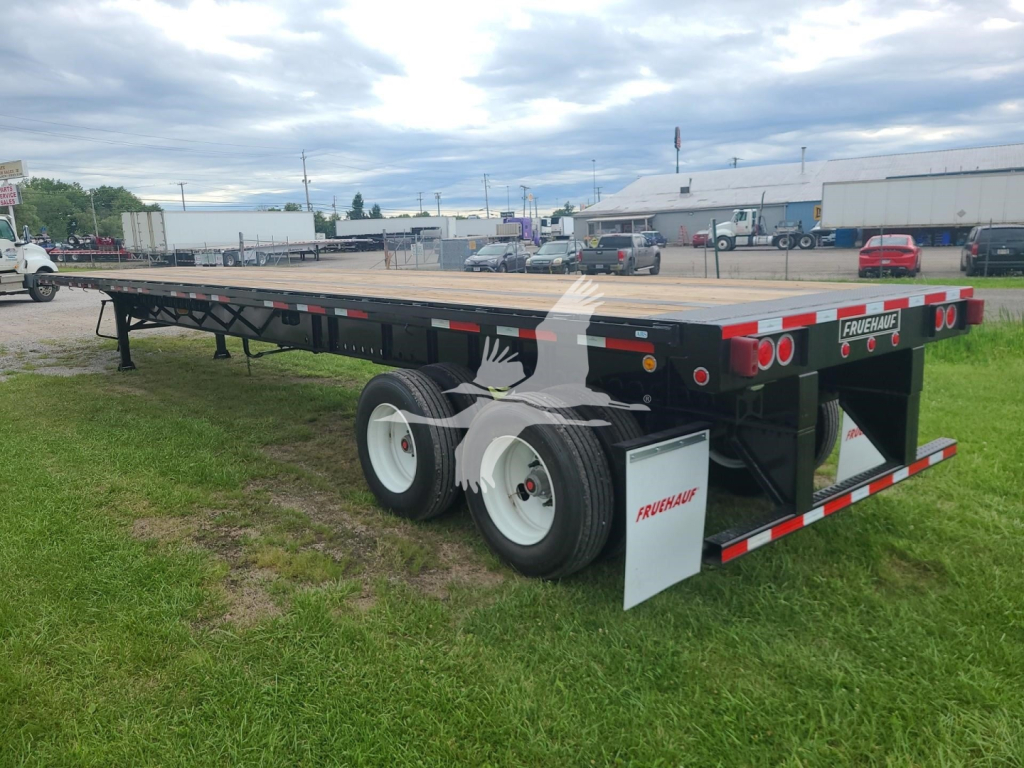
Showing 1 to 28 of 33 results
Selling a used 2024 flatbed trailer? List your used 2024 flatbed trailer for sale and reach thousands of commercial buyers.
Used 2024 Flatbed Trailers in Pennsylvania
Material choice is one of the first decisions that matters. Aluminum flatbed trailers reduce tare weight and can add payload capacity, which is valuable for higher-density freight and lanes where every pound counts. Combo trailers use aluminum and steel together to balance weight savings with durability. All-steel flatbeds are heavier, but they are often favored in severe-duty applications where concentrated loads, rough loading practices, or jobsite use are common. Floor construction also deserves a close look. Aluminum floors save weight, while Apitong wood remains popular for traction, forklift resistance, and repairability. A 2024 used flatbed may also include practical freight-handling features such as winch tracks, sliding winches, chain tie-downs, pipe spools, coil packages, bulkheads, toolboxes, and LED lighting.
Suspension and axle setup can change how a flatbed performs just as much as deck construction. Air ride is preferred by many carriers hauling finished products, machinery, or freight that benefits from a smoother ride, while spring ride still has a place in simpler, lower-cost applications. Spread axles are common on flatbeds because they help with load distribution and deck stability, but they can increase scrub and make tight turns less forgiving in urban delivery environments. Sliding tandem setups offer more flexibility for bridge compliance and docking. Buyers should also inspect crossmember spacing, side rail condition, landing gear, wheel-end service history, tire size and remaining tread, brake condition, and the integrity of the rear structure. On a used 2024 trailer, condition still matters more than age on paper, especially if the trailer has spent time in dense freight corridors or winter road conditions.
For Pennsylvania operations, it is worth thinking about where the trailer will run most often. Regional steel and construction freight may justify a coil package, extra tiedowns, and a durable floor. Long-haul general commodity work may favor a lighter aluminum or combo trailer with air ride and both-side winch tracks. If a trailer is expected to move oversized or oddly shaped freight, buyers should look closely at deck clearance, securement points, and overall deck usability rather than focusing only on length and weight. A good used 2024 flatbed trailer should match the freight first, then the route, then the maintenance budget. That is the combination that usually determines whether the trailer stays productive and easy to sell later.
Frequently Asked Questions about Used 2024 Flatbed Trailers in Pennsylvania
What are the most common sizes for a used 2024 flatbed trailer?
The most common flatbed trailer sizes are 48 feet by 102 inches and 53 feet by 102 inches. A 48-foot flatbed remains a standard choice for many steel, machinery, and building material applications, while a 53-foot flatbed can offer more deck space for lighter or longer freight. The right length depends on the freight profile, state bridge considerations, customer requirements, and how often the trailer needs to work in tight delivery areas.
Is an aluminum flatbed better than a steel flatbed?
Neither is automatically better because each serves a different operating need. Aluminum flatbeds are lighter and typically allow for more payload, which is a major advantage in weight-sensitive hauling. Steel flatbeds usually give up payload but can handle harsher use, concentrated loads, and rough loading conditions with less concern about structural abuse. Combo flatbeds sit between the two and are popular with buyers who want a balance of tare weight and durability.
What should I inspect first on a used 2024 flatbed trailer?
Start with the frame, crossmembers, floor, suspension, brakes, tires, and wheel ends. Then inspect wear points that directly affect daily use, including side rails, winch tracks, sliding winches, tiedown points, landing gear, lights, and the rear structure. Buyers should also confirm axle spacing, kingpin setting, suspension type, and any special equipment such as a coil package or bulkhead because those features determine how useful the trailer will be for its intended freight.
Why does axle configuration matter on a flatbed trailer?
Axle configuration affects legal weight distribution, turning behavior, tire wear, and lane suitability. Spread axle flatbeds are widely used because they distribute weight well and offer good deck stability, but they can be harder on tires in sharp turns and may be less convenient in tight urban work. Sliding tandems provide more flexibility for bridge compliance and loading balance, which can be important for carriers handling varied freight across different states.
What flatbed features are most useful for steel and construction freight in Pennsylvania?
For steel and construction freight, buyers often prioritize a coil package, strong tiedown options, durable flooring, and a suspension setup that matches the load type. Winch tracks, sliding winches, chain securement points, pipe spools, and a well-supported deck are all useful for versatile freight handling. In Pennsylvania, where freight can range from fabricated steel to lumber and machinery, a trailer with the right securement package and a solid maintenance history is usually more important than cosmetic appearance.