
Used Fontaine Flatbed Trailers For Sale in Pennsylvania
Shop used Fontaine flatbed trailers in Pennsylvania. Compare combo and extendable models, specs, axle setups, deck condition, and payload fit.
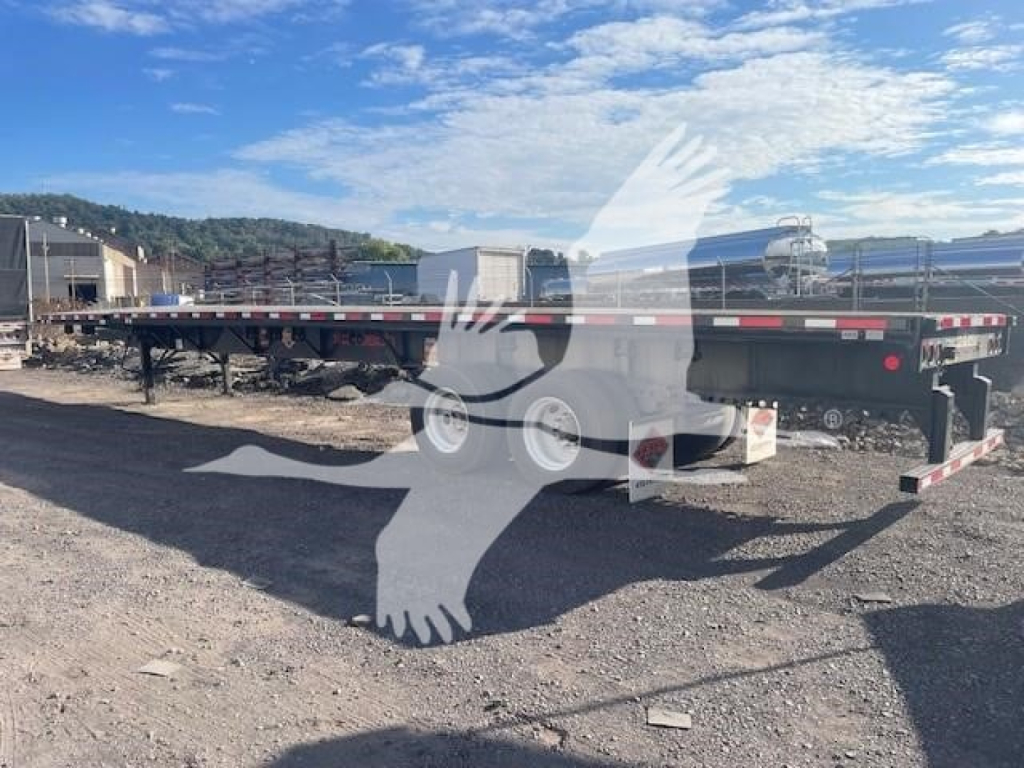
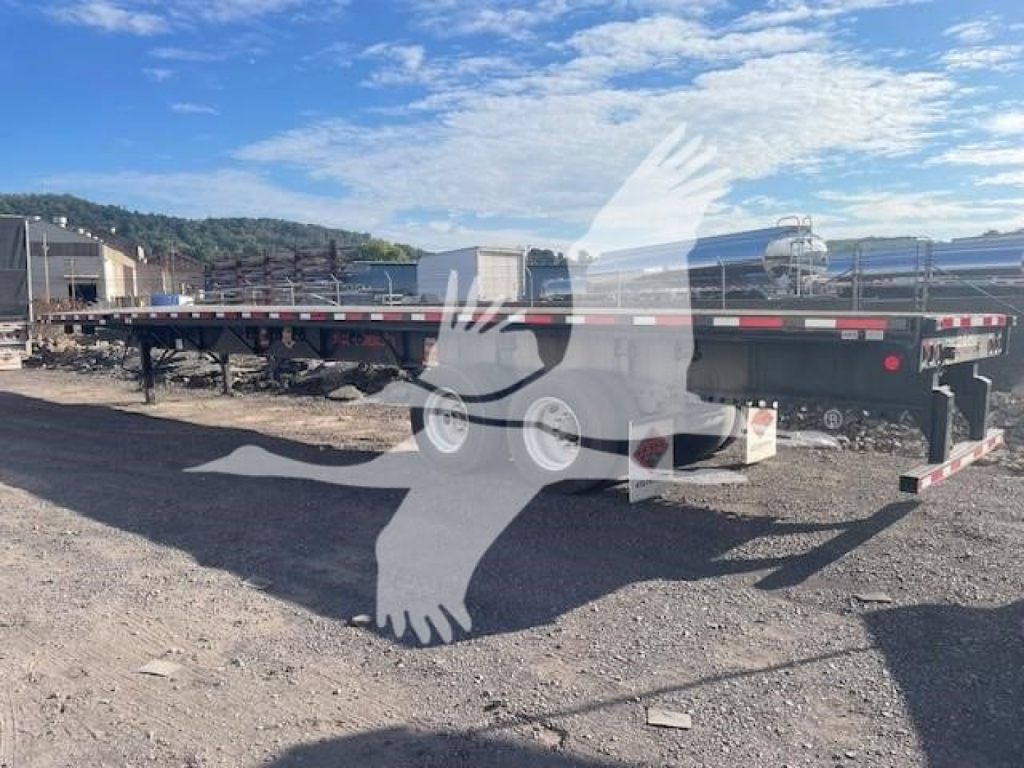
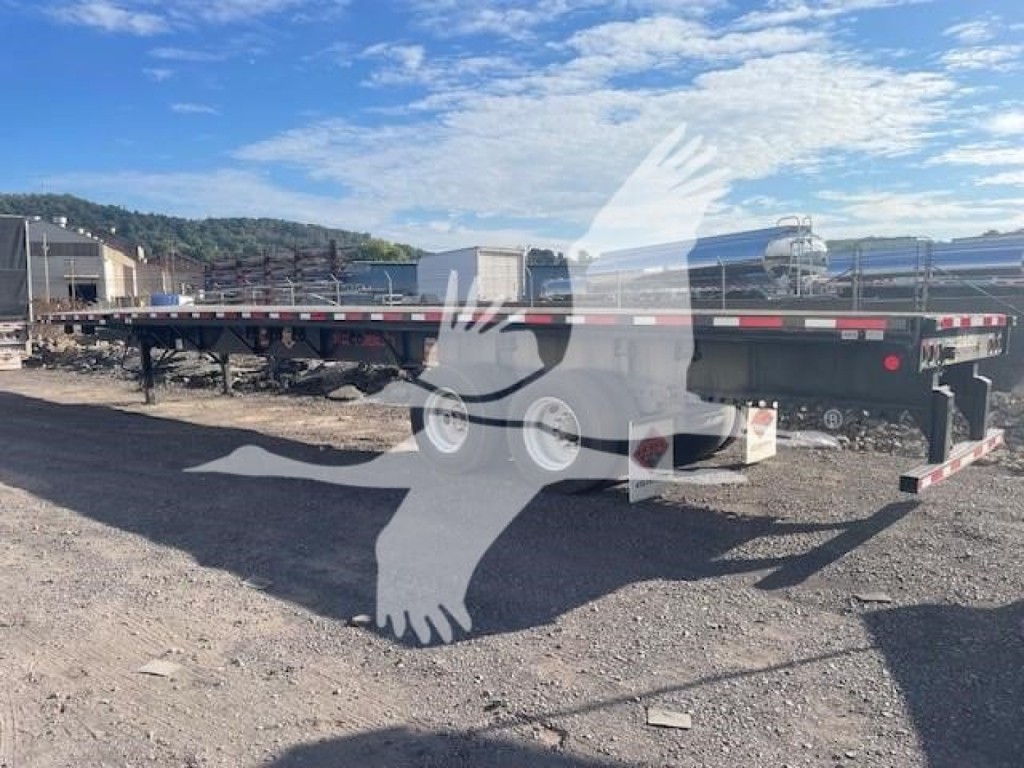
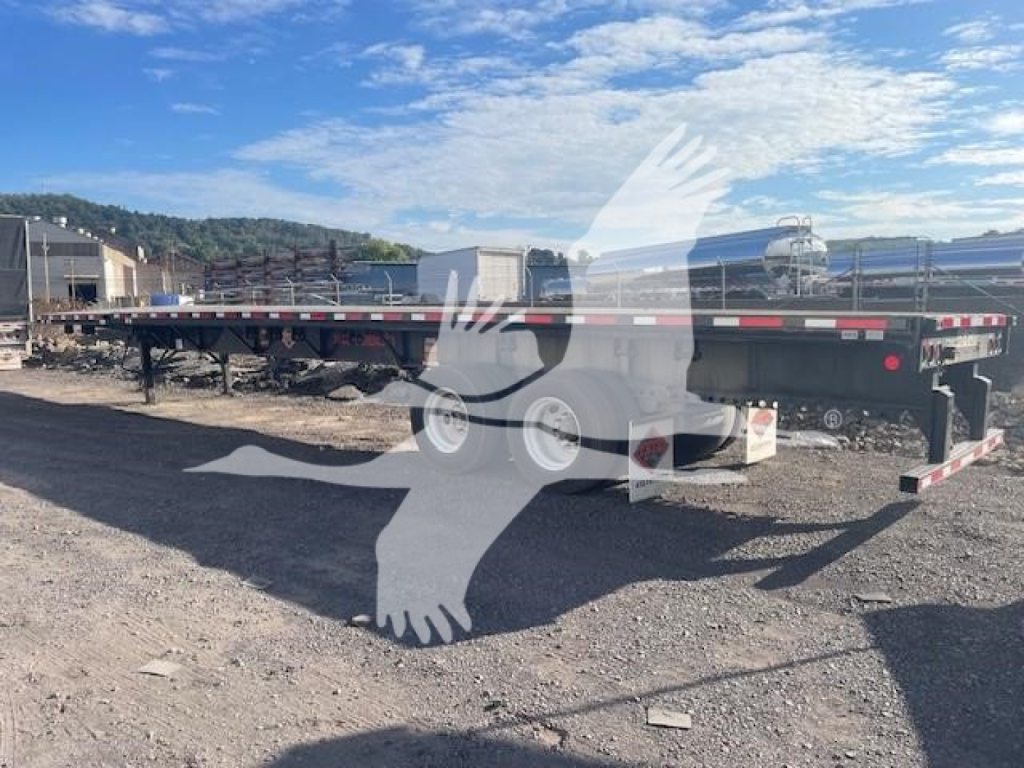
Selling a used fontaine flatbed trailer? List your used fontaine flatbed trailer for sale and reach thousands of commercial buyers.
Used Fontaine Flatbed Trailers in Pennsylvania
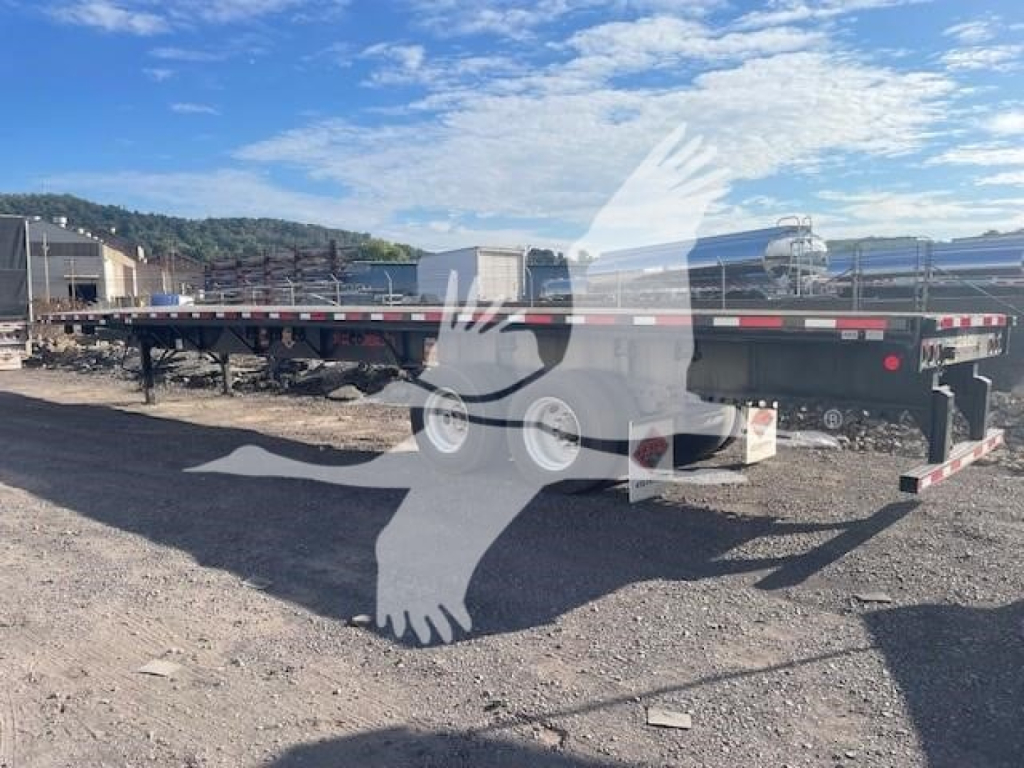
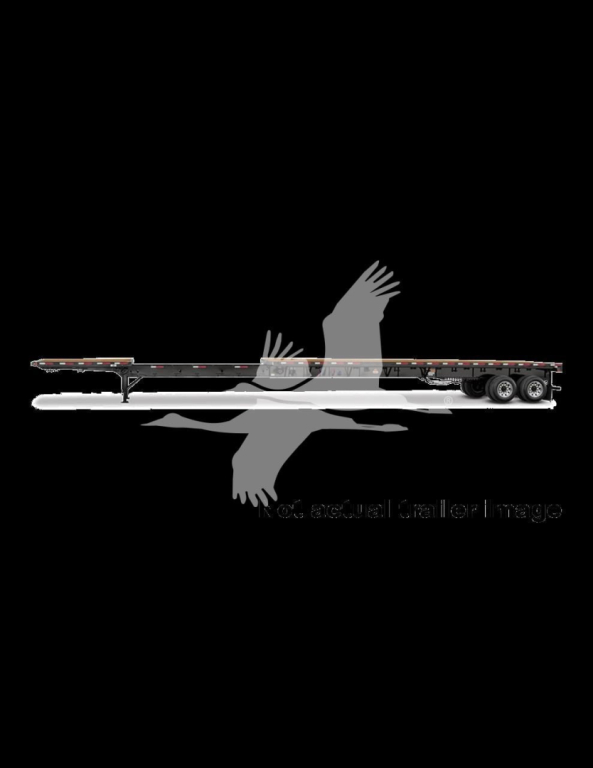
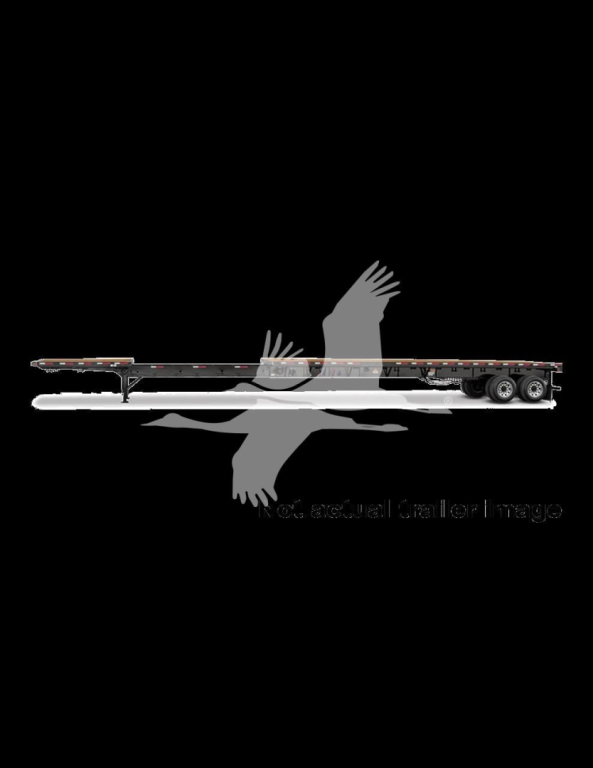
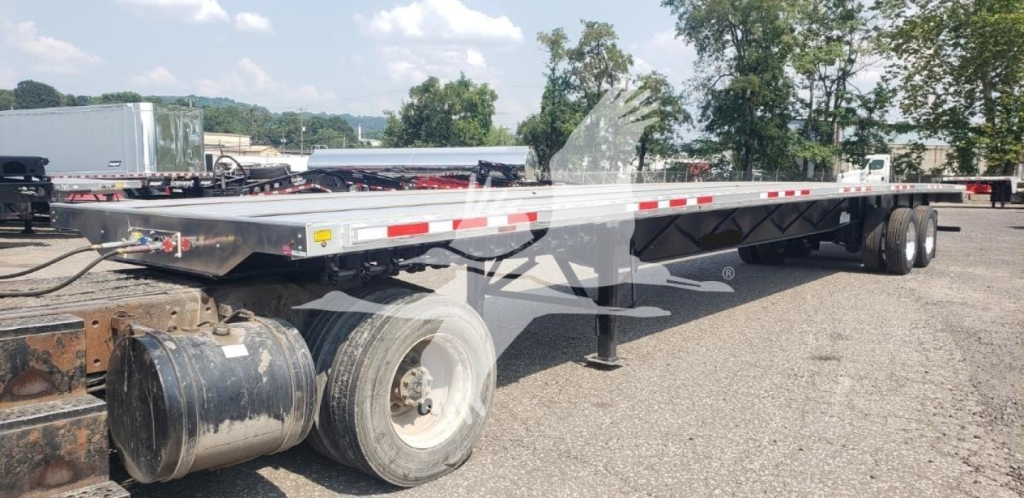
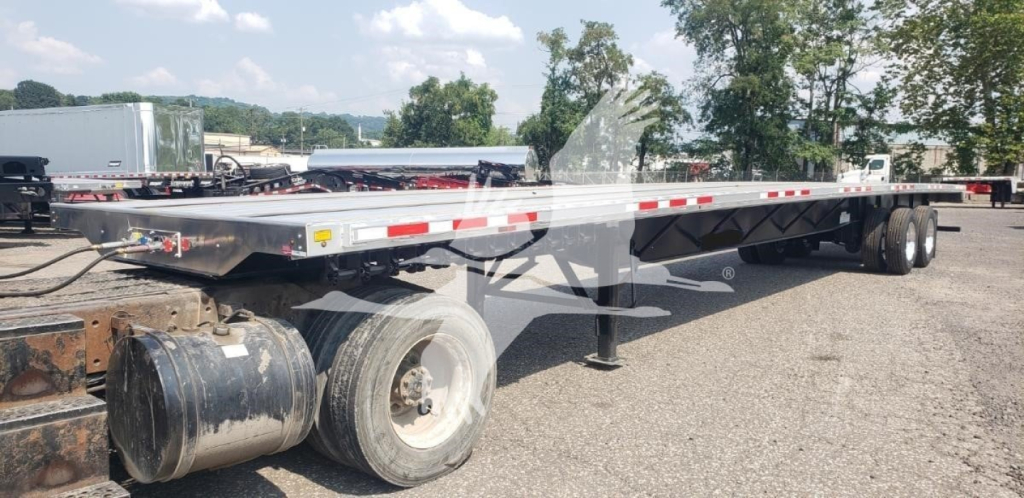
The first buying decision is usually deck style and trailer construction. A Fontaine combo flatbed blends steel and aluminum to reduce tare weight while keeping good durability in high-stress areas, which helps when payload is a priority. Extendable flatbeds are a different tool entirely, built for freight that cannot fit a fixed deck length. Common specs in this category include 48-foot closed length, extension ranges out to 80 feet, 102-inch width, apitong flooring, 12-inch crossmember centers, 6-inch structural channel side rails, roadside winch tracks, sliding winches, and pipe spools. On used units, pay close attention to floor wear, rail condition, extension lock function, and signs of twist or damage around the main beam and draft arm areas.
Suspension and axle configuration also deserve a close look because they affect ride quality, maintenance cost, and loading flexibility. Many Fontaine flatbeds in the used market are tandem axle trailers with sliding tandems and a 49-inch suspension setting. Air ride suspensions are often preferred for more delicate freight and improved ride control, while spring ride can be attractive for simplicity and lower parts cost. Check kingpin setting, landing gear condition, wheel type, tire size, brake condition, and whether lighting has been updated to LED. If the trailer will spend time in Pennsylvania and the surrounding Northeast, corrosion around crossmembers, rear structure, light wiring, and slider assemblies should be inspected carefully, especially on older units exposed to road salt.
A used Fontaine flatbed should also be evaluated by how it matches your freight profile and securement routine. Look at the number and placement of sliding winches, winch track condition, rub rail integrity, stake pockets, spool locations, and rear plug setup. Extendable trailers need extra attention on the inside track system, wear pads, locking positions, and overall extension alignment. For buyers hauling mixed freight, a lighter combo deck may improve revenue per trip. For buyers handling overlength material, an extendable Fontaine can open up specialized loads without stepping into a different trailer class. The best choice comes down to deck length, tare weight, suspension type, and how much structural life remains in the floor, frame, and running gear.
Frequently Asked Questions about Used Fontaine Flatbed Trailers in Pennsylvania
What should I inspect first on a used Fontaine flatbed trailer?
Start with the structure and deck. Inspect the main beams, crossmembers, side rails, rub rails, stake pockets, and flooring for cracks, corrosion, repairs, or impact damage. On Fontaine flatbeds with apitong flooring, look for rot, loose boards, excessive fastener movement, and wear around forklift traffic areas. Then move to the running gear, including suspension, axles, brakes, tires, wheels, slider operation, and lighting. A flatbed can look clean and still have expensive structural or suspension issues underneath.
What is the difference between a Fontaine combo flatbed and a Fontaine extendable flatbed?
A Fontaine combo flatbed is typically built with both aluminum and steel to balance lower tare weight with structural strength, making it a common choice for general freight and payload-sensitive operations. A Fontaine extendable flatbed is designed for overlength freight and uses a telescoping frame or inside track system to increase deck length beyond its closed position. The right choice depends on your freight mix. General building products and machinery often fit a combo flatbed, while pipe, steel components, and long construction materials may require an extendable trailer.
Is air ride or spring ride better on a used flatbed trailer?
Air ride is usually preferred when ride quality matters, especially for freight that is sensitive to shock and vibration. It can also help with driver acceptance and cargo protection. Spring ride is simpler and may have lower repair complexity, which appeals to some fleets and owner-operators focused on durability and cost control. On a used trailer, condition matters more than theory. A well-maintained spring ride may be a better buy than a neglected air ride suspension, so inspect bushings, hangers, airbags if equipped, and alignment-related tire wear.
Why does tare weight matter so much on a used Fontaine flatbed?
Tare weight directly affects payload capacity and revenue potential. A lighter flatbed allows you to legally haul more freight before reaching gross weight limits, which is especially important for dense commodities like steel, building materials, and machinery. Fontaine has a strong reputation in part because many of its flatbed designs aim to keep empty weight competitive without giving up utility. When comparing used trailers, check the actual empty weight against the trailer's construction type, axle setup, and deck length so you know what it will allow on your regular lanes.
What is important to check on a used Fontaine extendable flatbed in Pennsylvania?
Focus on the extension system, locking positions, frame alignment, and corrosion. In Pennsylvania, used trailers may see winter road treatment and mixed operating conditions, so rust around the slider, wiring, rear frame, crossmembers, and extension rails deserves close attention. Make sure the trailer extends smoothly, locks securely at each increment, and shows even wear in the track and sliding components. Also confirm the deck remains square and that the lighting, air lines, and electrical connections are in good shape for regional and interstate work.