
Used 2016 Fontaine Flatbed Trailers For Sale in Pennsylvania
Shop used 2016 Fontaine flatbed trailers in Pennsylvania. Compare deck type, suspension, axle setup, weight, and securement features.
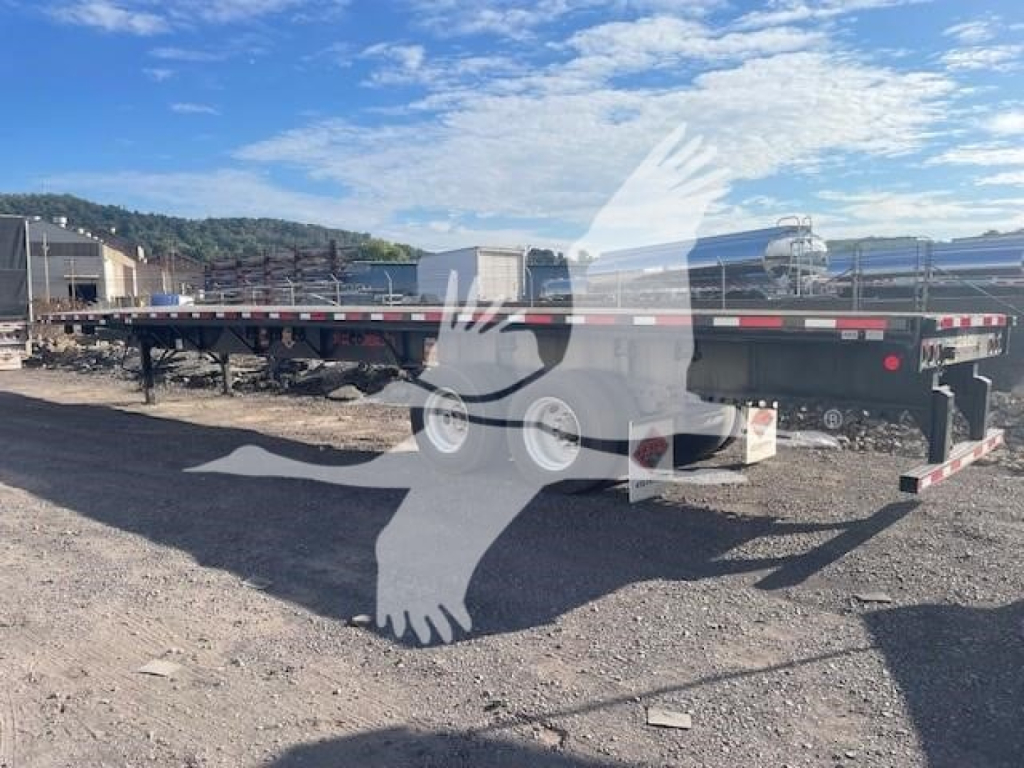
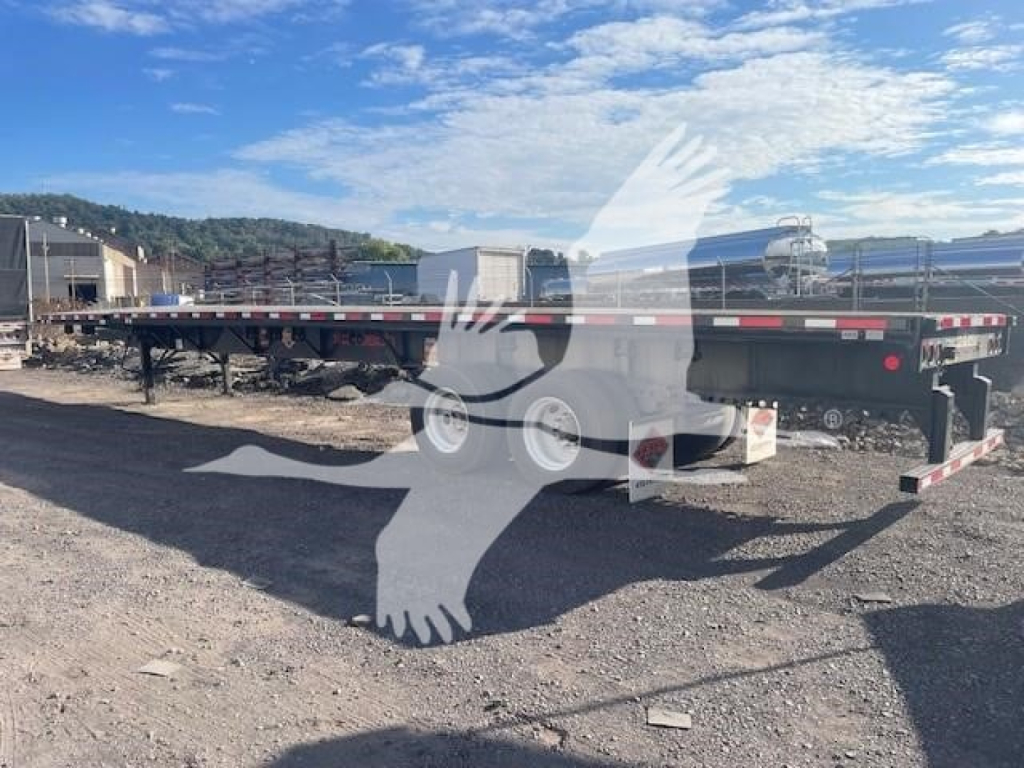
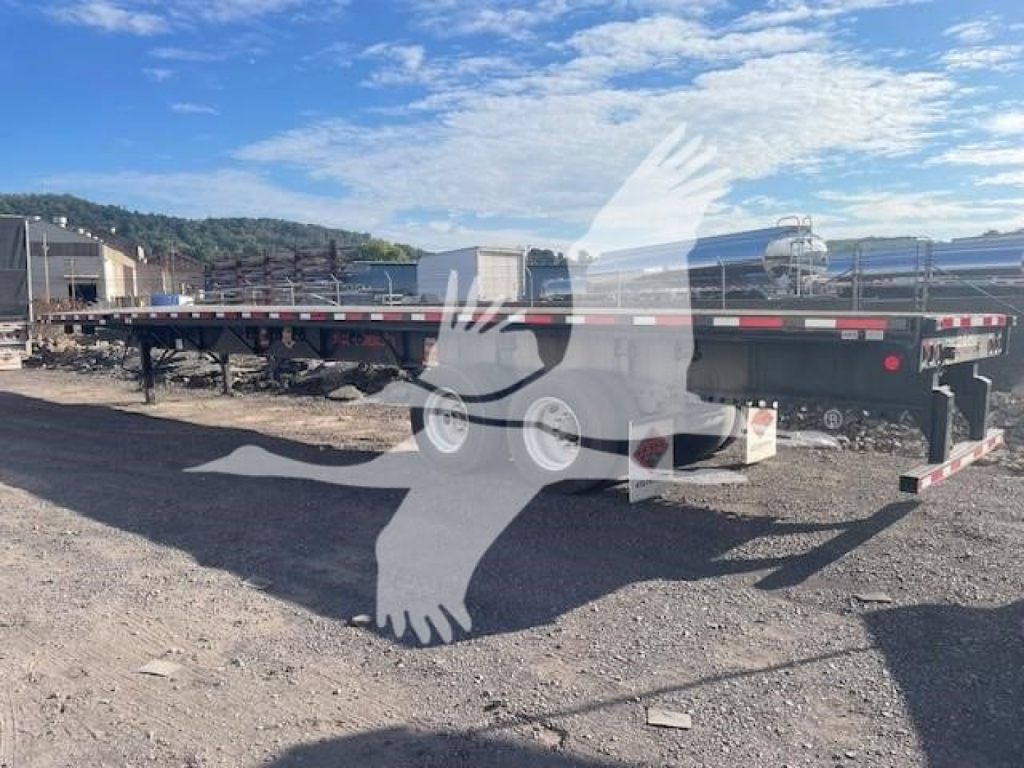
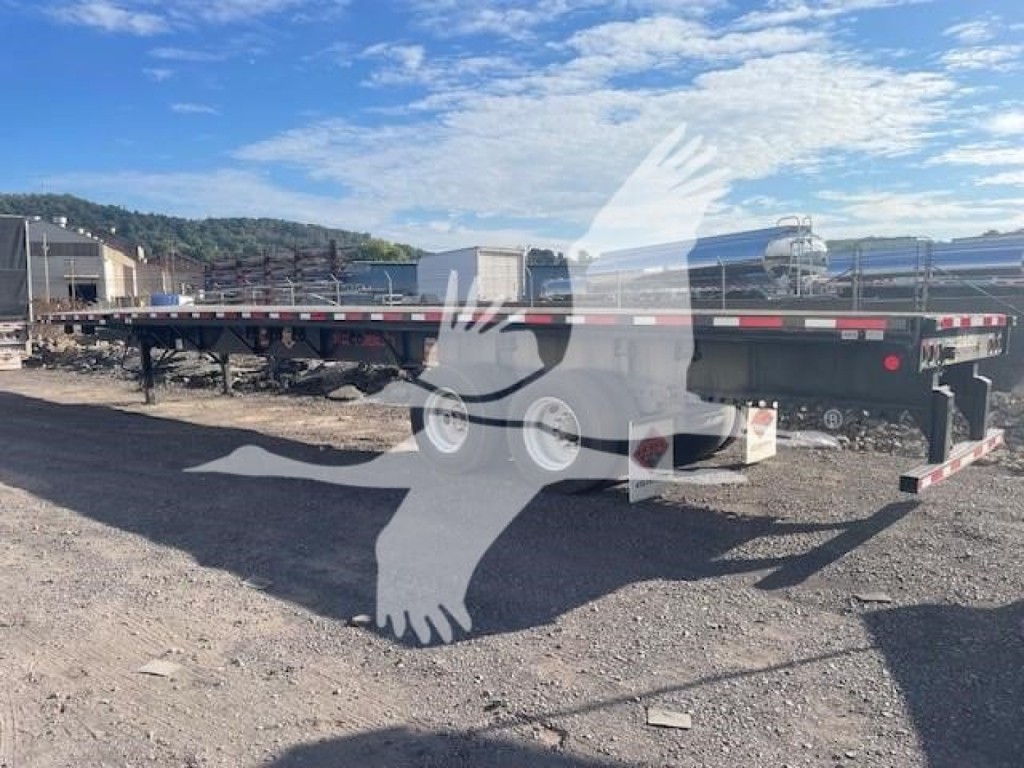
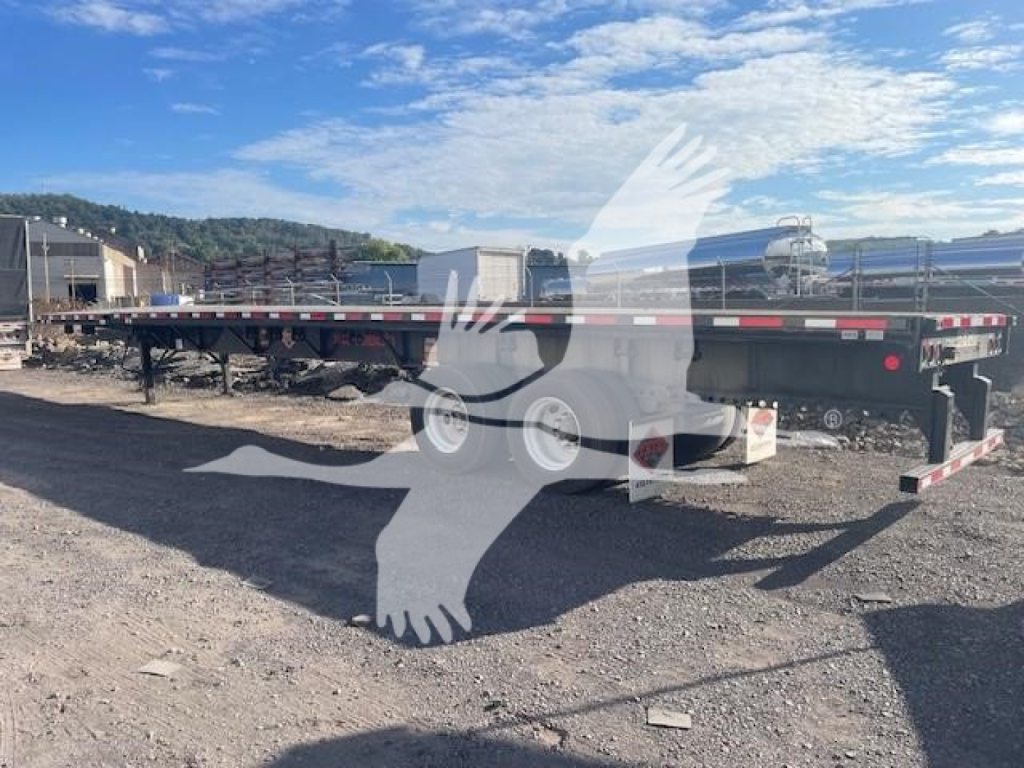
Selling a used 2016 fontaine flatbed trailer? List your used 2016 fontaine flatbed trailer for sale and reach thousands of commercial buyers.
Used 2016 Fontaine Flatbed Trailers in Pennsylvania
The first buying decision is usually deck style and frame construction. Many 2016 Fontaine flatbeds are combo or all-steel designs. A combo flatbed typically uses aluminum and steel to reduce tare weight while keeping strength in high-stress areas, which helps maximize payload on dense freight. Steel flatbeds usually give up some payload but can be attractive for hard-use applications where repair simplicity is a priority. On extendable models, pay attention to extension range, lock positions, inside-track condition, and how the trailer behaves when fully stretched. A 48-foot deck that extends to 80 feet in 5-foot increments can open up specialized work, but it also adds inspection points around the locking system, wiring, and air lines.
Running gear and securement details deserve close attention on any used flatbed trailer, especially in Pennsylvania where road conditions, winter exposure, and corrosion can affect long-term durability. Common specs in this category include tandem axles, air-ride or spring-ride suspension, sliding tandem settings, 22.5-inch tires, two-speed landing gear, and Apitong flooring. Many Fontaine flatbeds are equipped with winch tracks, sliding winches, stake pockets, and pipe spools, all of which directly affect how efficiently the trailer can be loaded and secured. Crossmember spacing, side rail condition, and kingpin setting also matter because they influence deck support, docking behavior, and tractor compatibility.
A smart buyer should look past headline length and focus on usable payload, deck condition, and alignment of the trailer with the freight being hauled. Check the floor for rot or excessive fastener wear, inspect side rails for damage from chains and binders, and look at suspension components, brakes, hubs, and axle alignment for signs of deferred maintenance. On a 2016 Fontaine flatbed, service records and evidence of structural repairs can tell you as much as the spec sheet. The right trailer in this category is the one that balances weight, deck strength, securement layout, and suspension type for the lanes and commodities you run most often.
Frequently Asked Questions about Used 2016 Fontaine Flatbed Trailers in Pennsylvania
What should I inspect first on a used 2016 Fontaine flatbed trailer?
Start with the frame, side rails, crossmembers, and deck floor. Those areas show how the trailer was actually used and whether it has been overloaded, struck by forklifts, or exposed to heavy chain wear. After that, inspect the suspension, brakes, tires, hubs, landing gear, lighting, and all securement hardware such as winch tracks, sliding winches, and stake pockets. On extendable models, inspect the extension rails, lock pins, air and electrical routing, and signs of uneven wear when extended.
Is an air-ride or spring-ride Fontaine flatbed better?
It depends on the freight and operating priorities. Air-ride suspension is generally preferred for more delicate cargo, improved ride quality, and better load protection. Spring-ride suspension is simpler and can be attractive for buyers focused on lower complexity and straightforward maintenance. Both are common in flatbed applications, so the better choice comes down to cargo sensitivity, maintenance practices, and driver preference.
What is the advantage of a Fontaine combo flatbed versus an all-steel flatbed?
A combo flatbed uses a mix of aluminum and steel to reduce trailer weight while maintaining strength where it is most needed. That lower tare weight can improve legal payload capacity, which matters when hauling dense commodities. An all-steel flatbed is typically heavier, but many buyers like it for demanding applications where ruggedness and ease of structural repair are priorities. The best choice depends on whether payload or repair simplicity matters more in your operation.
Are extendable 2016 Fontaine flatbeds worth considering for general freight?
They can be, but only if the freight mix justifies the added complexity. An extendable flatbed is valuable for long material, structural components, pipe, and equipment that exceeds a standard 48-foot deck. If most loads are standard building products or machinery that fit a fixed deck, a standard flatbed may be lighter, simpler, and easier to maintain. Buyers should weigh the revenue potential of occasional long loads against added inspection and maintenance points.
Why do deck and securement features matter so much on a flatbed trailer?
On a flatbed, the deck and securement system are the working heart of the trailer. Floor material such as Apitong affects durability and forklift resistance, while stake pockets, winch tracks, sliding winches, and pipe spools determine how quickly and correctly a load can be secured. A trailer with the right securement layout for your freight can reduce loading time, improve legal compliance, and help prevent cargo damage or load shifts on the road.