
Used 2016 Fontaine Flatbed Trailers For Sale
Shop used 2016 Fontaine flatbed trailers. Compare extendable and fixed deck specs, weight, suspension, deck condition, and load securement features.
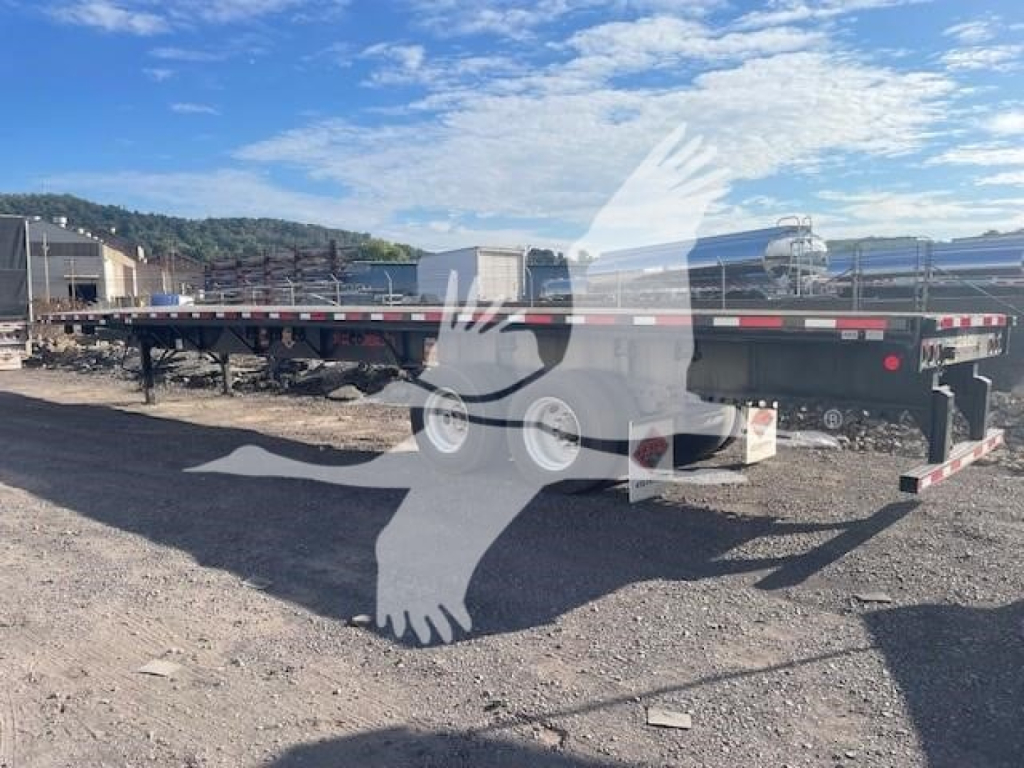
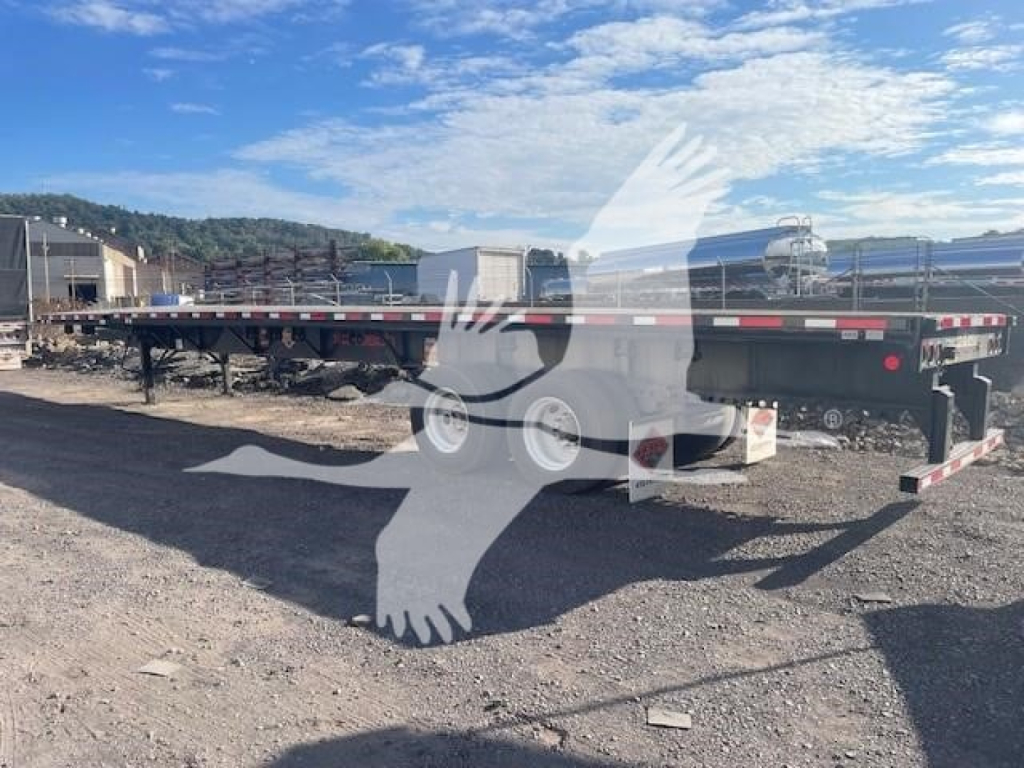
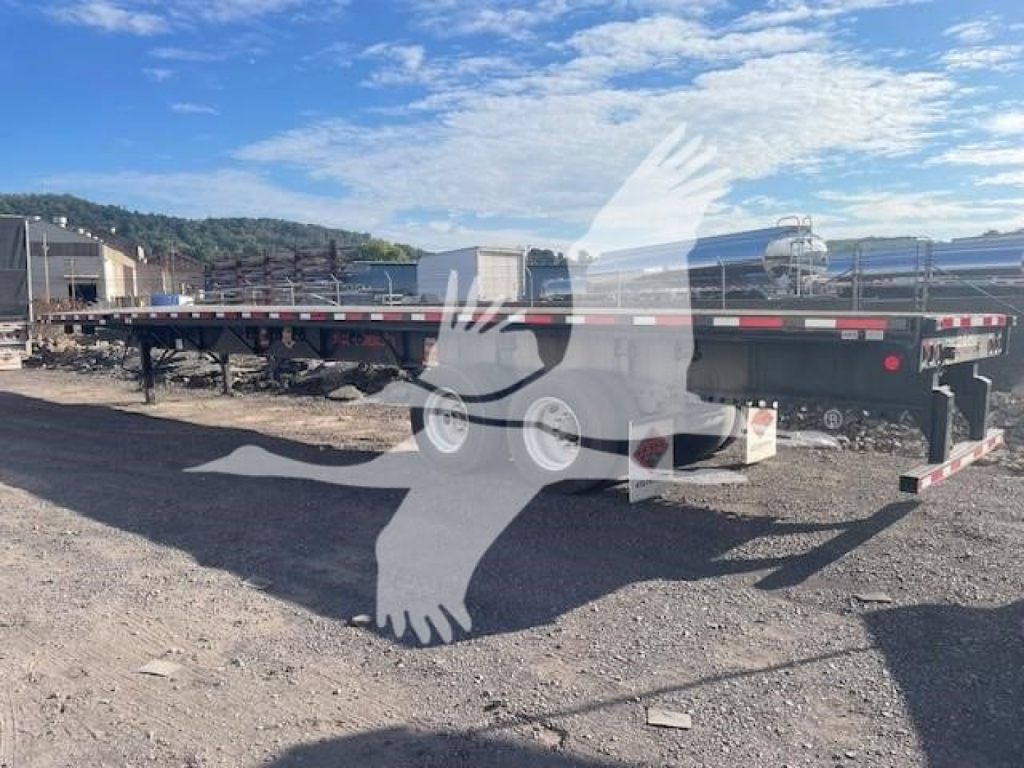
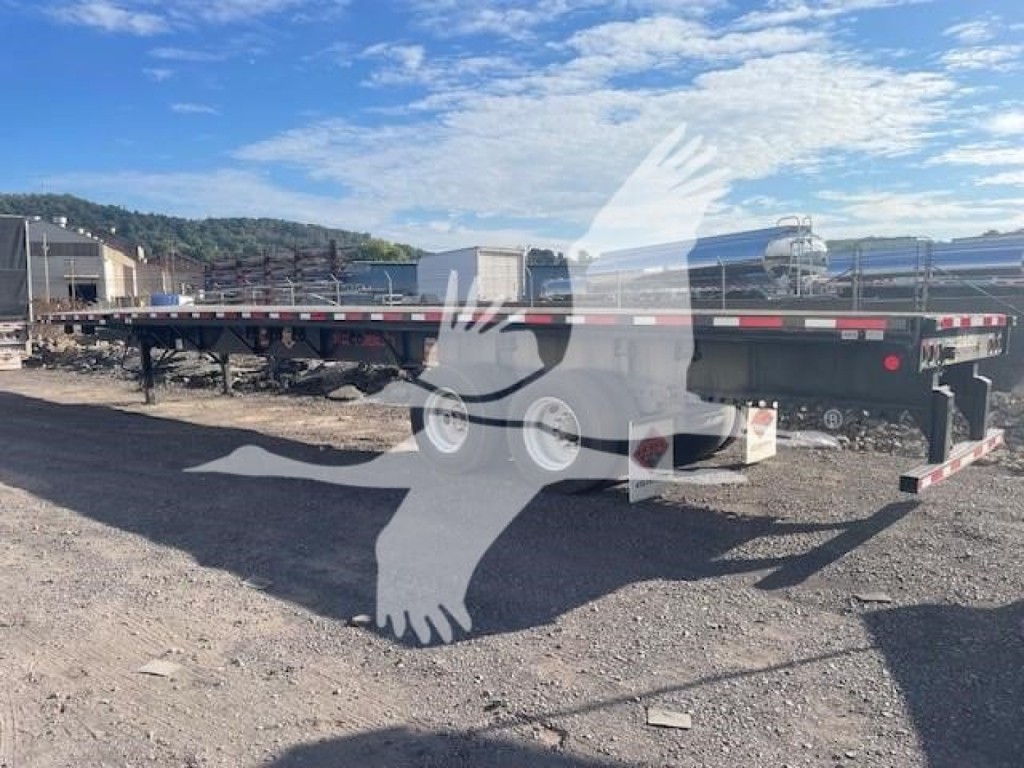
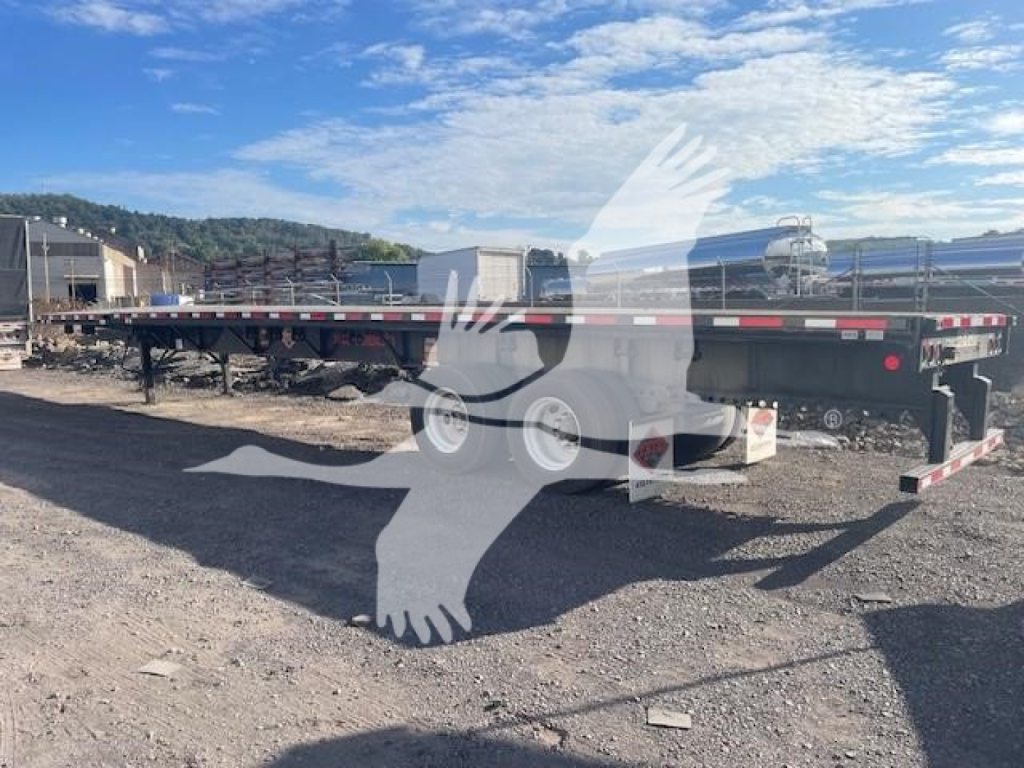
Selling a used 2016 fontaine flatbed trailer? List your used 2016 fontaine flatbed trailer for sale and reach thousands of commercial buyers.
Used 2016 Fontaine Flatbed Trailers
On a 2016 Fontaine flatbed, the big checkpoints are deck material, main beam condition, crossmember spacing, side rail integrity, and the working condition of the sliding tandem. Many trailers in this class use 1 1/8-inch Apitong flooring, a common choice because it holds up well under forklifts and repeated loading. Look closely for cracked or patched boards, bent crossmembers, rail damage around winch tracks, and signs of concentrated loading over the axles. Kingpin setting, tandem slide range, and suspension type also matter. A spring ride setup is simple and durable, while air ride is preferred for more sensitive freight and can help with ride quality. Tire size, wheel type, brake condition, and bushing wear all affect how much reconditioning a used trailer may need before it goes straight to work.
Fontaine extendable flatbeds from this period are especially relevant for carriers that need more flexibility than a standard 48-foot deck offers. Common specs include 5-foot extension increments, 80,000-pound distributed ratings, 24-inch kingpin settings, and tandem suspensions set around 49 inches. An extendable trailer can open up higher-paying freight, but it also adds areas to inspect carefully, including the inside track system, extension locks, air and electrical routing, and wear points where the deck telescopes. If your lanes are mostly legal-length building products or palletized freight, a standard flatbed may be the simpler and lighter option. If you regularly haul long steel, tubing, or equipment, the extendable design can justify the extra complexity.
For a buyer comparing used 2016 Fontaine flatbed trailers, value comes from matching the trailer's structure and spec to the freight mix. Check for enough winches, a usable winch track, sound rub rails, stake pockets that are not stretched or torn, and lighting that meets current compliance standards. It also helps to review axle rating, landing gear condition, and any evidence of frame repairs or corrosion around the rear bolster and suspension hangers. A well-kept 2016 Fontaine can still be a productive open-deck trailer if the deck is straight, the slide moves properly, and the securement hardware supports the kind of cargo you haul every day.
Frequently Asked Questions about Used 2016 Fontaine Flatbed Trailers
What should I inspect first on a used 2016 Fontaine flatbed trailer?
Start with the frame, deck, and suspension. Check the main beams for cracks, prior repairs, and corrosion, then inspect crossmembers, side rails, stake pockets, and rub rails for damage from chains, forklifts, or overloaded freight. On the deck, look for broken Apitong boards, soft spots, or uneven wear. After that, inspect brakes, tires, wheel ends, air lines, lights, landing gear, and the sliding tandem to see how much service work the trailer may need.
Are 2016 Fontaine flatbeds available as both standard and extendable trailers?
Yes. Fontaine built both standard flatbeds and extendable flatbed trailers, sometimes called stretch flatbeds, in this era. A standard 48-foot trailer is usually the lighter and simpler option for general freight. An extendable version gives more deck length for long materials and specialized freight, but it adds mechanical components and wear points that need closer inspection.
Is spring ride or air ride better on a used flatbed trailer?
It depends on the freight and operating priorities. Spring ride is straightforward, durable, and often less expensive to maintain. Air ride is typically preferred for loads that benefit from a smoother ride, and many carriers like it for more premium or damage-sensitive freight. On a used 2016 trailer, condition matters more than theory, so inspect bushings, hangers, air bags, shocks, and alignment before deciding.
What load securement features matter most on a Fontaine flatbed?
The most important features are sound winch tracks, enough sliding winches for your typical loads, straight rub rails, and stake pockets that still hold securement gear correctly. Buyers should also check for pipe spools, chain tie-down points, and any damage where binders and straps have been used heavily. If the trailer will haul steel, machinery, or mixed open-deck freight, a solid securement layout saves time and reduces load planning problems.
How do I know if an extendable Fontaine flatbed is worth it?
An extendable flatbed is worth the extra weight and maintenance when longer freight is a regular part of the business. If the trailer will often haul pipe, steel beams, long machinery, or other overlength cargo, the ability to extend in set increments adds real versatility. If most loads fit a standard 48-foot deck, a fixed flatbed is usually lighter, easier to maintain, and often the better value.