
Used 2020 Fontaine Flatbed Trailers For Sale in Pennsylvania
Browse used 2020 Fontaine flatbed trailers in Pennsylvania. Compare deck length, suspension, tandem settings, flooring, and load securement specs.
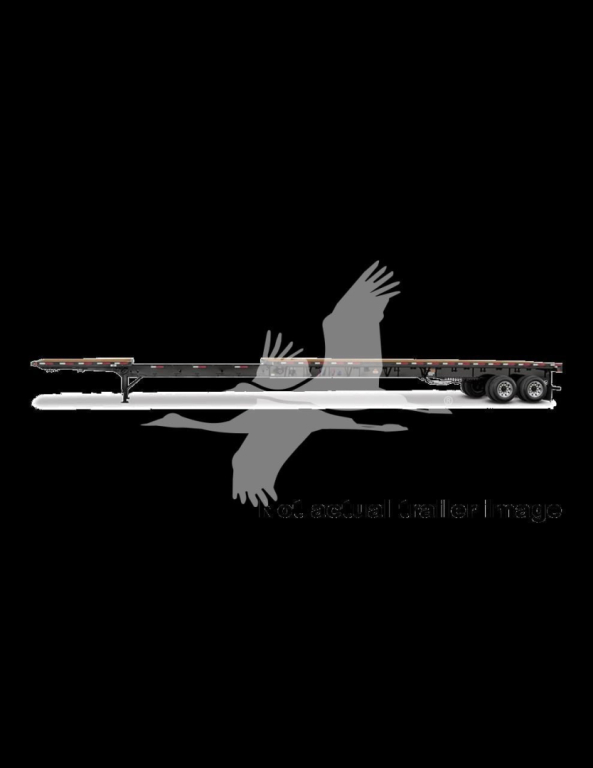
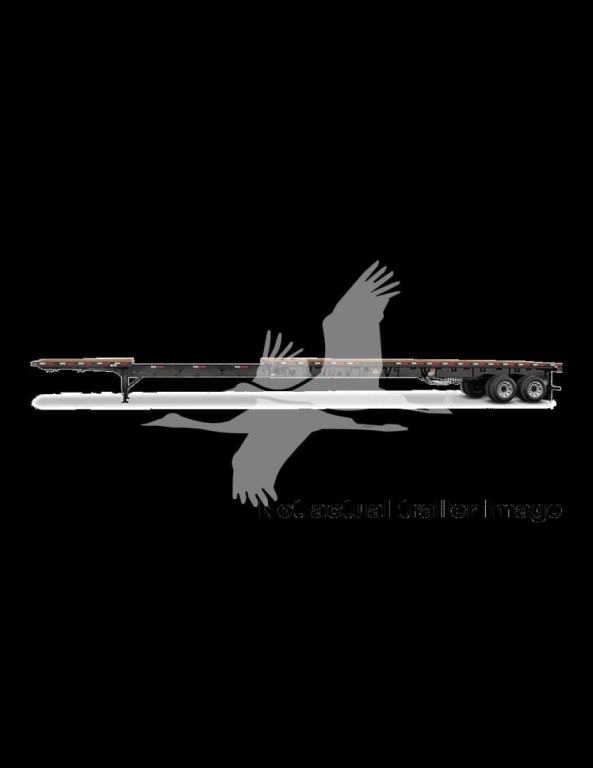
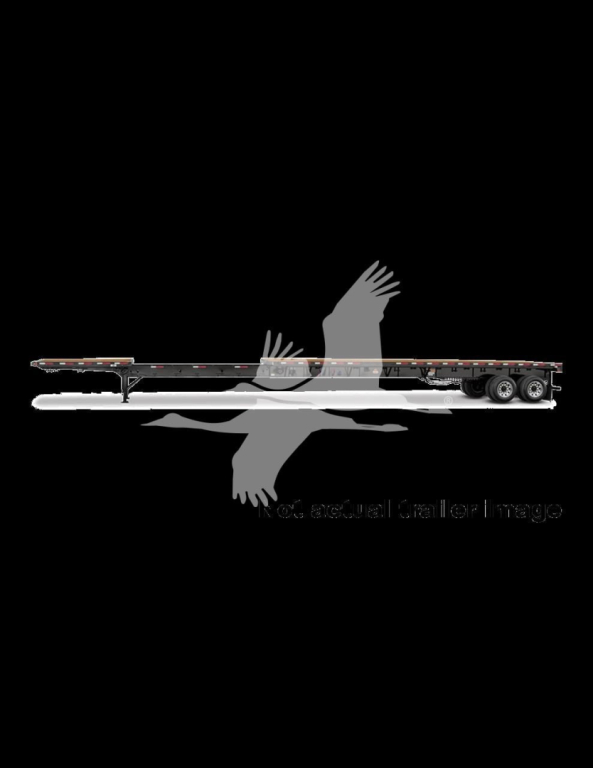
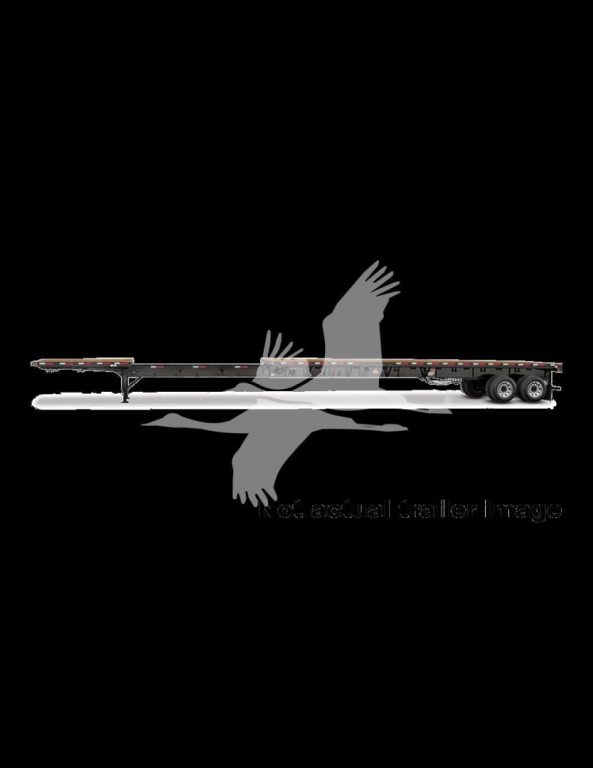
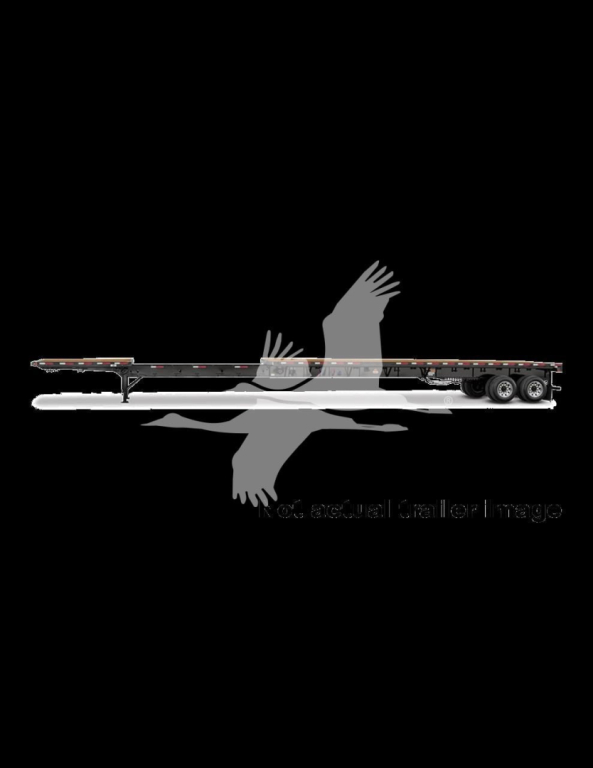
Selling a used 2020 fontaine flatbed trailer? List your used 2020 fontaine flatbed trailer for sale and reach thousands of commercial buyers.
Used 2020 Fontaine Flatbed Trailers in Pennsylvania
The first things to compare are deck length, axle configuration, suspension type, and tandem setting. Many Fontaine flatbeds are 48-foot by 102-inch trailers, though some buyers may also see extendable models in the broader Fontaine lineup. A standard 48-foot flatbed is usually the better choice for everyday legal freight, while an extendable trailer makes more sense for longer structural loads or specialized jobs. Common details worth checking include a 24-inch kingpin setting, sliding tandem position, crossmember spacing, and whether the trailer runs spring ride or air ride. Air ride can be a better match for freight that needs a smoother ride, while spring ride remains simple and durable for general commodity hauling.
Deck and securement specs make a big difference on a used flatbed. Many Fontaine trailers use apitong flooring, which is popular because it holds up well under forklifts and repeated loading cycles. Buyers should inspect floor condition, side rail wear, winch track condition, sliding winches, stake pockets, chain tie-down points, and any coil package or pipe spool setup if the operation needs it. Tire size, wheel material, landing gear condition, lighting, and brake life also deserve a close look. On a Pennsylvania trailer, corrosion exposure matters, so it is smart to pay extra attention to the frame, crossmembers, rear structure, and any areas where road salt and moisture tend to collect.
A 2020 Fontaine flatbed can be a strong value when the trailer has been maintained well and the spec matches the freight mix. Buyers should verify GVWR, empty weight, deck height, and axle spread against the loads they actually haul. It also helps to confirm whether the trailer is set up for tarping systems, oversized load work, or standard van-replacement flatbed freight. The right used Fontaine flatbed is not just about price. It is about getting a trailer with the securement layout, structural condition, and suspension setup that keeps freight moving efficiently and legally.
Frequently Asked Questions about Used 2020 Fontaine Flatbed Trailers in Pennsylvania
What should I inspect first on a used 2020 Fontaine flatbed trailer?
Start with the structural items that affect safety, legal compliance, and long-term repair cost. Inspect the main frame, crossmembers, side rails, floor condition, suspension components, brakes, tires, wheels, and tandem slide assembly. On a Pennsylvania-used trailer, rust and corrosion around crossmember connections, rear impact area, and landing gear mounts deserve extra attention. Securement equipment such as winch tracks, sliding winches, stake pockets, and tie-down points should also be checked carefully because worn securement hardware affects day-to-day usability.
Are Fontaine flatbed trailers good for general freight hauling?
Fontaine flatbed trailers are widely used for general open-deck freight because their specs tend to be practical and easy to match to common commodities. They are often used for steel, lumber, machinery, palletized materials, pipe, and construction-related loads. A standard 48-foot Fontaine flatbed with a solid floor, good side rails, and functional winches can cover a broad range of freight without requiring a highly specialized setup.
What is the difference between a standard flatbed and a Fontaine extendable flatbed?
A standard flatbed has a fixed deck length, commonly 48 feet, and is usually the best choice for routine legal loads with predictable dimensions. A Fontaine extendable flatbed, sometimes called a stretch flatbed, can lengthen to handle longer freight such as structural steel, long pipe, trusses, or utility components. The tradeoff is that extendable trailers are heavier, more specialized, and should be evaluated closely for extension rail wear, locking mechanism condition, and alignment.
Is air ride or spring ride better on a used flatbed trailer?
Air ride generally provides a smoother ride and can be a better fit for freight that is sensitive to shock or vibration. Spring ride is simpler, durable, and often less expensive to maintain. The better choice depends on the freight profile and maintenance preference. On a used 2020 Fontaine flatbed, condition matters as much as suspension type, so buyers should inspect bushings, hangers, axle alignment, and ride-height related components before deciding.
Why does deck flooring matter on a used flatbed trailer?
Deck flooring affects load support, forklift durability, securement performance, and replacement cost. Apitong flooring is common on flatbeds because it handles repeated loading well and offers solid wear characteristics. On a used trailer, buyers should look for rot, splitting, soft spots, loose boards, and damage around high-traffic loading areas. Good flooring helps maintain safe loading conditions and keeps the trailer useful across a wider mix of freight.