
Used Wabash Flatbed Trailers For Sale in Pennsylvania
Browse used Wabash flatbed trailers in Pennsylvania. Compare 48' and 53' air ride sliders, deck specs, beam ratings, and securement features.
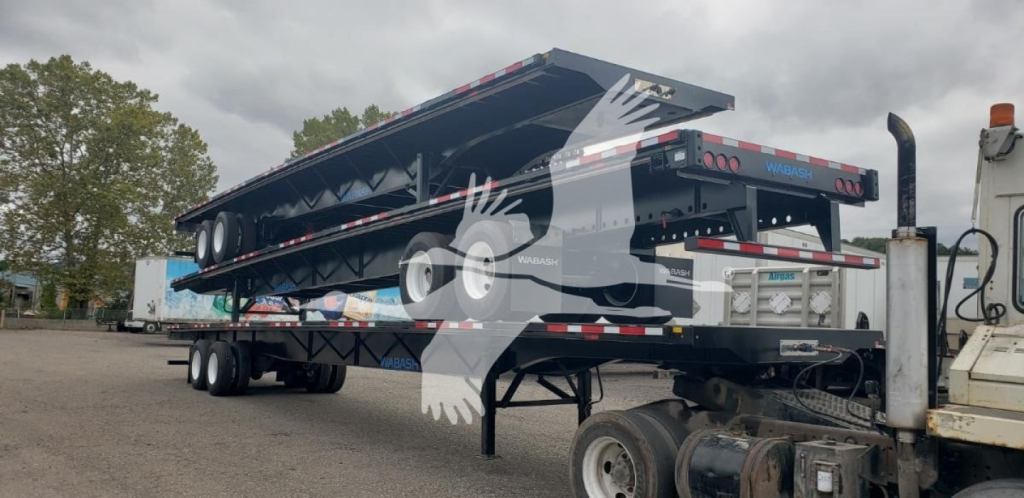
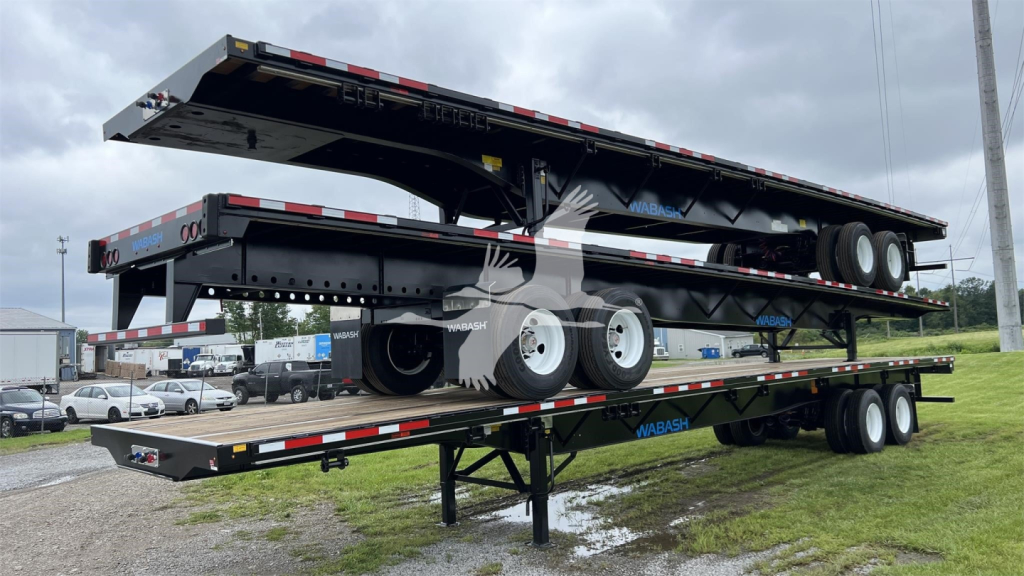
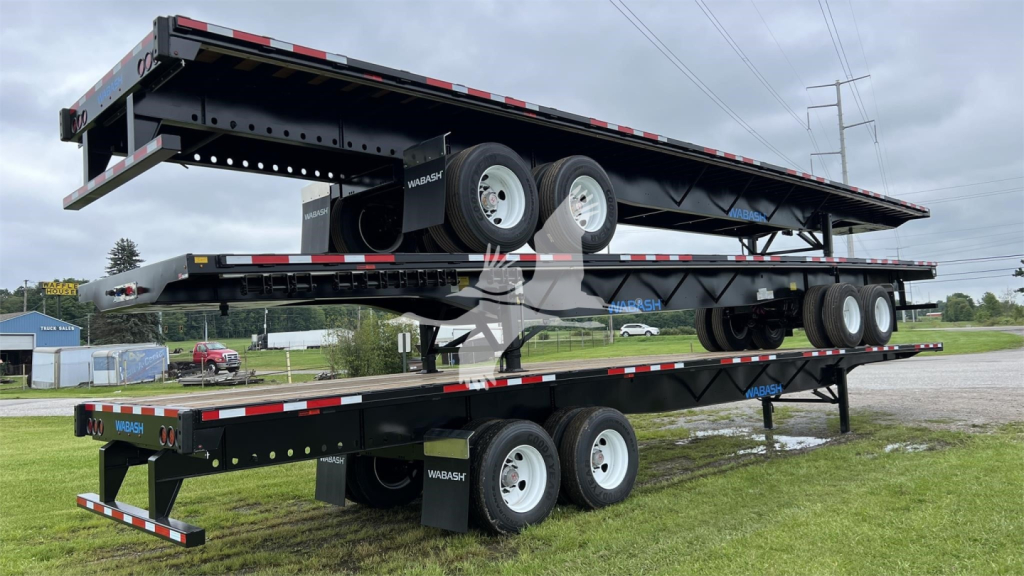
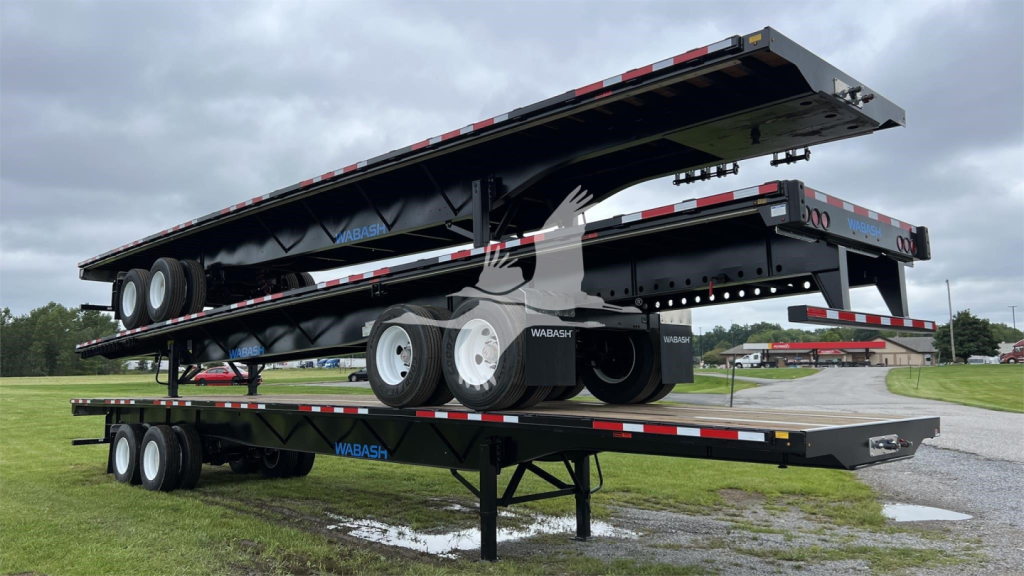
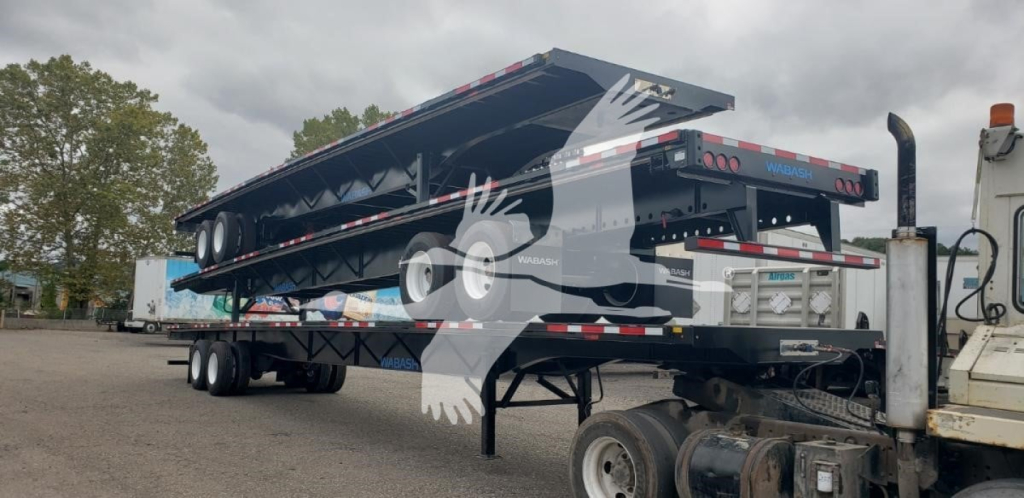
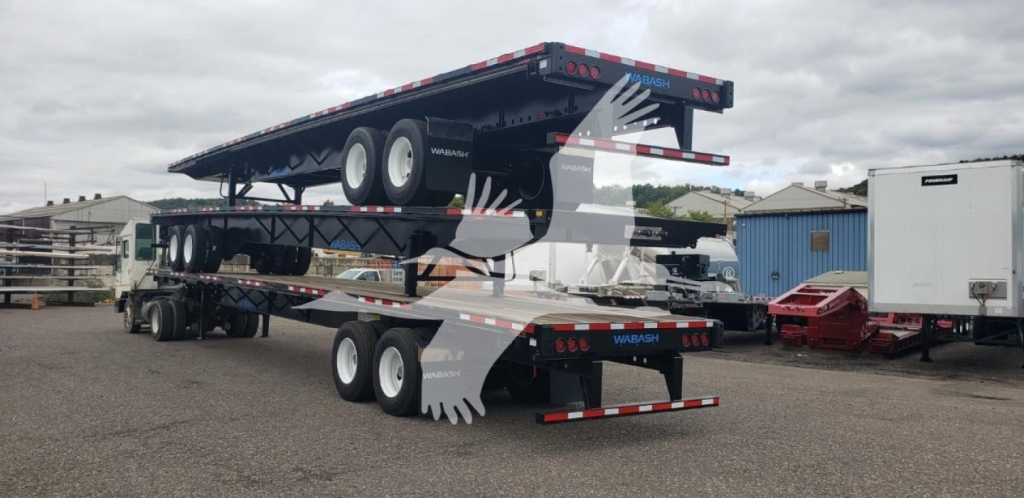
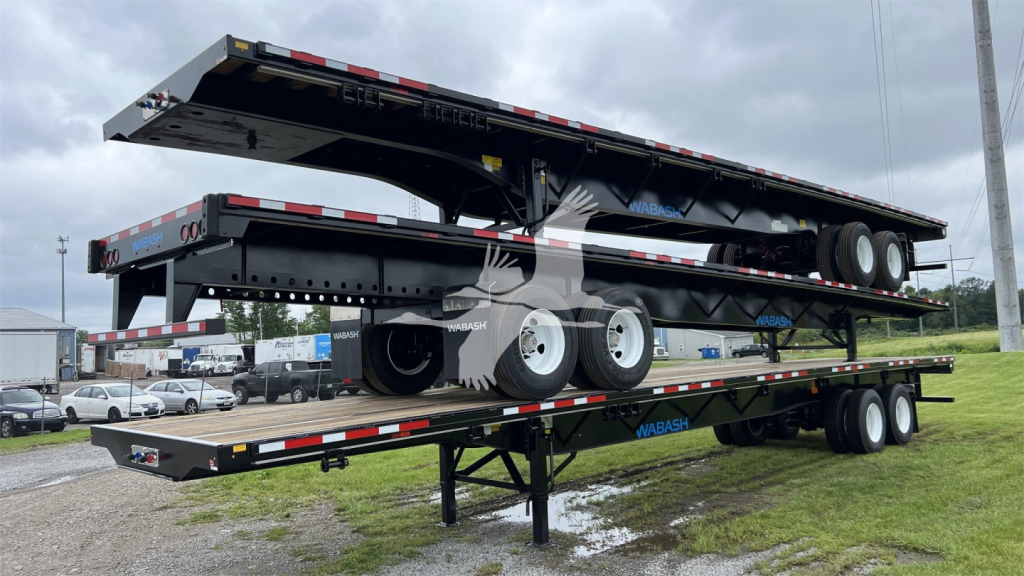
Selling a used wabash flatbed trailer? List your used wabash flatbed trailer for sale and reach thousands of commercial buyers.
Used Wabash Flatbed Trailers in Pennsylvania
A lot of late-model Wabash flatbeds on the market are 48-foot or 53-foot steel air slider configurations with 102-inch overall width, tandem axles, and air ride suspension. Common specs include a 49-inch spread slider, 30-inch kingpin setting, 12-inch crossmember spacing, and 1 1/8-inch Apitong flooring. Buyers comparing used units should look closely at beam rating, floor condition, side rail integrity, and the condition of the slider mechanism. A trailer with a solid floor, straight frame, healthy suspension bushings, and smooth slider operation will usually matter more in day-to-day service than cosmetic appearance alone.
Securement setup is another key buying point on a Wabash flatbed trailer. Many are equipped with roadside winch tracks, tie bars on the curbside, double pipe spools, and sliding winches that make the trailer easier to adapt across different commodities. Steel side rails, LED lighting, Jost two-speed landing gear, and common tire sizes like 11R22.5 are also worth noting because they affect serviceability and replacement cost. For buyers running heavy concentrated loads, it is worth confirming beam capacity and checking for deck repairs, crossmember fatigue, and wear around winch track attachment points.
For a used flatbed trailer in Pennsylvania, corrosion exposure and prior duty cycle deserve extra attention. Road salt, seasonal weather, and dense regional freight can accelerate wear on wiring, brake components, suspension hardware, and rear frame sections. A well-kept Wabash flatbed can still offer strong value if the structure is sound and the trailer matches the freight profile. The best buying decision usually comes down to load length, axle flexibility, securement layout, and how easily the trailer can stay compliant and productive in your lane mix.
Frequently Asked Questions about Used Wabash Flatbed Trailers in Pennsylvania
What are the most common sizes for used Wabash flatbed trailers?
The most common sizes are 48-foot and 53-foot flatbeds with a 102-inch width. A 48-foot trailer is still a standard choice for many steel and building material applications, while a 53-foot flatbed gives more deck space for longer freight and can improve load planning flexibility. The right length depends on the commodity, customer requirements, and how often axle spread and bridge compliance affect your routes.
What should I inspect first on a used Wabash flatbed trailer?
Start with the structural items that affect safety, payload, and service life. Check the main beams, crossmembers, side rails, floor condition, and rear frame for cracks, bends, corrosion, or weld repairs. After that, inspect the suspension, slider rails, brakes, tires, lighting, and landing gear. On a flatbed, worn flooring, damaged securement components, and fatigue around winch track areas can be just as important as axle and brake condition.
Is an air ride slider a good choice on a flatbed trailer?
An air ride slider is a strong choice for many flatbed operations because it helps protect freight, improves ride quality, and gives flexibility in axle positioning for bridge laws and load distribution. That matters when hauling mixed commodities or operating in states where axle settings can affect legal payload. The tradeoff is added mechanical complexity compared with a fixed tandem, so buyers should verify the slider locks, suspension components, and rail condition are all in good working order.
Why is Apitong flooring common on flatbed trailers?
Apitong is widely used because it is durable, dense, and holds up well under repeated forklift traffic, chained loads, and rough freight handling. A 1 1/8-inch Apitong deck is a common spec on heavy-duty flatbeds and is valued for strength and long service life. On a used trailer, buyers should still inspect for soft spots, loose boards, moisture damage, and prior deck repairs, especially near the rear and around high-traffic loading zones.
How important is beam rating on a used flatbed trailer?
Beam rating is one of the most important specs because it indicates how the trailer is designed to carry concentrated weight over a specified area. For example, a published rating such as 55,000 pounds in 4 feet gives a better picture of heavy-load capability than gross assumptions about the trailer alone. Buyers hauling steel, machinery, or other dense freight should always match the beam rating to their actual load profile and not rely only on overall trailer size or suspension type.