
Used Wabash Flatbed Trailers For Sale
Shop used Wabash flatbed trailers with steel construction, Apitong decks, air ride or spring ride, and specs suited for general freight and steel haul.
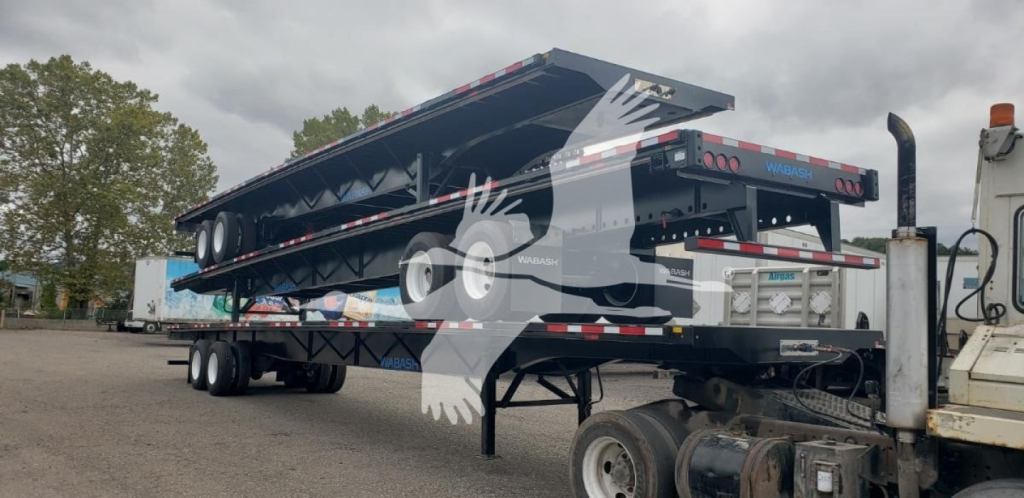
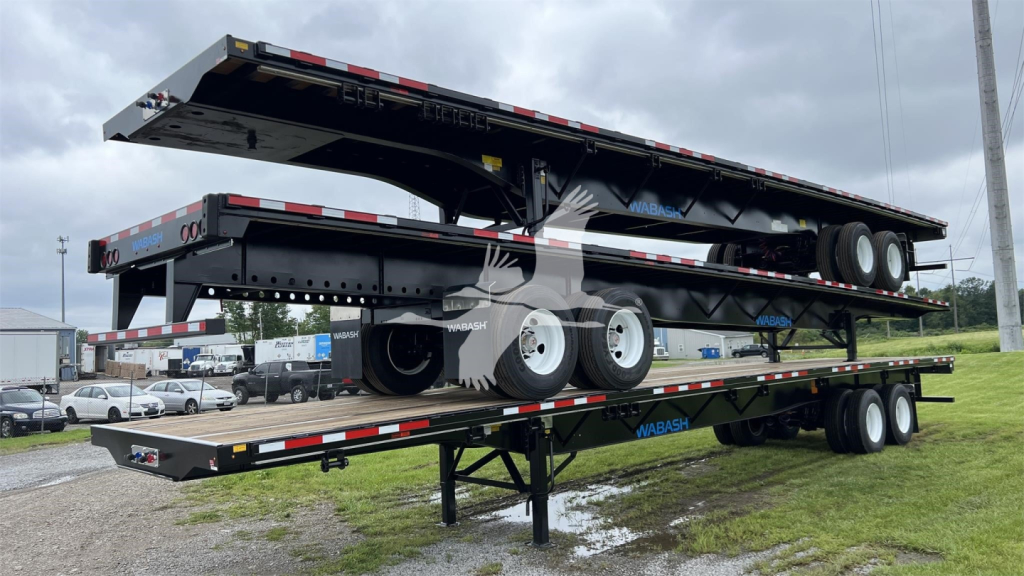
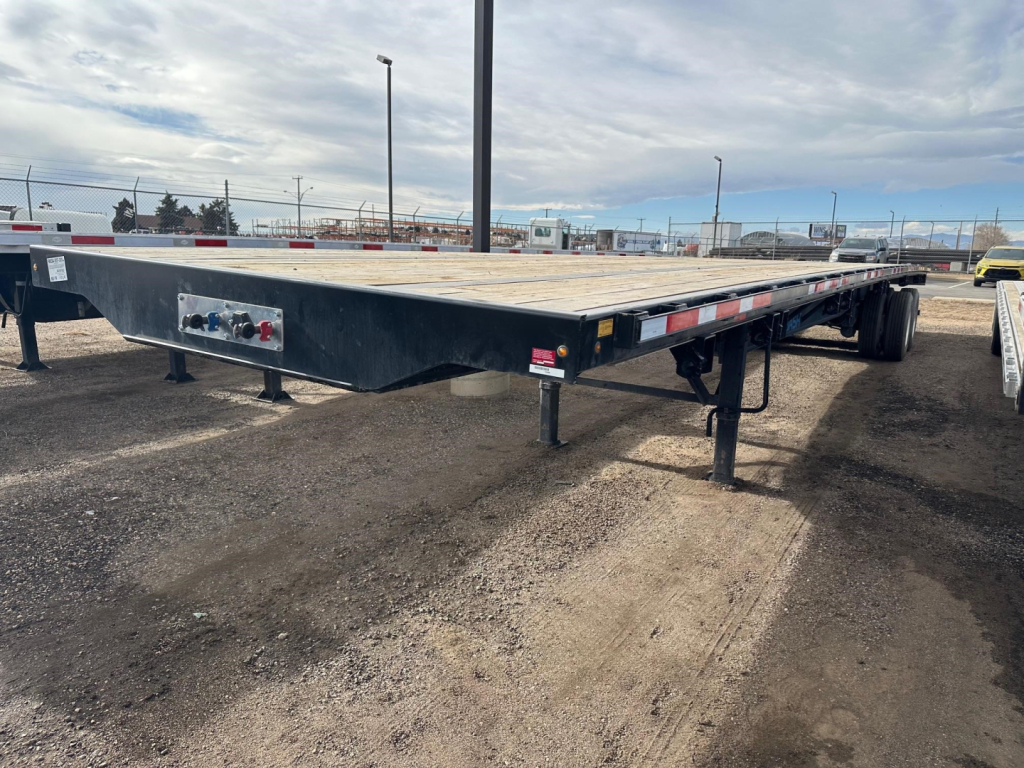
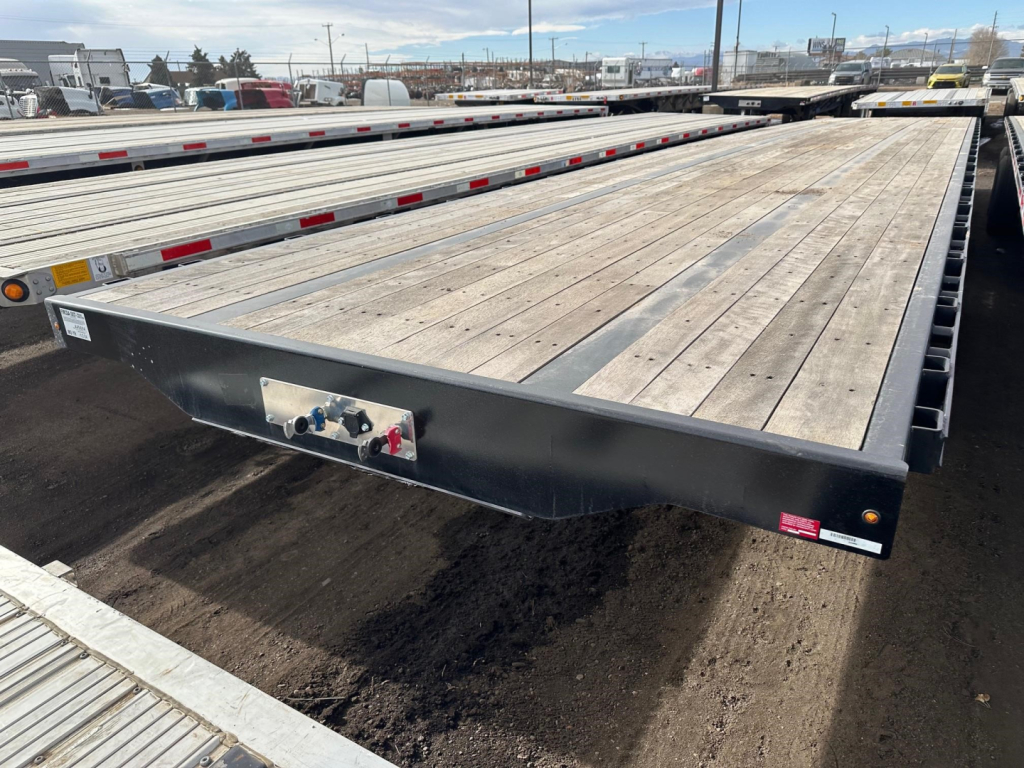
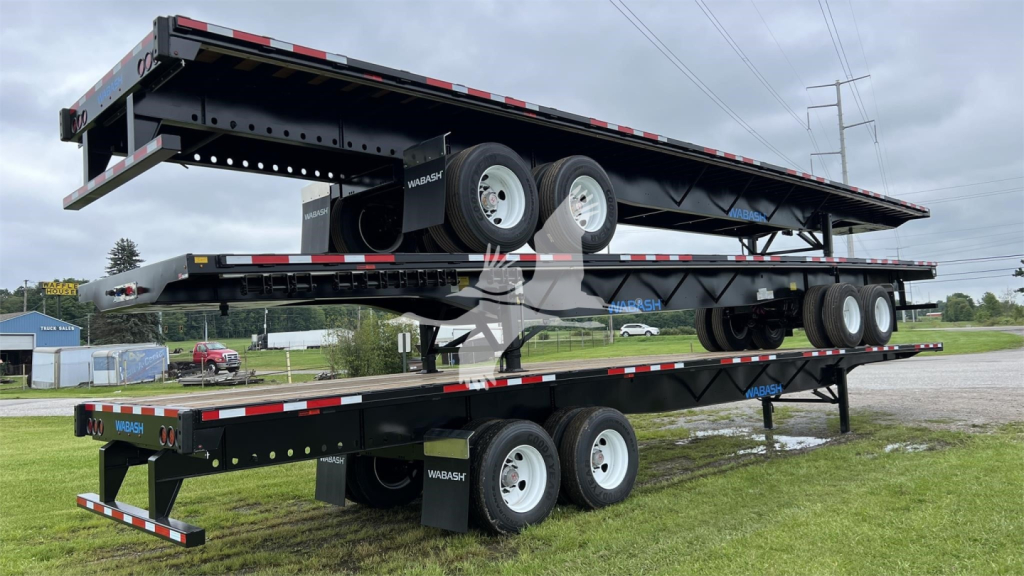
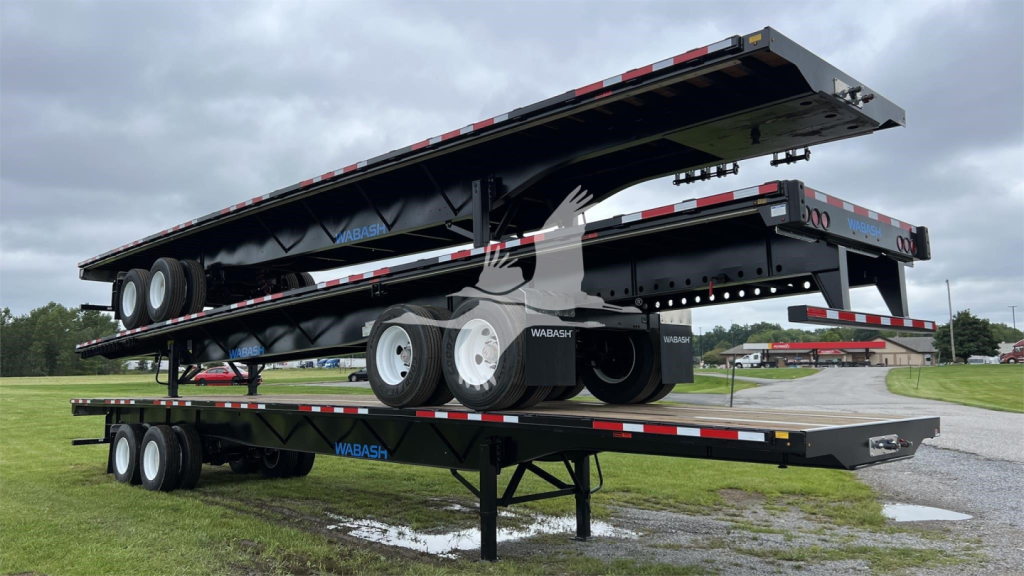
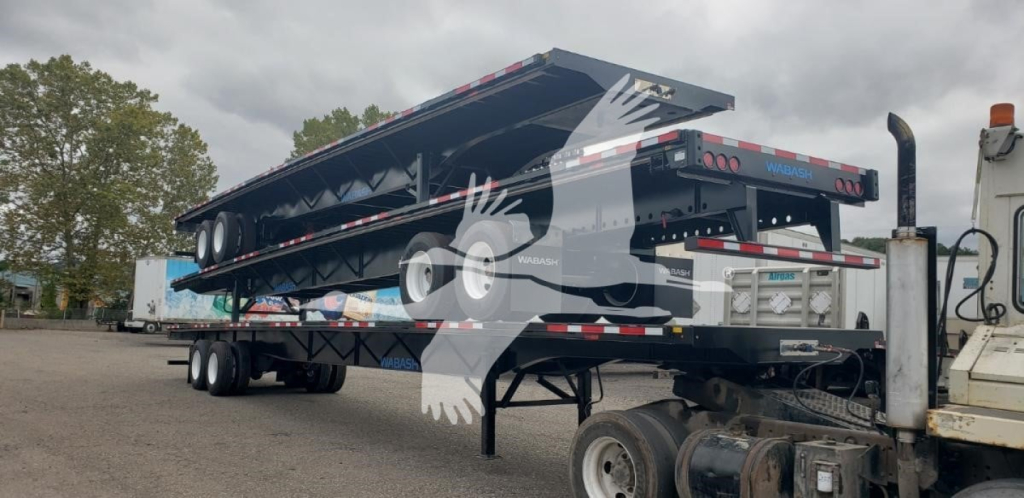
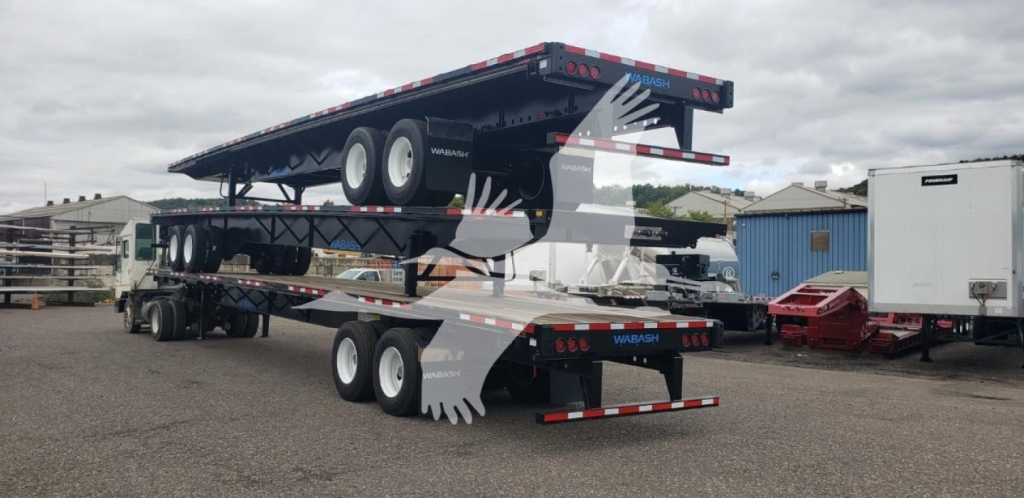
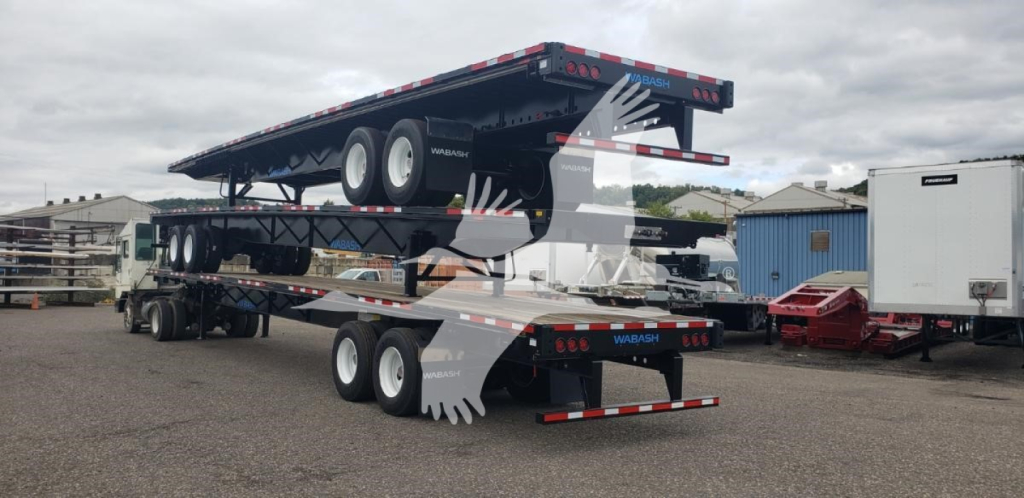
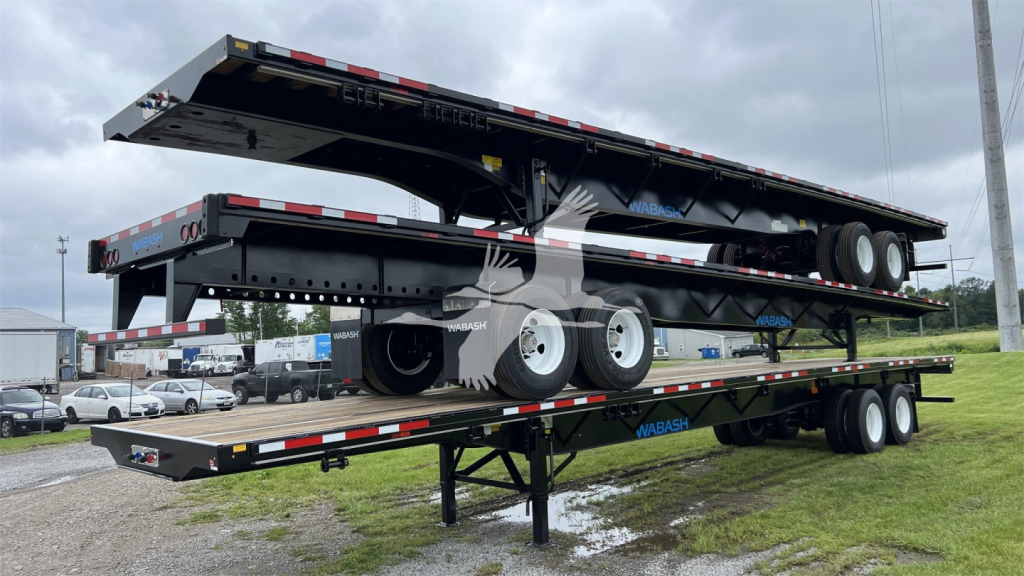
Selling a used wabash flatbed trailer? List your used wabash flatbed trailer for sale and reach thousands of commercial buyers.
Used Wabash Flatbed Trailers
The biggest spec split is usually air ride versus spring ride. Air ride setups, often paired with a sliding tandem or air pin slider, can be a better fit for shippers that care about ride quality, cargo protection, and dock-to-dock versatility. Spring ride remains attractive for buyers who want mechanical simplicity and lower maintenance complexity. On used Wabash flatbeds, it is worth checking tandem spread, slider function, suspension brand, and kingpin setting because those details affect bridge compliance, load placement, and compatibility with your tractors and operating lanes. A 49-inch spread, 30-inch kingpin setting, and 22.5 rubber are common fleet-type specs that support broad interchangeability.
Deck and understructure condition matter more on a used flatbed than paint or cosmetics. Buyers should look closely at the Apitong floor for rot, forklift damage, fastener pull-through, and excessive board replacement. Inspect crossmember spacing, main beam flange condition, side rail straightness, and areas around stake pockets, winch track mounts, and rear impact guard attachments. On steel Wabash flatbeds, corrosion usually shows up first around the rear frame, light boxes, landing gear mounts, and any place moisture gets trapped under the deck or around hardware. A trailer with clean rails, straight frame geometry, functioning sliding winches, and solid landing gear will usually tell you more about its remaining service life than a fresh coat of black paint.
For application fit, 48-foot Wabash flatbeds are common in regional and mixed freight operations where maneuverability matters, while 53-foot versions can add deck space for lighter, longer commodities. Beam ratings, deck ratings, and securement layout should match the freight mix you actually haul, not the occasional oversized job. Buyers hauling steel, pipe, or dense construction material should verify beam rating, concentrated load capacity in the first few feet, and the condition of tie-down hardware. Buyers focused on building products or palletized freight may put more value on air ride, forklift-friendly deck condition, and a practical winch layout. A well-spec'd used Wabash flatbed trailer can serve as a straightforward revenue trailer when the structure is sound and the securement package fits the freight.
Frequently Asked Questions about Used Wabash Flatbed Trailers
What should I check first on a used Wabash flatbed trailer?
Start with the structure. Inspect the main beams, crossmembers, side rails, and deck before focusing on tires or appearance. On a used flatbed, floor condition, rail straightness, stake pocket integrity, and the area around the suspension hangers tell you more about the trailer's history than cosmetic condition. Also verify slider operation, landing gear function, brake condition, and signs of rust around the rear frame and light panel.
Are Wabash flatbed trailers typically steel or aluminum?
Wabash flatbeds in this type of fleet-oriented category are often steel trailers with steel main beams and rails paired with an Apitong wood deck. Steel construction is common when buyers want durability, easier field repair, and strong performance in heavy-duty general freight or steel service. Aluminum flatbeds are lighter, but steel flatbeds can make sense when tare weight is less critical than ruggedness and repair cost.
Is air ride better than spring ride on a used flatbed trailer?
Air ride is usually preferred for cargo protection, smoother ride quality, and broader shipper acceptance, especially for palletized freight, finished materials, and mixed open-deck work. Spring ride is simpler and can be attractive for buyers who want fewer components and lower system complexity. The better choice depends on your freight, maintenance approach, and operating environment. On a used trailer, actual suspension condition matters as much as the ride type.
What deck features are common on used Wabash flatbeds?
Common deck and securement features include 1 1/8-inch Apitong flooring, stake pockets, double pipe spools, roadside winch tracks, tie bars, and sliding winches. These features support a wide range of securement methods for pipe, steel, machinery, and palletized freight. Buyers should confirm the hardware layout matches their normal cargo because securement efficiency affects loading time and driver productivity.
What length is better, 48-foot or 53-foot, for a flatbed trailer?
A 48-foot flatbed is still a very practical choice for regional hauling, jobsite access, and mixed freight where maneuverability matters. A 53-foot flatbed provides more deck space for longer or lighter commodities and can improve versatility for certain freight lanes. The right choice depends on your freight profile, state bridge considerations, and customer loading patterns. Buyers should match trailer length to the loads they haul every week, not just occasional opportunities.